What Texas Gardeners Use Near Wooden Structures To Help Deter Carpenter Bees Naturally
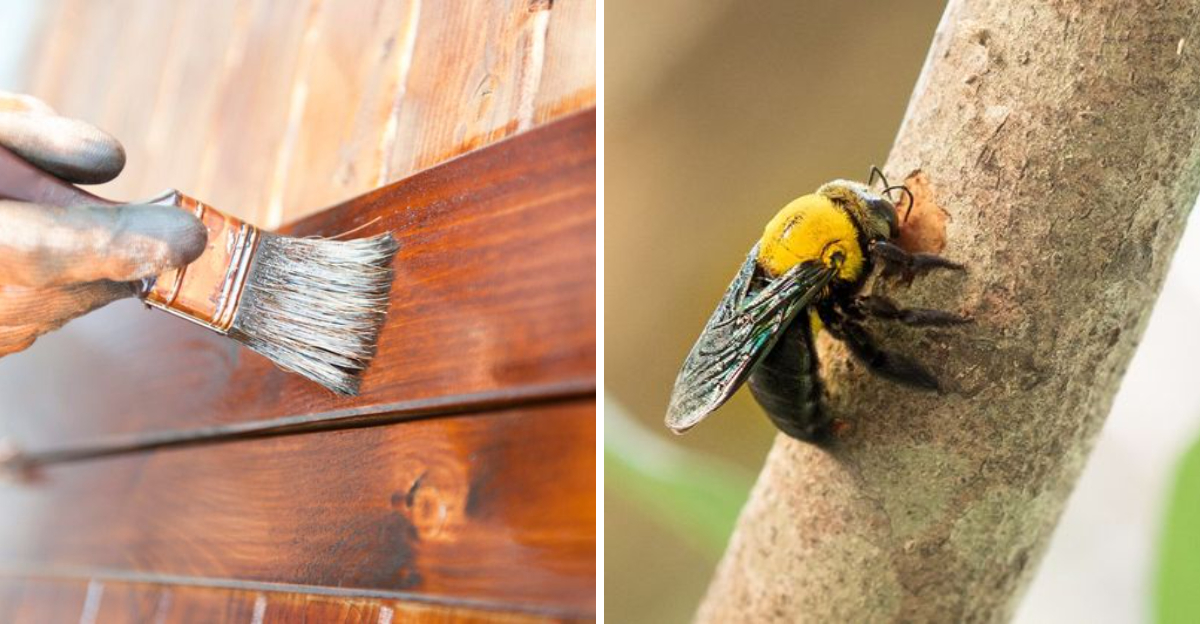
Carpenter bees have a way of making themselves very much at home around Texas wooden structures. Decks, pergolas, fences, eaves, wooden furniture.
If there’s untreated wood nearby, carpenter bees will eventually find it. And once they do, they drill those perfectly round holes with a confidence that suggests they consider your woodwork their personal real estate.
Most homeowners fight back with sprays and sealants, and those help. But a surprising number of Texas gardeners have found a more natural approach that works quietly in the background without chemicals or constant reapplication.
It comes down to what they’re applying to or adding directly to the wooden surfaces themselves.
Certain natural substances, many of them derived from plants, make wood considerably less attractive to carpenter bees without causing any damage to the structure itself.
Simple, affordable, and surprisingly effective. Here’s exactly what Texas gardeners are using on their wooden structures to keep carpenter bees from moving in.
1. Almond Oil Around Bee Holes
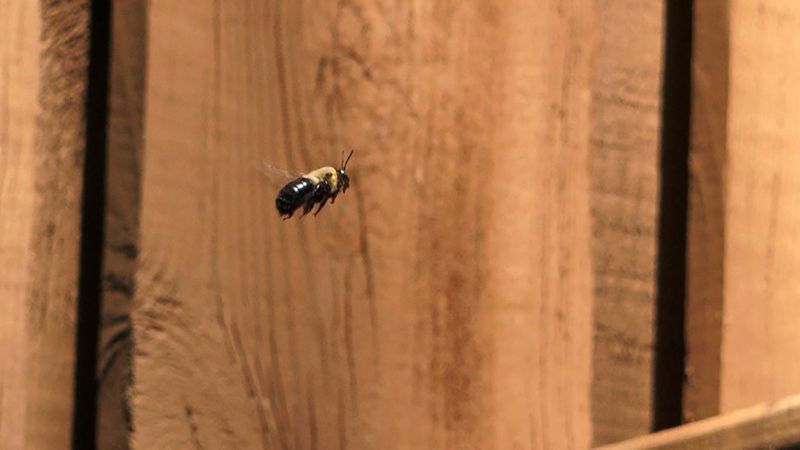
Most Texas gardeners who have dealt with carpenter bees will tell you that almond oil is one of the first things they reach for. The strong scent of almond oil or almond essence is something these bees genuinely dislike.
When you apply it near nest openings, it sends a signal that this spot is not a comfortable place to stay.
You can use a cotton swab or a small brush to dab almond oil directly around the edges of existing holes. Pure almond extract from the grocery store works just as well as specialty products.
The smell travels into the tunnel and makes the area feel unwelcoming to the bee inside. Keep in mind, though, that almond oil is a short-term fix. It does not seal the hole or stop bees from returning after the scent fades.
You will need to reapply it regularly, especially after rain. Think of it as a first step while you plan a more permanent solution.
It works best when combined with other protective measures, like painting or varnishing the wood. Some gardeners apply it at the start of spring, right when carpenter bees become active again.
That early timing can reduce new nesting before it gets out of hand. Almond oil is also safe around pets and children, which makes it a popular choice for families. It causes no damage to wood surfaces and leaves no stain behind.
For anyone looking for a gentle, natural way to push carpenter bees away from problem spots, almond oil is a solid starting point worth trying right away.
2. Fresh Paint On Bare Wood
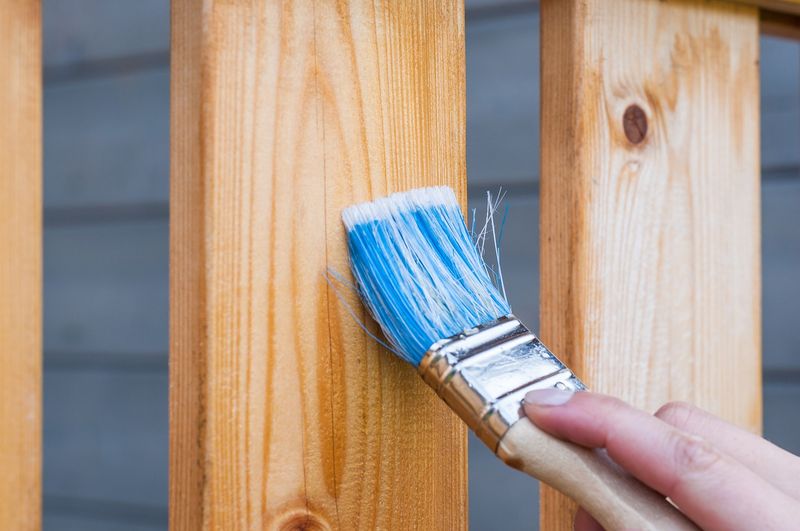
Bare wood is basically an open invitation for carpenter bees. If your porch, fence, or deck has any exposed, unfinished wood, you can almost count on these bees finding it.
Painting is one of the most reliable ways to protect wooden structures from nesting activity, and Texas gardeners have known this for years.
Oil-based paints and polyurethane finishes create a hard surface that bees have a much harder time boring into.
Your Texas Garden Changes Every Week. Your Plan Should Too.
Gardening in Texas changes quickly throughout the season. Every Friday you’ll receive a simple weekly plan showing exactly what to plant, prune, fertilize, harvest, and protect so you never miss the right timing.
The smooth, sealed surface also removes the natural wood grain texture that attracts carpenter bees in the first place. Even a single coat of good-quality exterior paint makes a noticeable difference.
Focus especially on the undersides of beams, the edges of railings, and any spots where the old paint has peeled away. Those raw, exposed areas are exactly where carpenter bees like to start.
A fresh coat of paint in those spots can stop new nesting before it begins. Spring is the best time to do a paint check around your property. Walk around your home and look for any wood that has lost its finish over the winter.
Touching up those spots early in the season helps you stay ahead of bee activity before it picks up.
Painting does not just protect against carpenter bees. It also shields wood from moisture, rot, and sun damage, which means your structures last longer overall.
For Texas gardeners who want a practical solution that does double duty, keeping painted wood well-maintained is one of the smartest moves you can make. A little effort in the spring saves a lot of trouble later in the year.
3. Varnish For A Natural Look
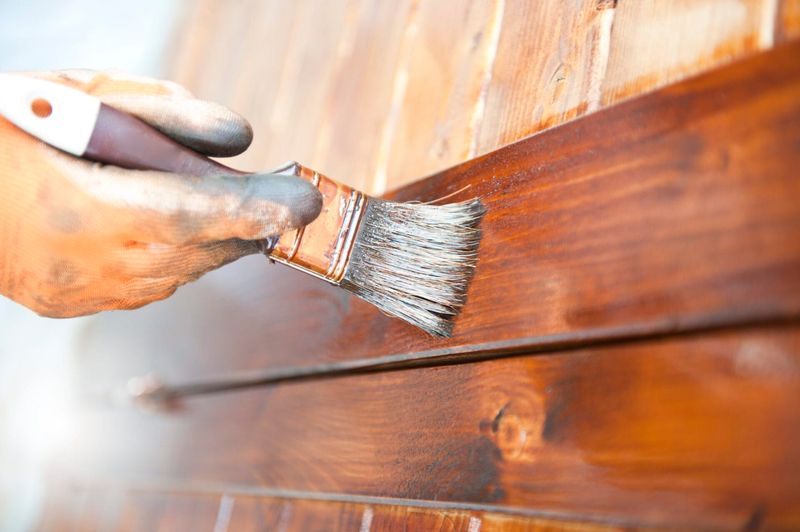
Not every gardener wants painted wood. Some people love the warm, natural look of exposed wood grain on their porch beams, railings, and garden furniture.
The great news is that you do not have to choose between good looks and protection from carpenter bees.
A clear varnish or hard polyurethane finish gives wood a beautiful, natural appearance while still creating a sealed surface that bees struggle to penetrate. Carpenter bees are strongly drawn to raw, untreated wood.
Once that wood has a hard finish on it, the surface becomes far less appealing as a nesting site.
Applying varnish is straightforward. Clean the wood surface first, let it dry completely, and then brush on an even coat of exterior-grade varnish.
Two coats are even better for long-term protection. Make sure to coat all sides of the wood, including the bottom edges where bees often start boring.
Varnish does wear down over time, especially in Texas where the summer heat is intense. Check your finished wood once a year and reapply as needed.
A quick inspection each spring helps you catch any spots where the finish has started to crack or peel before the bees notice them first.
Some gardeners prefer a satin or matte finish varnish so the wood does not look too shiny. Both work just as well as a glossy coat when it comes to keeping carpenter bees away.
Whether you are protecting a pergola, a garden gate, or decorative shutters, a quality varnish is a smart and attractive solution that keeps your wood looking great and your bee problems manageable all season long.
4. Metal Screen Or Flashing
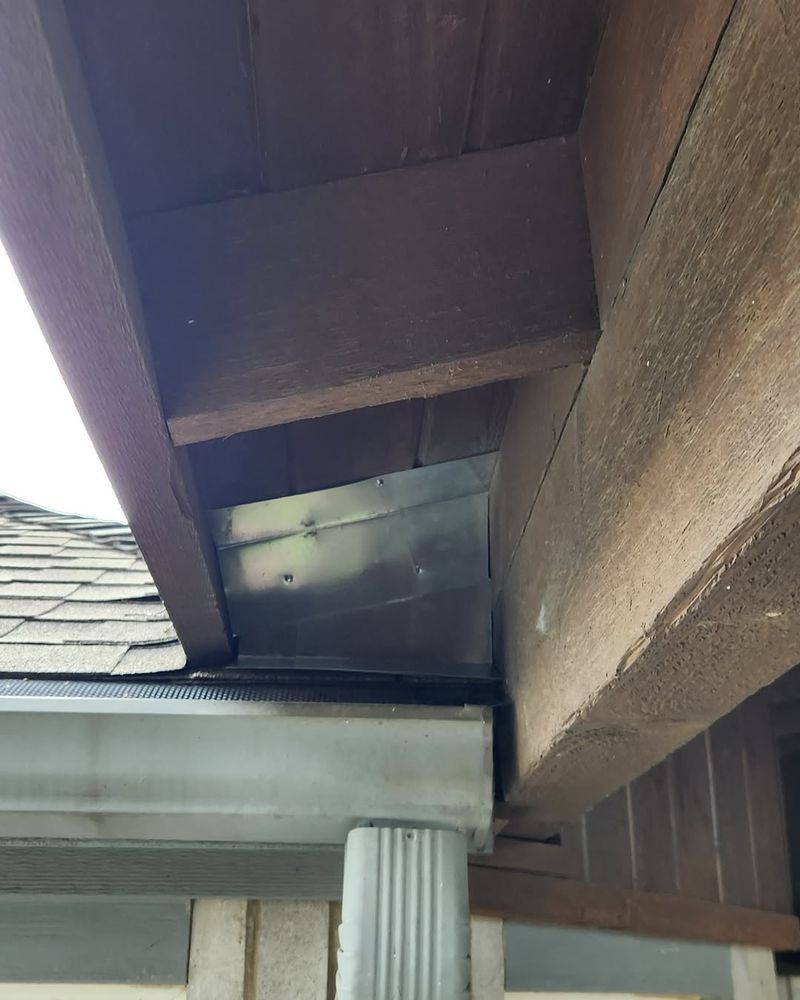
When carpenter bees keep coming back to the same spot year after year, a physical barrier is sometimes the most effective answer.
Texas A&M AgriLife Extension recommends using wire screen, metal flashing, or fiberglass as a barrier on areas where bee activity is especially stubborn and persistent.
Metal flashing is a thin sheet of aluminum or galvanized steel that can be cut to size and nailed or stapled over problem areas. It covers the wood completely and makes it impossible for bees to bore through.
Wire screen works in a similar way, especially over the ends of beams and railings where bees tend to start their tunnels.
Fiberglass mesh is another good option. It is lightweight, easy to cut, and resistant to moisture and rust.
You can attach it over vulnerable spots with staples or construction adhesive. Once it is in place, it creates a tough surface that bees simply cannot get through.
These barriers are especially useful on spots that have already been damaged before. Old tunnel sites attract new bees every season because the wood there is already softened and easier to work with.
Covering those spots with metal or fiberglass cuts off that easy access point completely. The look of metal flashing might not appeal to everyone, but it can be painted to blend in with the surrounding wood.
Some gardeners use it in less visible spots, like the underside of decks or the back side of fence posts.
It is a tough, long-lasting solution that requires almost no maintenance once installed, making it a smart choice for repeat problem areas around Texas homes and gardens.
5. Dowels For Old Tunnels
Here is something a lot of people overlook: leaving old carpenter bee holes open is like leaving the front door unlocked. Empty tunnels attract new bees the very next season.
Plugging those holes with hardwood dowels is a simple, satisfying fix that also protects your wood from moisture getting in.
Hardwood dowels are inexpensive and easy to find at any hardware store. You just need to match the dowel size to the hole diameter, which is usually about half an inch for carpenter bees.
Cut the dowel to the right length, apply a little wood glue, and press it firmly into the hole. Once the glue dries, you can sand the surface smooth and paint or varnish over it so it blends right in. The result looks clean and tidy, and the hole is completely sealed.
No bee can reuse that spot, and no moisture can sneak in and cause rot over time. Wood filler or exterior-grade caulk also works well if you do not have dowels on hand. The key is to fill the hole completely so there is no gap left behind.
A partial fill still leaves room for insects and moisture to cause problems, so take the time to do it right.
The best time to plug old holes is in late summer or early fall, after the current season’s bees have finished their cycle. Doing it during winter works too.
Just make sure the holes are empty before sealing them up. With a little patience and a few basic supplies, you can close off old tunnels for good and give your wooden structures a much cleaner and more protected look.
6. A Decoy Nesting Post
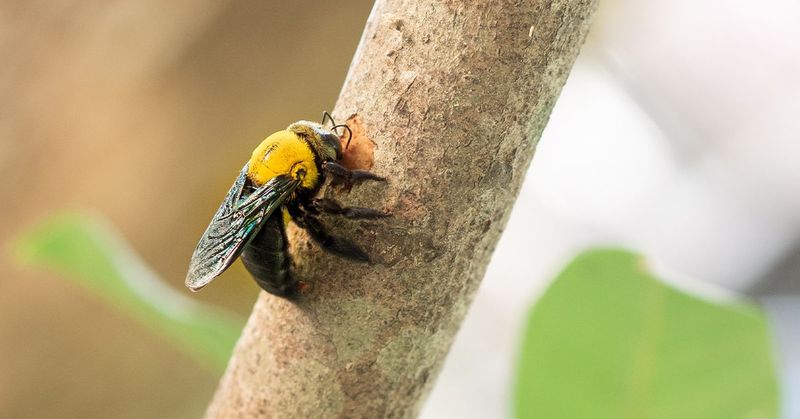
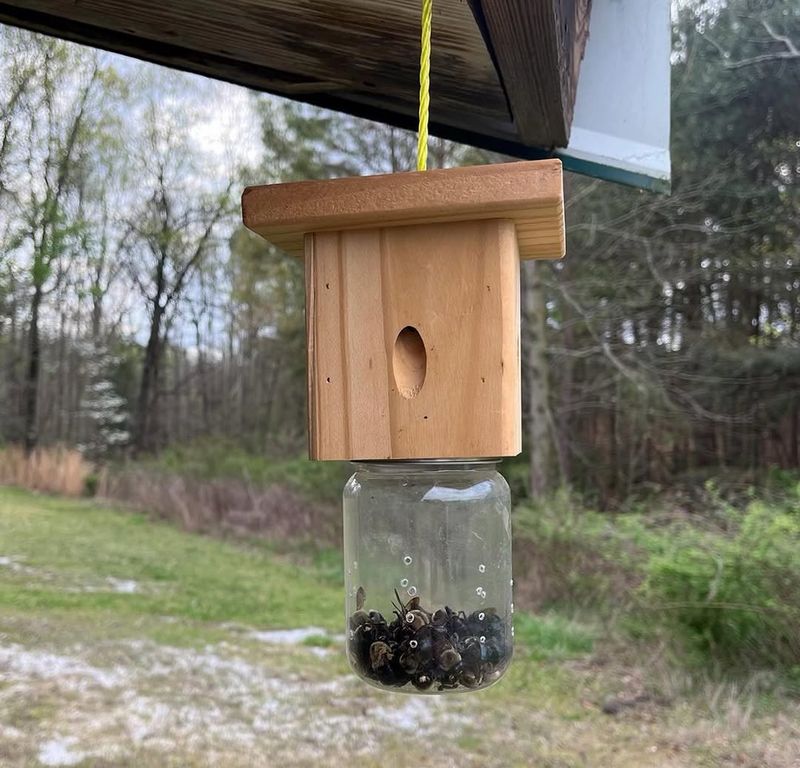
What if instead of fighting carpenter bees at every turn, you gave them somewhere else to go? That is the idea behind a decoy nesting post, and it is one of the more creative and bee-friendly strategies Texas gardeners use near their homes and gardens.
Carpenter bees actually play a helpful role in pollination. They visit flowers and help plants produce fruit and seeds.
Because of that, some gardeners prefer to redirect these bees rather than chase them away entirely. A decoy post gives them a place to nest that is not your porch or deck.
To make one, gather a few pieces of untreated softwood such as cedar or redwood. Bundle them together or mount them on a simple post.
Place the bundle away from your main structure, ideally near a garden bed or open area where pollination is welcome. Carpenter bees are naturally drawn to soft, untreated wood, so they often find these spots on their own.
You can even pre-drill a few half-inch holes into the wood to make it even more inviting. Think of it like putting up a birdhouse, but for bees.
The goal is to offer a better option so they choose the decoy over your fence or porch beam.
This approach works best when combined with other protective measures on your main structures. Seal and paint your porch, then offer the decoy as an alternative nearby.
It will not redirect every single bee, but it can noticeably reduce the pressure on your wooden structures. For gardeners who value pollinators and prefer a balanced approach, a decoy post is a thoughtful and practical solution worth setting up this season.