8 Flowers To Plant In November In Texas
Frozen flower petals can look ruined at sunrise, then stand back up and glow again by early afternoon. Several cool-season bloomers pull that trick every winter, and they handle light freezes better than most people expect.
Gardeners across Texas often treat November as a shutdown month, yet cooler soil makes it a prime planting window. Roots settle in quietly during mild weeks, so plants are ready to burst with color when spring arrives.
I have to admit that I used to pack away my trowel after Thanksgiving and simply wait for March. Now my winter beds buzz with bees on warm afternoons, and the cheerful color makes my gray mornings brighter.
Our mild Texas winters reward anyone willing to dig a few holes while neighbors are still raking leaves. Which tough little flowers deserve a spot in your garden before the first real cold front rolls through?
1. Pansies
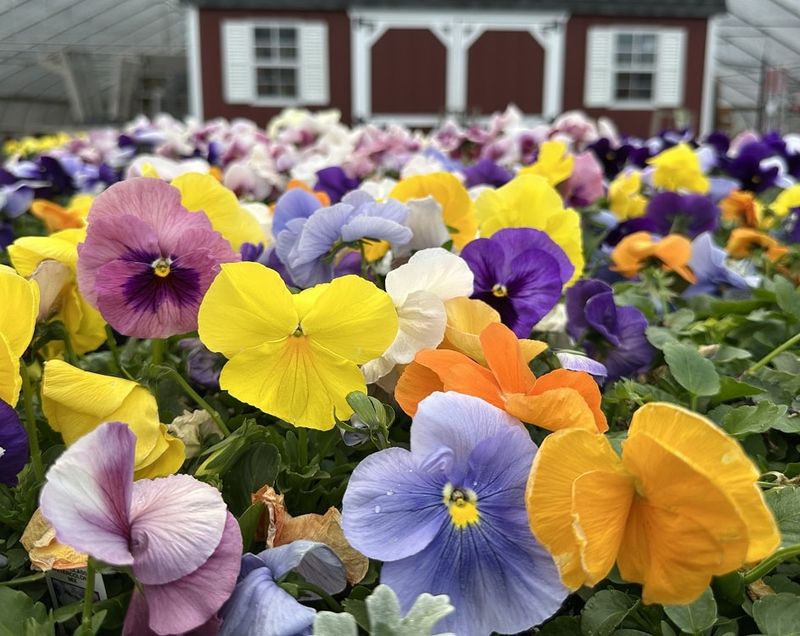
Pansy faces seem to grin at you, and honestly, mine look happiest on frosty mornings when everything else sulks. These tough little blooms can flop after a hard freeze, then perk back up once the sun warms them.
Gardeners know them as Viola x wittrockiana, and most varieties form tidy mounds about six to twelve inches tall. Their blooms come in a huge color range, often with dark blotches that look like painted little faces.
Plant them where they catch at least six hours of sun, because short winter days limit flower production.
Light afternoon shade works too, especially in warmer southern regions where sunny November afternoons can still feel surprisingly hot.
Rich, well-drained soil keeps their roots happy, so mix compost into heavy clay before you set out transplants. Water deeply when the top inch feels dry, but avoid soggy beds that invite root rot during rainy spells.
I feed mine every three to four weeks with a water-soluble fertilizer, and the flower count noticeably jumps afterward.
Pinching off faded blooms each week also keeps plants busy making new buds instead of setting seeds.
Pansies shine in containers, window boxes, and border edges, where their cheerful faces greet visitors right at eye level.
Most gardeners treat them as cool-season annuals and swap them out once late spring heat starts wearing them down.
Fun bonus: the flowers are edible, so pesticide-free blooms make adorable garnishes on cupcakes or holiday salads. I love tossing a few petals onto a winter cheese plate, and guests rarely guess they came from the yard.
2. Snapdragons
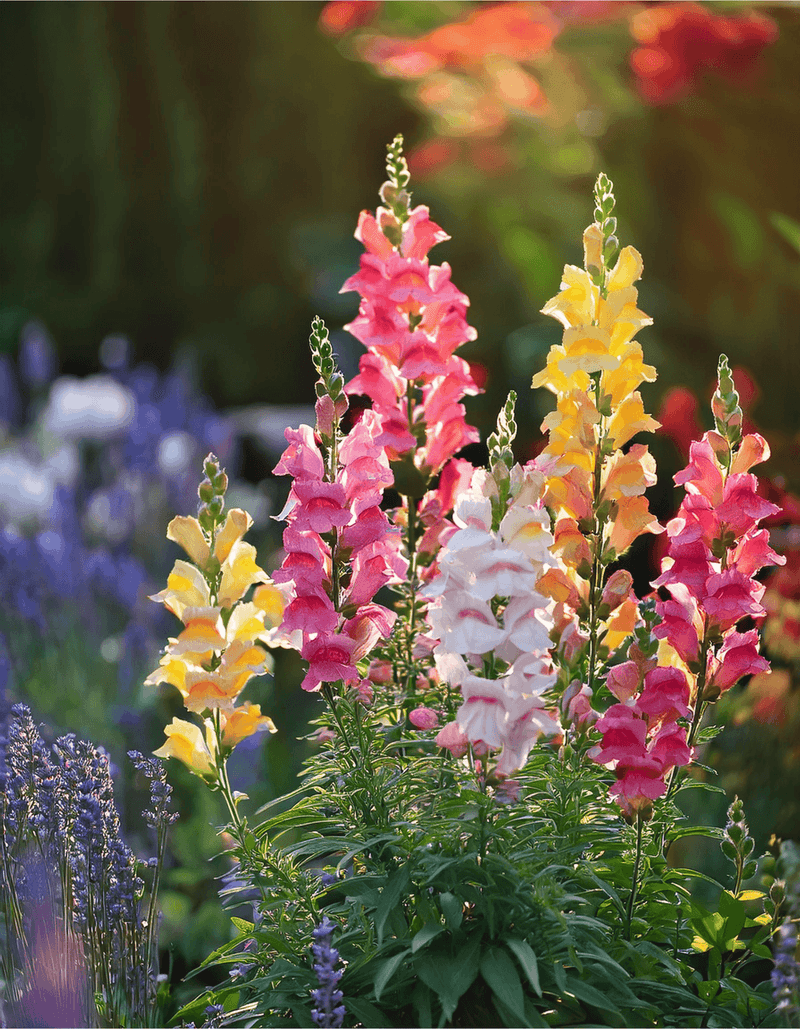
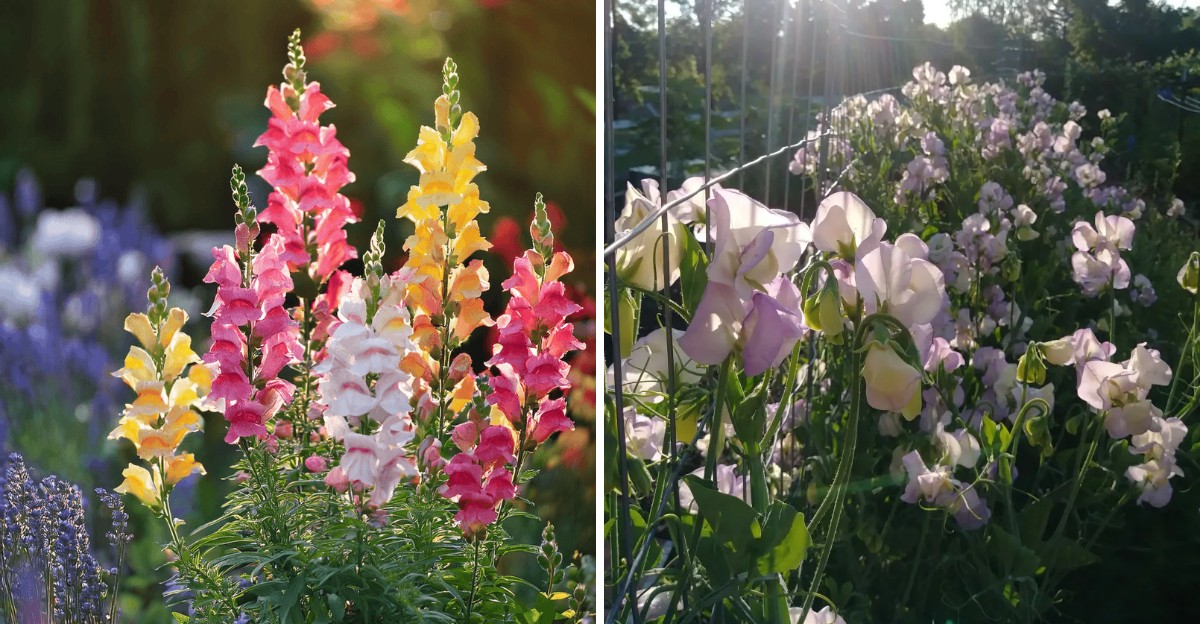
Squeeze the side of a snapdragon bloom and its little mouth pops open, which still delights me every single time. Kids love this trick, and bumblebees use the same hinged flower by pushing inside to reach nectar.
Antirrhinum majus brings vertical drama to winter beds, with varieties ranging from six-inch dwarfs to spires over three feet.
The flowers come in nearly every color except true blue, and many show lovely bicolor blends on each spike.
Give them full sun for at least six hours daily, since shady spots produce floppy stems and fewer flower spikes. Drainage matters more than anything else, so work compost into clay soil or tuck plants into raised beds.
November planting gives roots several weeks to settle in, and established plants handle light freezes with surprising grace.
In much of Texas, they bloom off and on through winter, then put on their biggest show in early spring.
Water steadily while they establish, then aim for roughly an inch per week from rain or your hose combined. Overwatering weakens them quickly, and I learned that lesson after losing a whole row to soggy, rotting stems.
Pinch young plants once they reach a few inches tall, and you will get bushier growth with more spikes. Snip spent spikes back to a leaf node, which encourages side shoots to send up fresh flowers within weeks.
Deer usually leave snapdragons alone, which makes them a smart pick for suburban yards with hungry visitors at night. Tall types also make wonderful cut flowers, lasting about a week in a vase on your kitchen table.
3. Dianthus
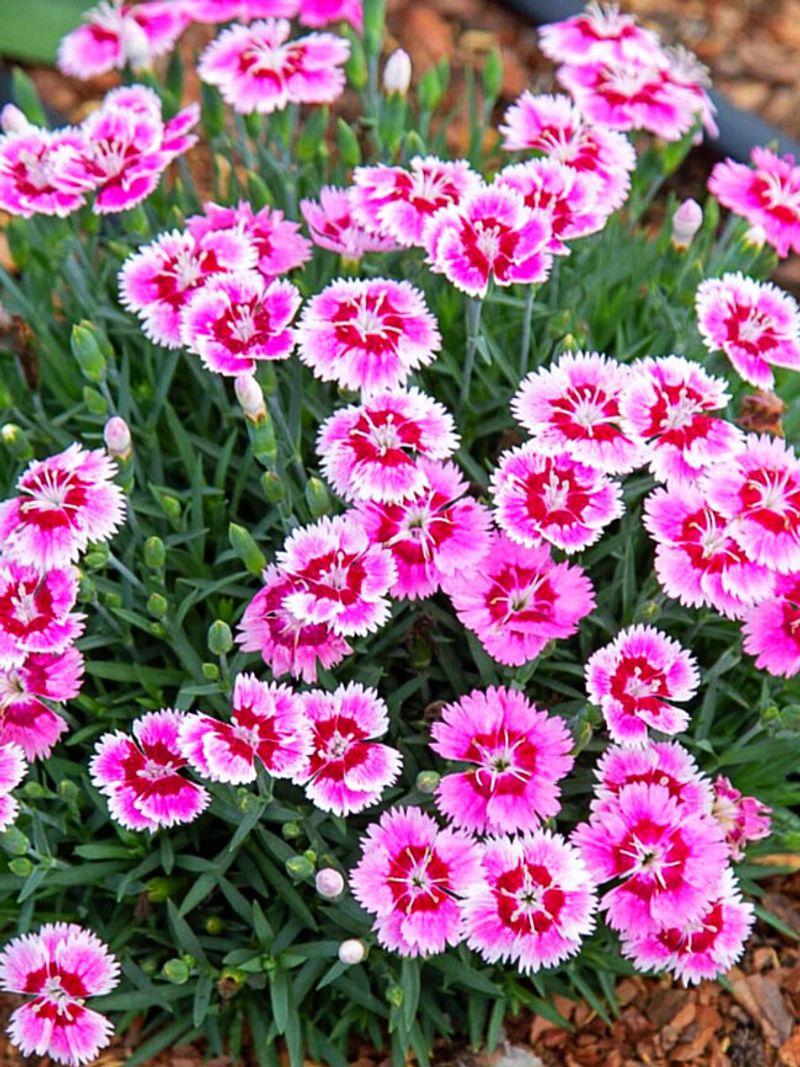
One sniff of a dianthus bloom explains its old nickname, because many varieties carry a spicy scent like cloves.
Those fringed petals look as if someone trimmed their edges with pinking shears, and that detail charms me endlessly.
Gardeners often call them pinks, and Sweet William is a related species with tight, domed clusters of blooms. Colors run through pink, red, white, and purple, often with contrasting rings that make each flower pop.
Sizes vary widely, from low mats a few inches tall to upright cutting types reaching nearly three feet. Some kinds return year after year in milder zones, while others behave more like annuals in hot summers.
Full sun suits them best, though a bit of afternoon shade helps in warmer regions with intense light.
They prefer neutral to slightly alkaline soil, which works nicely with the limestone-based ground many of us garden on.
Drainage is the deal breaker, since heavy, wet clay can quickly cause crown rot and mushy stems. Water regularly at first, then let the top layer of soil dry slightly before giving plants another drink.
Fall planting lets roots develop during cool weather, so plants are ready to flower heavily when spring rolls around.
Snipping off spent flowers keeps buds coming, and a light trim refreshes plants that start looking tired.
Butterflies happily sip from the blooms, which makes dianthus a sweet addition near a patio or sitting area. Keep curious pets from chewing the foliage, since it can cause mild stomach upset in cats and dogs.
4. Aromatic Aster
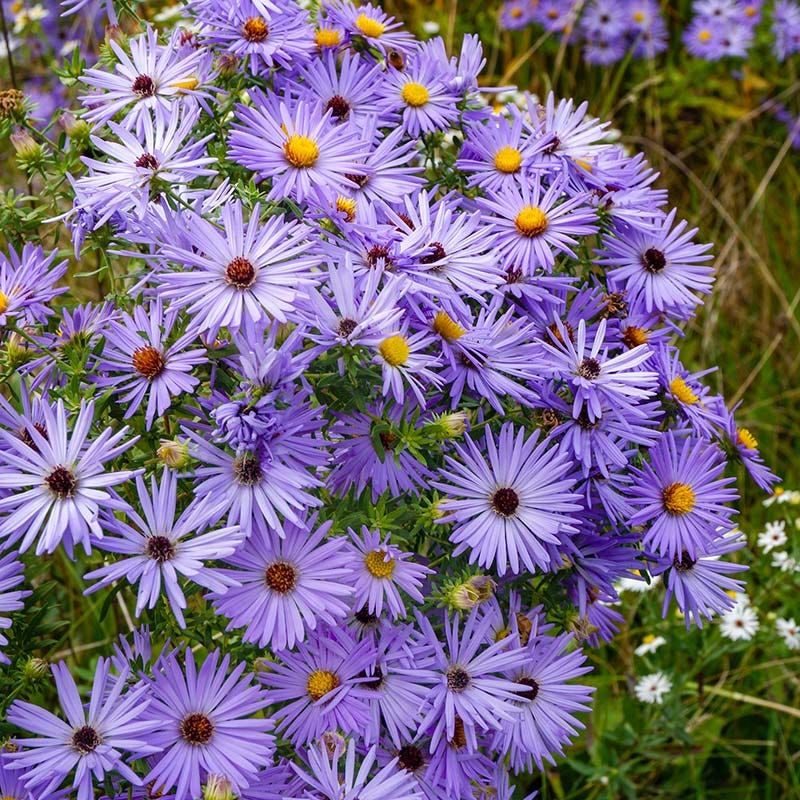
Brush against an aromatic aster and you will catch a resinous, herbal scent rising from its tiny, fuzzy leaves.
By late fall, mature clumps vanish under hundreds of violet flowers with golden centers, and pollinators crowd every bloom.
Botanists call it Symphyotrichum oblongifolium, and it is a native perennial across much of the central United States. Plants form dense mounds about one to three feet tall, spreading slowly into bushy clumps over a few seasons.
Planting now feels a bit like a gift to your future self, because roots grow quietly all winter long. Next fall, the plant should reward that patience with a far bigger flower show than a spring transplant.
Give it full sun for the most blooms, though light shade is fine in hotter, harsher spots. It handles sandy loam and heavy clay alike, as long as water drains away instead of pooling.
Water consistently during its first year, then step back, since established plants are impressively drought tolerant. Too much water or rich fertilizer makes stems leggy, so I mostly let mine fend for itself.
Cutting plants back by about one-third in early summer keeps them compact and packed with more flower buds. Skip that trim after midsummer, though, or you may remove the buds that are forming for autumn.
Migrating monarchs and native bees rely on late nectar sources like this one when most wildflowers have faded. Deer usually pass it by too, which makes it a dependable choice for rural and suburban yards.
5. Sweet Peas
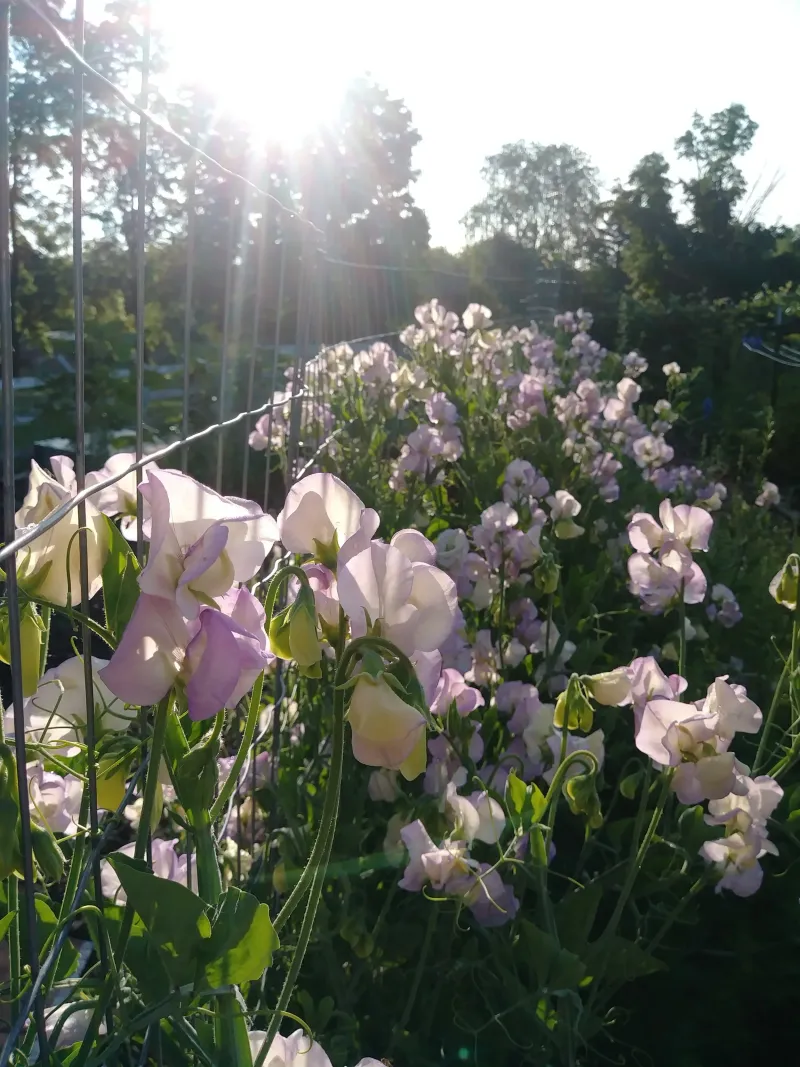
Sweet peas smell so good that I have caught myself standing in the garden, nose buried in blooms. Their ruffled flowers look like tiny butterflies perched on vines, and the fragrance is strongest in many heirloom types.
Lathyrus odoratus is an annual climber, and tall varieties can scramble six to ten feet with sturdy support. Dwarf types stay compact enough for containers, so even a small balcony can host a fragrant little display.
Across central and southern Texas, October and November are prime sowing months, because plants need cool weather to grow.
Seeds sown now build strong roots over winter, then flower heavily before late spring heat shuts them down.
Soak seeds overnight before planting to soften their tough coats, which can help speed up germination quite a bit. Pick a spot with full sun and rich, well-drained soil loaded with compost or well-rotted manure.
Set up a trellis or fence before sowing, since tendrils need something to grab almost as soon as they sprout.
Pinch the tips when seedlings reach about six inches tall, and you will get bushier plants with more stems.
Keep the soil evenly moist throughout the season, because sweet peas sulk and stop blooming when they dry out. Cut bouquets often, since every stem you harvest encourages the vine to produce fresh buds for weeks.
One caution matters here, because the seeds and pods are toxic to people and pets if eaten. Keep that in mind near curious kids, and stick to admiring the blooms rather than nibbling the pods.
6. Calendula
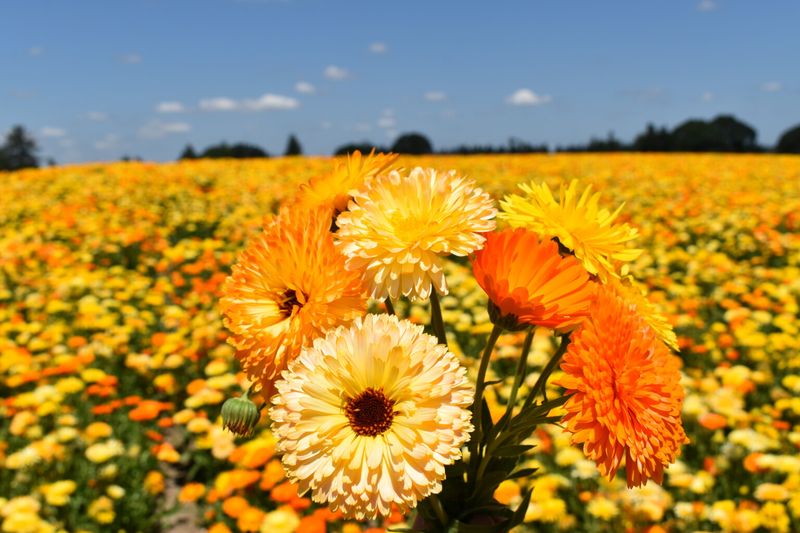
Calendula blooms open with the morning sun and often close up on cloudy days, like they are taking a nap. I find that sleepy habit charming, especially when a whole bed of orange flowers wakes up at once.
Calendula officinalis also goes by pot marigold, though it is not a true marigold like the familiar Tagetes types. Its daisy-like flowers measure two to four inches across, in shades from creamy yellow to bold orange.
Plants usually reach one to two feet tall, making them handy for borders, containers, and veggie bed edges.
Mild-winter regions are ideal for November planting, since calendula keeps flowering through many cool winter weeks.
Full sun gives the best flower count, though a little afternoon shade helps in hotter parts of the state. Deep shade cuts blooming way back, so pick an open spot that gets at least six hours of light.
Surprisingly, calendula prefers modest soil, and overly rich ground produces lush leaves with fewer flowers to enjoy.
Water regularly until plants settle in, then let the soil dry slightly between drinks to keep roots healthy.
Snip faded flowers often to keep new buds coming, and to limit the volunteer seedlings that pop up later. Bees and hoverflies visit the bright centers, which makes calendula a helpful neighbor for winter lettuce and greens.
The petals are edible, with a mildly peppery flavor that brightens salads and buttery rice dishes. I like sprinkling a handful over a winter soup, and it looks like confetti made of sunshine.
7. Violas
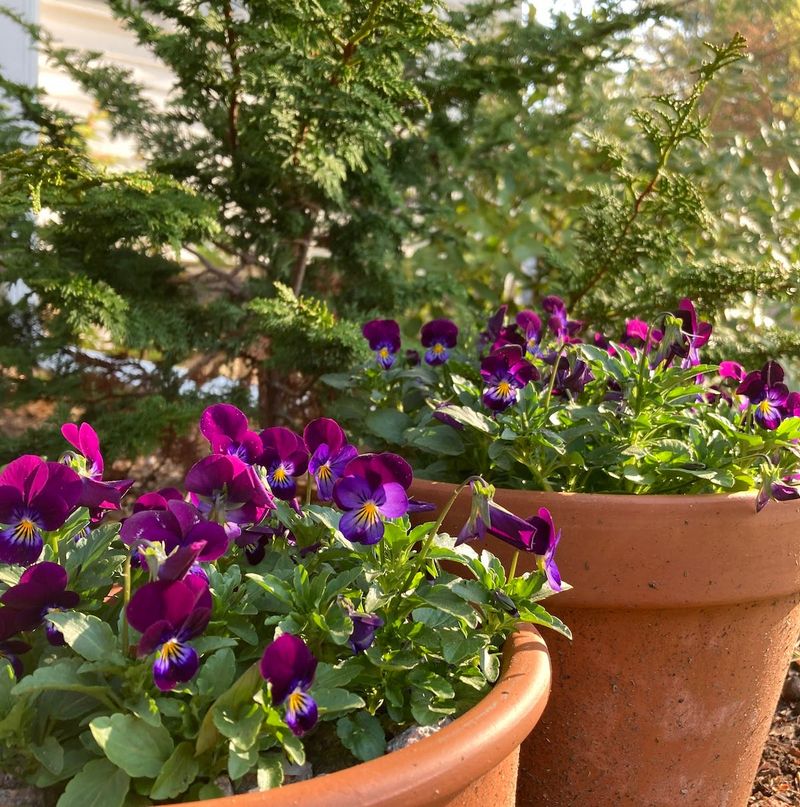
Violas may look like pansies that shrank in the wash, but they often outbloom their bigger cousins all winter. Small flowers mean less damage from freezes and rain, so plants bounce back quickly and keep producing new buds.
Viola cornuta forms low mounds about six to eight inches tall, covered in purples, blues, yellows, and whites.
Many varieties show whisker-like lines on their petals, which guide bees straight toward the nectar inside each flower.
Planting can start in October and stretch into February, though November gives roots extra time before spring warmth arrives.
I tuck them around bulbs, and the tiny faces fill gaps nicely while daffodil leaves are still emerging.
Six hours of sun keeps them blooming heavily, and afternoon shade helps them last longer in warmer zones. Humus-rich, well-drained soil suits them best, although they are quite adaptable to ordinary garden beds.
Water consistently while they establish, but avoid soggy ground, since constantly wet roots can rot surprisingly fast.
A light layer of mulch helps hold moisture steady and shields shallow roots during chilly overnight dips.
Violas are mostly self-cleaning, so you can skip fussy trimming and still enjoy plenty of flowers. A light shearing in March often triggers a fresh flush, stretching the show a few more weeks.
Early native bees appreciate them on mild winter days when few other nectar sources are available nearby. The flowers are edible too, and I love pressing them onto sugar cookies for an easy party treat.
8. Sweet Alyssum
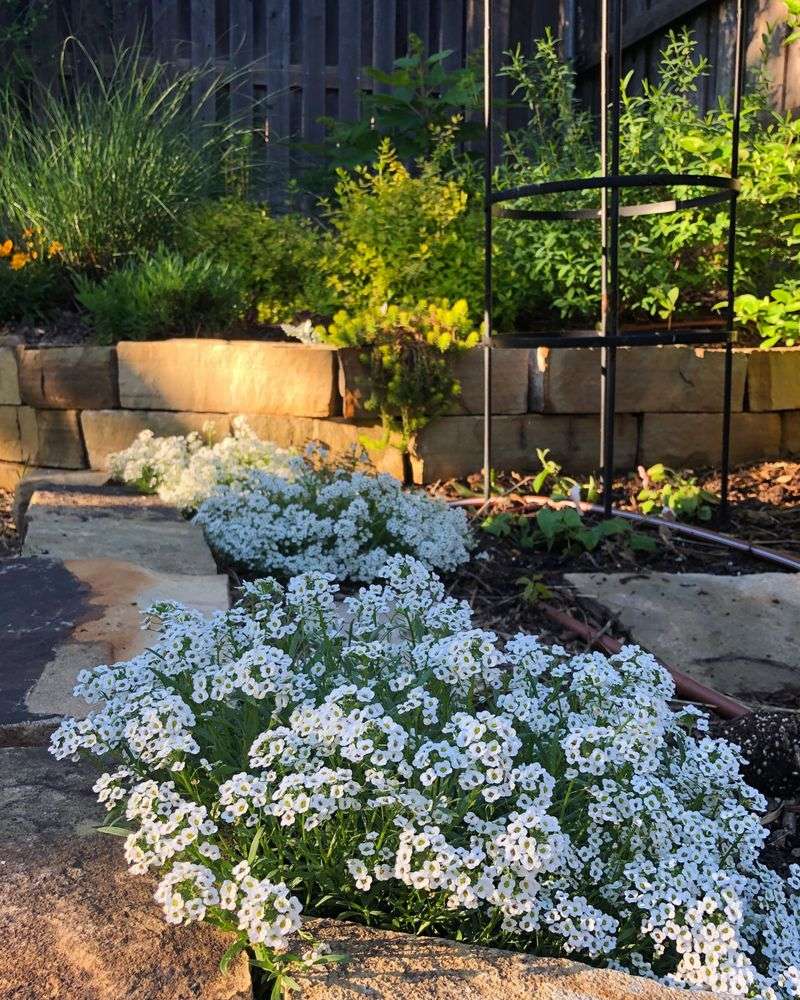
Kneel beside a patch of sweet alyssum on a sunny afternoon, and a honey scent drifts up to greet you. Those tiny flowers pack a big perfume, which surprises anyone who expects such a dainty plant to stay quiet.
Lobularia maritima grows just three to nine inches tall, spreading into a soft carpet that spills over edges. Clusters come in white, pink, or lavender, and white types often look like a dusting of fresh snow.
Cool weather is when this plant truly shines, because summer heat usually makes it stall and look ragged.
November planting in much of Texas brings flowers through winter and spring, especially in milder southern areas.
Full sun works well, but a little afternoon shade helps plants hold up when warm spells sneak in. Moist, well-drained soil keeps it happy, and it tolerates sandy or rocky spots better than many annuals.
Young plants need steady water, while established clumps handle short dry periods with very little fuss. Waterlogged beds lead to rot, so skip low spots where rainwater tends to collect after heavy storms.
Shear plants back by about half after the first big flush, and a second wave of blooms follows. That quick haircut also tidies leggy stems, giving borders a neat, cushiony look again within a few weeks.
Hoverflies love alyssum, and their larvae feast on aphids, so I plant it near vegetables as a natural helper.
Personally, I think no garden path feels complete until a ribbon of this fragrant little flower lines it.