These Pennsylvania Plants Don’t Need Rich Soil To Thrive
Most gardening advice starts with improving the soil. Amend it, enrich it, build it up over time until conditions are ideal for whatever you want to grow. That’s sound advice in many situations. But Pennsylvania yards don’t always cooperate.
Heavy clay that drains poorly, compacted subsoil that resists improvement, rocky outcroppings in the wrong places, shallow dry banks that lose whatever you add almost immediately.
Many Pennsylvania gardeners are working with conditions that no amount of amendment quickly or fully fixes. The smarter approach in those situations is to stop fighting the soil and start working with it.
There are Pennsylvania plants that don’t just tolerate poor soil. They genuinely prefer it.
They evolved in lean, rocky, or clay heavy conditions that would slow down or defeat plants requiring rich growing medium, and they perform at their best in exactly the spots most gardeners consider a lost cause.
These plants don’t need feeding, heavy amending, or constant intervention. They need the right conditions. And Pennsylvania has plenty of difficult spots that qualify.
Here are the Pennsylvania plants that thrive in poor soil and why your hardest spots might actually suit them perfectly.
1. Little Bluestem
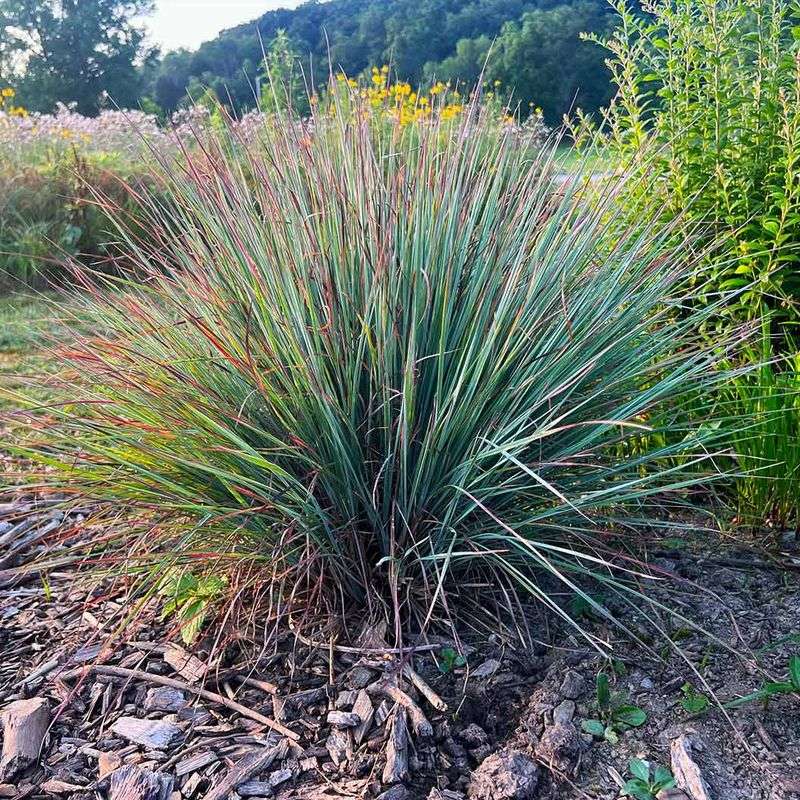
Few grasses turn heads quite like Little Bluestem does in the fall. During the growing season, its blue-green stems stand upright and full.
But come autumn, the whole plant shifts into shades of copper, red, and bronze that almost seem to glow in the afternoon sun.
Little Bluestem thrives in full sun and poor, dry soil. Rich, heavily fertilized soil can actually cause the plant to flop over and lose its upright shape.
Sandy, gravelly, or even clay soils suit it just fine, which makes it a great fit for many Pennsylvania yards that struggle with thin or rocky ground.
Its deep root system is one of its best features. Those roots can reach several feet into the ground, pulling up moisture that shallower-rooted plants simply cannot access.
That is why Little Bluestem handles long dry spells so well without any extra watering from you.
Wildlife loves this grass too. Birds, especially sparrows and juncos, feed on its seeds throughout the winter months. The plant also provides shelter and nesting material for small insects and native bees.
Little Bluestem grows between two and four feet tall, making it a solid mid-border plant or a naturalistic ground cover for slopes. It works especially well when planted in large groups, where the fall color creates a dramatic, sweeping effect across the landscape.
Plant it in a sunny spot and leave it mostly alone. A light trim in late winter or early spring is all the maintenance it really needs to come back strong year after year.
2. Butterfly Weed
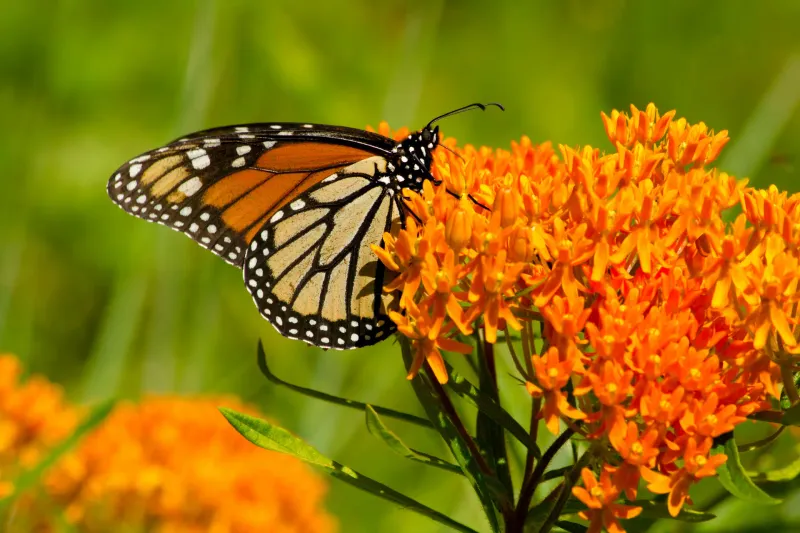
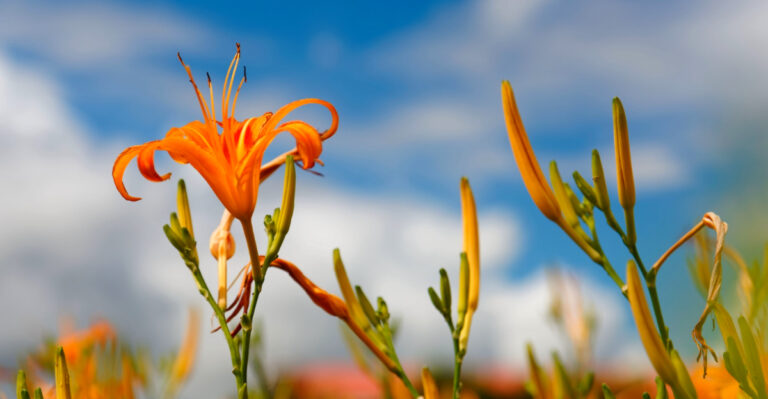
There is nothing shy about Butterfly Weed. Its clusters of vivid orange flowers practically shout from across the yard, and the pollinators hear the call loud and clear.
Monarch butterflies, swallowtails, and native bees flock to this plant from midsummer right through early fall.
Your Pennsylvania Garden Changes Every Week. Your Plan Should Too.
Gardening in Pennsylvania changes quickly throughout the season. Every Friday you’ll receive a simple weekly plan showing exactly what to plant, prune, fertilize, harvest, and protect so you never miss the right timing.
Unlike many flowering perennials, Butterfly Weed prefers dry, well-drained soil over rich, heavily amended ground. Too much moisture or too many nutrients can actually shorten its lifespan and make it more prone to root problems.
Sandy or gravelly soil that drains quickly is exactly what this plant wants. Butterfly Weed is a member of the milkweed family, which means it plays a critical role in supporting monarch butterfly populations.
Monarchs use it as a host plant, laying their eggs on the leaves so their caterpillars have food right from the start. Planting even a small patch helps support one of North America’s most iconic pollinators.
One thing to keep in mind is that Butterfly Weed is slow to emerge in spring. It is one of the last perennials to show new growth, so do not assume it has not survived the winter.
Be patient, and it will push up from the ground once the soil warms up enough. Once established, Butterfly Weed is remarkably self-sufficient. It rarely needs watering, does not require fertilizer, and resists most pests on its own.
It grows about one to three feet tall and pairs beautifully with other drought-tolerant natives like Little Bluestem or Black-Eyed Susan for a low-maintenance, pollinator-friendly garden.
3. Black-Eyed Susan
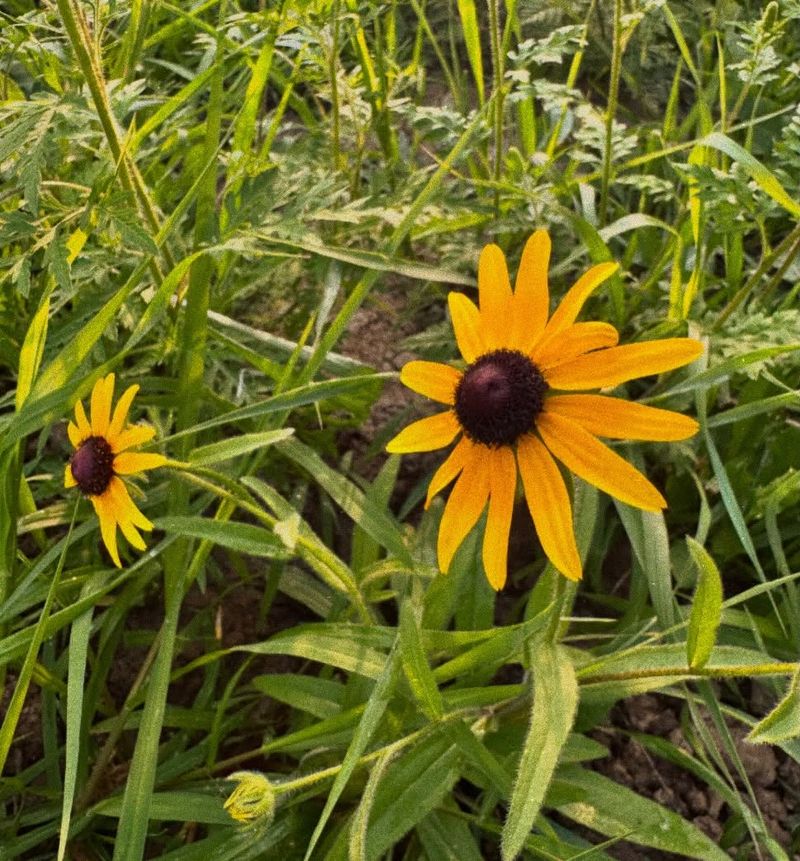
Walk along almost any Pennsylvania roadside in summer and you will spot Black-Eyed Susan waving its golden-yellow petals in the breeze.
It is one of the most recognizable wildflowers in the state, and its cheerful blooms can brighten up even the most neglected corner of a yard.
What makes Black-Eyed Susan so impressive is its ability to adapt to almost any soil type. Gravelly, clay, acidic, or alkaline ground, this plant handles it all without complaint.
It does not need amendments, fertilizers, or much fussing to put on a great show each summer.
Once established, Black-Eyed Susan handles heat and drought remarkably well. Its root system reaches deep enough to find moisture during dry stretches, and the plant bounces back quickly after periods of stress.
That toughness makes it a reliable performer even during Pennsylvania’s occasionally harsh summers.
Pollinators absolutely love Black-Eyed Susan. Bees, butterflies, and other beneficial insects visit the flowers regularly throughout the blooming season.
When the flowers fade, the seed heads remain and attract goldfinches and other seed-eating birds well into the fall and winter months.
Black-Eyed Susan self-seeds readily, which means it can spread and fill in bare spots naturally over time. If you prefer a tidier look, simply deadhead some of the spent flowers before the seeds disperse.
Leaving a few seed heads in place gives wildlife something to snack on and helps the colony expand slowly and naturally.
It grows one to three feet tall and looks great paired with native grasses, coneflowers, or Butterfly Weed for a classic Pennsylvania wildflower garden.
4. Yarrow
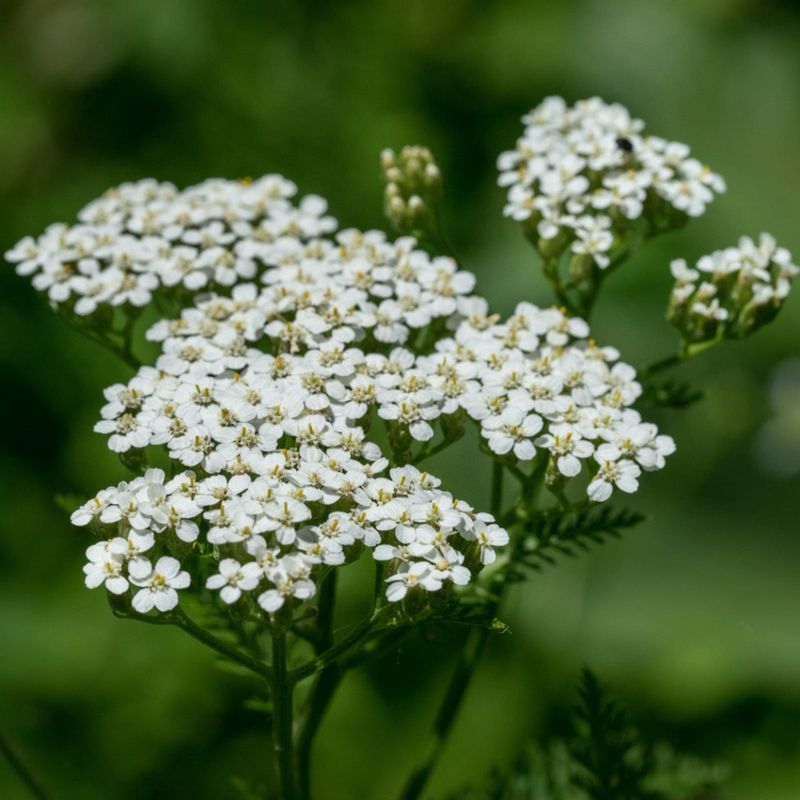
Yarrow has been growing in fields and roadsides for so long that many people assume it is a weed. It is actually one of the most useful and adaptable native perennials you can plant in a Pennsylvania garden.
Its flat-topped flower clusters come in white, yellow, and shades of pink or red, depending on the variety you choose.
One of Yarrow’s best qualities is how well it performs in dry, infertile soil. Unlike many flowering plants, it does not need rich ground to bloom beautifully.
In fact, too much soil fertility can cause Yarrow to grow tall and floppy, with stems that fall over rather than standing upright. Lean soil keeps it compact and sturdy.
Yarrow spreads through underground rhizomes, which means it fills in open areas gradually over time. This makes it a practical ground cover for slopes or bare patches where other plants struggle to get established.
A little patience goes a long way with this plant. Pollinators are big fans of Yarrow. The wide, flat flower heads create an easy landing pad for butterflies, bees, and hoverflies.
Some gardeners even plant Yarrow specifically to attract beneficial predatory insects that help keep garden pests in check naturally.
Yarrow is also surprisingly deer-resistant, which is a big plus in many Pennsylvania neighborhoods where deer pressure is high. Its strong scent tends to put deer off, giving it a better chance of surviving in yards where other plants get nibbled down.
Plant Yarrow in full sun, give it good drainage, and skip the fertilizer. That simple approach is all it takes to keep this plant thriving year after year.
5. Prickly Pear Cactus
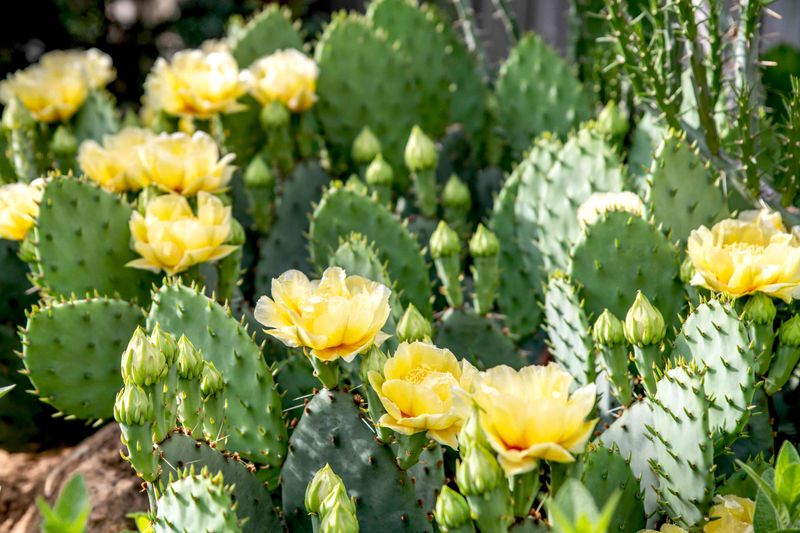
Most people are surprised to learn that a cactus can grow in Pennsylvania, but Prickly Pear is a true native of the eastern United States.
It grows naturally in dry, rocky outcrops and sandy barrens across the region, including parts of Pennsylvania where the soil is thin and drainage is excellent.
Prickly Pear thrives in dry, lean soil with excellent drainage. Heavy, wet clay soil is the one condition it cannot tolerate well.
If water sits around the base of the plant for too long, the pads can rot. A raised bed or a slope with sandy or gravelly soil is the perfect spot for this unique plant.
Once established, Prickly Pear needs very little supplemental water. It stores moisture inside its thick, fleshy pads, which allows it to coast through dry spells that would stress out most other garden plants.
In a typical Pennsylvania summer, rainfall alone is usually enough to keep it going. The flowers are a genuine showstopper. Large, silky blooms in bright yellow appear in late spring to early summer, often covering the plant in a burst of color that lasts for a few weeks.
After the flowers fade, red or purple fruits called tunas form and persist into fall, providing food for birds and other wildlife.
Prickly Pear grows slowly and stays relatively low to the ground, usually reaching one to two feet in height.
Its unique texture and form make it a striking conversation piece in any garden. Just wear thick gloves when handling it, because those spines are sharper than they look.
6. Moss Phlox
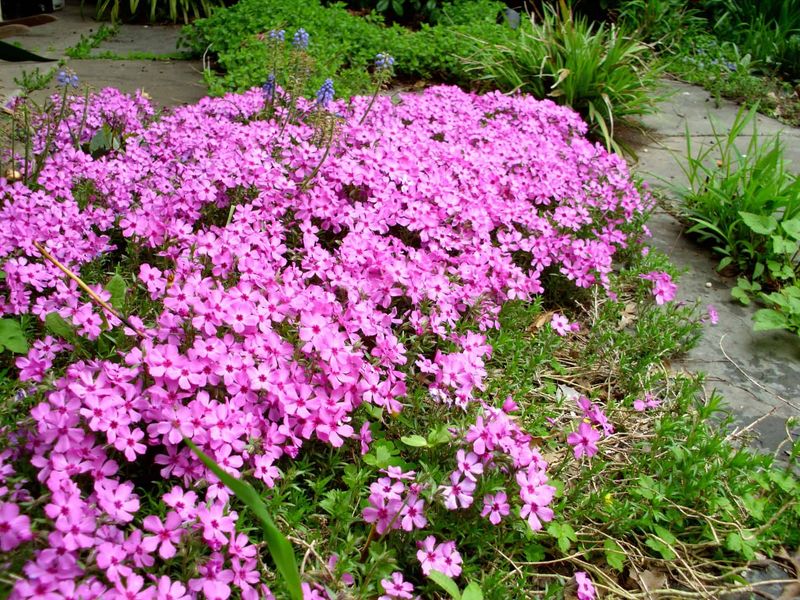
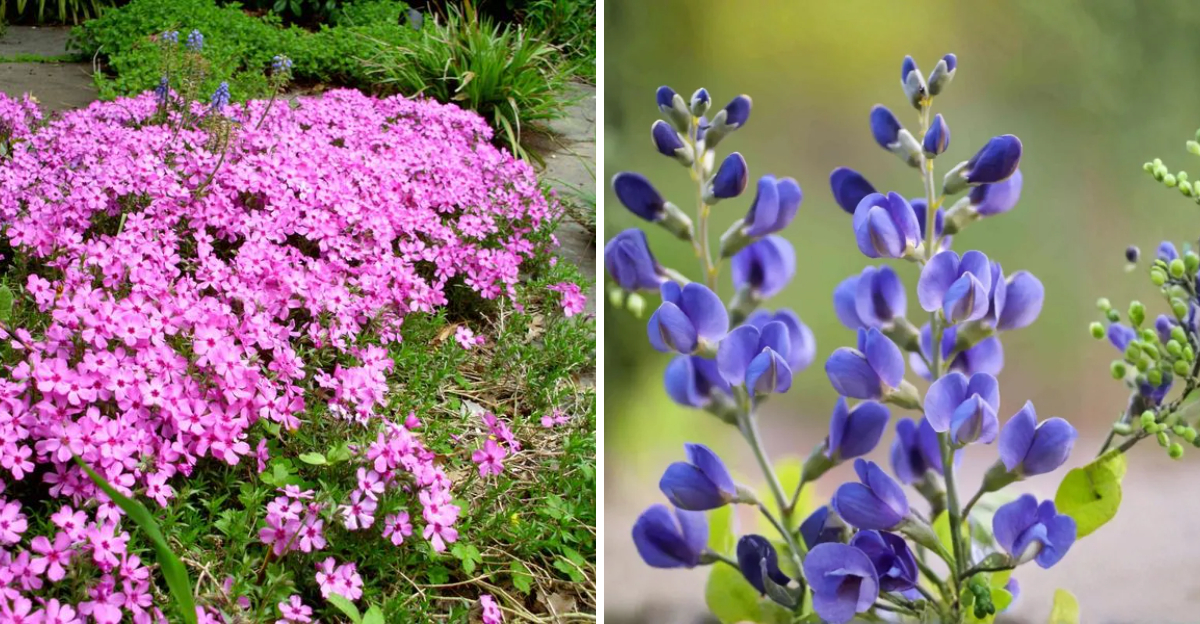
Every spring, Moss Phlox puts on one of the most spectacular floral displays of any low-growing plant in Pennsylvania. Its tiny needle-like leaves are almost completely hidden beneath a thick carpet of flowers in shades of pink, purple, white, or lavender.
The effect is stunning, especially on slopes and rock gardens where not much else wants to grow.
Moss Phlox handles dry, well-drained ground and sunny slopes with ease. It does not need rich soil to bloom generously.
In fact, planting it in overly fertile or consistently moist soil can lead to weak, sprawling growth and fewer flowers. Lean, gritty, or sandy soil is where it truly shines.
Its low, spreading form makes Moss Phlox an excellent ground cover. It grows only three to six inches tall but can spread two feet or more across, forming a dense mat that crowds out weeds once it fills in.
That weed-suppressing ability alone makes it worth planting in tricky spots around the yard.
After the main spring bloom fades, Moss Phlox settles into a tidy, evergreen mat of foliage that stays attractive through most of the year. A light trim right after flowering helps keep the plant compact and encourages a possible second flush of blooms in some varieties.
Pollinators are drawn to the flowers early in the season when few other plants are blooming yet. Early bees and butterflies depend on plants like Moss Phlox for nectar during those first warm weeks of spring.
Planting it near the front of a border or along a path edge gives visitors a great view of both the plant and its visitors.
7. False Blue Indigo
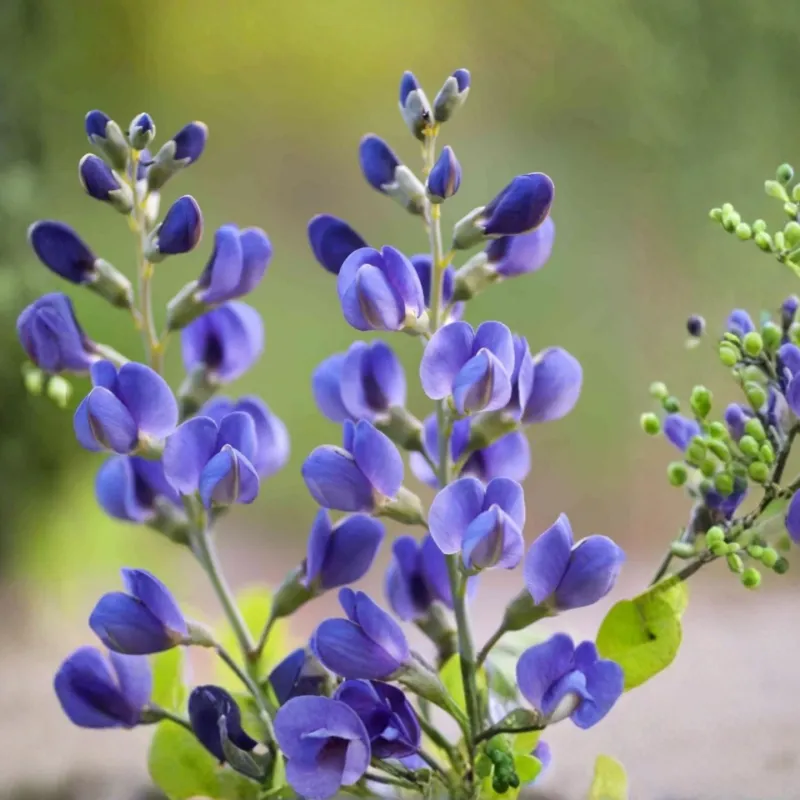
If you want a plant that looks like it belongs in a fancy garden but behaves like it belongs in the wild, False Blue Indigo is the answer.
Its tall spikes of deep blue-purple flowers appear in late spring, rising above attractive blue-green foliage that stays handsome all season long. It is bold, beautiful, and surprisingly tough.
False Blue Indigo grows well without routine fertilizer. It is a legume, which means its roots work with soil bacteria to fix nitrogen from the air, essentially feeding itself.
That built-in nutrient system makes it perfectly happy in lean, infertile soil where other flowering shrubs and perennials would struggle.
Once established, False Blue Indigo is long-lived and reliable. Some plants persist in the same spot for decades with very little attention from the gardener.
It develops a deep, woody root system that makes it drought-tolerant and very difficult to move once it has settled in, so choose its location carefully from the start.
After the flowers fade, inflated dark seed pods form and rattle in the breeze, adding late-season interest and earning the plant a few colorful nicknames over the years.
Birds occasionally feed on the seeds, and the dried pods can even be used in floral arrangements for a rustic, natural look.
False Blue Indigo grows three to four feet tall and wide, making it a strong structural plant in a mixed border. It pairs well with grasses, coneflowers, and Black-Eyed Susan for a layered, naturalistic planting.
Give it full sun to light shade and well-drained soil, and it will reward you with decades of low-effort beauty.