Free Mulch in Flagstaff: Cinder Lake Pickup and ChipDrop as a Variable Alternative
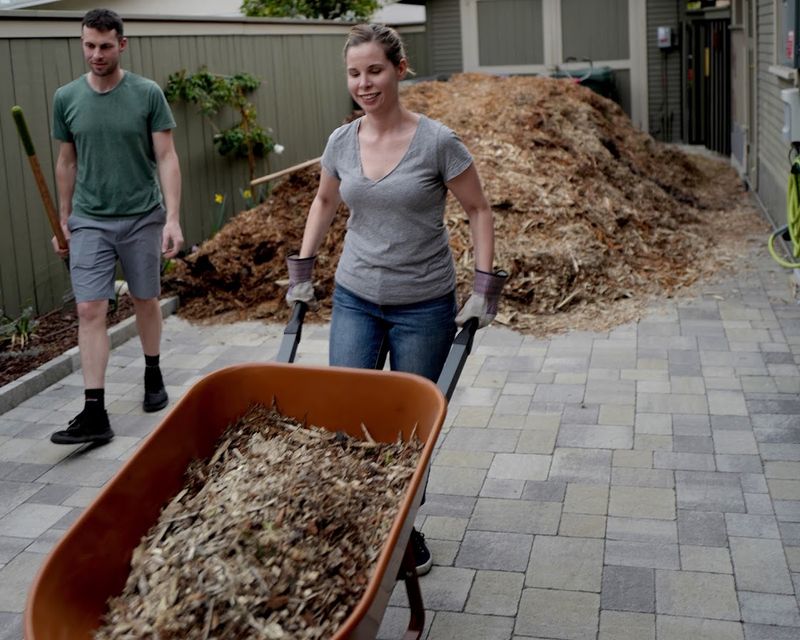
Flagstaff residents can pick up free mulch at the city landfill, and that is real. Elsewhere in Arizona, the picture is much less clear.
A free pile of wood chips sounds like a gardener’s dream, but the details matter a lot. Here is how to plan fall yard work around what is confirmed and what is only possible.
Free Mulch Is a Local Offer, Not a Statewide Promise
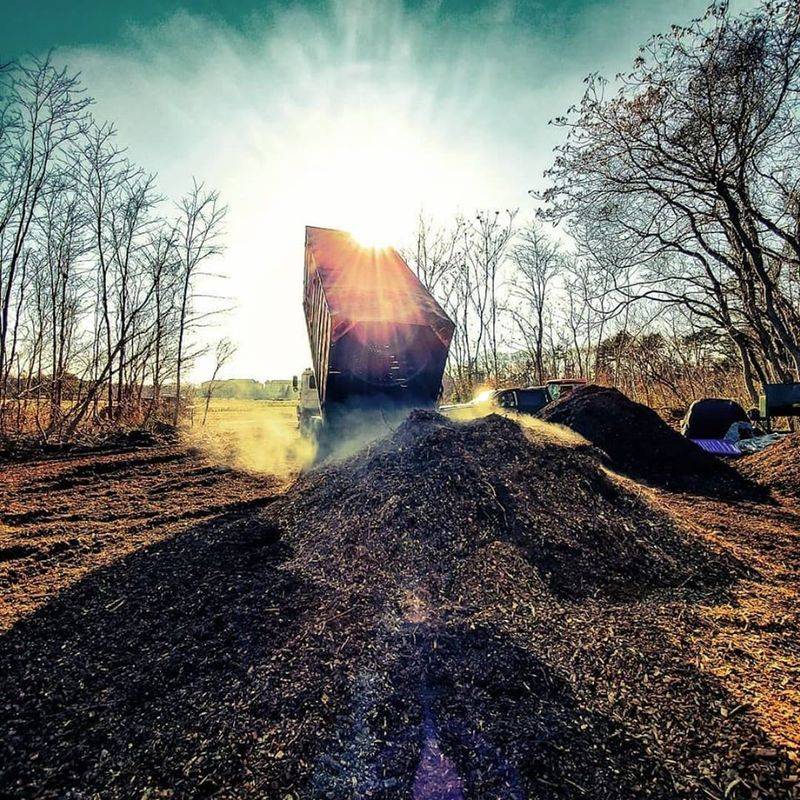
Free mulch in Arizona is a local story, not a statewide program. The one municipal offer confirmed here is in Flagstaff, where the city’s Cinder Lake Landfill page lists free mulch for residential customers.
I would not assume your city has anything similar.
If you live elsewhere, call your city or county solid waste office before you plan around a giveaway. Verify any program directly before you count on it.
Phoenix is a good example of why wording matters. Its curbside green-organics service has a monthly fee and only serves eligible areas.
It collects yard debris for processing, so it is not a free mulch pickup.
For homeowners outside Flagstaff, ChipDrop is one possible route. It depends on whether arborists are working near you, and ChipDrop points users to its activity map to check.
Fall is a smart time to plan, but it is not a delivery guarantee.
Flagstaff Offers a Self-Load Option
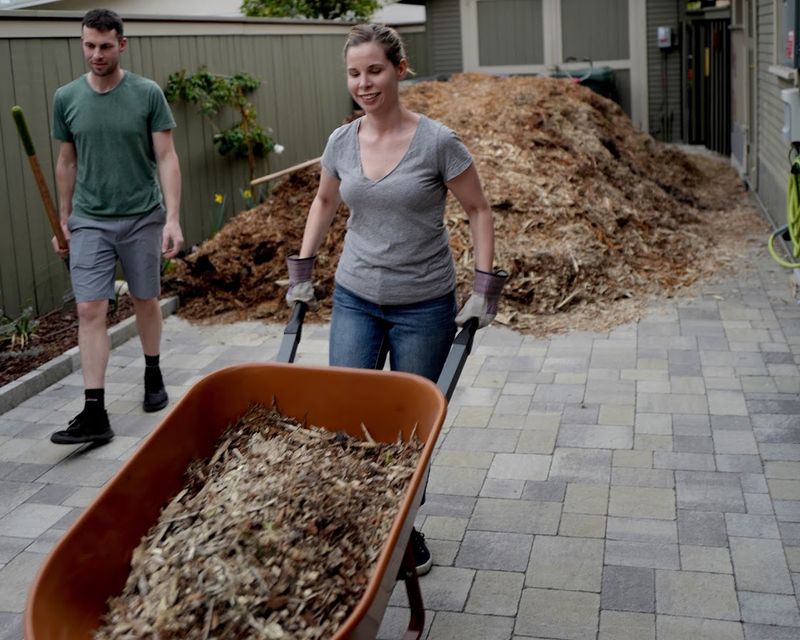
Cinder Lake Landfill’s free mulch is for residential customers who load it themselves. Commercial contractors are not eligible.
You bring your own containers and hand tools, so think buckets, tubs, sturdy bags, and a shovel or rake.
Call 928-213-2125 before you go, because availability can vary. The city also posts weekday and Saturday hours with last-load times.
Check the city’s Cinder Lake page for the current schedule, since hours can change and a late arrival could mean a wasted trip.
Pickup is limited to one truck or trailer per customer per month. That is a real cap, so plan your loads around it.
Cover or tie down whatever you haul. The city charges $20 for an uncovered or untied load, which is an easy fee to avoid with a tarp and a few straps.
ChipDrop May Be an Option, but It Has No Delivery Date
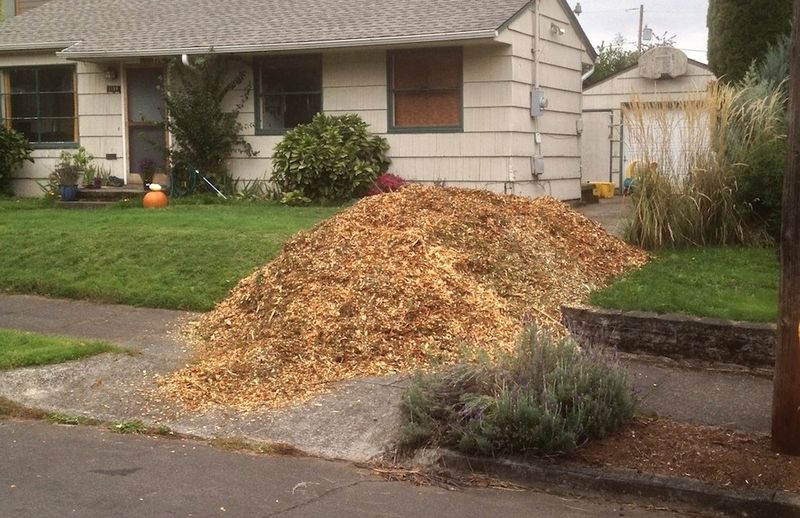
Outside Flagstaff, ChipDrop may connect you with a local tree crew. It only works where arborists are active, so start by checking the activity map for your area.
If your area looks quiet, this may not be your route.
Timing is the catch. Arborists choose drop locations on the day and do not schedule deliveries in advance, as ChipDrop explains.
That means no one can tell you the date.
An optional payment may help a delivery arrive sooner, but ChipDrop says it does not guarantee one. Treat it as a nudge, not a purchase.
So getting chips before winter is a goal, not a promise. Sign up if it suits you, and keep a backup plan ready.
Make Room for a Large, Variable ChipDrop
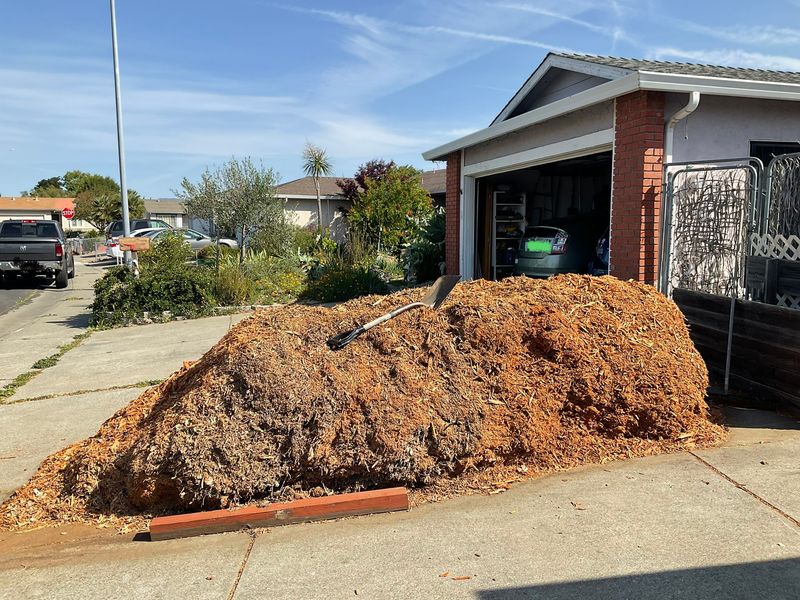
A ChipDrop is not a pickup-bed load. According to ChipDrop’s expectations page, a delivery may be as little as four cubic yards or as much as about 20.
You cannot request an exact amount.
Your drop site needs to be at least eight feet wide and 15 feet long. The truck also needs room to maneuver.
A narrow driveway or a low branch could rule out your space.
The material is variable too. Loads may mix wood chips with leafy material or pine needles, plus a small amount of brush or debris.
Do not expect clean, screened, bagged mulch, and do not assume it suits every garden bed.
Ask yourself a few practical questions. Can you move a big pile in a few weeks?
Can you sort out sticks and trash? If the answer is no, a smaller self-load option may fit better.
Mulch Can Reduce Watering, Not Replace It
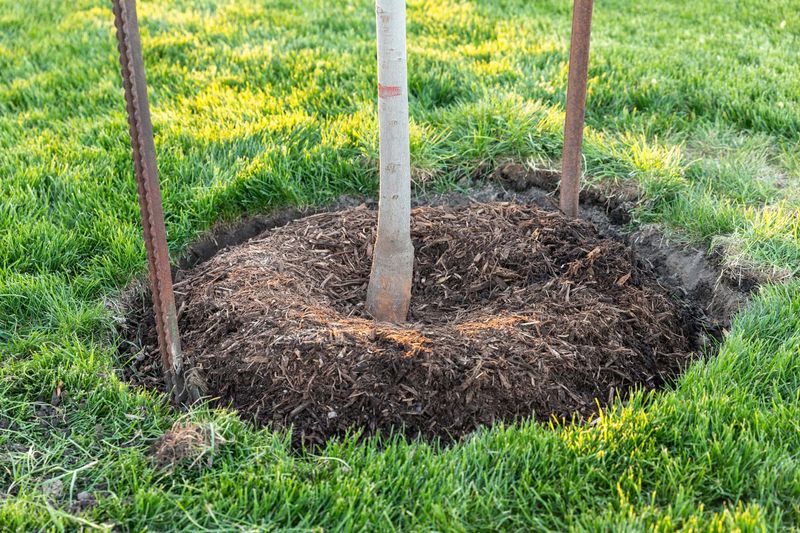
Mulch is a handy helper in a dry climate. The University of Arizona Cooperative Extension says a 3 to 4 inch layer over a plant’s root zone can reduce how often you need to water.
That makes a free pile tempting.
Keep the mulch away from the base of each plant, because piling it against stems or trunks can lead to rot. Leave a small gap and spread the layer outward.
Mulch does not replace irrigation. Water needs still depend on the plant, the soil, how long the plant has been established, and the season.
A newly planted shrub may need more attention than an older tree. Check the soil a few inches down before you water, and adjust as the weather cools.
Mulch also does not suit every plant or site, so match it to your yard.
Keep Flammable Chips Away From the House
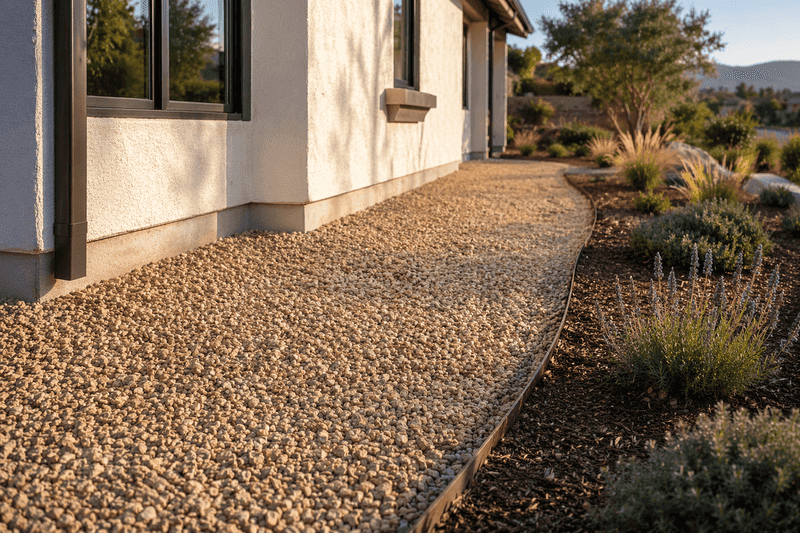
Before you spread a free pile, think about fire. Wood chips are organic, and organic mulch can burn.
The University of Arizona Cooperative Extension treats the five feet nearest a structure as the critical immediate zone and recommends keeping flammable materials out of it.
Rock mulch is a better choice close to the house. Save the wood chips for beds farther out, where they can help plants without sitting against siding or decks.
That does not mean one answer fits every Arizona property. Elevation, fire exposure, and site conditions differ a lot, from desert lots to pine forest neighborhoods.
If your home sits in a wildfire-prone area, take extra care. Walk the edge of your house and look at what lies within five feet, including old piles you forgot about.
Then place the new mulch with that picture in mind.
Do Not Treat Mulch as Pest Control
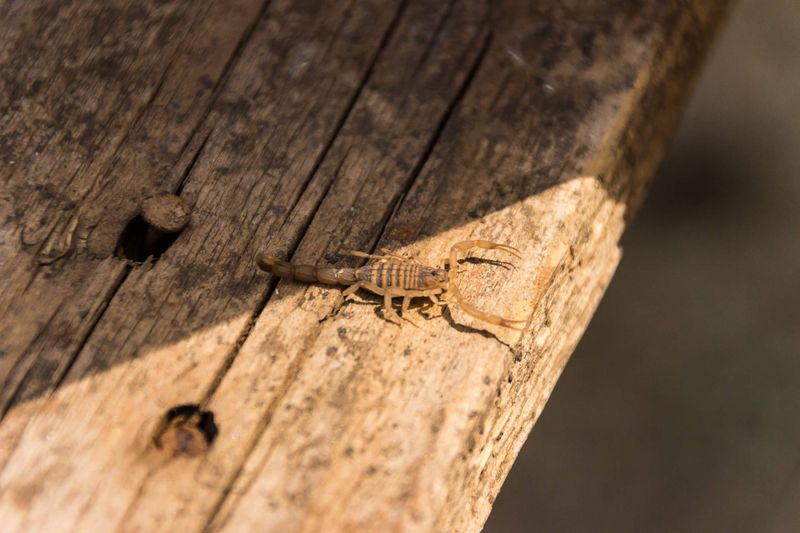
Mulch does not repel ticks or scorpions, and I would not spread it hoping it will. The guidance points somewhere else.
For ticks, the University of Arizona recommends in its brown dog tick publication reducing clutter and moving or removing leaf litter, brush, tall grass, and firewood near homes.
Scorpion advice follows a similar theme. The pest-proofing guide recommends moving loose boards, woodpiles, rocks, and debris away from the house, along with sealing the home.
The takeaway is about habitat clutter. A big pile of chips, boards, or brush near the foundation gives pests hiding places, so keep any pile well away from walls.
Do a quick walk around your yard this fall. Stack firewood farther out, clear leaf litter, and trim tall grass.
Then use mulch for what it does well, which is helping your plants.
Choose a Plan That Fits Your Site
Start with where you live. If you are in Flagstaff, call 928-213-2125, check the city’s page for hours and last-load times, and prepare to load it yourself.
You control the day and the amount.
If you live elsewhere, check ChipDrop activity and be ready to wait. Arborists decide drop spots on the day, as ChipDrop explains, so timing stays uncertain.
You also need a suitable site and a plan for a big pile. The expectations page says volume can be much larger than a truck bed, so measure your space first.
Treat winter as a goal, not a promise. A free pile is only a bargain when it fits your yard and your schedule.