Why You’re Seeing More Coyotes In Florida Neighborhoods This Time Of Year
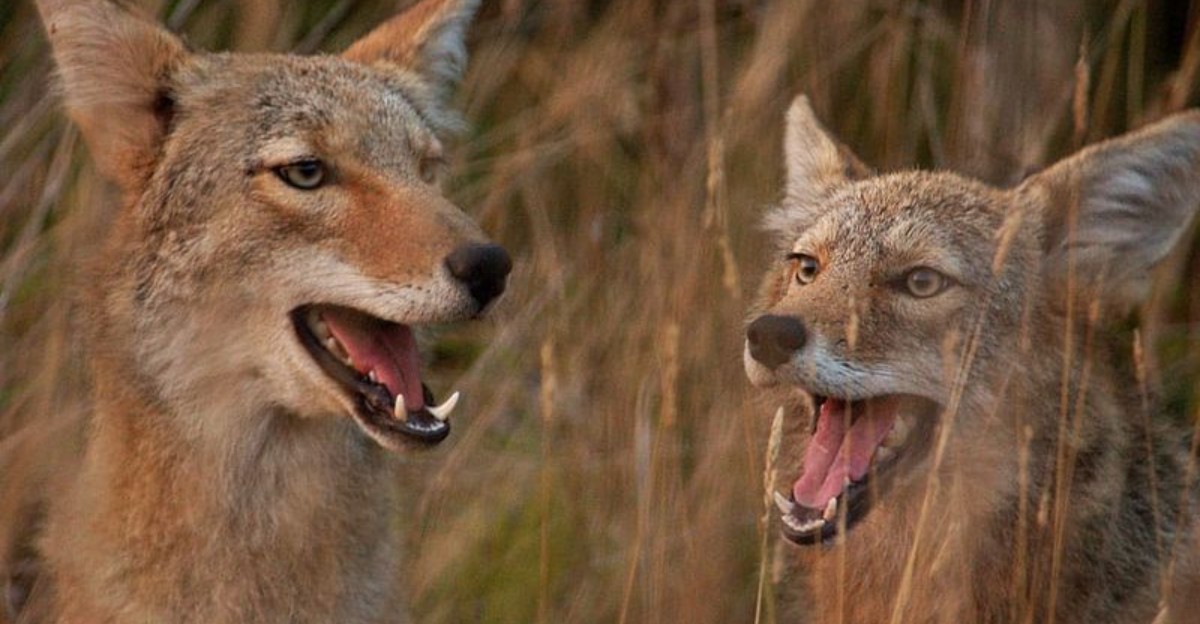
A wild canine now lives in every single one of Florida’s 67 counties, and some of them are strolling past your mailbox at dawn.
Biologists say these animals first reached the state from the west around the 1920s, and their spread was later helped along by illegal releases for hunting.
I still remember the first time I spotted one trotting past my tomato beds. It looked like a skinny, scruffy dog with a bushy tail held low. Then it glanced back at me with calm, clever eyes and slipped into the palmettos.
You are probably noticing more of these visitors lately, and there is a real seasonal pattern behind it. Family life, food, and changing cover all play a part.
Personally, I find it fascinating that a wild animal can thrive right beside our sprinklers and swing sets.
The cooler months bring a few big changes to their lives, and those changes put them right in our backyards.
1. There’s A Reason That Lanky Coyote Keeps Crossing Your Street
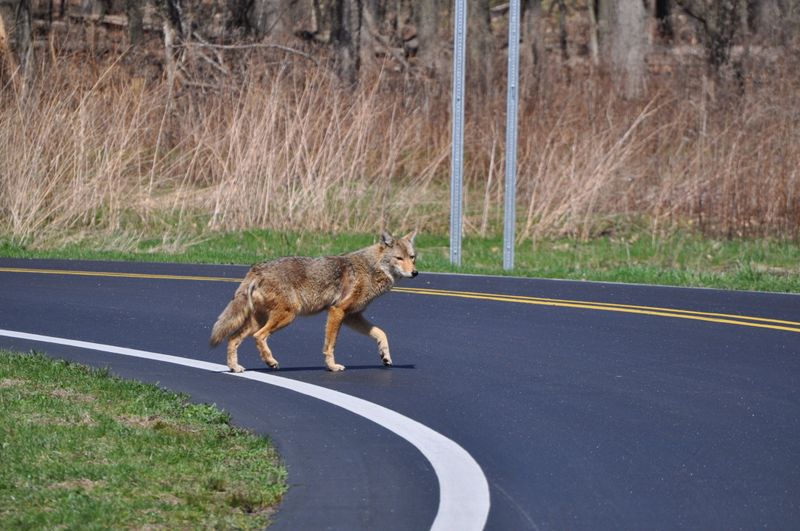
Last October, three neighbors on my street saw the same scrawny coyote in a single week. It looked a little lost, and honestly, it probably was.
Wildlife experts see this pattern every year across the state. The animals showing up now are often not new residents at all.
Many are travelers passing through, trying to figure out where they belong.
Coyotes live in family groups, usually a breeding pair plus their offspring. Each family holds a territory and defends it from outsiders.
That setup works well until the young ones grow up and the territory can no longer support everyone.
When that happens, the family dynamic shifts. Some youngsters stay and help raise next year’s litter.
Others are pushed out or wander off to try their luck somewhere new.
Those wanderers do not have a map. They follow drainage ditches, power line corridors, golf courses, and quiet roads.
Many of those routes run straight through our neighborhoods.
So if you suddenly spot a coyote you have not seen before, there is a good chance it is simply moving through. In the next section, I will explain exactly who these travelers are and why the timing lines up with fall and winter.
2. Spring Coyote Pups Are Now Teenagers Hunting For Their Own Turf
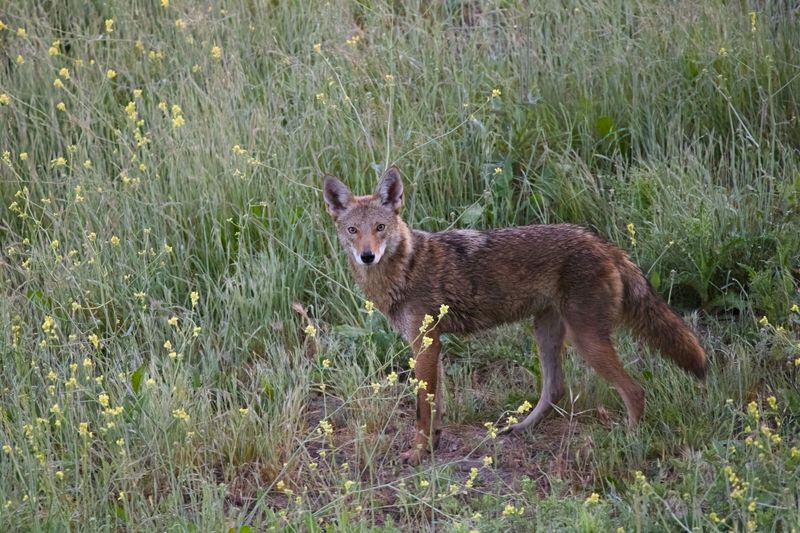
Teenagers leaving home is not just a human thing. Coyote pups born in spring reach roughly six to ten months old by fall, and that is when many of them head out.
University of Florida wildlife specialists describe this dispersal period as running mostly from fall into winter. Young coyotes may travel many miles before settling down.
Some cover impressive distances in just a few weeks.
These youngsters are inexperienced, which makes them more visible. An older coyote knows the quiet paths and the best hiding spots.
A juvenile is still learning, so it may trot across an open lawn in broad daylight or pause to stare at you.
They are also hungry and testing new food options. That curiosity can bring them close to patios, sheds, and pool cages.
You can usually spot a young one by its gangly legs and slightly awkward confidence. It may look thinner than an adult, especially during its travels.
The key takeaway is simple. More sightings this time of year often mean more coyotes on the move, not a sudden population explosion.
Once these young animals claim a territory elsewhere, sightings in your area may settle back down.
3. Breeding Season Makes Coyote Howls And Boldness Ramp Up
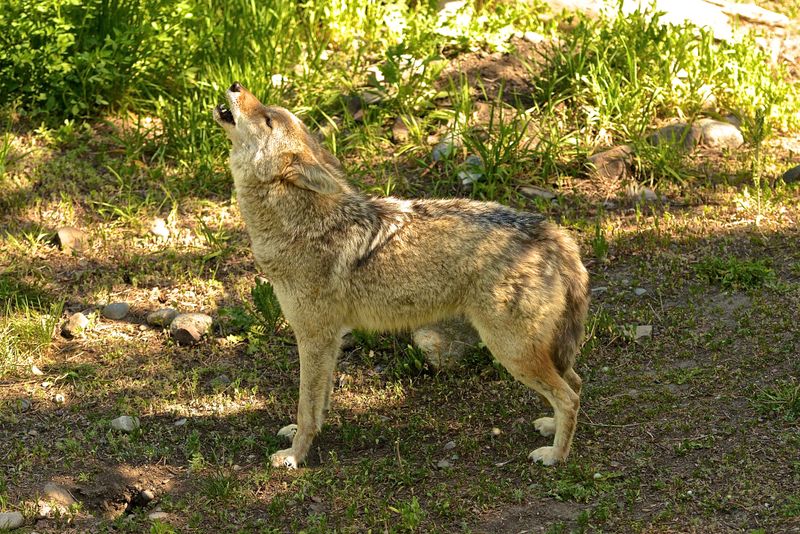
Have you heard yips and howls echoing after dark lately? That eerie chorus often gets louder as winter rolls in.
In Florida, coyotes typically breed from about January into March, with activity often peaking in February. Pairs reinforce their bond, and resident adults patrol their territories with extra energy.
That means more movement, more noise, and more chances for you to notice them.
Territorial adults may also chase off those young dispersers I mentioned earlier. All that pushing and shoving shuffles coyotes around, sometimes right through backyards.
After breeding, pups arrive roughly two months later, usually in spring. Parents then hunt harder to feed the family, and they guard their den sites closely.
A coyote near a den may follow a dog walker for a short distance to escort it away.
Fun fact: that group howl you hear might be just two or three animals. Their varied pitches create an effect that makes a small family sound like a big pack.
Keep pets close and leashed on evening walks during these months. A small dog wandering near a den area is exactly the situation you want to avoid.
4. Pet Bowls And Fallen Fruit Are Coyote Magnets
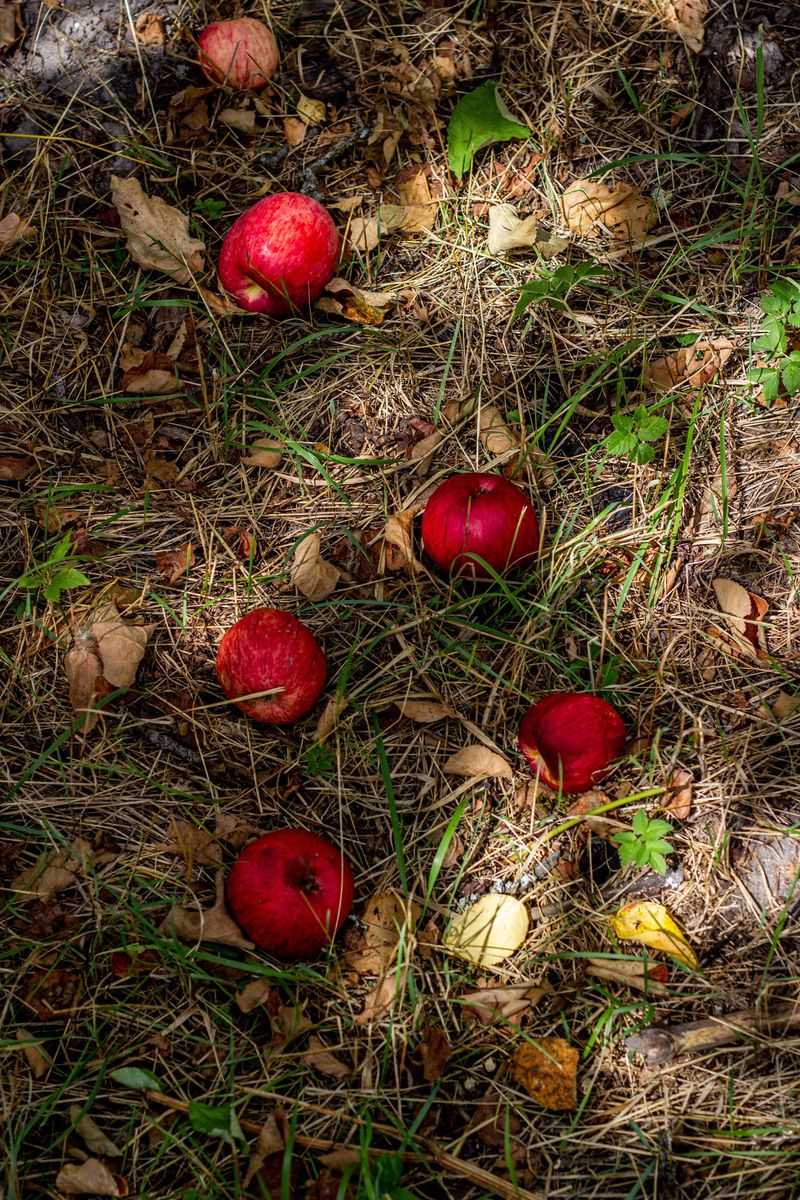
Coyotes are the ultimate opportunists. They eat rabbits, rodents, insects, berries, fruit, and just about anything that is easy to grab.
Our yards can feel like an all-you-can-eat buffet. Pet food left on the porch is a big draw.
So are unsecured trash cans, open compost piles, and fallen citrus, mangoes, or figs rotting under the tree.
Bird feeders deserve a mention too. Spilled seed attracts rats, mice, and squirrels, and those little critters attract coyotes.
I moved my feeder over a tray and rake up spilled seed every few days, and my rodent traffic dropped noticeably.
Here is a quick walk-around checklist for your yard:
Feed pets indoors and bring bowls inside at night. Pick up fallen fruit regularly, especially during citrus season.
Use trash cans with tight, locking lids and put them out the morning of pickup.
Store grills clean, since greasy drippings smell like dinner. Keep compost in a closed bin rather than an open pile.
Never feed coyotes on purpose. The Florida Fish and Wildlife Conservation Commission warns that feeding makes these animals lose their natural fear of people, and that leads to trouble for everyone.
5. Thinner Winter Foliage Puts Coyotes In Plain Sight
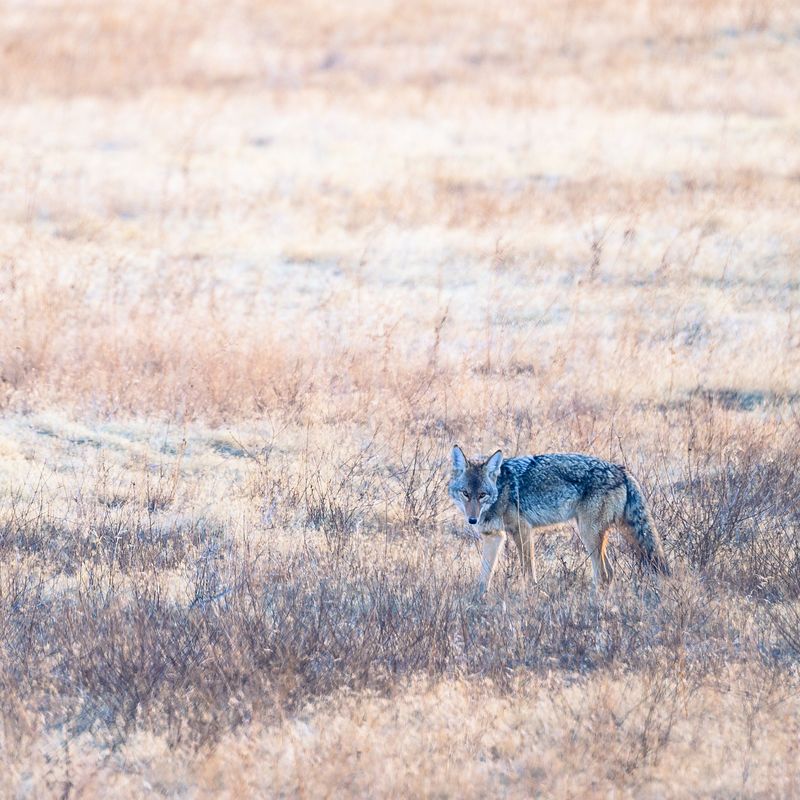
Sometimes the coyotes were there all along. You just could not see them.
Summer in much of the state brings tall grass, lush vines, and thick undergrowth. That green wall hides a tawny coyote beautifully.
As fall and winter arrive, some vegetation declines, especially in North and Central Florida where frosts happen more often.
Drier weather also plays a role. Florida’s dry season generally runs from late fall into spring, so grasses thin out and fields look more open.
A coyote crossing a vacant lot suddenly stands out.
Shorter days matter too. Coyotes often move most around dawn and dusk.
In winter, those twilight hours line up with school drop-offs, commutes, and evening dog walks.
South Florida looks a little different. Vegetation stays greener there, so the visibility change may be smaller, though shorter days still shift when people are outside.
I find this explanation reassuring. A sudden sighting does not automatically mean coyotes just invaded your street.
It may simply mean the curtain got pulled back a bit.
Many coyotes live quietly near people for years without causing any problems at all.
6. Wave Your Arms And Haze That Coyote Out Of Your Yard
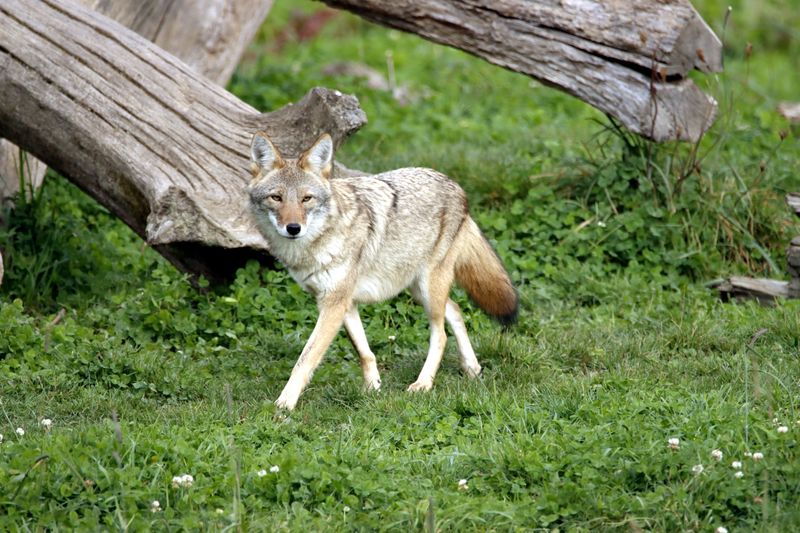
So a coyote just strolled across your lawn. Stay calm, stand tall, and get loud.
The FWC recommends a technique called hazing. The goal is to make the experience unpleasant so the animal keeps its healthy fear of people.
Try these steps right away:
Stand up straight and wave your arms over your head. Yell, clap, bang pots, or use an air horn or whistle.
Spray it with a garden hose if one is handy.
You can toss small sticks or tennis balls toward the coyote, not directly at it. Keep going until it leaves the area.
Stopping too early can teach it that people are only mildly annoying.
Never run away from a coyote. Running can trigger a chase response, even in a shy animal.
Keep small children nearby and pick up small pets. If a coyote seems sick, acts aggressively, or approaches people without fear, contact your local FWC regional office.
Attacks on people in the state are rare. Still, consistent hazing by everyone on your block works best.
When neighbors team up, coyotes quickly learn your street is not worth the trouble.
7. Cats And Small Dogs Need Extra Protection From Coyotes Now
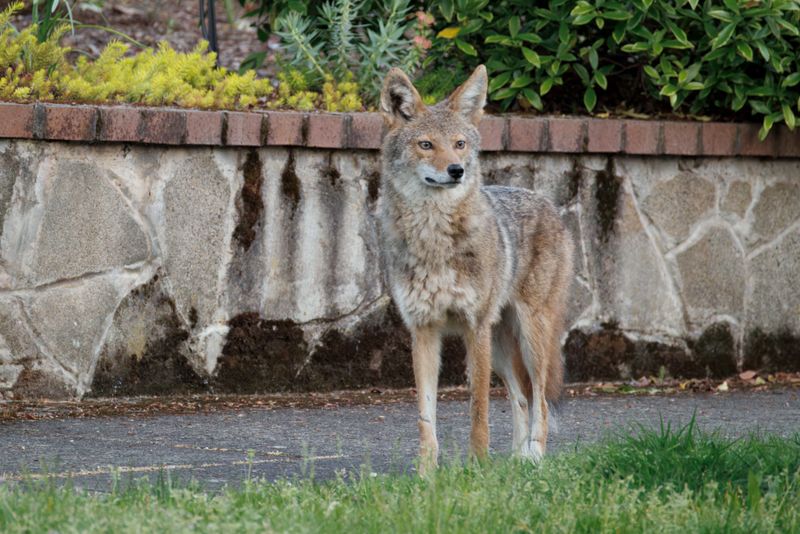
My indoor cat would argue otherwise, but she is much safer inside. Coyotes may see free-roaming cats and small dogs as prey or as competition.
This risk climbs during dispersal and breeding season, when coyotes are moving more and defending territory. A quick trip to the yard at dusk is when many problems happen.
Keep cats indoors, especially from evening through early morning. Walk dogs on a short, non-retractable leash so you stay in control.
Turn on porch lights and check the yard before letting pets out at night. Stay with small dogs instead of leaving them alone outside, even inside a fence.
Fences help, but coyotes are impressive athletes. They can clear many standard fences or dig underneath.
Some homeowners add coyote rollers along the top or bury wire mesh along the bottom.
Bring pet food, water bowls, and chew toys inside too. Chickens and rabbits need sturdy, fully enclosed housing with a solid roof and secure latches.
Talk with your neighbors about this. When the whole street keeps pets supervised, coyotes find fewer easy chances and tend to move along.
8. Living Alongside Florida Coyotes Is The Smart Long-Term Plan
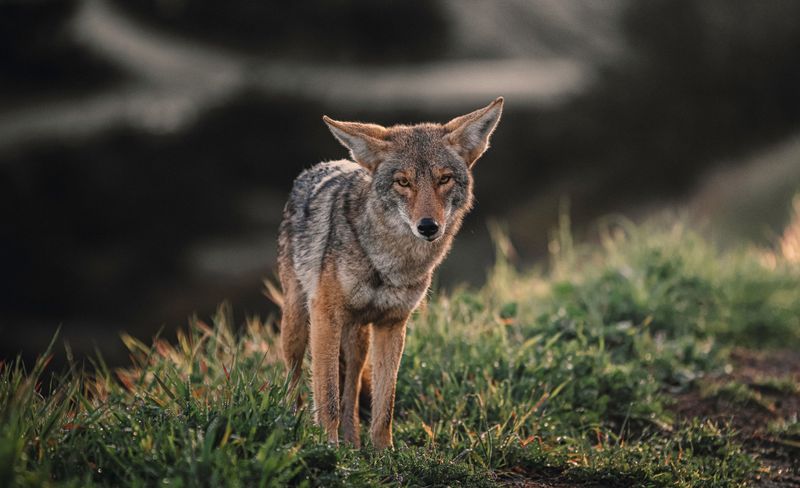
Here is the honest truth from a fellow yard lover. Coyotes are here to stay, and that is not necessarily bad news for your garden.
They eat plenty of rats, mice, and rabbits that might otherwise munch your vegetables or chew through your shed. In that sense, they help keep certain pests in check.
Trapping and relocating them is not a legal option in the state, and removal rarely works well anyway. When coyotes are removed, others often move into the open territory, and remaining coyotes may produce larger litters.
Coyotes here may be taken year-round on private property with landowner permission, but local rules and firearm restrictions vary, so check with the FWC and your city first.
A smarter approach is making your property less inviting. Secure food, trim dense shrubs near the ground, supervise pets, and haze any bold visitor.
Share what you learn with your homeowners association or neighborhood group. Many cities, like Delray Beach, offer coyote coexistence tips on their websites.
Personally, I have come to enjoy the occasional quiet glimpse at sunrise. With a little effort, you can keep your family and pets safe while watching one of nature’s most adaptable survivors share the neighborhood.