Stock Flowers Love Cool Weather, But Are They Worth Planting In North Carolina This Fall?
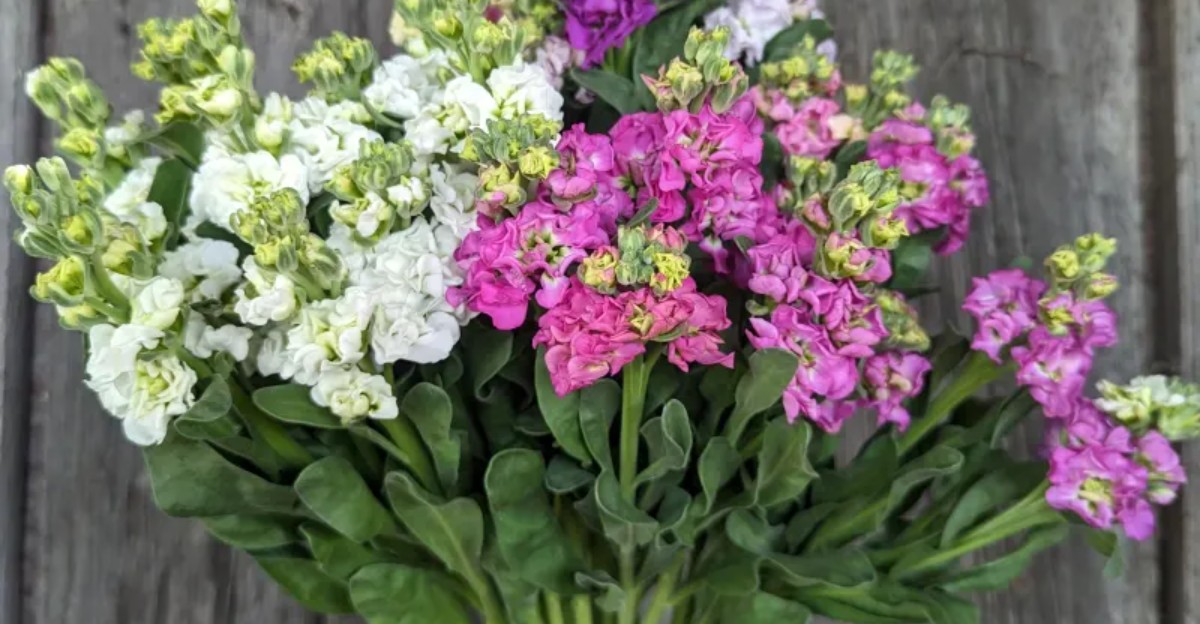
Walk past a bucket of stock at a flower shop, and the scent stops you cold. Spicy, sweet, a little like cloves.
Gardeners who try growing it often get less than they hoped for. The plant loves cool weather, but North Carolina’s fall and winter do not always cooperate.
A warm spell can slow it down, and a hard freeze can set it back. Timing the planting is half the battle, and choosing where to put it is the other half.
Some regions of the state have a real advantage over others. The reward is tall, fragrant spikes that look wonderful in a vase.
Whether they are worth the trouble depends on what you want from your garden, and where you live.
1. Stock Is A Fragrant Cool Season Flower
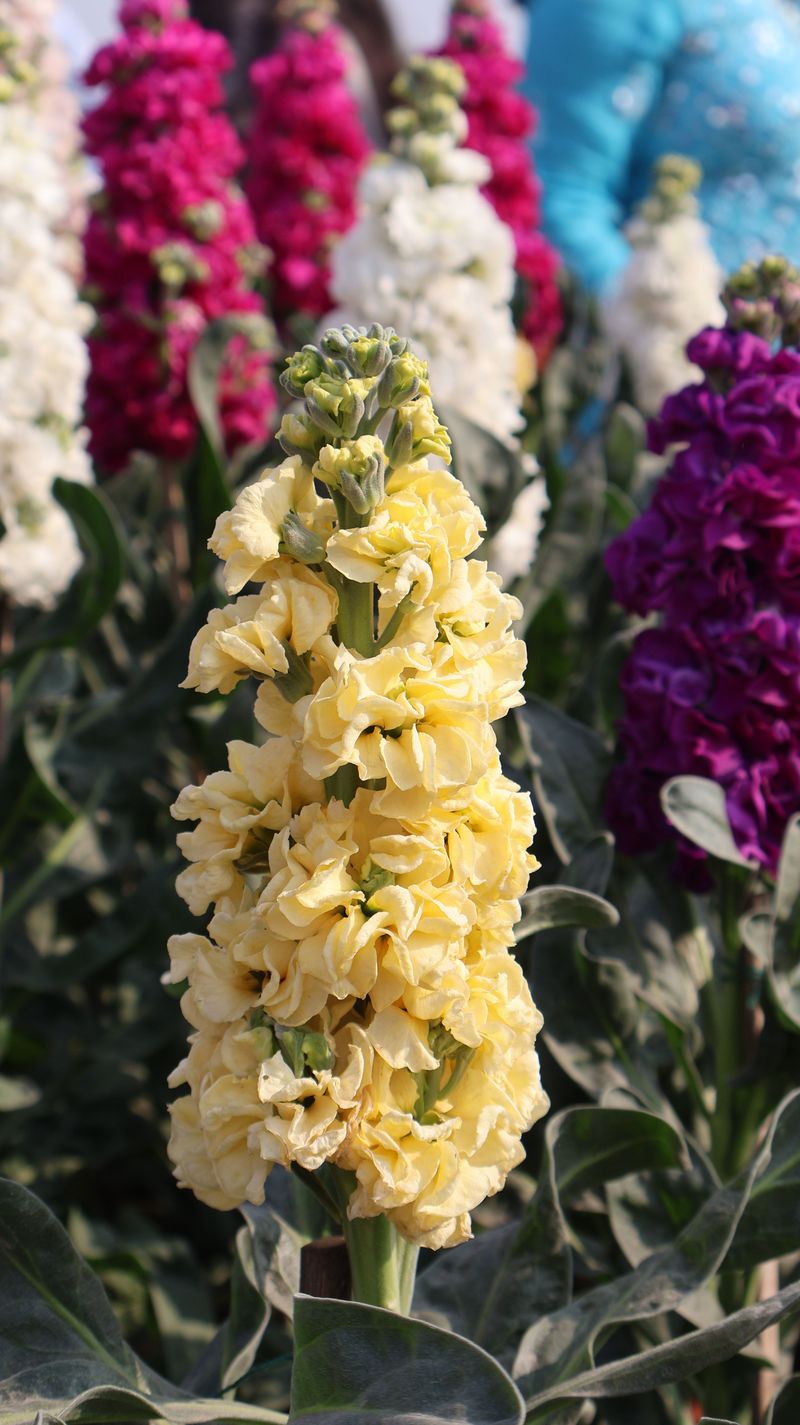
Grandma’s garden often had a secret weapon, and it was usually stock. Known to botanists as Matthiola incana, this old-fashioned annual has been charming flower lovers for centuries.
Its upright spikes are packed with ruffled blooms in white, pink, purple, lavender, red, and soft cream.
The real magic, though, comes from the scent. Stock flowers give off a strong, sweet perfume that many people compare to cloves mixed with a hint of spice.
On a still evening, a small patch can fill an entire porch with fragrance, which is why so many gardeners fall in love after one sniff.
Unlike zinnias or marigolds, stock does not enjoy the heat. It grows best when days are mild and nights are cool, usually somewhere between the 40s and 60s.
Under those conditions, plants stay compact, stems grow sturdy, and flowers open in thick, colorful clusters.
Gardeners use stock in many ways. It looks right at home in cottage gardens, mixed with snapdragons, pansies, and violas.
It also works nicely in pots and window boxes, where you can enjoy the scent up close, and florists prize it for bouquets and wedding arrangements.
So why should North Carolina gardeners care? Much of the state enjoys long, gentle stretches of cool weather in fall and spring. Those seasons line up almost perfectly with what stock needs to thrive.
When summer annuals start looking tired in September, stock is just getting ready for its moment. Adding a few plants can bring fresh color and that famous fragrance to your yard right when most gardens begin to fade.
For anyone who loves scented flowers, it is a treat worth knowing.
2. Fall Planting Works Best In Milder Parts Of The State
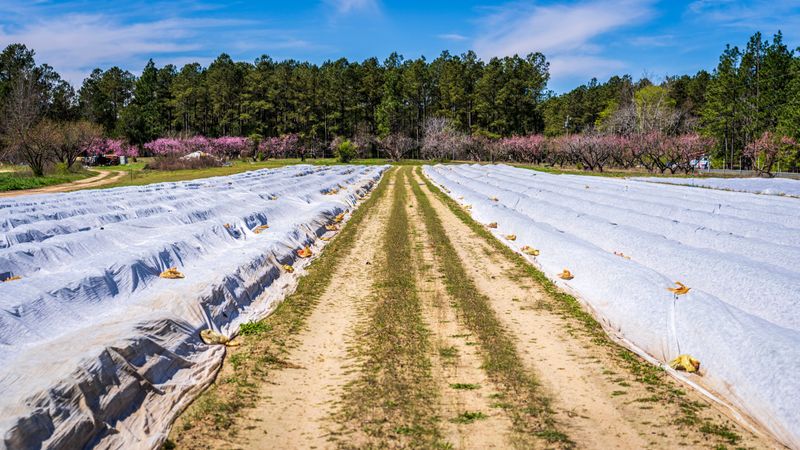
Where you live in North Carolina makes a big difference with stock. A gardener in Wilmington and a gardener in Boone can plant the same flower on the same day and get very different results.
Winter cold changes a lot as you travel from the sandy coast to the high Mountains. Stock handles light frost well. It can even shrug off some freezing temperatures, especially once the plants are settled in.
Hard freezes are another story, since temperatures in the low 20s or teens can damage leaves, stems, and flower buds, and sometimes end the plant entirely.
Your North Carolina Garden Changes Every Week. Your Plan Should Too.
Gardening in North Carolina changes quickly throughout the season. Every Friday you’ll receive a simple weekly plan showing exactly what to plant, prune, fertilize, harvest, and protect so you never miss the right timing.
That is why fall planting shines in the Coastal Plain and the warmer parts of the Piedmont. Winters there tend to stay milder, so plants set out in early fall can keep growing through the cool months.
Many of them bloom in fall, rest a bit in deep winter, and then burst into flower again in early spring.
Timing matters too. Try to get plants in the ground from about mid-September to mid-October, so roots have several weeks to settle before the coldest nights arrive.
Keep a frost cloth handy, even in mild areas. When the forecast calls for a hard freeze, drape the fabric over your plants in the late afternoon and remove it once temperatures climb the next day.
Old bedsheets can work in a pinch. Mountain gardeners and those in colder Piedmont spots should switch plans. Winters there often bring long cold snaps that stock simply cannot handle.
Planting in early spring, a few weeks before the last frost, gives these gardeners a lovely show without the winter risk.
3. Heat Ends Its Season
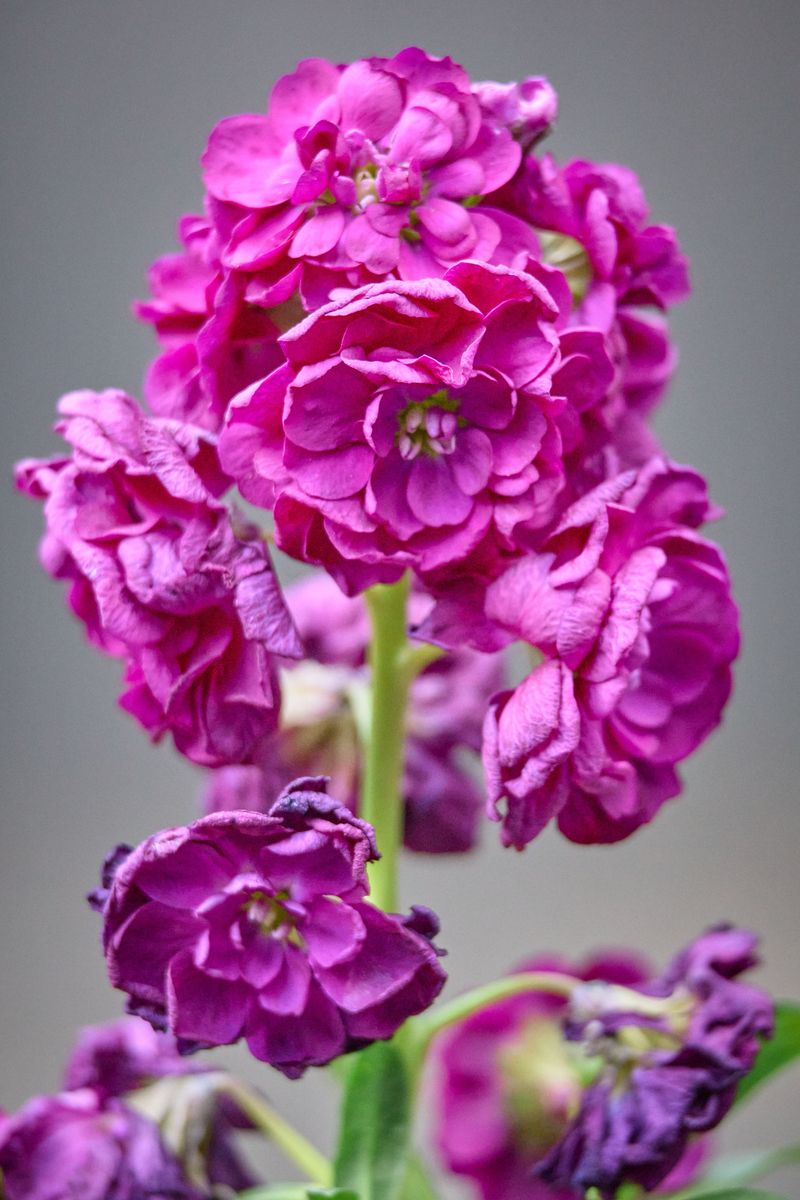
Every flower has its season, and stock knows exactly when its time is up. Once the thermometer starts climbing into the 80s, these sweet-smelling plants lose their energy fast.
Blooms shrink, stems stretch, and the leaves begin to look tired and yellow. Gardeners sometimes feel let down by this, but there is a smart way to look at it. Think of stock as a seasonal guest that fills an important gap.
It brings color during the months when summer annuals are not ready, then politely steps aside when hot weather arrives.
Here is what a typical year might look like for a fall-planted bed. You may see flowers in October and November, especially if the weather stays mild.
Plants often slow down during the coldest weeks, then wake up for a second, often bigger show in March and April.
As May rolls in across the Piedmont and Coastal Plain, the change becomes clear. Rising temperatures and humid air push stock past its prime, and by late spring most plants are finished.
Watering more or adding fertilizer will not bring them back, because heat is the real cause.
That is your signal to pull them out. Toss the old plants in the compost pile, loosen the soil, and add a fresh layer of compost. Then fill the space with heat lovers like zinnias, vinca, lantana, or pentas.
Planning this swap ahead of time keeps your garden looking full all year. Stock handles the cool months, summer flowers handle the hot ones, and your beds never sit empty.
It is a simple rhythm that many North Carolina gardeners come to enjoy.
4. Transplants Give The Easiest Start
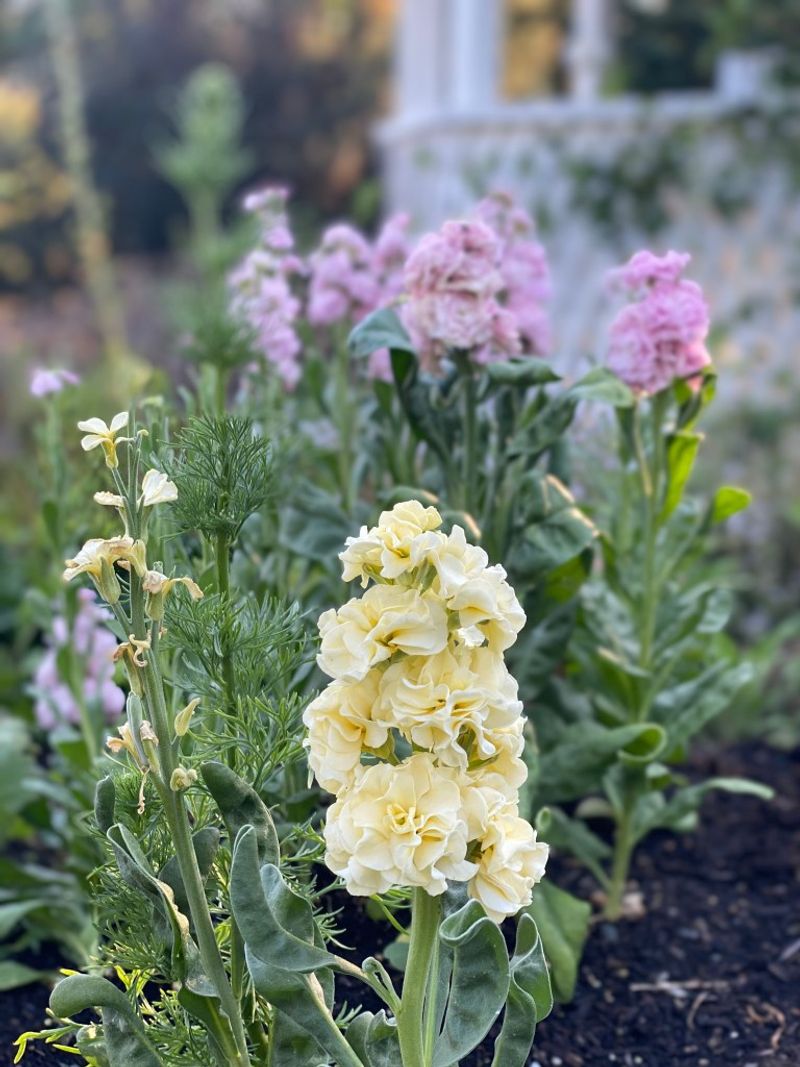
Seeds or nursery plants? That question comes up every fall, and with stock the answer is pretty clear for most home gardeners. Starting from seed can work, but it asks for a lot of patience and just the right conditions.
Stock seeds like cool temperatures and need light to sprout well, so they should be pressed onto the soil surface rather than buried deep. Even after they sprout, the young plants take many weeks to reach blooming size.
In North Carolina, early fall can still feel like summer, which makes seed starting tricky outdoors.
Transplants skip all of that waiting. They give you plants that are already several weeks old and ready to grow.
That head start means faster flowers and a stronger chance of success before winter slows everything down.
Choose carefully at the garden center. Look for plants with sturdy, upright stems and deep green leaves.
Pass on any with yellowing foliage, soft spots, or roots circling tightly around the bottom of the pot.
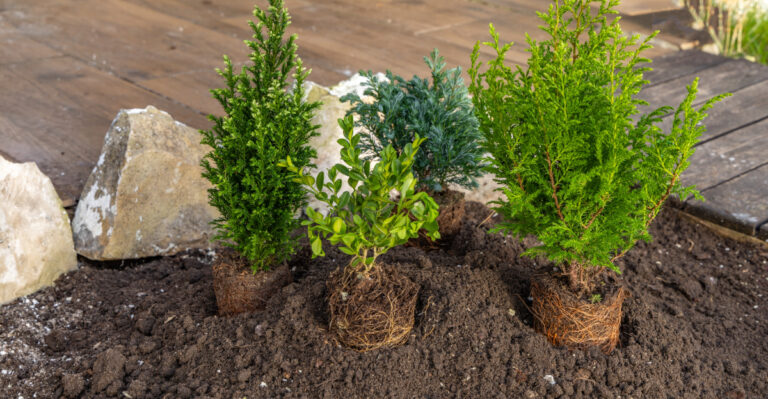
Once home, pick a spot with full sun, meaning at least six hours of direct light each day. Stock also needs soil that drains well, so avoid low areas where water collects after rain. Dig a hole about the same depth as the pot and set the plant in gently.
Spacing matters more than people think. Give each plant about 6 to 12 inches of room, depending on the variety, so air can move freely around the leaves. Finish by watering deeply to settle the soil around the roots.
Getting plants in early lets roots grow while the soil is still warm. Strong roots mean tougher plants when chilly nights arrive.
5. Good Drainage Keeps Plants Healthy
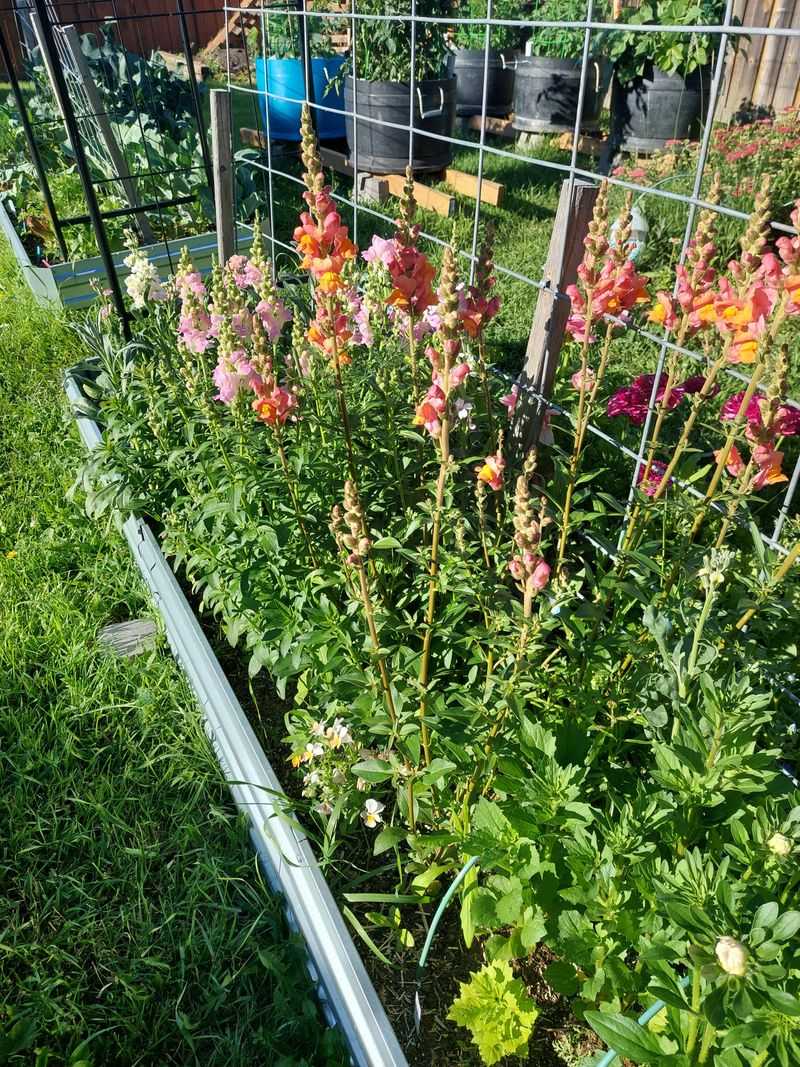
Ask any Piedmont gardener about red clay, and you will probably hear a sigh. That sticky soil holds onto water like a sponge, and stock is one flower that truly hates soggy roots. Gardeners often call this problem wet feet.
Cool weather makes it worse. In fall and winter, the sun is weaker and evaporation slows down, so soil stays damp much longer than it does in summer.
Roots sitting in cold, wet ground can rot, and stems may turn mushy near the soil line. North Carolina winters often bring several days of steady rain in a row. After a soaking, heavy clay can stay wet for days, which puts stock under real stress.
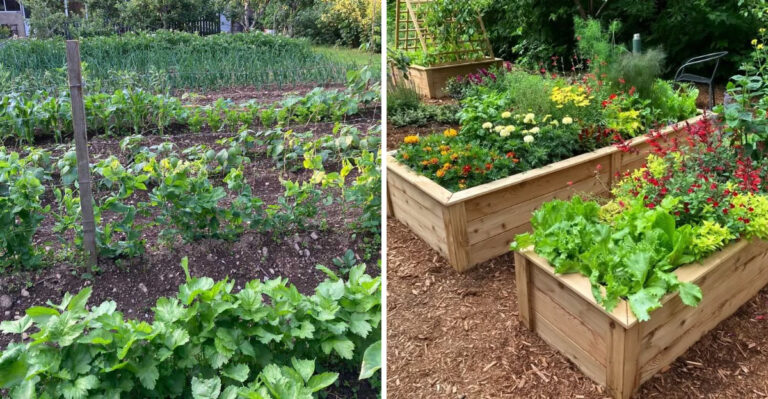
Good drainage is the best defense against these troubles. Raised beds are a wonderful fix. They lift roots above wet ground and let extra water drain away quickly. Even a bed just 8 to 10 inches tall can make a noticeable difference.
If you plant directly in the ground, improve the soil first. Work 2 to 3 inches of compost into the top several inches of clay before planting. Over time, compost loosens heavy soil and helps water move through more easily.
Containers are another smart choice, as long as they have drainage holes. Fill them with quality potting mix rather than garden soil.
Watering takes a lighter touch in cool months. Stick a finger into the soil, and water only when the top inch feels dry.
During cloudy or rainy spells, you may not need to water at all for a week or more, and your plants will thank you for holding back.
6. Watch For Cabbage Family Pests
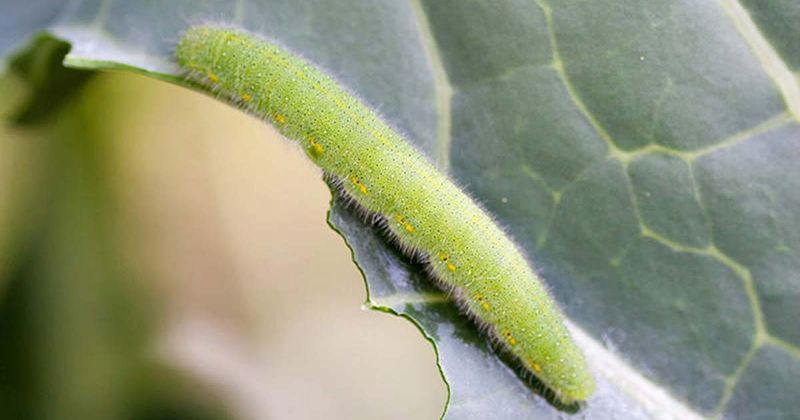
Surprise! That pretty stock plant is a cousin of your collard greens. Stock belongs to the mustard family, the same plant group as cabbage, kale, broccoli, and collards. Bugs that love those vegetables often find stock just as tasty.
Three pests show up most often. Aphids are tiny, soft insects that cluster on new growth and flower buds, sucking out plant juices.
Cabbage worms are velvety green caterpillars that chew ragged holes in leaves, and flea beetles are small, shiny bugs that hop away when disturbed and leave behind tiny pits and holes.
In North Carolina, warm fall days keep these pests busy well into October and sometimes beyond. That makes regular checkups a must.
Take a quick walk through your plants every few days and look closely at leaves, stems, and flower spikes, including the undersides.
Simple tricks go a long way. Pick caterpillars off by hand and drop them into a cup of soapy water. Knock aphids loose with a strong spray from the garden hose, repeating every few days if they return.
For bigger problems, insecticidal soap works well on aphids and other soft insects. Bacillus thuringiensis, often sold as Bt, targets caterpillars like cabbage worms while leaving bees and most helpful insects alone.
Always follow the label directions closely. Placement helps too. Try not to plant stock right beside a vegetable bed full of buggy kale or cabbage.
Giving a little distance makes it harder for pests to hop over, and your flowers will stay cleaner and prettier all season long.
7. It’s Worth Planting For Fragrance And Cut Flowers
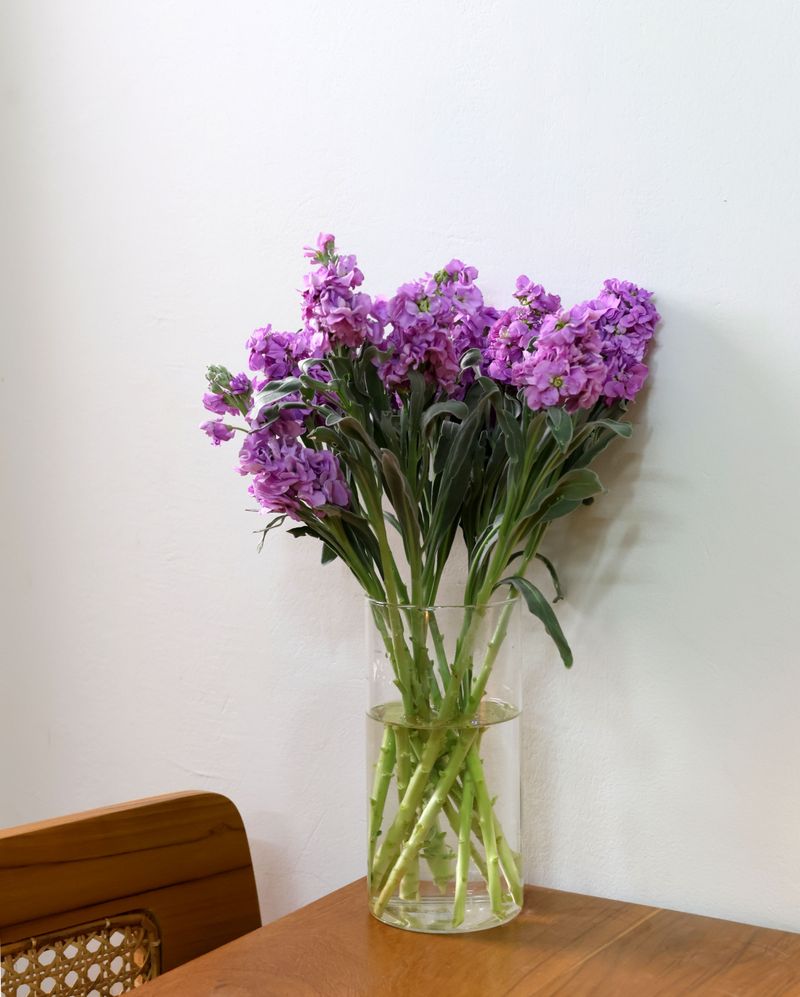
Walk past a blooming bed of stock on a cool spring morning, and you will likely stop in your tracks. That rich, spicy-sweet scent is hard to ignore.
For many gardeners, that single moment answers the big question of whether stock is worth the effort.
In the right part of the state and the right season, the answer is a cheerful yes. Stock brings color during the cooler months when few other flowers are blooming. It also makes some of the best homegrown bouquets you can find.
Cut stems often last a week or even longer in a vase. Their fragrance fills a room, and the ruffled spikes pair nicely with tulips, snapdragons, and daffodils.
Many small flower farms in North Carolina grow stock for spring markets because shoppers love it.
Placement can double your enjoyment. Plant stock along walkways, near patios, or under windows you open on mild days. That way, the scent greets you every time you step outside.
Harvesting is easy once you know the timing. Cut flower spikes when about half the blooms are open, ideally in the cool morning hours.
Place stems in a bucket of water right away, and change the vase water every couple of days to keep them fresh.
Taller varieties can lean or flop after heavy rain. A thin bamboo stake or a ring of garden twine keeps them standing straight.
For North Carolina gardeners who love fragrance, color, and fresh bouquets, stock earns its spot. A handful of plants this fall could become your favorite tradition next spring.