Georgia Gardeners Could Lose Next Spring’s Flowers By Pruning These Shrubs Before Thanksgiving
Many spring-blooming shrubs tuck next year’s flower buds onto their stems by late summer, months before a single petal opens.
That means a tidy trim in November can quietly carry away a whole spring show in one afternoon.
In Georgia, those buds often sit there all winter, looking like tiny swollen tips at the branch ends. Gardeners who know what to look for can spot them easily once the leaves begin to thin out.
I have to admit, the urge to tidy everything before holiday guests arrive gets me every single year. You might feel the same pull when cool mornings make shaggy shrubs look a little messy.
Some of your favorite shrubs may already be holding next spring’s flowers on their branches.
The list below might change your weekend plans, and your loppers could get a well-earned break.
1. Azalea
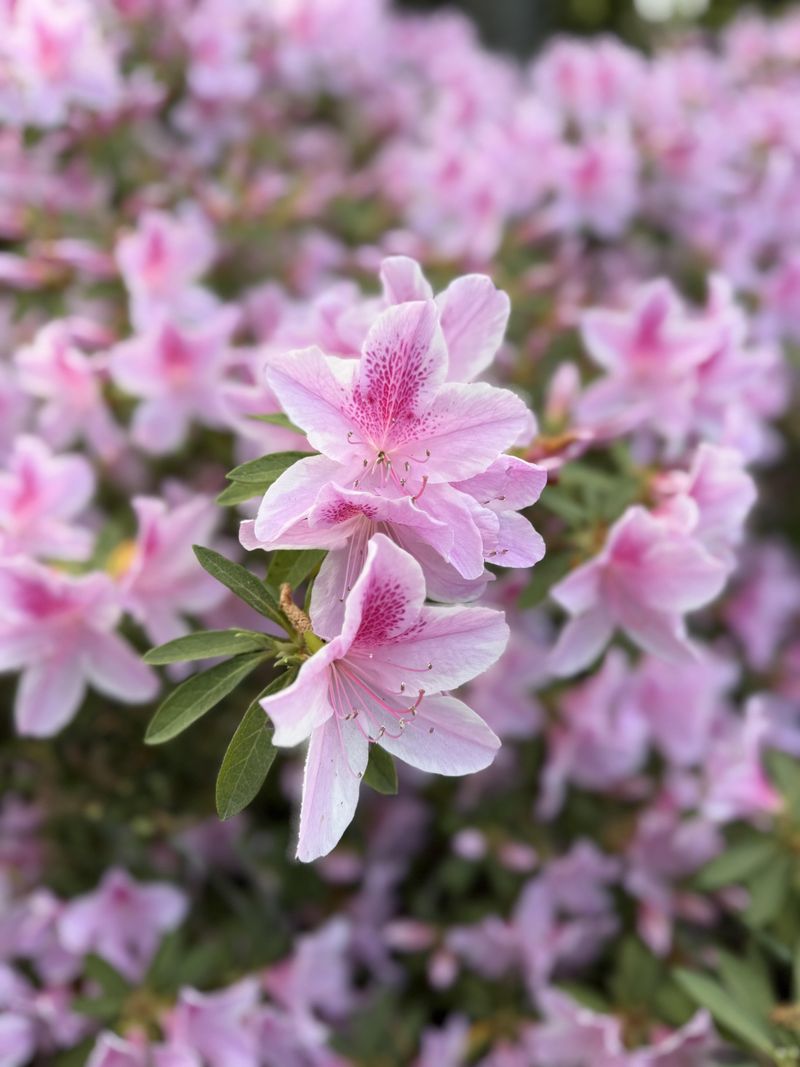
Every April, Southern yards seem to explode in pink and magenta, and azaleas deserve most of the credit for that show. I love how a single mature shrub can hide its leaves under a solid blanket of ruffled blooms.
Those flowers start forming much earlier than most people expect, usually by midsummer on the stems that grew in spring.
By the time fall arrives, plump buds are already waiting at the tips, ready for the warm days ahead.
Cutting those tips in November removes the buds, so the shrub greets spring with green leaves and very few flowers. Many extension experts suggest finishing your azalea pruning by early July to protect the following year’s blooms.
The sweet spot comes right after the flowers fade, when the plant has the whole summer to grow fresh shoots. Those new stems will set buds on schedule, and your shrub stays neat without losing any of its color.
Native types such as the Piedmont azalea, Rhododendron canescens, follow the same pattern and can grow surprisingly tall over time.
Personally, I let natives keep their loose, airy shape and only trim stray branches after they finish blooming.
If an azalea looks too leggy, try thinning cuts that remove a few long branches back to a side shoot. This approach opens the center to light and keeps the shrub looking natural instead of boxy.
Fall is better spent adding a layer of pine straw mulch around the roots to hold in moisture. Your azaleas will thank you next spring with a burst of color worth the patience.
2. Forsythia
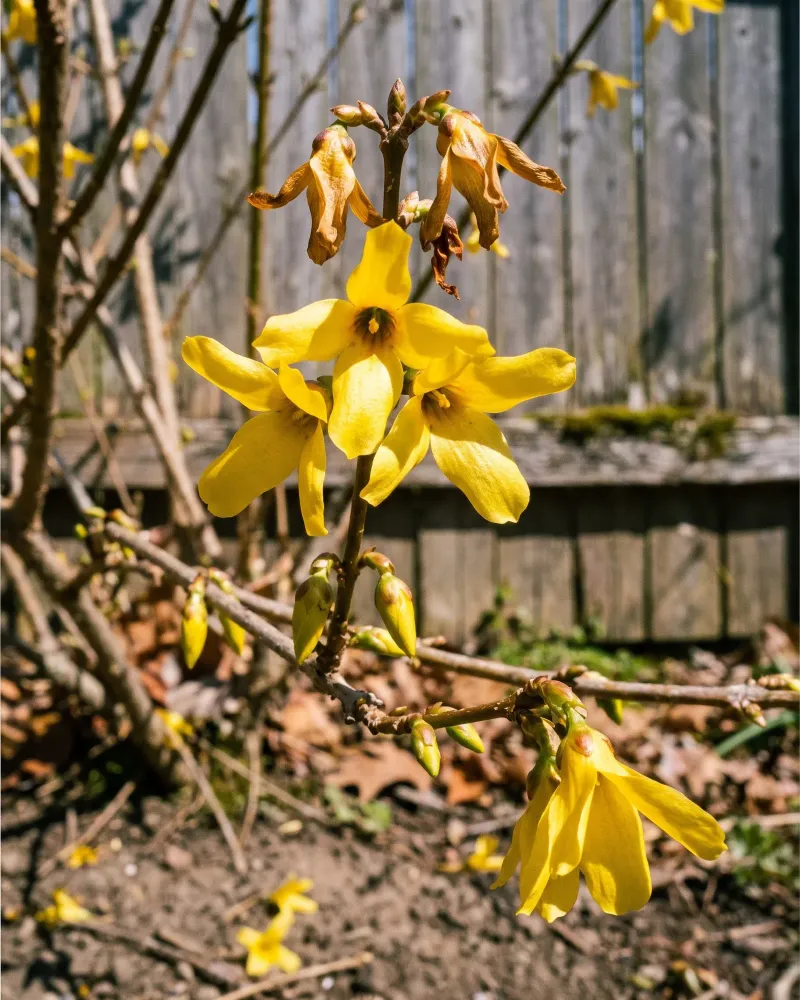
Long before most trees wake up, forsythia flings bright yellow flowers along its bare stems like a burst of sunshine.
In many Southern towns, those golden branches appear as early as February, while mornings still feel chilly.
That early start explains why fall pruning is such a problem for this cheerful shrub. Its flower buds formed last summer on older stems, so every branch you cut now takes a handful of blossoms away.
I have seen neighbors shear forsythia into tight green meatballs in autumn, then wonder why spring brought only scattered flowers. The shrub was not sulking, because the buds simply ended up in the yard waste bin.
The best moment to grab your loppers comes right after the yellow flowers fade in early spring. New growth then has months to mature, and those fresh stems will carry next year’s golden display.
Forsythia looks happiest with a loose, fountain-like shape rather than a tidy, squared-off hedge. Each year, remove about one-third of the oldest canes right at ground level to keep fresh stems coming.
This gentle renewal keeps the shrub from becoming a tangled thicket that crowds out nearby plants and walkways.
You also get more flowers, since younger canes often bloom more heavily than tired, woody old stems.
If your forsythia already feels too big, mark the oldest canes now with a bit of string. Come spring, after the blooms finish, you will know exactly which ones to remove first.
3. Bigleaf Hydrangea
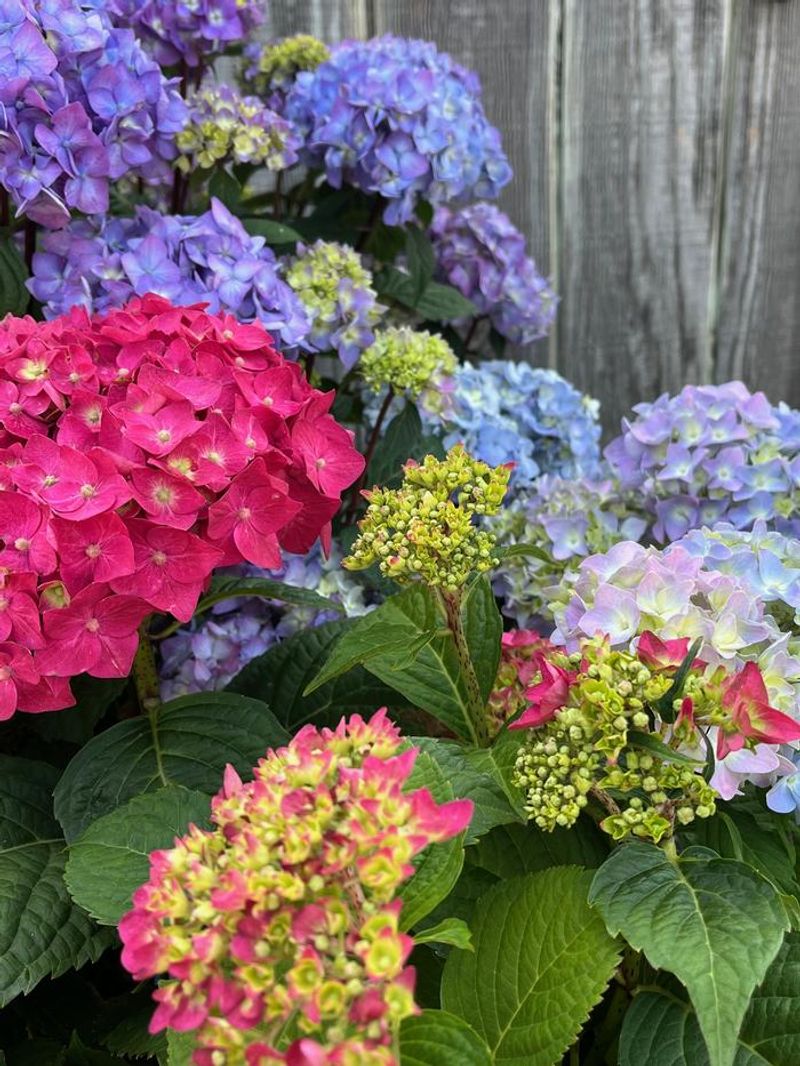
Few shrubs cause more heartbreak than a bigleaf hydrangea that grows lush green leaves all summer without a single bloom. Most of the time, the culprit is not the weather but a well-meaning trim at the wrong moment.
Classic mophead and lacecap types of Hydrangea macrophylla form their flower buds in late summer and early fall.
Those buds rest inside the stems through Georgia’s winter, waiting to open in late spring and early summer.
Cutting the stems back before Thanksgiving removes that hidden flower supply in one quick snip. You will still get a healthy green shrub, but those famous blue or pink globes may barely appear.
Personally, I plan any shaping for right after the main flush of blooms fades in early summer. Many experts recommend finishing by early August, which gives new stems enough time to set buds again.
Reblooming types such as the Endless Summer series flower on both old and new stems, giving you more flexibility.
Even so, their first and biggest flush still comes from buds formed the previous season, so fall cuts reduce it.
For now, simply snip off old flower heads just below the bloom if they bother you. Leave the rest of each stem untouched, because the plump buds below are next year’s flowers.
A fun fact worth sharing involves soil, since acidic soil often turns blooms blue while sweeter soil favors pink. Many Southern yards lean acidic, which explains all those gorgeous blue hydrangeas lining older neighborhoods.
4. Oakleaf Hydrangea
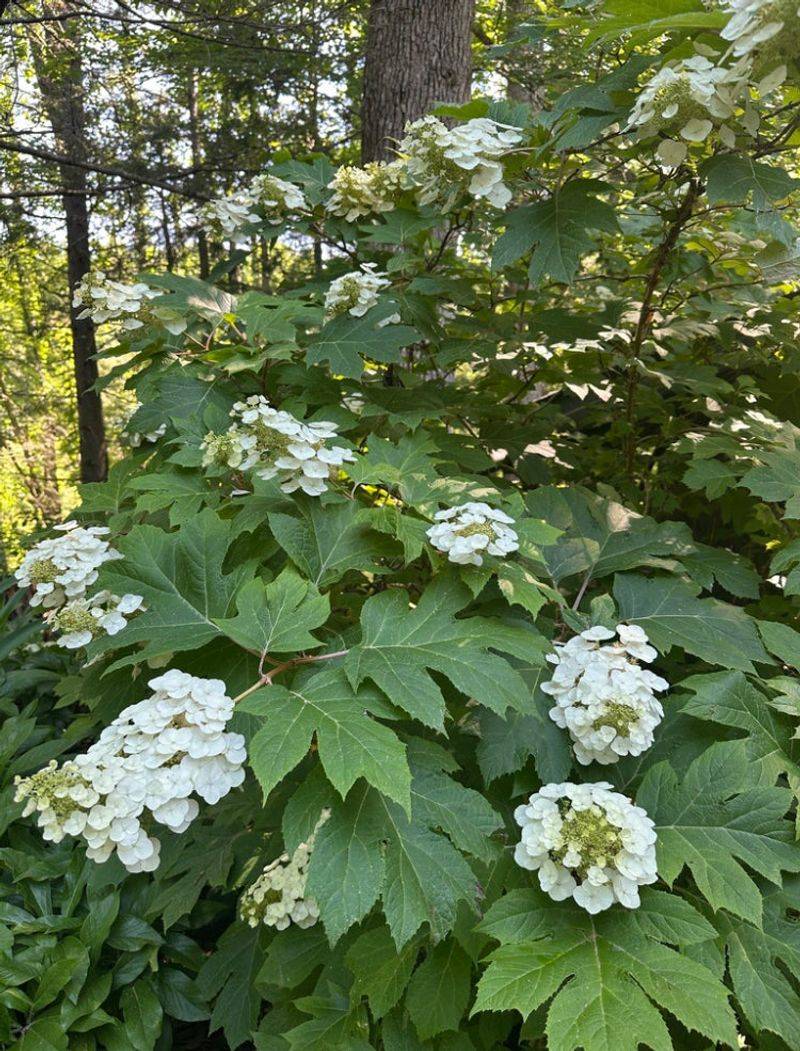
Native to the Southeast, the oakleaf hydrangea puts on such a stunning autumn show that pruning it now feels almost rude. Its big, lobed leaves turn rich shades of red and burgundy as the weather cools.
Hydrangea quercifolia blooms on old wood, setting its flower buds on stems that grew earlier in the year.
Those buds carry next season’s tall white flower cones, which open in late spring and early summer.
A fall haircut removes those buds and leaves you with a leafy shrub that skips its best feature. I can’t imagine giving up those creamy flower spikes that slowly blush pink as they age.
Thankfully, this Georgia native rarely needs much trimming at all, especially when planted where it has room to spread.
Give it space from the start, and you can mostly let it grow into its natural, relaxed shape.
If shaping becomes necessary, do it right after the flowers finish, usually around June or early July. That timing leaves plenty of summer for new stems to grow and prepare next year’s blooms.
You might notice the older stems have peeling, cinnamon-colored bark that looks lovely during winter. Leaving the branches alone means you get to enjoy that texture long after the leaves drop.
Pollinators visit the flowers in early summer, and the dried flower heads add winter interest in the garden. It is one of those rare shrubs that rewards a gardener for doing a little less.
5. Camellia
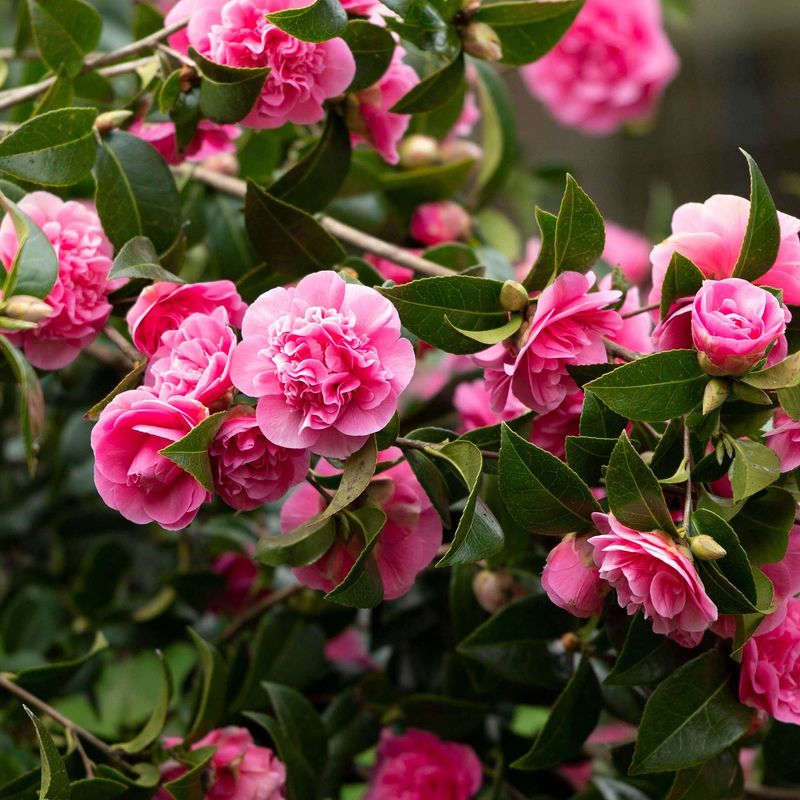
Walk past a camellia in November and you may spot round, fat buds already lined up along the branches. Those glossy green bundles hold the rose-like flowers that brighten Southern gardens during the gray months ahead.
Camellia japonica often blooms from late fall through early spring, depending on the variety and local weather.
Because its buds formed months ago, pruning now removes flowers that are almost ready to open in Georgia gardens.
I love how these evergreen shrubs feel like old friends, especially in historic neighborhoods with plants older than the houses. Many of those grand shrubs stayed beautiful for decades because gardeners trimmed them at the right time.
The ideal window opens right after flowering ends, usually in spring before new growth begins to push out. Shaping then lets the plant grow fresh shoots that will carry next season’s buds by late summer.
Camellias rarely need heavy cuts, so light shaping and thinning crowded inner branches usually do the trick.
Better airflow through the center can help reduce leaf problems and makes the shrub look tidier.
If too many buds crowd one stem, some gardeners pinch off a few so the remaining flowers grow larger. This practice, called disbudding, is popular among camellia show growers looking for bigger, showier blooms.
Fall camellia sasanquas follow a slightly different calendar, so check which type you own before making any cuts. Either way, waiting until the flowers finish protects the color you have patiently waited for all year.
6. Gardenia
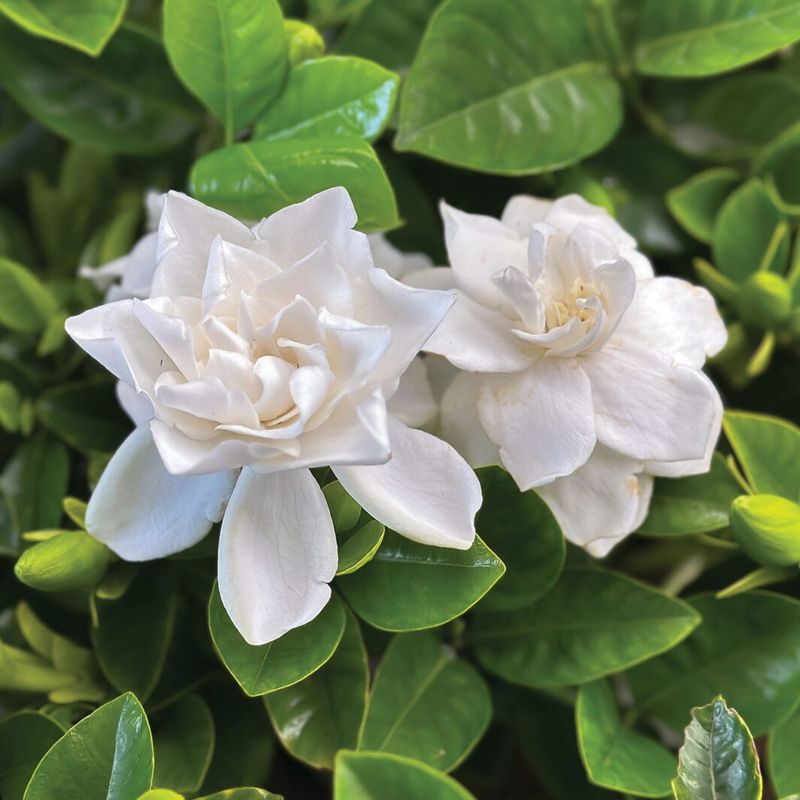
One whiff of a blooming gardenia on a warm evening can stop you right in your tracks on the sidewalk. That rich, sweet perfume has made Gardenia jasminoides a porch-side favorite across the South for generations.
Those creamy white flowers usually open in late spring and early summer, but their story starts much earlier.
Most gardenias set next year’s flower buds in late summer and fall, right at the stem tips.
Trim those tips before Thanksgiving, and you may lose a large share of the fragrant blooms you love. I have to admit, a gardenia without flowers feels like a cake without frosting.
The safest pruning time comes right after the main bloom period ends, typically by early to midsummer. Many experts suggest finishing before August so the shrub has time to produce new buds.
Light shaping usually works best, since gardenias look lovely with their natural, rounded form left mostly intact.
Remove a few wayward branches and any broken stems rather than shearing the whole surface.
Winter cold can occasionally damage gardenias in northern Georgia, especially during hard freezes.
Wait until spring growth appears before removing any browned stems, so you can see what truly needs cutting.
Meanwhile, keep the roots comfortable with mulch and steady moisture during dry autumn spells. A happy, well-watered gardenia will reward you next summer with blooms that perfume the entire yard.
7. Bridal Wreath Spirea
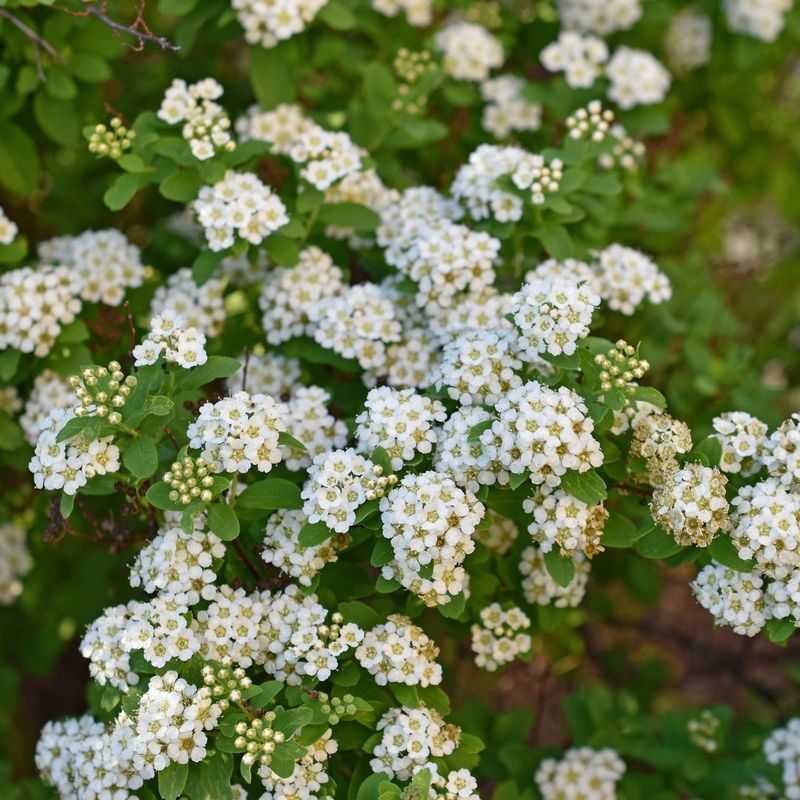
Grandma’s yard probably had one of these, a fountain of arching branches dripping with tiny white flower clusters.
Bridal wreath spirea, Spiraea vanhouttei, earned its romantic name from those snowy sprays that appear every April in Georgia.
Like many spring bloomers, this old-fashioned shrub forms its flower buds on stems that grew the previous season.
A fall trim cuts away those future blooms and leaves the branches looking stubby instead of graceful.
What surprises me most is how quickly a sheared spirea loses its charm, turning from a waterfall into a lumpy hedge. The beauty of this plant lives in those long, flowing stems that bend under the weight of flowers.
Wait until the white blossoms fade in spring, then reach for your pruners while the shrub is still leafing out. That timing gives the plant a full growing season to produce new wood for next year.
Instead of trimming the outside, remove about a quarter of the oldest stems right down at ground level. Fresh shoots will rise from the base and keep the shrub vigorous without spoiling its arching shape.
This sturdy shrub handles sun, clay soil, and a fair amount of neglect, which explains its long popularity.
Just avoid confusing it with Japanese spirea, which is considered invasive in parts of the Southeast.
Fall is a fine time to simply enjoy the shrub’s soft, fading leaves and plan next spring’s cuts. Your patience now means a cloud of white blooms when warmer days return.
8. Flowering Quince
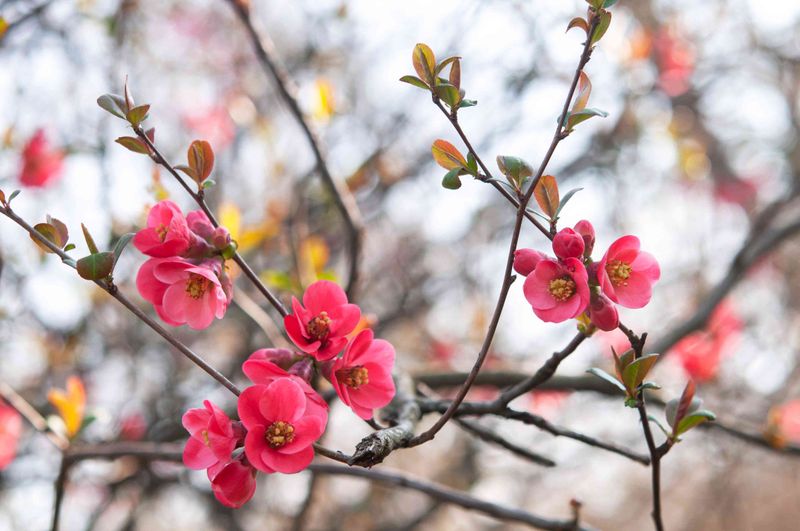
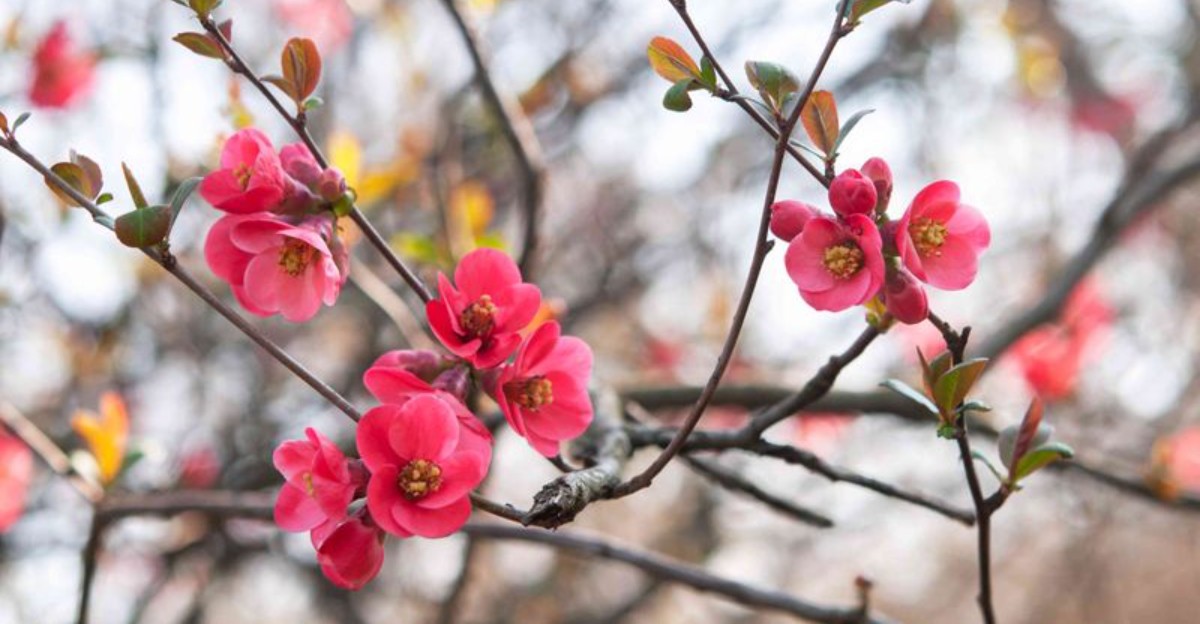
Thorny, twiggy, and a bit scruffy most of the year, flowering quince saves its big surprise for late winter. Bright coral, red, or pink blossoms suddenly pop along bare branches while most of the garden still sleeps.
Chaenomeles speciosa often blooms in February or March in Georgia gardens, sometimes even earlier during mild spells.
Those flowers come from buds formed on older stems, so a fall trim removes them before they open.
I believe this shrub deserves more love, since hungry early bees often visit its flowers when little else is blooming. Cutting it back now would leave those pollinators with one less snack at the start of the year.
The best time to prune comes right after the blossoms fade and the first leaves begin to unfold.
New stems grow through the summer and set buds that will brighten your yard next late winter.
Wear sturdy gloves, because those sharp thorns can leave your hands looking like you wrestled a cat. Focus on removing a few of the oldest, thickest stems at the base to keep growth fresh.
You can also snip a few budded branches in late winter and bring them indoors to bloom in a vase. Warm rooms coax the flowers open early, giving you a cheerful preview of the coming spring.
Small, fragrant fruits sometimes follow the flowers and can be cooked into jelly with plenty of sugar. It is a fun bonus from a shrub that asks for very little attention.