Why Georgia Fig Trees Need Special Care Before Their First Winter
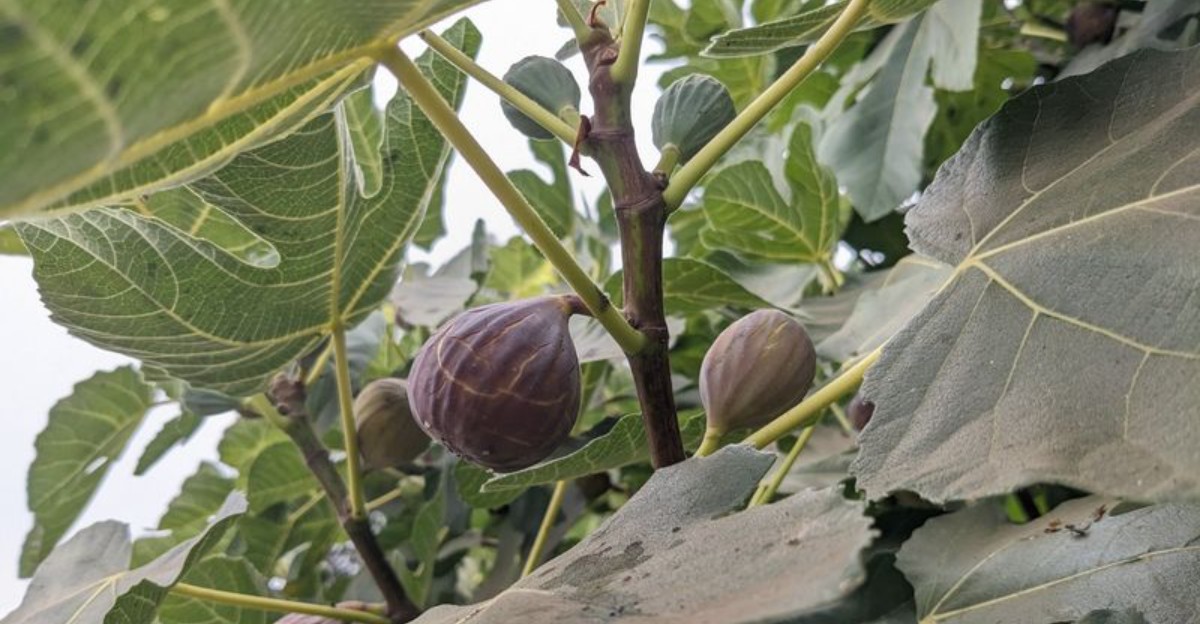
A fig tree can lose every branch above the ground in a hard freeze and still push up fresh shoots from its roots the next spring. That trick works best on older plants with deep roots and stored energy.
Young trees planted this year have neither. Their wood is still soft, their roots are shallow, and a sudden cold snap can set them back a full season or more.
I love how forgiving these trees are once they settle in.
I’ve come to appreciate just how much a little winter protection matters for young fig trees, especially here in Georgia, where a warm December afternoon can flip into a 20-degree night.
You need only a few simple supplies and some good timing. The payoff is sweet, sticky fruit for years.
So what exactly does a first-year tree need before the cold rolls in?
1. A First-Year Fig Tree Is Missing One Big Advantage
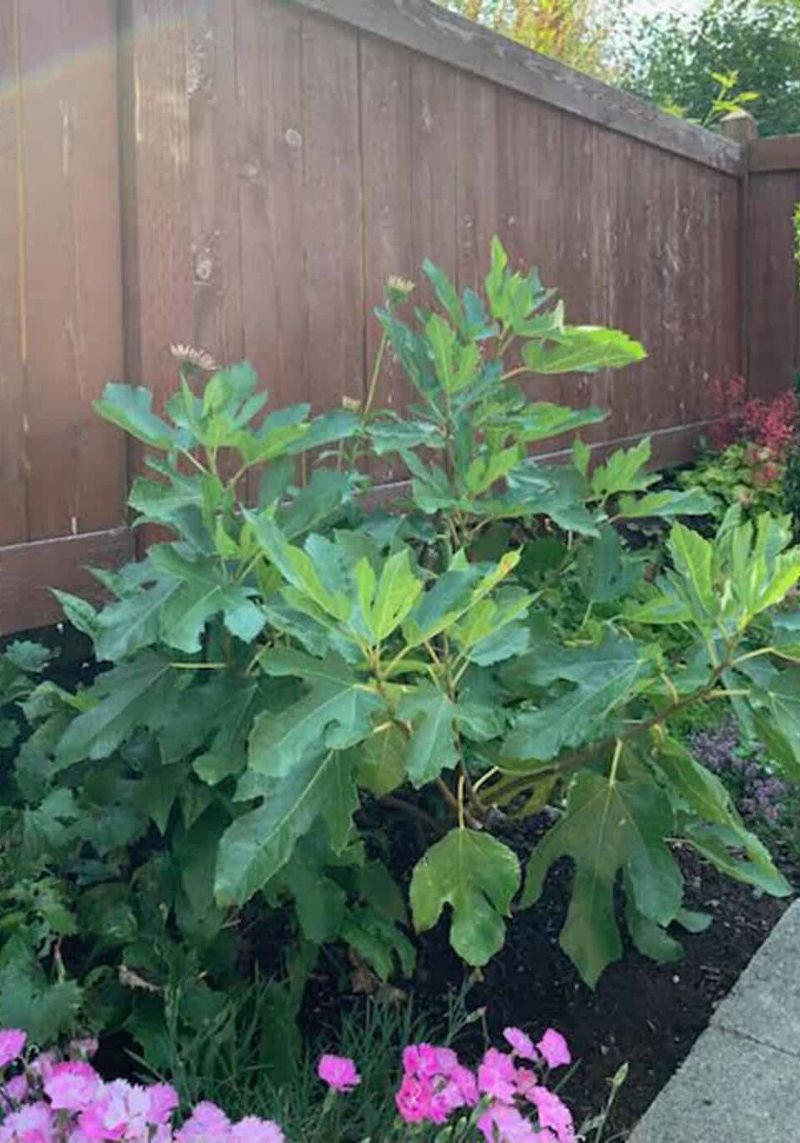
Older fig trees carry a hidden savings account. Their thick roots and woody trunks store sugars and starches that help them bounce back after cold weather.
A tree planted this spring or summer has not built that account yet. It spent most of its energy settling into new soil and pushing out leaves, so it heads into winter with thin reserves and a small, shallow root system.
Common figs are mostly rated for USDA zones 7 through 10. Most of Georgia falls in zones 7b to 9a, which sounds like plenty of room.
Still, extension specialists note that young wood can be injured somewhere in the low to mid 20s, while mature, dormant wood often handles colder nights.
The roots matter most. If the top of a young tree freezes back, healthy roots can usually send up new shoots in spring.
If the roots suffer, though, recovery gets much harder.
That is the real reason for extra care in year one. You are not babying the tree forever.
You are buying it time to grow the deep roots and sturdy wood it needs to handle cold on its own.
2. Thick Mulch Around the Fig’s Base Protects What Matters Most
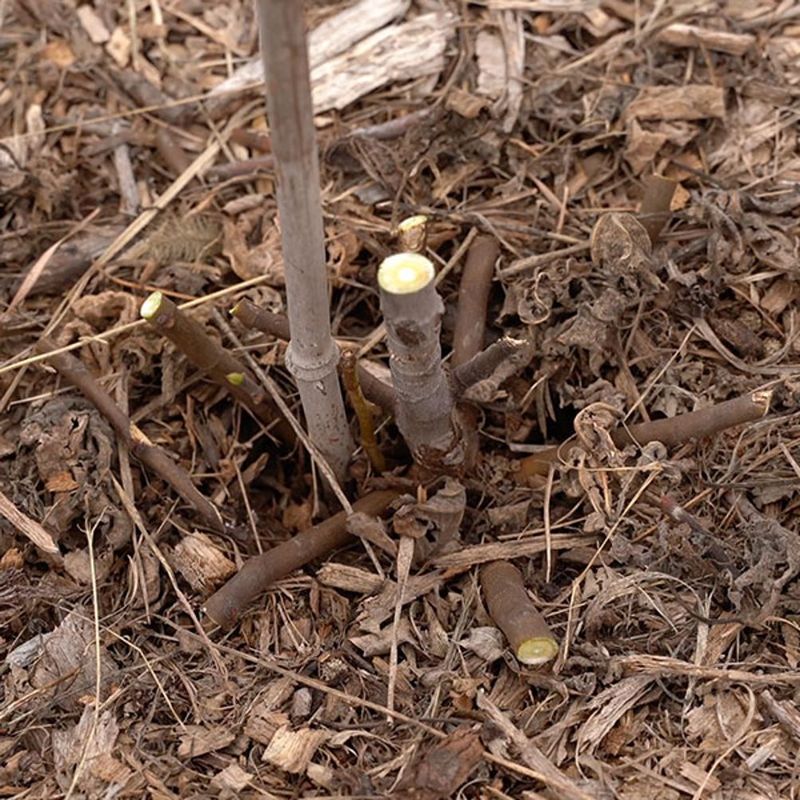
Mulch is the cheapest insurance policy in your whole garden. For a young fig, it is also the single most useful winter step you can take.
Soil temperature swings hard during a Georgia winter.
A frosty night followed by a sunny 60-degree day can freeze and thaw the top few inches of ground over and over, which stresses tender roots and can even heave small plants upward.
A deep blanket of organic material slows those swings. Spread straw, pine straw, shredded leaves, or wood chips in a wide circle around the base after the tree goes dormant.
In colder areas, some fig growers use deep, temporary winter insulation around dormant plants. For routine mulching, spread a few inches of organic material over the root zone and keep it away from direct contact with the trunk.
I like shredded leaves best because they are free and they break down into rich soil by summer. Pine straw is a great choice too, and it rarely mats down into a soggy layer.
Keep the mulch loose and fluffy so air can still move through it. Pull it back slightly from the trunk if your area stays wet for long stretches, since constant moisture against bark can invite rot.
3. Wait for Those Fig Leaves to Drop Before You Wrap Anything
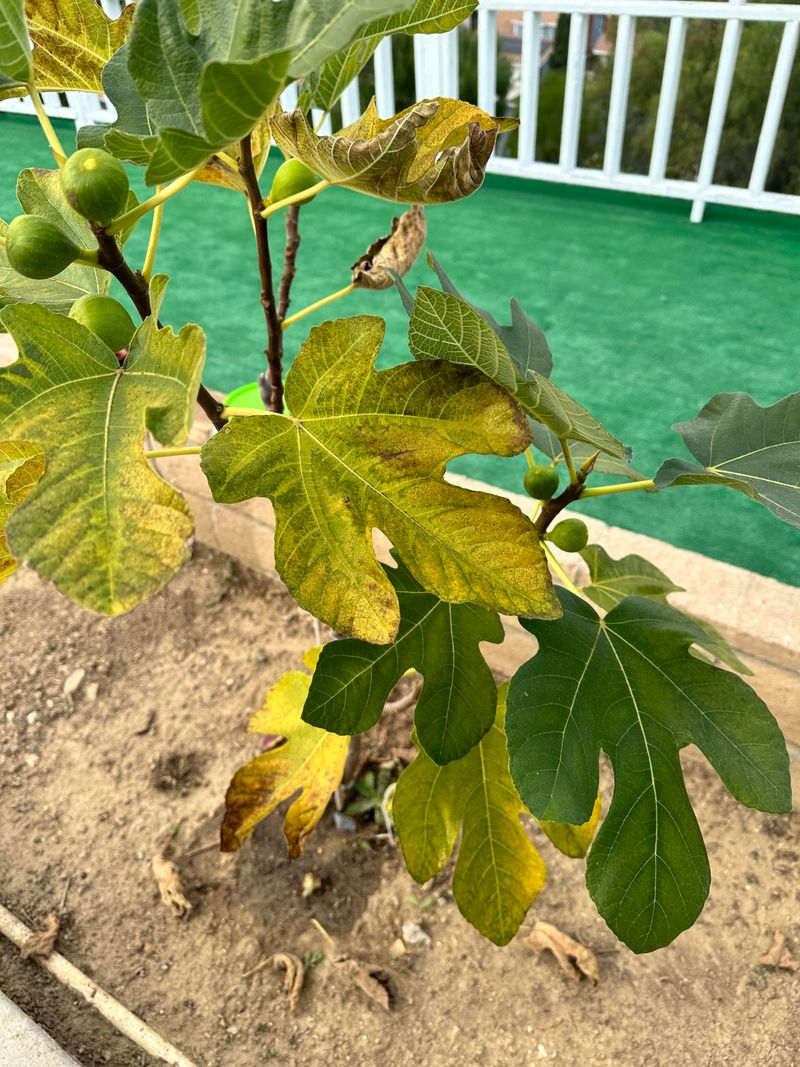
Timing trips up more first-time fig growers than almost anything else. Wrap too soon and you can cause more trouble than the cold itself.
Figs need a few chilly nights to shift into dormancy. During that process, the leaves yellow and drop, sap slows down, and the wood hardens off.
Covering the tree early traps warmth and moisture, which can keep it growing and leave it softer when real cold arrives.
Watch the leaves as your best clue. Once most have fallen, usually in November across North and Middle Georgia and a bit later along the coast, the tree is ready for protection.
Keep an eye on the forecast too. An early frost can show up before leaf drop, especially in the mountains and the northern Piedmont.
If a freeze is coming and the tree is still leafy, toss a frost cloth or old sheet over it for the night, then remove it in the morning.
Hold off on fertilizer from late summer onward. Feeding a fig in fall pushes soft new shoots that are easily nipped by cold.
One more tip worth sticking on the fridge: water the tree well before a hard freeze if the soil is dry. Moist soil holds heat better than dry soil, and a well-watered root system handles cold stress with less damage.
4. Burlap Wraps Keep Young Fig Branches Safe From Biting Wind
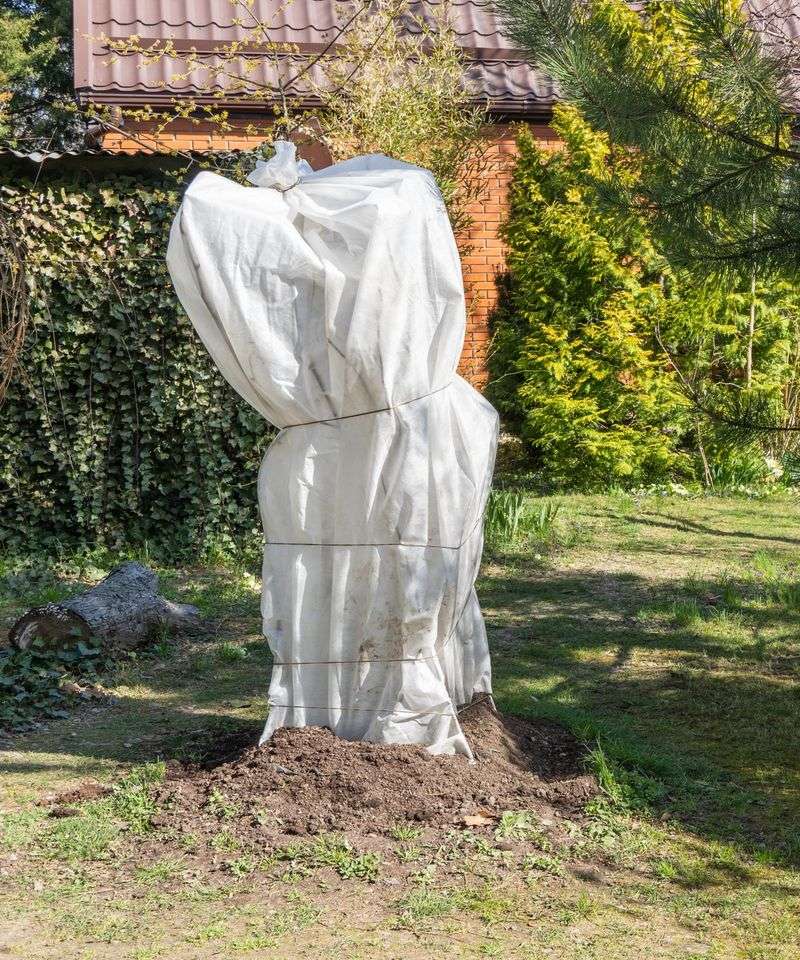
Cold air is only half the problem. Dry winter wind pulls moisture out of thin branches, and young fig stems have very little to spare.
A breathable wrap fixes both issues. Burlap is the classic choice because it blocks wind and holds a bit of warmth while still letting air and moisture escape.
Frost cloth from a garden center works well too, and an old cotton blanket will do in a pinch.
Start by gently pulling the flexible branches together. Tie them loosely with soft twine so the tree forms a narrow bundle.
Then wrap the burlap around it from the bottom up, overlapping each layer, and secure it with more twine.
Skip plain plastic as the main layer. It traps moisture against the bark and can heat up fast on a sunny day, which may cause rot or early budding.
If you want to shed rain, a loose cap on top over the burlap is fine.
Some gardeners build a simple wire cage around the wrapped tree and stuff it with dry leaves. That extra layer makes sense in North Georgia, where nights in the teens are possible.
Personally, I find wrapping a fig oddly satisfying. It looks a bit like a scarecrow in a winter coat, and the neighbors will probably ask about it.
Take the wrap off once hard freezes are behind you.
5. Mountain Gardens and Coastal Yards Treat Fig Trees Very Differently
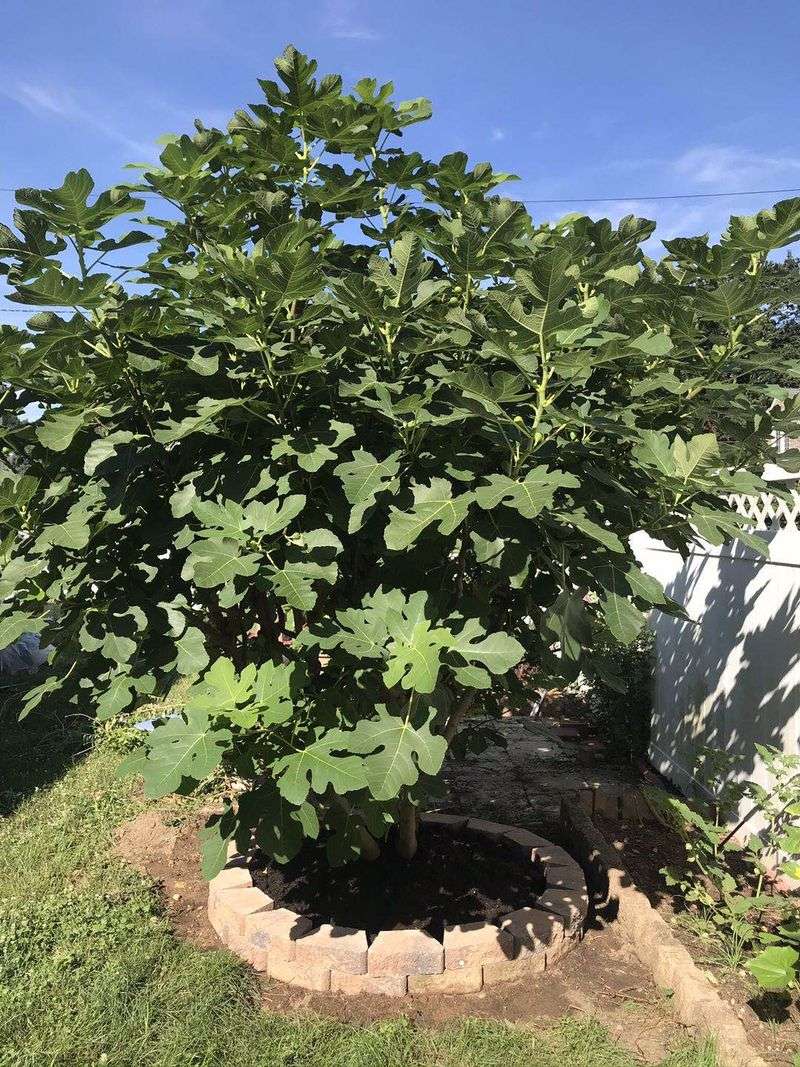
Georgia covers a lot of ground, and a fig in Blue Ridge faces a very different winter than one in Savannah. Your plan should match your zip code.
The northern mountains sit mostly in zone 7, with occasional winter lows that dip into the single digits. Young figs there benefit from the full treatment: deep mulch, bundled branches, burlap, and maybe a cage filled with leaves.
The Piedmont, including Atlanta and Athens, mostly falls in zones 7b and 8a. Cold snaps into the teens happen often enough that first-year trees deserve real protection, even if older figs in the neighborhood shrug it off.
South Georgia and the coast lean toward zones 8b and 9a. Here, a good mulch layer plus a frost cloth on the coldest nights is often enough.
The bigger risk is a warm spell in late winter that wakes the tree early, followed by a sharp frost.
You can look up your exact zone on the USDA Plant Hardiness Zone Map using your zip code. Then check how low your area has actually dropped in recent winters, since one rare event can matter more than averages.
Planting spot counts too. A fig on the south side of a house or near a brick wall stays noticeably warmer than one in an open, low-lying yard where cold air settles overnight.
6. Celeste and Brown Turkey Figs Get a Head Start in the Cold
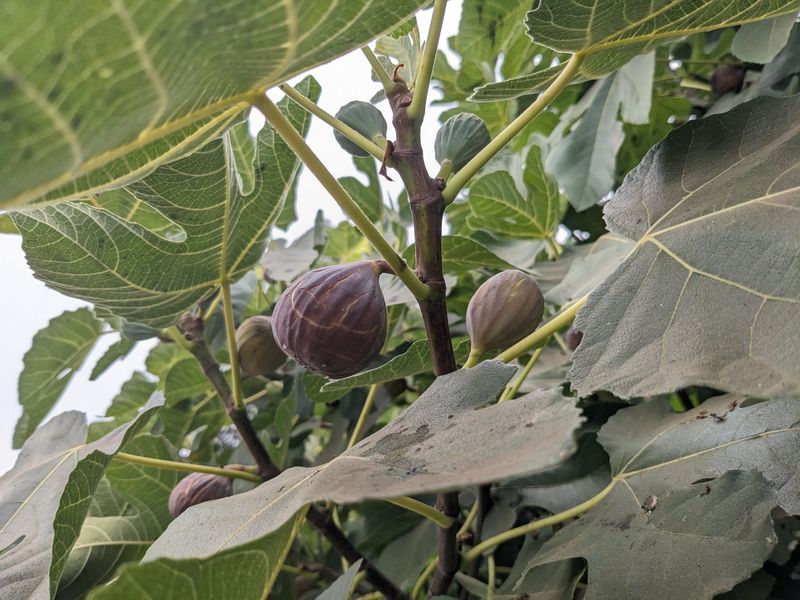
Picking the right variety is like packing the right jacket. Some figs simply handle Georgia winters with more grit than others.
Celeste, sometimes called the sugar fig, is a long-time Southern favorite. It produces small, sweet, purplish fruit and is known for good cold tolerance.
University of Georgia Extension has long listed it among recommended figs for the state.
Brown Turkey is another dependable pick that bounces back well after freeze damage. Hardy Chicago and Chicago Hardy types are popular in the mountains because they often fruit on new growth, even if the top freezes back.
Here is why that matters. Many figs make their main crop on new wood each summer, so a tree that loses its top can still bear fruit later that same year once it regrows.
Hardier varieties tend to recover faster and more reliably.
Even tough varieties need extra help in year one. Cold hardiness ratings describe established trees, not tiny ones that went into the ground a few months ago.
If you already planted a more tender type, do not panic. Just give it a bit more protection than you would give a Celeste, and consider a sheltered spot for your next fig.
7. Potted Fig Trees Have an Easy Escape Route
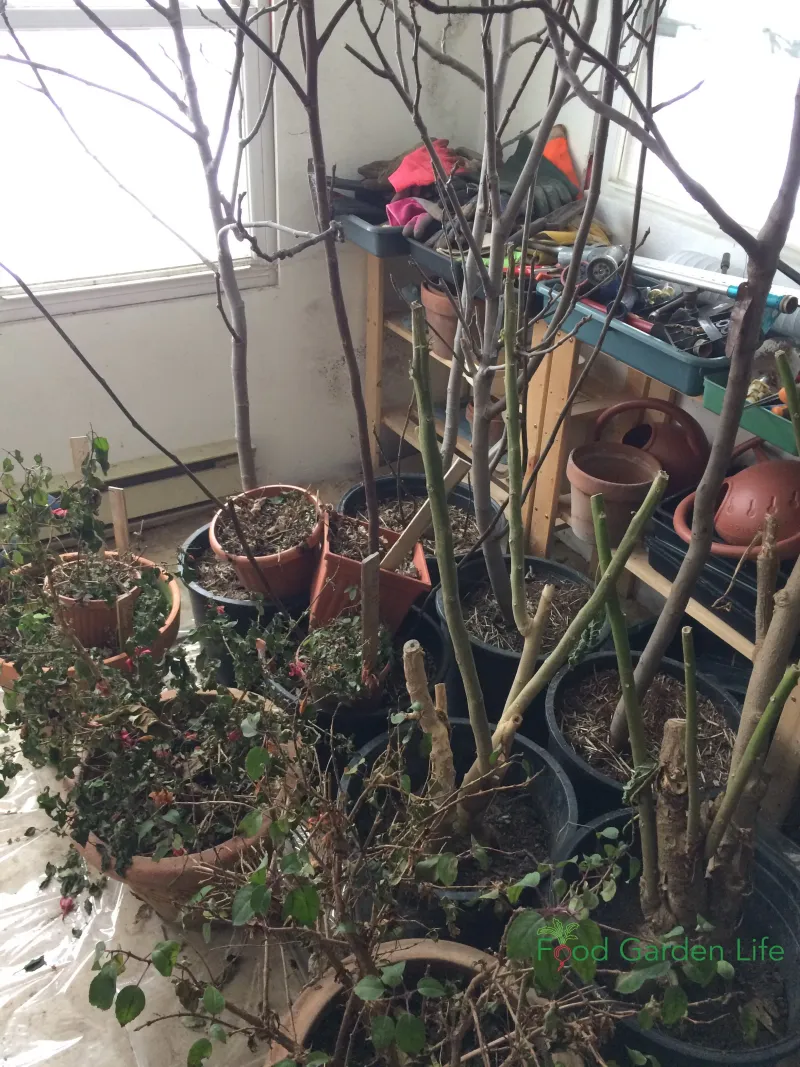
Lucky you, if your young fig lives in a container. You can simply move it somewhere safer when the weather turns.
Roots in a pot are far more exposed than roots in the ground. Soil in the earth holds warmth, but a container sits surrounded by cold air on all sides, so its roots can freeze much faster.
Once the leaves drop, roll the pot into an unheated garage, shed, or basement. You want a spot that stays cool, ideally somewhere above freezing but below about 50 degrees.
That keeps the tree dormant without exposing the roots to hard cold.
A dark space is fine during dormancy since the tree has no leaves to feed. Check the soil every few weeks and give it a little water if it feels bone dry.
Soggy soil is the bigger risk, so go easy.
No garage? Push the pot against a south-facing wall, wrap it in burlap or bubble insulation, and pile mulch or leaves around it.
In early spring, bring the tree back outside gradually once frost danger passes. A few days in shade before full sun helps the new leaves adjust.
Many Georgia gardeners keep a fig potted for its first year or two, then plant it in the ground once it has a stronger root system.
8. Spring Fig Shoots Show How Well Your Winter Care Worked
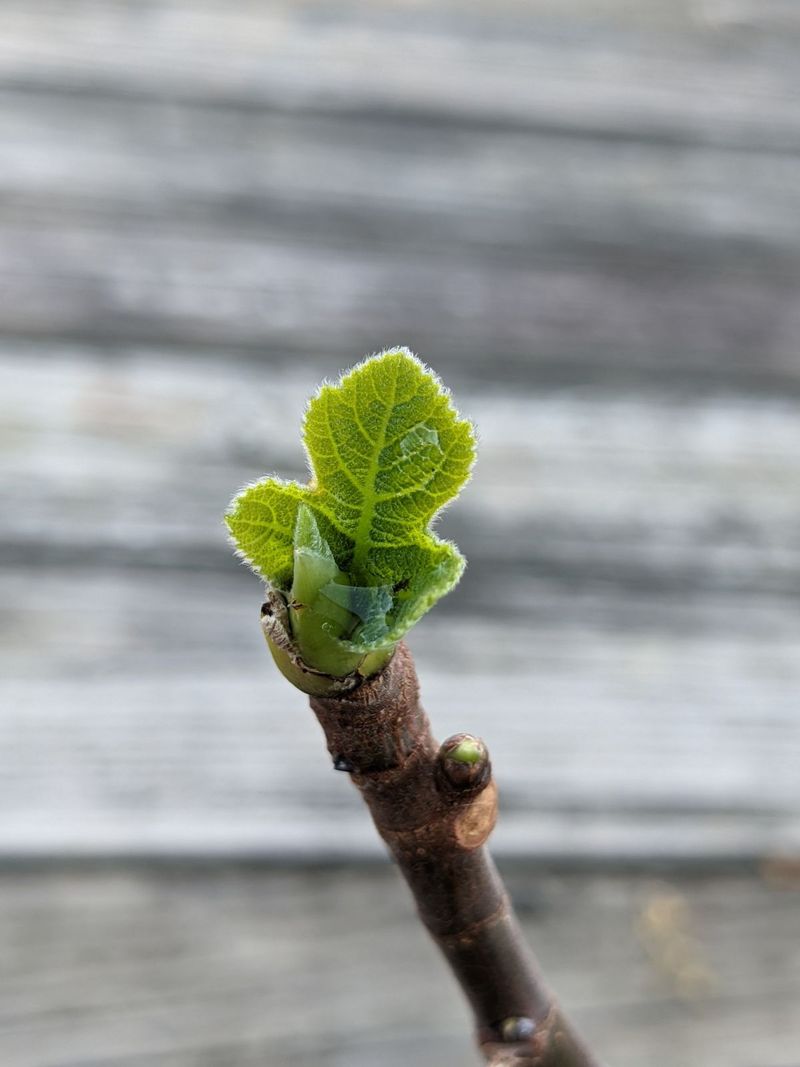
Spring is report card season for your fig. Around March or April, depending on your part of the state, you will see whether those buds made it through.
Do not rush to prune. Figs often leaf out later than other trees, and branches that look bare may still be alive.
Scratch a little bark with your fingernail. Green tissue underneath means the stem is healthy, while brown and dry wood can be trimmed back once new growth shows.
If the whole top froze, look near the soil line. Strong shoots from the base mean the roots did their job, and the tree can rebuild quickly.
Pick a few of the strongest shoots to become the new framework.
Remove the mulch pile gradually, leaving a thinner layer for summer. Water deeply during dry spells, because steady moisture helps the tree push out healthy growth and fruit.
Keep a quick note of what you did and how the tree responded. That record helps you adjust next fall, especially if your yard turned out colder or warmer than expected.
After two or three winters, most in-ground figs in Georgia need far less fuss. A good mulch layer and a frost cloth on extreme nights often cover it.
That first season of care is what turns a fragile stick into a sturdy tree full of sweet summer figs.