Why More Warblers Are Passing Through Texas Yards This Fall
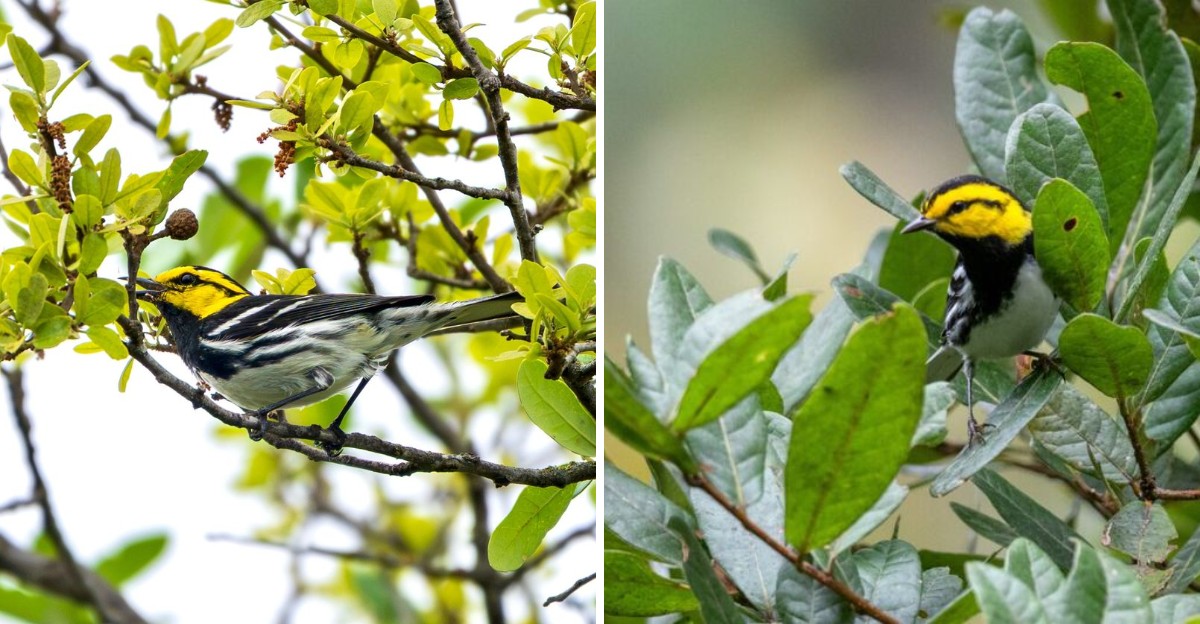
Fall migration brings warblers through Texas in numbers that can genuinely surprise homeowners who have never paid attention to what moves through their yard during this window.
These small, often brilliantly colored birds move fast and stay briefly, but during peak migration they appear in yards across the state with a frequency that rewards anyone who takes a few minutes to look.
If you’ve been noticing more of them lately, the reasons are worth understanding.
Warbler activity in Texas yards this fall is being driven by real seasonal conditions, including weather patterns, food availability, and habitat that certain yards are providing that others are not.
Understanding what’s behind the influx makes every sighting more interesting and gives you practical ways to attract more of them while the migration window is open.
1. Texas Sits Along The Central Flyway
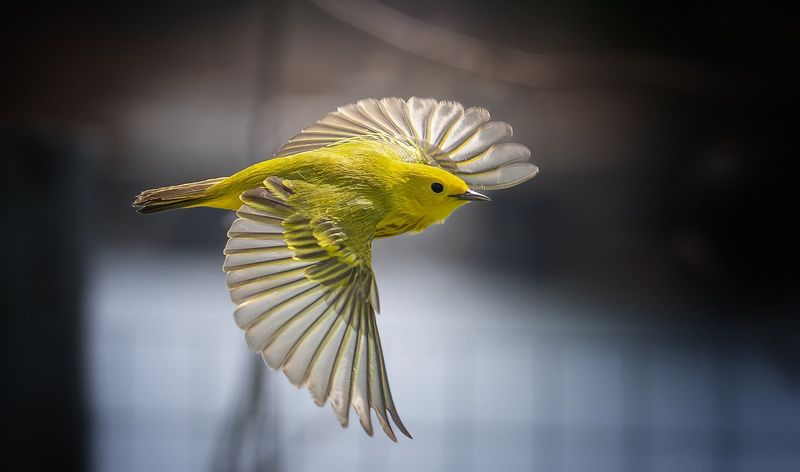
Picture a giant highway in the sky, and Texas sits right in the busiest lane.
This invisible route is called the Central Flyway, and millions of birds use it every fall to travel from Canada and the northern United States down toward Mexico and Central America.
Warblers are among the many travelers riding these skyways. Because Texas stretches so wide across this path, birds funnel through the state in huge numbers. Your backyard might sit directly under one of nature’s oldest travel routes.
The state’s location makes it almost impossible for warblers to skip. They need places to rest and refuel, and Texas yards offer perfect pit stops. A shady tree or a birdbath can look like an oasis to a tired traveler.
Coastal areas near the Gulf are especially popular. Warblers gather there before or after crossing large stretches of open water.
Even inland yards get plenty of visitors as birds spread out looking for food and shelter.
Fun fact: some warblers weigh less than a handful of coins, yet they fly thousands of miles. That tiny body needs frequent stops, and Texas happens to be a favorite one.
If you want to catch the action, keep an eye on your trees during early morning hours. That is when hungry warblers often arrive after a long night of flying. Adding native plants and clean water gives them a reason to linger.
Living along the Central Flyway is like having front-row seats to a natural parade. Texas backyards get a special view that many other places simply cannot match each fall.
2. Cooler Weather Signals Time To Travel
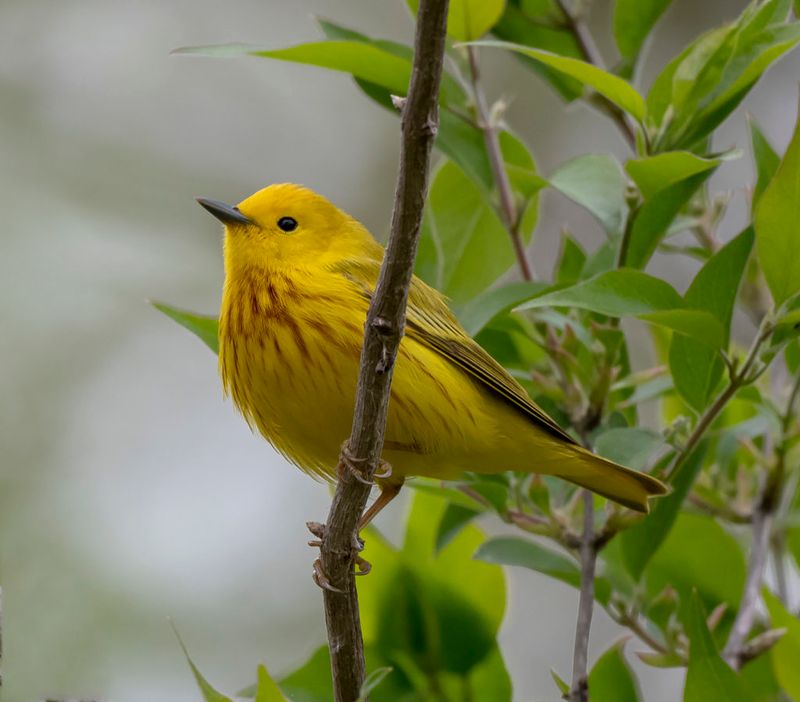
Something shifts in the air when summer starts fading. Warblers feel that change long before we grab our jackets, and it tells them the season to move has arrived.
Cooler temperatures act like an alarm clock for these birds. Shorter days and dropping nighttime temps trigger an instinct deep inside them. They know it is time to head toward warmer regions where food stays plentiful.
As the cold pushes in from the north, waves of warblers move south to escape it. Texas becomes a busy rest area during this shift. Yards fill with movement as birds pass through looking for a break.
Your Texas Garden Changes Every Week. Your Plan Should Too.
Gardening in Texas changes quickly throughout the season. Every Friday you’ll receive a simple weekly plan showing exactly what to plant, prune, fertilize, harvest, and protect so you never miss the right timing.
The timing lines up perfectly with the state’s mild fall weather. While northern areas turn chilly, Texas stays comfortable enough to offer insects and berries. That means warblers can grab a quick meal before continuing their trip.
You might notice more activity right after a cold front sweeps through. These fronts often bring big pushes of migrating birds, sometimes called fallouts. During a fallout, trees can seem to sparkle with tiny hopping travelers.
Watching the weather can actually make you a better birder. When forecasters mention a cool front moving down from the plains, get your binoculars ready the next morning. That is often when yards come alive.
The connection between temperature and travel is one of nature’s oldest clocks. Warblers have followed it for thousands of years, long before calendars existed.
Their arrival reminds us that seasons are changing and that a long journey is underway right above our heads.
3. Native Plants Are Offering More Food
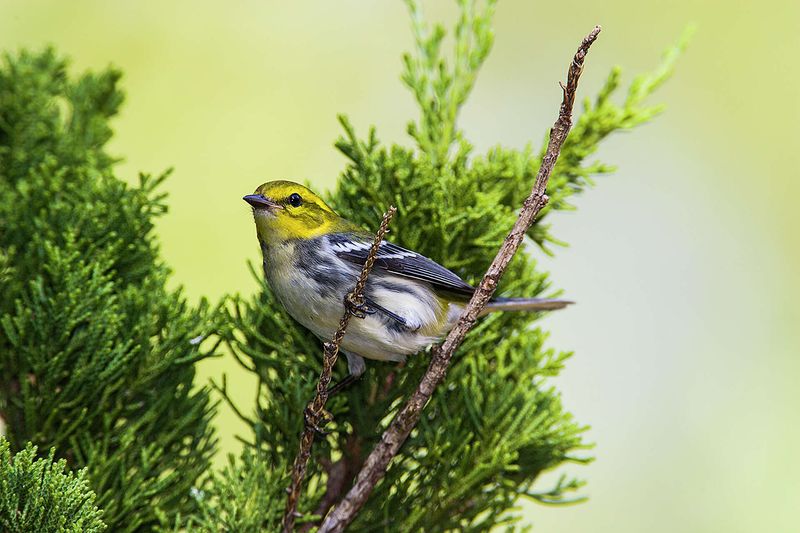
Here is a tasty secret: warblers follow their stomachs. More Texas homeowners are planting native shrubs and trees, and that means more natural snacks waiting along the migration route.
Native plants attract insects, and insects are exactly what warblers crave. Unlike seed-eating birds, most warblers hunt tiny bugs, caterpillars, and spiders. A yard bursting with native greenery becomes a moving buffet.
Plants like American beautyberry, wax myrtle, and native oaks give warblers both food and cover.
The berries feed some species while the leaves host insects for others. Everyone at the party finds something to eat.
Gardeners across the state have grown more interested in supporting wildlife. As they swap thirsty lawns for native landscaping, they accidentally create perfect fueling stations. Birds notice these green pockets and stop to feast.
If you want warblers to visit, try planting a mix of native shrubs and trees. Choose plants that produce berries in fall and attract plenty of insects. Skip the heavy pesticides, since bugs are the whole point.
Even a small garden corner can make a difference. Warblers do not need giant forests, just a reliable snack and a safe place to rest. A single berry bush might become a favorite stop year after year.
The rise of native gardening has quietly reshaped the landscape for migrating birds. What looks like a simple flower bed to us is a lifesaving meal to a tiny traveler.
Planting with birds in mind rewards you too. You get more visitors, more color, and a front-row view of nature’s grand journey right outside your window each fall.
4. Backyard Water Sources Are Drawing Them In
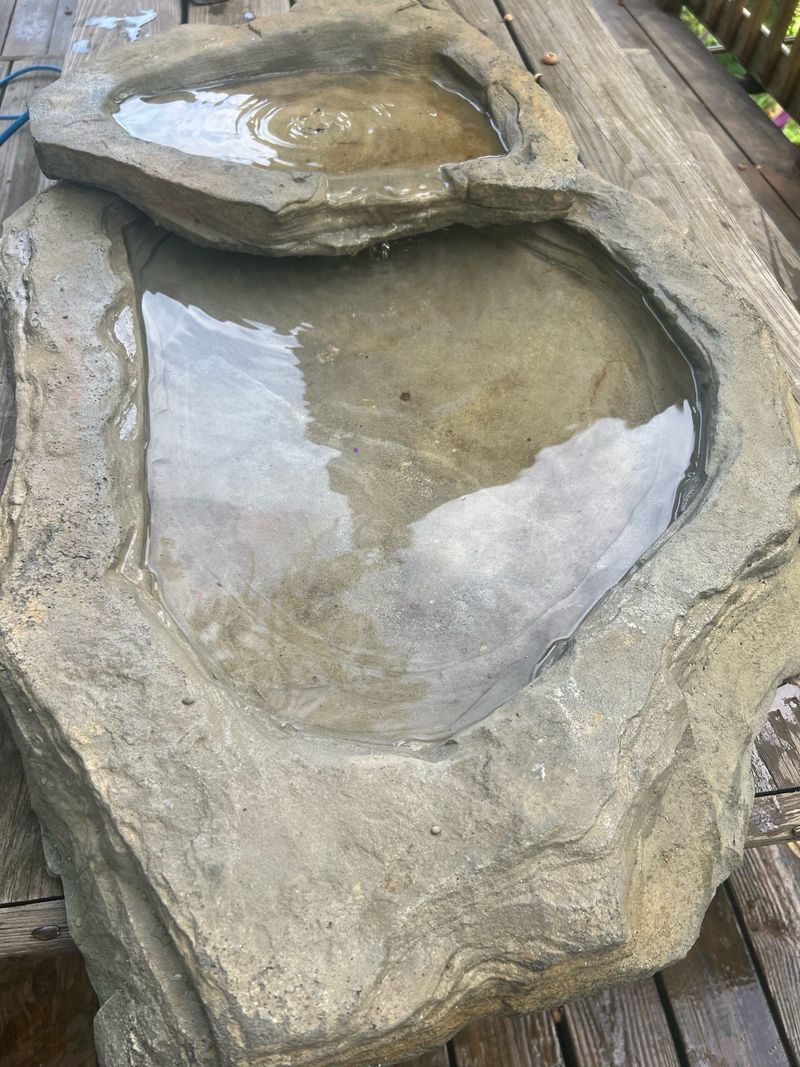
Imagine flying all night and finally spotting a sparkling pool below. To a thirsty warbler, a simple birdbath looks like a five-star resort during the fall migration.
Water pulls warblers into yards like a magnet. After long flights, these birds need to drink and bathe just as much as they need food. A clean, shallow water source can turn an ordinary yard into a hot spot.
Many Texas homeowners have added birdbaths, drippers, and small fountains in recent years.
The sound of moving water is especially powerful. Warblers often hear that gentle trickle and swoop down to investigate.
Shallow water works best for these little birds. They prefer baths only an inch or two deep, with a rough surface for gripping. Adding a few stones gives them safe spots to perch and splash.
Moving water also stays cleaner and catches the light. A small solar-powered fountain or a dripping hose can attract far more visitors than still water alone. The movement makes the spot easy to find from above.
During dry Texas falls, natural water can be scarce. That makes your backyard source even more valuable to passing travelers. You might be offering the only drink for miles around.
Keep the water fresh and clean to keep birds coming back. Rinse it every few days and refill it often, especially during warm spells.
Setting up water is one of the easiest ways to welcome warblers. It costs little, needs minimal space, and rewards you with delightful splashing shows. Sometimes the simplest offering brings the most wonderful guests to your yard.
5. Weather Fronts Are Creating Big Fallouts
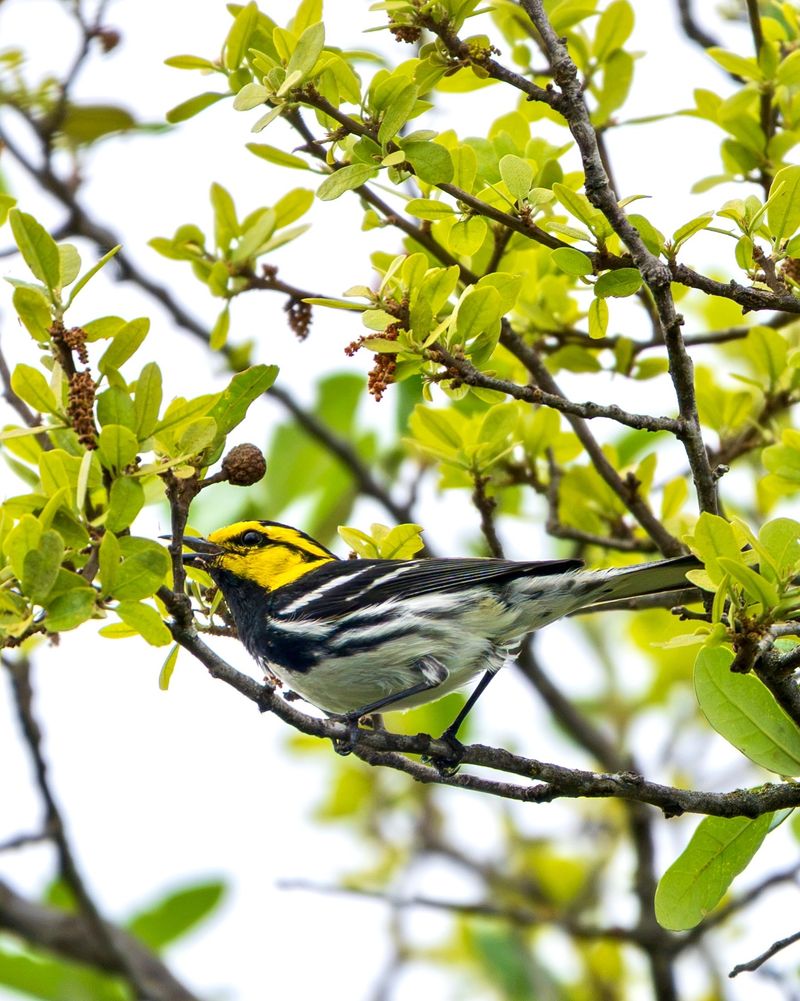
Every now and then, the sky delivers a jackpot. A strong weather front can push huge groups of warblers down all at once, creating what birders call a fallout.
These events happen when migrating birds hit rough weather or strong winds. Rather than fight the storm, they drop down to rest and wait it out. Suddenly a quiet yard can fill with dozens of tiny travelers.
Texas sees these dramatic gatherings fairly often in fall. Cold fronts sweeping down from the plains collide with birds heading south. The result can be an unforgettable morning of nonstop bird activity.
Coastal yards near the Gulf get some of the biggest shows. Warblers crossing water may land in the first trees they reach, exhausted and hungry. Those trees can practically shimmer with movement.
Fallouts do not last long, but they are magical while they happen. Birds that normally stay high in the treetops come down low, giving you rare close-up views. It feels like the forest emptied its treasures into your yard.
Watching the forecast helps you catch these moments. When you hear about a front moving through overnight, plan to step outside early the next day. That is prime fallout time.
Keep your yard ready with food, water, and shelter so tired birds have a reason to stay. A welcoming space during a fallout can host species you rarely see otherwise.
These weather-driven gatherings remind us how much birds depend on timing and luck. When conditions line up just right, Texas yards become busy resting grounds for weary little wings.
6. Shade Trees Provide Safe Resting Spots
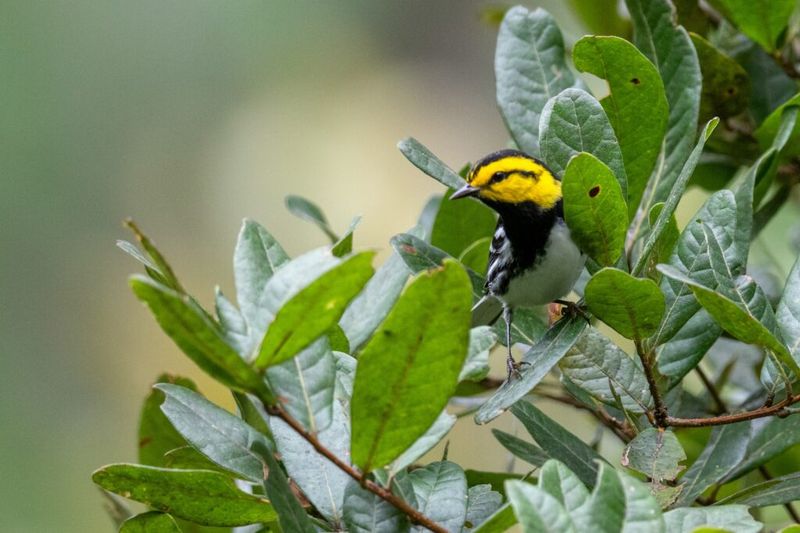
Think of a big leafy tree as a cozy hotel for tired birds. Warblers passing through Texas need safe spots to rest, and shady trees offer exactly the shelter they crave.
Leaves do more than provide shade. They hide birds from hawks and other predators while they nap and refuel. A dense canopy gives warblers a sense of safety during their long trip.
Older neighborhoods with tall oaks, pecans, and elms tend to attract the most visitors. These mature trees hold insects and offer thick cover. Warblers love bouncing through the branches searching for a meal.
Even a single well-placed tree can make a difference. Birds scan the landscape for green patches, and your yard’s tree might catch their eye. Once they land, they often stay to explore.
Layers of plants help even more. A mix of tall trees, medium shrubs, and low bushes gives warblers different levels to move through. Each layer offers food and hiding places.
Texas has been growing fast, but many yards still keep their beloved shade trees. Those trees quietly serve as rest stops for countless migrating birds. Protecting them helps the whole flyway.
If you are planting for the future, choose native trees that grow tall and full. They will reward birds and give you cooler summers too. A shade tree is a gift that keeps giving for decades.
Warblers cannot make their journey without regular breaks. By keeping trees healthy and standing, Texas yards offer the safe, leafy resting spots these small travelers depend on every single fall season.
7. Growing Bird-Friendly Yards Are Spreading The Word
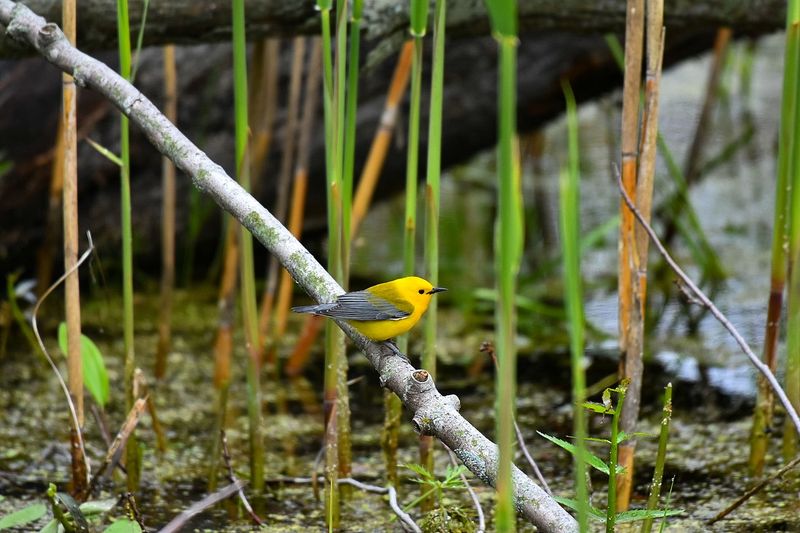
Word travels fast, even among birds. As more Texas neighbors turn their yards into bird-friendly havens, warblers are finding more welcoming stops than ever before.
Once a few homes on a street add plants, water, and shelter, the whole area becomes more inviting. Birds move between yards, treating the neighborhood as one big rest stop. Good habitat tends to spread from house to house.
Community programs and local groups have encouraged this trend. Many towns now promote native gardening and backyard wildlife certification. Neighbors share tips, plants, and excitement about the birds they spot.
Warblers benefit hugely from these connected green spaces. A single friendly yard helps, but a whole block of them creates a powerful stopover. The birds get more food, water, and safe cover across a wider area.
Social media has played a role too. When someone posts a photo of a rare warbler in their yard, others get inspired to attract them as well. Enthusiasm grows quickly and spreads throughout the community.
You can join the movement with simple steps. Add a native plant, hang a birdbath, or skip the pesticides in one corner of your yard. Every small change adds up to big help for migrating birds.
Talking with neighbors makes an even bigger impact. Sharing what works can turn several separate yards into a true bird highway rest area. Warblers will reward the whole street with their presence.
The rise of bird-friendly living is one of the happiest reasons for the surge. As caring habits spread, Texas yards keep growing into safe harbors for the tiny travelers passing through each fall.