What It Really Means When You See More Wheel Bugs In Your North Carolina Garden This Summer
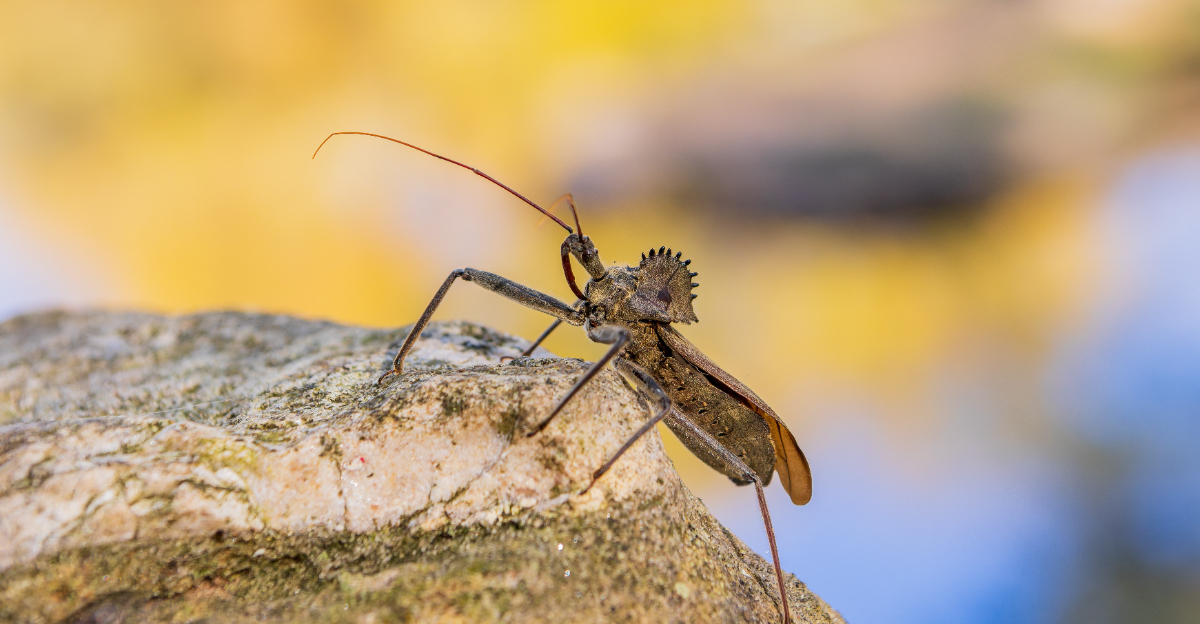
Wheel bugs are one of the most visually striking insects in a North Carolina garden, with a prehistoric-looking crest along their back that makes them impossible to mistake for anything else once seen.
Most gardeners encounter one and immediately want to know whether it is a threat or a benefit.
The answer is unambiguously the latter, but the more interesting question is what a noticeable increase in wheel bug activity actually signals about a garden’s current condition. These insects do not appear in higher numbers randomly.
Their population in a given space reflects something specific about the pest activity happening there, and a garden seeing more wheel bugs this summer than in previous seasons is communicating something worth paying close attention to.
1. Your Garden Has Plenty Of Prey Insects
A garden full of life is rarely quiet, and wheel bugs are one of the clearest signs that something is buzzing, crawling, and moving beneath the surface.
When you spot more of these prehistoric-looking insects around your plants, the first thing worth considering is what they are actually chasing. Wheel bugs are hunters, and they go where the food is.
Aphids, caterpillars, beetles, and other slow-moving or soft-bodied insects are exactly the kind of prey that attracts wheel bugs to a garden.
If your squash leaves are covered in aphids or your tomato plants have caterpillar activity, do not be surprised when wheel bugs start showing up nearby.
They are essentially following a food trail that leads right through your flower beds and vegetable rows.
North Carolina summers create the perfect conditions for all kinds of garden insects to multiply quickly.
Warm temperatures and lush plant growth mean more food sources at every level of the garden. Wheel bugs simply move in where the opportunity exists.
Gardeners sometimes panic when they see an unfamiliar insect on their plants, but noticing wheel bugs can actually be a helpful clue.
Rather than jumping straight to a spray bottle, take a closer look at your plants first. You may find a whole population of smaller insects that has been quietly building up without much notice.
Paying attention to what your wheel bugs are hunting gives you a better picture of your garden’s overall insect activity.
It is a natural signal that your garden ecosystem is active and layered in ways that go far beyond what you can see at a glance.
2. They Are Usually Beneficial Garden Visitors
Not every unfamiliar insect in your garden is there to cause problems. Wheel bugs have a reputation that surprises most gardeners once they learn more about them.
Far from being a threat to your plants, these insects are actually working in your favor more often than not.
Wheel bugs feed on a wide range of insects that gardeners regularly struggle to manage, including aphids, caterpillars, and various beetles.
Having them present in your garden during summer means there is a natural layer of insect activity happening that does not require any effort on your part. That is the kind of garden balance that takes time to build and is worth paying attention to.
Your North Carolina Garden Changes Every Week. Your Plan Should Too.
Gardening in North Carolina changes quickly throughout the season. Every Friday you’ll receive a simple weekly plan showing exactly what to plant, prune, fertilize, harvest, and protect so you never miss the right timing.
Across North Carolina, gardeners who grow vegetables, flowers, and mixed beds often encounter wheel bugs during the busiest weeks of summer.
Their presence does not guarantee that every pest problem will disappear, and it would be unrealistic to think of them as a complete solution.
But they are a meaningful part of a healthier, more balanced outdoor space. Think of them less like hired help and more like opportunistic neighbors who happen to share your goals.
They are not coordinated or strategic, but their feeding habits do reduce populations of insects that would otherwise be munching on your plants. That natural overlap is genuinely useful.
Welcoming wheel bugs as visitors rather than treating them as threats can shift the way you think about garden management.
A garden with a variety of insect life, including the hunters, tends to be more resilient and easier to maintain over the long run.
3. More Wheel Bugs May Mean Fewer Broad Sprays
Here is something that many gardeners figure out after a few seasons of trial and error.
The yards where broad insect sprays are used less frequently tend to attract more beneficial insects over time. Wheel bugs are a great example of why that pattern matters.
When a garden gets sprayed broadly and regularly, the chemicals often reach far more insects than intended.
Beneficial visitors, including wheel bugs, may avoid those areas or simply not survive long enough to establish themselves.
Over time, the garden loses some of its natural checks and balances, making it more dependent on sprays to stay manageable.
Gardeners who hold back on blanket treatments and only address specific problem areas often notice something interesting happening over a few summers.
More varied insect life starts moving in, and with it comes a more stable garden environment.
Wheel bugs tend to show up more reliably in these kinds of spaces. That does not mean ignoring real pest problems or letting things get out of hand.
Targeted spot treatments for specific issues are still a smart and practical approach. The key difference is avoiding the habit of spraying everything in sight every time an insect appears.
Seeing more wheel bugs this summer may actually be a quiet reward for the restraint you have shown in past seasons.
It suggests that your garden has had enough breathing room for beneficial insect life to take hold.
That kind of ecosystem balance usually builds slowly, but once it is there, it tends to support itself in genuinely satisfying ways.
4. Your Garden May Have Good Hiding Places
Wheel bugs are not the kind of insect that hangs around in open, bare spaces. They prefer gardens with structure, layers, and plenty of places to move through without being fully exposed.
If you are seeing more of them this summer, your garden may simply offer exactly what they are looking for.
Shrubs, flowering plants, vegetable beds, mulched pathways, and nearby trees all create the kind of layered environment that supports natural insect movement.
Wheel bugs travel through these areas while searching for prey, using dense foliage and stems as both cover and hunting ground.
A garden with variety tends to attract a wider range of insect life at every level.
North Carolina gardens that include a mix of ornamental plants, edible crops, and native species often end up being surprisingly active ecosystems.
The more plant diversity you have, the more insect diversity tends to follow. Wheel bugs move right along with that activity.
Compare that to a very tidy, minimal yard with short grass and few plants. That kind of space offers very little for insects of any kind to work with.
Wheel bugs rarely linger in areas where there is nothing to hunt and nowhere to shelter. So if your garden feels a little wild and layered this summer, that is not necessarily a problem.
It may actually be one of the reasons your outdoor space feels so alive.
A garden with good structure supports more natural interactions between insects, and seeing wheel bugs moving through it is one of the more interesting signs that your space has genuine ecological depth.
5. Summer Insect Activity May Be At Its Peak
Summer in North Carolina is not a quiet season for anything living in a garden.
Plants are growing fast, temperatures are climbing, and insect populations across the yard are often at their highest point of the entire year.
All of that activity creates the right conditions for wheel bugs to be more visible and more active than they are during cooler months.
Warm weather tends to speed up the life cycles of many garden insects, which means prey populations may grow quickly during July and August.
More prey usually means more hunting, and wheel bugs often follow those increases with their own rise in numbers and movement.
You may simply be noticing them more right now because there is genuinely more going on.
It is also worth remembering that wheel bugs are slow-growing insects that go through several stages before reaching adulthood.
By midsummer, many of them have had enough time to develop into larger, more noticeable forms.
Their size and shape make them easier to spot on leaves and garden paths as the season progresses.
Summer also tends to be when gardeners spend more time outdoors, checking on plants and watering regularly.
More time outside naturally means more opportunities to notice insects that were always there but never caught your attention before.
Wheel bugs may not have increased dramatically in number, but your chances of seeing them certainly have.
The combination of peak insect activity and more time spent in the garden creates a perfect moment for noticing things that usually go unseen.
Summer is the season when the garden reveals itself most fully, and wheel bugs are just one fascinating part of that bigger picture.
6. Their Strange Shape Makes Them Easier To Notice
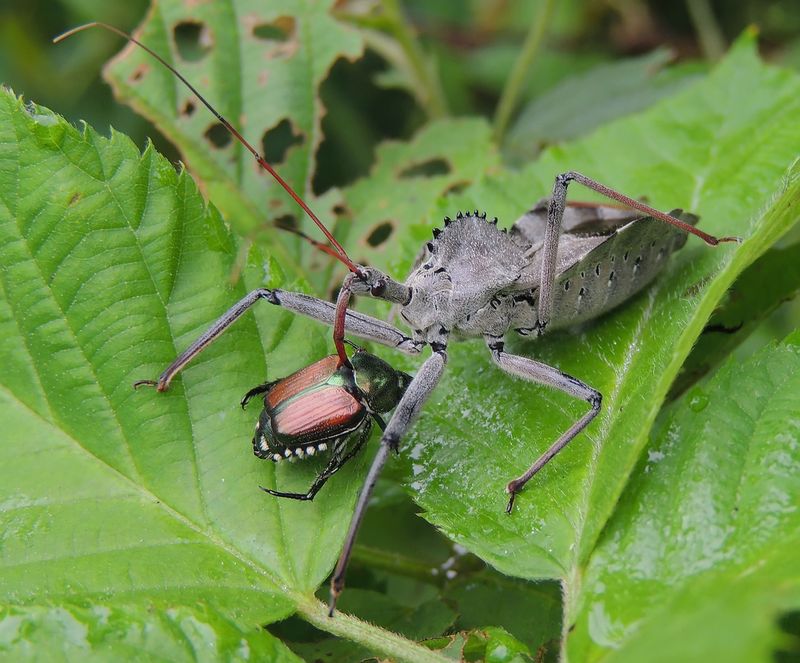
Few insects in a North Carolina garden stop you in your tracks quite the way a wheel bug does.
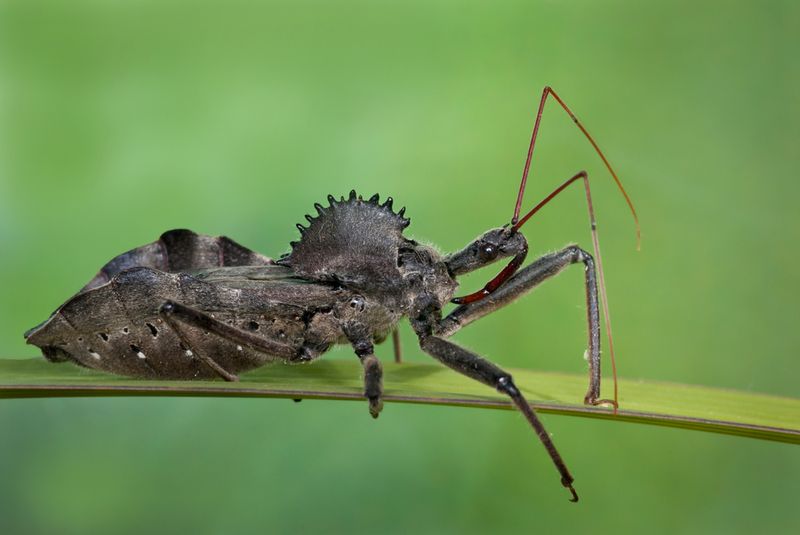
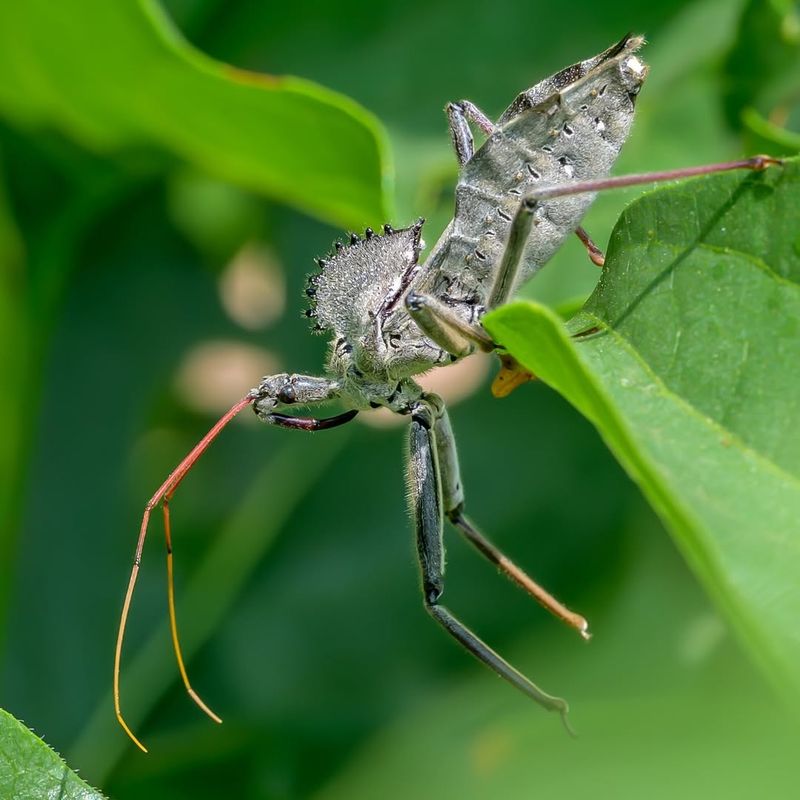
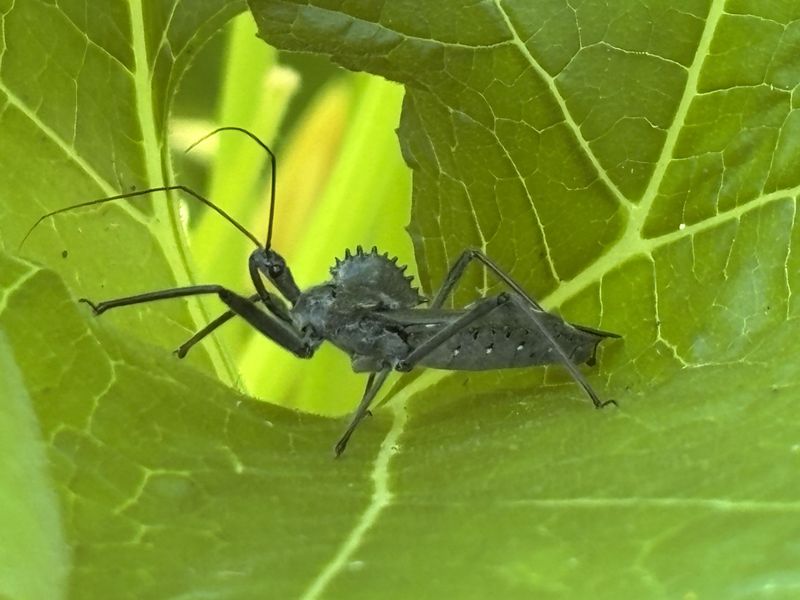
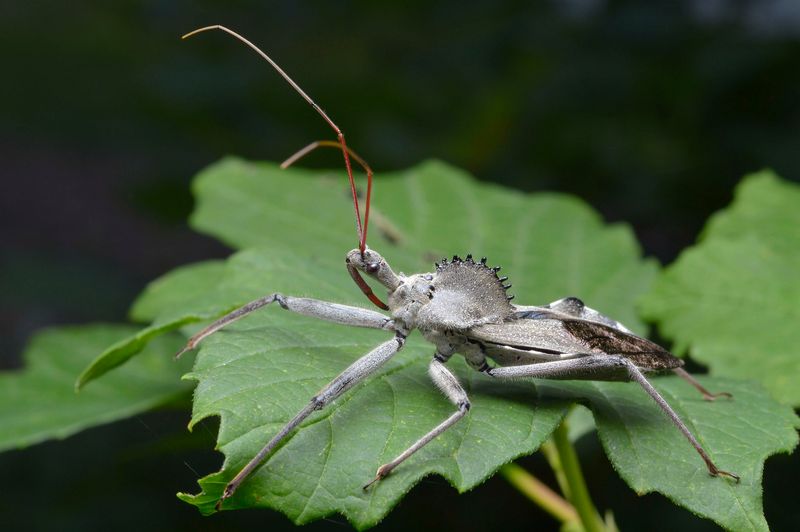
Adults carry a raised, gear-shaped crest on their backs that looks almost mechanical, like something assembled rather than grown.
Once you see that shape, it is nearly impossible to overlook. That distinctive crest is actually what gives the wheel bug its name.
No other common garden insect in this region has anything quite like it, which makes identification surprisingly easy once you know what you are looking for.
On a green leaf or a wooden fence post, that ridged silhouette stands out immediately.
Many gardeners have likely walked past wheel bugs for years without ever registering what they were seeing.
A quick glance at an unfamiliar shape on a stem might have been dismissed as a piece of bark or a strange seed pod.
But once someone points out the wheel-shaped feature, the brain starts noticing it everywhere.
Adult wheel bugs also tend to be fairly large, often reaching around an inch and a half in length.
Their grayish-brown coloring blends into bark and mulch reasonably well, but that crest gives them away at almost any angle.
On bright summer days when you are moving slowly through the garden, they are hard to miss.
Noticing them more this summer might simply mean your eyes have caught up to something that was already there.
Awareness changes what you see, and once you recognize the wheel bug’s unmistakable profile, the garden starts looking a little different.
It turns every garden walk into a small moment of discovery.
7. Young Wheel Bugs Look Different From Adults
Wheel bugs go through a fascinating transformation as they grow, and most North Carolina gardeners have no idea what the younger stages actually look like.
If you have been seeing small, unfamiliar insects on your plants this summer and wondering where they came from, some of them might be young wheel bugs in an earlier stage of development.
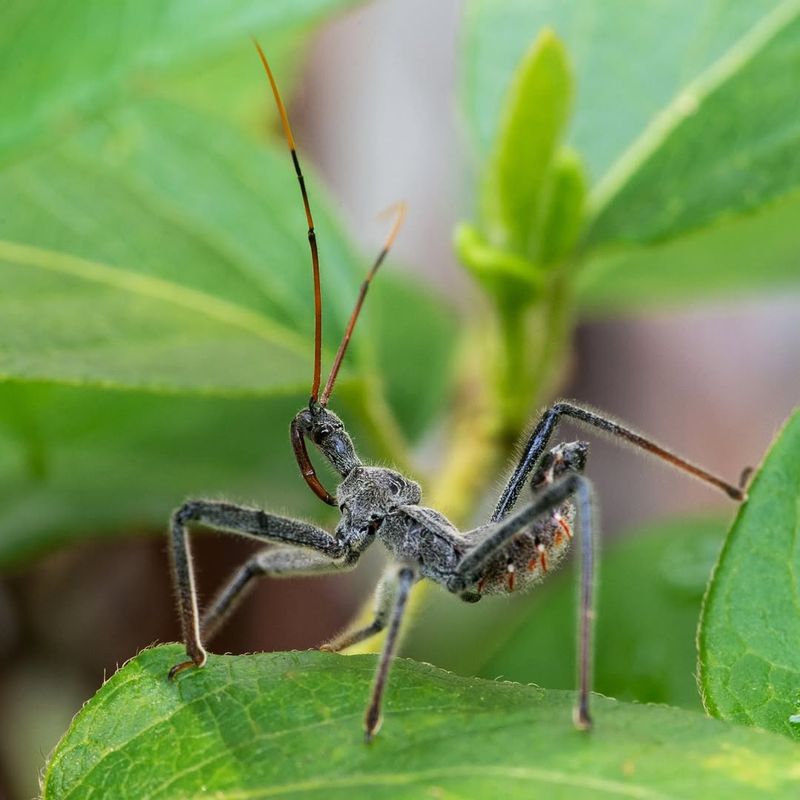
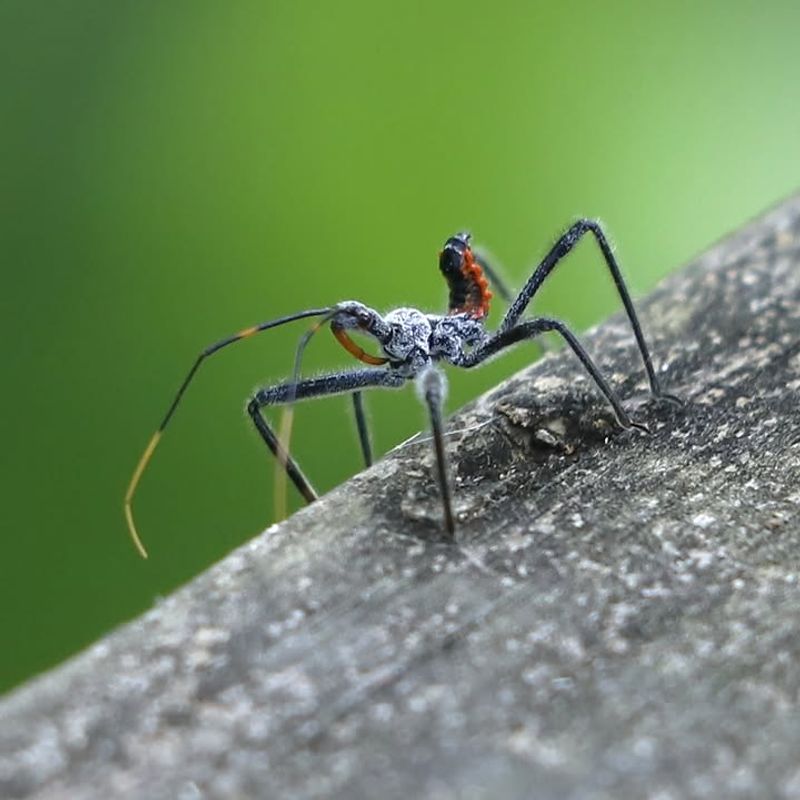
Young wheel bugs, called nymphs, look strikingly different from the gray-brown adults most people recognize.
Early-stage nymphs often display bright red or orange coloring on the abdomen, sometimes with black markings mixed in.
That vivid appearance can make them look more like a decorative beetle than anything related to the large, crest-bearing adults they will eventually become.
As the nymphs grow through multiple molting stages, their coloring gradually shifts and their body shape changes.
The signature gear-like crest does not appear until the final stage of development, which means younger wheel bugs offer very few visual clues that connect them to the adults.
Gardeners who are not familiar with the progression often assume they are looking at a completely different insect.
Before reaching for a spray or removing an unfamiliar insect, take a moment to observe it carefully.
Look at the shape of the legs, the way it moves, and whether it appears to be hunting rather than feeding on plant tissue.
Wheel bug nymphs do not damage plants and are already starting to hunt smaller insects even at early stages.
Slowing down and observing what is actually happening on your plants is one of the most valuable habits any gardener can build.
What looks like a mystery insect today might turn out to be a future garden ally worth keeping around.