The Invasive Insect Quietly Destroying Ohio Oak Trees This Summer
Ohio oak trees are under pressure this summer from something most property owners have never thought to look for. The damage builds quietly over weeks before it becomes impossible to miss.
By that point, the tree has already been through something it may take years to fully recover from. This pest has a history in Ohio that goes back decades.
It has been managed, pushed back, and declared under control more than once. It keeps returning, and the summers when populations surge are the ones that leave the most visible mark on Ohio’s oak canopy.
The signs are readable once you know what to look for. So is the window for doing something useful about it.
An Ohio oak that gets attention early in an infestation is in a very different position than one that gets noticed after the summer has already run its course. Your oaks are worth checking this week.
1. Name The Spongy Moth Before The Leaves Vanish
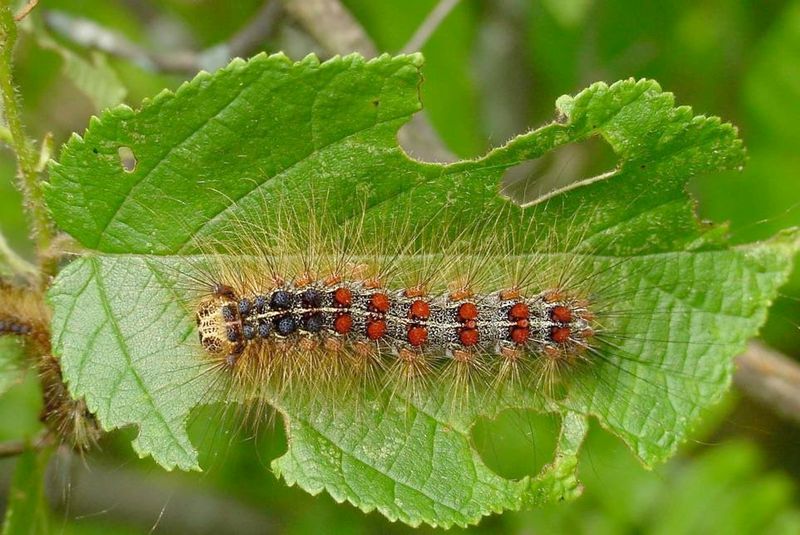
A name change can cause real confusion when you are trying to protect your trees. The insect now officially called the spongy moth was previously known by a different common name.
The Entomological Society of America updated that name in 2022 to remove harmful language. The Ohio Department of Agriculture and other agencies now use “spongy moth” as the accepted common name.
That is the term to search when looking for reliable identification resources.
The caterpillar stage is the one that causes the most visible tree damage. Young caterpillars hatch in spring and begin feeding on leaves almost immediately.
As they grow through summer, their appetite increases significantly, and that is when defoliation can become dramatic. Early damage may look like scattered chewing along leaf edges, easy to miss or mistake for other insects at first glance.
Oaks rank among the favored host trees for spongy moth caterpillars, according to USDA research. However, these caterpillars can also feed on many other tree species, so a mix of damage across your yard does not rule them out.
When spongy moth caterpillars feed in large numbers, they can strip sections of a tree’s canopy surprisingly fast. They leave behind thin, ragged foliage or bare wood where full leaves should be.
2. Watch Oak Leaves For Chewed Edges And Bare Branches
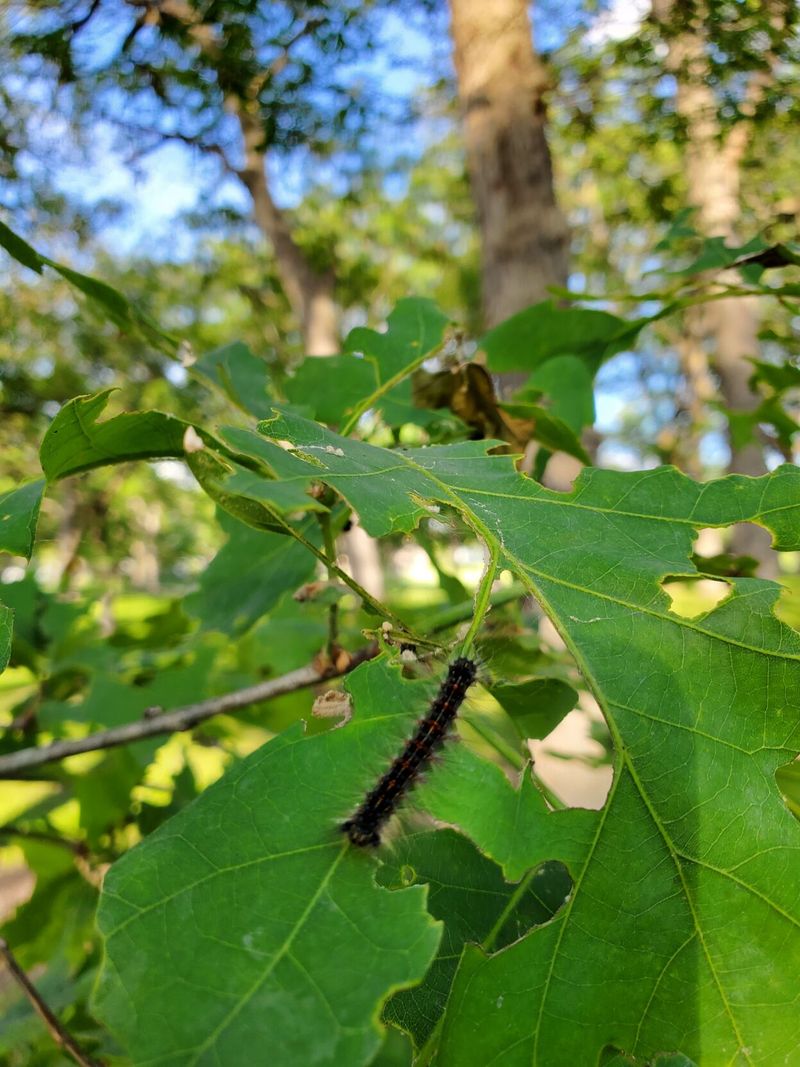
Bare branches in the middle of summer are a warning sign worth taking seriously. When spongy moth caterpillars feed in large numbers, they can strip sections of a tree’s canopy surprisingly fast, leaving behind thin, ragged foliage or bare wood where full leaves should be.
The damage tends to get worse as caterpillars grow larger and eat more heavily through late spring and into early summer.
That said, chewed leaves and bare branches are not always caused by spongy moths. Drought stress, other leaf-feeding insects, fungal diseases, and storm damage can all create similar symptoms.
Jumping to conclusions without checking for actual caterpillars or other signs can lead to unnecessary worry or the wrong response. OSU BYGL and OSU Extension both recommend careful observation before assuming any single cause.
Your Ohio Garden Changes Every Week. Your Plan Should Too.
Gardening in Ohio changes quickly throughout the season. Every Friday you’ll receive a simple weekly plan showing exactly what to plant, prune, fertilize, harvest, and protect so you never miss the right timing.
A thorough inspection should cover the upper canopy, the lower branches, and the ground beneath the tree. Look for small bits of leaf material raining down, which is a sign that caterpillars are actively feeding above.
Check the undersides of leaves and the bark of the trunk for caterpillars resting during the day. Taking clear photos of the damage and comparing them against official identification guides can help you identify the problem.
It can show whether spongy moths are truly responsible or something else is at work.
3. Spot The Hairy Caterpillars Before Damage Spreads
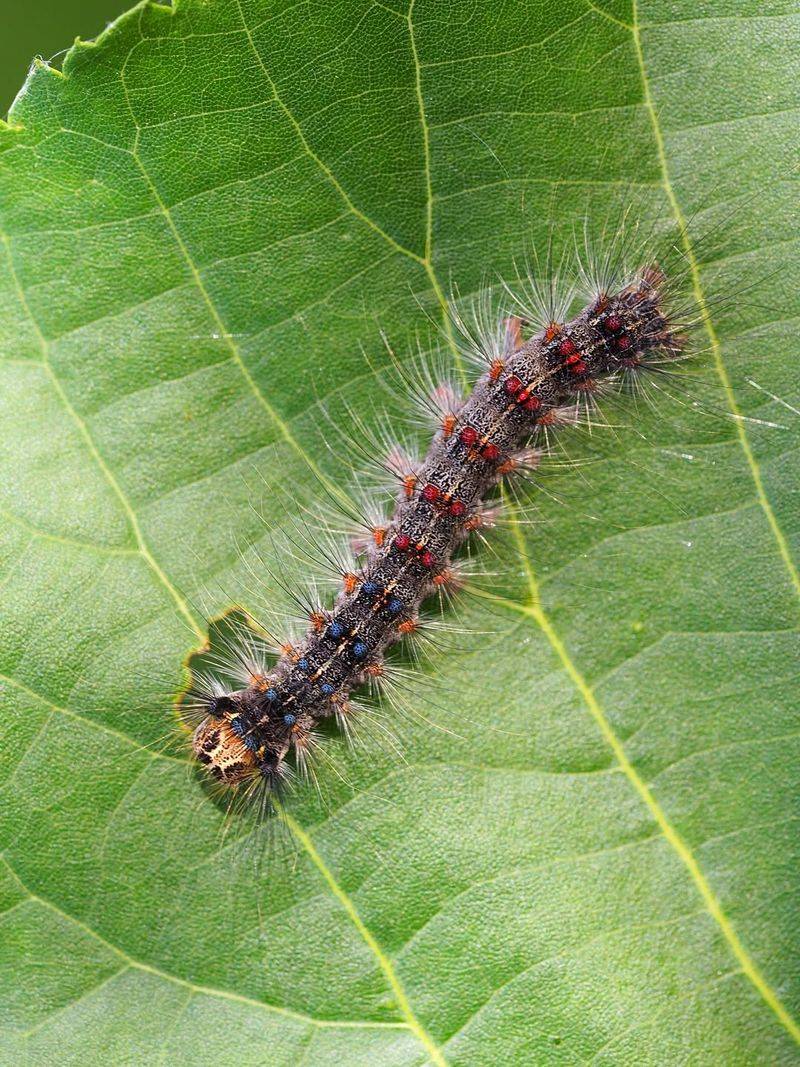
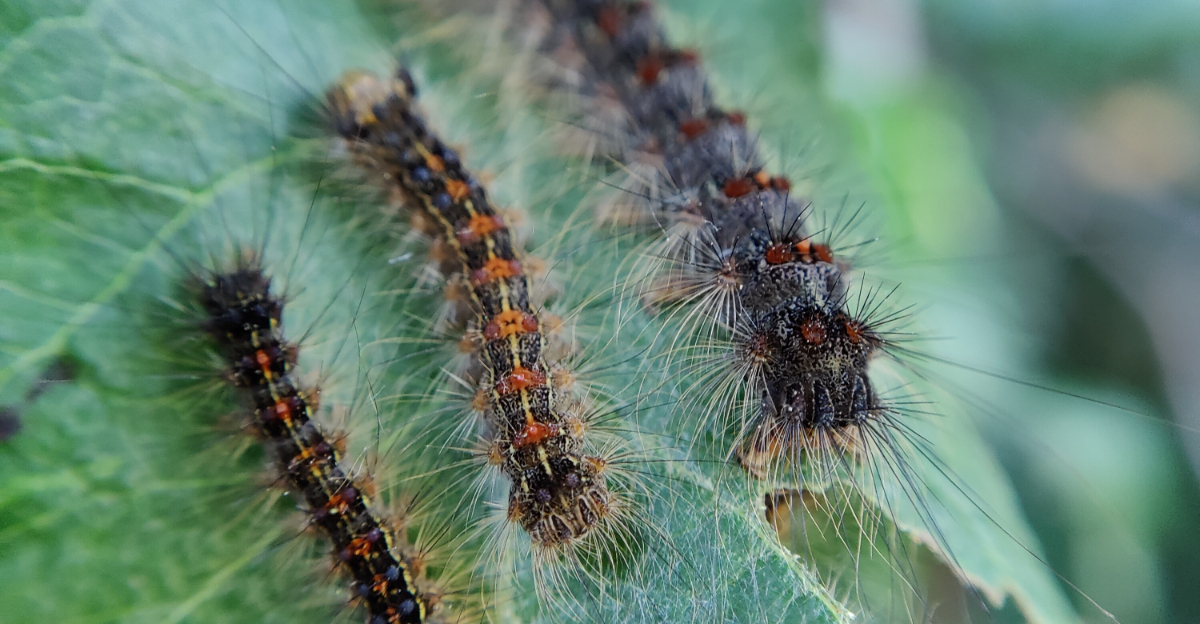
Spotting a hairy caterpillar on your oak trunk can feel alarming, especially when you are not sure what you are looking at. Mature spongy moth caterpillars are quite recognizable once you know what to look for.
According to USDA identification resources, older caterpillars have five pairs of blue dots followed by six pairs of red dots along their backs. They also have a covering of long, bristly hairs.
Younger caterpillars are smaller and harder to identify with confidence.
Finding caterpillars on outdoor furniture, patio gear, fences, and tree bark is common during peak feeding season. They tend to crawl down trunks and hide in bark crevices or under objects during the day, then move back up to feed at night.
If you are inspecting outdoor surfaces, wearing gloves is a smart habit. Some people experience skin irritation after contact with the hairs of spongy moth caterpillars, so avoiding direct contact is a reasonable precaution.
Do not attempt to handle or treat large numbers of caterpillars without guidance from a qualified professional or official extension source. If you think you are seeing spongy moths for the first time in your area, document what you find with photos.
OSU Extension and the Ohio Department of Agriculture offer identification help and can confirm whether what you are seeing matches spongy moth or something else entirely.
4. Check Egg Masses On Firewood Fences And Patio Gear
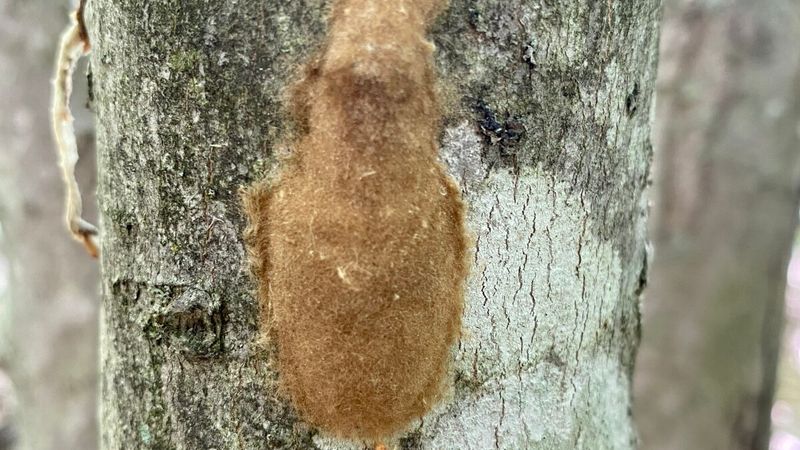
Firewood stacked against a fence might seem harmless, but it can quietly carry one of this pest’s most dangerous stages. Spongy moth females lay their egg masses on a wide variety of outdoor surfaces, not just tree bark.
According to USDA guidance, egg masses have been found on firewood, fences, outdoor furniture, trailers, campers, and recreational equipment. Each egg mass can contain hundreds of eggs, and moving those surfaces to a new location can establish the pest in a place it has never been before.
Egg masses look like small, fuzzy tan or buff-colored patches roughly an inch or two long. They are often firm and spongy to the touch, which is actually how the insect got its updated common name.
They can blend in easily against bark, rough wood, or weathered surfaces, making them easy to overlook during a casual inspection.
The Ohio Department of Agriculture advises inspecting any outdoor items before moving them out of an infested or quarantined area. If you find egg masses, do not scrape them off and leave them on the ground without following official removal guidance first.
Check the Ohio Department of Agriculture website or contact your local OSU Extension office for current, safe removal instructions. Taking a few minutes to inspect before you move anything is one of the simplest and most effective ways to slow the spread of this invasive pest.
5. Know Why Oaks Take The Hardest Hit
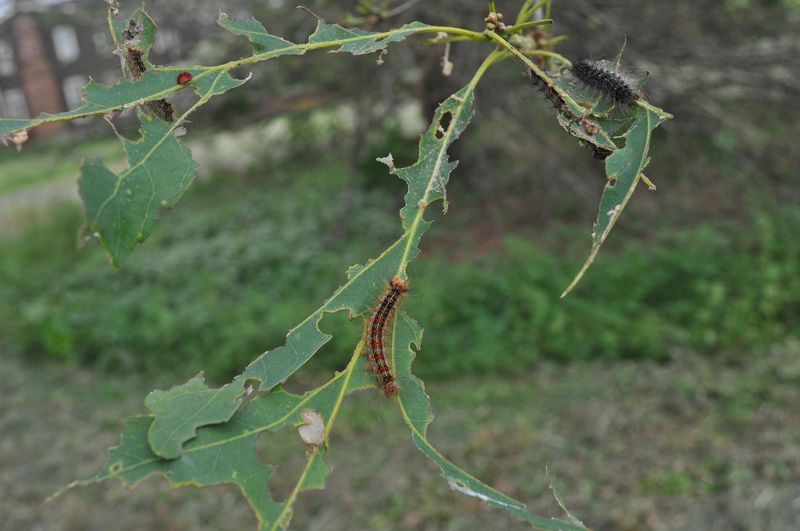
Walk through any heavily infested woodlot and you will notice the oaks often look the worst. Spongy moth caterpillars show a strong preference for oaks.
USDA research confirms that red oak, white oak, black oak, and pin oak are among their most favored hosts. When caterpillar populations are high, oak canopies can be stripped almost completely before other nearby trees show comparable damage.
The stakes are especially high because oaks support an extraordinary number of wildlife species. OSU Woodland Stewards and other sources note that oaks provide acorns, shelter, and habitat for hundreds of insects, birds, and mammals.
Heavy defoliation does not just affect shade or curb appeal. It disrupts the entire food web connected to a single tree.
Caterpillars eating the leaves also reduce the acorn crop that wildlife depend on in fall and winter.
Spongy moths can feed on many other tree and shrub species too, including birch, aspen, and apple, so oaks are not the only trees worth watching. However, because oaks are so ecologically valuable and are also commonly targeted, they deserve priority attention during monitoring season.
Check white oaks, red oaks, pin oaks, and black oaks in your yard and nearby woods first. Early awareness of feeding activity on these species gives you the best chance to respond before damage becomes severe.
6. Report Heavy Activity Before It Moves Farther
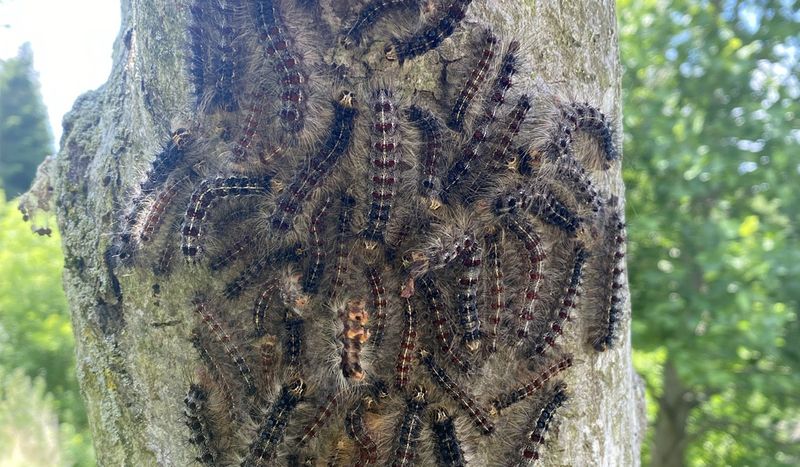
Seeing a handful of caterpillars is not unusual in summer. Unusually heavy activity or a suspected new sighting where spongy moths have not been confirmed deserves attention.
Reporting helps state and federal agencies track where this invasive pest is spreading, which makes management programs more effective for everyone. The Ohio Department of Agriculture manages the state’s spongy moth program and is the right place to start when you have something worth reporting.
Before you contact anyone, gather as much useful information as possible. Take clear, close-up photos of the caterpillars, egg masses, or damage you are seeing.
Note the exact location, including city, township, and county if you can. Check the Ohio Department of Agriculture’s website for current quarantine zone maps.
These show which counties have confirmed populations and which are still considered free of established infestations.
OSU Extension offices across the state can also help with identification questions and connect you to the right reporting channel. You do not need to report every leaf chew or every unknown caterpillar.
Focus on heavy infestations, suspected first-time finds in your area, or situations where infested materials may have been moved. Prompt, accurate reporting gives agencies the information they need to respond quickly and helps protect woodlands and yards that have not yet been affected by this pest.
7. Protect Stressed Trees After Defoliation Peaks
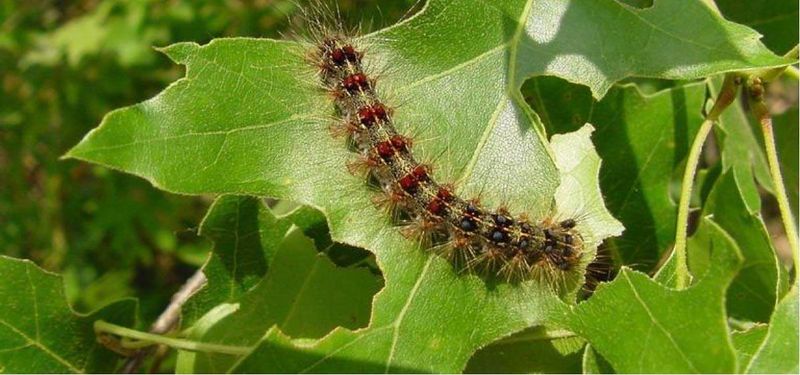
An oak tree that loses most of its leaves to spongy moth caterpillars is not automatically doomed. According to OSU Extension and ODNR guidance, a healthy oak can often push out a second flush of leaves later in summer after defoliation.
However, that recovery takes energy, and a tree that is already dealing with drought, soil compaction, root damage, or disease has less reserve to draw from. Repeated defoliation over two or more seasons significantly raises the risk of serious decline or death.
Reducing additional stress after the feeding period is one of the most practical things a homeowner can do. Deep watering during dry stretches helps trees recover more effectively than light, frequent watering.
Applying a layer of wood chip mulch around the base of the tree, kept a few inches away from the trunk itself, helps retain soil moisture and moderate root temperature. Avoid driving vehicles or equipment over the root zone, which compacts soil and damages fine roots.
Heavy fertilizing is not generally recommended as a quick fix after defoliation, and pushing a stressed tree too hard can cause additional problems.
If you have a large, old, or particularly valuable oak that has suffered heavy defoliation, consulting a certified arborist is a wise investment.
A professional can assess the tree’s overall health, identify any secondary issues, and recommend a recovery plan suited to your specific situation.
8. Stop Moving Firewood That May Carry Egg Masses
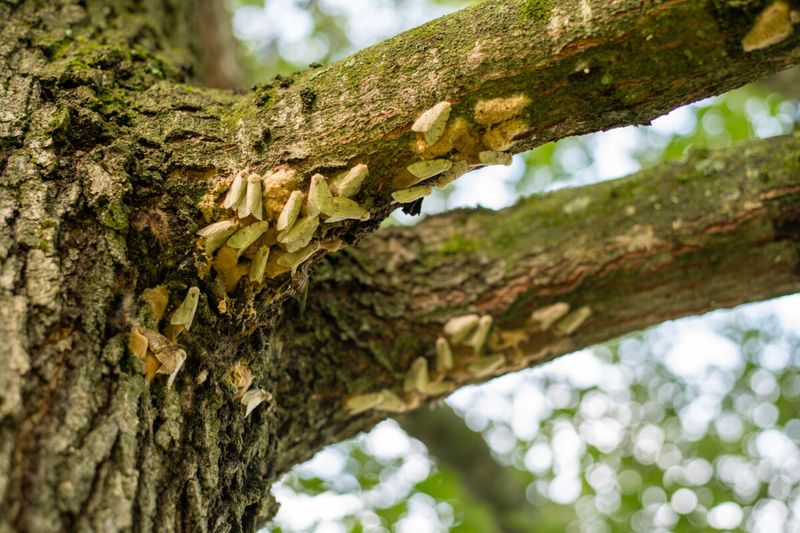
Packing up the car for a camping trip is exciting, but loading firewood from home can quietly bring an invasive pest along for the ride.
Moving firewood from an infested area to a new location is one of the most well-documented ways that spongy moth egg masses spread beyond their current range.
USDA guidance and Ohio Department of Agriculture materials both highlight firewood as a high-risk pathway for accidental spread of this pest.
Egg masses laid on bark, rough wood, and outdoor equipment survive through winter and hatch the following spring in whatever location they land. A single piece of firewood carried from a quarantined county into a pest-free area can introduce spongy moths.
That can affect a neighborhood, campground, or woodland that was previously unaffected. The same risk applies to campers, trailers, patio furniture, and outdoor gear that may have been stored near infested trees.
The simplest prevention habit is buying or gathering firewood locally at your destination rather than transporting it from home.
Check the Ohio Department of Agriculture website for current quarantine county maps before any trip that involves moving wood or outdoor equipment.
Inspect vehicles, trailers, and gear for egg masses before leaving an area with known infestations. Every small action adds up.
Identifying the pest, watching trees for damage, reducing stress after defoliation, and keeping firewood local are four concrete steps. Together, they genuinely help protect oaks and woodlands across the state.