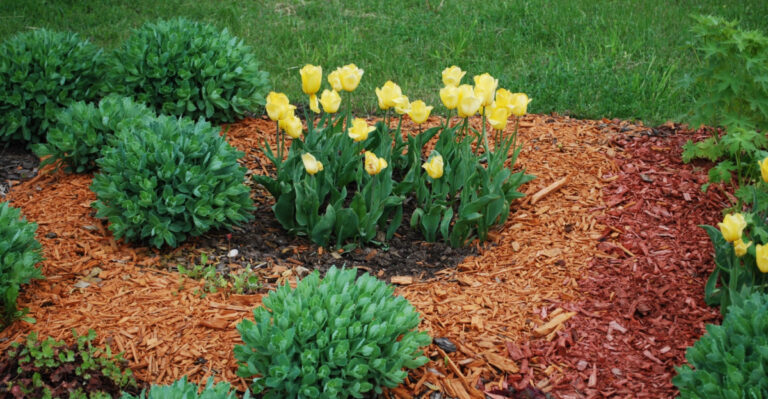
Ground Covers Ohio Homeowners Are Using In Shady Areas To Stop Weeds
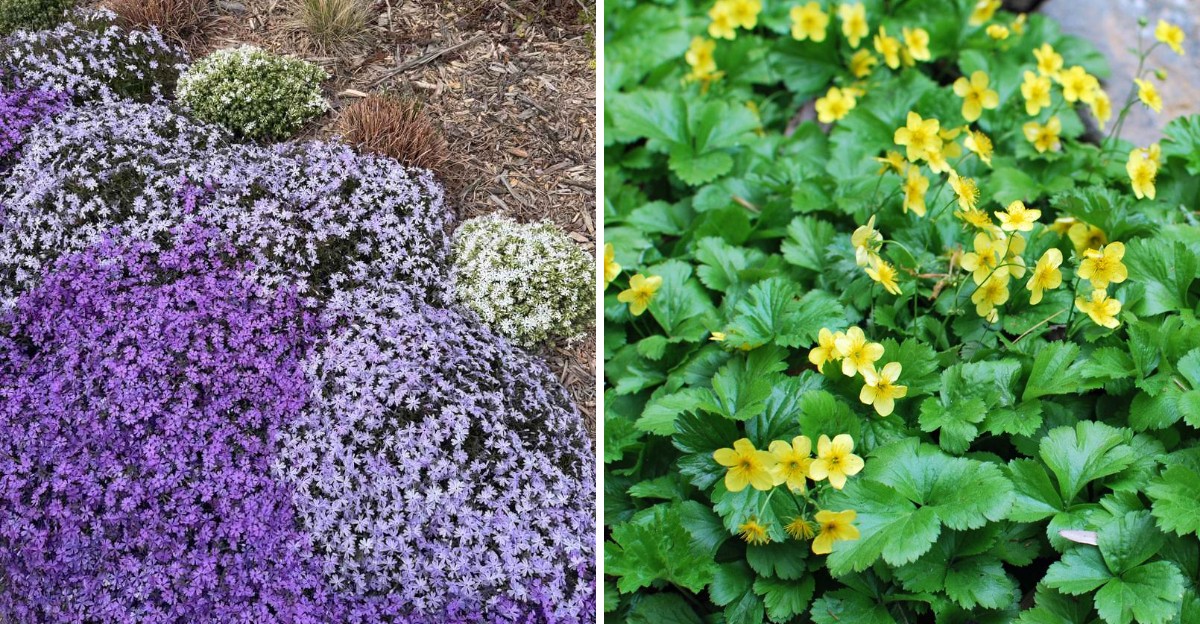
That stubborn shady strip beside the house can become the most annoying square footage in an Ohio yard.
Grass fades. Mulch thins. Weeds show up like they paid rent. You pull them, cover them, and somehow creeping charlie still finds the invitation.
The better fix starts with a different question.
What can actually grow there well enough to leave weeds less room to move in?
Shade-loving ground covers can turn bare soil into a dense living layer, but the smartest choices are not always the fastest spreaders.
Some stay tidy. Others wander. A few need patience before they form the thick carpet you want. That tradeoff matters, especially near lawns, woodland edges, and perennial beds.
The goal is not to replace one headache with a greener one. It is to cover the soil, suit the light, and keep maintenance realistic.
Before another shady corner becomes a weed nursery, meet the plants Ohio gardeners can use to make those forgotten spaces finally work harder without turning the whole yard into battle.
1. Pachysandra Fills In Dense Shade
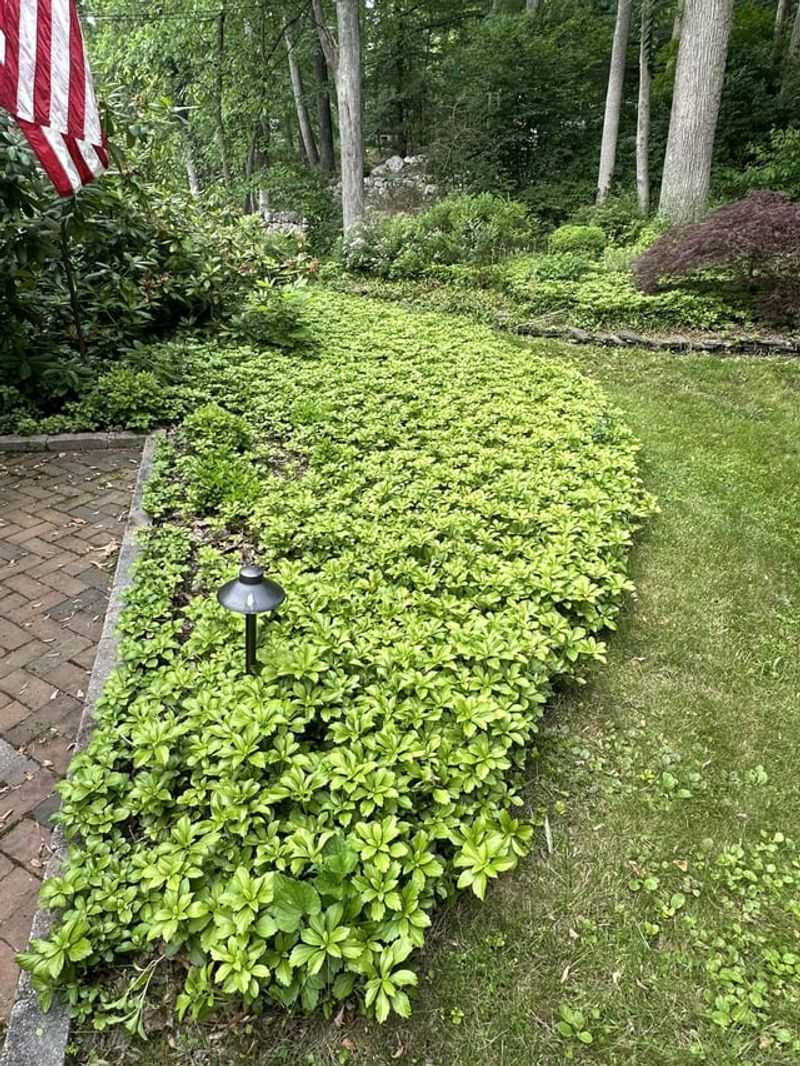
Under an old maple, even determined lawn grass may eventually wave the white flag.
That is where pachysandra often earns attention.
Its low evergreen growth handles deep shade well and spreads through underground rhizomes. Over time, those stems knit together into a dense mat that leaves less bare soil exposed to weed seeds.
The weed control comes from coverage, not magic.
Once leaves overlap, less light reaches the soil surface. That makes it harder for many new weeds to get established.
You still need patience at the start. Space young plants close enough to fill in reasonably fast, then keep the bed weeded while they settle.
A light mulch layer can help during that first stretch.
There is one important tradeoff.
Japanese pachysandra can spread beyond the spot where you wanted it. Lawn edges, nearby perennial beds, and woodland margins deserve regular checks.
Hard boundaries help. A sidewalk, driveway, or sturdy edging can keep the patch easier to manage.
Gardeners who want a more restrained native option can look at Allegheny spurge, which tends to spread more slowly.
Crowded pachysandra can also develop leaf problems in damp, stagnant conditions, so airflow still matters.
This ground cover can be a workhorse in stubborn shade.
Just give it a job description and a property line. Otherwise, it may start applying for management positions in the next flower bed too.
2. Wild Ginger Suits Native Plant Beds
Some shady beds need a plant with better manners.
Wild ginger fits that role beautifully.
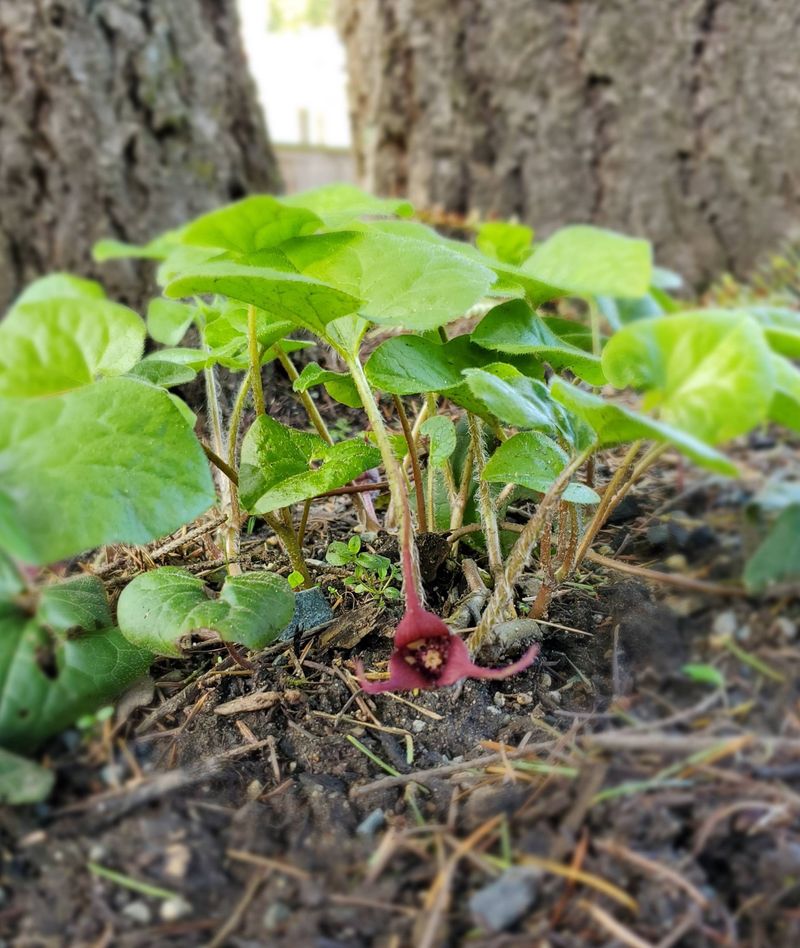
This Ohio native grows naturally in rich woodland conditions, so a dim bed beneath deciduous trees feels familiar rather than difficult. Its broad, heart-shaped leaves spread close to the soil and gradually overlap into a soft green carpet.
The pace is steady, not aggressive.
That matters in mixed native beds where trillium, ferns, spring ephemerals, and other woodland plants still need room to breathe.
Expect the patch to take a few seasons before it suppresses weeds well on its own.
Your Ohio Garden Changes Every Week. Your Plan Should Too.
Gardening in Ohio changes quickly throughout the season. Every Friday you’ll receive a simple weekly plan showing exactly what to plant, prune, fertilize, harvest, and protect so you never miss the right timing.
During that establishment period, hand-pull unwanted seedlings and use a light layer of leaf mulch between plants. As the ginger expands, more of the soil disappears beneath foliage.
Moist, well-drained ground with plenty of organic matter suits it best.
Deep shade is usually fine, but harsh afternoon sun can scorch the leaves and make the patch look tired.
There is a fun detail hiding under all that foliage too.
Small brownish-purple flowers sit close to the soil in spring, tucked beneath the leaves where most people never notice them.
That quiet habit matches the plant.
Wild ginger does not storm across the yard or demand constant trimming.
It simply keeps closing gaps year after year.
For homeowners tired of ground covers with expansion plans, that slower pace can feel less like a compromise and more like excellent garden manners.
3. Creeping Phlox Works In Partial Shade
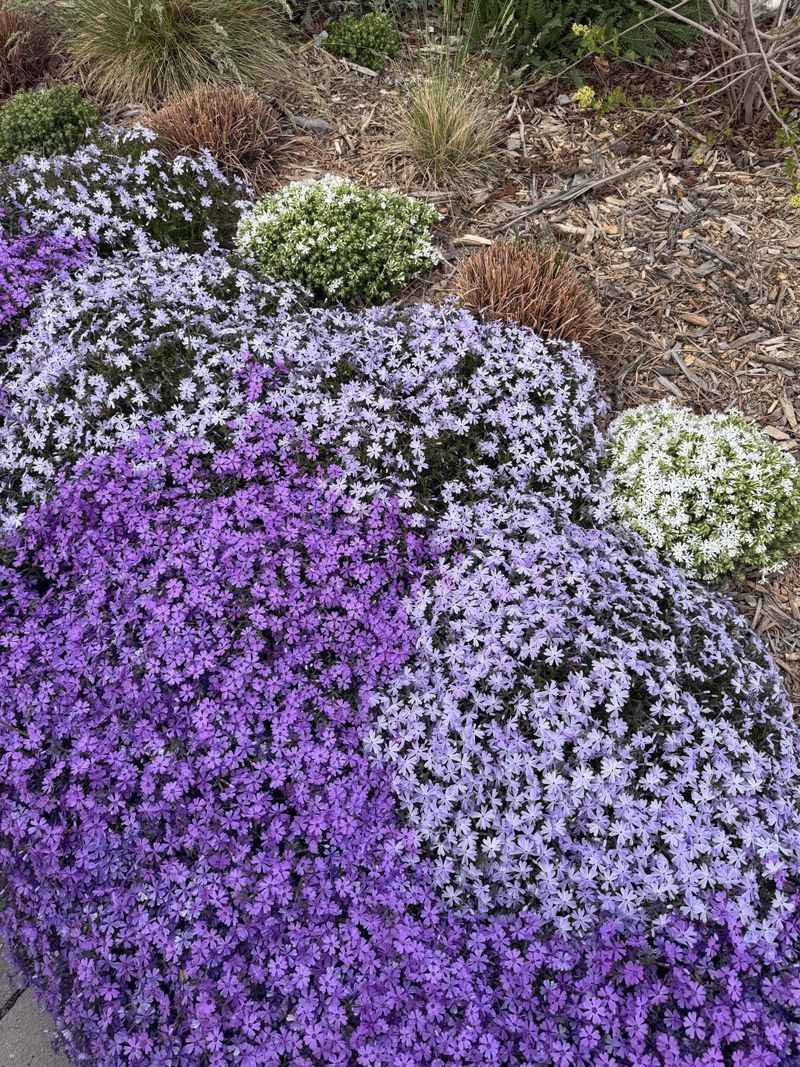
The name “creeping phlox” causes more garden confusion than it probably should.
Not every phlox sold under that label wants shade.
The low, needle-leaved moss phlox commonly seen spilling over sunny walls prefers bright light and sharp drainage. Tuck it beneath a dense tree canopy, and the patch may thin rather than crowd out weeds.
Shade gardeners want a different group.
Creeping phlox such as Phlox stolonifera, along with woodland phlox, handles dappled light much better. These plants suit woodland edges, open shade, and beds beneath high tree branches.
Creeping forms spread through runners that root as they travel.
That creates a low mat with spring flowers in shades of blue, lavender, or white. As the patch thickens, it covers more soil and leaves fewer open landing spots for weed seedlings.
The coverage is not as airtight as pachysandra.
Use a thin mulch layer during establishment, or pair phlox with compatible sedges and other woodland plants to close larger gaps.
Moist, well-drained soil gives the best results.
Too little light can mean fewer flowers and looser growth. Stagnant, crowded conditions can also encourage powdery mildew.
Give the patch enough airflow and trim wandering runners when they cross the line.
This is weed suppression with a spring bonus.
You get flowers, living cover, and a plant that can soften shady edges without acting like it owns the deed to the whole yard.
4. Pennsylvania Sedge Can Replace Grass In Light-Traffic Shade
Every yard seems to have one shortcut where grass slowly disappears.
Maybe it runs from the patio to the garage. Maybe it curves beneath mature trees where mower blades keep visiting a lawn that stopped cooperating years ago.
A shade-tolerant sedge can make that strip look intentional.
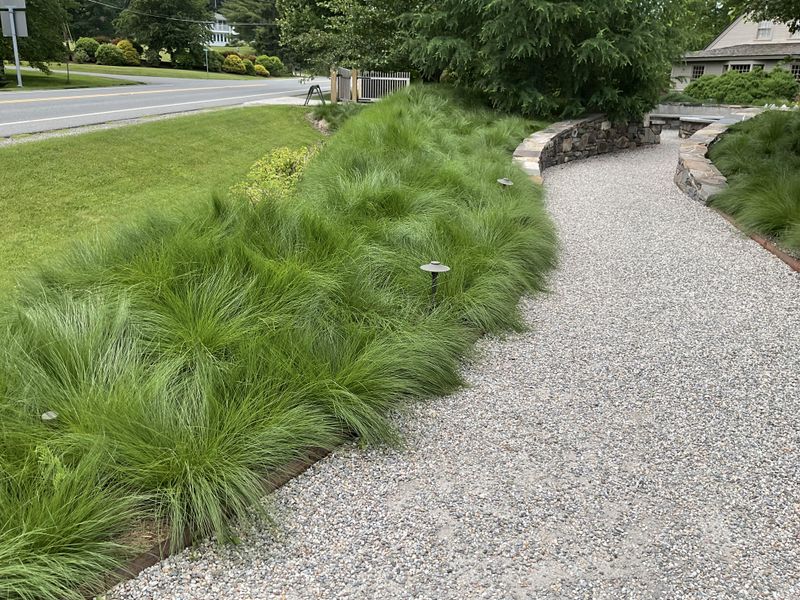
Pennsylvania sedge is especially useful in dry shade beneath oaks, maples, and other established trees. Its narrow blades form a soft, arching cover that looks grassy without behaving like conventional turf.
As plants spread and knit together, open soil becomes harder for weeds to claim.
Closer spacing helps the effect arrive sooner. Small plugs set near one another can form useful coverage much faster than a few lonely plants across a wide bed.
This is not sports-field turf.
Established sedges can tolerate light foot traffic, but constant running, heavy dogs, or daily wheelbarrow trips can flatten the patch.
Use stepping stones through busier routes and let the plants handle the spaces between them.
Maintenance stays refreshingly low.
Old foliage can be cut back or sheared in very early spring before new growth gets going. After that, the patch mostly asks for occasional weeding while it fills.
Other native Carex species can suit different moisture levels and textures too.
For a shady side yard that keeps rejecting grass, sedges offer a useful truce.
You get the lawn-like look without spending another season trying to convince turf to enjoy a job it clearly resigned from.
5. Ferns Crowd Out Weeds Naturally
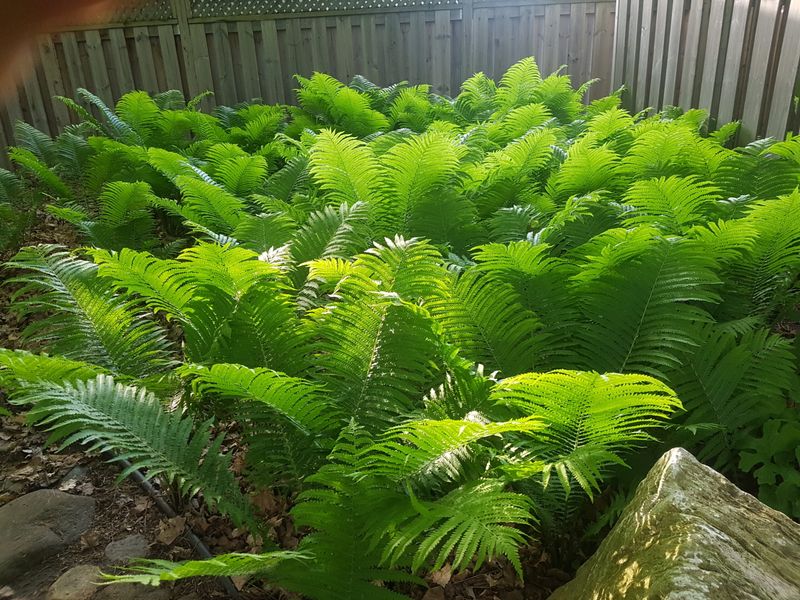
Bare soil becomes much harder to spot once fern fronds start overlapping.
That height gives them a different advantage from low, carpet-forming ground covers.
A dense fern planting casts shade at several levels, so seedlings trying to rise beneath the canopy get less light from the start. The effect works best in masses rather than with a few decorative plants spaced far apart.
Ohio gardeners have several native choices.
Christmas fern stays green well into winter and forms tidy clumps. Lady fern brings a softer look to moist shade. Maidenhair fern works beautifully along woodland paths.
Ostrich fern is the enthusiastic option.
In moist ground, it can spread through underground runners and fill a sizable area much faster than clumping species.
That vigor can be useful in a large shady patch where weeds keep winning, but give it space. Small neighboring perennials may not appreciate an ostrich fern colony arriving unannounced.
Match the fern to the site before planting.
Some tolerate drier shade better than others, while moisture-loving types can struggle in compacted soil beneath thirsty tree roots.
Leave some fallen leaves around the patch too.
A natural leaf layer protects soil, adds organic matter, and covers gaps while the ferns expand.
Dense planting is what makes the system work.
One lonely fern is decoration. Twenty well-placed ferns become infrastructure.
They may have prehistoric credentials, but their weed-control strategy is surprisingly modern: occupy the space before somebody less welcome does.
6. Barren Strawberry Spreads Without Becoming Invasive
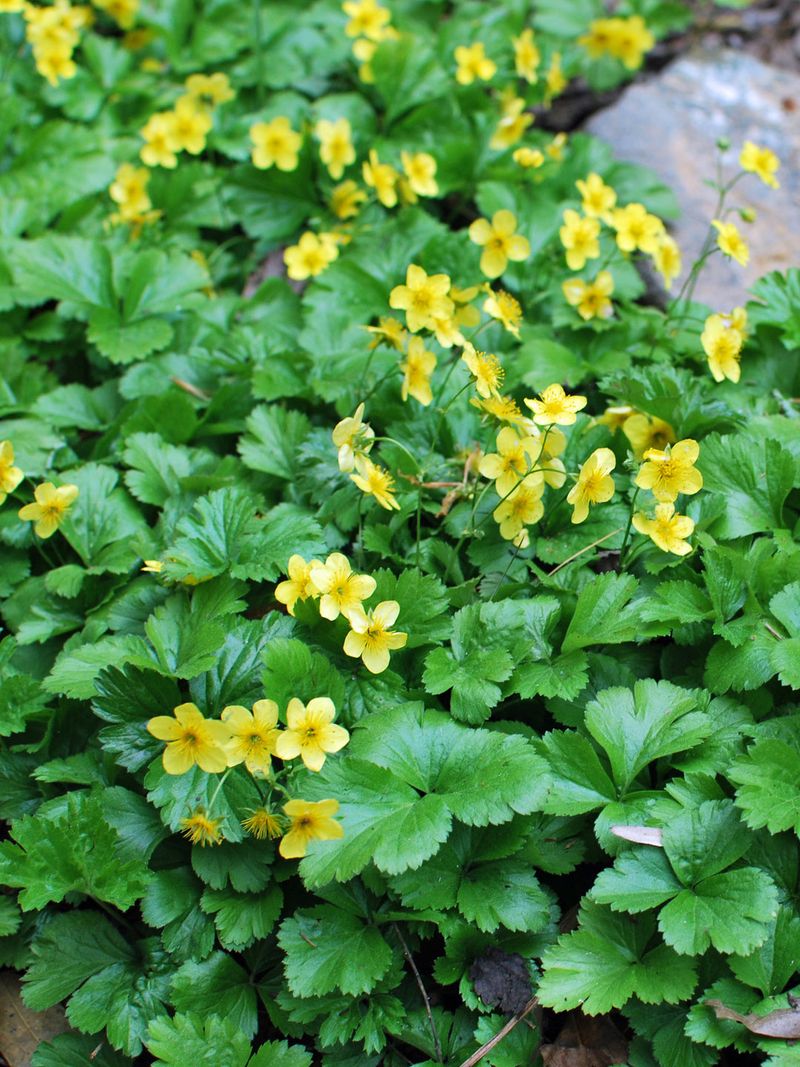
At first glance, this little ground cover looks like it should come with dessert.
The leaves resemble strawberry foliage, but the plant is grown for coverage rather than fruit.
Barren strawberry forms a low, glossy mat and produces cheerful yellow flowers in spring. Its spreading habit is useful around shaded walkways, woodland bed edges, and gentle slopes where loose mulch tends to drift away.
The pace is a strong quality.
It expands enough to close gaps and shade the soil, but it is generally easier to keep within bounds than some classic ground covers that race through neighboring beds.
That makes it appealing beside smaller perennials.
Give plants part shade to light shade and average soil with reasonable drainage. Established patches can handle brief dry periods, though regular moisture helps them fill in more smoothly.
Do not expect instant weed control.
Young plants still leave gaps during the first seasons. Keep those gaps weeded and use a light mulch layer until the leaves begin to overlap.
Once the mat thickens, maintenance shifts toward occasional edging and stray-weed removal rather than constant bare-soil patrol.
This plant also stays low enough that it will not hide pathway edges or swallow nearby shrubs visually.
For homeowners who want coverage without a backyard takeover, that balance is valuable.
Barren strawberry may not give you a bowl of fruit, but it can serve up something nearly as satisfying: a shady bed that finally looks finished.
7. Dense Planting Beats Mulch Alone
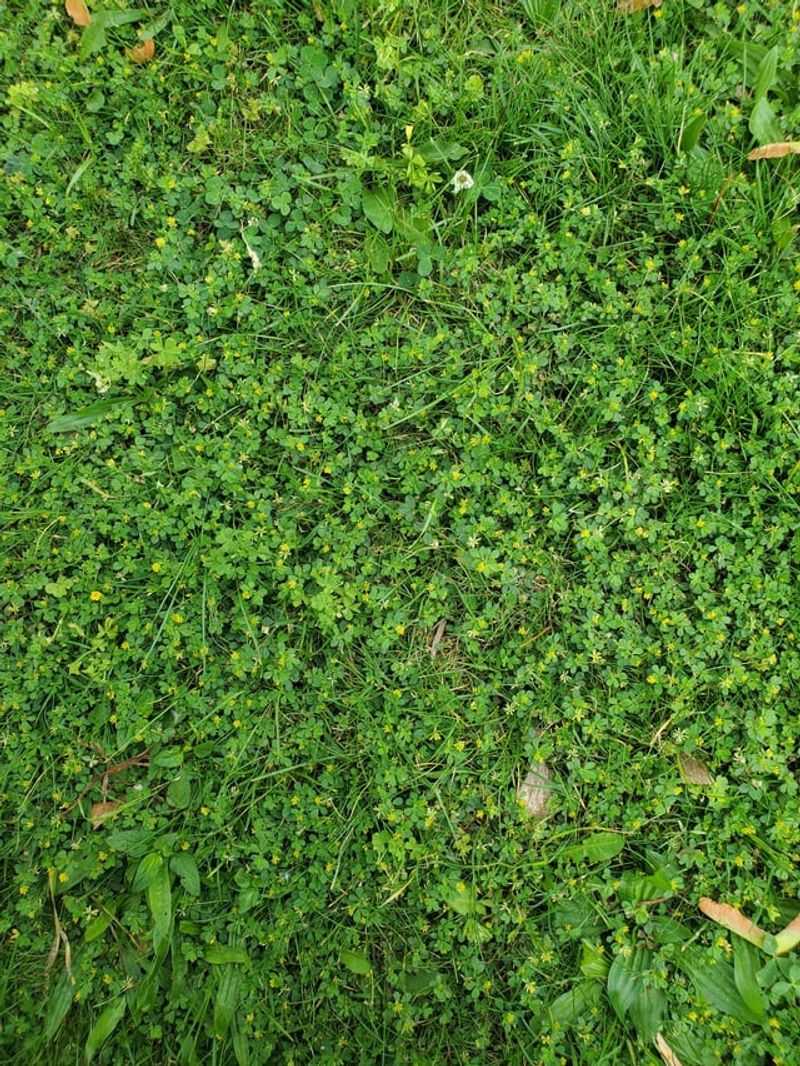
Sometimes the best weed blocker is not one plant at all.
A layered bed can close more gaps than a single species planted from fence to foundation.
Use a low ground cover such as wild ginger or barren strawberry near the soil. Add sedges through the middle. Let ferns rise above them where moisture and space allow.
Each layer intercepts light in a different place.
That leaves fewer open patches for creeping charlie, chickweed, garlic mustard, and other opportunistic plants to exploit.
Mulch still helps at the beginning.
Spread a modest layer between new plants to hold moisture and cover soil while roots establish. As foliage expands, let the living plants gradually take over that job.
Spacing makes a big difference.
A generously planted bed fills faster than one built from widely scattered plugs.
The upfront cost can be higher, but the payoff is less bare ground while weeds are eager to move in.
You will still need to weed.
The first two or three seasons usually require the most attention. Pull intruders before they flower or spread, and keep edging around the outside of the bed.
After the canopy closes, the workload often drops.
That is the real goal, not a mythical maintenance-free garden.
A well-filled shade bed simply gives desirable plants the numerical advantage.
In garden terms, sometimes the easiest way to stop uninvited guests is to make sure every good seat is already taken.