Stop Mistaking Bermudagrass Stem Maggot Damage For Drought Stress In Your Georgia Lawn
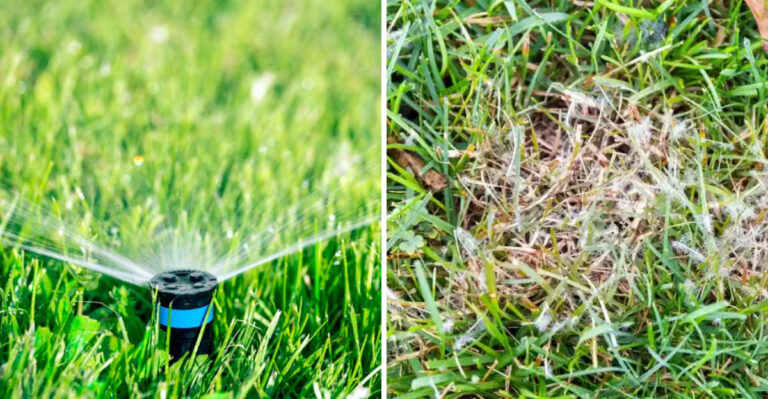
Your lawn looked showroom sharp in June, and now the top inch has gone a strange, straw colored blond. You water more, you water longer, and the frosted look spreads anyway.
Neighbors nod along and blame the Georgia heat. The sprinkler runs, the water bill climbs, and the grass shrugs.
Here is the twist most homeowners miss. Something very small has been quietly working inside the grass shoots, and no amount of irrigation will change what it has already done.
Learn to spot the difference, and the fix takes minutes instead of months. Grab a handful of turf and take a closer look, because the answer is hiding right at your feet.
The Tiny Culprit Behind Your Frosted Bermudagrass
Picture a fly no bigger than a grain of rice, yellow bodied with dark eyes, drifting low over your turf on a humid July afternoon. She is the bermudagrass stem maggot fly, and she lays eggs on grass shoots.
The larva that hatches burrows into the top node of the stem and feeds on the tender tissue inside. That feeding cuts off the flow of water and nutrients to the very top of the shoot.
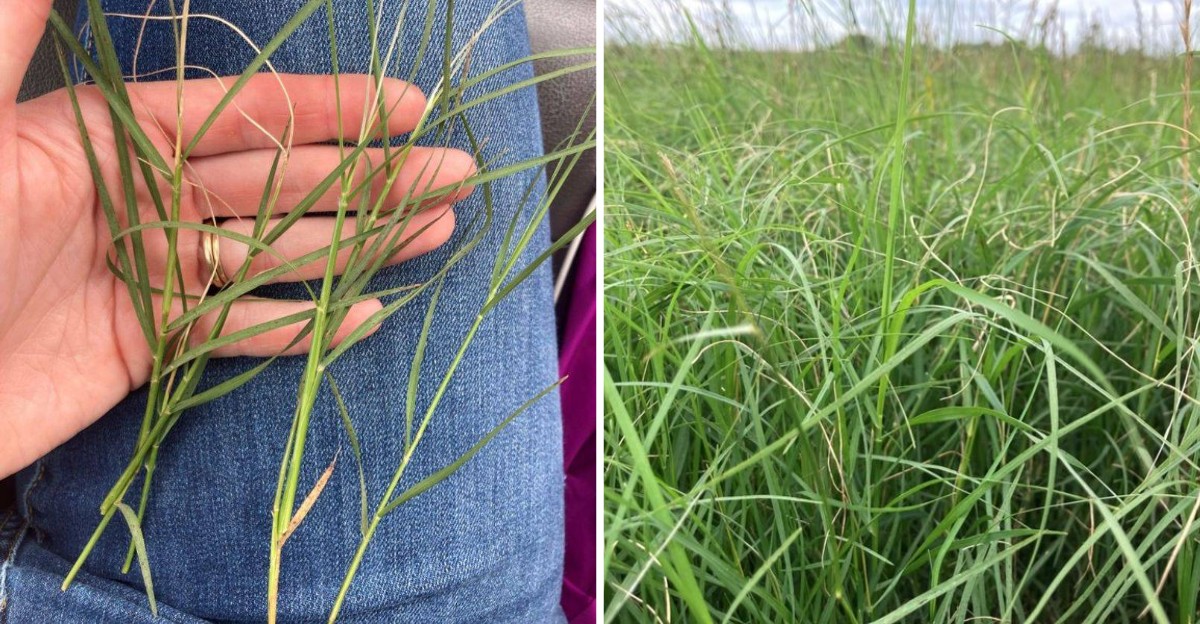
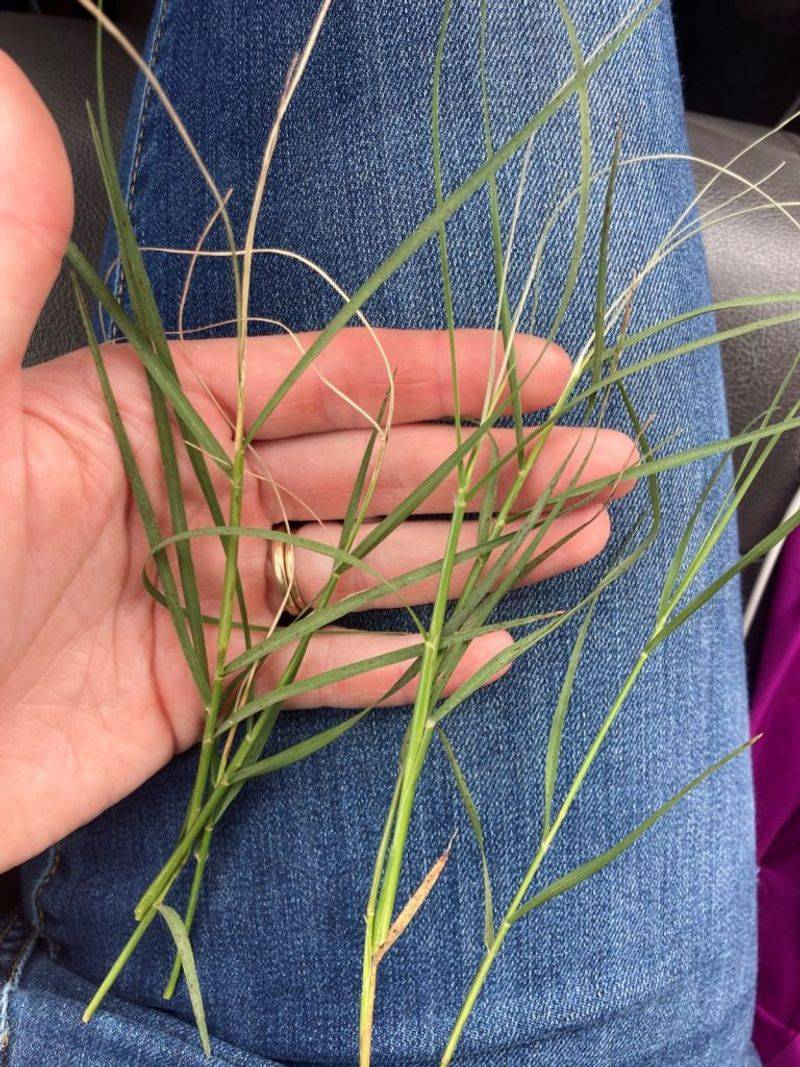
The result shows up a few days later as a bleached white or tan top leaf that pulls out with almost no effort. Give the top leaf a gentle tug, and if it slides free like a straw from a lid, you have found your answer.
The pest arrived in the southeastern United States around 2010 and settled comfortably into Georgia lawns, hayfields, and sports turf. Warm, humid summers give it everything it needs to produce generation after generation.
Common bermudagrass and fine bladed hybrids both get hit, though the thin, dense hybrid varieties often show damage more dramatically. Zoysia sits nearby untouched, which is one reason mixed landscapes can look so puzzling.
What makes the insect sneaky is scale. The larva is only a few millimeters long and stays hidden inside the stem, so you rarely see anything crawling.
You see the result instead, and the result looks a lot like thirst. That single misreading sends countless Georgia homeowners straight to the irrigation controller.
Telling Insect Injury And True Drought Stress Apart
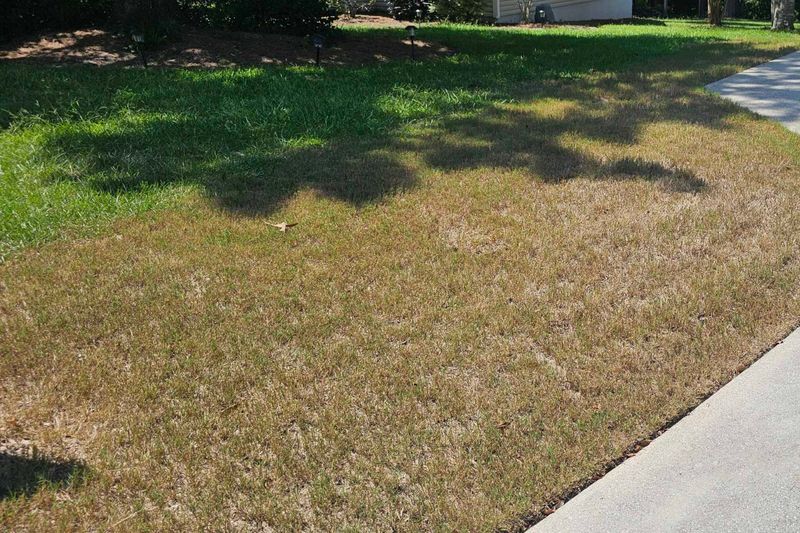
Thirsty bermudagrass and maggot damaged bermudagrass tell very different stories once you know the language. Drought stressed turf turns a dull bluish gray before it browns, and it holds your footprints like memory foam.
Blades fold or roll inward to save moisture, and the discoloration covers the whole leaf from base to tip. Damage from the stem maggot works from the top down instead.
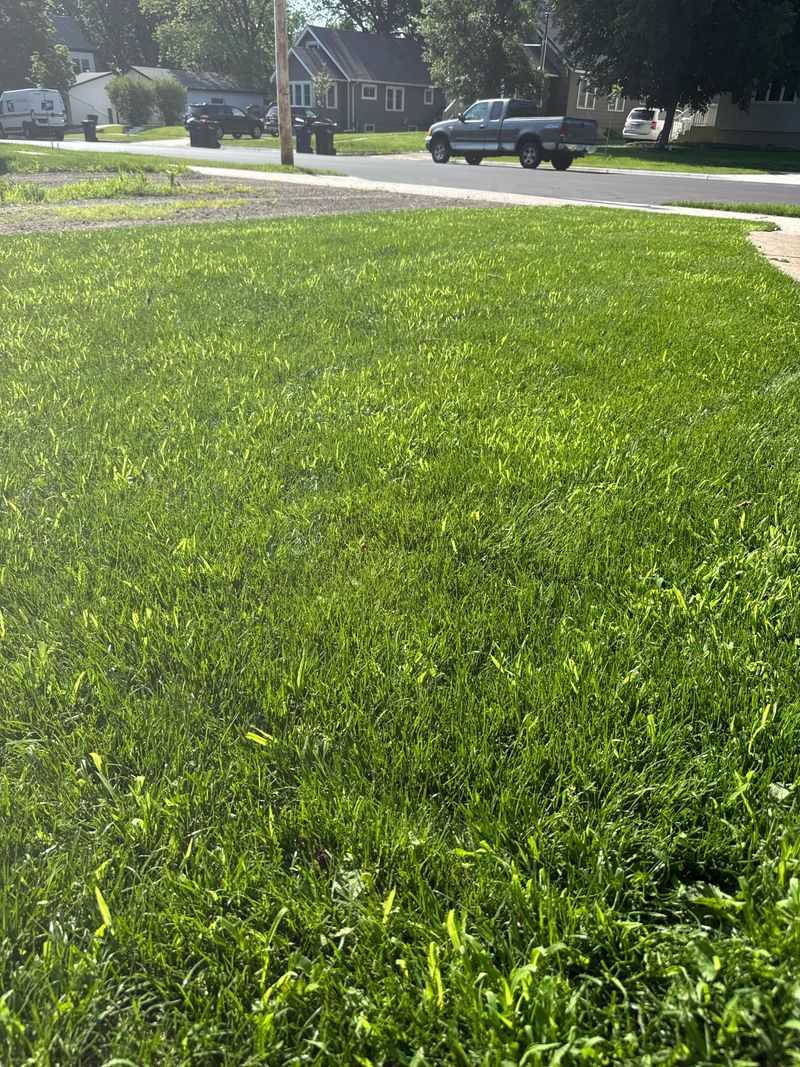
Only the uppermost leaf and sometimes the second leaf go pale, while the rest of the plant below stays a healthy green. Stand back and the lawn looks like someone dusted it with powdered sugar.
Another clue sits in the pattern across the yard. Dry spots follow logic, showing up along sidewalks, on slopes, over buried pipe, or wherever a sprinkler head misses.
Insect injury scatters without regard for irrigation coverage, popping up in the wettest, greenest corner just as readily as the driest one. If a spot stays crisp after a soaking rain, water was not the problem.
Your Georgia Garden Changes Every Week. Your Plan Should Too.
Gardening in Georgia changes quickly throughout the season. Every Friday you’ll receive a simple weekly plan showing exactly what to plant, prune, fertilize, harvest, and protect so you never miss the right timing.
The pull test settles most arguments in about three seconds. Pinch the white tip and lift, and damaged shoots separate at the chewed node while healthy shoots resist.
Split that stem lengthwise with a thumbnail and you may spot a small cream colored larva or a hollow, discolored channel where one has been. Confirming the cause first saves you from throwing water at a problem that water cannot solve.
Georgia Timing And The Summer Damage Window
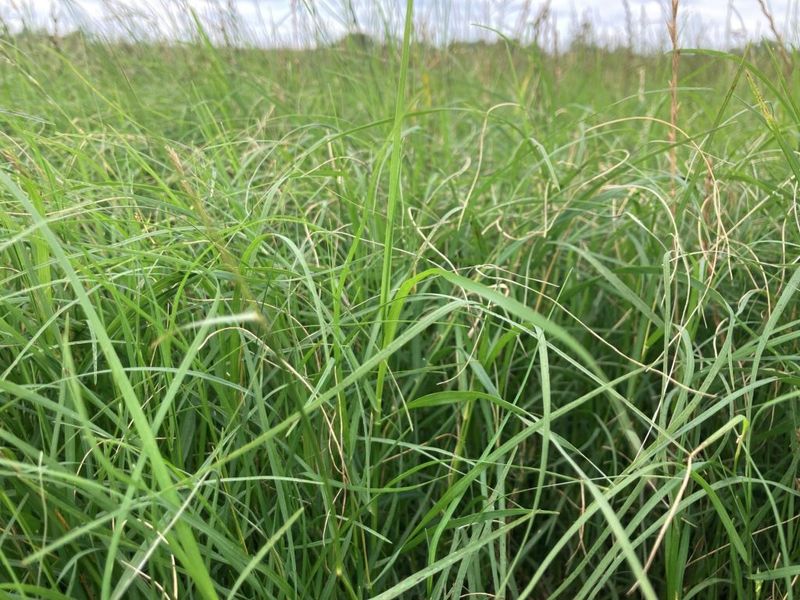
Timing is where Georgia homeowners get caught off guard. Populations stay low through spring, then build steadily as heat and humidity settle in across the Piedmont and Coastal Plain.
Damage typically becomes noticeable by July and climbs through late summer. That peak hits right when rainfall gets unreliable and everyone assumes the worst about their irrigation.
Each generation moves fast in warm weather, cycling in roughly three weeks from egg to adult. That speed means several overlapping generations stack up by August, which is why damage seems to reappear a week after you thought it cleared.
Cooler nights in October slow things considerably, and the first frost ends the season. South Georgia lawns often see a longer run than those up around Rome or Dahlonega.
The overlap with peak drought season creates the confusion. August in Georgia can be genuinely dry, so both problems really can happen in the same week on the same lawn.
Smart homeowners mark the calendar and start scouting in early June rather than waiting for the lawn to look bad. Walk the yard weekly, crouch down, and check a few shoot tips.
Catching the first scattered white tips gives you options. Waiting until half the lawn looks frosted means you are managing a much larger population and a much slower recovery through the hottest stretch of the year.
The Overwatering Trap That Makes Everything Worse
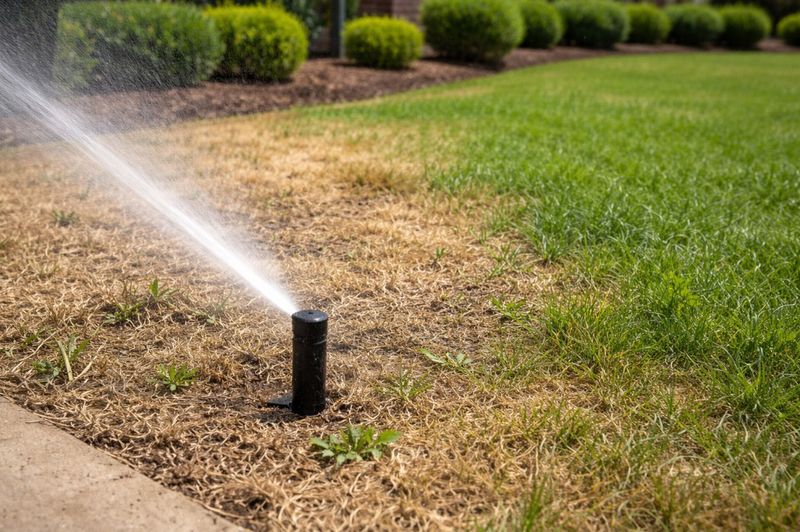
Here is the expensive part of the misdiagnosis. Convinced the lawn is parched, homeowners crank irrigation to daily cycles and watch the frosting spread anyway.
Bermudagrass roots sitting in constantly damp soil grow shallow and lazy, because they never need to reach for moisture. Shallow roots mean the turf becomes genuinely fragile when a real dry spell arrives in September.
Soggy conditions also roll out the welcome mat for fungal trouble like large patch and dollar spot, so now you are juggling two problems instead of one. Excess moisture pushes nutrients past the root zone and into the water table, which nobody wants.
Then there is the water bill, which climbs while the lawn stubbornly refuses to green back up. Some Georgia counties run outdoor watering restrictions, adding fines to frustration.
Bermudagrass genuinely thrives on deep, infrequent watering. Roughly one inch per week delivered in one or two soakings encourages roots to chase moisture downward, building the kind of resilience that shrugs off August.
Set out a tuna can under the sprinkler and time how long it takes to fill an inch. That single measurement replaces a lot of guesswork.
Skip the daily light sprinkles entirely, since they wet only the top half inch and evaporate by noon. Watering correctly will not remove stem maggots, but it keeps your turf strong enough to grow past the damage quickly.
Mowing And Insecticide Timing That Actually Works
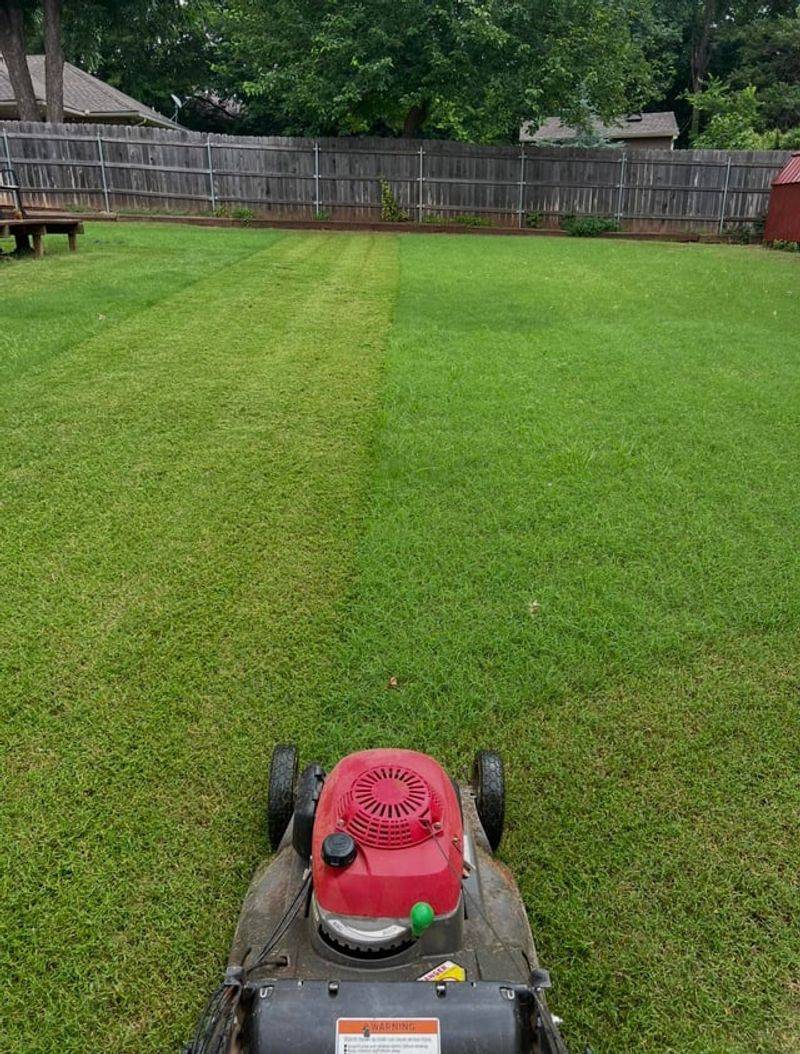
Relief arrives in the form of your mower. The single most effective response is to mow the damaged turf and remove the clipped tips, which takes out larvae still sitting inside those shoots.
Drop the height slightly below your normal cut so you are clipping through the injured nodes. Bag the clippings and haul them off rather than leaving them to finish developing on the lawn.
Right after mowing, the lawn looks rough for a few days, then flushes with fresh green growth from the nodes below. That regrowth is your proof the diagnosis was correct.
Pair the mowing with a pyrethroid insecticide such as bifenthrin or lambda cyhalothrin applied immediately afterward. Timing matters more than product choice, because the spray targets adult flies rather than the protected larvae inside stems.
Repeat applications every two to three weeks may be needed during heavy pressure in late summer. Read the label, respect the rates, and spray in the early morning or evening when pollinators are less active.
A light nitrogen feeding, around half a pound per thousand square feet, helps the turf push new growth fast. Skip heavy fertilizer during extreme heat, since lush tender shoots can attract more egg laying.
Consistent mowing every five to seven days through the season keeps damage from accumulating. Many Georgia lawns recover fully with mowing and water management alone, no chemicals required.
Building A Lawn That Bounces Back Fast
Ask anyone who has managed Georgia turf for a decade and they will tell you the same thing. Resilience beats reaction every single time.
Dense, well fed bermudagrass grows through stem maggot injury so quickly that damage becomes a cosmetic footnote rather than a crisis. Thin, stressed turf takes weeks to recover from the same pressure.
Start with a soil test through your county extension office, since Georgia clay often sits acidic and locks up nutrients. Correcting pH toward 6.0 to 6.5 with lime does more for turf health than most bagged products.
Core aerate in late spring or early summer when bermudagrass is actively growing, which relieves compaction from foot traffic and heavy red clay. Roots breathe better and water soaks in instead of running off.
Keep mowing frequent and sharp, because dull blades shred leaf tips and leave ragged white edges that mimic insect damage. Sharpen twice a season and the difference is visible.
Feed on a steady schedule from May through August, following soil test recommendations rather than guessing. Fall applications of potassium help the lawn store energy for winter.
Scout weekly with a simple habit of tugging a few shoot tips while you walk the dog. Two minutes of observation prevents two months of confusion.
Turf that gets deep watering, regular mowing, and balanced nutrition handles whatever a Georgia summer throws at it and greens back up looking sharp.