These Texas Flowers Shine In Clumps
One native prairie flower opens its blossoms from the top of the spike downward, reversing what most plants do. Another charming wildflower closes its cup-shaped petals each evening, or sooner once a bee finishes pollination duty.
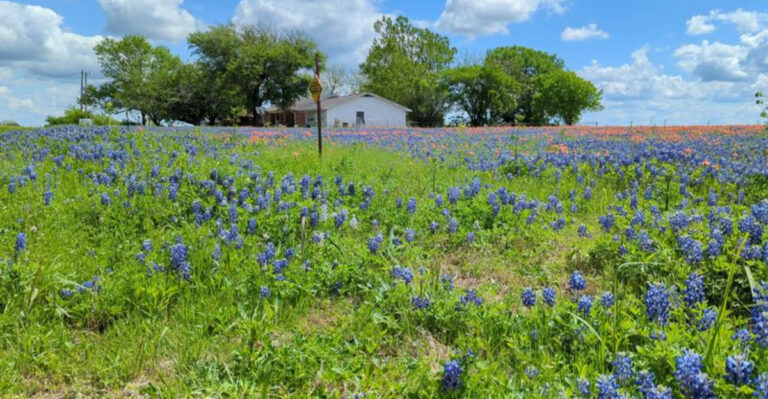
Both of these quirky bloomers grow wild across Texas, and they look far better in generous groups. A lone plant often gets lost in the yard, while a tight clump grabs attention from the sidewalk.
I love how massed flowers turn a plain fence line into something butterflies honestly notice from far away. You need fewer fancy tricks than you think, since tough natives handle heat and lean soil with ease.
Personally, I plant in drifts of five or more, and the pollinator traffic grows noticeably busier each summer. Which Texas favorites deserve a spot in your next cluster planting, and which one will surprise you most?
1. Texas Lantana
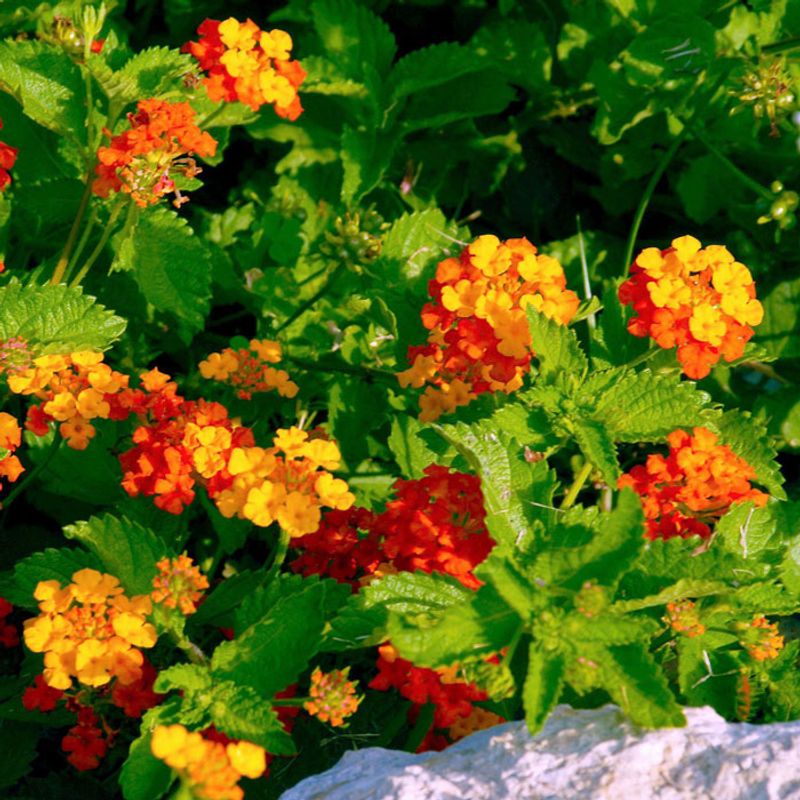
Watching one flower cluster slowly shift from sunny yellow toward fiery red feels like a tiny sunset on a stem. I adore how a clump of these shrubs looks like a glowing bonfire from April into late fall.
Lantana urticoides forms bushy mounds roughly two to six feet tall and four to six feet wide. Its rough, aromatic leaves drop in winter, and older stems can grow a bit thorny with age.
Give it at least six hours of direct sun and soil that drains quickly after a heavy rain. Sand, loam, clay, and even caliche work fine, which makes this native a hero for tough lots.
You might be tempted to pamper it, but rich soil and extra fertilizer usually mean fewer blooms. Once established, plants shrug off heat and drought with very little supplemental water from the hose.
Butterflies and native bees crowd the rounded flower heads, while hummingbirds zip in for quick sips. Later, glossy blue-black berries appear, and birds happily gobble the ripe ones as fall settles in.
Keep curious kids and pets away from the green berries, since unripe fruit is poisonous to most mammals. Crushed leaves can also irritate skin, so I wear gloves whenever I trim or move these plants.
A winter pruning keeps clumps tidy and removes older stems that have become thorny over time.
Unlike invasive Lantana camara, this species is native, so you can plant a generous cluster with real confidence.
2. Scarlet Sage
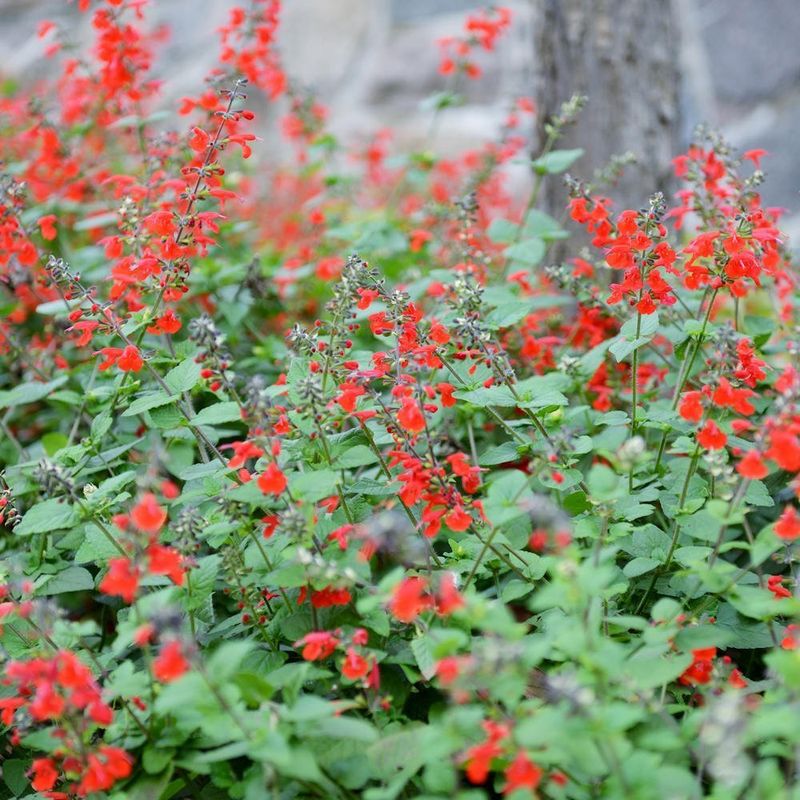
Hummingbirds seem to have a secret map that leads straight to every patch of red tubular blossoms. I swear they find a new clump of scarlet sage within days of planting it near my porch.
Salvia coccinea is an upright perennial that usually grows two to four feet tall and about two feet wide. Square stems hold soft, pea-green leaves with scalloped edges and a slightly fuzzy feel under your fingers.
Bright red is the classic color, though cultivars come in white, pink, coral, and cheerful bicolor forms. Flower spikes keep coming from early summer until the first hard frost finally shuts down the show.
Full sun gives the most blooms, yet a little afternoon shade helps plants cope with brutal summer heat. Well-drained soil is the main request, and sandy or clay ground works as long as water moves through.
Plants handle drought once settled, but a deep drink during long dry spells keeps the flowers coming. In zones eight through ten it returns as a perennial, while colder gardeners often treat it as an annual.
Expect plenty of volunteer seedlings, since this cheerful sage self-sows freely around the parent plant every year. I simply pull extras or move them, which is how my original plants became a lovely drift.
Goldfinches sometimes visit for the seeds after the hummingbirds and bees have finished their nectar rounds. For the brightest effect, plant at least five together so the red spikes read as one bold splash.
3. Plains Coreopsis
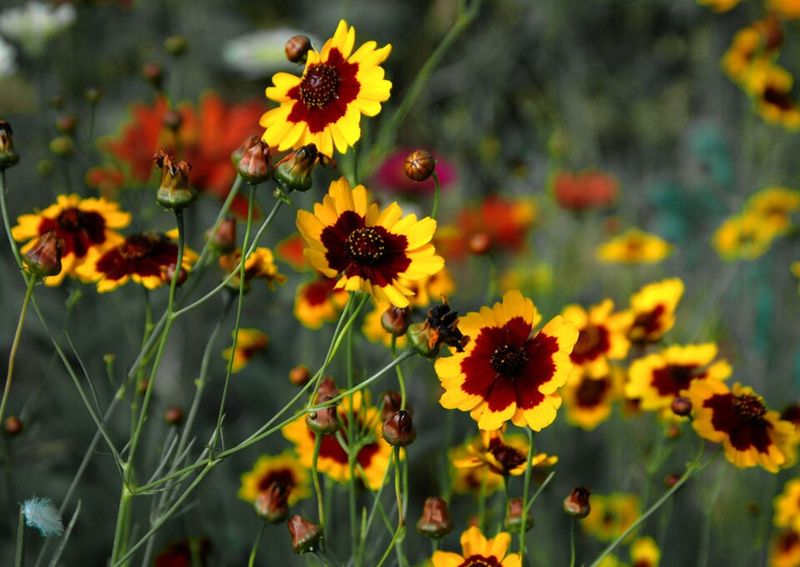
Native peoples and early settlers once boiled this little wildflower to make dye, which explains its species name tinctoria.
In a clump, the yellow petals with reddish centers look like hundreds of tiny bullseyes dancing in the breeze.
Coreopsis tinctoria is a slender annual with wiry, branching stems that reach anywhere from one to five feet.
Its feathery, finely divided leaves stay out of the way, letting the cheerful daisy-like flowers steal the spotlight.
Blooms usually show up from late spring into fall, and mild winters can stretch the season even further.
Depending on conditions, some plants act like biennials or short-lived perennials, which keeps gardeners on their toes.
Full sun is best, although light shade works fine if your yard has a few tall neighbors. Sandy soil suits it nicely, and poor rocky ground rarely slows it down as long as drainage stays good.
You need to remember one quirky detail, because these tiny seeds require light in order to sprout. Scatter them on bare soil in fall, press gently with your palm, and skip covering them with mulch.
Butterflies and bees flock to the open flowers, sipping nectar on warm afternoons throughout the growing season.
Later, the dried seed heads feed small birds, so I leave a few standing instead of tidying everything.
Plants reseed readily, which means a small patch often grows into a wider meadow over a few years. Established plants handle heat and humidity well, making this a forgiving pick for beginners and busy folks.
4. Indian Blanket
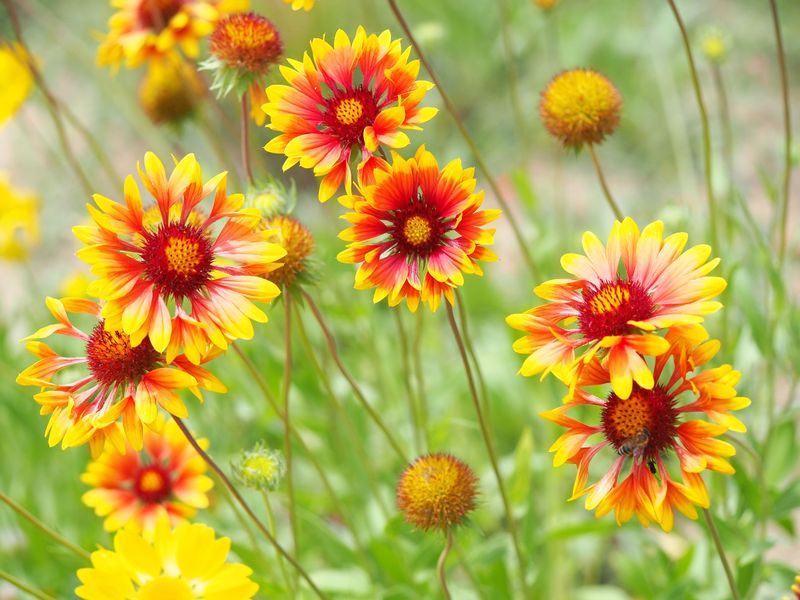
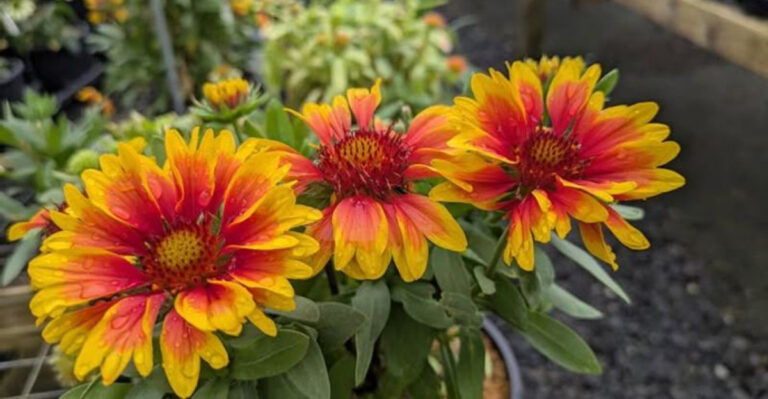
Red petals tipped with sunny yellow make each bloom look like a pinwheel caught in a summer blaze.
Plant a clump of Indian blanket, and your flower bed suddenly resembles a colorful quilt spread across the ground.
Gaillardia pulchella grows in loose mounds about one to two feet tall, spreading into informal patches.
Most blooms carry a brownish-red center, though you might notice some forms leaning more toward orange or yellow.
Full sun is non-negotiable here, since shade leads to weak stems and far fewer flowers overall. Sandy or gravelly soil with sharp drainage suits it best, and lean ground actually helps it perform.
I have to admit this tough beauty thrives in spots where my fussier plants simply give up. Once settled, it handles heat and drought like a champ, needing little more than an occasional deep soak.
Monarchs and Gulf Fritillaries visit regularly, along with honeybees and native solitary bees hunting for nectar. Goldfinches later pick at the seed heads, so leaving some spent flowers in place helps hungry songbirds.
Deer and rabbits usually ignore the plants, which feels like a small miracle in many suburban neighborhoods.
Wear gloves when handling foliage, because contact with the leaves can sometimes cause skin irritation for sensitive gardeners.
It reseeds freely, so one small cluster this year can become a striking drift next spring. Sow seeds in fall across bare soil, and let winter rains do most of the hard work for you.
5. Black-Eyed Susan
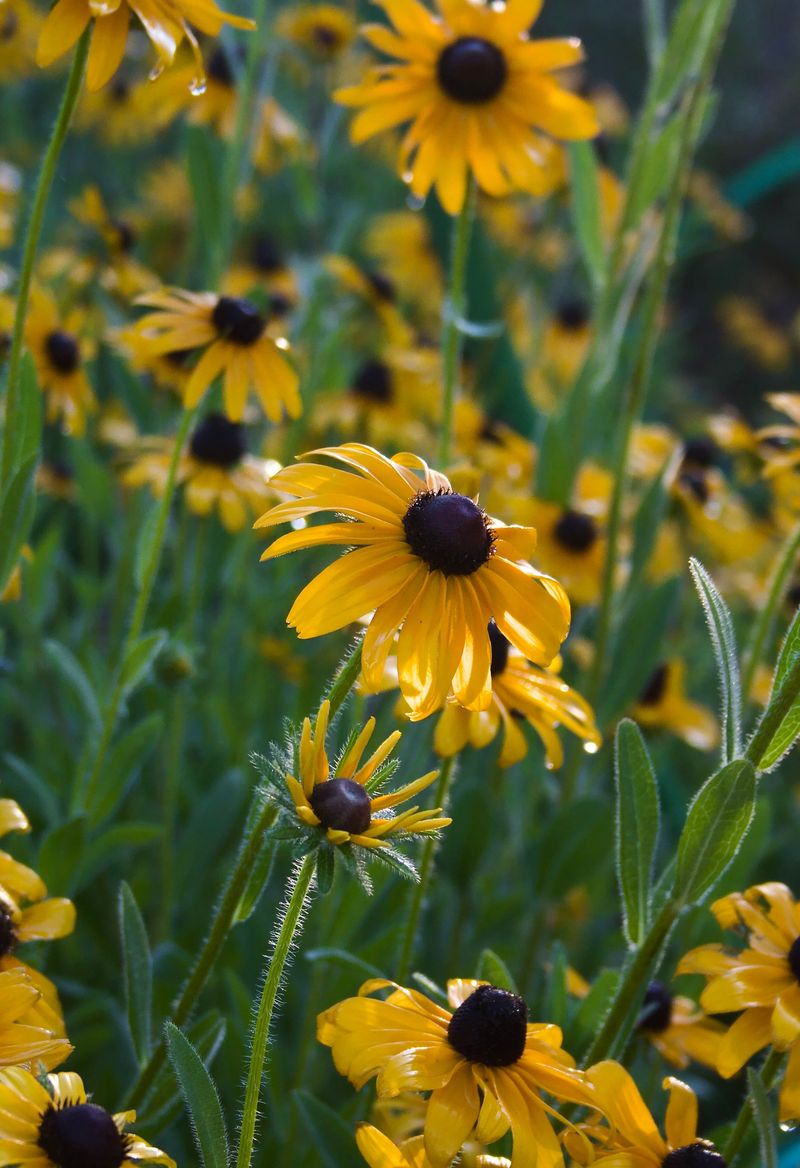
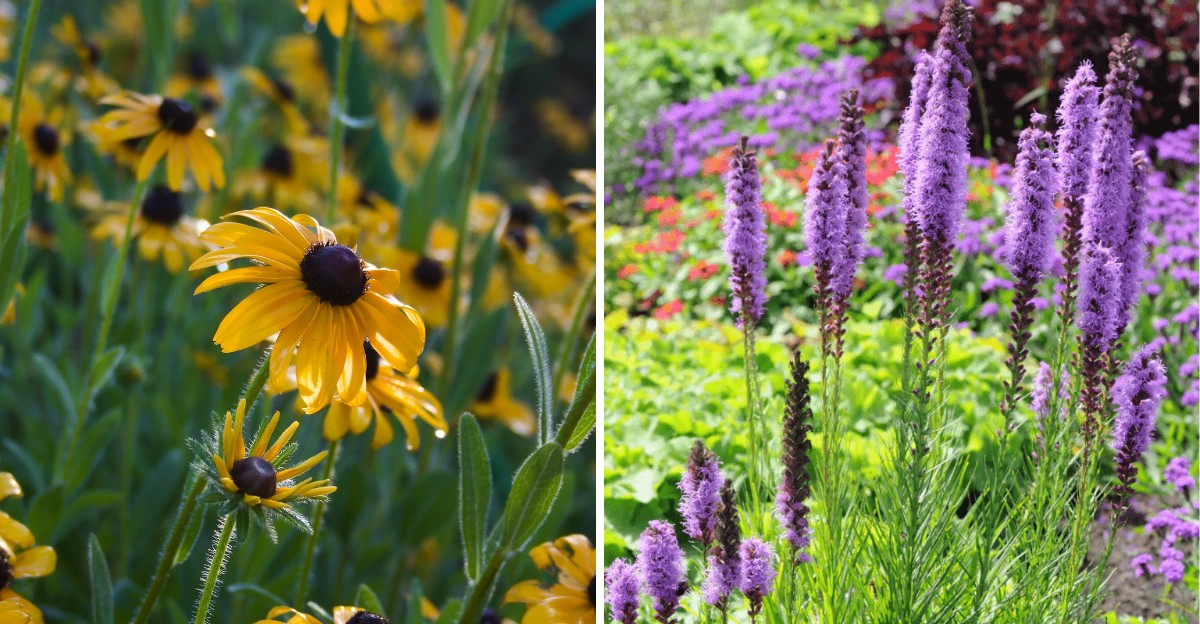
Run your fingers along a stem and you will feel why botanists named this plant hirta, meaning hairy. Those bristly leaves and stems give the whole clump a rugged charm that matches its golden, dark-eyed blossoms.
Rudbeckia hirta usually behaves as a biennial or short-lived perennial, though some plants act like annuals. It grows one to three feet tall in an upright, bushy clump that spreads slowly into cheerful colonies.
In much of the state, flowers can appear anywhere from March into November, depending on rain and temperatures. Each bloom has bright yellow rays circling a domed cone so dark it looks almost black.
Full sun produces the heaviest flowering, but partial shade still gives a respectable show in hotter regions. Loam, sand, or clay all work fine, as long as water does not sit around the roots.
Heavy fertilizing is unnecessary here, and established plants need only occasional watering during long, punishing dry spells. I love how forgiving this flower is, since it keeps blooming even when I forget the hose.
Painted Ladies and checkerspot butterflies visit often, while bees work the cones for pollen and nectar. Goldfinches pick seeds from the cones through fall and winter, so please resist cutting back every spent flower.
Leaving seed heads also lets the plant self-sow, naturally filling gaps and thickening your clump each year. Deer tend to avoid it, which makes this classic a smart choice for gardens near open land.
6. Purple Coneflower
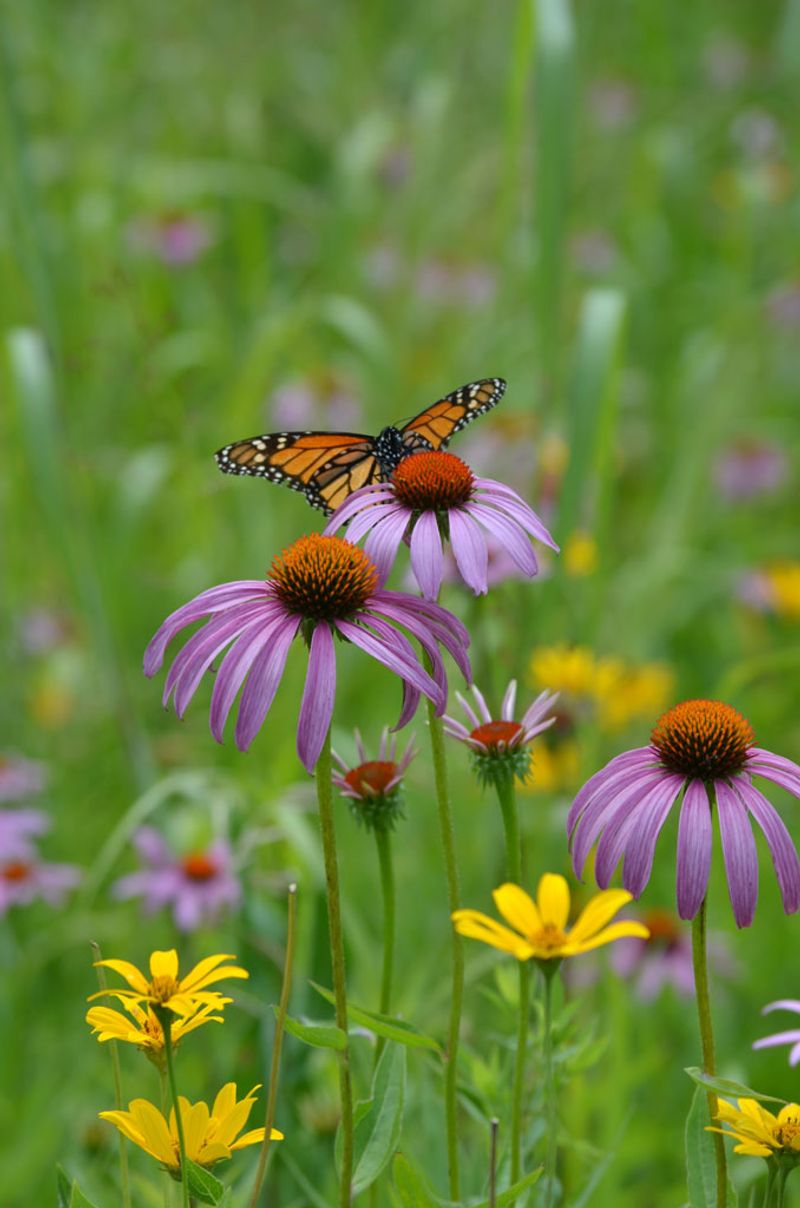
On a hot, sunny afternoon, these blossoms can release a faint, sweet fragrance that surprises first-time growers.
Grouped together, the pink-purple petals and spiny copper cones create a soft cloud of color that buzzes with life.
Echinacea purpurea grows two to five feet tall, with coarse, hairy leaves that shrink as they climb the stem.
Petals droop slightly around a domed center, giving each flower that classic shuttlecock look many people recognize.
What surprises me most is how narrow its wild range is here, limited to a small northeast corner. Gardeners in drier western areas might also try related Echinacea species that handle local conditions even better.
Full sun brings the best blooms, and average, well-drained soil keeps those deep roots happy and healthy. Soggy ground in winter invites root rot, so raised beds or gravelly spots can make a real difference.
A light layer of compost each spring is plenty, since rich feeding rarely improves the flower count. Divide crowded clumps about every four years to keep plants vigorous and give you free starts for friends.
Monarchs and swallowtails stop by often for nectar, and hummingbirds occasionally join the busy party too.
Goldfinches and cardinals later raid the dried seed heads, often lingering well into the chilly winter months.
Leave a few cones standing, and the plant will scatter seeds that sprout into new clumps nearby. Deer typically pass it by, which is one more reason I keep a big patch near the driveway.
7. Texas Blazing Star
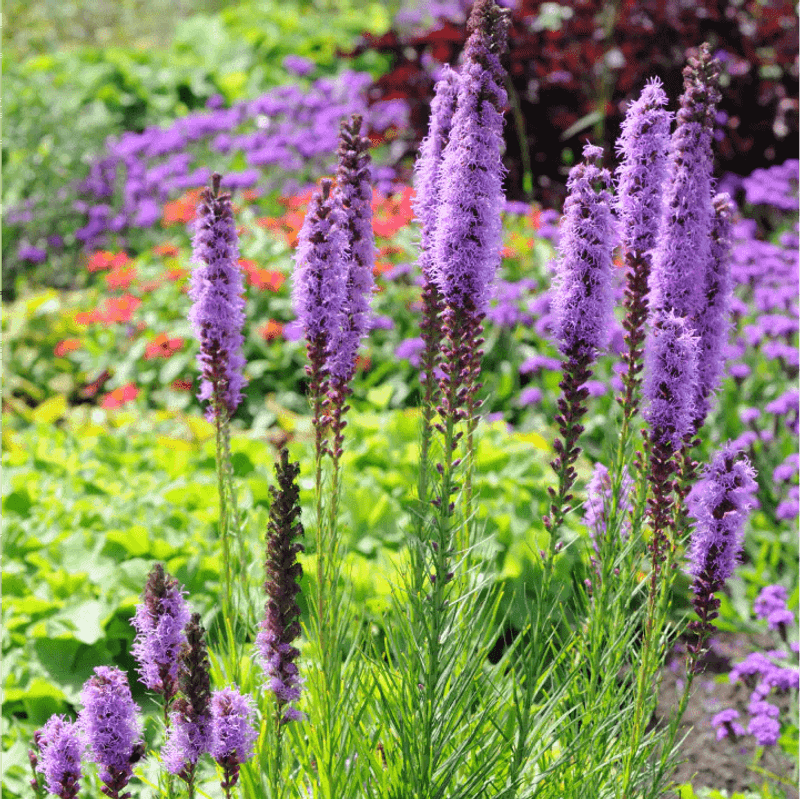
Most flower spikes open from the bottom up, but this prairie native cheerfully does everything in reverse.
Its lavender-pink bottlebrush spikes bloom from the top downward, which gives each clump a playful, upside-down personality worth watching.
Liatris mucronata sends up stiff, unbranched stems one to three feet tall from a bulb-like underground corm. Narrow, grassy leaves line each stem and get smaller near the top, framing the dense purple flowers.
Blooms arrive in late summer and can linger from August into December, when most other gardens look tired.
Migrating hummingbirds and hungry butterflies treat those spikes like a roadside snack stop during their fall travels.
Plant it in full, hot sun with sandy or rocky soil that drains quickly after heavy storms. Alkaline ground suits it well, which is welcome for gardeners stuck with chalky limestone backyards and hillsides.
Too much water or fertilizer leads to floppy stems and possible root rot, so hold back on pampering.
You might notice the deep roots let established plants coast through long droughts without much help from you.
Spring planting works best, ideally after the last frost date has safely passed in your part of the state. Group several corms close together, since a lone spike looks lonely while a cluster creates real drama.
Songbirds rely on the seeds, so leave dried flower heads standing over winter instead of cutting them. Deer generally skip it too, and sandy beds may even reward you with a few volunteer seedlings.
8. Winecup
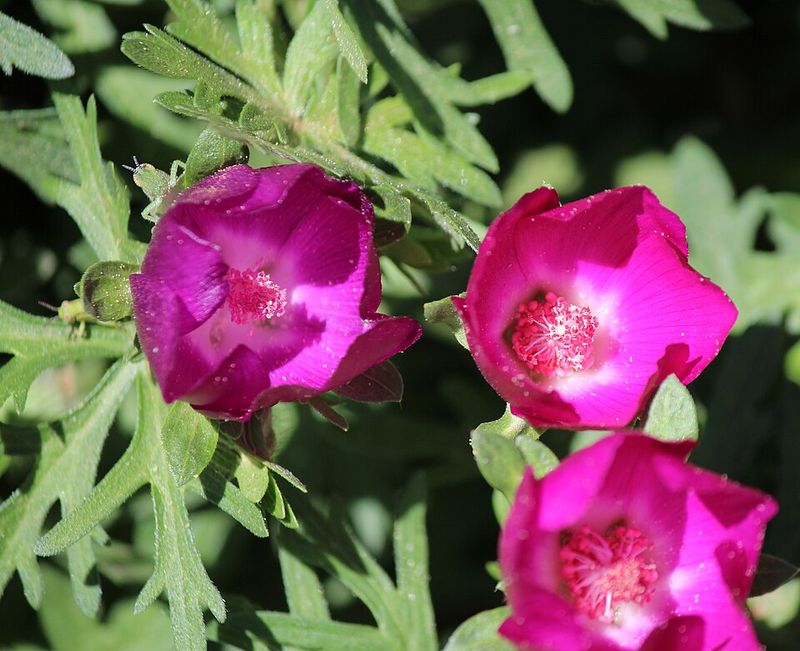
Every morning these magenta cups pop open, and by evening they fold shut like tiny umbrellas after a picnic. Pollinated flowers close sooner, so a clump of winecups quietly tells you which blooms the bees have visited.
Callirhoe involucrata is a sprawling perennial that stays six to twelve inches tall while trailing up to three feet.
Deeply lobed, often hairy leaves form a green mat, anchored by a thick taproot that digs surprisingly deep.
Five-petaled blooms come in rich wine and hot pink shades, often with a bright white throat inside. Flowering can stretch from mid-spring into fall, which makes it one of the longest bloomers on this list.
Full sun to partial shade works nicely, but well-drained soil matters most for long-term success with this plant. Overwatering invites rust and crown rot, so I let rocky or sandy beds stay on the dry side.
During intense summer drought, plants may go dormant and look rather sad for a few weeks. Fresh leaves usually return after the next good rain, so be patient instead of digging them out.
Set out transplants in fall or spring, and scratch seed coats before fall sowing to improve germination. Trim back faded growth in late summer, or cut plants to the rosette in winter for tidier regrowth.
Native bees and Gray Hairstreak butterflies love the nectar, and deer usually leave the foliage alone. Rabbits are another story, so a little fencing helps if long-eared visitors roam through your yard.