Growing Schefflera Outdoors As A Landscaping Staple In Florida
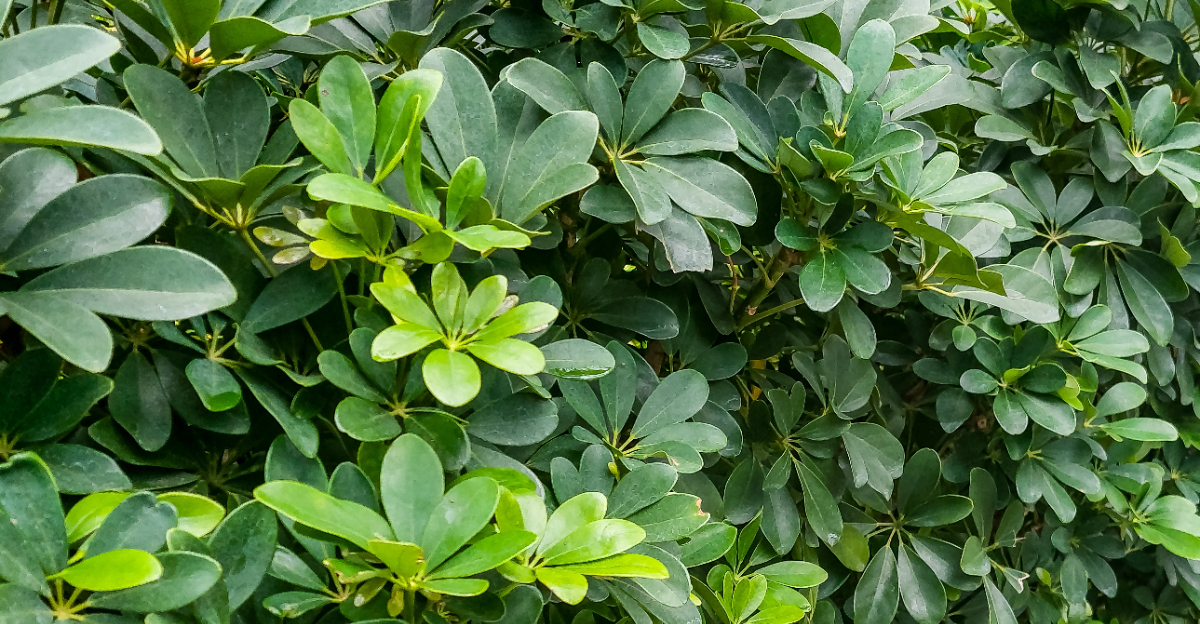
Few plants scream tropical quite like schefflera, its glossy leaves fanning out like little green umbrellas. Tuck it along a fence line or into a garden bed, and your yard suddenly looks airlifted from a rainforest.
Florida’s heat, humidity, and steady rainfall match almost exactly what schefflera evolved to handle, so the plant settles in fast and keeps growing with real momentum.
Give it the right light, decent drainage, and occasional pruning, and it rewards you with dense, layered foliage that fills space quickly. Some homeowners use it as a living privacy wall, others let it stand alone as a bold focal point near the patio.
Get the basics right, and this plant practically takes care of itself.
Schefflera Grows Well As A Florida Landscaping Staple
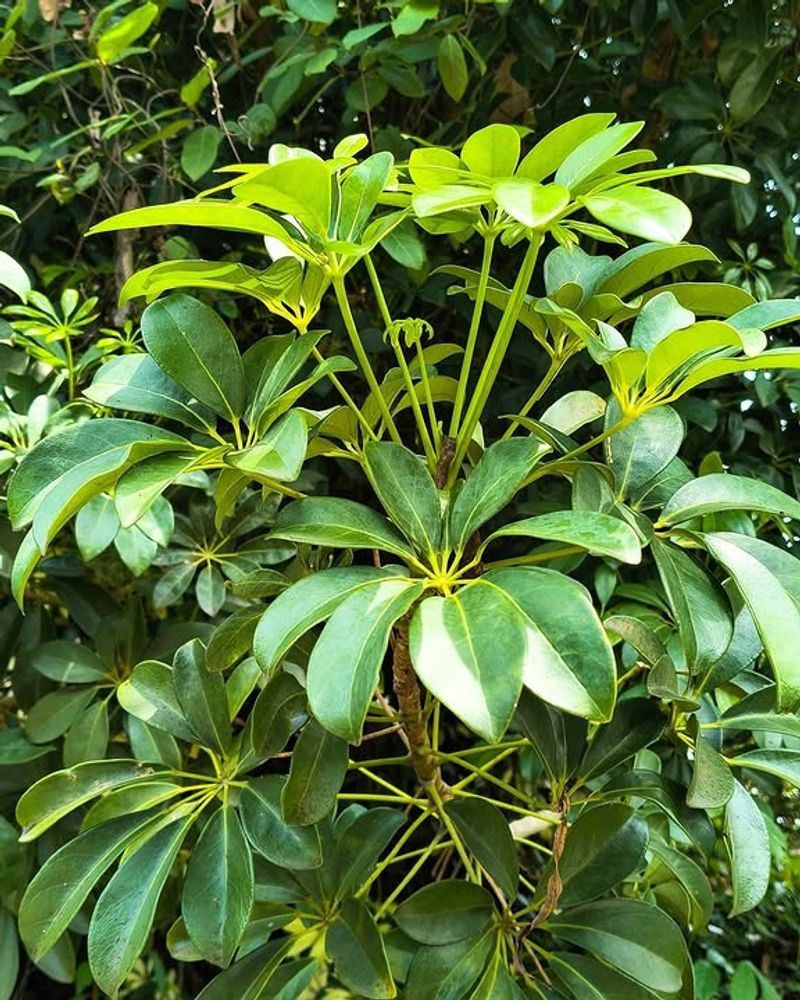
Growing Schefflera outdoors as a landscaping staple in Florida starts with understanding what makes this plant tick. Schefflera arboricola, the dwarf variety, stays manageable and works well in most residential landscapes.
The full-size species, Schefflera actinophylla, can grow into a striking multi-trunk tree. Because of its invasive potential, though, it’s restricted in parts of South Florida, including Miami-Dade County.
Schefflera arboricola, on the other hand, is the safer pick for most Florida landscapes and thrives in the state’s warm, humid conditions. Native to tropical regions, Schefflera is built for heat and moisture.
Florida’s climate mirrors its natural habitat almost perfectly. That match is exactly why landscapers and homeowners keep reaching for it when designing outdoor spaces.
Schefflera grows quickly, sometimes adding several feet of height in a single season. That speed makes it ideal for homeowners who want fast visual impact.
Plant it in spring or early summer for the strongest seasonal growth push. One underrated quality of Schefflera is its adaptability.
It tolerates a range of conditions without much fuss. From coastal properties to inland suburban lots, this plant finds a way to thrive and look good doing it.
Paired with palms, crotons, or bird of paradise, Schefflera creates rich, layered tropical gardens. It anchors a planting bed with confidence.
Once established, it becomes one of the hardest-working plants in your outdoor space.
Partial Shade Keeps Schefflera Leaves From Scorching
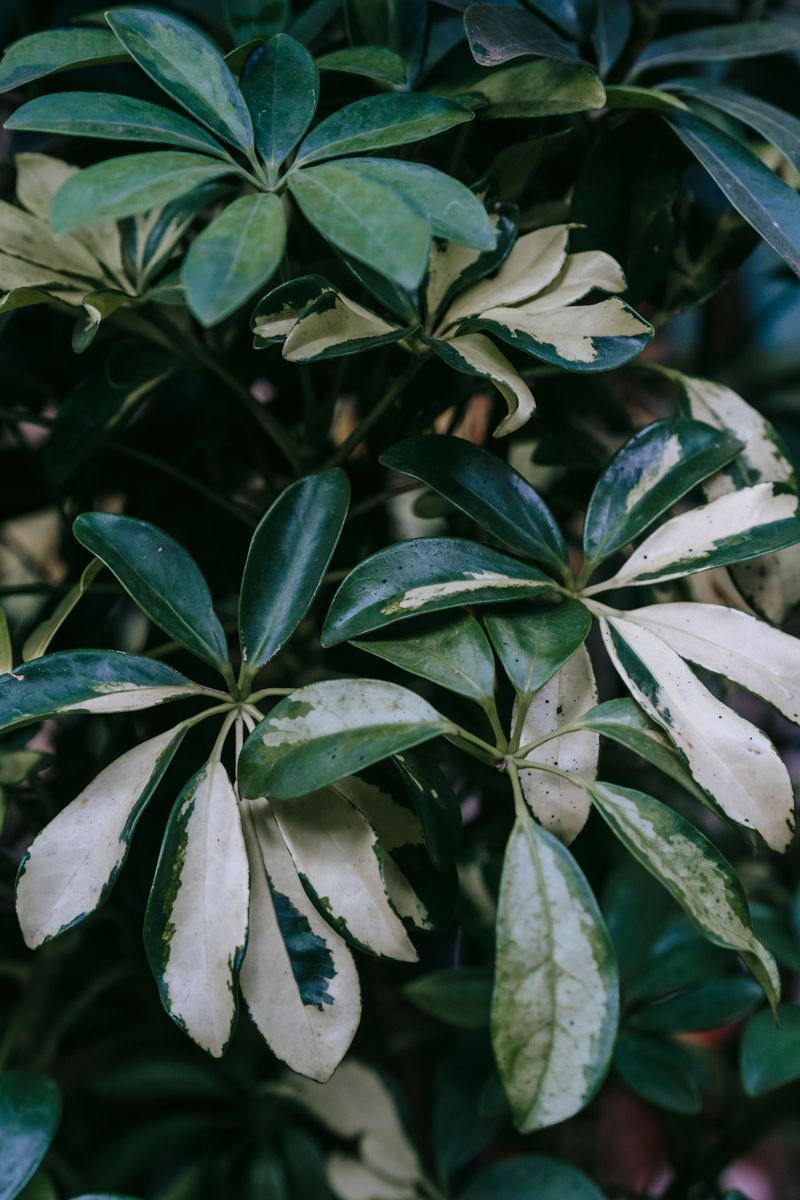
Florida’s summer sun is fierce, and even tough plants can struggle under its full intensity. Placing Schefflera where it gets morning sun and afternoon shade is often the smartest move you can make.
Bright, indirect light brings out the deepest green in its glossy leaves. Direct afternoon sun, especially in summer, can bleach or scorch those leaves fast.
A scorched leaf won’t bounce back, so prevention beats dealing with the damage afterward. Partial shade does not mean deep shadow, though.
Schefflera still needs several hours of quality light each day to grow strong. Aim for a spot that gets four to six hours of filtered or morning sun for the best balance.
Under the canopy of a large oak or near the east-facing side of a building works beautifully. Those spots offer bright light without the heat of direct afternoon exposure.
Your Florida Garden Changes Every Week. Your Plan Should Too.
Gardening in Florida changes quickly throughout the season. Every Friday you’ll receive a simple weekly plan showing exactly what to plant, prune, fertilize, harvest, and protect so you never miss the right timing.
Schefflera placed in those conditions tends to grow fuller and healthier than plants left in open sun. Younger plants are especially vulnerable to sun damage right after transplanting.
Shading them for the first few weeks helps them settle in without stress. Once roots are established, they handle light shifts more gracefully.
Getting the light right is one of the most impactful decisions you make for this plant. Nail the shade balance, and your Schefflera will reward you with thick, glossy growth all year long.
Best Planting Spots For Outdoor Schefflera In Florida
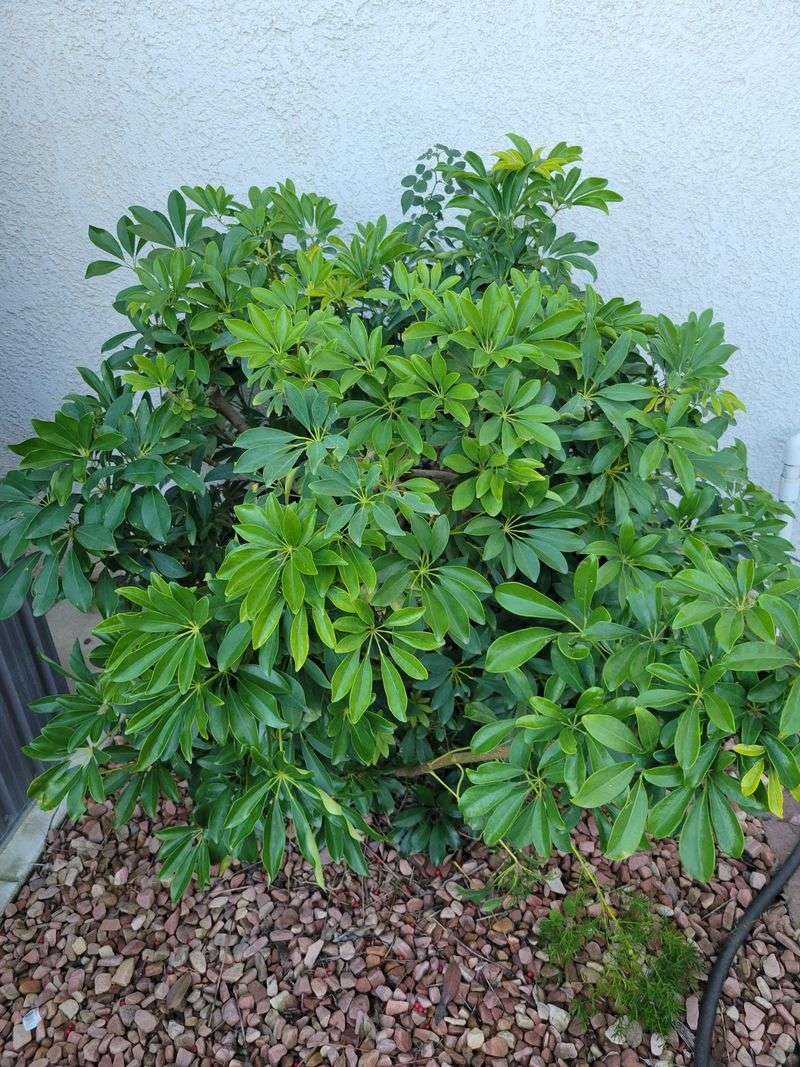
Location is one of the biggest factors when planting Schefflera outdoors. The right spot sets the plant up for years of healthy, attractive growth.
A poor location leads to problems that watering and fertilizing usually can’t fix. Along fence lines, Schefflera creates a natural privacy screen that grows thick and tall with very little effort.
It softens hard edges and adds a lush, tropical feel to otherwise plain boundaries. Homeowners often use it as a living fence that beats the look of wood or vinyl alternatives.
Corner plantings near patios or pool decks are another popular choice. Schefflera’s broad canopy provides natural shade and a sense of enclosure.
That makes outdoor living spaces feel more private and comfortable during warm months. Avoid planting too close to structures, sidewalks, or driveways.
Schefflera’s roots spread wide as it matures, and that expansion can cause issues near hardscaping. Give it at least six to eight feet of clearance from any permanent structure.
In South Florida, Schefflera arboricola can be planted year-round with little trouble. Schefflera actinophylla, however, is restricted or prohibited in several counties, including Miami-Dade.
In Central Florida, planting in spring gives roots time to establish before any mild winter chill arrives. North Florida gardeners should treat it as a warm-season planting project and protect young plants if temperatures drop unexpectedly.
Grouping multiple plants together creates a dramatic tropical backdrop that looks intentional and polished. Space them five to eight feet apart for a hedge effect.
Soil And Drainage Needs For Healthy Growth
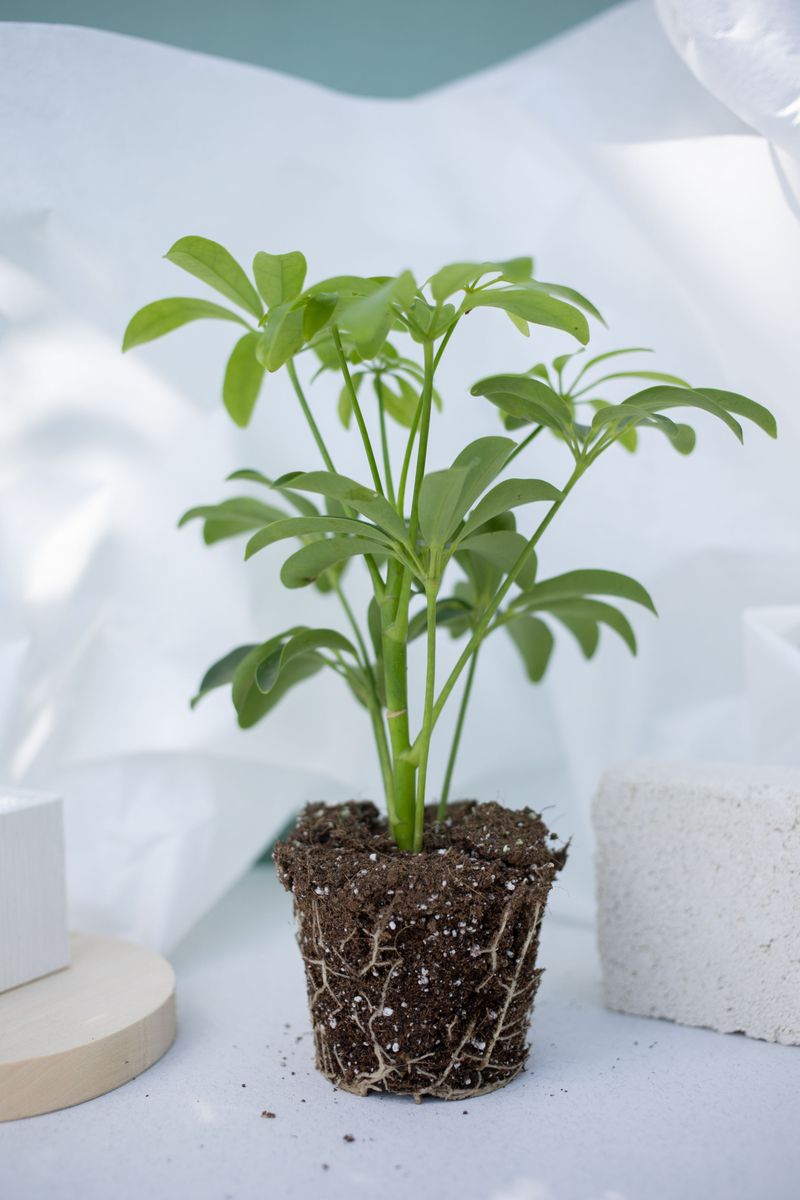
Soggy roots are a fast track to a struggling Schefflera. This plant demands good drainage above almost everything else.
Florida’s sandy soils are a great starting point, but they still need a little preparation before planting. Schefflera prefers slightly acidic to neutral soil, ideally with a pH between 6.0 and 6.5.
Soil pH varies across the state, and some regions run more alkaline than others. A quick soil test from your local extension office confirms where you stand before you start digging.
Amending sandy soil with organic matter improves moisture retention without causing waterlogging. Compost mixed into the planting hole gives roots a nutrient-rich environment to expand into.
That combination of drainage and nutrition is the sweet spot Schefflera responds to best. Heavy clay soils, found in some parts of Central Florida, hold too much water for Schefflera’s taste.
Raised beds or mounded planting areas solve that problem efficiently. Raising the planting level by just six to twelve inches makes a noticeable difference in root health.
Mulching around the base of the plant conserves moisture and regulates soil temperature. A two to three inch layer of organic mulch keeps roots comfortable during hot summers.
Keep mulch pulled back a few inches from the main stem to prevent rot at the base. Healthy soil is the foundation every strong plant is built on.
Watering And Fertilizing Tips For Landscape Plantings
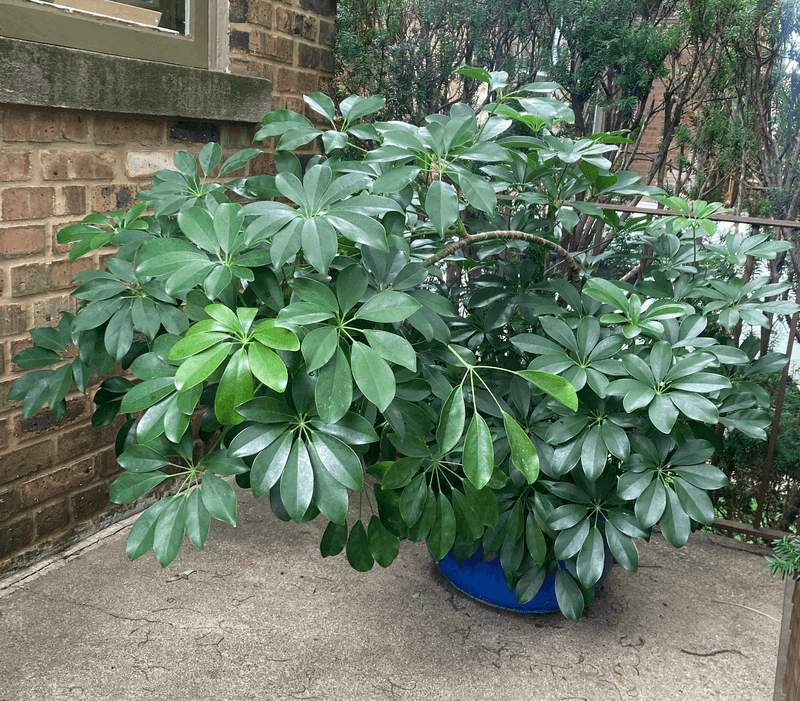
Watering Schefflera is less about frequency and more about consistency. This plant prefers soil that dries slightly between waterings rather than staying constantly wet.
Overwatering is actually the most common mistake Florida gardeners make with this plant. Newly planted Schefflera needs more frequent watering to help roots establish.
Water deeply two to three times per week for the first month. After that, cutting back to once a week is usually sufficient during normal rainfall periods.
Florida’s rainy season, which runs roughly from June through September, often handles most of the watering naturally. Monitoring rainfall and adjusting your schedule prevents accidental overwatering during wet months.
A simple rain gauge in the yard makes that tracking easy and accurate. Fertilizing gives Schefflera the nutrients it needs to push out fresh growth and maintain vibrant color.
A balanced slow-release granular fertilizer applied three times per year works well for most landscape situations. Apply in spring, midsummer, and early fall for steady, even feeding throughout the growing season.
Avoid fertilizing in late fall or winter, as new growth stimulated during cooler months can be vulnerable to cold snaps. Letting the plant rest slightly during that period is smarter than pushing growth at the wrong time.
Micronutrient deficiencies, especially iron and manganese, are common in Florida’s alkaline pockets. Yellowing leaves between the veins often signal that issue.
A micronutrient supplement added to your fertilizing routine corrects the problem and keeps foliage looking sharp.
Pruning And Maintenance For A Tidy Landscape Look
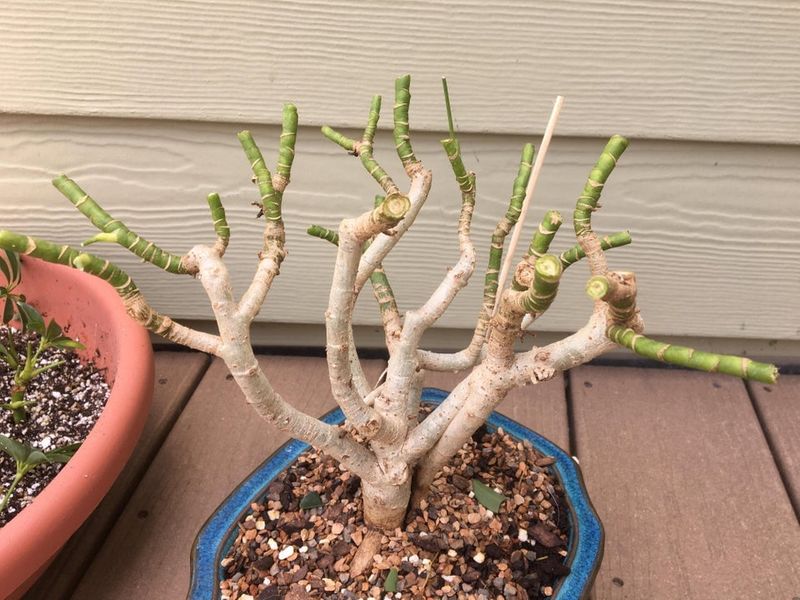
Left alone, Schefflera becomes a wild, sprawling giant that dominates everything around it. Regular pruning keeps it shaped, manageable, and attractive throughout the year.
This plant responds to trimming like a champ and bounces back fast. The best time to prune Schefflera in Florida is late winter or early spring, just before the main growth surge begins.
That timing encourages the plant to push out fresh, dense growth right where you want it. Summer pruning is fine for light shaping but avoid heavy cuts during peak heat.
Use sharp, clean pruning shears or loppers depending on the thickness of the stems you are cutting. Clean cuts heal faster and reduce the risk of disease entering the plant.
Dull blades crush stems rather than cutting them cleanly, which slows recovery significantly. To control height, cut the main leader stems back by one-third at most in a single session.
Removing too much at once stresses the plant and slows its recovery. Gradual shaping over multiple sessions produces a cleaner, more natural-looking result.
Schefflera occasionally produces long, leggy stems that shoot out beyond the rest of the canopy. Cutting those back to a lateral branch keeps the overall shape full and balanced.
That simple habit prevents the plant from looking scraggly over time. Consistent maintenance turns Schefflera from a fast-growing wild card into a polished landscape centerpiece.