Oregon Gardeners Who Switched From Bark Dust To This Ground Cover Cut Their Maintenance In Half
Bark dust has long been the go-to choice for Oregon yards, but plenty of gardeners are starting to rethink that familiar routine. After all, refreshing beds every season can get old fast.
So can the endless cleanup when wind, rain, and neighborhood squirrels decide to rearrange everything overnight. Very thoughtful of them.
A different ground cover has been getting attention for a much simpler reason. Gardeners say it helps their outdoor spaces look tidy without demanding constant babysitting.
That alone is enough to make anyone with a rake stop and listen.
The appeal is not just about appearance. It is also about creating a yard that feels easier to manage when the weather shifts and weeds start plotting their comeback.
For busy homeowners who would rather enjoy the garden than constantly fuss over it, this landscaping swap sounds almost too good to ignore. The best part is how surprisingly simple the change can be.
1. This Groundcover Replaces Bare Bark With Living Cover
Bark dust has a short memory. It looks fresh for a few weeks, then it fades, compacts, and starts to wash away with the first heavy rain.
Kinnikinnick does the opposite. It grows in, fills out, and keeps improving season after season without needing to be replaced. Unlike bark, this plant is alive. Its roots hold the soil in place.
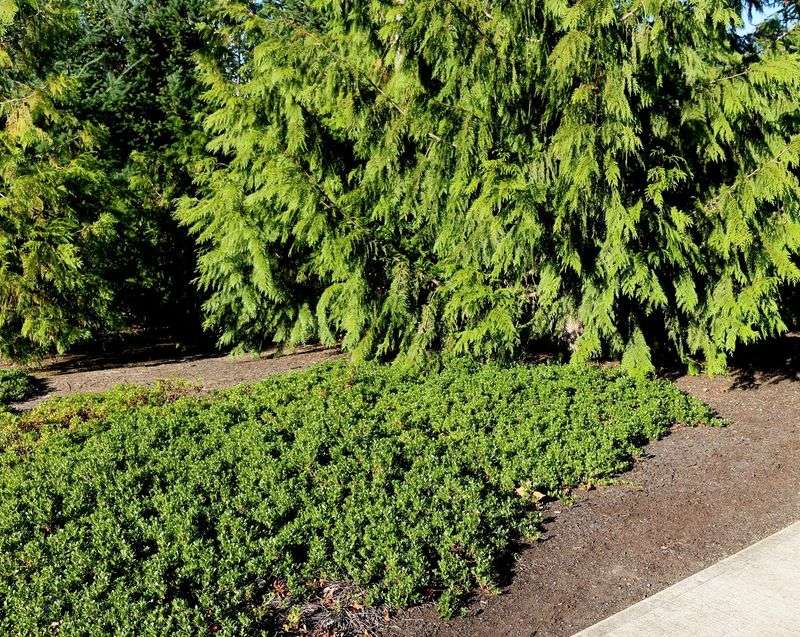
Its stems spread low and tight across the ground, covering bare spots in a way that looks natural and intentional.
Over time, it creates a dense mat that actually improves the look of a garden bed rather than just masking it.
Many gardeners in Oregon describe the switch as a relief. They stop budgeting for annual bark deliveries and start watching something grow instead.
The plant handles our wet winters and dry summers without much complaint. It does not rot, wash into gutters, or float away after a storm like bark often does.
Getting started is simple. You plant young starts in fall or early spring, water them in, and let them settle.
They are slow to take off in the first year, but by year two, you start to see real progress. By year three, most gardeners say they barely think about that bed anymore.
That kind of low-effort payoff is exactly what makes kinnikinnick such a smart swap for bark dust in Pacific Northwest landscapes.
2. Evergreen Leaves Keep Beds Looking Finished
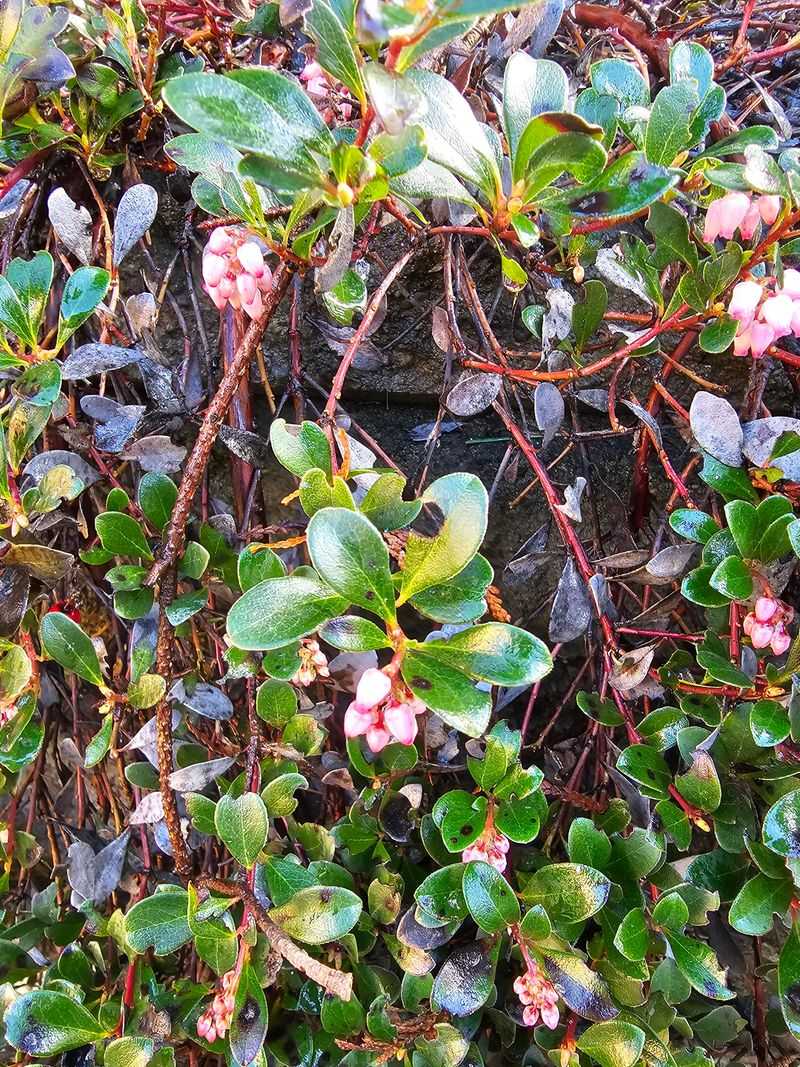
One of the biggest complaints about bark dust is how messy it looks by late fall. It breaks down, gets kicked around, and starts to look patchy right when everything else in the garden is already looking bare.
Kinnikinnick does not have that problem because it stays green all year long.
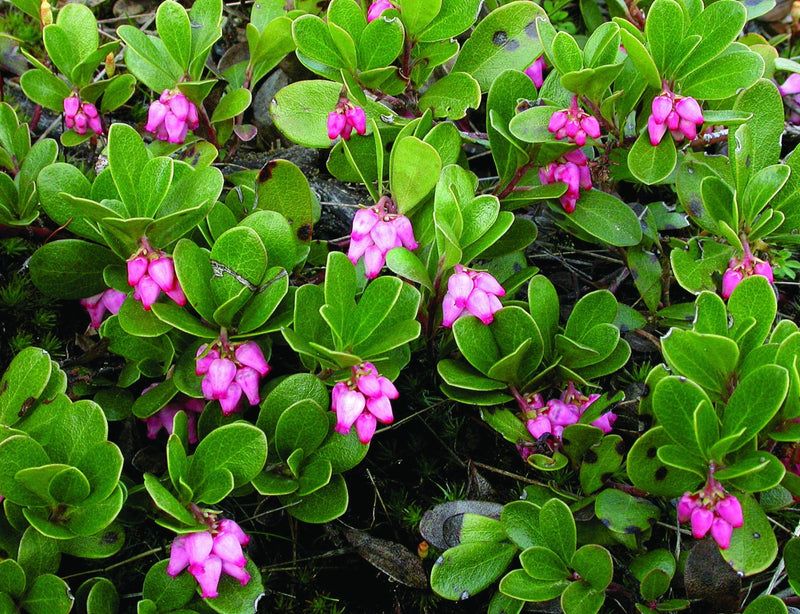
The leaves are small, rounded, and glossy with a rich dark green color. They hold their color through frost, rain, and even snow.
When the rest of the garden goes dormant in winter, a bed of kinnikinnick still looks tidy and finished. That is a big deal for homeowners who care about curb appeal year-round.
Your Oregon Garden Changes Every Week. Your Plan Should Too.
Gardening in Oregon changes quickly throughout the season. Every Friday you’ll receive a simple weekly plan showing exactly what to plant, prune, fertilize, harvest, and protect so you never miss the right timing.
Evergreen ground covers do something bark cannot do. They signal that the garden is cared for even when nothing is blooming.
Neighbors and visitors notice a clean, green bed in January. They rarely notice fresh bark dust in the same way.
There is something about living foliage that makes a yard look intentional and well-kept.
The leaves also change slightly with the seasons, which adds quiet interest. In cooler months, some of the foliage picks up a reddish or bronze tint that looks warm and earthy.
Come spring, that color fades back to deep green as new growth pushes in. It is a subtle shift, but it gives the bed a sense of life that bark simply cannot offer no matter how fresh it looks on day one.
3. Low Growth Helps Shade Out Weed Seedlings
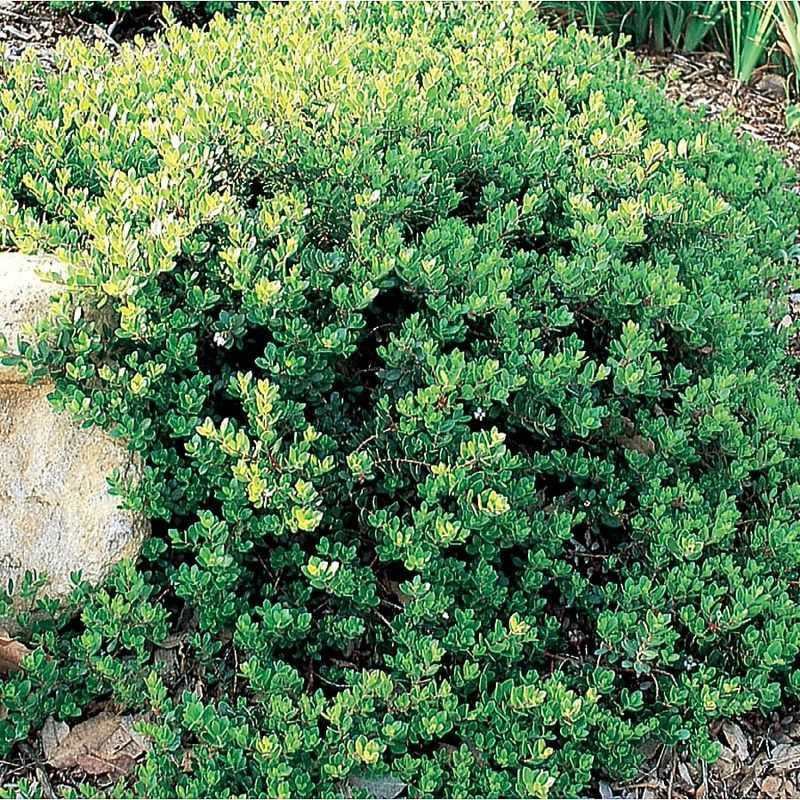
Weeds need light to sprout. That is a simple fact, and it is the reason dense ground covers work so well as a natural weed barrier.
Kinnikinnick grows low and tight, forming a mat that blocks sunlight from reaching the soil beneath it. Without light, most weed seeds never get a chance to take hold.
Bark dust does not offer this kind of protection. Even a fresh layer of bark still lets light filter through gaps, and weeds find those gaps fast.
Within a few weeks of a fresh bark application, you can already spot the first green sprouts pushing up. With kinnikinnick, that cycle simply does not happen the same way.
Oregon gardeners who make the switch often say weed pulling drops dramatically after the first couple of seasons. The mat gets thicker each year, and as it does, the weed pressure keeps going down.
Some gardeners report pulling only a handful of weeds per season once the plant is fully established. That is a huge change from the weekly pulling sessions that come with bark beds.
You will still need to do some weeding during the first year or two while the plant fills in. A little patience up front pays off in a big way later.
Pulling weeds early keeps them from competing with the young kinnikinnick plants as they get established.
Once that mat closes in, the plant largely handles the weed problem on its own with no sprays or extra effort needed from you.
4. Sunny Slopes Are Its Strongest Spot
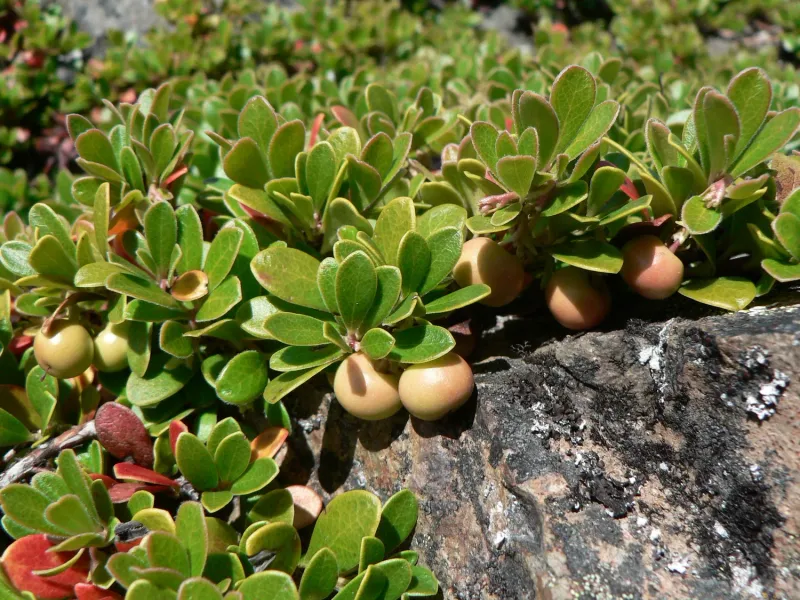
Steep, sunny slopes are some of the hardest spots to manage in any yard. Bark dust slides down them, gets washed away by rain, and burns out in summer heat.
Grass is a nightmare to mow on an angle. Most gardeners just give up and let those spots go weedy. Kinnikinnick was practically made for situations like this.
This plant is native to open, exposed terrain across North America. It grows naturally on rocky ridges, sandy banks, and dry hillsides where other plants struggle.
That background makes it unusually tough on slopes that get full sun and very little extra water. It does not just survive in those conditions. It actually thrives in them.
The roots grip the soil firmly, which helps prevent erosion on slopes that take the full force of heavy rain. The spreading stems form a dense, interlocking mat that holds everything together.
Oregon homeowners who have struggled for years with eroding banks often find that kinnikinnick solves two problems at once: it stabilizes the slope and makes it look attractive at the same time.
Planting on a slope does take a little extra care at the start. Staking young plants or using erosion cloth temporarily can help them get rooted before the rainy season kicks in.
Once they are anchored, the plants take over and do the rest. A south-facing slope that used to be a maintenance headache can become one of the easiest spots in the yard within just a few growing seasons.
5. Poor Soil Does Not Scare It Off
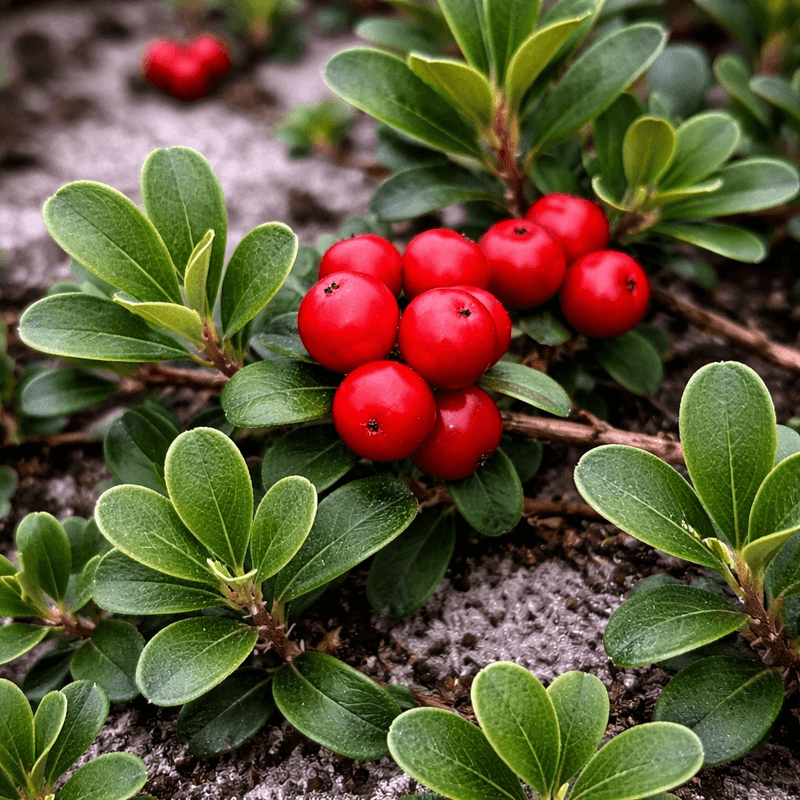
Not every Oregon yard has great soil. Some properties sit on compacted clay, rocky fill, or sandy ground that drains too fast.
Most ornamental plants struggle in those conditions and need expensive amendments just to survive. Kinnikinnick looks at poor soil and shrugs it off without missing a beat.
In its native habitat, this plant grows in some of the least hospitable ground you can find. Sandy coastal bluffs, thin rocky soils, and exposed gravelly banks are all places it calls home.
That natural toughness translates directly to tough spots in home gardens where other plants have repeatedly failed. You do not need to haul in bags of compost or special fertilizer to get it going.
Well-drained soil is actually what kinnikinnick prefers. Rich, heavy soil can cause problems by holding too much moisture around the roots.
Many of the challenging spots that homeowners dread, like the area under a roof overhang or the strip along a gravel driveway, turn out to be ideal for this plant. It rewards neglect in a way that most garden plants simply do not.
One thing to keep in mind is drainage. If your soil stays soggy for long periods, you may want to mix in some coarse sand or gravel before planting.
Beyond that, kinnikinnick really does not ask for much. Skip the fertilizer, skip the soil tests, and skip the worry.
Plant it where other things have failed, step back, and let it do what it was built to do in tough conditions.
6. Once Established, It Needs Little Summer Water
Summer water restrictions are a real concern for gardeners across Oregon. Dry summers have become longer and more intense in recent years, and keeping a yard looking good without running up a water bill is harder than it used to be.
Kinnikinnick is one of the best answers to that challenge that you can plant in the ground.
Once the roots are well established, usually after the first full growing season, this plant can get through most Pacific Northwest summers on rainfall alone.
It is naturally adapted to seasonal drought and does not need regular irrigation to stay healthy and green.
That alone can save homeowners a significant amount of time and money each year compared to other plantings that need frequent watering.
During the establishment phase, watering is more important. Young plants need consistent moisture for the first season to help their roots spread deep and wide.
Think of it as a short-term investment. A little extra watering in year one pays off with years of low water use after that.
Most gardeners find that by the second summer, they barely need to turn the hose on at all.
Bark dust has no water-saving benefit. It does not help the soil retain moisture in a meaningful way, and it does not reduce the need to water nearby plants.
Kinnikinnick actually shades the soil surface with its leaves, which slows evaporation and keeps roots a little cooler during heat spikes.
That is a practical advantage that bark dust simply cannot match no matter how thickly you spread it.
7. It Spreads Slowly, Not Aggressively
Aggressive spreaders can be a nightmare in the garden. Plants like English ivy or bishop weed take over fast and become nearly impossible to manage once they get going.
That is a fair concern when considering any ground cover, and it is one of the reasons kinnikinnick stands out so clearly from the crowd.
This plant spreads at a polite, manageable pace. The stems creep outward slowly each year, typically extending a few inches to a foot depending on conditions.
It fills in steadily over time, but it does not jump fences, invade neighboring beds, or climb up trees and shrubs the way invasive spreaders do.
Gardeners who are cautious about ground covers often feel much more comfortable once they learn how well-behaved kinnikinnick actually is.
That slow spread does mean you need a little patience. You will not have full coverage in the first season, and that can be frustrating when you are used to bark dust providing instant results.
Planting starts closer together, about 18 to 24 inches apart, helps speed up the coverage without creating an overcrowded mess. Mulching lightly between plants in the first year also helps keep weeds down while the kinnikinnick fills in.
Once it reaches the edge of a bed, it is easy to trim back with basic hand pruners. No special tools or heavy effort required.
Gardeners in Oregon who value control over chaos tend to appreciate this quality more than almost anything else about the plant. It grows on your terms, not its own.
8. White Spring Flowers Add Quiet Detail
Most people choose kinnikinnick for practical reasons: low water, weed suppression, tough soil tolerance. But there is a seasonal bonus that tends to catch gardeners off guard the first time they see it.
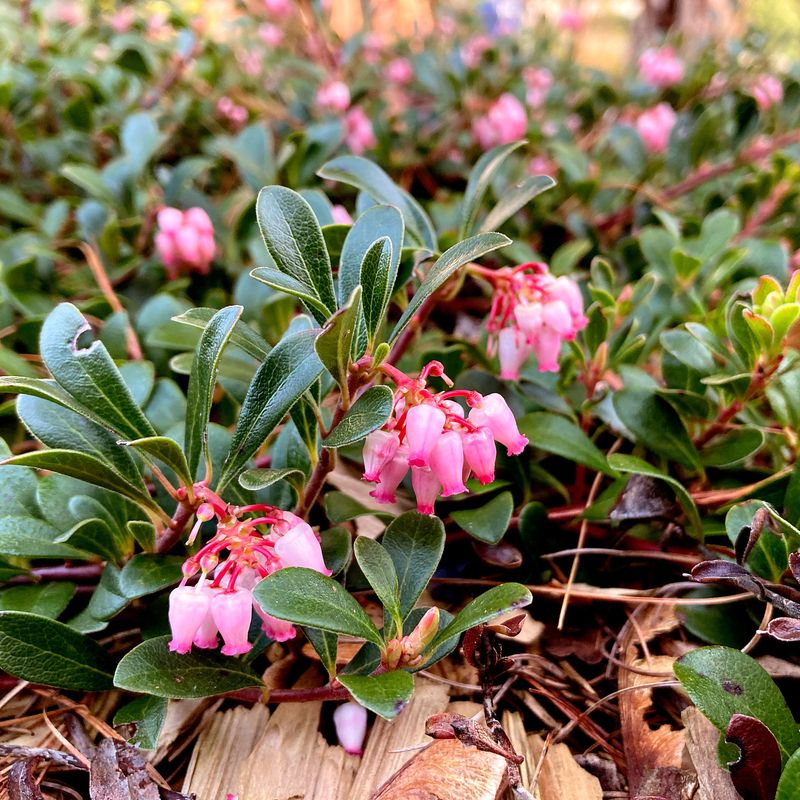
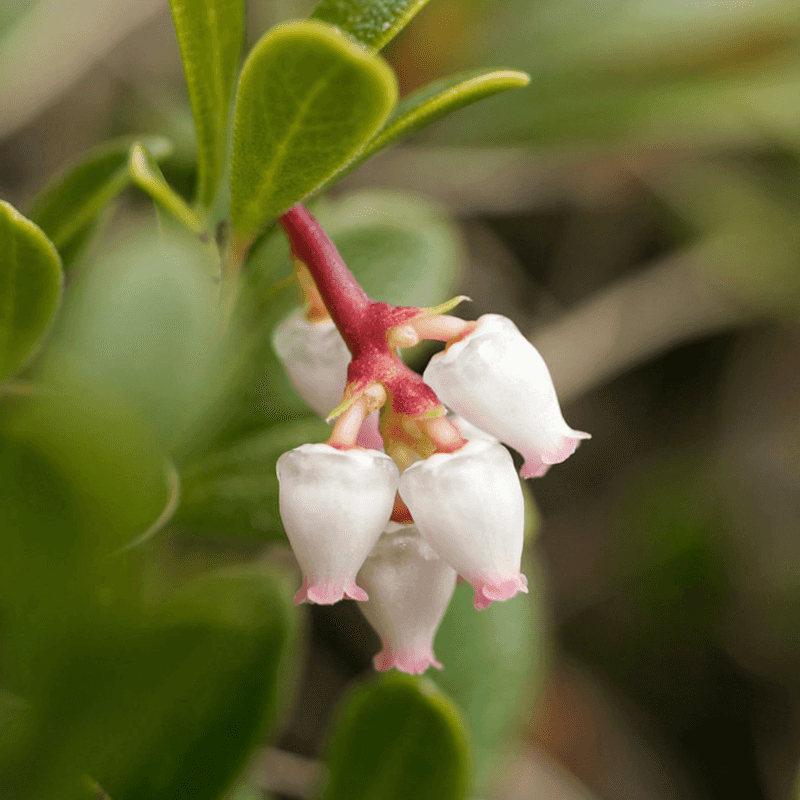
In early spring, the plant produces small clusters of white to pale pink flowers that are easy to miss at first glance and genuinely charming up close.
The flowers are tiny and urn-shaped, similar to those of blueberry or huckleberry plants, which makes sense since they are all related. They dangle in small clusters from the tips of the stems, nodding gently in the breeze.
They are not showy in the way that tulips or rhododendrons are showy. The beauty here is subtle and understated, which suits the plant perfectly.
Pollinators, especially native bees, find those flowers early in the season when not much else is blooming yet.
Watching a bumblebee work through a mat of kinnikinnick flowers on a warm April morning is one of those small garden moments that makes the whole project feel worthwhile.
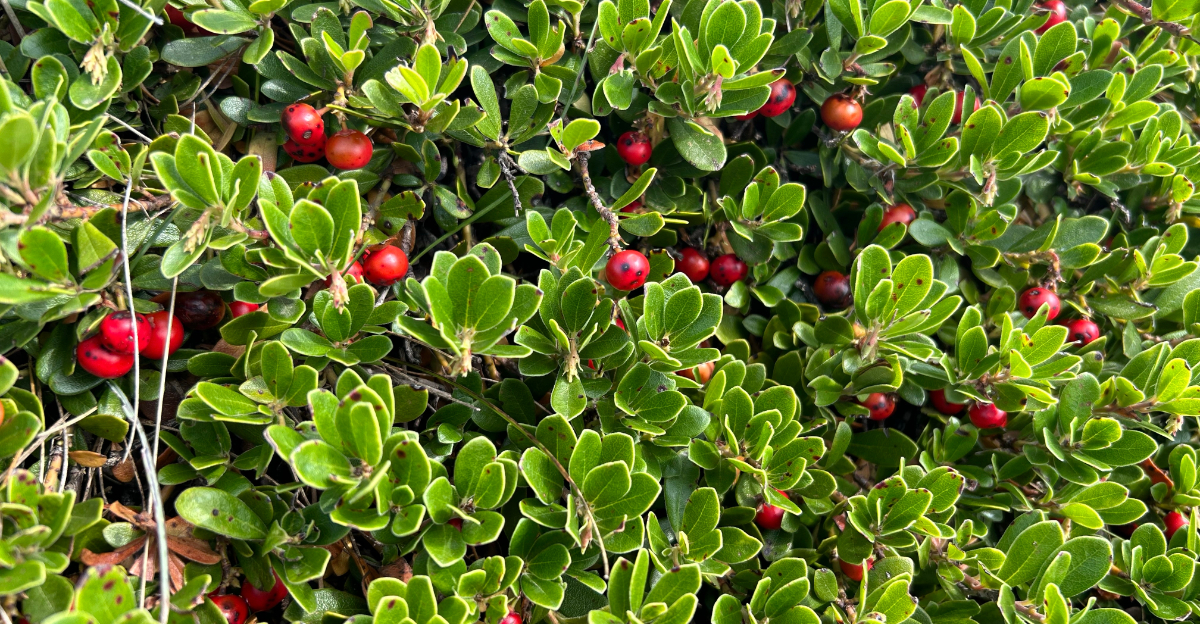
After the flowers fade, bright red berries follow in late summer and fall, adding another layer of visual interest and providing food for birds.
Bark dust offers none of this seasonal interest. It just sits there looking the same in March as it does in October.
Kinnikinnick gives you something different to notice every few months, from new spring growth to flowers to berries to winter foliage color. For a plant that asks so little, it gives back quite a lot in return.