8 Habits Of Highly Successful Texas Gardeners
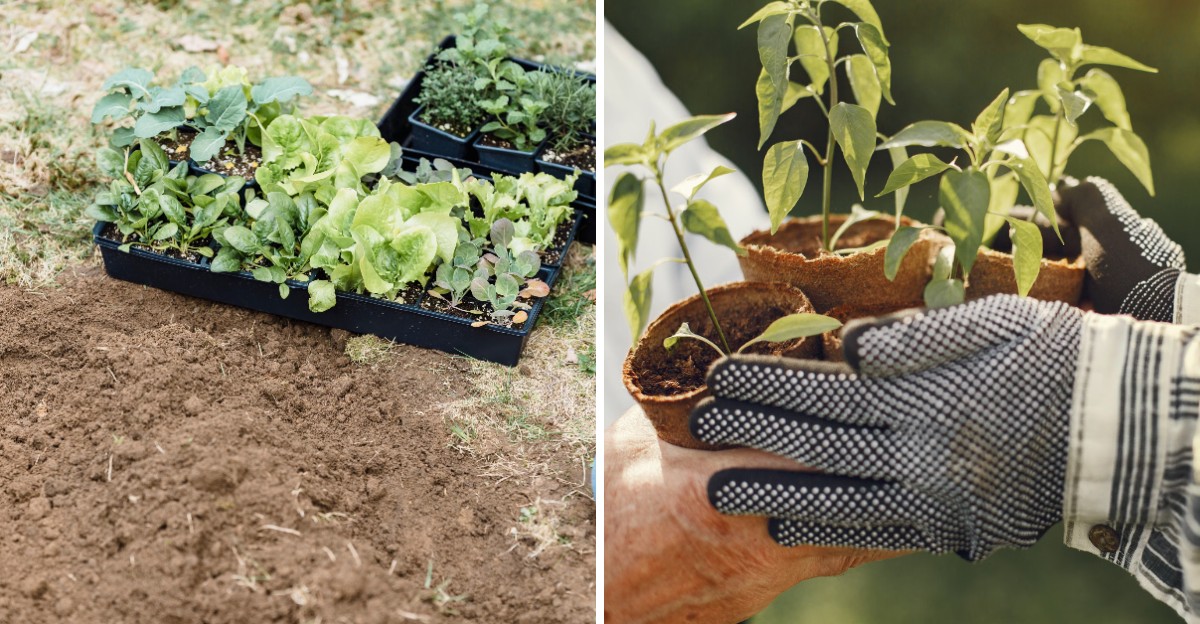
Gardeners in Amarillo can see snow in April while Brownsville growers are already picking their first spring tomatoes. Texas spans USDA hardiness zones 6 through 10, which means one state holds several very different gardening worlds.
Summer often tests plants harder than winter, with long stretches of heat above 100 degrees in many towns. I have to admit that my first August garden taught me more humility than any book ever could.
The gardeners who thrive here seem to follow a few quiet routines that look simple from the sidewalk. You might notice their beds stay green in July while neighbors are dragging hoses and sighing loudly.
Personally, I think their secrets have less to do with luck and more to do with steady choices. Here’s what these Texas pros are doing differently.
1. Smart Gardeners Pick Native Turk’s Cap And Autumn Sage
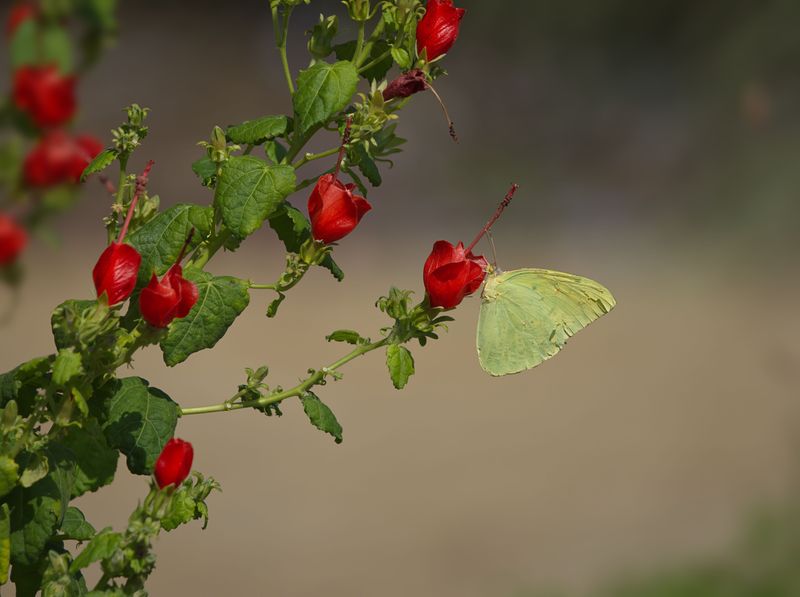
Turk’s cap blooms happily in dry shade where fussy plants sulk, and hummingbirds visit its red flowers through summer.
I love how this tough native, Malvaviscus arboreus var. drummondii, shrugs off heat that flattens imported annuals.
Successful growers start every project by matching each plant to the sunlight and soil already waiting in their yard. They check both the USDA hardiness zone and the AHS heat zone before buying a single pot.
Autumn sage, or Salvia greggii, is another favorite because it handles drought once its roots settle in. Its small flowers come in shades of red and pink, and bees visit them from spring into fall.
Native plants evolved with local weather, so they usually need less water and fewer sprays than exotic picks. They also feed butterflies and native bees, which turns a simple flowerbed into a busy little habitat.
Regional differences matter too, because a plant that loves sandy eastern soil may sulk in western caliche.
Texas A&M AgriLife’s Earth-Kind plant selector helps you quickly filter suitable choices by region and growing conditions.
Personally, I can’t imagine fighting to keep a thirsty azalea alive in hot alkaline clay each August. Picking the right plant first saves you money now and plenty of disappointment later in the season.
Visit a local native plant sale or botanical garden and notice which shrubs look relaxed in midsummer. Those confident performers make excellent candidates for your own beds, and they rarely ask for much.
2. Drip Lines Water Tomato Roots At Dawn
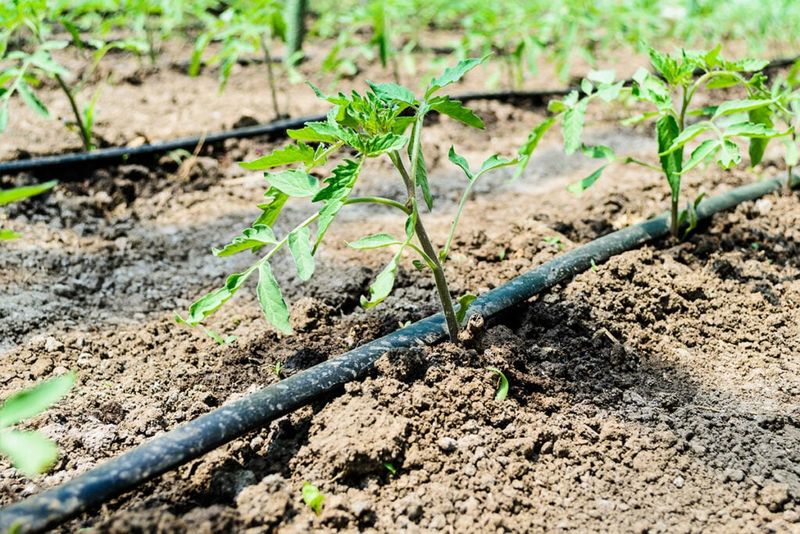
Sprinklers running at 3 p.m. lose plenty of water to hot air and wind before it reaches any roots. Watching that mist drift onto my driveway one July finally pushed me toward drip irrigation for good.
Drip lines and soaker hoses deliver water slowly at soil level, right where hungry roots can use it. Leaves stay dry with this method, which also helps reduce fungal problems on tomatoes and squash.
Early morning is the sweet spot for watering because cooler air means less moisture escapes into the sky. Many cities across the state also limit daytime sprinkler use during summer, so check your local rules.
Deep, infrequent soaking trains roots to grow downward, where the soil stays cooler and moister between waterings.
Most established landscapes do well with about an inch of water each week, including any rainfall.
You can measure that inch easily by setting a few empty tuna cans out while the system runs. Once they hold about an inch, note the minutes and use that timing for future watering sessions.
Rain barrels add another clever source, catching runoff from roofs that would otherwise rush down the street. A modest storm can fill a barrel quickly, giving potted herbs a free drink during dry spells.
Walk your lines each month and look for leaks or sprinkler heads spraying the pavement instead of plants. Small fixes like these save gallons over a long summer, and your plants will look noticeably happier.
3. A Thick Layer Of Shredded Mulch Shields Garden Roots
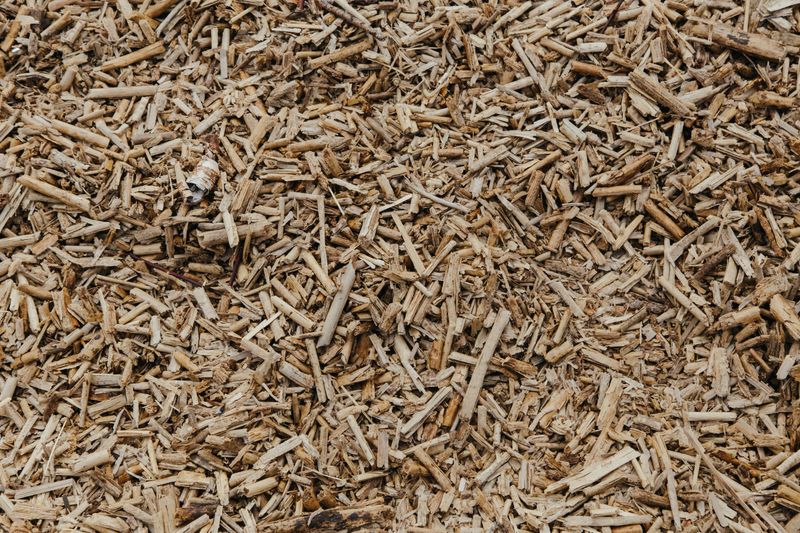
Bare soil in full summer sun can get hot enough to stress roots, while mulched soil stays noticeably cooler. Honestly, I think mulch is the cheapest air conditioner any hardworking garden bed will ever get.
A layer about two to four inches deep slows evaporation, so moisture lingers in the soil much longer.
That same blanket blocks sunlight from weed seeds, which means fewer sweaty afternoons spent pulling stubborn sprouts.
Shredded hardwood and pine straw are popular choices, and both break down slowly into helpful organic matter.
Many experienced growers also rake fallen oak leaves into beds, which costs nothing at all and works beautifully.
Native cedar mulch, often made from Ashe juniper, is another regional favorite that resists matting down. Keep any mulch a few inches away from tree trunks and stems to prevent rot and pest problems.
Those tall mulch volcanoes piled around trees look tidy, but they trap moisture against bark and invite trouble. A flat, even layer shaped like a donut works far better for both roots and trunks.
Heavy rains wash bare topsoil away quickly, yet mulch softens the impact of each falling drop. Earthworms and soil microbes love the shelter, and they slowly mix decaying mulch into the ground below.
Check your beds each spring and again in fall, then top them off wherever the layer has thinned out. You might be amazed how much calmer your plants look once their roots stay shaded and cool.
4. Rich Compost Turns Heavy Clay Into Crumbly Garden Soil
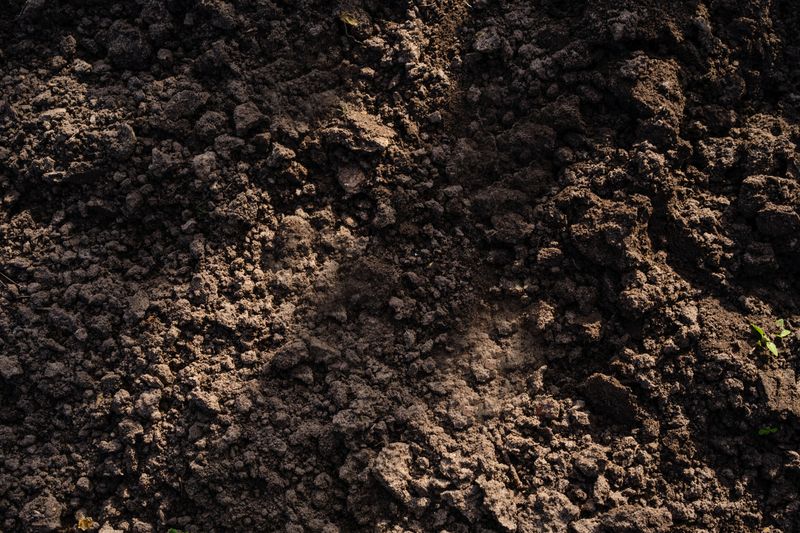
Blackland Prairie clay can swell when wet and crack wide open in drought, sometimes enough to swallow a trowel. Gardeners in other regions wrestle with thin rocky limestone or sandy soil that drains like a sieve.
Whatever lies beneath your feet, compost is the friendly fix that successful growers happily keep reaching for. It loosens sticky clay and helps sandy ground hold moisture, which feels a little like garden magic.
Spreading two or three inches of finished compost over new beds and mixing it in gives roots an easier start. Adding a fresh inch on top each season keeps the soil steadily improving year after year.
Soil testing takes the guessing out of fertilizing, and Texas A&M AgriLife offers affordable tests through its lab. Results show pH and nutrient levels, so you add only what your hungry plants truly need.
Many soils across the central and western regions are alkaline, which can limit iron for some plants. Yellow leaves with green veins often point to this common problem, and a test helps confirm it.
Raised beds offer a handy shortcut when your native ground is shallow rock or soggy clay. You can fill them with a quality soil blend and skip several years of slow amendment work.
One lesson I learned the hard way is to avoid digging clay while it is still soggy. Working wet soil squeezes out air pockets, leaving hard, brick-like clods that roots struggle to push through.
5. Ladybugs And Lacewings Help Control Garden Aphids
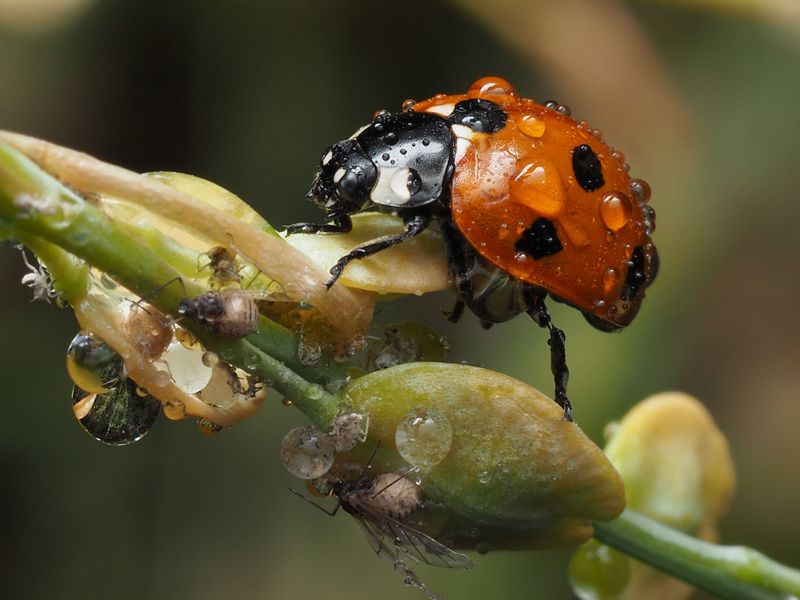
A single ladybug larva can eat hundreds of aphids as it grows into a spotted adult beetle. I love spotting those little alligator-shaped larvae on my backyard roses, because they mean free pest control.
Smart gardeners practice integrated pest management, often called IPM, which favors prevention before reaching for any sprays.
The goal is balance, keeping pest numbers low enough that plants stay healthy and keep producing well.
Healthy plants with good spacing and airflow resist many problems on their own, so cultural care comes first. Rotating vegetable families between beds also keeps soil-borne troubles from quietly building up season after season.
Lacewings and tiny parasitic wasps join ladybugs as hardworking allies, and blooming native flowers keep them nearby.
Plants like dill and native frogfruit offer nectar and shelter that encourage these good guys to stick around.
Walk your garden every few days and flip a few leaves, since aphids and spider mites love hiding underneath. Catching trouble early means a small cluster gets handled before it spreads across the whole vegetable bed.
A strong blast from the hose knocks aphids off stems, and hand-picking tomato hornworms works well too. Personally, I find dropping caterpillars into soapy water oddly satisfying on a quiet early summer morning.
When sprays become necessary, choose gentle targeted options such as insecticidal soap and follow every label direction carefully.
Broad-spectrum chemicals often harm the helpful insects too, which can make pest problems even worse over time.
6. Planting Calendars Guide Spring And Fall Vegetable Gardens
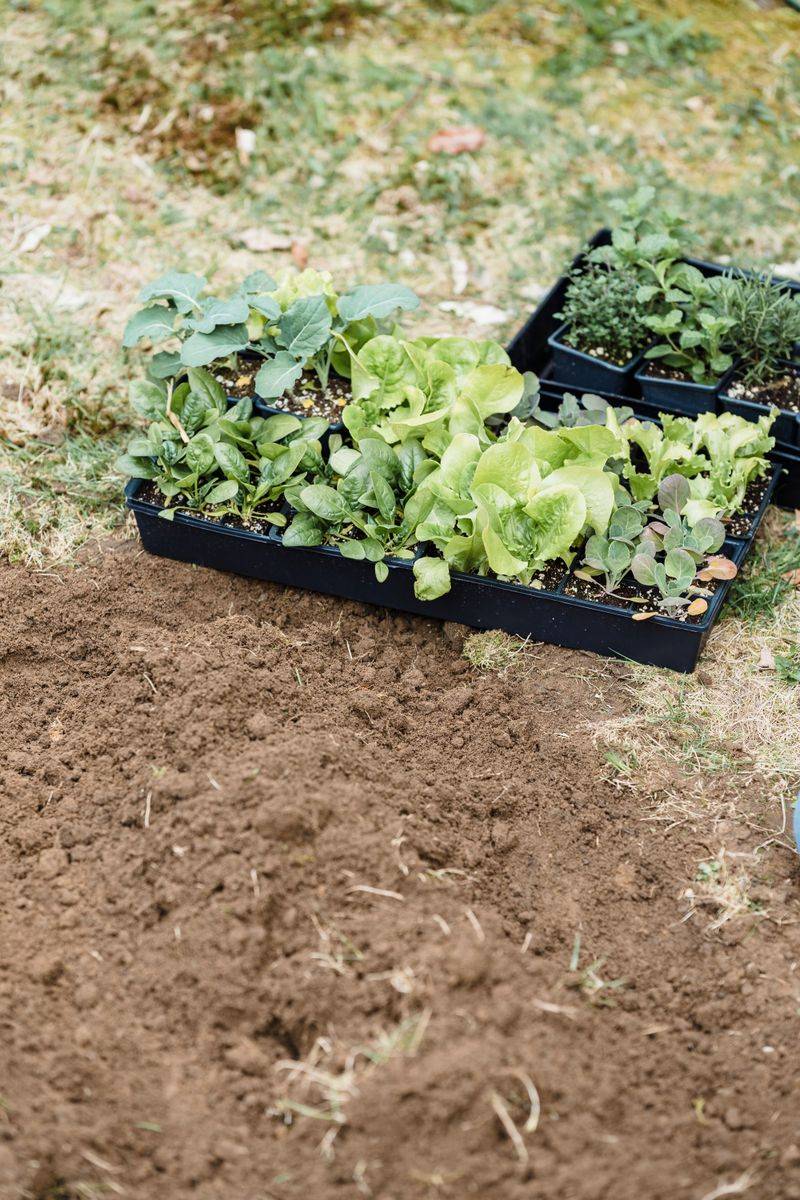
Many seasoned growers plant tomatoes twice a year, once in early spring and again in midsummer for fall harvests. That second planting surprised me the first time, but it makes sense once you understand the heat.
Tomatoes struggle to set fruit when nights stay above 75 degrees and days climb into the mid-90s. Planting early in spring gives them time to produce before summer shuts the flower factory down.
Successful gardeners lean on local planting calendars from their county extension office instead of national seed packets.
Dates shift a lot between regions, since Lubbock and Houston can differ by several weeks or more.
Average last frost dates guide spring planting, while first frost dates help you time fall crops. Counting backward from that first frost tells you when to set out broccoli and other cool-season favorites.
Fall is often the most rewarding season here, because cooling weather lets leafy greens grow sweet and tender. Spinach and kale handle light frosts well, and their flavor often improves after a chilly night.
Ornamental plantings follow seasons too, and autumn is a great window for setting out trees and shrubs.
Roots keep growing in warm soil through winter, so new plants face their first summer far better prepared.
I keep a simple notebook of planting dates and results, and it has become my favorite garden tool. You might find that a few written notes help you beat the heat with better timing next year.
7. Daily Garden Walks Catch Yellow Leaves And Pests Early
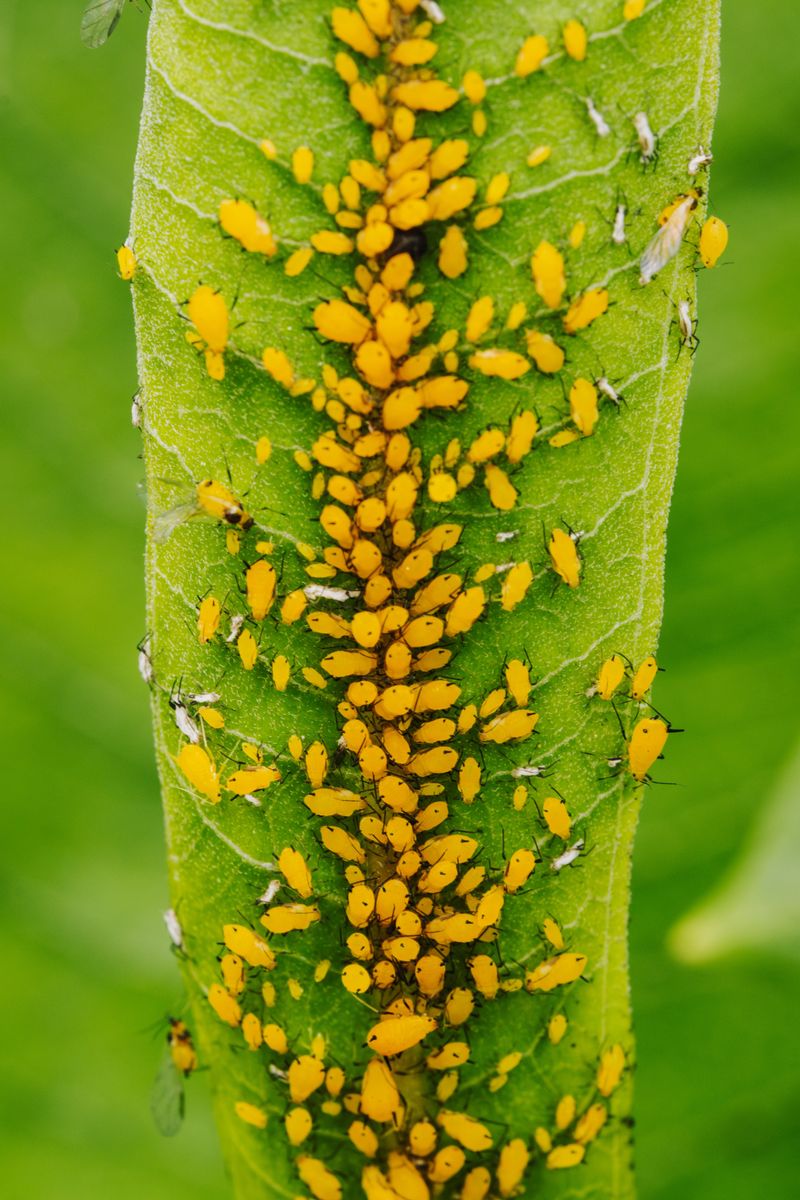
Coffee in hand, a slow morning stroll through the beds reveals more problems than any fancy gadget can. Top gardeners treat these walks as a habit, and they notice tiny changes long before trouble spreads.
Curling leaves or sticky residue on stems often signal sap-sucking insects hiding nearby on the plant. Wilting at noon can be normal in heat, but wilting at sunrise usually means plants need water.
I find these quiet rounds calming, and they often reveal surprises like a hidden cucumber or fresh bloom. Spotting a monarch caterpillar munching on native milkweed is the kind of tiny moment that brightens a week.
Weeds steal water and nutrients from your plants, especially during dry stretches when every drop matters. Pulling a handful of weeds daily after watering is far easier than tackling a jungle once a month.
Clearing fallen fruit and diseased leaves promptly removes hiding places where pests and fungi like to overwinter.
Toss diseased material in the trash rather than the compost pile, since many home piles don’t get hot enough.
Light pruning improves airflow through crowded shrubs, which helps leaves dry faster after summer rain or watering.
Hold off on heavy fertilizing when plants look heat-stressed, because pushing new growth then often backfires.
Keep a small bucket with pruners and gloves by the door so quick fixes happen without excuses. Ten mindful minutes each morning can save hours of rescue work later, and the views are lovely.
8. Patient Gardeners Learn From Master Gardener Classes
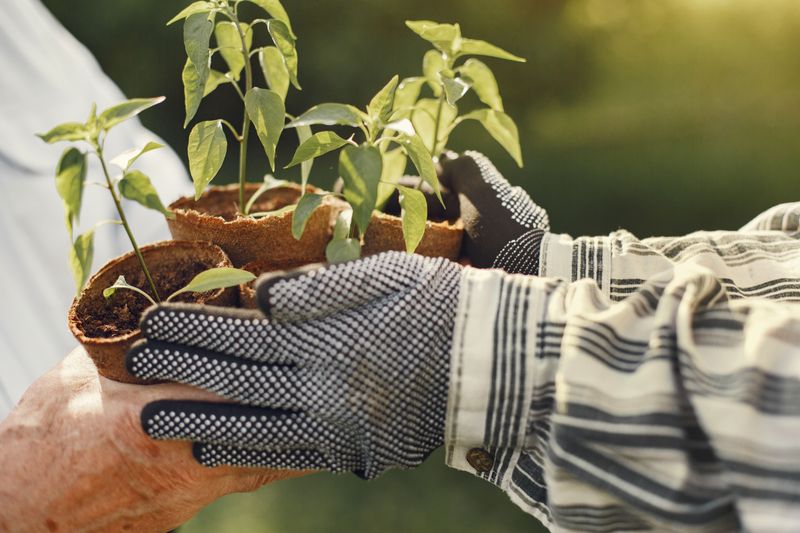
Even tough natives like cenizo spend their first year building roots before showing much growth above ground. Patience during that quiet stretch pays off, because deep roots carry plants through later droughts far more easily.
New plantings still need regular watering during establishment, even when the plant tag proudly promises drought tolerance. I suspect that detail trips up more eager beginners than hungry pests or poor soil ever do.
The Texas Master Gardener program trains volunteers through county extension offices, and their advice is pure gold.
Many counties host plant sales and free gardening talks where you can ask questions about your specific yard.
Garden clubs offer another friendly path, connecting you with neighbors who have already wrestled with your exact soil. Swapping cuttings and seeds at meetings is a fun bonus that fills beds without emptying wallets.
Pay attention to microclimates, since a sunny wall or a low spot can change conditions within a few feet. Frost often settles in low areas first, while brick walls hold heat that tender plants appreciate.
Every disappointing crop teaches something useful, so jot down what happened and adjust your plan next season. Plenty of gardeners discover that broccoli does far better planted in fall than in spring here.
Gardening in this state rewards curiosity, and the learning curve feels gentler with friends cheering you on. Give your plants time and keep asking questions, because next year’s garden will happily thank you for it.