7 Halloween Plants That Can Help Spookify Your Texas Garden
Texas has no shortage of naturally eerie plants. While most people decorate for Halloween with plastic skeletons and fake cobwebs, a few gardeners take a more creative approach.
They let the plants do the work. Dark, moody foliage adds drama to flower beds. Ghostly silver leaves seem to glow at dusk.
Strange shapes, twisted stems, and blood-red blooms bring a touch of mystery to porches and patios. Many of these plants thrive in Texas heat and keep looking great long after the candy is gone.
With the right mix, your garden can feel delightfully creepy all season without a single store-bought decoration. These plants bring the spooky vibes naturally.
1. Red Spider Lily Brings Overnight Surprises
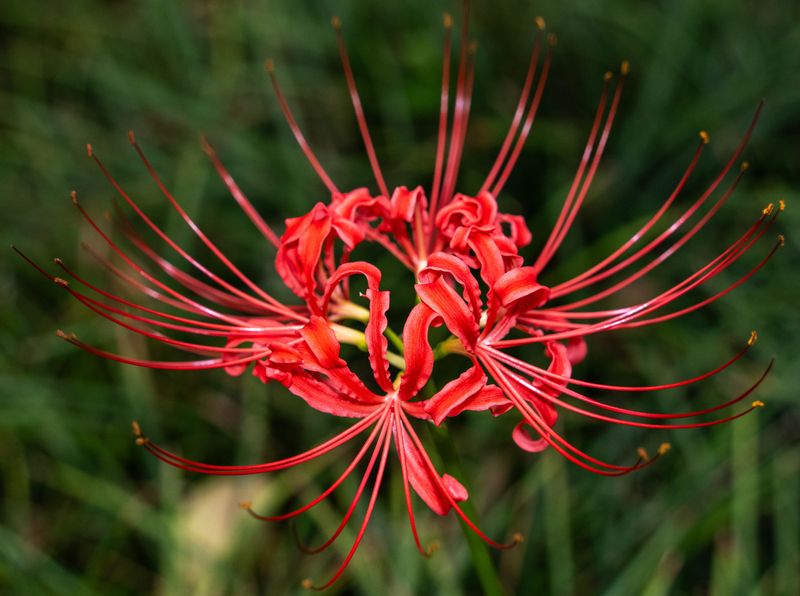
One morning your flower bed looks empty. The next day, bright red flowers are standing tall like they appeared by magic. Red spider lilies love to play that trick, and it makes them a true Halloween star.
These bulbs bloom in late summer and fall, often right after a good soaking rain. Each bare stalk holds a cluster of red flowers with long, curly parts that look like spider legs.
Many Texans call them hurricane lilies because they often show up during storm season.
The strangest part is the timing of the leaves. No foliage appears while the flowers are open.
Thin green leaves only come up after the blooms fade, and they stay through winter. That bare-stalk look gives the plant a ghostly feel that fits October perfectly.
Planting is easy. Set bulbs about 6 inches apart with the neck just at the soil line. Pick a spot with morning sun and afternoon shade if you live in a hot part of the state. Well-drained soil keeps the bulbs from rotting.
After planting, try to be patient. Some bulbs skip blooming the first year while they settle in. Once happy, they multiply and come back stronger each fall.
Leave the leaves alone in winter and spring. They feed the bulb for next season. Cut them only after they turn yellow on their own.
Keep safety in mind too. The bulbs are toxic if eaten, so plant them away from curious pets and small kids.
Wear gloves when dividing clumps. Handled with care, these lilies will haunt your garden in the best way every single fall.
2. Oxblood Lily Carries Texas History
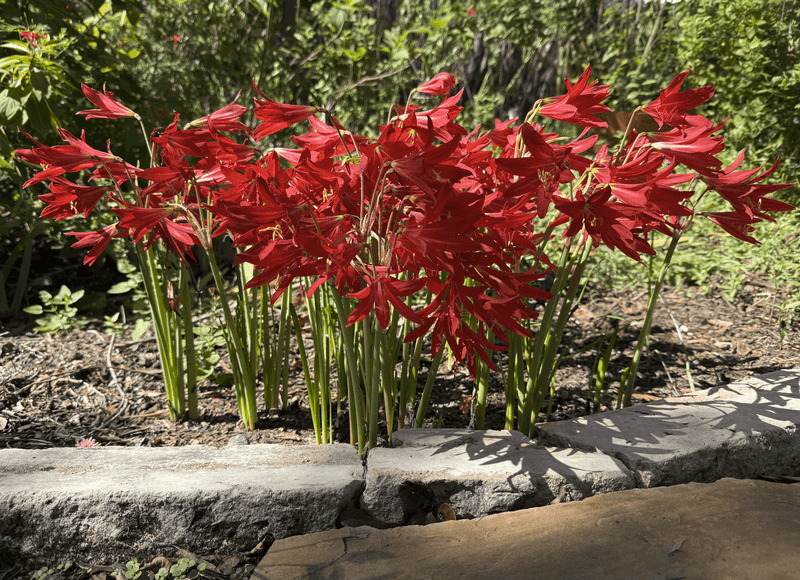
Ask an older Texas gardener about oxblood lilies, and you might hear a story about Grandma’s yard.
These heirloom bulbs have been shared over fences and passed between families for well over a hundred years. Many clumps in Central Texas came from German settlers in the 1800s.
The flowers are a deep, rich red, almost like dried blood. Each one is shaped like a small trumpet. They pop up on tall stems in late summer and early fall, usually after the first big rain breaks the heat.
That sudden show is part of the fun. One day there is nothing, and soon a whole patch is glowing red. For Halloween lovers, the dark color is hard to beat.
Your Texas Garden Changes Every Week. Your Plan Should Too.
Gardening in Texas changes quickly throughout the season. Every Friday you’ll receive a simple weekly plan showing exactly what to plant, prune, fertilize, harvest, and protect so you never miss the right timing.
Oxblood lilies are tough as old boots. They handle clay soil, alkaline soil, drought, and heat without fuss. You rarely need to water them once they are settled. Pests seldom bother them either.
Plant the bulbs in summer or early fall, about 6 to 8 inches deep. Full sun or part shade both work. Group them in clusters of five or more for a bigger splash of color.
Like spider lilies, the leaves appear after the flowers. Let them grow through winter and fade in spring. That is how the bulb stores energy for next year.
Here is a fun bit of history. Oxblood lilies are native to Argentina, yet they feel totally Texan today. If a friend has an old patch, ask for a few extras. Sharing bulbs keeps a sweet family tradition going strong.
3. Bat-Faced Cuphea Puts Tiny Bats On Display
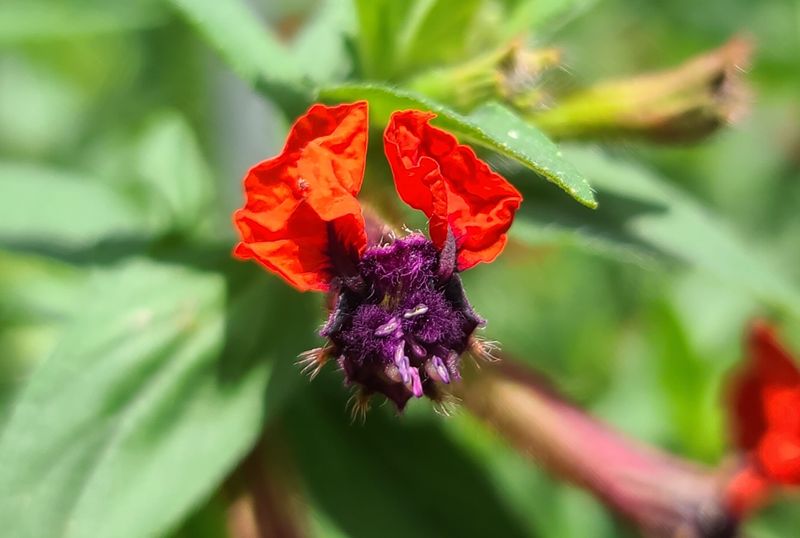
Lean in close, and you will see them. Tiny bat faces, peeking out from green leaves. Bat-faced cuphea might be the cutest spooky plant you can grow.
Each small flower has two bright red petals that stick up like ears. A dark purple center forms the face. Kids usually giggle the first time they spot the little bats hanging all over the plant.
This plant comes from Mexico, so Texas heat does not scare it one bit. It blooms from late spring right through fall. By October, a healthy plant can be covered in hundreds of flowers, just in time for Halloween.
Hummingbirds adore it. The tube-shaped blooms hold sweet nectar that fits their long beaks perfectly. Butterflies and bees visit too, so your garden will feel busy and alive.
Growing it is simple. Give it full sun or light afternoon shade. Plant it in soil that drains well, and water when the top inch feels dry. A bit of slow-release fertilizer in spring keeps the blooms coming.
Bat-faced cuphea grows about 2 feet tall and wide. That makes it great for pots, borders, and hanging baskets. Place one near your front door for a fun trick-or-treat surprise.
In South Texas, it often acts like a perennial and returns each spring. Farther north, a hard freeze may knock it back.
Cover it on cold nights, or bring a potted one into a garage. You can also take cuttings in fall to grow new plants. Either way, these little bats are worth the effort.
4. Devil’s Claw Grows Creepy Hooked Pods
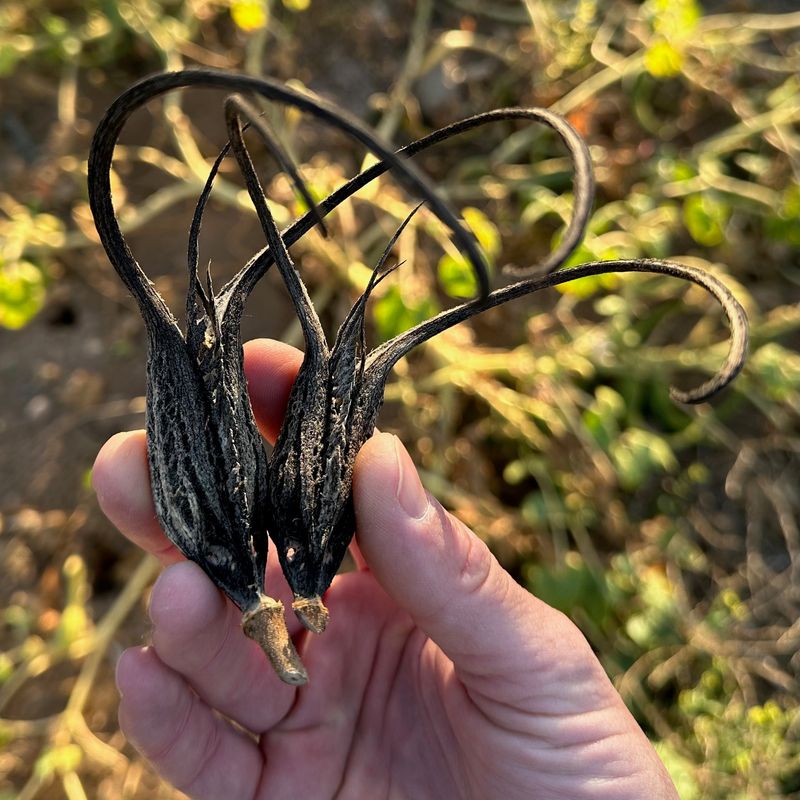
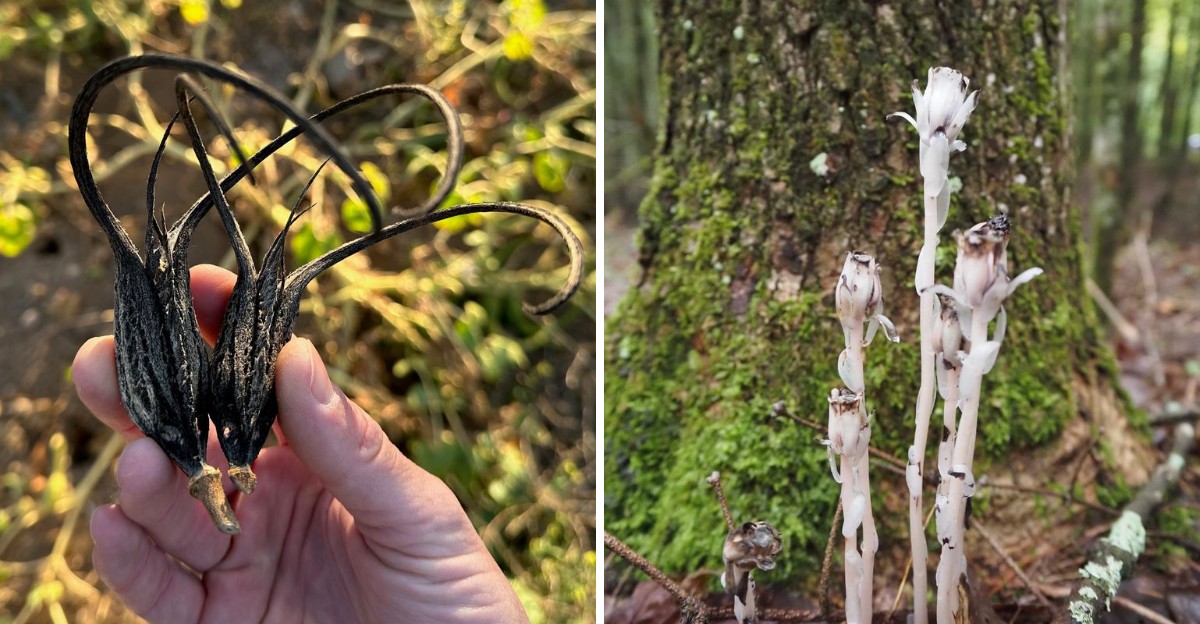
Few plants earn a name as wicked as devil’s claw. Its dried pods look like black, curling talons from a witch’s hand. Put a few in a bowl on your porch, and guests will stop and stare.
The plant starts out pretty sweet, though. This Texas native wildflower opens soft pink to purple blooms in summer. The flowers look a bit like snapdragons and often have yellow streaks inside.
After blooming, things get weird. Long green pods form with pointed tips. As they dry, the outer skin peels away and the pod splits into two sharp, hooked claws.
Those hooks have a clever job. In the wild, they grab onto the legs of passing deer, cattle, and other animals. The animal carries the pod away, and seeds spill out along the trail. Nature found a sneaky way to travel.
Growing devil’s claw is easy if you have sun and space. Sow seeds directly in the ground after the last spring frost. Soaking them overnight helps them sprout. Sandy or rocky soil works fine, and the plant handles drought well.
Give each plant about 3 feet of room, since it spreads wide. Water young plants weekly until they are established.
Wait until late summer or fall to harvest. Let pods dry on the plant until they turn dark. Wear gloves, because the claws are sharp. Some Native American groups once wove the black fibers into baskets.
Today, the dried claws make amazing Halloween wreaths, table pieces, and spooky craft projects.
5. Ghost Plant Adds A Pale, Eerie Glow
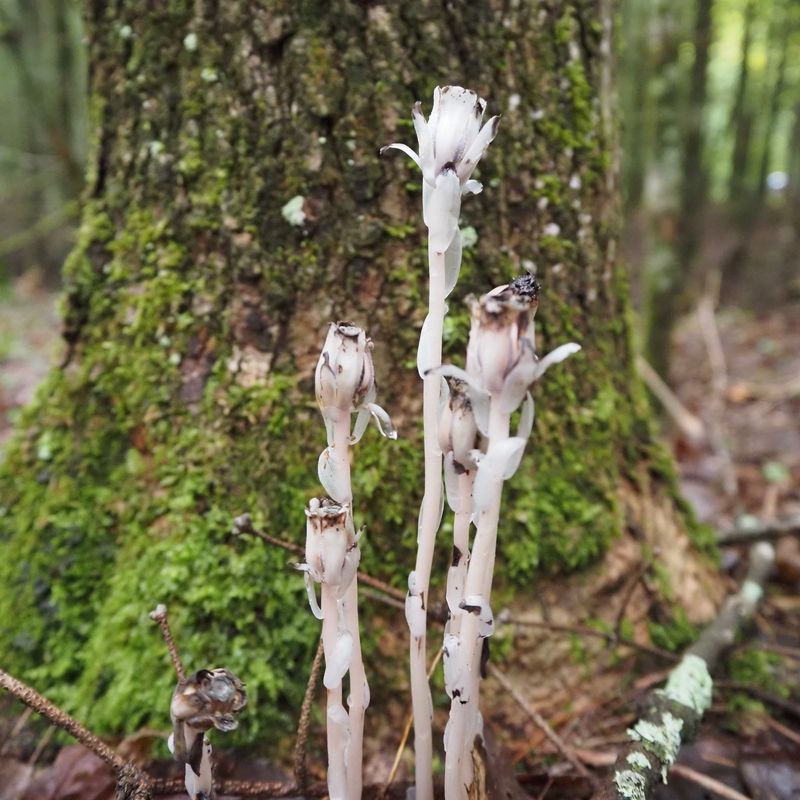
Under the moonlight, ghost plant almost seems to glow. Its pale gray rosettes have a soft, powdery coating that makes them look like they belong in a haunted garden. Some leaves even blush pink when the weather turns cool.
Ghost plant is a succulent from Mexico. Its thick leaves store water, so it shrugs off dry spells. That makes it a smart choice for Texas gardeners who want less watering and more style.
The rosettes trail and spill as they grow. Stems stretch out and dangle over edges, which looks lovely in tall pots, hanging baskets, and rock walls. Tuck one into a cracked old teacup or a small cauldron for a fun October display.
Care is very simple. Plant it in gritty, fast-draining soil, like cactus mix. Give it full sun to bright shade.
Water only when the soil is completely dry, and then let it dry again. Soggy roots are its biggest enemy.
The color changes are part of the fun. More sun and cooler weather bring out pink and lavender tones. In deep shade, it stays gray-blue.
Freezes are the main worry. Ghost plant can handle a light chill, but a hard freeze may damage it. Keep it in containers if you live in North Texas so you can move it inside.
Here is a neat trick. A single fallen leaf can grow a whole new plant. Set it on dry soil, wait a few weeks, and tiny roots will appear. Soon you will have a small army of ghosts.
6. ‘Black Magic’ Elephant Ear Casts A Dark Spell
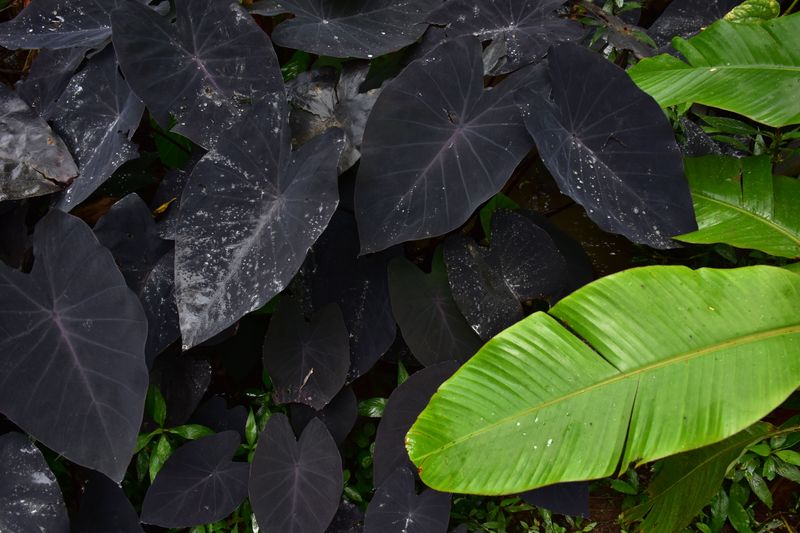
Some plants whisper. ‘Black Magic’ elephant ear makes a loud statement. Its giant, heart-shaped leaves are a dusky purple-black that looks dramatic in any yard.
A full-grown plant can reach 3 to 6 feet tall. Each leaf can be as big as a serving tray. Plant a few together, and you get a shadowy jungle that feels mysterious, especially at dusk.
Heat is no problem for this beauty. It actually grows faster when Texas summers are hot and steamy. The dark leaves stay strong through fall, right until the first frost arrives. That timing makes it perfect for Halloween.
Water is the key to success. Elephant ears love moist soil and can even grow near ponds. Water deeply a few times a week in summer. Add mulch to hold in moisture.
For the best color, give it morning sun and some afternoon shade. Too much harsh sun can scorch the leaves. Too much shade can turn them greenish. Feed it with a balanced fertilizer every month during the growing season.
Containers work great too. Use a big pot with good drainage, and place it by your front steps. Surround it with orange pumpkins for a striking color contrast.
When frost turns the leaves mushy, cut them back. In South and Central Texas, the tubers often survive in the ground with a thick layer of mulch.
In colder areas, dig them up, let them dry, and store them in a cool spot. Replant in spring, and the magic starts again.
7. ‘Black Pearl’ Ornamental Pepper Delivers Halloween Colors
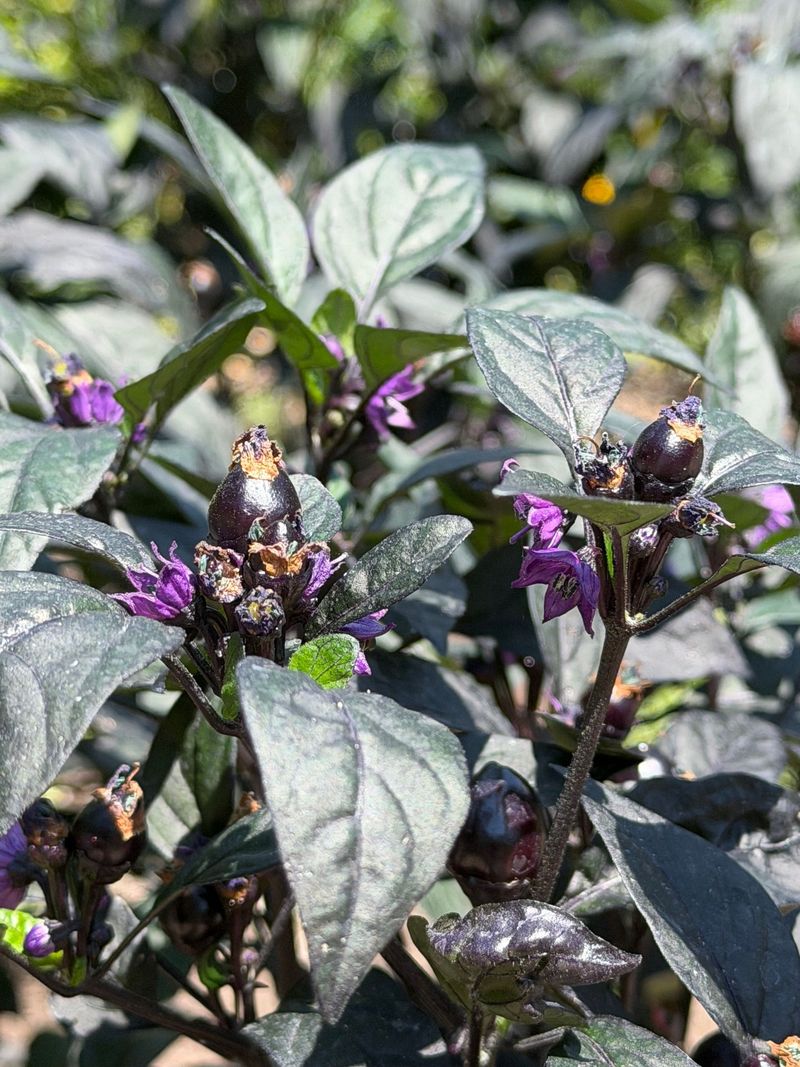
Orange gets most of the Halloween love, but black and red are just as festive. ‘Black Pearl’ ornamental pepper wears both colors at once. It looks like it was designed for a costume party.
The leaves are a deep purple-black that almost looks painted. Small round peppers form in clusters and start out shiny black, like little pearls.
As they ripen, they turn bright, glowing red. Many plants show both colors at the same time in fall.
This pepper won an All-America Selections award, which is a big honor in the plant world. Gardeners loved its bold looks and strong growth.
Texas heat suits it well. In fact, the darkest leaf color shows up in full, hot sun. Shade makes the foliage turn greener, so give it at least six hours of direct light.
Plant it in spring after the soil warms up. It grows about 18 inches tall and wide, so it fits nicely in pots and garden edges. Water when the top inch of soil is dry. A light dose of fertilizer every few weeks keeps it full and healthy.
By September and October, the plant hits its peak. Group several pots on your steps with mums and pumpkins for an easy fall display.
A quick word of caution is helpful here. The peppers are edible but very hot. Most people grow them for looks, not for cooking.
Teach kids not to taste them, and wash your hands after picking. Enjoy this fiery little plant as a living Halloween decoration.