The Ohio Yard Feature That Groundhogs Target Every Single Night
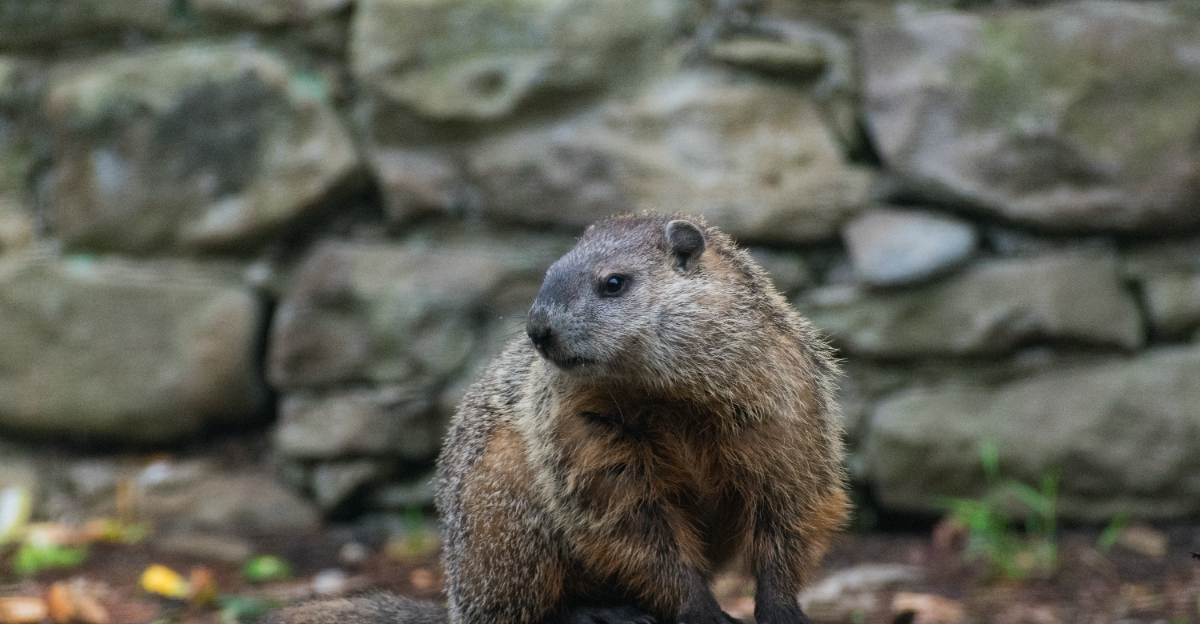
Groundhogs are not random about where they show up. They follow a reliable logic, night after night, and one specific Ohio yard feature draws them in more consistently than almost anything else on a residential property.
Most Ohio gardeners discover they have a groundhog problem the hard way. Something that was thriving yesterday is gone this morning, and the evidence left behind makes it clear the visit was not the first one.
Groundhogs are systematic. They find what they are looking for, establish a route, and return until something changes.
A yard that keeps getting hit is not just a target. It is a scheduled stop.
Still blaming the flower beds? That might be exactly why the problem keeps coming back.
The yard feature groundhogs are actually after is a lot more specific than most Ohio homeowners ever think to question.
1. Blame The Vegetable Bed Before The Flower Border
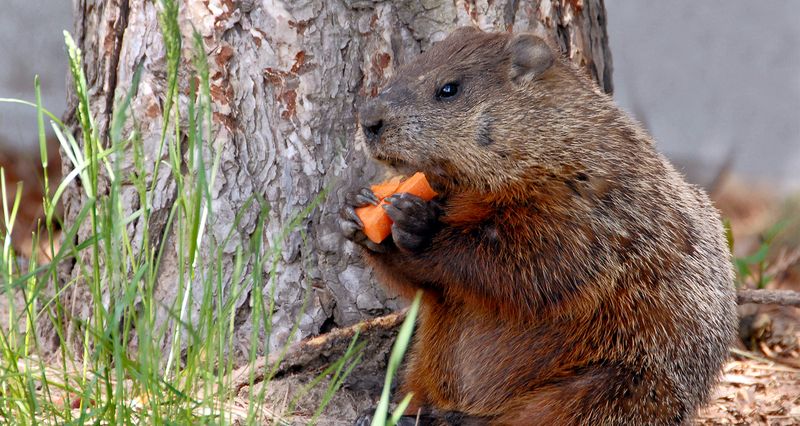
A torn-up flower border is upsetting, but it rarely tells the whole story. When groundhog damage appears in a yard, the vegetable bed is almost always the first place worth checking.
Groundhogs are drawn to tender, leafy crops and low-growing plants that are easy to reach and quick to eat.
According to the Ohio Department of Natural Resources, groundhogs commonly feed on garden vegetables and can cause serious damage to home gardens.
Greens, beans, peas, squash, melons, and tomatoes are among the crops that may take the hardest hits. Young seedlings and freshly sprouted rows are especially vulnerable because the plants are soft and close to the ground.
Flower beds can be bothered too, but a full vegetable garden usually offers more of the tender, calorie-rich food that groundhogs seek.
Not every clipped plant is a groundhog’s doing. Deer, rabbits, insects, and slugs can all cause similar-looking damage.
The key is to check the vegetable bed first, then look around for supporting clues. Fresh burrow openings, worn travel paths in the grass, and small droppings near the garden edge can help confirm what animal visited.
Start with the vegetables, compare the damage height and pattern, and then decide what you are dealing with before taking any next steps.
2. Look For A Burrow Near The Buffet

Finding a burrow close to a damaged vegetable bed is one of the clearest signs a groundhog has settled in for the long haul. Groundhogs do not travel far from home when an easy meal is available.
They tend to place their burrows near reliable food sources, and a well-stocked garden fits that description perfectly.
Burrow openings may appear along garden edges, near sheds, under decks, along fence lines, or beside brushy banks. The Ohio Department of Natural Resources notes that groundhog burrows can be extensive, with multiple chambers and entrances.
A main opening is usually wider than a rabbit hole and is often surrounded by a mound of loose, freshly dug dirt.
If you spot what looks like a burrow, watch from a distance rather than approaching it directly. Do not reach into, dig into, flood, or block an active burrow.
Your Ohio Garden Changes Every Week. Your Plan Should Too.
Gardening in Ohio changes quickly throughout the season. Every Friday you’ll receive a simple weekly plan showing exactly what to plant, prune, fertilize, harvest, and protect so you never miss the right timing.
Doing so can be dangerous and may not solve the problem. If a burrow is located near a foundation, walkway, shed, or other structure, contact a licensed nuisance wildlife control operator.
Your local OSU Extension office can also provide safe, professional guidance. Observing travel patterns from a distance, such as a worn path between the burrow and the garden, can help confirm the animal’s routine without putting anyone at risk.
3. Notice Cleanly Mowed Plants By Morning
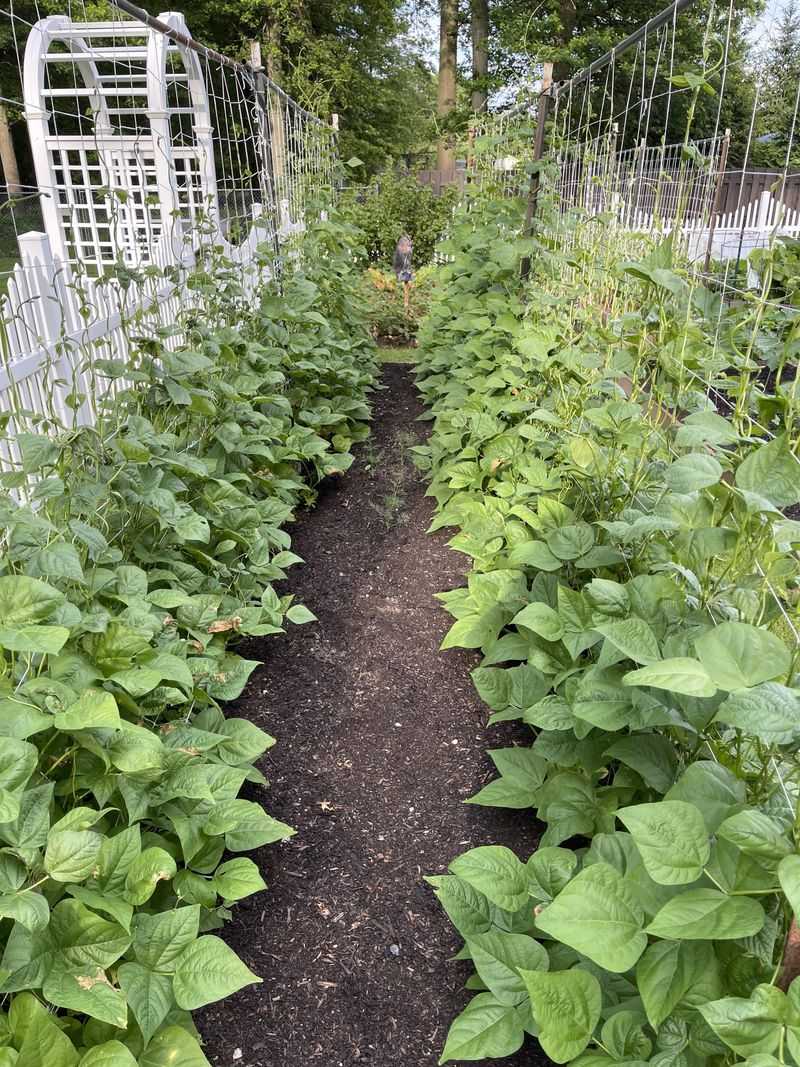
Stepping outside to find a row of perfectly trimmed bean plants is a jarring way to start the morning. The damage can look so neat and uniform that it almost seems intentional.
Groundhogs feed by biting through stems and leaves, which can leave plants looking clipped or heavily browsed. That tidy appearance is one reason this kind of damage catches gardeners off guard.
The timing seems mysterious because most people discover the evidence at dawn. However, groundhogs are not strictly nocturnal.
The Ohio Department of Natural Resources describes them as diurnal animals. That means they are most active during daylight hours, particularly in the early morning and late afternoon.
Feeding may happen at first light or near dusk, which makes it easy to assume the damage occurred overnight when it may have happened just before sunrise.
Other animals can also browse plants in ways that look similar, so do not jump to conclusions. Take a photo of the damage before disturbing the area.
Note how high the cuts are from the ground, check for large burrow openings nearby, and look for a worn path leading away from the bed.
Repeated damage in the same spot, especially to low-growing crops, is a strong indicator that one animal has found a reliable feeding routine.
Tracking the pattern over several mornings can help narrow down the cause.
4. Check Beans, Peas Greens, And Squash First
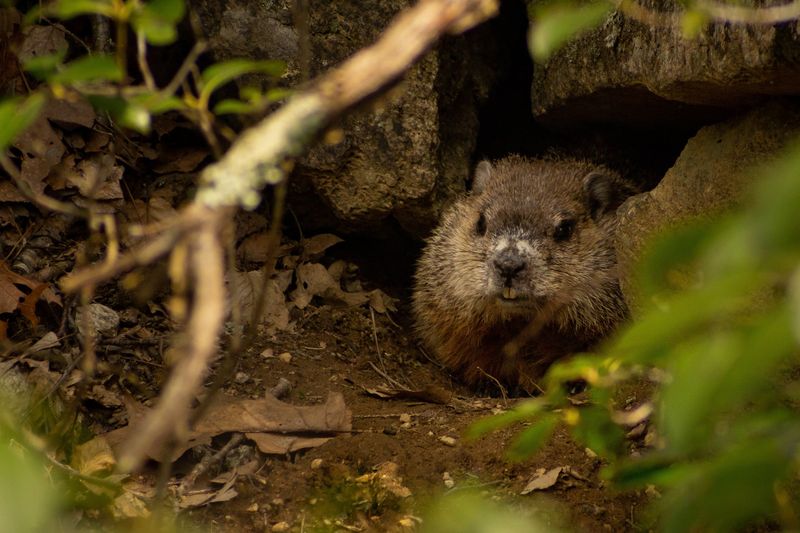
Not all vegetables face the same level of risk, and knowing which crops tend to draw the most attention can help you plan smarter. Tender, leafy plants and young seedlings are among the most commonly affected.
Beans and peas are frequently cited by university extension sources as crops that groundhogs may target. Leafy greens, squash, melons, and tomatoes also show up on lists of commonly browsed garden plants.
OSU Extension guidance emphasizes that groundhogs can consume large amounts of vegetation in a single feeding session. That means damage to a row of seedlings can appear sudden and severe.
Young plants are especially at risk because they are soft, low to the ground, and easy to reach without much effort. Ripe or nearly ripe produce can also disappear quickly if a groundhog finds it before you do.
Inspect new plantings frequently during the first few weeks after germination. That early window is when plants are most vulnerable and when a feeding habit is easiest to interrupt.
Harvest ripe produce promptly rather than leaving it on the vine. Consider adding a physical barrier around seedling rows before damage begins rather than after a pattern is established.
Checking these specific crops first when you notice any missing leaves or clipped stems gives you a head start on identifying the problem. It also helps you protect what is left of the planting.
5. Watch Fence Gaps At Ground Level
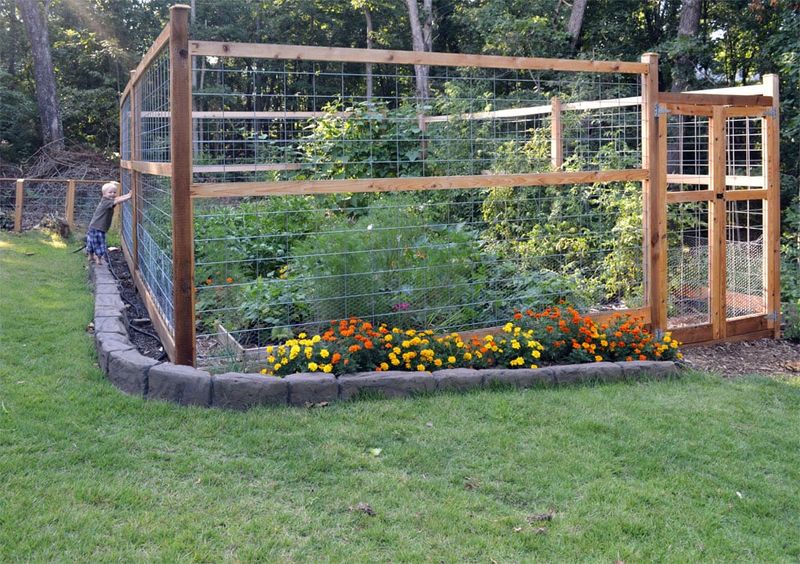
A fence around the vegetable bed can feel like a complete solution, but groundhogs are persistent and surprisingly capable diggers. Many gardeners add a fence and then stop checking it, which is exactly when gaps become a problem.
The bottom edge of any fence is the most vulnerable spot, and even a small opening can be enough for a groundhog to squeeze through or dig under.
University extension sources recommend using a sturdy wire mesh with openings no larger than three by three inches for garden exclusion.
Burying the bottom of the fence several inches underground, or bending it outward in an apron shape just below the surface, can help prevent digging.
Check corners, gate edges, and spots where the soil may have shifted or washed away after heavy rain.
Loose sections of mesh, places where stakes have leaned outward, and gaps near sheds or raised beds are all common weak points. Walk the entire fence line after any significant rainfall or freeze-thaw cycle, since soil movement can open new gaps quickly.
If damage continues after a fence is installed, the answer is almost always at ground level rather than at the top. Addressing those low entry points before planting season begins is far easier.
It beats trying to repair a fence while a groundhog is already feeding inside the perimeter every few days.
6. Remove Easy Cover Along Garden Edges
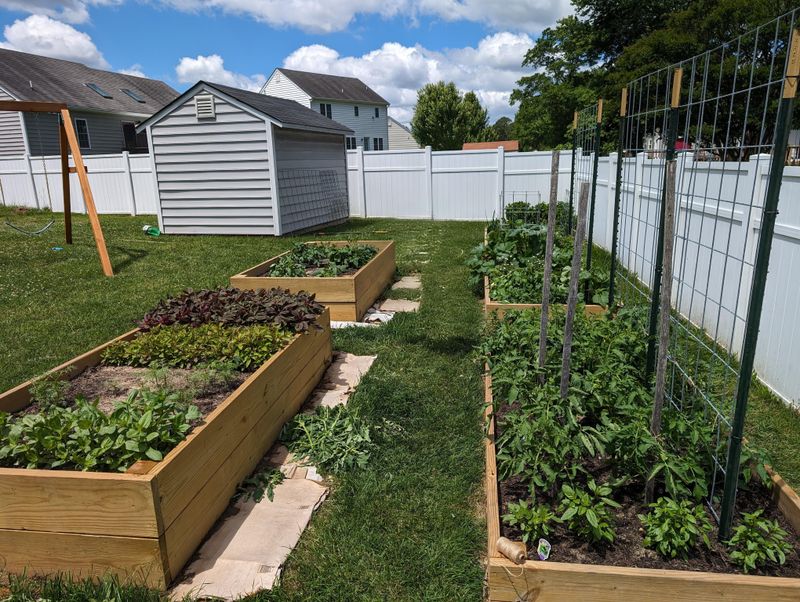
A well-stocked vegetable bed is more attractive when it sits next to a comfortable hiding spot. Tall weeds, brush piles, stacked lumber, dense ground cover, and unmanaged edges near a garden can give groundhogs a sheltered travel corridor.
That kind of cover reduces the open space they have to cross, which makes a feeding trip feel safer and more routine.
Trimming grass and weeds along garden edges, moving brush piles away from raised beds, and keeping shed edges visible can reduce the appeal of the area. The goal is not to strip the yard of all natural cover.
A yard can still support wildlife and pollinators while keeping the most vulnerable planting areas more exposed. That makes those areas less inviting for a groundhog looking for a quick meal with minimal risk.
Check under decks and outbuildings for burrow signs while you are tidying up. A burrow entrance tucked under a shed near the garden edge is a sign that an animal has already made itself at home.
Keeping that transition zone between cover and crops open and well-maintained makes the vegetable bed a less comfortable target.
Nuisance wildlife guidance from extension offices often includes habitat modification as one of the first practical steps, alongside exclusion fencing.
Reducing cover and food access together is more effective than either approach alone.
7. Protect Beds Before The Habit Sets In
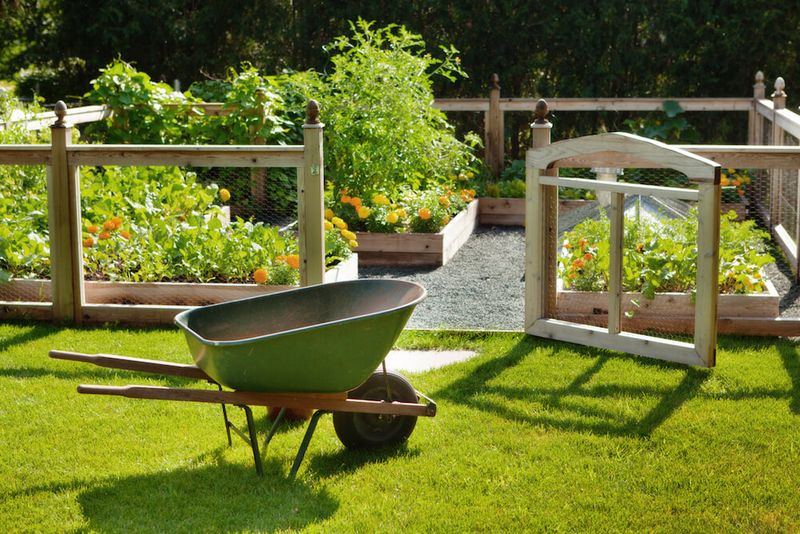
Early action is one of the most effective tools a gardener has. Once a groundhog discovers a vegetable bed and feeds from it successfully, it is likely to return.
Animals that find a reliable food source tend to build a routine around it, and breaking that pattern later takes more effort than preventing it in the first place.
Install barriers before crops reach their most tempting stage rather than waiting until damage appears. Protecting young seedlings during the first few weeks after planting is especially important.
That early period is when plants are at their softest and most accessible. Repair fence gaps quickly, even small ones, because a groundhog that finds an opening once will likely check it again.
Repellents are sometimes mentioned as a deterrent option, but their effectiveness can be variable and is not consistently supported by wildlife management research. Relying on a single repellent product as the main defense is unlikely to produce reliable results.
A better approach combines physical exclusion, removal of nearby cover, and regular monitoring of the garden’s perimeter. OSU Extension guidance suggests that integrated management gives gardeners the best chance of protecting their crops.
That means addressing food access, shelter, and barriers together. Acting before a feeding routine becomes established is always easier, cheaper, and less frustrating.
It beats trying to redirect an animal that already considers your vegetable bed part of its territory.
8. Call A Wildlife Pro When Tunnels Get Too Close
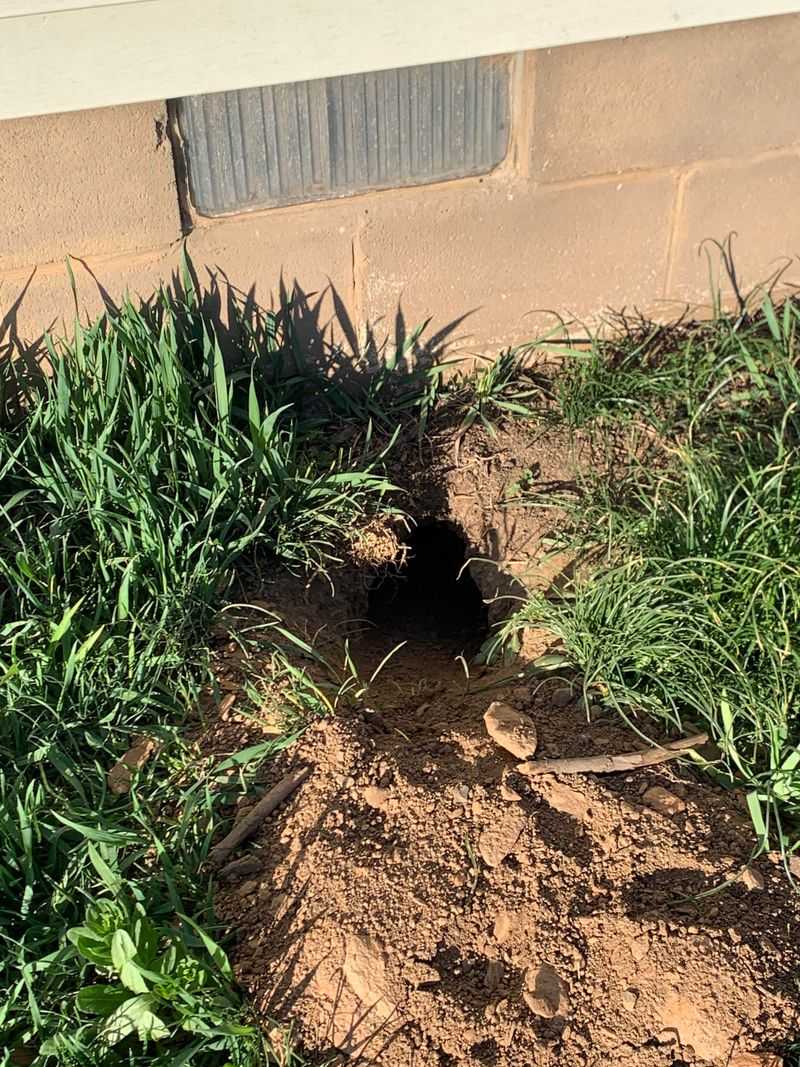
A burrow in the middle of an open field is one thing. A burrow pressed up against a home foundation, porch, retaining wall, or walkway is a different situation entirely.
Groundhog tunnels can be extensive, and when they run beneath a structure, the risk of soil displacement or undermining increases over time. This is a situation where calling a professional is the right move.
Licensed nuisance wildlife control operators are trained to handle groundhog removal and exclusion safely, legally, and humanely.
Local rules about trapping and relocation can vary by county and township, so it is important not to attempt removal without knowing what is permitted in your area.
The Ohio Department of Natural Resources and local wildlife officials can point you toward qualified operators and current regulations.
Do not attempt to flood, smoke, block, or dig into an active burrow on your own. These approaches can be unsafe and may violate state wildlife rules.
If the tunnels are near garden beds only and away from structures, the focus should remain on exclusion, cover removal, and monitoring.
But when the problem moves toward the foundation, the shed base, or any load-bearing structure, treat it as a professional problem from the start.
Protecting the vegetable bed with a good fence and reducing nearby cover handles most garden situations. The tunnels that go deeper than that deserve expert attention.