Here’s What You Need To Know Before Cutting Back Michigan Perennials In Fall
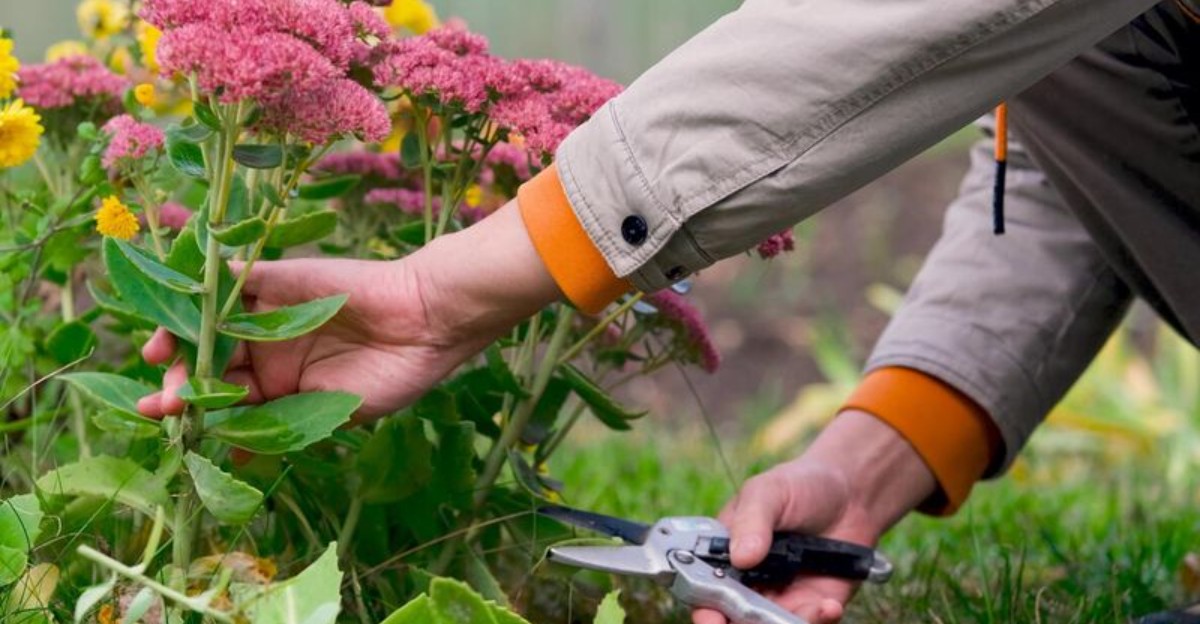
Cutting back perennials in fall is a common Michigan gardening task, but doing it without the right knowledge can actually work against a garden’s health and next year’s performance.
Some perennials benefit from being left standing through winter, since their stems and seed heads provide shelter for beneficial insects and food for birds during the colder months.
Others, particularly plants prone to fungal issues, genuinely benefit from fall cleanup to prevent disease from overwintering in old foliage.
Cutting too early can also interrupt a plant’s process of storing energy in its roots before dormancy fully sets in. Knowing which perennials to cut back and which to leave alone helps Michigan gardeners make more informed decisions heading into winter.
1. Not Every Perennial Should Be Cut Back
Before you grab your shears, take a slow walk through your garden and really look at each plant. Michigan perennials come in many types, and they do not all want the same care once the weather cools.
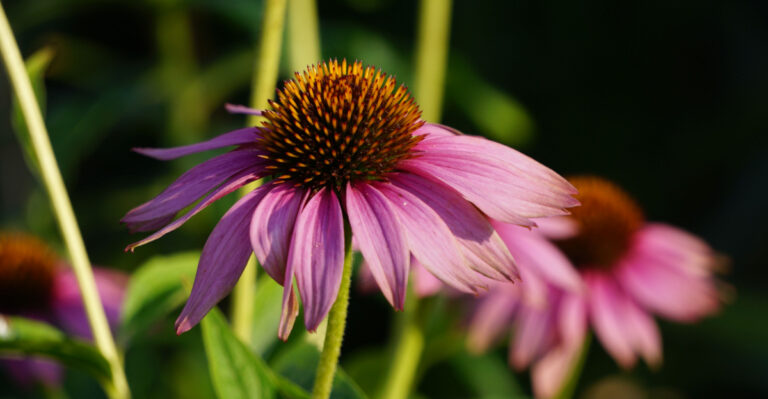
Some plants, like peonies and bearded iris, benefit from a fall trim because it lowers the chance of problems next season. Others, such as ornamental grasses and coneflowers, actually do better when you leave them standing tall through winter.
Knowing which is which makes a huge difference. A quick way to start is by learning the names of what grows in your beds. Once you know a plant, a fast search or a chat with a local nursery can tell you the best approach.
Michigan winters can be tough, with heavy snow and freezing winds. Plants that keep their stems often use that growth as natural protection against the cold.
Rushing to cut everything at once might feel tidy, but it can leave some plants exposed and stressed. Taking it plant by plant gives you better results and a stronger garden come spring.
Keep a simple notebook or use your phone to track what you have and what each one needs. Over time, you will build a handy garden map that saves you guesswork every fall.
The goal is not to clean up as fast as possible. It is to help each plant get through winter in the healthiest way for its type.
2. Leave Healthy Stems For Winter Interest
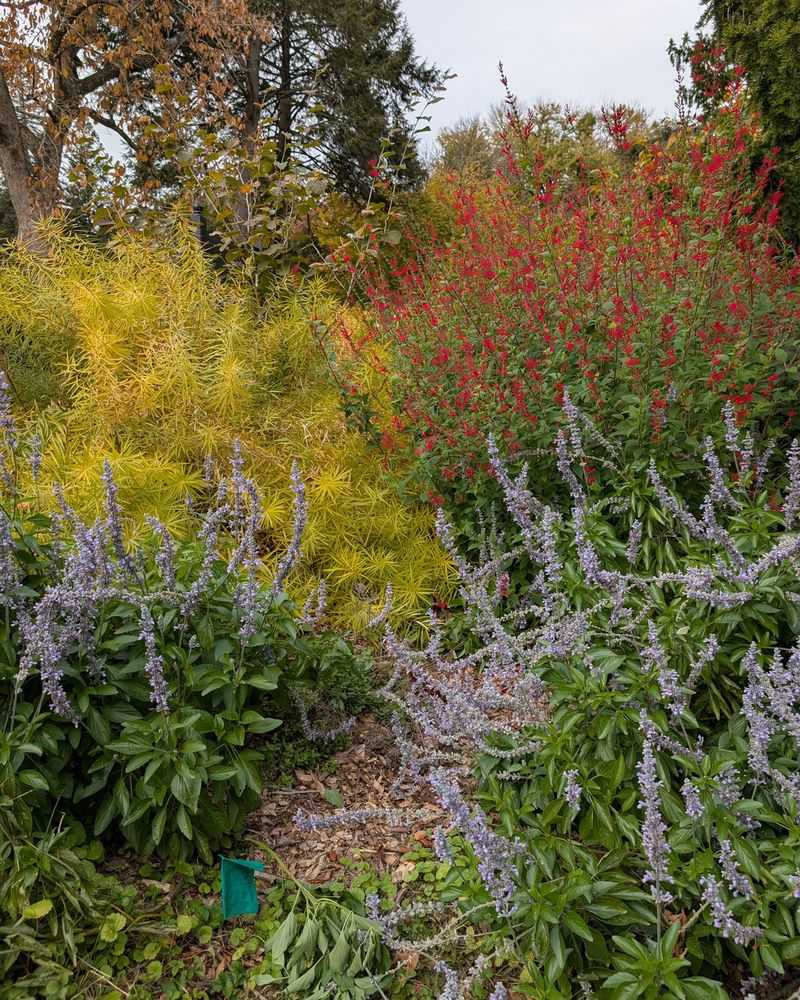
There is something magical about a garden in winter when frosted stems and dried seedheads catch the morning light. Leaving healthy growth standing turns a bare yard into a scene full of shape and texture.
Tall grasses sway in the wind, and sturdy stems poke up through the snow, giving your garden structure when everything else looks flat. That visual interest can carry you through the long Michigan cold season.
Beyond looks, standing stems do real work. They catch snow, which acts like a cozy blanket over the roots below, helping shield your plants from harsh temperature swings.
Wildlife loves these leftover plants too. Small creatures find shelter among the stems, and the layered growth creates little hiding spots that keep your garden buzzing with life even in the quiet months.
Your Michigan Garden Changes Every Week. Your Plan Should Too.
Gardening in Michigan changes quickly throughout the season. Every Friday you’ll receive a simple weekly plan showing exactly what to plant, prune, fertilize, harvest, and protect so you never miss the right timing.
Plants like sedum, black-eyed Susan, and native grasses hold their form especially well. Their dried shapes look stunning against a white background and need almost no effort from you.
Waiting to cut back also means less work in fall, which is a win when you already have plenty of leaves to rake. You can finish the trimming in early spring instead.
If you want a garden that stays interesting all year, resist the urge to cut everything down. Let some plants stand proud through the season.
Come spring, you can clear the old growth just as new shoots begin to appear, giving your garden a fresh start at the perfect time.
3. Seedheads Can Feed Birds
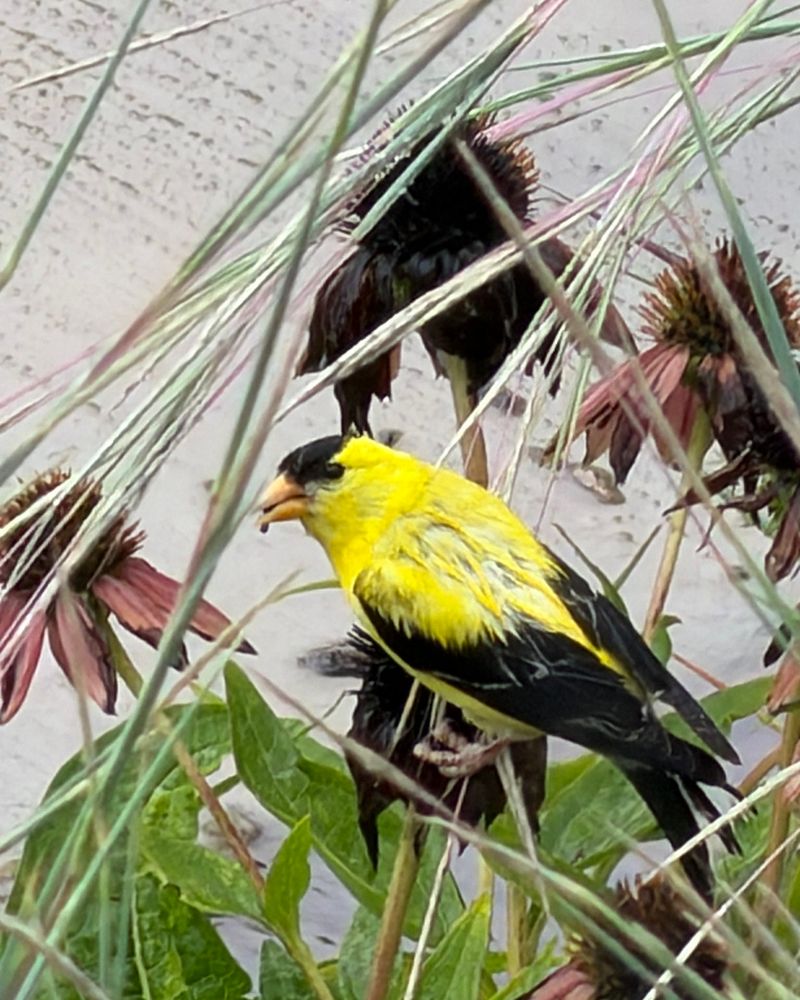
Picture a bright goldfinch balancing on a dried coneflower, pecking away at the seeds while snow drifts nearby. That happy scene happens when you leave seed-producing perennials standing through fall and winter.
Coneflowers, black-eyed Susans, and sunflowers all form seedheads that birds absolutely love. When food gets scarce in the cold months, these natural snacks become a lifeline for your feathered visitors.
By holding off on cleanup, you turn your garden into a free buffet. Birds like chickadees, finches, and sparrows will stop by often, bringing color and cheerful sounds to your yard.
Watching birds feed is also a fun way to enjoy your garden during a season when there is not much else going on outside. Grab a warm drink and enjoy the show from your window.
Feeding birds naturally is better than relying only on store-bought seed. The plants offer food right where the birds already like to gather, and it costs you nothing extra.
These visits help your garden too. Birds eat insects during the growing season, so keeping them around builds a healthy backyard balance year after year.
If you love the idea of a lively winter garden, leave those seedheads alone until early spring. The tidy look can wait a few months.
When spring arrives and the birds have finished their meals, you can trim the old stems and welcome fresh growth. It is a simple choice that supports wildlife and rewards you with plenty of entertainment.
4. Diseased Foliage Is Different
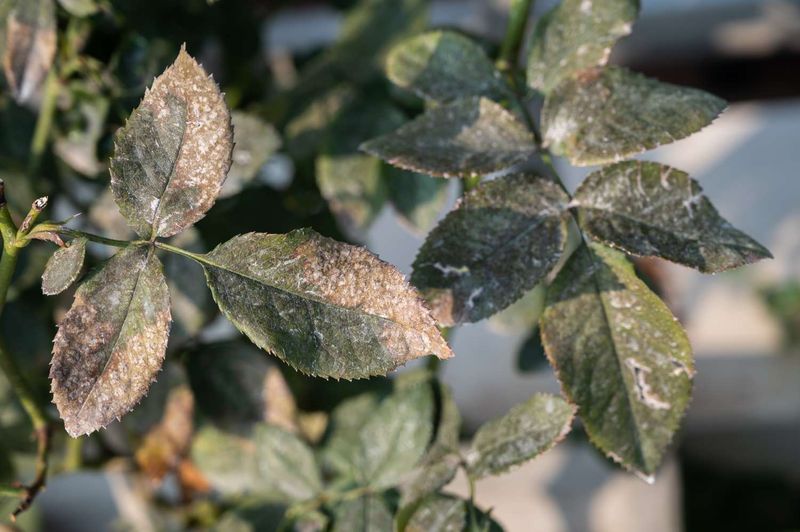
Here is where the rules change a bit. When leaves or stems show clear signs of sickness, leaving them in place can cause more harm than good next season.
Problems like powdery mildew, leaf spots, and rust can linger in old foliage through winter. If you leave that material sitting in your beds, the trouble often comes right back in spring.
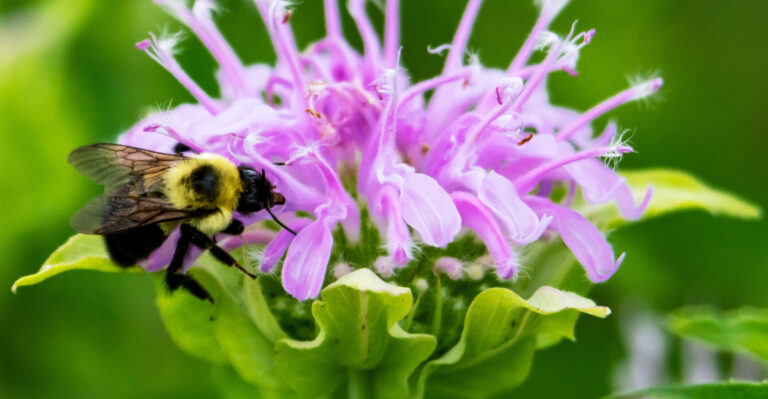
Look for warning signs such as white powder, black or brown spots, or leaves that look mushy and off-color. Plants like phlox, peonies, and bee balm are common ones to watch.
When you spot these issues, cut back the affected plant and remove the trimmings from your garden. Do not toss sick foliage into your compost pile, because many problems can survive and spread later.
Instead, bag the material and throw it away or check your local yard waste rules. Getting it out of the area helps stop the cycle before it starts again.
Clean your tools after trimming sick plants too. A quick wipe with rubbing alcohol keeps you from carrying trouble to your healthy plants.
Being careful with diseased growth protects the rest of your garden. It is one of the few times fall cleanup really pays off in a big way.
Healthy plants can often stay standing, but anything showing sickness should be cleared out. Making this one smart move each fall sets your garden up for a much stronger and happier spring season.
5. Protect Perennial Crowns From Winter Stress
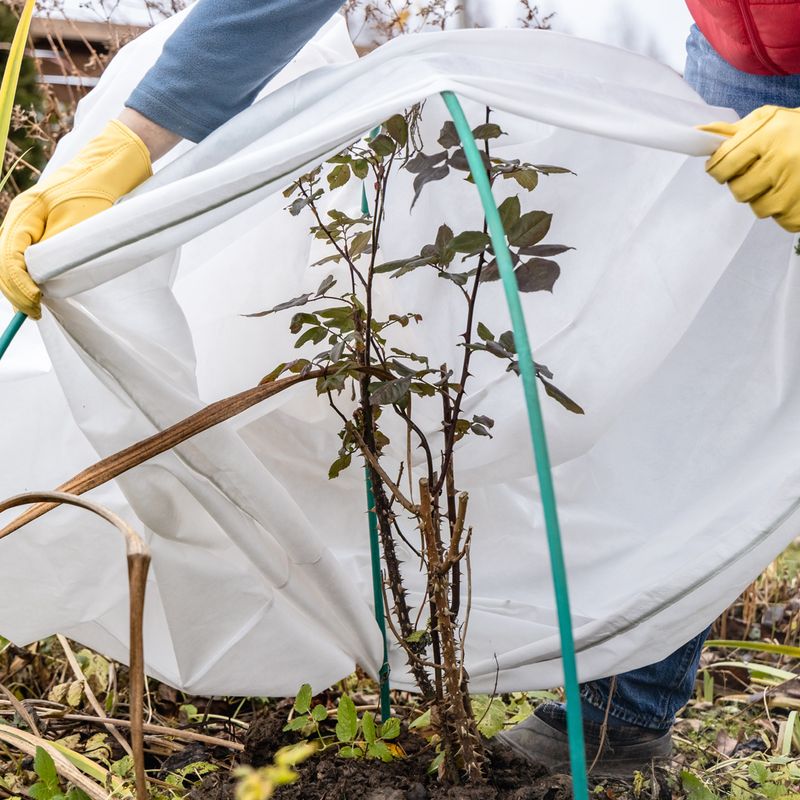
The crown of a perennial is the spot where the stems meet the roots, right at the soil line. It is the heart of the plant, and keeping it safe through winter matters a lot.
Leaving some stems standing can provide winter habitat and help trap snow around the plant, while mulch can provide additional protection for the crown.
Cutting everything down to the ground too early can leave the crown open and exposed. In Michigan, where cold snaps and thaws come and go, that exposure can stress the plant badly.
Snow also plays a helpful role here. Standing stems trap snow around the crown, and that fluffy cover acts as insulation against the harshest cold.
Plants such as lavender, mums, and coral bells especially appreciate this protection. Their crowns can suffer when left bare during rough winters.
If you feel you must trim, leave a few inches of stem above the crown rather than cutting flush with the soil. That small buffer makes a real difference.
Adding a light layer of mulch after the ground cools can boost protection even more. Just keep the mulch a bit loose so it does not trap too much moisture.
Thinking about the crown before you cut helps your plants come back strong. A little care now saves you from replacing plants that could not handle the winter.
When spring warmth returns and new growth pushes up, you will be glad you gave those crowns the shelter they needed.
6. Some Plants Are Better Cleaned Up In Fall
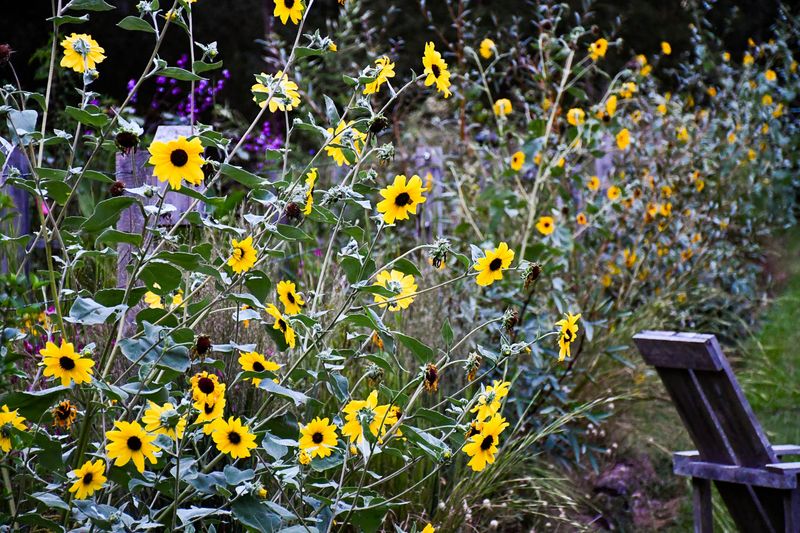
While plenty of plants love being left alone, a handful actually do better with a fall trim. Cleaning these up keeps your garden neat and helps prevent problems down the road.
Peonies are a great example. Their leaves often carry fungal issues, so cutting them back in fall lowers the chance of trouble returning next spring.
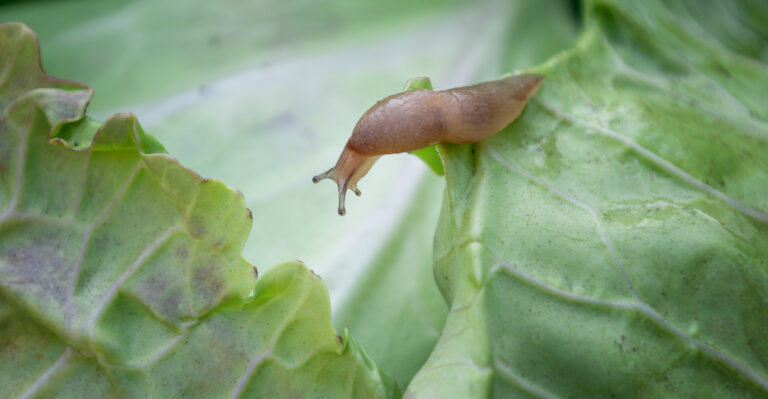
Hostas are another one worth trimming. Once their leaves flop over and turn mushy after the first hard frost, they can attract slugs and pests if left in place.
Bearded iris also benefits from a fall cleanup. Removing old foliage takes away hiding spots for borers and keeps the rhizomes healthier through the cold months.
The key is knowing your plants. Cleanup helps most when a perennial is prone to disease or turns to mush rather than holding a nice shape.
For these plants, cut the stems down and clear away the trimmings. A tidy bed means fewer places for pests and problems to settle in over winter.
You do not have to cut everything, though. Mix your approach by trimming the messy or trouble-prone plants while leaving the sturdy, healthy ones standing.
This balanced style gives you the best of both worlds. Your garden stays cleaner where it counts and keeps its winter charm where it shines.
Taking a few minutes to sort out which plants need attention will make your spring gardening much easier and your beds much healthier all around.
7. Avoid Cutting Too Early
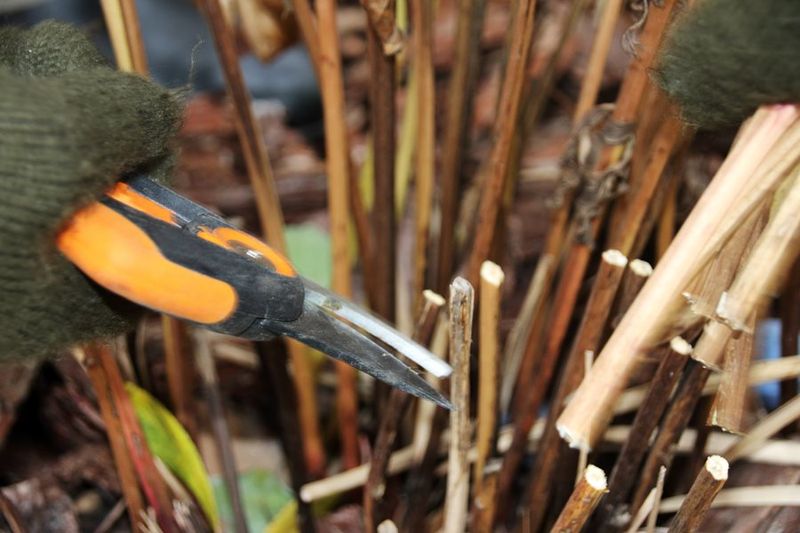
Patience pays off big time when it comes to fall trimming. Cutting plants back while their leaves are still green often does more harm than help.
Green leaves are busy working, soaking up sunlight and making food for the plant. That energy travels down to the roots, where the plant stores it for the winter ahead.
If you trim too soon, you cut off that food-making process. The plant heads into winter with less stored energy, which can leave it weaker come spring.
Wait until the foliage naturally fades and turns brown or yellow on its own. That color change tells you the plant has finished storing what it needs.
In Michigan, this usually happens after a few solid frosts have passed. There is no rush to beat the calendar, so let nature give you the signal.
Trimming a plant that still looks lively might feel productive, but it works against the plant’s own schedule. Giving it time leads to healthier growth later.
Use the extra weeks to focus on other fall chores like raking leaves or planting bulbs. Your perennials will handle their own timing just fine.
Once the leaves have clearly finished their job and lost their color, you can trim without worry. That is the moment when cutting causes no harm.
Letting plants wind down at their own pace is one of the easiest ways to keep them strong. A little waiting now means a lot more growth when warm days return.
8. Choose A Selective Cleanup Strategy
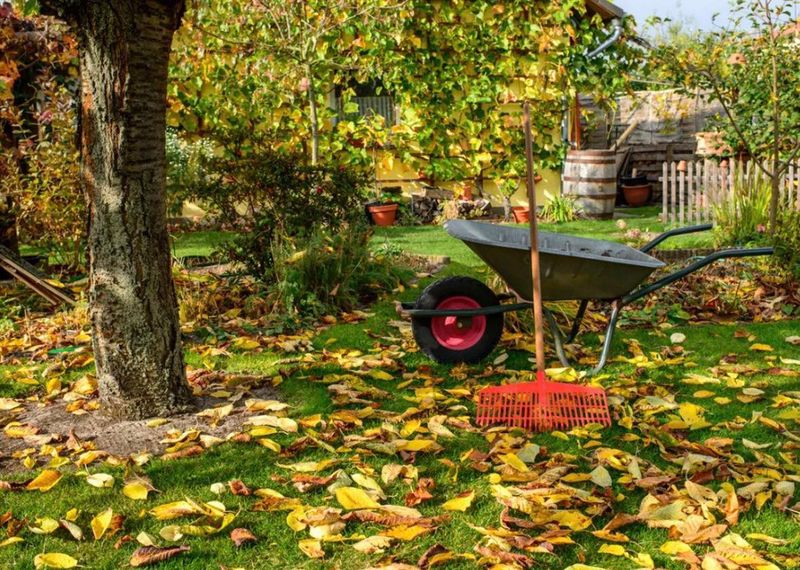
The smartest gardeners do not pick just one approach. They blend cleanup and preservation to get a garden that stays healthy and full of life all winter.
A selective strategy means you remove the plants that cause trouble while leaving the ones that add value. You get a tidy garden and a wildlife-friendly one at the same time.
Start by clearing out anything showing signs of sickness or pests. Getting rid of that material stops problems from carrying over into next year.
Then leave the healthy stems and seedheads standing tall. These feed birds, shelter helpful creatures, and give your garden shape through the snowy months.
Think of it as sorting your plants into two groups: those that need to go and those that get to stay. A quick walk-through helps you decide plant by plant.
This method saves you effort too. Instead of trimming everything, you focus only where it truly matters and let the rest do their winter work naturally.
Michigan gardens especially benefit from this balance. The cold season is long, and standing plants offer real support for both your soil and your local wildlife.
Keep notes each year on what worked and what did not. Over time, you will build a personal routine that fits your yard perfectly.
When spring arrives, clear the remaining growth and welcome fresh shoots. A thoughtful cleanup plan rewards you with a stronger, livelier, and more beautiful garden season after season.