7 Pennsylvania Plants That Handle Root Competition Under Mature Trees
Planting beneath a mature tree in Pennsylvania is one of the most reliably frustrating gardening challenges a homeowner faces.
The root competition is intense, the shade is deep, and the combination of dry, compacted soil and low light eliminates most standard garden plants before they get a real chance.
Most homeowners either accept bare soil and mulch or cycle through plants that look hopeful for a season and then quietly fail. But certain plants were built for exactly this situation.
They handle root competition without collapsing, establish in low light conditions, and spread in ways that gradually make the space beneath a mature tree one of the more interesting areas in the entire garden.
Several of the best options for this situation are native to Pennsylvania and have been growing under forest canopies for centuries.
1. Wild Ginger (Asarum Canadense)
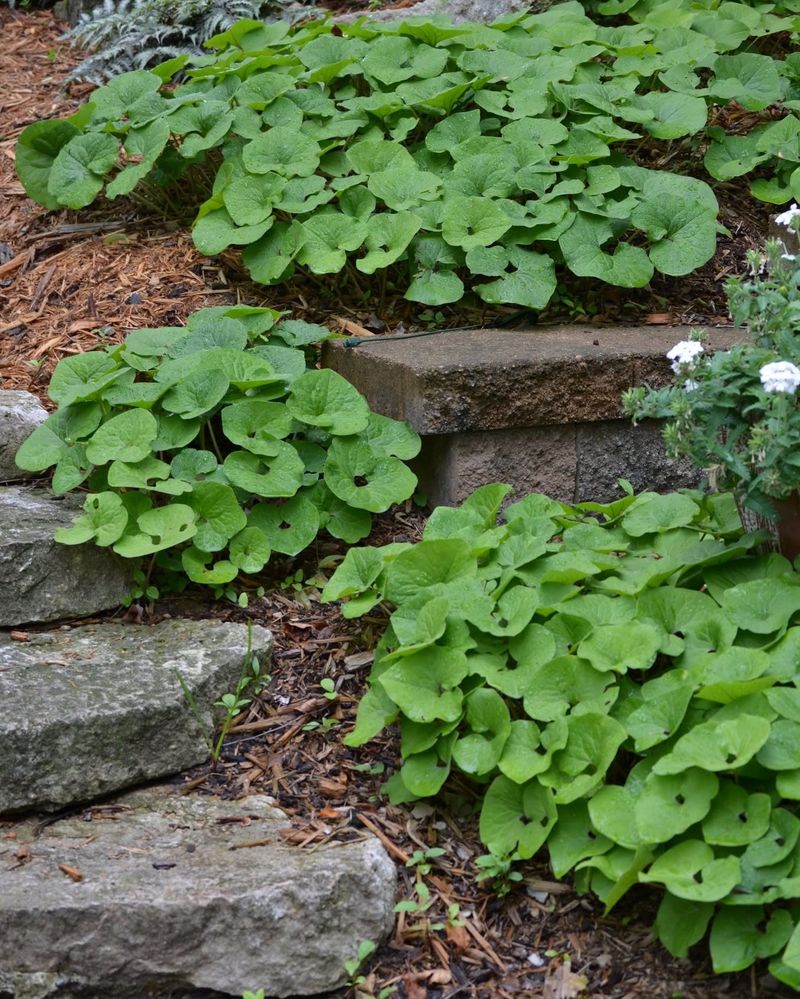
Ask any Pennsylvania woodland gardener about tough shade plants, and wild ginger usually comes up fast.
This low, spreading native forms a soft carpet of heart-shaped leaves that hugs the ground beneath trees.
The roots stay shallow, so they don’t fight much with hungry tree roots for deep water. Instead, wild ginger grabs the moisture near the surface and thrives in the dappled light that filters through the branches.
It slowly spreads by underground stems to fill in bare spots. You get a bonus with the little reddish-brown flowers that hide near the soil in spring.
Most people never notice them, but they add a fun surprise if you peek under the leaves. The plant got its name because the roots smell like ginger, though it is not the same plant you cook with.
Wild ginger loves rich, moist soil, but it forgives dry spells once its roots settle in. Add a layer of leaf mulch each fall, and it will reward you with thick, healthy growth. It rarely bothers with pests or disease.
Deer usually leave it alone, which is a big win in many Pennsylvania yards. It pairs well with ferns and other shade lovers for a natural woodland look. Plant it in early spring or fall for the best start.
If you want a neat, green blanket under a maple or oak, this native is a smart choice. It stays low, looks fresh all season, and asks for very little care once established. Few plants make such an easy match for shady, root-filled ground.
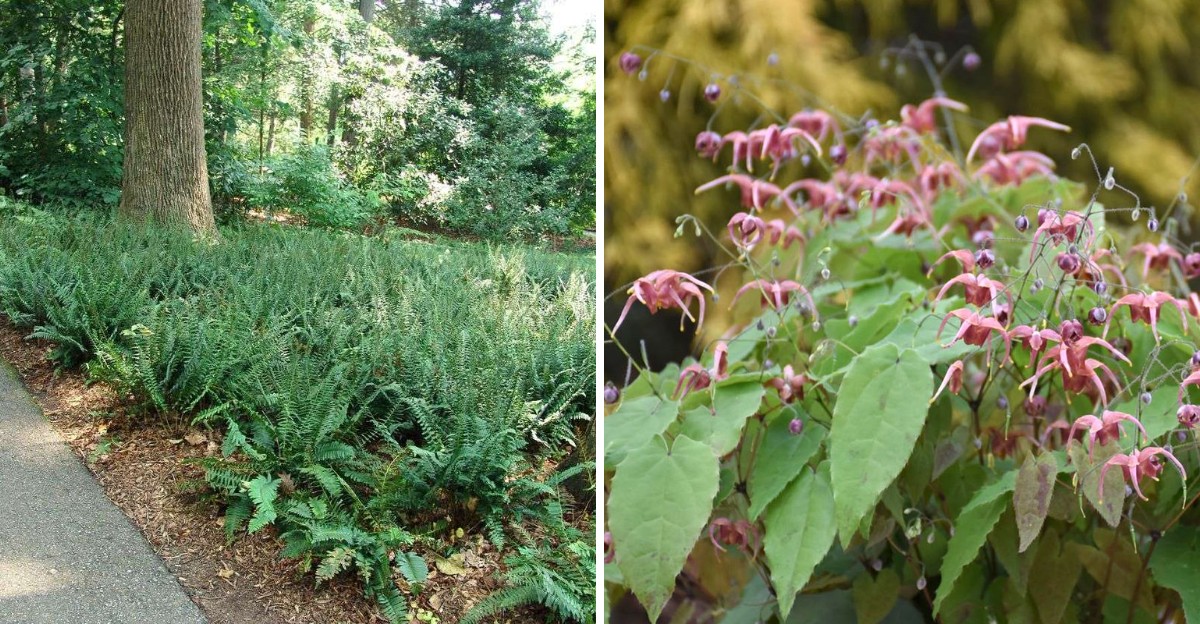
2. Christmas Fern (Polystichum Acrostichoides)
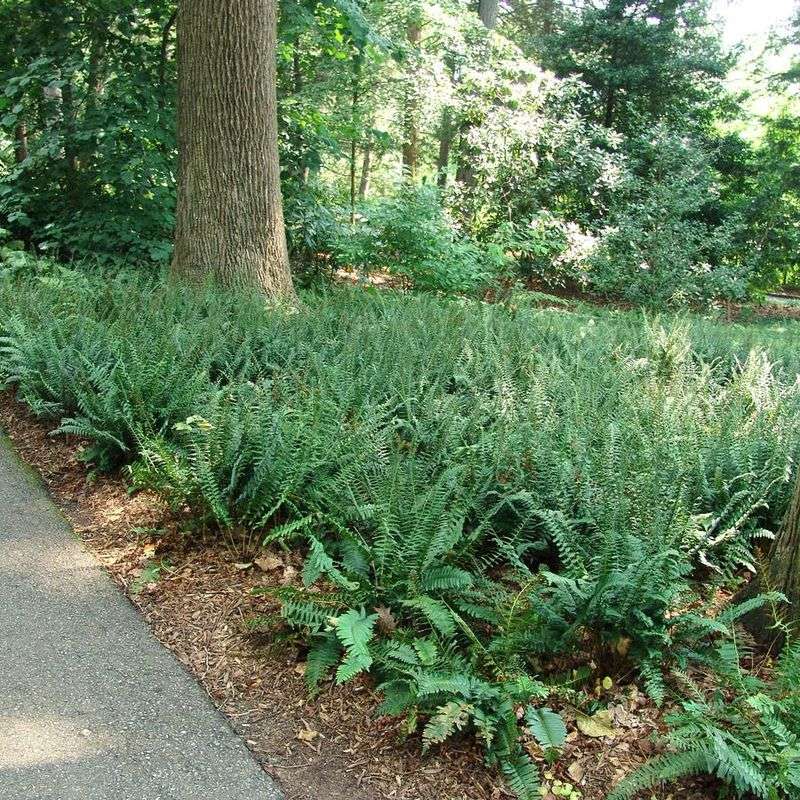
Picture a fern that stays green even when snow blankets the yard. That is the Christmas fern, one of Pennsylvania’s toughest native ferns for shady, root-packed ground.
Its leathery fronds hold up through cold weather, which is how it earned its holiday name. Early settlers even used the greenery for winter decorations.
The plant grows in tidy clumps rather than spreading everywhere, so it stays neat under trees.
These ferns have wiry roots that weave through tough soil without needing lots of open space. They handle the dry, shady conditions that trip up fussier plants. Once settled, they need very little attention from you.
Your Pennsylvania Garden Changes Every Week. Your Plan Should Too.
Gardening in Pennsylvania changes quickly throughout the season. Every Friday you’ll receive a simple weekly plan showing exactly what to plant, prune, fertilize, harvest, and protect so you never miss the right timing.
You will find Christmas fern happiest in partial to full shade with soil that drains well. A yearly sprinkle of compost or shredded leaves keeps it looking lush. It shrugs off most bugs and diseases without any fuss.
Deer tend to skip it, which makes it a reliable choice for wooded yards. The clumps grow slowly larger each year, and you can divide them in spring to make more plants for free. That is a great deal for a busy gardener.
Pair Christmas ferns with wildflowers or hostas for a layered, natural look beneath your trees.
Their steady green color anchors the garden all year, even when other plants fade. They also help hold soil in place on shady slopes.
For anyone battling bare, rooty ground under an old tree, this evergreen fern brings dependable beauty. It asks little and gives back plenty of texture and color in every season, rain or shine.
3. Foamflower (Tiarella Cordifolia)
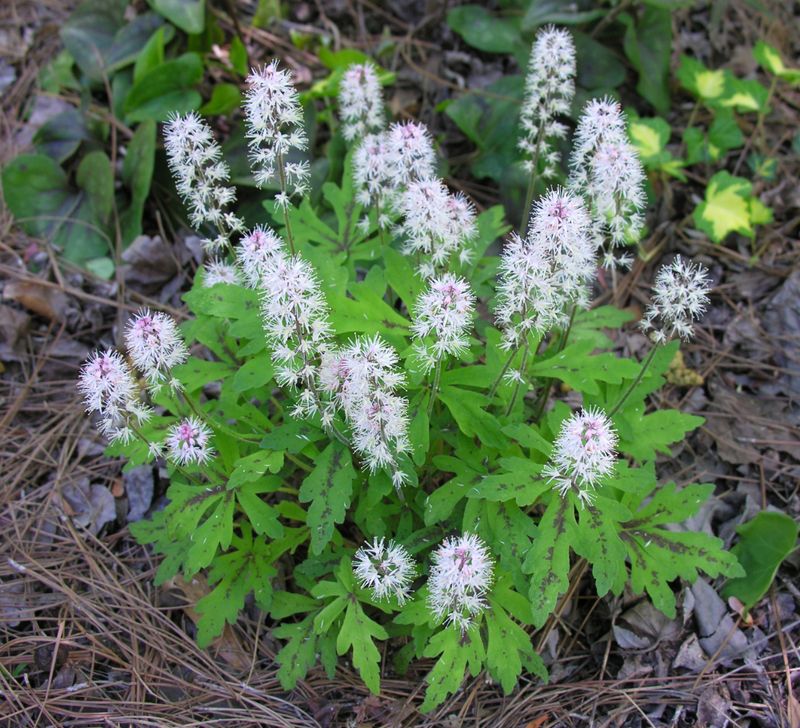
Come spring, foamflower puts on a show that stops people in their tracks. Fluffy spikes of tiny white blooms rise above soft green leaves, looking like frothy sea foam.
This native spreads gently across the shady ground under trees. It sends out runners that root as they go, filling in bare patches without taking over the whole bed. The maple-shaped leaves stay pretty even after the flowers fade.
Foamflower’s shallow roots let it live comfortably alongside big tree roots. It pulls moisture from the top layer of soil and does not demand deep, open ground. That makes it a great teammate for crowded spots.
You will get the best results in rich, moist soil with plenty of shade. A layer of mulch helps keep the roots cool and damp during hot summer days. The plant needs little more than that to stay happy.
Pollinators love the spring blooms, so you may spot bees and other helpers buzzing around. That adds life and movement to a quiet corner of the yard. Deer usually pass it by, too.
Some varieties show off leaves with dark veins or red markings, giving your garden extra interest. These stay attractive from spring through fall. In milder winters, the leaves may even hang on with a reddish tint.
Plant foamflower with ferns and wild ginger for a full woodland carpet under your trees. Together they create a lush, layered look that hides bare soil.
Few native plants combine easy care with such charming flowers, making foamflower a favorite for shady Pennsylvania gardens year after year.
4. Hosta
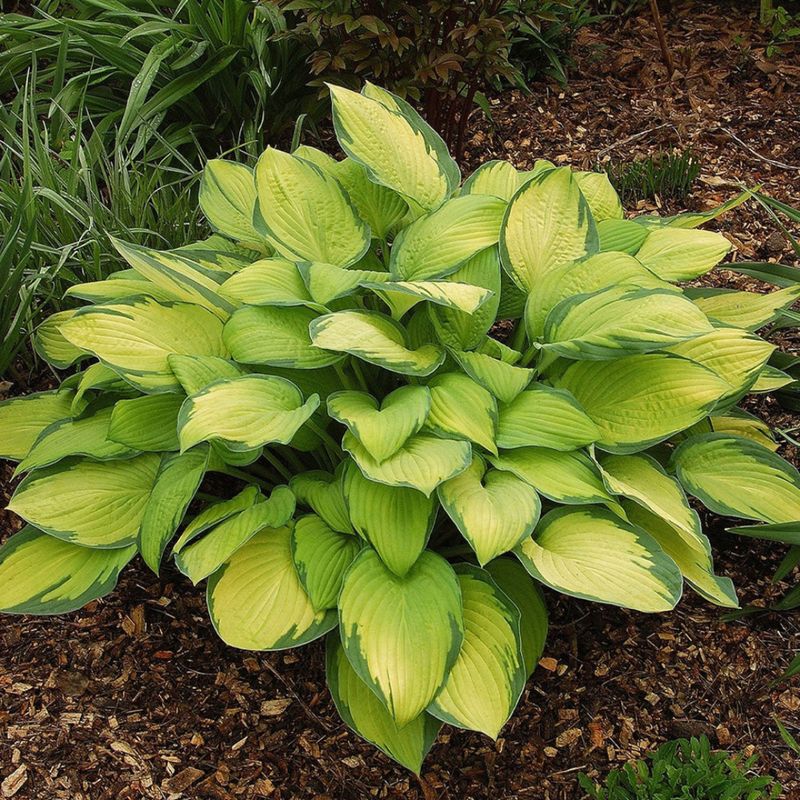
Few plants beat the hosta when it comes to filling shady spots with bold, leafy color. Gardeners across Pennsylvania rely on it to brighten the ground under big trees.
The wide leaves come in shades of green, blue, gold, and creamy white stripes. That variety lets you mix and match for a garden full of texture. Some hostas stay small, while others grow into huge mounds.
Hostas develop thick roots that push through tough soil and hold their own against tree roots. Once they settle in, they return bigger and better each year. They can live for decades with almost no fuss.
These plants like shade and steady moisture, so mulch helps them stay cool and damp. During dry spells, a good soak keeps the leaves fresh and green. In late summer, many hostas send up tall spikes of purple or white flowers.
Slugs can nibble the leaves, so keep an eye out and clear away hiding spots. Choosing thicker-leaved types helps cut down on that problem. Deer, sadly, do enjoy them, so a fence or spray may be needed in some yards.
Splitting a big hosta clump in spring gives you free plants to spread around. That makes them a budget-friendly way to fill a large shady area. Friends and neighbors often trade divisions, too.
Pair hostas with ferns and foamflower for a layered, lush look beneath your trees. Their big leaves cover bare soil fast and cut down on weeds. For dependable beauty in deep shade, this classic plant is hard to top.
5. Wild Geranium (Geranium Maculatum)
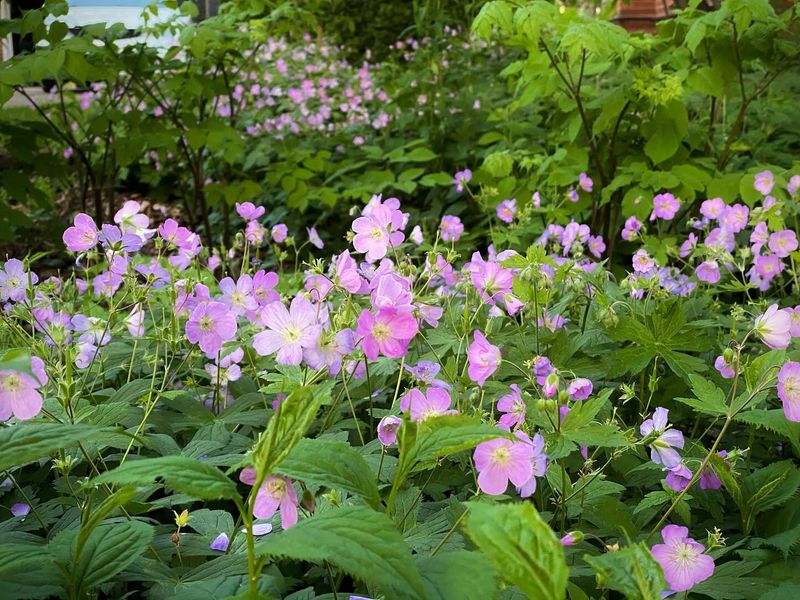
Soft pink-purple flowers dancing in the spring breeze make wild geranium a woodland treasure. This Pennsylvania native brings a splash of gentle color to shady ground.
The five-petaled blooms open in late spring and last for several weeks. Butterflies and bees flock to them, turning your garden into a busy, buzzing place. The deeply cut leaves stay attractive long after the flowers fade.
Wild geranium handles root competition well because it grows in loose clumps with fibrous roots. It fits neatly into the spaces between tree roots and does not need deep, open soil. That toughness makes it a reliable filler.
You will see the best blooms in partial shade with soil that stays a little moist. It also tolerates drier spells once its roots take hold. A bit of leaf mulch keeps it comfortable through the seasons.
This plant reseeds gently, so new little geraniums may pop up nearby over time. That helps it spread into a natural drift without becoming a bully. You can move seedlings to fill other bare spots.
Deer and rabbits usually leave wild geranium alone, which is a relief in many yards. That means less worry and more enjoyment for you. It also resists most common plant diseases.
The leaves often turn shades of red and orange in fall, adding a second season of interest. That gives your shade garden color long after summer. Combine it with ferns and foamflower for a woodland meadow feel.
For an easygoing native that brings pollinators and pretty blooms under trees, wild geranium is a wonderful pick.
6. Coral Bells (Heuchera)
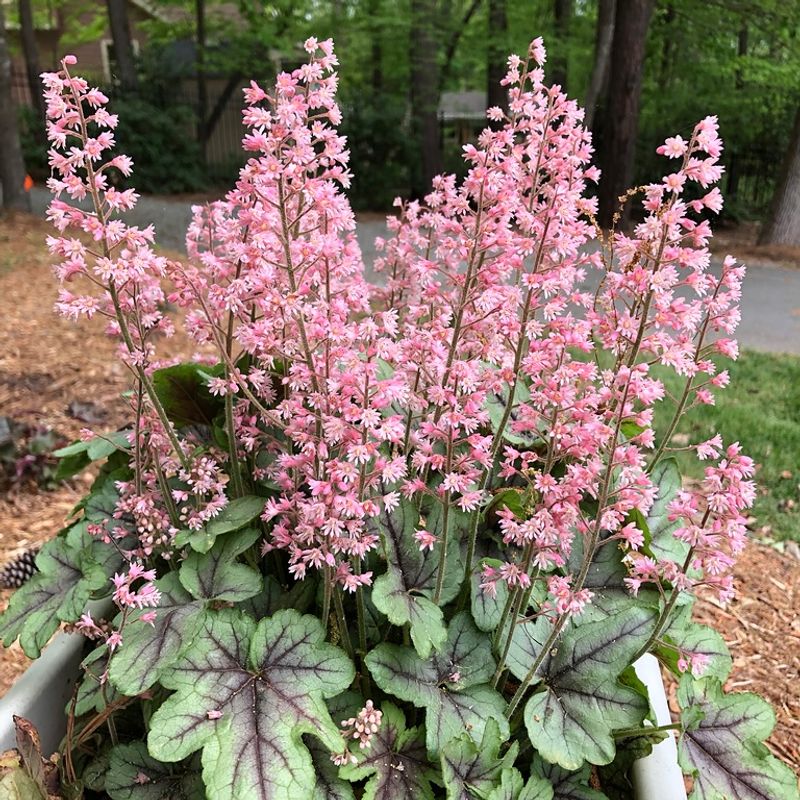
Talk about a plant that turns heads with its leaves alone. Coral bells come in a rainbow of foliage colors, from deep purple to lime green to caramel bronze.
Those bold leaves make coral bells a standout in shady beds under trees. Thin stalks of tiny bell-shaped flowers rise above the mound in early summer. Hummingbirds often stop by for a sip of nectar.
Coral bells have compact root systems that fit into tight spaces between tree roots. They do not need lots of room to spread, so they thrive where bigger plants struggle. That makes them handy for filling small gaps.
These plants prefer partial shade and well-drained soil that stays evenly moist. Too much water around the crown can cause trouble, so good drainage matters. A light mulch helps keep the roots cool.
You can pick colors that match your garden style, mixing several kinds for a patchwork of shades.
The foliage looks great from spring through fall, and some types even hold color in winter. That gives you long-lasting interest.
Every few years, lift and divide older clumps to keep them fresh and healthy. This also gives you new plants to spread around the yard. It is an easy way to grow your collection for free.
Deer tend to skip coral bells, and pests rarely cause big problems. That means less work and more reward for busy gardeners.
Tuck them along shady paths or between ferns and hostas for pops of color. For rich foliage that shines under trees, coral bells deliver season after season.
7. Barrenwort (Epimedium)
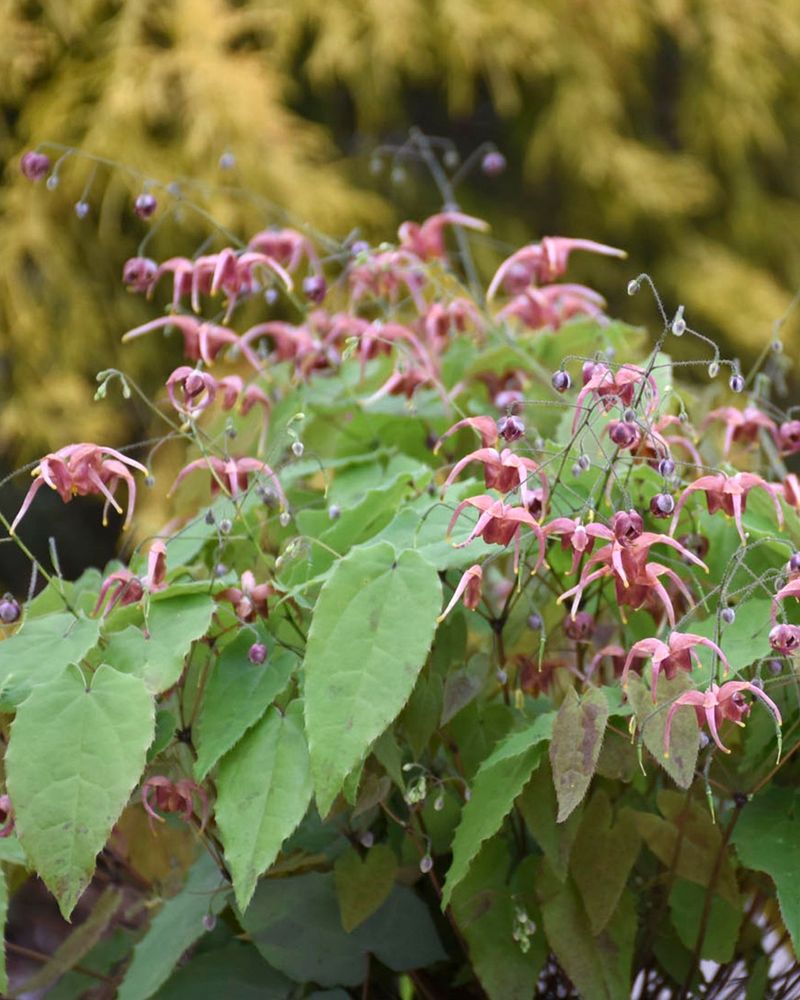
When gardeners talk about the toughest dry-shade plant, barrenwort often wins the crown. This hardy groundcover thrives right where tree roots make life hardest.
Delicate heart-shaped leaves cover the ground in a low, spreading mat. In spring, small flowers dangle like tiny lanterns above the foliage. The blooms come in yellow, pink, white, or soft red depending on the type.
Barrenwort spreads by tough underground stems that push through packed, rooty soil. It handles the dry, hungry ground beneath mature trees better than most plants. Once established, it needs almost no extra water.
You will find it happy in partial to full shade, and it forgives poor soil with a smile. A layer of leaf mulch helps it get started faster. After the first year or two, it pretty much takes care of itself.
The leaves often show reddish tints in spring and fall, adding seasonal color. Some kinds stay evergreen through mild winters, keeping the ground covered year-round. That makes it a strong weed blocker.
Deer and rabbits usually ignore barrenwort, so it stays looking neat in wild yards. Pests and diseases rarely bother it either. That means very little worry for you.
In late winter, trimming off old leaves lets the fresh spring growth and flowers shine. It is a quick chore that keeps the plant looking its best. Otherwise, this plant asks for hardly any attention.
Use barrenwort to carpet those bare, dry spots where nothing else seems to grow. It fills in slowly but surely, creating a tidy green blanket. For dependable coverage in the toughest shade, this quiet workhorse rarely lets you down.