Houseplants Spending Summer Outdoors In Missouri Need To Come Inside Before October Nights Turn Cold
All summer long, your leafy roommates lounged on the porch like tourists at a fancy resort. They soaked up sunshine, sipped rainwater, and grew so big you barely recognized them by Labor Day.
Now the Missouri air has changed, and mornings smell like crunchy leaves and wood smoke drifting past. You may have noticed a chill on your ankles when you step outside to grab the newspaper.
Your green friends noticed too, even if they are too polite to complain out loud about it. Their leaves curl a little tighter at night, like kids pulling blankets up during a sleepover.
Missouri weather loves surprises, and a warm afternoon can slide into a shivery night without much warning. One cold snap can leave a glossy leafy pal looking droopy and sad.
Waiting one week too long can bring a frosty surprise. A big pot may end up sulking in the garage all November.
Early October Is Moving Day For Patio Plants
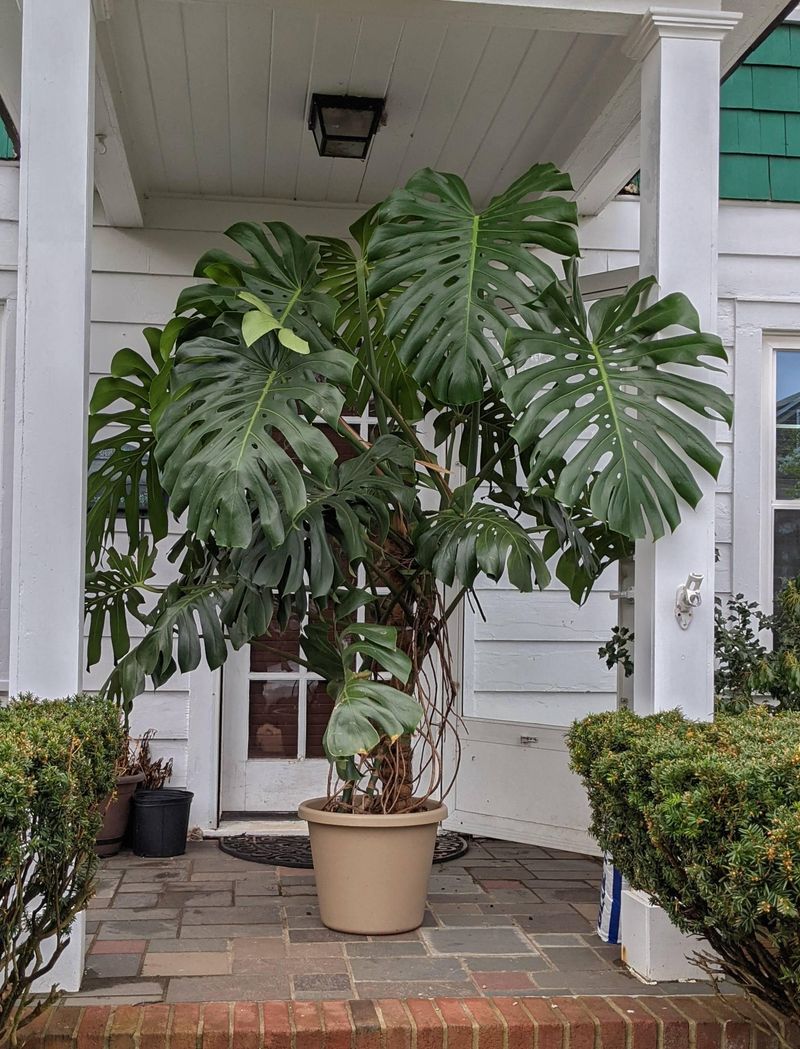
Many longtime Missouri gardeners share the same advice about bringing tropical pots indoors early. Most houseplants come from tropical regions, so they start to struggle once nights dip below fifty degrees.
In much of the state, that drop often arrives between late September and mid-October. Northern counties near Iowa often cool off sooner, while the Bootheel may stay mild a bit longer.
A simple goal is to have every pot inside before the forecast low drops near fifty. Waiting for frost is too late, because tropical leaves can get hurt long before ice ever forms.
Think of it like packing for a trip, since rushing at the last minute leads to mistakes. Planning ahead gives you calm weekend afternoons to check each plant, clean each pot, and pick indoor spots.
Keep a weather app handy and glance at the ten-day forecast every morning with your breakfast. If you spot a low near fifty, treat that number like a friendly alarm clock for moving day.
Some sturdier plants, like ponytail palms, can handle a few slightly cooler nights without much fuss. Tender types such as calatheas, crotons, and peace lilies should head inside first, before anyone else.
Moving the fussiest plants first gives you time to rearrange shelves before the tougher crowd joins them. By mid-October, your porch can be bare, and your living room will feel like a small green jungle.
Chilly Night Air Versus Tropical Leaves
Here is a fun fact: many common houseplants grow wild in places where nights rarely drop below sixty. Your pothos, for example, comes from warm, humid islands in the South Pacific.
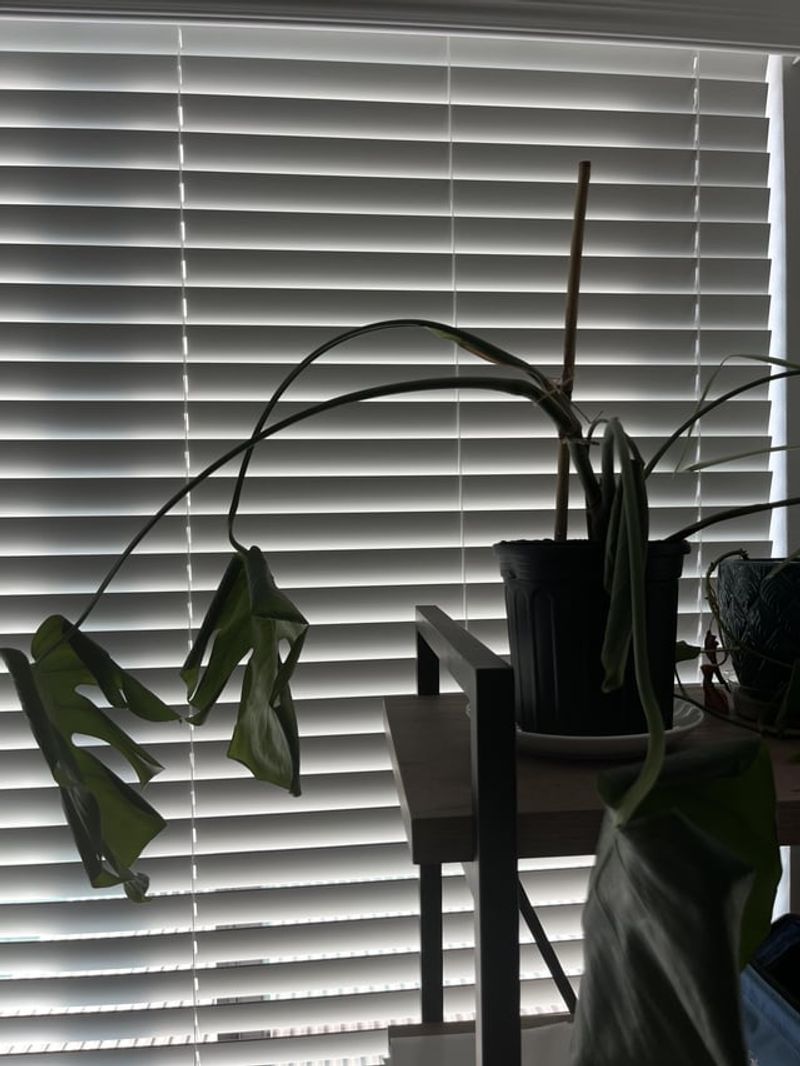
When Missouri temperatures sink into the forties, the cells inside those soft leaves can start to break down. Gardeners call this chill damage, and it often shows up as dark, mushy, or see-through patches on leaves.
Roots feel the cold too, especially in small plastic pots that cool off quickly after the sun sets. Chilly soil slows water uptake, so leaves may wilt even though the dirt still feels damp.
Your Missouri Garden Changes Every Week. Your Plan Should Too.
Gardening in Missouri changes quickly throughout the season. Every Friday you’ll receive a simple weekly plan showing exactly what to plant, prune, fertilize, harvest, and protect so you never miss the right timing.
Wet soil makes things worse, because cold and soggy roots are a setup for root problems. Fall rains in the Ozarks can keep pots soaked for days, so watch drainage closely right now.
Damage does not stop after one bad night, either, since stress can linger for several weeks afterward. A plant that looked fine on Tuesday might drop some leaves by the following weekend.
Clear skies are sneaky troublemakers, because heat escapes fast when no clouds act like a blanket overhead. Those calm, starry October nights can run a few degrees colder in open spots than the forecast for your town suggests.
Low spots in your yard collect the coldest air, a lot like water pooling at the bottom. Pots sitting near a fence or down a slope can feel a frosty chill while porch plants stay comfy.
Hidden Hitchhikers Under Every Leaf
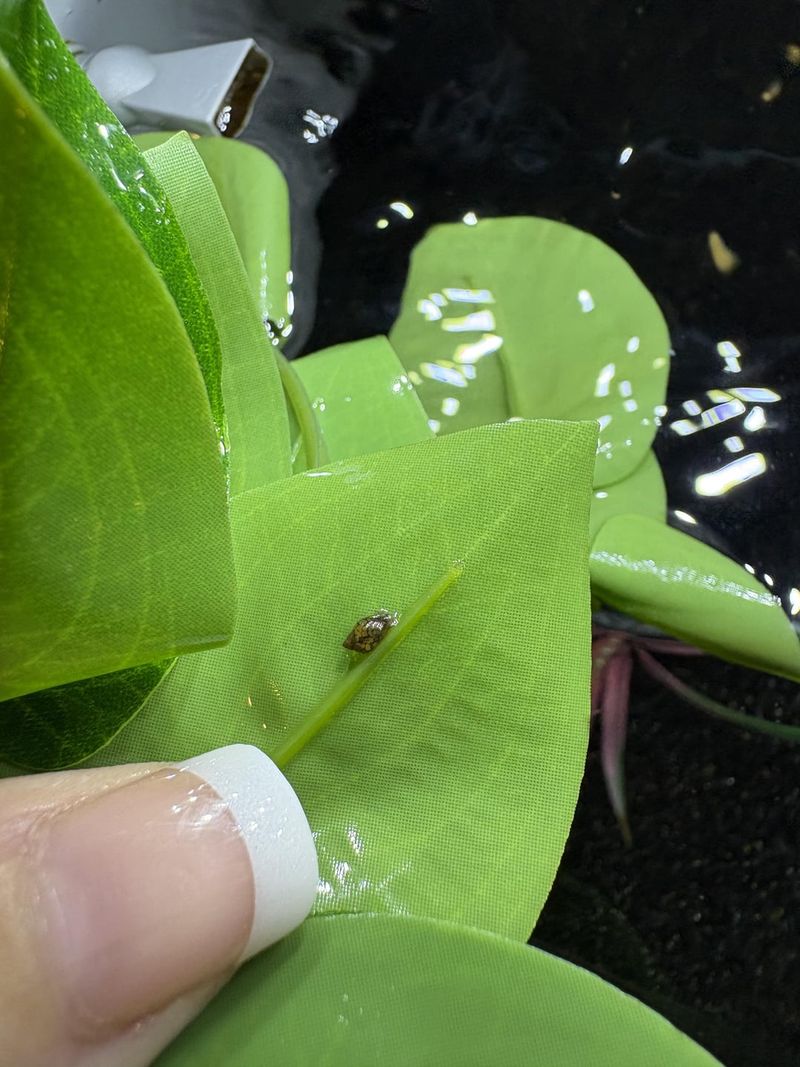
Picture a tiny spider mite family packing its bags and riding your fiddle leaf fig straight into the den. Skipping a bug check is one of the most common mistakes people make when bringing plants back inside.
Outdoor pots attract aphids, mealybugs, scale, ants, and even small tree frogs during a long Missouri season. Once indoors, pests have no birds or wasps to chase them, so their numbers can climb quickly.
Start by flipping leaves over and looking closely at the undersides, stems, and little joints near new growth. Sticky spots, fine webbing, white fuzz, or brown bumps are clues that someone has moved in uninvited.
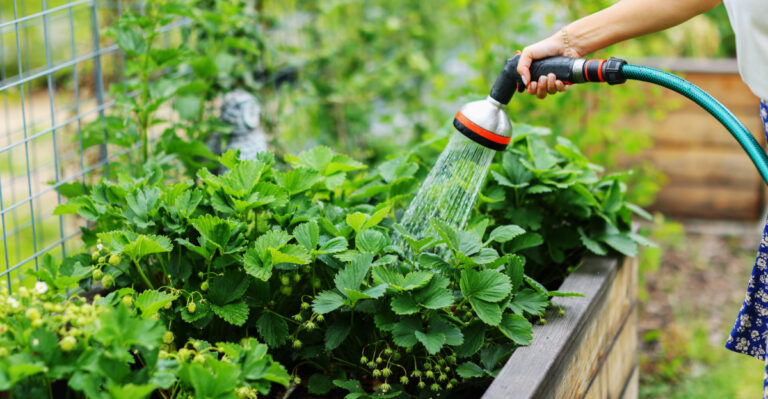
A strong spray from the garden hose knocks off many soft-bodied bugs before they ever reach your carpet. For stubborn pests, wipe leaves with insecticidal soap and repeat the treatment again about a week later.
Soil can hide trouble too, so try soaking each pot in a bucket of water for fifteen minutes. Earthworms, beetles, and the occasional startled cricket will float up to the surface and crawl out of the soil.
Remember to scrub the outside of each pot, because slugs and snails love hiding underneath the rim. Saucers deserve a rinse as well, since they collect leaves, eggs, and gunk over the warm months.
After cleaning, keep returning plants apart from your indoor collection for about two weeks if you can. A spare bedroom or sunny bathroom works great as a separate recovery corner where returning plants can settle in on their own.
A Gentle Shift Into Indoor Light
Walking from a bright parking lot into a dim movie theater makes your eyes struggle for a minute. Plants go through something similar when they move from open sky to a living room corner.
Even a sunny window gives far less light than a shady porch, sometimes only a fraction as much. A slow transition helps leaves adjust instead of dropping off in a dramatic yellow pile on the floor.
About two weeks before moving day, slide your pots into deeper shade under a tree or porch roof. If you have not started yet, begin this step right away while afternoons in Missouri stay warm.
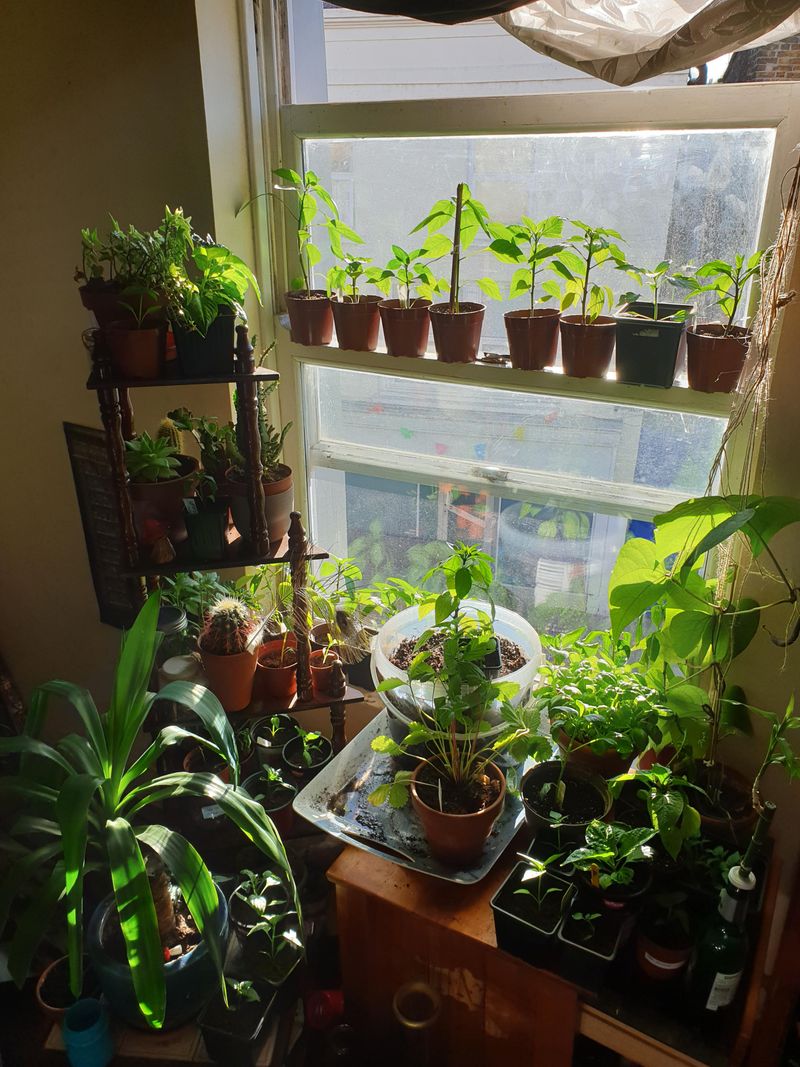
Once inside, give each plant the brightest spot you have, like a south or west facing window. Keep leaves a few inches from the glass, because cold panes can chill them on frosty nights.
Water needs shrink indoors, so check the soil with your finger before reaching for the watering can. Most plants only need a drink when the top inch feels dry, which might mean every ten days.
Skip fertilizer for now, because plants slow their growth as the days get shorter and cooler. Feeding them now is a bit like serving a huge dinner to someone who is getting ready for bed.
If your home is short on sunny windows, an inexpensive LED grow light can fill the gap nicely. Set it on a timer for about twelve hours a day, and your plants will get much of the light they are missing.
Leaf Drop After The Big Move
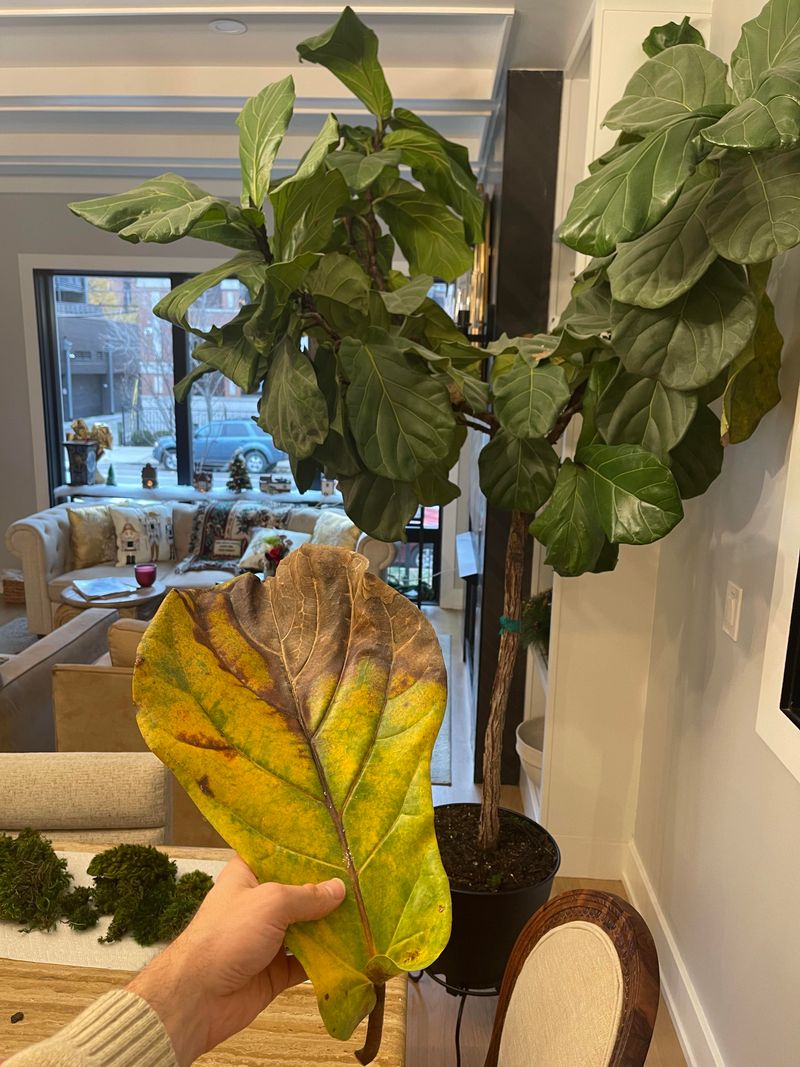
Don’t panic if your ficus throws a little tantrum a week after coming inside and sheds leaves everywhere. Some leaf drop is a normal reaction to new light, drier air, and steadier indoor temperatures.
Plants grow leaves that match their surroundings, so outdoor leaves built for bright sun may not fit indoors. Your plant simply lets go of the extras and grows new ones designed for softer window light.
Furnaces start running in Missouri homes this month, and that warm air can be quite dry. Crispy brown leaf tips are a common sign that your plant would love a bit more humidity.
Grouping pots together creates a small humid pocket, and a tray of wet pebbles adds even more moisture. A small humidifier can also help and makes the room feel nicer for people with dry skin.
Resist the urge to move a sulking plant every day, because constant changes add even more stress. Pick a good spot, keep watering steady, and let the plant settle in for at least three weeks.
Real trouble looks different, such as soft black stems, a sour smell from the soil, or wilting everywhere. Those signs often point to root rot, which means you should repot into fresh, dry mix quickly.
Most of the time, patience wins, and fresh green buds may start poking out by late fall. Sweep up the fallen leaves, give your plant a friendly pep talk, and wait for the comeback.
Cozy Winter Spots Away From Drafty Doors
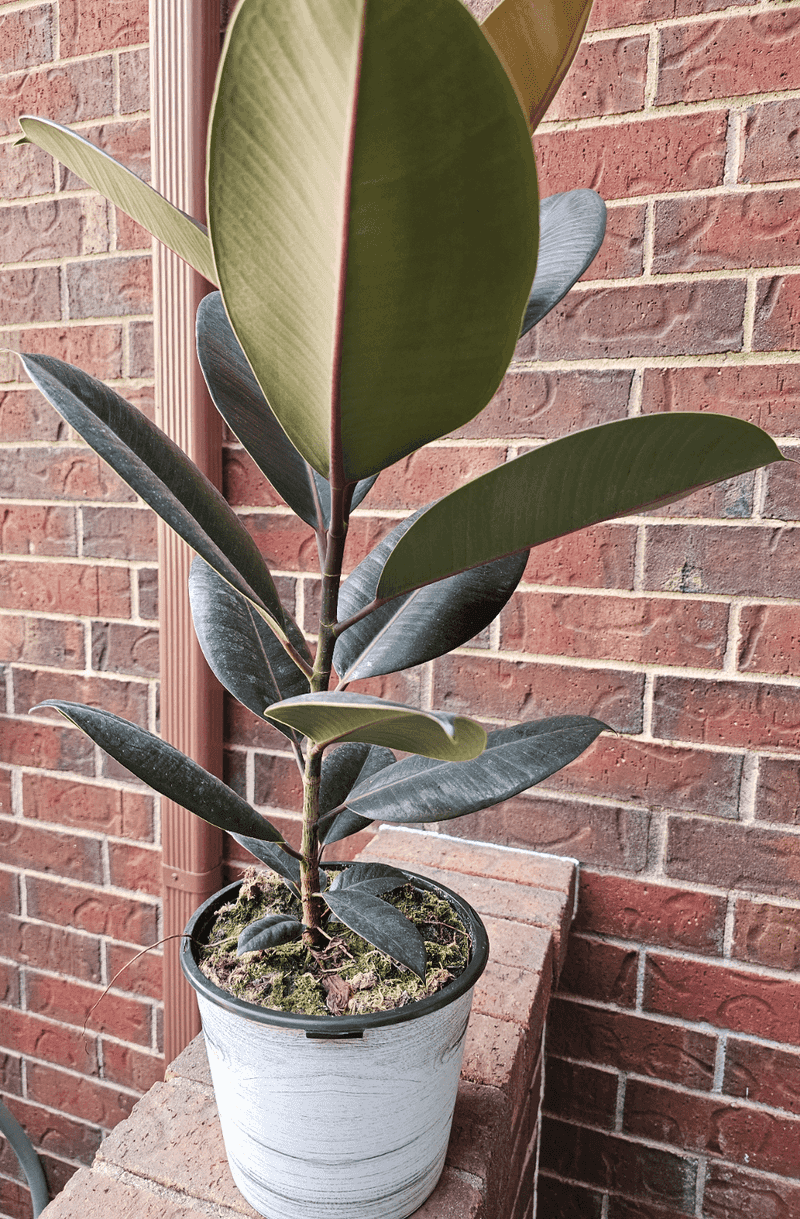
A begonia kept beside the kitchen sink can do well all winter long. Picking the right winter spot matters just as much as bringing plants inside on time.
Drafty front doors, leaky windows, and heating vents can swing temperatures wildly from hour to hour. Most houseplants prefer a steady range between sixty-five and seventy-five degrees, much like the people living there.
Kitchens and bathrooms often make cozy homes, since cooking and showers add helpful moisture to the air. Just make sure there is a window nearby, because a dark room will not keep leaves happy.
Missouri winters can bring ice storms and sudden cold snaps, so check sills on the chilliest January nights. Pull pots back a foot or tuck a folded towel along the window bottom to block icy air.
Dust builds up on leaves over the winter months and blocks the weak sunlight your plants badly need. A gentle wipe with a damp cloth every few weeks keeps them shiny and breathing easy.
Turn each pot a quarter turn every week so every side gets a fair share of light. Without turning, plants lean toward the window and grow lopsided, like a kid stretching for the cookie jar.
Jot down a note on your calendar for late May, when nights stay above fifty again. That reminder means next fall’s move will feel easy, and your plants will thank you with fresh growth.