Florida Plants That Attract Wasps And What That Does To The Sod Webworm Population
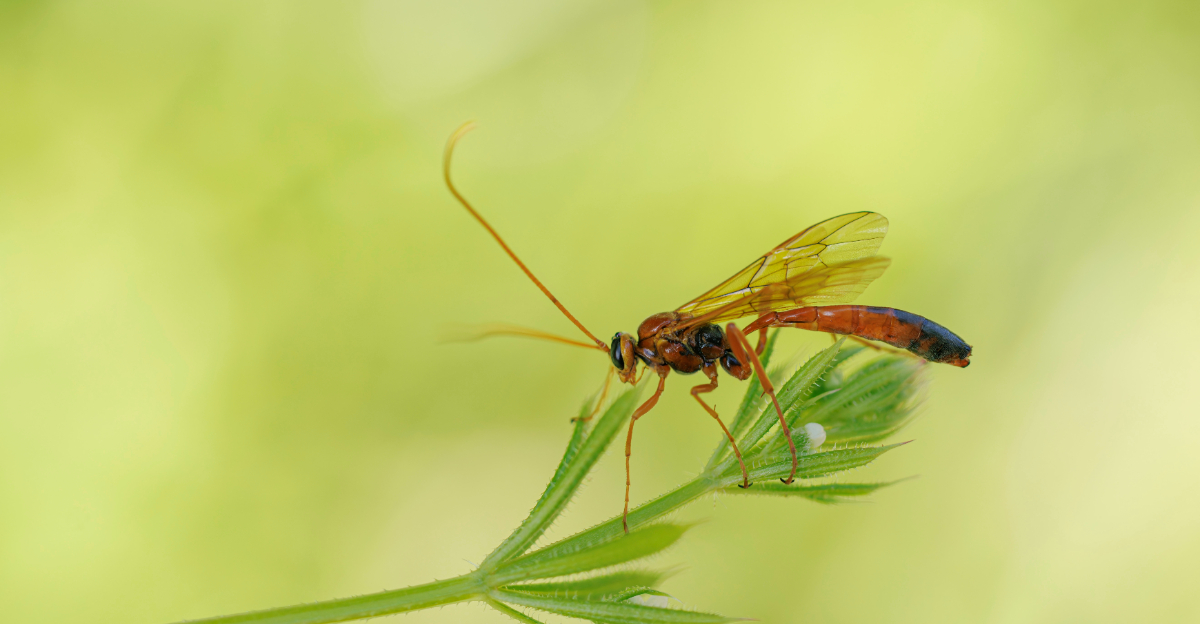
Your Florida lawn may already have a hidden pest-control squad, and the right plants can call it into action.
Adult parasitic wasps visit flowers for nectar, then hunt the sod webworms that chew through grass after dark. Small, shallow blooms make the best landing pads, especially native species with easy access to pollen and nectar.
Add them near turf, borders, or sunny beds, and wasp activity can rise without sprays or complicated care.
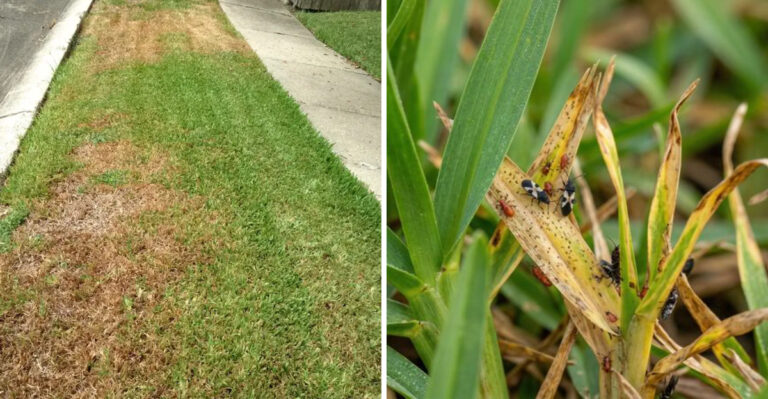
The result may mean fewer webworm larvae, less brown turf, and less pressure on your lawn through the hottest months. Not every wasp poses a threat to people, and many valuable species are tiny, solitary, and focused on pests.
Plant choice matters, though. Dense double flowers often block access, while simple blooms offer a quick meal.
Choose the right Florida plants, and your yard can support natural predators that help keep sod webworm damage under control naturally.
1. Coreopsis Turns Sunny Borders Into A Beneficial Wasp Stop
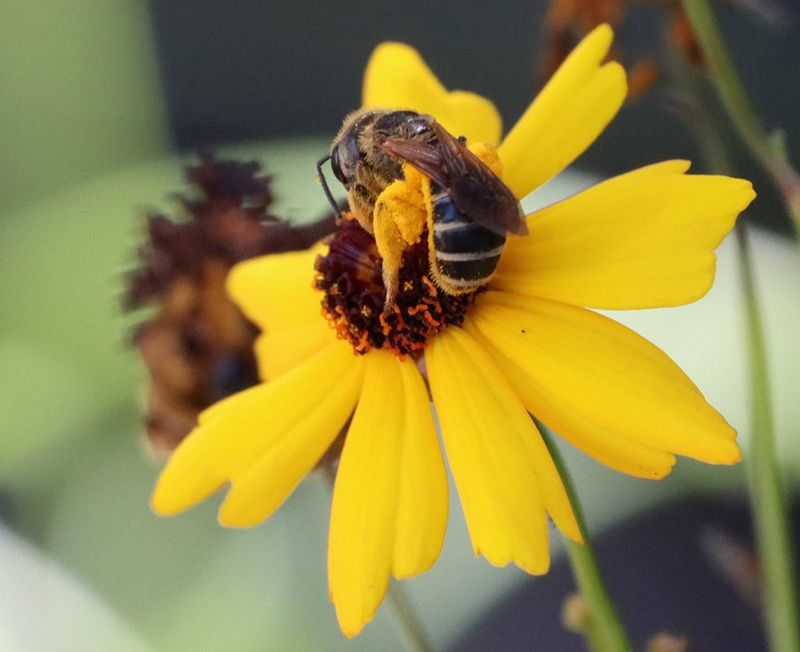
Sunny, open, and cheerful, coreopsis brings more than color to a garden edge. Coreopsis leavenworthii, the tickseed native to Florida, thrives in full sun and well-drained soil.
It blooms heavily from spring through fall, giving small insects a long window of access to nectar and pollen.
Its simple, daisy-like flowers have an open center that tiny insects can reach without difficulty. Small parasitoid wasps, which are often just a few millimeters long, tend to favor flowers with short or exposed nectar tubes.
That accessibility may make coreopsis a useful resource for a range of beneficial insects near your lawn.
Planting it along a sunny turf border rather than inside the grass keeps the two areas separate and manageable. Give it room to spread without crowding the lawn edge, and avoid overwatering, since it handles dry spells well once established.
It tends to reseed reliably, so you may get new plants each season with little extra effort.
Coreopsis alone will not prevent sod webworm damage. Brown patches still need proper scouting, correct identification, and appropriate treatment when pest pressure is high.
Think of coreopsis as one piece of a habitat-friendly yard strategy rather than a standalone fix for turf problems.
2. Beach Sunflower Pulls Hungry Hunters Toward The Turf
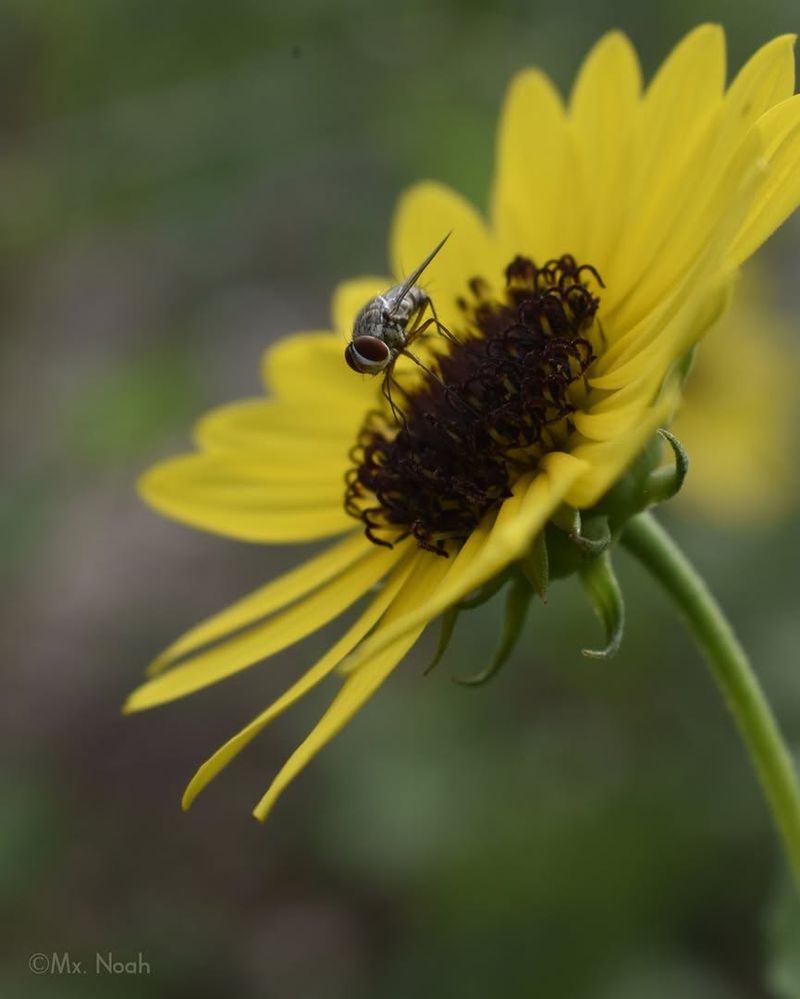
Along Florida coastal yards and fast-draining inland beds, one low-growing plant keeps blooming when others give up.
Helianthus debilis, the beach sunflower, is a tough native groundcover that handles heat, sandy soil, salt spray, and full sun without much complaint.
It spreads broadly, often reaching six feet or more across, so give it space before planting near turf edges.
Its repeated blooms provide a fairly steady floral resource across many months of the year. That consistency matters because beneficial insects need food sources that do not disappear after a single flush of flowers.
Small wasps and other hunters may visit regularly if blooms stay available through the growing season.
The phrase “hungry hunters” here is descriptive, not a proven attraction claim. No current research confirms that beach sunflower specifically draws wasps that then move directly into nearby turf to target sod webworms.
Your Florida Garden Changes Every Week. Your Plan Should Too.
Gardening in Florida changes quickly throughout the season. Every Friday you’ll receive a simple weekly plan showing exactly what to plant, prune, fertilize, harvest, and protect so you never miss the right timing.
What the plant does offer is accessible flowers over a long season, which may support a broader community of beneficial insects near your lawn.
Skip this plant in wet, shaded spots or heavy clay soil, where it tends to struggle. It fits best along sunny, well-drained borders near coastal or sandy-soil properties.
Pair it with proper lawn scouting rather than relying on it to handle pest pressure on its own.
3. Blanket Flower Serves Nectar In Hot Sandy Beds
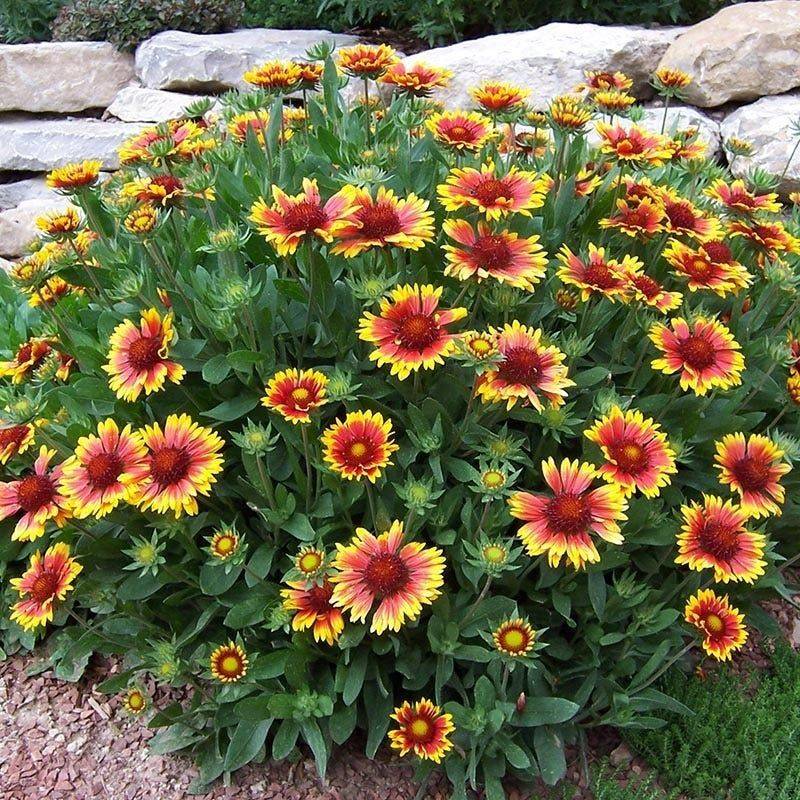
Few plants look as bold as blanket flower while thriving in conditions that would stress most garden perennials. Gaillardia pulchella is the species native to much of the Southeast, producing vivid red and yellow blooms on lean, well-drained ground.
It tolerates heat and low fertility better than many ornamentals, making it a practical choice for sandy beds.
Its long bloom period stretches from spring into fall under good conditions, which can extend nectar availability for visiting insects across multiple months. Small wasps that need frequent energy sources may benefit from a plant that keeps producing flowers without requiring rich soil or heavy watering.
That steady output makes it worth considering near a sunny lawn border.
Gaillardia pulchella behaves as an annual or short-lived perennial in most settings, though it reseeds readily. Avoid planting it in wet or poorly drained spots, where root rot becomes a real concern.
Taxonomy for this group has shifted over the years, so confirming the correct species at your local native plant nursery is a smart step.
Visiting wasps may use blanket flower for nectar without ever moving into adjacent turf. Do not interpret insect activity on the blooms as direct evidence of sod webworm management.
Proper identification of lawn pests and correct scouting remain necessary before any treatment decisions are made.
4. Dotted Horsemint Brings Tiny Parasitoids Into The Mix
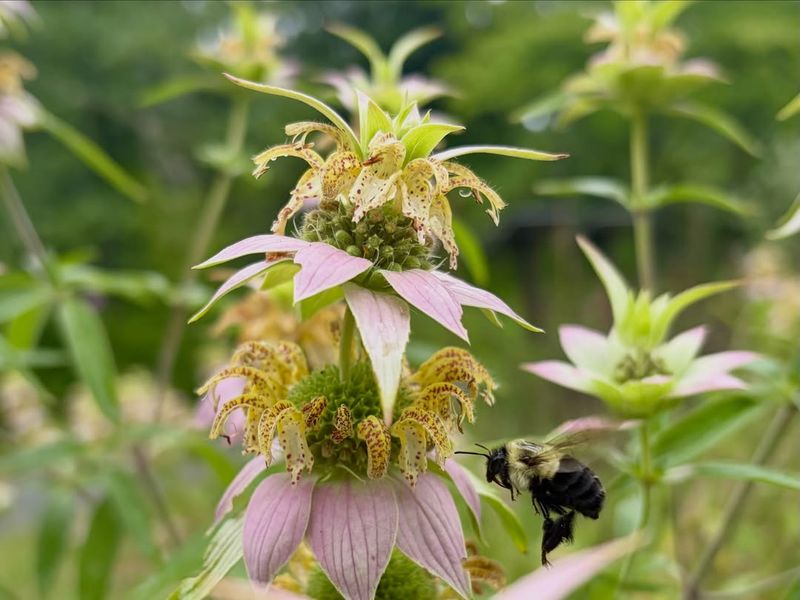
Walk past dotted horsemint on a warm afternoon and you will notice the scent before you see the blooms. Monarda punctata is a native Florida herb with an unusual look: tiered whorls of spotted, tubular flowers surrounded by showy pink or lavender bracts.
That structure creates a visually striking plant that also functions as a busy insect stop.
Its complex flower arrangement supports a wide range of small beneficial insects. These include various parasitoid wasps that may feed on nectar between hunting or egg-laying activities.
Diverse bloom structures tend to attract a broader insect community than simple, uniform flowers alone. That diversity may improve the overall mix of natural enemies near your turf.
Not every parasitoid species can access every flower type, so horsemint is not a guaranteed draw for all beneficial wasps. Still, reliable sources on insectary plants note that plants in the mint family can support beneficial insect communities in garden and farm settings.
Placing taller horsemint stems behind shorter plants along a sunny lawn border keeps the view open while adding habitat depth.
Dotted horsemint grows one to three feet tall and prefers full sun with well-drained, sandy or loamy soil. It handles dry spells well once established.
Pollinators also visit heavily, which adds ecological value beyond any connection to sod webworm management. Brown turf still requires correct scouting before you act.
5. Fennel Umbels Feed Wasps Working Below The Radar
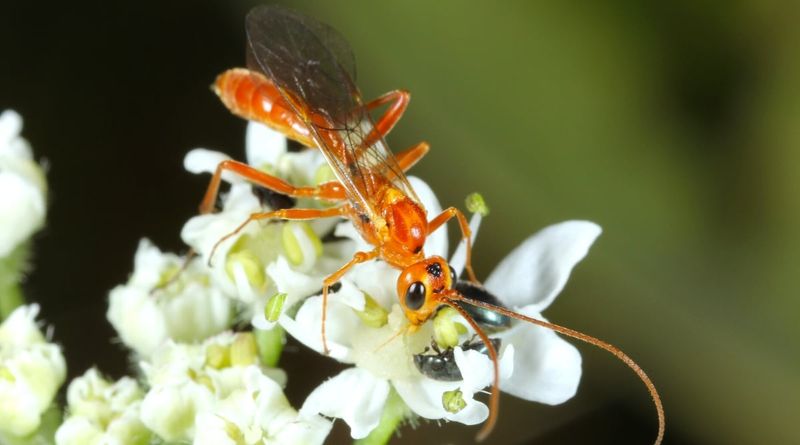
Once fennel shifts from leafy herb to flowering stalk, something interesting happens at the top of the plant. The flat-topped clusters of tiny yellow flowers, called umbels, are arranged in a way that makes nectar and pollen easy to reach for very small insects.
Parasitic wasps, which are often too small to be noticed, are among the insects documented visiting umbelliferous plants in insectary research.
Foeniculum vulgare is not native and can reseed aggressively if flower heads are not managed. It grows tall, sometimes reaching five or six feet, and needs full sun and decent drainage.
Placement matters: keep it behind shorter plants and away from the lawn edge so its height does not shade the grass or create a maintenance problem.
University extension guidance identifies umbel-flowering plants like fennel as useful insectary plants. These plants may support parasitic wasps and other beneficial insects.
That support is tied to adult feeding needs, not a direct promise that wasps will patrol your lawn for sod webworm caterpillars. Wasps that feed on fennel flowers may move well beyond your yard.
Allowing a few plants to go to flower each season, then removing spent heads before seeds drop, gives you the insect benefit with less spreading risk.
Combine this approach with correct sod webworm scouting and healthy turf practices for a more complete pest management strategy in Florida.
6. Cilantro Blooms Give Natural Enemies An Early Boost
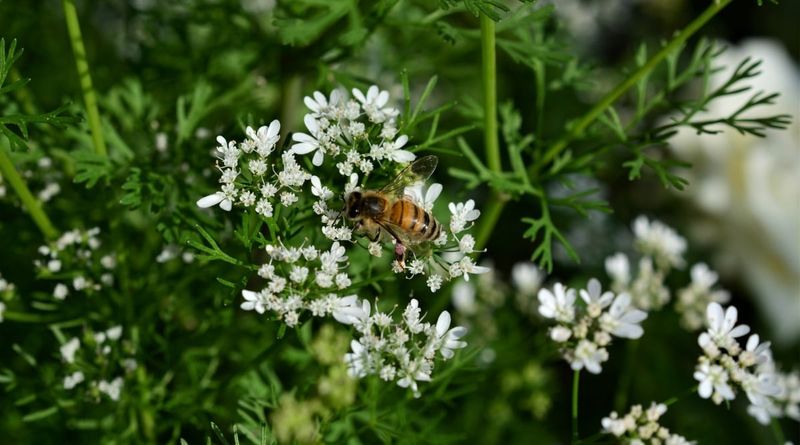
Most gardeners pull cilantro the moment it starts to bolt, but letting a few plants flower may be one of the smarter moves you make in a cool-season garden. Once cilantro reaches its flowering stage, it produces small white blooms arranged in flat umbel clusters.
Those tiny flowers can be surprisingly accessible to small beneficial insects, including parasitoid wasps that need energy between reproductive activities.
In much of the state, cilantro performs as a cool-season crop, planted in fall and running through late winter or early spring before heat ends its cycle.
That timing is meaningful because it fills a nectar gap when many warm-season flowers have not yet started blooming.
Supporting natural enemies earlier in the year may help build their populations before sod webworm pressure picks up in warmer months.
Do not expect cilantro to carry an entire season of insect support. It is a short-lived contributor, not a dependable summer flower.
Allowing several plants to bolt and bloom together rather than harvesting every stem gives insects a more noticeable resource.
No direct reduction in sod webworm numbers can be credited to cilantro alone. Think of it as part of a seasonal nectar sequence that keeps beneficial insects around longer.
Pairing it with later-blooming plants creates a more continuous food supply across the growing year.
7. Sweet Alyssum Builds A Nectar Lane Beside The Lawn
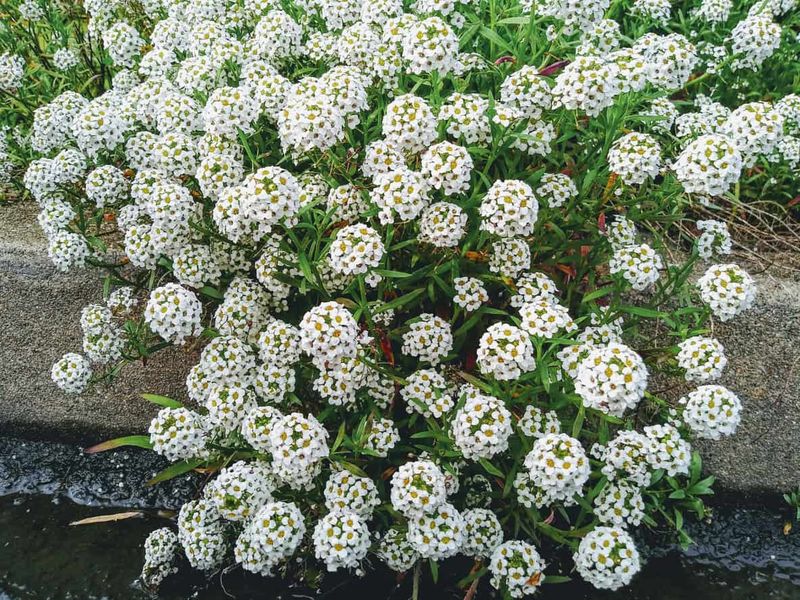
Tucked along a bed edge or garden path, sweet alyssum creates a low, fragrant ribbon of tiny flowers that many small insects find hard to pass up. Lobularia maritima grows only a few inches tall, spreading into soft mounds covered in white or lavender blooms.
That compact habit makes it easy to tuck along borders without interfering with lawn maintenance.
Research from vegetable and herb production systems has documented sweet alyssum supporting parasitoid wasps when grown as a companion strip. Recorded visitors include Syrphid flies and small Hymenoptera.
Those findings come primarily from agricultural settings, so applying them directly to residential lawn situations needs some caution. Still, the evidence suggests that this plant can provide accessible nectar to a range of beneficial insects.
Performance may drop during the hottest and wettest parts of a humid summer. In cooler parts of the growing season, or in years with mild summers, it can rebound and rebloom.
Replacing spent plants or allowing reseeding helps maintain coverage across a longer period.
Use sweet alyssum along paths or bed edges rather than inside managed turf, where mowing and irrigation schedules would disrupt it. What the research supports is its value as a nectar source for small beneficial insects.
Whether those insects then reduce sod webworm pressure in adjacent turf remains an open and untested question for home lawn settings.
8. Spanish Needles Extend Wasp Activity Around Troubled Grass
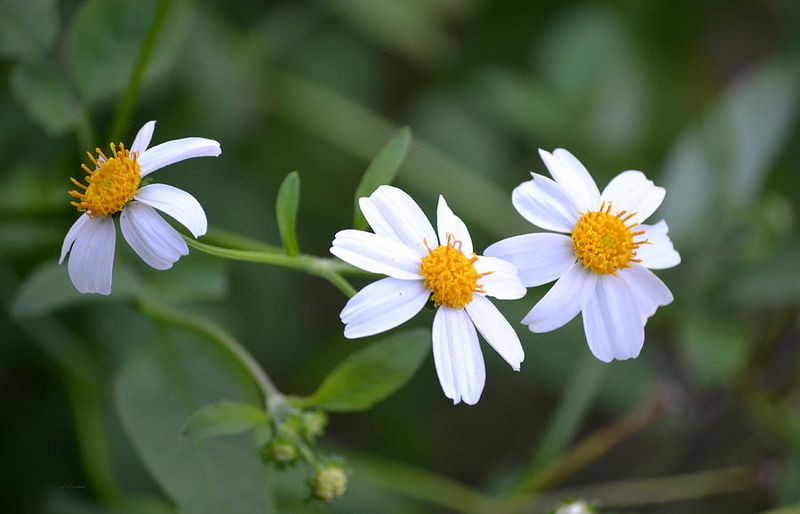
Along roadsides, fence lines, and lawn edges across the state, one scrappy wildflower keeps blooming through heat, drought, and neglect.
Bidens alba, commonly called Spanish needles, produces small white ray flowers with yellow centers across an impressively long season.
Its near year-round bloom period makes it one of the most consistent nectar sources available to insects in warm climates.
Entomologists and pollinator researchers frequently identify Bidens alba as a high-value insect plant. Beneficial wasp species are among the many visitors recorded on its blooms.
A long, reliable bloom window may help sustain beneficial insect populations through periods when other flowers are scarce. That extended availability could support natural enemies during the same warm months when sod webworm pressure tends to peak.
The downside is real: Spanish needles spreads aggressively through barbed seeds that cling to clothing, pet fur, and shoes. Planting it intentionally near foot traffic areas or pet runs creates a frustrating seed problem.
A controlled patch along a back fence or unused corner is a more practical approach than allowing it to spread freely.
Managing a small, defined stand gives you the insect benefit without losing control of the yard. Floral diversity in general, including plants like this one, may support a healthier community of natural enemies near your lawn.
Even so, brown or ragged grass still requires correct identification and proper scouting before any treatment is considered.