Why Michigan Soil Pulls New Perennials Up In Winter And The Fall Fix That Prevents It
Newly planted perennials in Michigan sometimes appear partially pushed out of the ground by late winter.
It’s a phenomenon known as frost heave that occurs when repeated freezing and thawing cycles shift soil and lift shallow-rooted plants toward the surface.
This happens most often to perennials planted late in the season that haven’t had enough time to establish deep, anchoring roots before the ground freezes.
Once roots are exposed to cold air and drying wind, the plant can suffer serious damage, even if it looked perfectly secure when first planted.
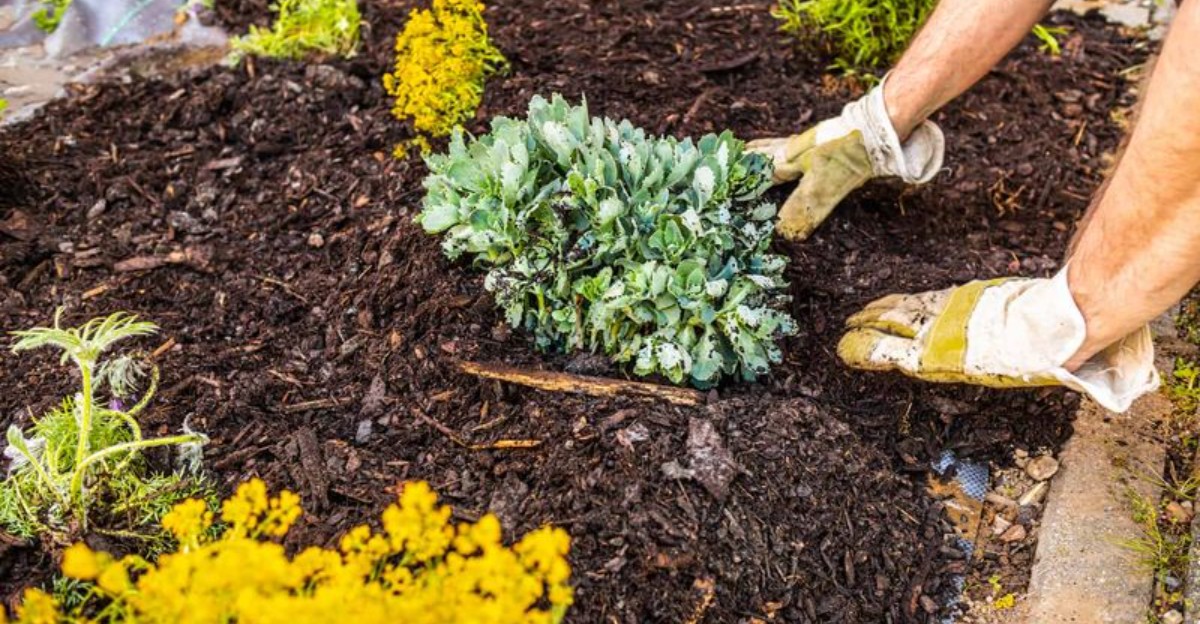
A simple fall step, like applying a proper layer of mulch after the ground begins to cool, helps insulate soil and reduce these damaging freeze-thaw cycles.
Taking this precaution now can mean the difference between a perennial that establishes successfully and one that struggles to survive its first Michigan winter.
1. Freezing And Thawing Causes Frost Heaving
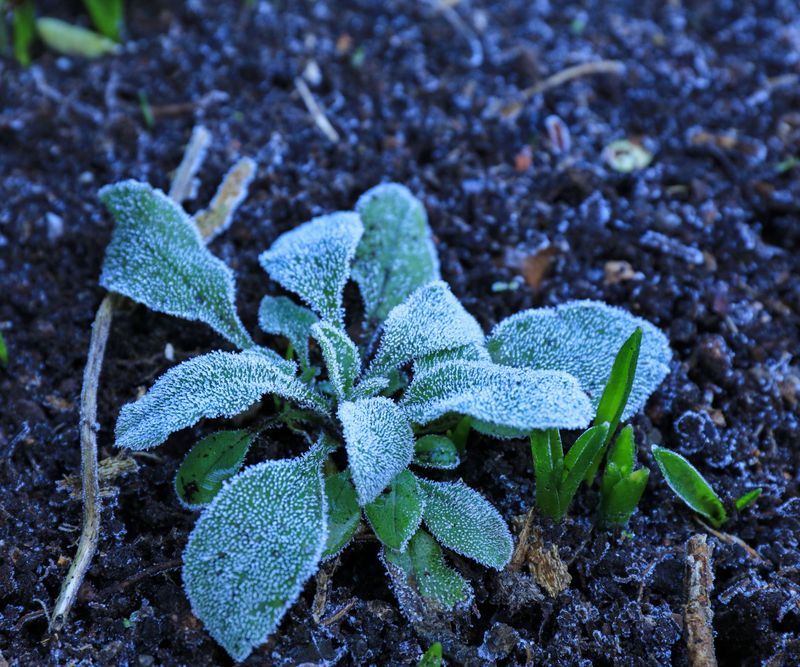
When soil freezes, ice lenses can form and push soil upward, causing shallow-rooted plants to heave out of the ground. As it freezes, it expands and takes up more space, pushing everything around it upward, including plant roots.
When the sun warms things back up, the ice melts and the soil settles again. This up and down movement happens over and over during a Michigan winter, sometimes many times in a single week. Each cycle nudges plants a tiny bit higher out of the ground.
The repeated squeezing and relaxing acts almost like tiny hands slowly lifting your perennials toward the surface. Over time, the crown of the plant and its roots can rise several inches above where you first tucked them in.
Soil that stays wet makes this worse, since more water means more ice and more swelling. That is why frost heaving shows up strongly in gardens with heavy, moist ground.
Understanding this movement helps you see why fall preparation matters so much. You are not fighting the cold itself but the constant shifting it creates. A steady, even soil temperature keeps the freezing gentle and slow.
Once you know the cause, the fixes make sense. Anything that keeps soil moisture balanced and temperatures steady will slow this rocking motion.
Simple steps in autumn set the stage for perennials that stay right where you planted them, ready to bloom beautifully when spring finally arrives.
2. New Perennials Are Especially Vulnerable
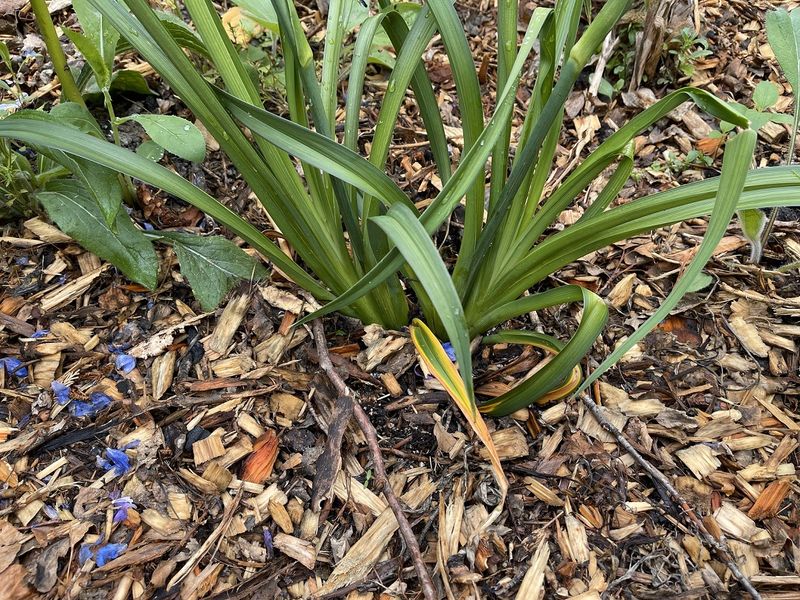
Fresh transplants have a rough start compared to plants that have lived in one spot for years. Their roots have not yet stretched out and gripped the surrounding soil. Because of this loose hold, they lift easily when frost pushes upward.
Michigan State University points out that newly planted perennials are among the most likely to suffer from frost heaving.
Their young root systems simply have not had enough time to anchor deeply. A plant that went in the ground during late summer or fall is still settling when winter hits.
Think of it like a tent stake that has not been hammered all the way down. A strong wind pulls it out quickly, while a deep stake stays put. Roots work the same way, and shallow ones give up their grip fast.
Your Michigan Garden Changes Every Week. Your Plan Should Too.
Gardening in Michigan changes quickly throughout the season. Every Friday you’ll receive a simple weekly plan showing exactly what to plant, prune, fertilize, harvest, and protect so you never miss the right timing.
Established perennials, on the other hand, have spread wide networks of roots that hold firm. They can ride out freeze and thaw cycles with little trouble. Your newest additions need extra care to reach that same level of toughness.
This is why gardeners pay close attention to first year plants. Watching them through winter and giving them a little protection makes a huge difference. Once they survive one full season, their roots dig in and future winters become far less risky.
Planting earlier in the season, when possible, gives roots more time to grow before cold arrives. The stronger the hold below ground, the safer your perennials stay when frost tries to lift them.
3. Exposed Roots Can Dry Out And Freeze
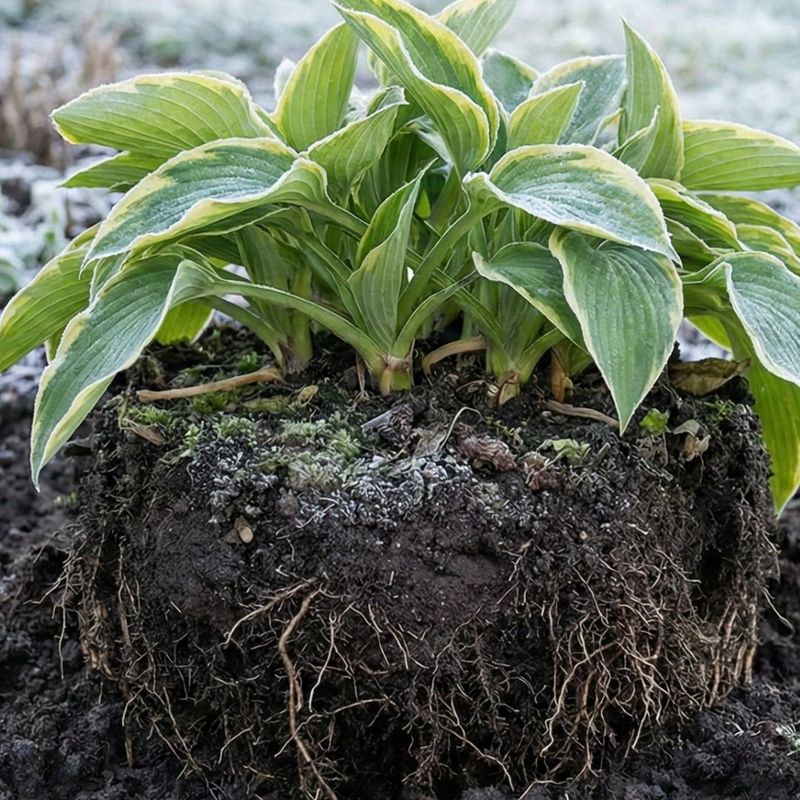
When a plant gets pushed halfway out of the soil, its roots end up sitting in the open air. That is a dangerous spot to be during a Michigan winter. Roots are meant to stay buried, cozy and moist, not left bare to face the elements.
Cold winter wind pulls moisture out of anything it touches. Exposed roots quickly lose their water and turn dry and brittle. Without soil wrapped around them, they have no protection from the harsh, drying air.
Freezing temperatures add another layer of trouble. Roots above the surface get hit directly by the cold instead of being shielded by insulating ground. This combination of drying and freezing leaves plants weak and injured.
A plant may look fine on top while its roots suffer below your notice. Come spring, it might struggle to green up or fail to grow at all. The damage happened quietly during those frosty months.
This is exactly why frost heaving is more than just a plant moving a little. The real harm comes from what happens to those lifted roots once they meet winter air. Keeping roots safely underground is the whole goal.
Checking on your perennials and gently pressing any exposed roots back into place can save them.
Even better, preventing the lifting in the first place keeps roots where they belong. A protected root zone means a plant that wakes up healthy and ready to thrive when the warm weather returns to your garden.
4. Poor Drainage Can Increase Heaving Problems
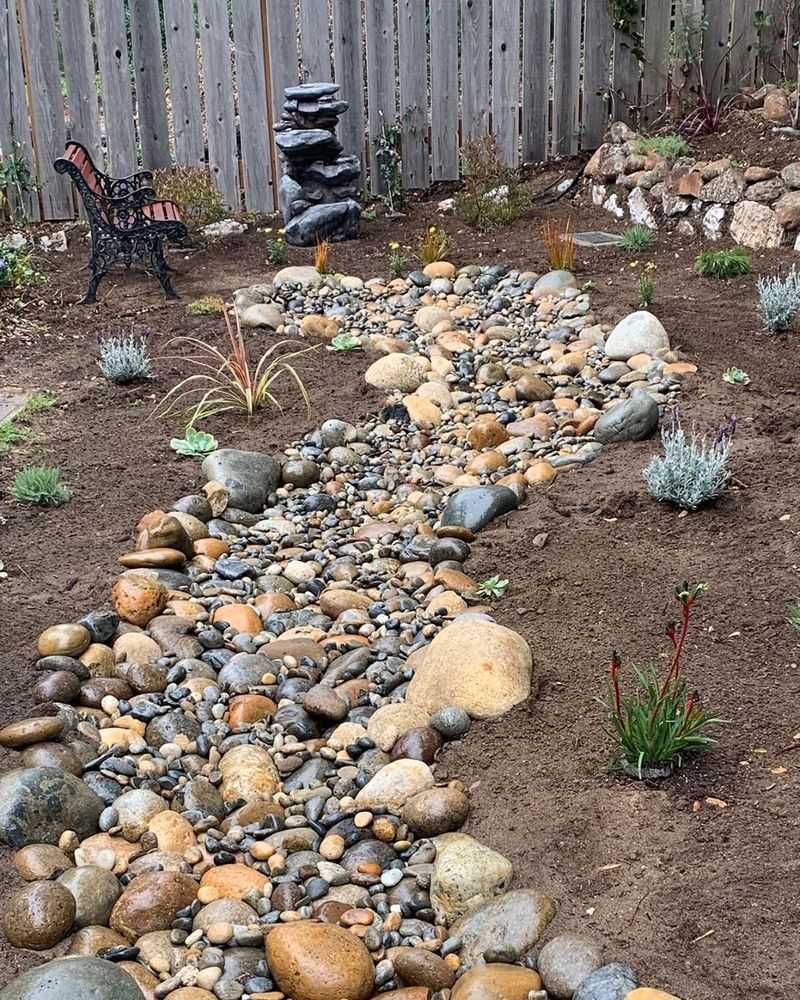
Soggy soil is a frost heaving machine. The more water sitting in your garden bed, the more ice forms when temperatures drop. And more ice means more swelling that lifts your plants upward.
Well-drained beds tell a different story. When extra water flows away instead of pooling, there is less moisture to freeze. The soil still cools down, but the swelling stays gentle and does far less damage.
Heavy clay soils common in parts of Michigan tend to hold water like a sponge. That trapped moisture freezes hard and pushes everything around. Adding compost or other organic material helps loosen the soil so water can move through more freely.
Raised beds are another smart trick for problem areas. Lifting your planting zone above the surrounding ground gives water an easy path to drain. Your perennials stay in soil that freezes evenly rather than in a wet, shifting mess.
Good drainage also keeps roots from sitting in cold, waterlogged ground all winter. Roots dislike being stuck in soggy conditions, and drier soil helps them stay healthy. Better drainage protects plants in more ways than one.
Before winter, take a look at how your beds handle rain. If puddles linger long after a storm, that spot needs help. Mixing in organic matter or shaping the bed to shed water pays off big time.
Managing moisture is one of the easiest ways to reduce frost heaving. A garden that drains well gives your perennials a steady, stable home through the coldest months ahead.
5. Water New Perennials Before The Ground Freezes

It sounds odd to water plants right before winter, but it truly helps. A perennial that goes into the cold season well hydrated handles the freeze far better than a thirsty one. Moist roots are healthier and more prepared for the tough months ahead.
Michigan State University recommends giving plants a thorough drink when needed before the ground freezes solid. This final soaking helps roots store up water they will rely on during winter. Frozen ground makes it impossible for plants to sip more later.
Winter air is surprisingly drying, even when everything looks frozen and still. Plants slowly lose moisture through their stems and crowns. Starting the season fully watered gives them a cushion against that steady loss.
Timing matters here. You want to water in late fall, while the soil is still soft enough to soak it in. Once the ground locks up with frost, that window closes.
Do not go overboard and flood the bed, though. Soggy soil brings back the drainage troubles that make heaving worse. Aim for deep, even moisture rather than standing puddles.
A good rule is to water thoroughly a few times during a dry fall, especially if rain has been scarce. Feel the soil a few inches down to check if it needs more. Damp but not drenched is the sweet spot.
This simple autumn habit sets your perennials up for success. Well-watered roots are stronger, more settled, and better able to hold their ground when frost tries to lift them free.
6. Apply Winter Mulch At The Right Time
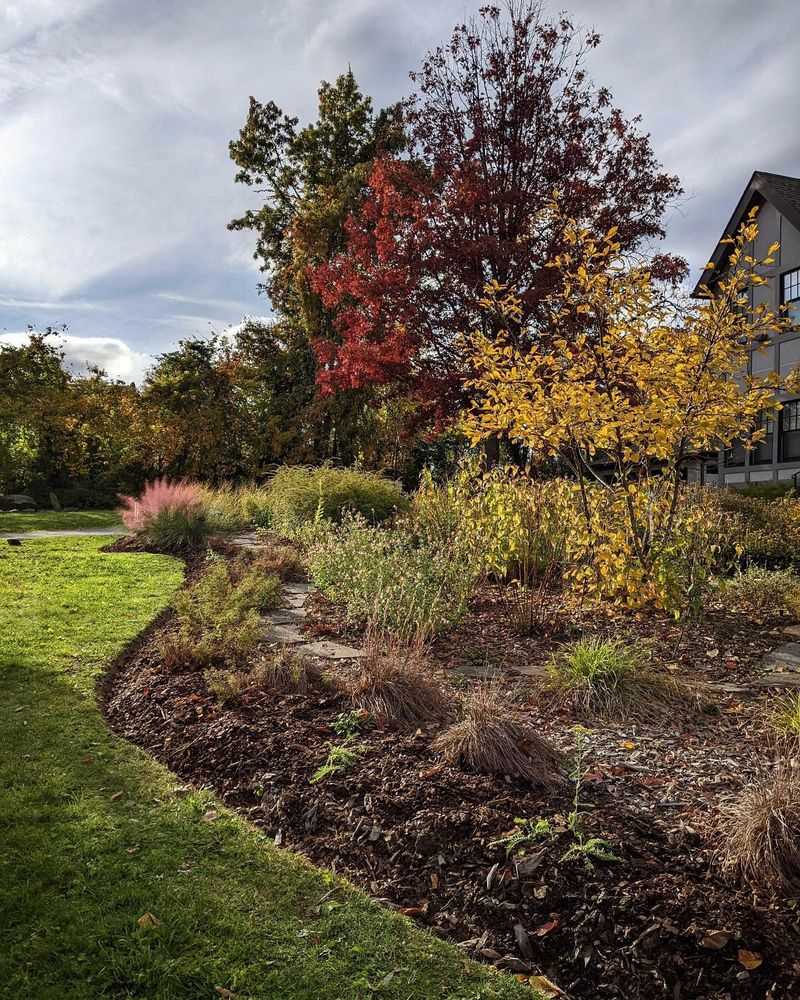
Mulch is like a warm blanket for your garden, but timing makes all the difference. Spread it too early and you might trap warmth that keeps the soil active. Wait for the right moment and it works like magic.
The goal of winter mulch is to keep soil temperatures steady, not to keep the ground warm. A uniform layer helps stop the constant freezing and thawing that causes heaving. Once the soil settles into a steady frozen state, mulch holds it there.
Apply winter mulch at the right time for your climate and plants; placing it too early can sometimes provide rodent shelter or interfere with normal seasonal cooling.
Straw, shredded leaves, or bark all make excellent choices. Spread a few inches evenly across the bed, covering the root zone around your plants. A tidy, consistent layer works far better than random clumps.
The mulch acts as insulation, smoothing out those wild temperature swings that push plants upward. Instead of rocking back and forth, the soil stays calm and still. Your perennials rest peacefully beneath the cover.
Watch the weather and wait for a few solid frosts before mulching. In much of Michigan, that means late fall or early winter. The soil will feel firm and cold to the touch.
Getting the timing right turns mulch into one of your best defenses against frost heaving. A well-timed layer keeps roots protected and steady, giving your garden the calm, stable winter it needs.
7. Do Not Bury The Plant Crown
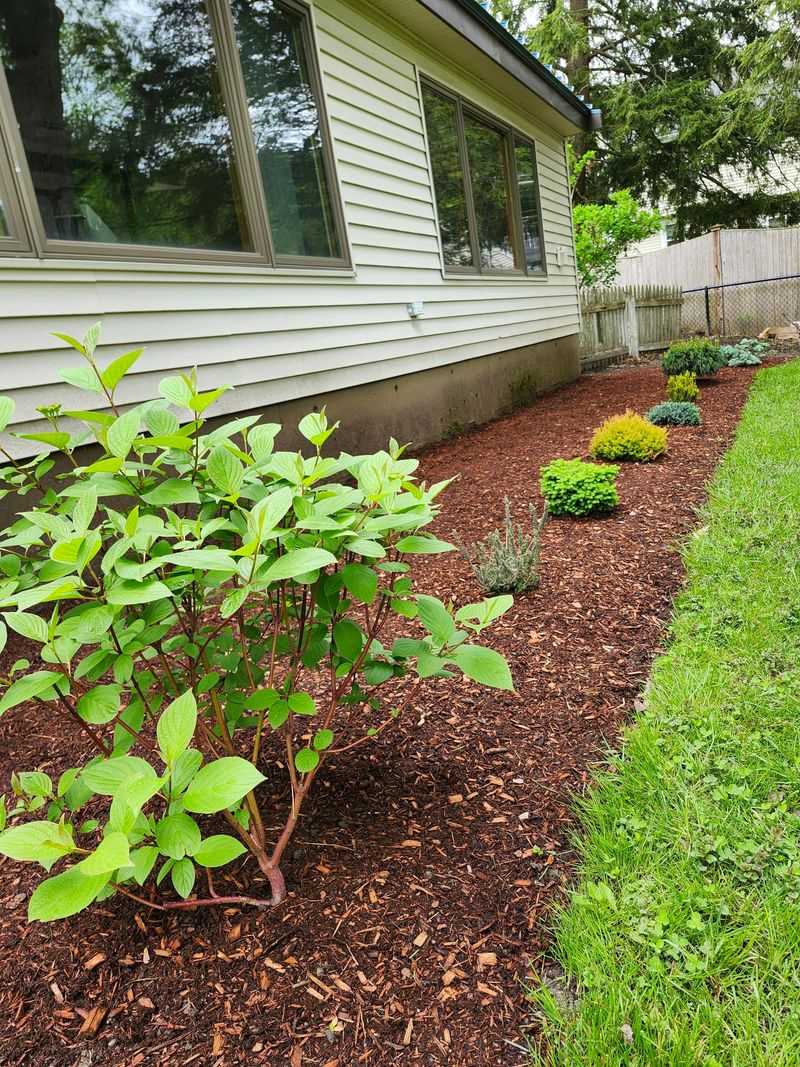
The crown is the heart of your perennial, right where the stems meet the roots. Piling mulch directly on top of it can cause real trouble. This tender spot needs air, not a heavy blanket smothering it.
When mulch sits on the crown, moisture gets trapped against the plant. That damp, stuffy space becomes a perfect home for rot and disease. Instead of protecting your plant, you end up harming it.
The smart move is to spread mulch around the root zone while leaving the crown open. Think of it like tucking a blanket around someone but keeping their face uncovered. The roots get insulated while the center breathes freely.
Too much mulch or poorly timed coverage also invites problems beyond rot. Fungal issues can spread in the trapped humidity. Keeping that crown clear helps your plant stay healthy through winter.
A light touch works best around the base. Leave a small gap of an inch or two of bare space right at the center of each plant. That little breathing room makes a big difference.
This tip is easy to forget when you are rushing to cover everything before the cold sets in. Take an extra moment to pull mulch back from the crowns. Your plants will thank you in spring.
Balancing protection with airflow keeps your perennials safe on all fronts. You guard against heaving while avoiding moisture troubles at the same time.
A careful, thoughtful mulching job protects both the roots and the delicate crown, setting your garden up for a strong return.
8. Check Plants Again After Winter Thaws
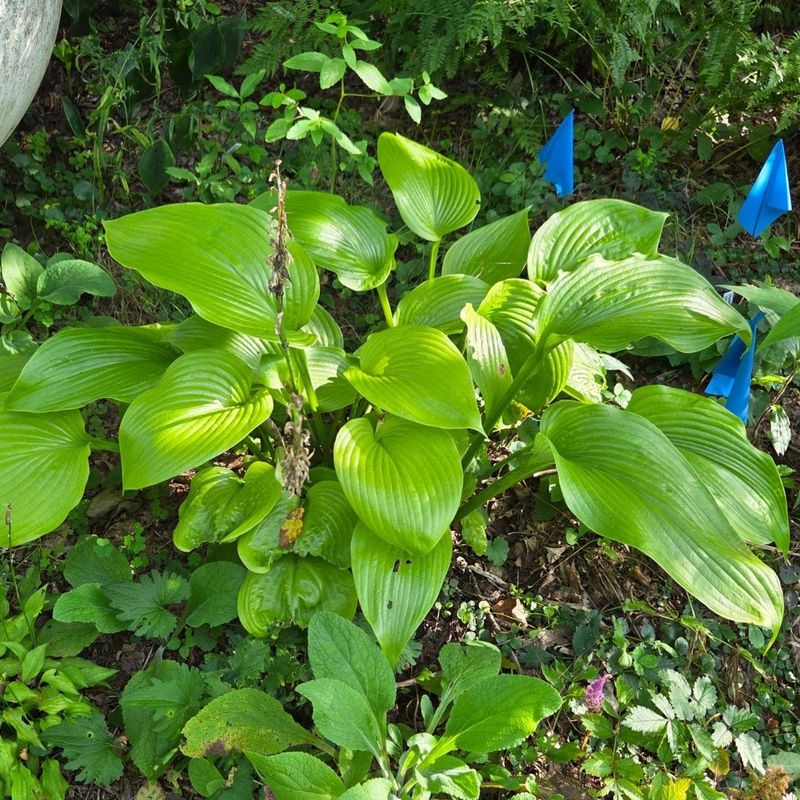
Winter is not the end of your job as a gardener. Even with all your fall prep, some plants may still shift during those repeated freeze and thaw cycles. A quick check after a thaw can catch problems early.
Michigan gardeners benefit from walking through their beds once things start to warm. Look for perennials that have lifted, with roots peeking above the soil. Catching them early means you can help before any real harm sets in.
When you spot a heaved plant, gently press it back down into place. Firm the soil around the roots so they are covered again. A soft, careful touch keeps you from breaking anything.
Timing matters here too. Only work the soil when it is thawed and not soaking wet. Pushing on frozen or muddy ground can compact it and hurt the roots you are trying to save.
Some patience helps during this stage. If the ground is still frozen solid, wait for a milder day. Forcing plants back into stubborn soil does more harm than good.
These spring checkups become a simple habit over time. A short walk through the garden lets you fix small issues before they grow. Your attention makes the difference between a struggling plant and a thriving one.
By staying watchful through the changing seasons, you give every perennial its best shot. The combination of good fall care and gentle spring follow-up keeps your garden strong.
Season after season, your plants settle in deeper and grow tougher against whatever winter brings.