What It Means When Florida Palm Fronds Turn Brown At The Tips
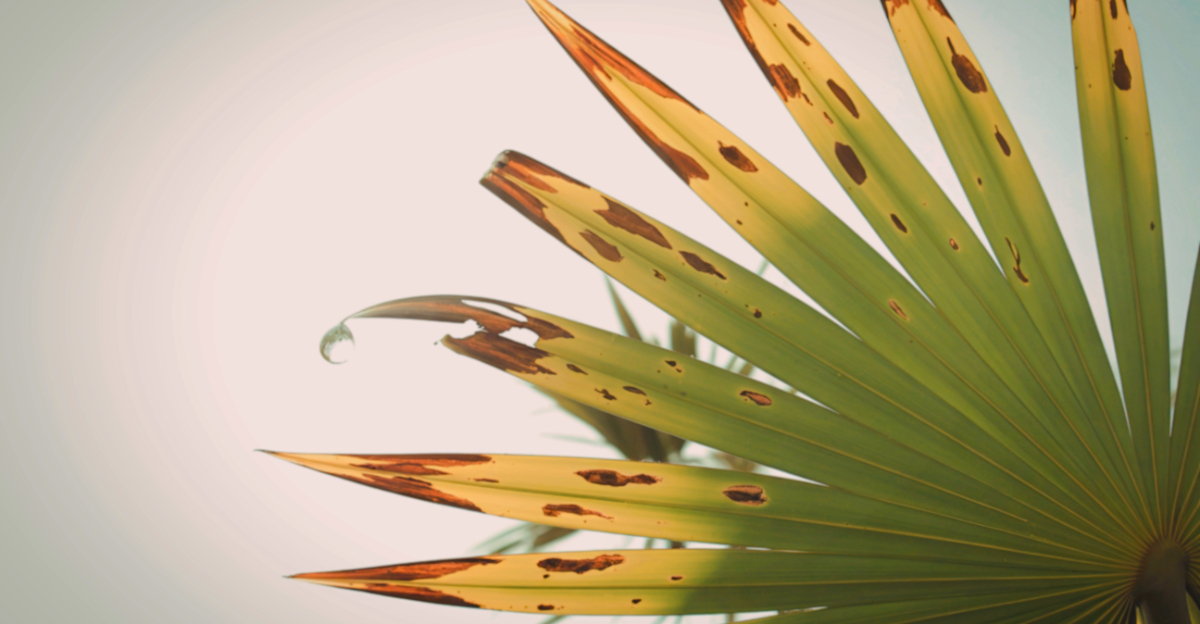
Overnight, one of your favorite fronds turned brown and brittle. Brown, crispy tips creep across otherwise healthy fronds without warning. Florida homeowners face this mystery more than almost anywhere else.
Heat gets blamed constantly, but heat is rarely the real culprit. Salt drift, fungal infection, nutrient deficiency, and watering mistakes all compete. Guessing wrong costs both money and precious time you don’t have.
Wrong treatments sometimes accelerate the very damage you’re trying to stop. Coastal winds and dense humidity push palms into constant stress.
Every frond is quietly reporting what’s happening underground, whether you’re paying attention or not. Some causes resolve themselves within weeks; others demand fast intervention.
Ignoring browning fronds almost never makes them recover. Your palm is steadily sending signals you cannot afford to misread.
Neighbors down the street in Florida are likely facing the same issue. What’s actually causing those fronds to brown will surprise you completely.
Nutrient Deficiency Is The Most Common Culprit
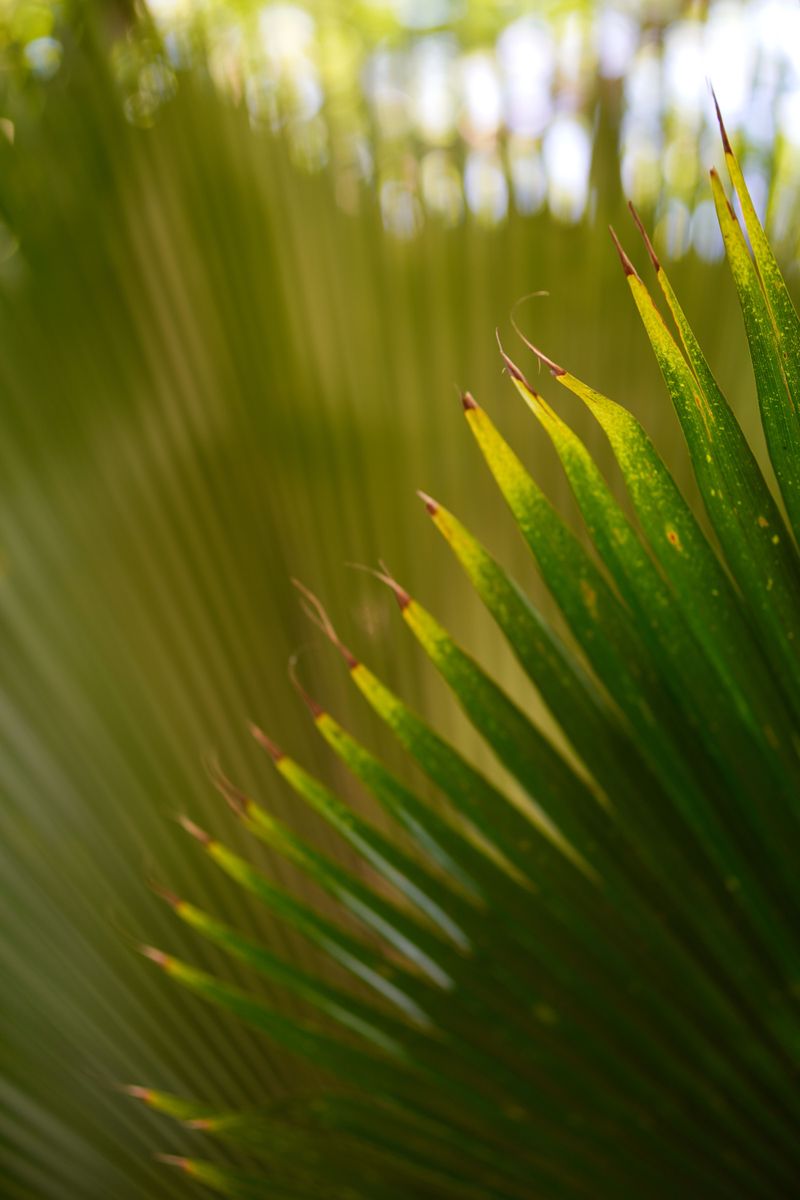
Nutrient deficiency is the number one reason palm fronds turn brown at the tips in Florida. Palms are heavy feeders, and sandy soil drains nutrients fast.
Magnesium shortages cause older fronds to yellow and brown from the outer edges inward. Potassium deficiency is harder to spot, showing up as brown, necrotic tips on the oldest leaves first.
Manganese deficiency hits new growth hard, making fronds look frizzled and stunted. Each missing nutrient tells a different story if you know how to read the signs.
The fix starts with a soil test from your local extension office. You can get one cheap, and it removes all the guesswork about what your tree actually needs.
Once you know the deficiency, apply a slow-release palm-specific fertilizer with a ratio like 8-2-12-4. That last number refers to magnesium, which Florida palms crave more than most people realize.
Never use a generic lawn fertilizer on your palms. Those blends are loaded with nitrogen and light on the micronutrients that keep palms looking lush and green.
Fertilize a few times per year during the growing season, depending on the fertilizer type used. Spread granules evenly under the canopy, not piled against the trunk, to avoid burning the roots.
When you match the right nutrients to the right deficiency, new fronds typically emerge green and strong, restoring a healthy, vibrant appearance.
Watering Problems Too Much Or Too Little
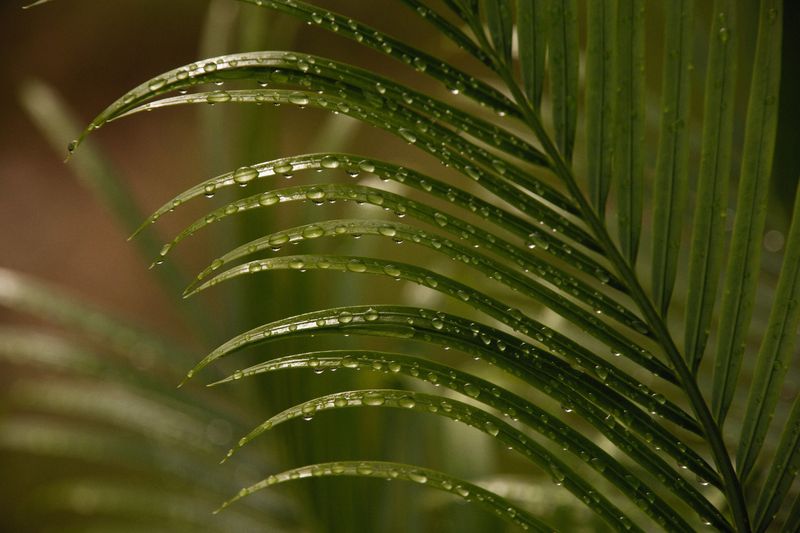
Water is life for a palm, but getting the balance wrong causes serious damage fast. Both overwatering and underwatering show up the same way: brown, crispy frond tips.
Underwatered palms dry out from the tips inward as the tree conserves moisture for its core. The fronds feel papery and brittle, and the browning spreads quickly in summer heat.
Overwatered palms develop root rot, which cuts off water absorption entirely. The tree looks thirsty even when the soil is soaking wet, which confuses a lot of homeowners.
Check the soil about three inches down before you water. If it feels damp, skip the hose and come back in a day or two.
Your Florida Garden Changes Every Week. Your Plan Should Too.
Gardening in Florida changes quickly throughout the season. Every Friday you’ll receive a simple weekly plan showing exactly what to plant, prune, fertilize, harvest, and protect so you never miss the right timing.
Established palms in Florida often need watering a few times per week during dry spells, though frequency varies by soil type and canopy size. Newly planted palms need more frequent attention, about every other day for the first few months.
Drip irrigation works better than overhead sprinklers for palms. It delivers moisture directly to the root zone without wetting the fronds, which reduces fungal issues.
Mulching around the base helps lock in soil moisture between waterings. Use a two-to-three inch layer of wood chips, but keep it a few inches away from the trunk.
Fixing your watering routine is one of the fastest ways to stop the browning. Give your palm the right amount consistently, and it will typically produce strong, healthy new growth.
Salt And Fertilizer Burn From Over-Application
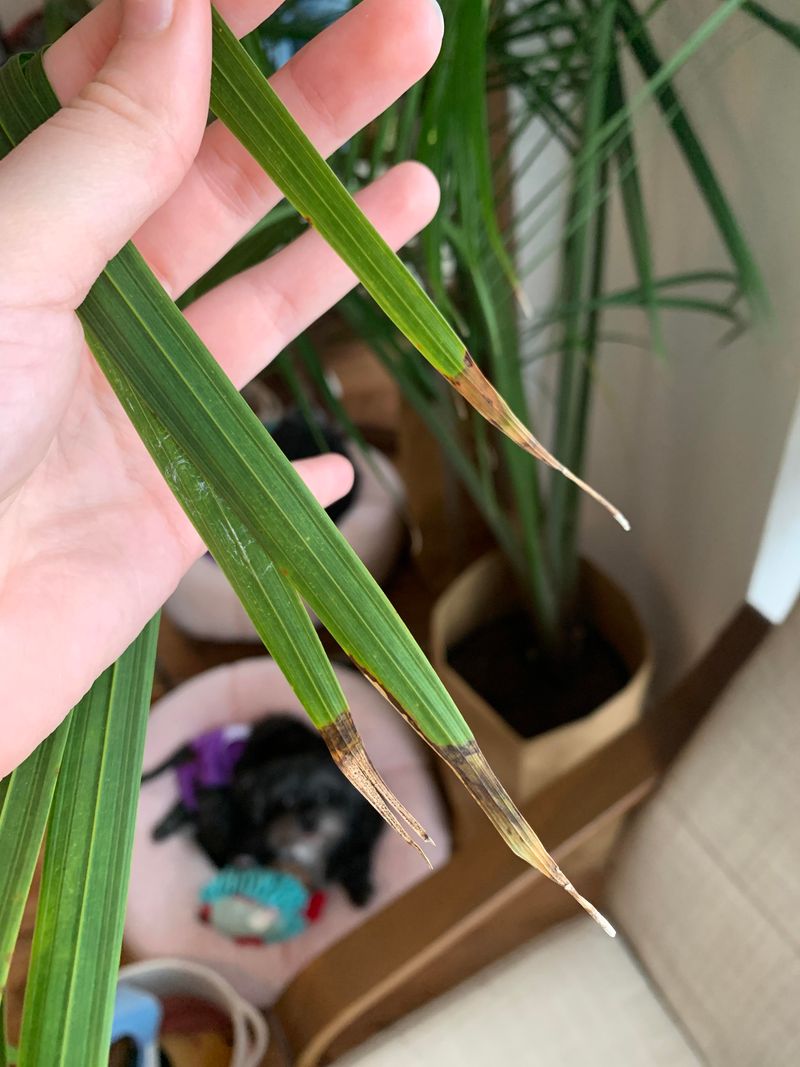
If you live near the coast or went heavy-handed with fertilizer, salt burn could explain those brown tips. Salt stress is one of the less obvious causes of frond damage in Florida.
Ocean wind carries salt particles that land on fronds and pull moisture right out of the leaf tissue. The tips turn brown first because they are the farthest from the tree’s water supply.
Fertilizer burn happens when too much product sits against the roots or trunk. Excess nitrogen and salts in the granules damage root cells, reducing the palm’s ability to take in water.
The symptoms of fertilizer burn look almost identical to drought stress. Brown tips, wilting fronds, and slow growth are all warning signs that something went wrong at the roots.
If you suspect over-fertilization, flush the soil deeply with water for several days. This helps push excess salts below the root zone and gives the palm some breathing room.
For coastal palms dealing with salt spray, rinse the fronds with fresh water during dry stretches. A garden hose works well for rinsing smaller palms, though larger trees may take longer.
Choose salt-tolerant palm varieties if you are planting near the water. Sabal palms and Washingtonia palms handle coastal conditions better than many ornamental species.
Always follow the label instructions when applying fertilizer. Using more than recommended does not speed up growth but does increase the risk of burning your tree from the roots up.
Natural Aging And Frond Shedding
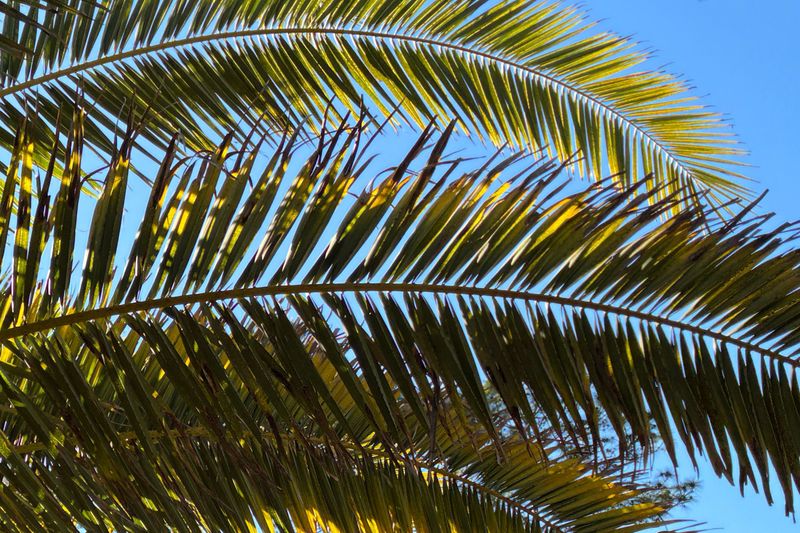
Not every brown frond signals a problem, and this is where a lot of homeowners panic for no reason. Palms naturally shed their oldest fronds as part of a healthy growth cycle.
Lower fronds on the canopy are the oldest, and they turn brown as the tree redirects energy to new growth at the top. This process is completely normal and happens year-round in warm climates.
A palm only keeps a certain number of fronds at once. As new ones push out from the crown, the oldest ones at the bottom yellow, brown, and drop off on their own schedule.
The key is knowing where the browning starts. Browning that begins at the tips of lower, older fronds and moves slowly is almost always natural aging at work.
Browning that starts on new or middle-canopy fronds and spreads fast is a red flag worth investigating. That pattern suggests a disease, pest, or environmental stressor rather than normal shedding.
Many homeowners make the mistake of pruning too aggressively to remove brown fronds before they drop. Over-pruning, sometimes called hurricane cutting, stresses the tree and slows its recovery.
Only remove fronds that are fully brown and hanging below horizontal. Green fronds, even slightly yellow ones, are still feeding the palm through photosynthesis.
Let nature take its course when aging is the cause. A palm that sheds cleanly and grows fresh fronds at the crown is one that is doing exactly what it should.
Pest Infestations And Fungal Diseases
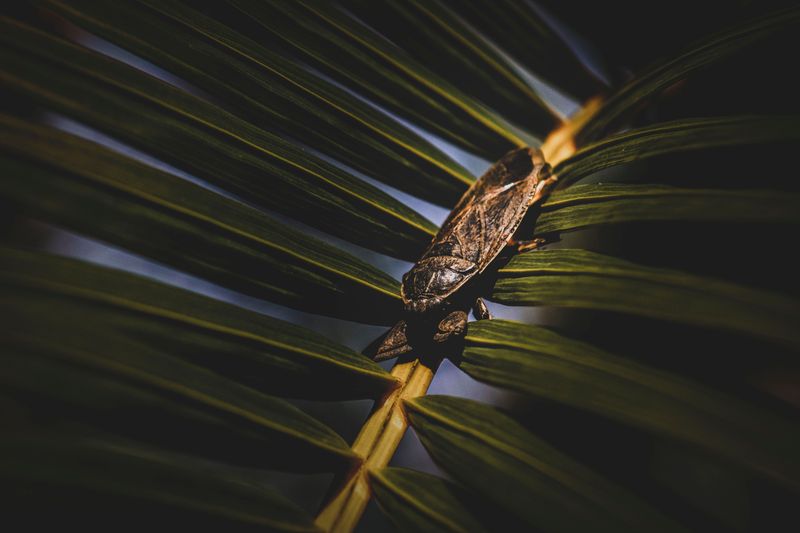
Florida’s warm, humid climate creates an environment well-suited to pests and pathogens alike. Spider mites are among the most common culprits, especially during dry spells.
They cluster on fronds, suck out moisture, and leave behind a stippled, bronze-brown discoloration that starts at the tips.
Palm aphids and scale insects also feed on fronds and weaken the tree over time. Look for sticky residue on the fronds or tiny bumps along the midrib as early warning signs.
Ganoderma butt rot is a serious fungal disease that targets the base of the trunk. It disrupts the tree’s vascular system and causes fronds to brown and wilt from the inside out.
Leaf spot diseases caused by fungi like Helminthosporium and Pestalotiopsis create dark lesions on fronds. These spots spread and merge, eventually causing widespread browning across the canopy.
Treat spider mites and soft-bodied insects with insecticidal soap or neem oil. Spray the entire frond surface, including the undersides, where pests love to hide from sunlight.
Fungal issues respond to copper-based fungicides applied early in the disease cycle. Catching it fast makes a big difference in how much of the canopy you can save.
Inspect your palms monthly for unusual spots, sticky coatings, or insect clusters. Catching an infestation early is the difference between a quick fix and a much larger problem.
Signs You Need A Professional Arborist
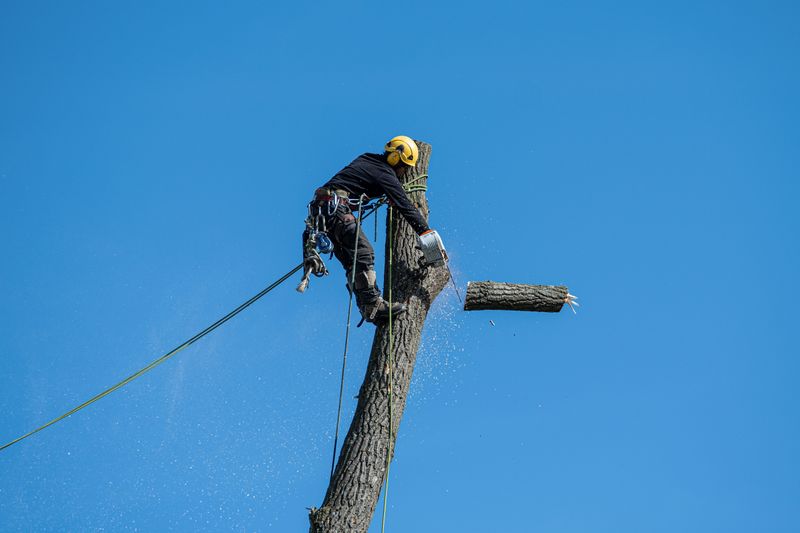
Sometimes the browning on your palm tips is a sign that the situation has moved beyond a DIY fix. Knowing when to call a pro can save your tree and your wallet in the long run.
If new fronds are emerging brown or deformed, that is a serious warning sign. Healthy palms push out vibrant green growth, so anything less deserves expert eyes on it fast.
Browning that covers more than half the canopy in a short period needs professional evaluation. Rapid decline can signal lethal bronzing disease, a phytoplasma infection spread by insects with no home cure.
Lethal bronzing has significantly reduced palm populations across the state and progresses quickly. A certified arborist can confirm the diagnosis and recommend antibiotic trunk injections if caught early enough.
Trunk damage, soft spots, or a foul smell near the base of the tree also require professional assessment. These symptoms often point to Ganoderma rot, which has no effective treatment and spreads underground.
A licensed arborist can also identify structural issues that make a palm hazardous. Leaning trunks, root damage, and crown instability are risks that go beyond brown frond tips.
Look for an arborist certified through the International Society of Arboriculture. Credentials matter when someone is climbing your tree or recommending removal.
Catching a serious problem early through professional diagnosis can mean the difference between saving a palm and losing it entirely. When palm fronds turn brown at the tips and nothing else works, expert help is the smartest next step.