How Michigan Gardeners Are Redesigning Their Yard Edges To Help Create A Tick Barrier
Most Michigan homeowners spend a lot of time thinking about the middle of their yard. The lawn, the garden beds, the patio, the fire pit.
The edges though, that brushy strip along the back fence, the leafy corner where the yard meets the tree line, tend to get ignored until something prompts a closer look.
For a lot of families, that something is finding a tick on a child or a pet after an afternoon outside.
Yard edges are exactly where ticks prefer to wait, tucked into shaded, moist, leaf-covered cover right at the boundary between managed lawn and wilder space.
Rethinking those transitions with tick activity in mind is one of the most practical improvements a Michigan homeowner can make to their outdoor space.
1. A Three-Foot Wood Chip Border Between Lawn And Woods
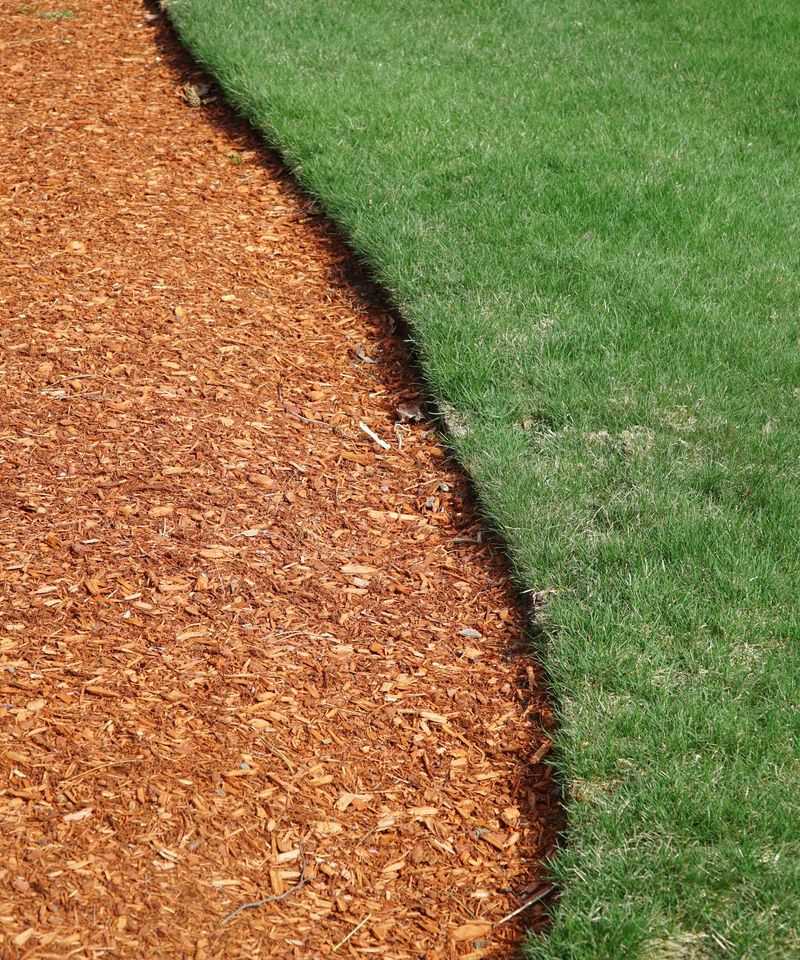
Walking barefoot from the lawn straight into the tree line is something a lot of Michigan families do without a second thought, especially during summer.
That easy transition, though, is one of the most direct ways people and pets move through areas where ticks tend to wait.
A three-foot wood chip border placed between the grass and the woods creates a drier, sunnier zone that ticks tend to avoid crossing.
Wood chips dry out quickly after rain and do not hold the kind of cool moisture that ticks prefer. A border that wide also gives homeowners a visible cue, a clear line that says the managed yard ends here.
Kids and dogs naturally slow down or redirect when there is a defined edge rather than a seamless blend of grass and forest floor.
For Michigan lots that back up to wooded areas or tree lines, this kind of border fits naturally into the landscape without looking out of place. Hardwood chips or shredded bark work well and can be refreshed once a year.
Keeping the chips dry and free of leaf debris helps maintain the effect.
The border does not need to be perfectly manicured, but it should stay clear of tall weeds or dense ground cover that could undermine the drier, more open character that makes this edge design useful.
2. A Gravel Strip Along Brushy Property Edges
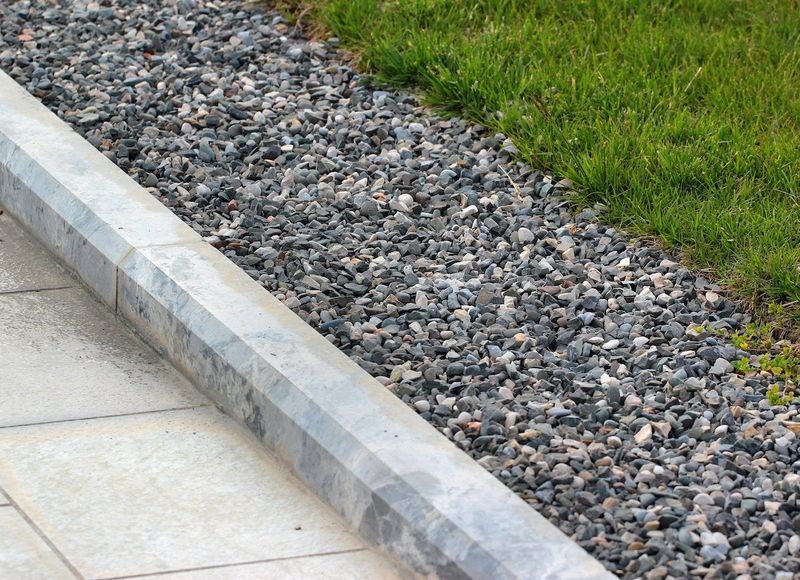
Brushy property lines are one of the most common features of Michigan residential lots, especially in older neighborhoods where shrubs and overgrowth have had years to fill in.
Those thick, shaded borders stay damp longer than open lawn, and they tend to attract the kind of wildlife movement that can bring ticks closer to home.
A gravel strip running along those edges offers a simple, low-maintenance way to create a drier transition zone.
Gravel heats up in the sun and drains quickly, which makes it much less hospitable than leaf litter or dense vegetation. A strip that is two to three feet wide does not need to be elaborate.
Pea gravel, river rock, or crushed limestone all work reasonably well, and any of them can be installed without major landscaping experience. Edging on both sides helps keep the gravel from migrating into the lawn or the brush.
Your Michigan Garden Changes Every Week. Your Plan Should Too.
Gardening in Michigan changes quickly throughout the season. Every Friday you’ll receive a simple weekly plan showing exactly what to plant, prune, fertilize, harvest, and protect so you never miss the right timing.
One thing Michigan homeowners often appreciate about gravel strips is how easy they are to maintain from season to season. Unlike wood chips, gravel does not break down and rarely needs to be replaced.
Keeping the strip clear of fallen leaves in autumn is probably the most important upkeep task, since leaf buildup can quickly undo the dry, open character that makes the strip effective.
A clean gravel edge also tends to look intentional and tidy, which adds a small visual benefit to the yard.
3. A Clean Mowed Buffer Inside The Barrier
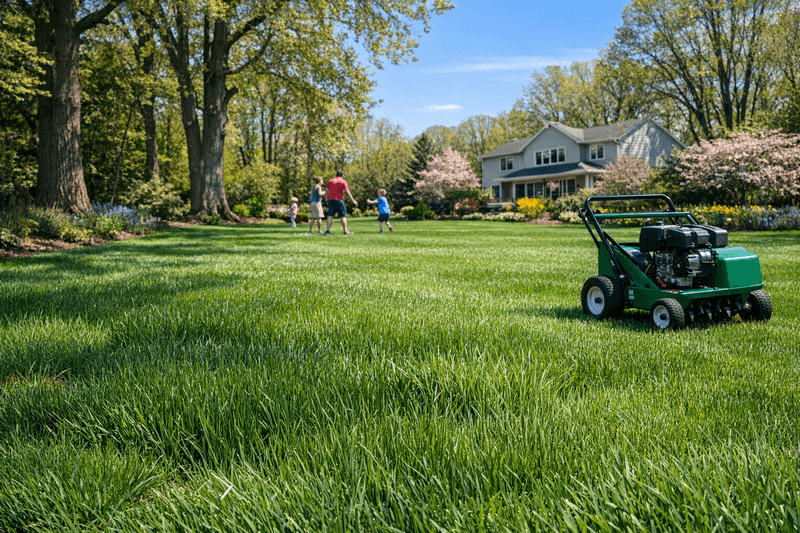
Even when a wood chip or gravel border is in place along the yard edge, the area just inside it matters too.
A mowed buffer of short, open grass running along the inside of that border helps extend the transition zone and keeps the space between the barrier and the main lawn area dry, sunny, and easy to scan.
Short grass simply does not offer the same shelter that taller vegetation does.
Ticks tend to climb vegetation to wait for a passing host, and grass kept below three inches gives them far less to work with. Mowing this buffer regularly through Michigan spring and summer keeps it functioning the way it was designed to.
It also makes it easier to spot ticks on clothing or on pets after time spent near the yard edge, since there is less dense cover to blend into.
For families who use the yard often, having that extra mowed strip can make a real difference in how comfortable people feel near the wooded side of the property.
It does not require special equipment or extra time beyond a slightly wider pass with the mower.
The buffer works best when it stays consistently short rather than being mowed occasionally and left to grow tall in between.
Even a modest strip of well-kept lawn near the edge adds a layer of openness that complements the barrier materials placed just beyond it.
4. Leaf-Litter Removal Along Fence Lines And Tree Edges
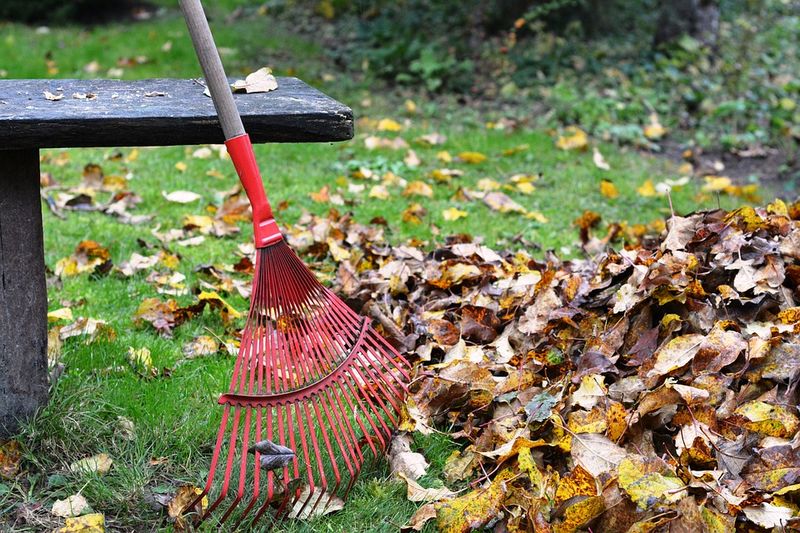
Leaf litter has a way of quietly piling up along fence lines and tree edges without anyone really noticing until it is several inches deep. In Michigan, where deciduous trees drop heavily in autumn, those shaded accumulations can stay damp well into spring.
That combination of moisture, shade, and organic debris creates conditions that ticks find genuinely comfortable, especially in areas where wildlife regularly moves through.
Clearing leaf litter from fence lines, base-of-tree zones, and shrub edges is one of the more straightforward edge-management tasks a homeowner can take on.
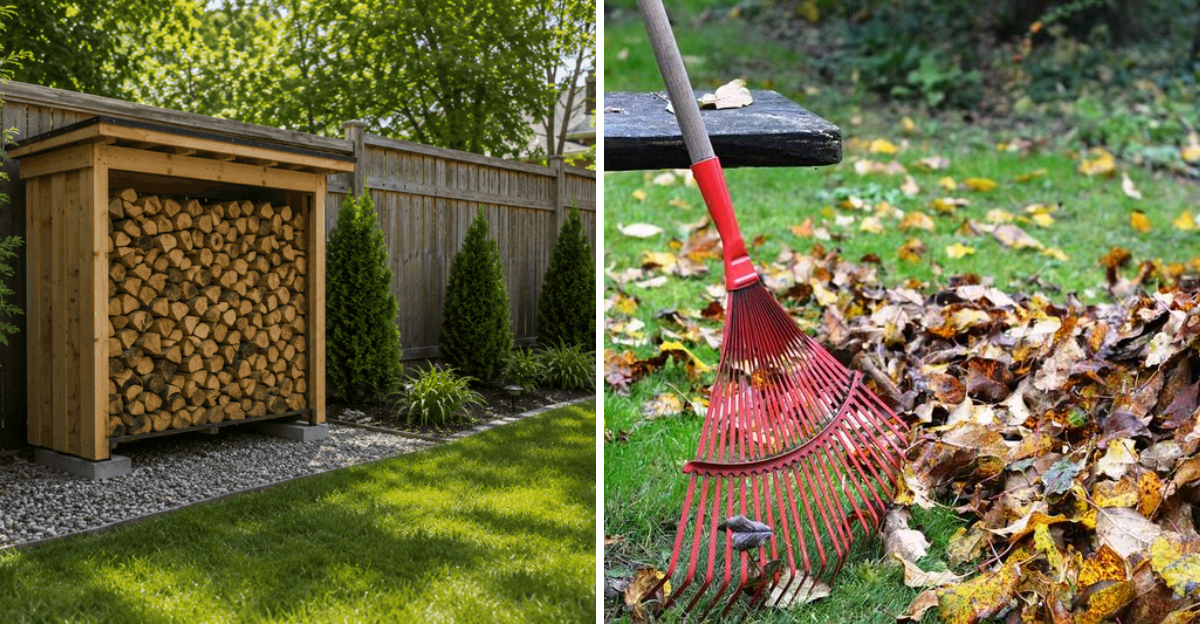
It does not require special tools or landscaping knowledge, just a rake, a tarp, and a commitment to doing it consistently.
Autumn cleanup is the obvious time, but a second pass in early spring, after snowmelt, can remove material that has been compressed over winter and is still holding moisture close to the ground.
Composting the cleared leaves in a designated bin away from the main yard edge is a practical option for Michigan gardeners who want to reduce waste while keeping fence lines tidy.
Leaving cleared edges bare or lightly mulched with wood chips helps prevent new accumulation from becoming as dense.
Fence lines with woody shrubs or climbing plants along them may need more frequent attention since fallen material collects and stays trapped more easily there.
Keeping those areas open and dry is a small but meaningful part of a broader edge-management approach.
5. Trimmed Brush Where Lawn Meets Woods
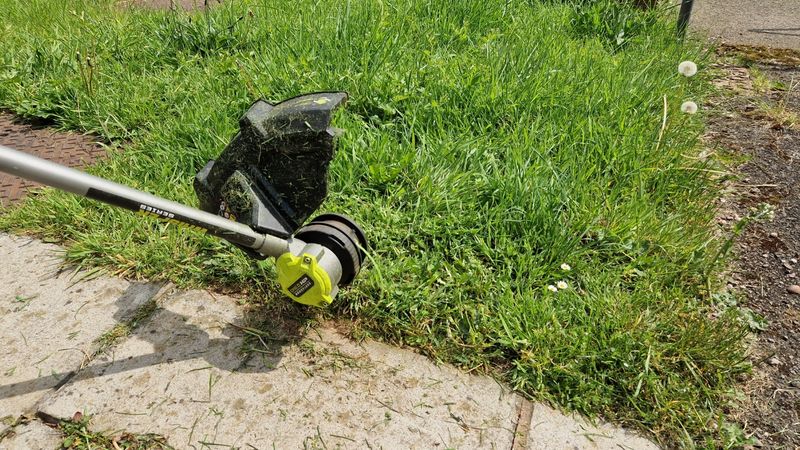
Overgrown brush at the edge of a lawn is one of those things that can feel manageable until suddenly it is not.
In Michigan, where property lines often run along tree lines, shrub thickets, or naturalized areas, that brushy transition can grow dense and shaded very quickly through the warm months.
Thick undergrowth at the lawn edge creates exactly the kind of layered, moist habitat that ticks tend to favor.
Trimming brush back from the lawn edge does not mean removing every shrub or native plant near the tree line. The goal is to open up the lower few feet of vegetation so that sunlight can reach the ground, air can circulate, and the area stays noticeably drier.
Removing damaged wood, cutting back overhanging branches, and thinning dense shrubs at the base makes the edge less sheltered without stripping it of all its character.
Michigan homeowners with wooded lot edges often find that one focused trimming session in late spring, followed by a lighter maintenance pass in midsummer, keeps the border from becoming too overgrown.
Using loppers, a pruning saw, or a brush trimmer depends on how established the growth is.
Cleared material should be moved away from the yard edge rather than left in piles along the border, since debris piles can quickly become new shelter spots.
A trimmed, open edge looks cared for and functions better as a defined transition between the yard and the woods beyond.
6. Patios And Play Areas Set Away From Wooded Edges
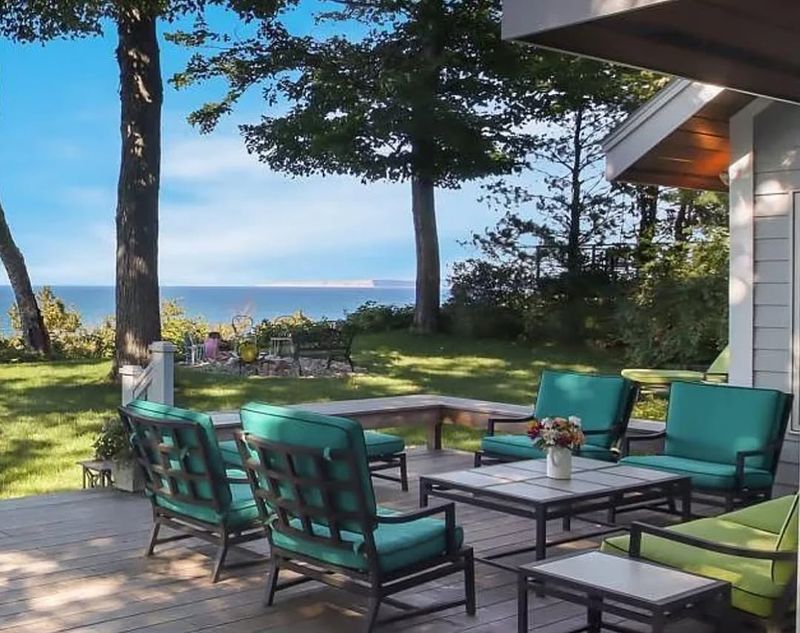
Placement matters more than most people realize when it comes to how a yard gets used and how often people brush against vegetation at the edges.
Patios, fire pits, play sets, and lawn chairs positioned close to the tree line are comfortable in the shade, but they also put people and pets right next to the kind of cover that ticks prefer.
Moving those spaces even fifteen to twenty feet toward the open center of the yard can make a noticeable difference in daily tick exposure.
For Michigan families with children who play outside regularly through spring and summer, play equipment set in a sunny, open area of the lawn is easier to manage from a yard-care standpoint too.
Open lawn dries faster after rain, gets more sun, and is simpler to mow short and keep that way.
When kids are playing in the center of the yard rather than along a brushy edge, the number of daily tick checks needed after outdoor time can feel more manageable.
Redesigning a patio or repositioning a play area is not always a small project, but it is one that tends to pay off in comfort and peace of mind through the long Michigan outdoor season.
Even a partial shift, moving a seating area or a sandbox away from the shadiest, most overgrown edge, can reduce how often people linger in spots where tick encounters are more likely.
Open, sunny placement is one of the simplest edge-design decisions a Michigan homeowner can make.
7. Firewood Stacked In A Dry, Tidy Area
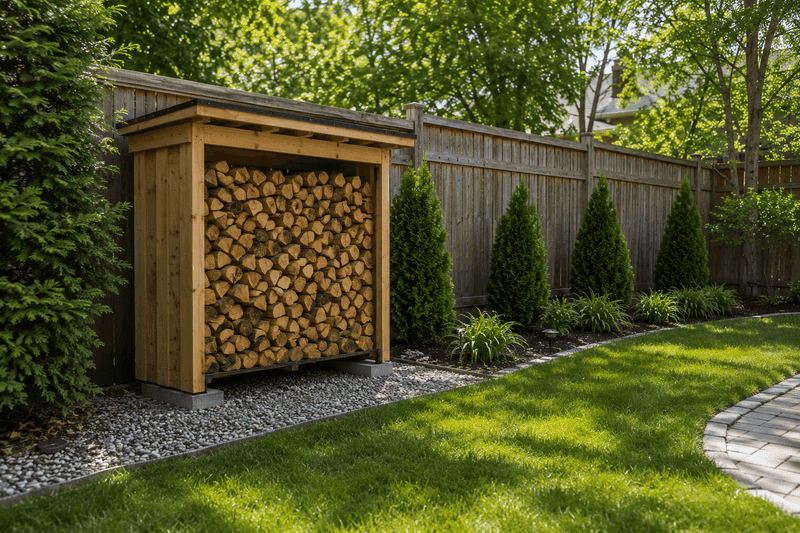
Firewood stacks have a way of becoming accidental habitat.
A loosely piled cord of wood sitting on the ground near the tree line, especially in a shaded or damp corner, can attract the kind of small mammals and moisture-loving conditions that make ticks more likely to be present.
Michigan homeowners who heat with wood or keep a fire pit going through the warmer months often store firewood right next to the woods for convenience, which puts it in one of the higher-risk spots on the property.
Moving the woodpile to a drier, sunnier location away from the wooded edge is a straightforward adjustment that fits naturally into general yard tidiness.
Stacking wood on a raised rack rather than directly on the ground helps keep the pile dry and reduces the shelter it offers to mice and other small rodents that can carry ticks.
A sunny spot with good airflow is ideal, and keeping the area around the stack clear of debris makes it easier to maintain.
For Michigan families who use firewood year-round, the location and condition of the woodpile is worth reconsidering as part of a broader edge-management plan.
A tidy, well-organized stack in an open area looks better, dries faster, and is less likely to become a spot where ticks linger.
It is a small relocation that requires no special tools or skills, just a willingness to move the pile a bit farther from the shadiest part of the yard.
8. Defined Paths Through Naturalized Garden Areas
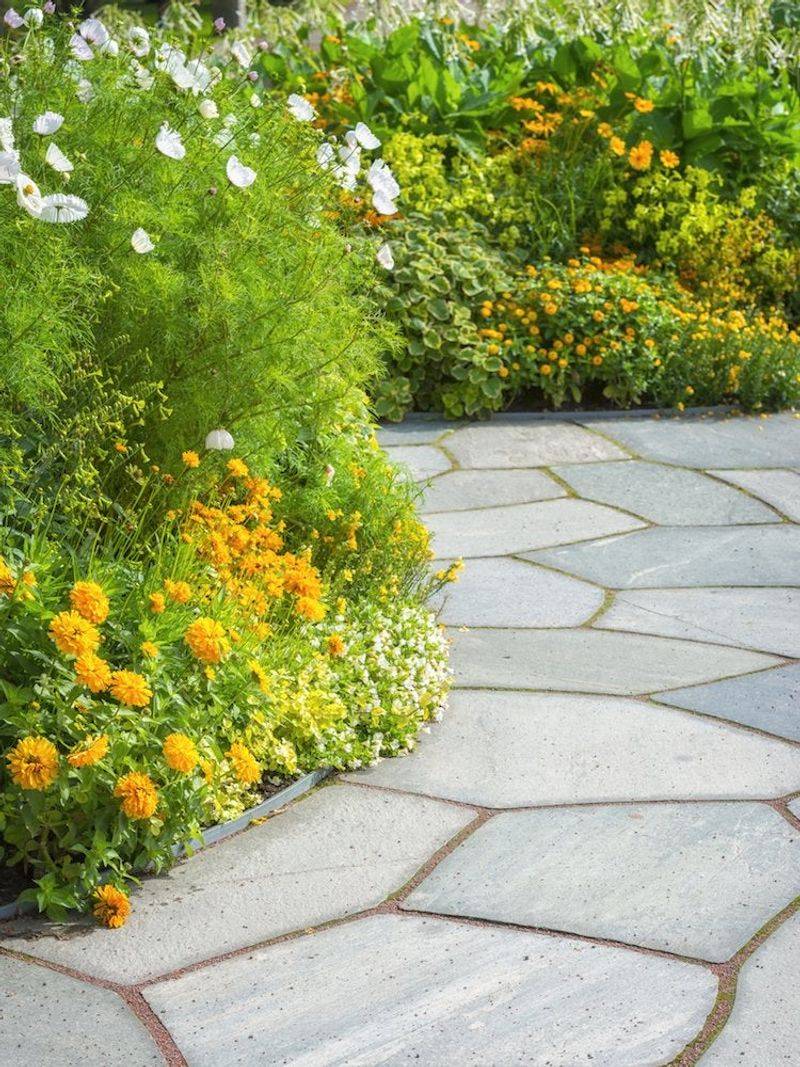
Naturalized garden areas, those lovely patches of native wildflowers, ferns, ornamental grasses, and shrubby plantings that many Michigan gardeners have embraced, are genuinely beautiful and ecologically valuable.
They also tend to be the spots where people and pets are most likely to brush through tall, dense vegetation rather than walking around it.
Without a defined path, moving through a naturalized area often means pushing through plants at thigh or knee height, which is exactly the kind of contact that increases tick exposure.
Adding a clear, defined path through a naturalized garden gives people a way to move through and enjoy the space without brushing against vegetation on both sides.
Stepping stones, wood chip paths, or compacted gravel all work well depending on the style of the garden.
The path does not need to be wide or formal, but it should be distinct enough that walkers naturally stay on it rather than wandering off to the sides.
Michigan gardeners who maintain naturalized areas near wooded edges or along property lines can use defined paths to keep the beauty of those plantings while reducing the amount of unplanned vegetation contact that happens during everyday yard use.
Keeping path edges trimmed and the walking surface clear of debris helps the route stay functional through the growing season.
A well-placed path also makes the garden feel more intentional and inviting, which encourages people to use it in a more controlled, deliberate way rather than just wandering through.