Why Michigan Gardeners Are Leaving Perennial Seed Heads Standing Through Winter
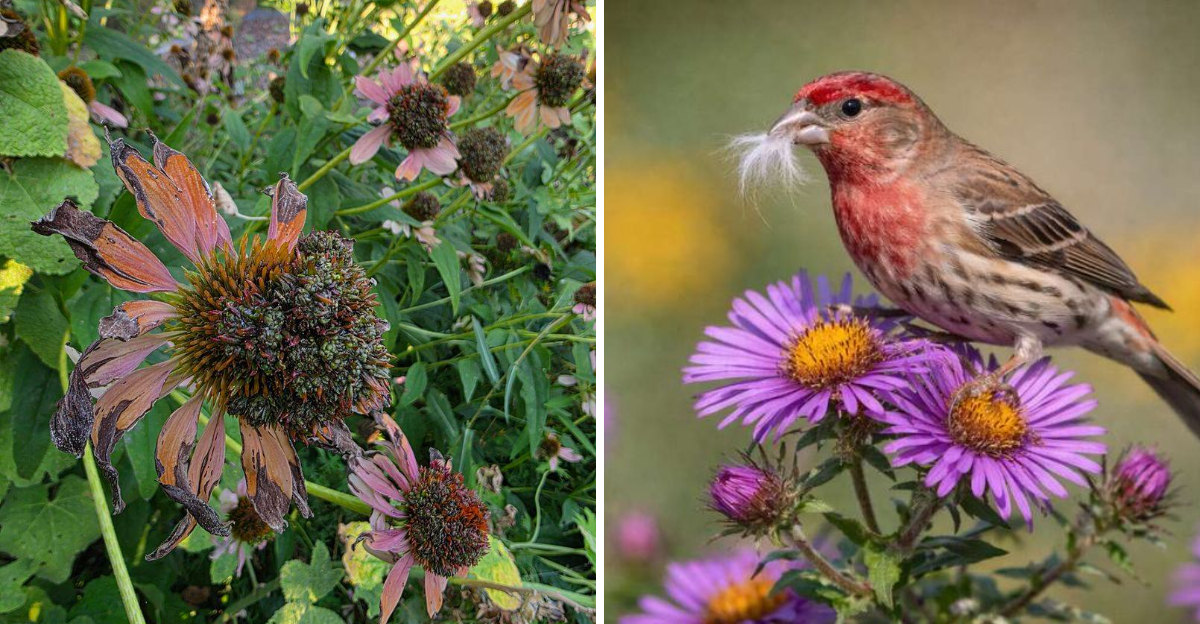
Two Michigan gardens in December.
One is cut flat. Clean edges, bare soil, everything tidied away back in October.
The other still has coneflowers standing, dried stems poking through the snow, seed heads looking distinctly unfinished.
Many people would guess the second gardener ran out of weekends. That’s usually not what happened.
Here’s what changed. A growing number of gardeners figured out that those standing stems are doing several jobs at once, and cutting them in fall ends all of them.
Birds feed from the seed heads through January. Native bees are inside some of those hollow stems right now, sealed in until spring.
There’s a visual argument too, once snow starts catching on the shapes. The tidy bed looks finished. The shaggy one is still working.
Curious what you’d be leaving behind?
1. Seed Heads Feed Birds All Winter
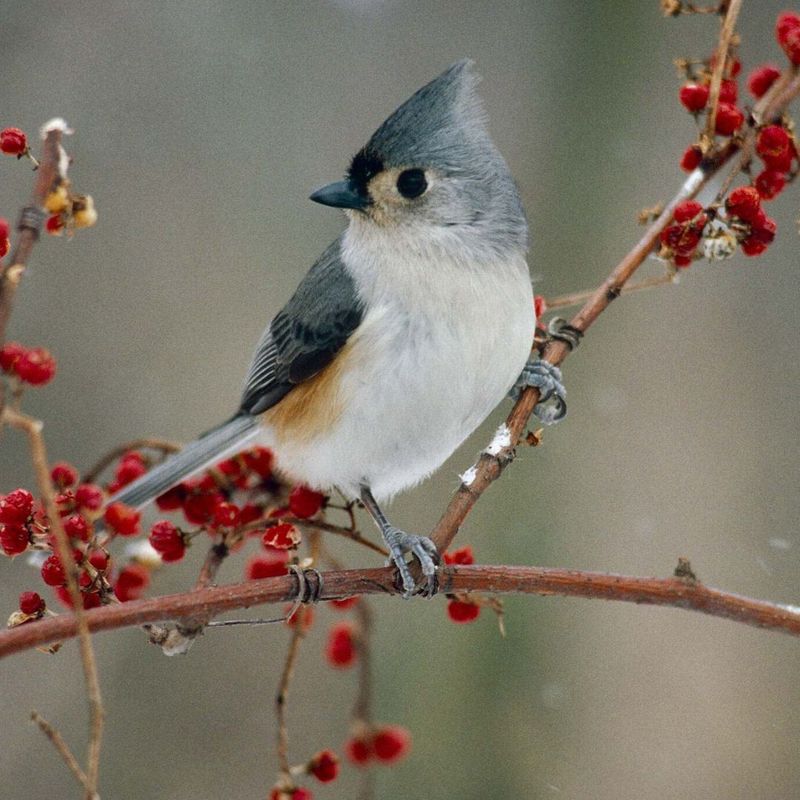
On a gray January morning, goldfinches can turn an ordinary flower bed into the busiest spot in the yard. Coneflower, black-eyed Susan, and aster all hold seed that birds work through the cold months.
Michigan gardeners who leave those plants standing often get a front row view of winter feeding. The activity happens right outside the window.
Thinking carefully before cutting everything down in fall makes real sense here. Seeds on standing plants help wildlife when food gets harder to find.
Snow may cover the ground for weeks. Upright seed heads stay accessible above it.
Finches, chickadees, juncos, and sparrows all visit depending on what you grow. Surrounding habitat shapes which species show up.
Purple coneflower is well known for feeding goldfinches. Native asters and sturdy prairie plants hold seed later into the season.
There’s a practical angle too. Part of the garden does work you’d otherwise handle with feeders and seed purchases.
Not every perennial produces useful winter seed. Look for plants holding their heads above wet snow rather than collapsing early.
A bed turning to mush by November needs the flopped stems trimmed. Leave the firm seed stalks in place.
Many Michigan gardeners now see winter seed heads as stored food rather than clutter. A shaggy border supports birds and gives you a reason to look outside.
2. Hollow Stems Shelter Overwintering Bees
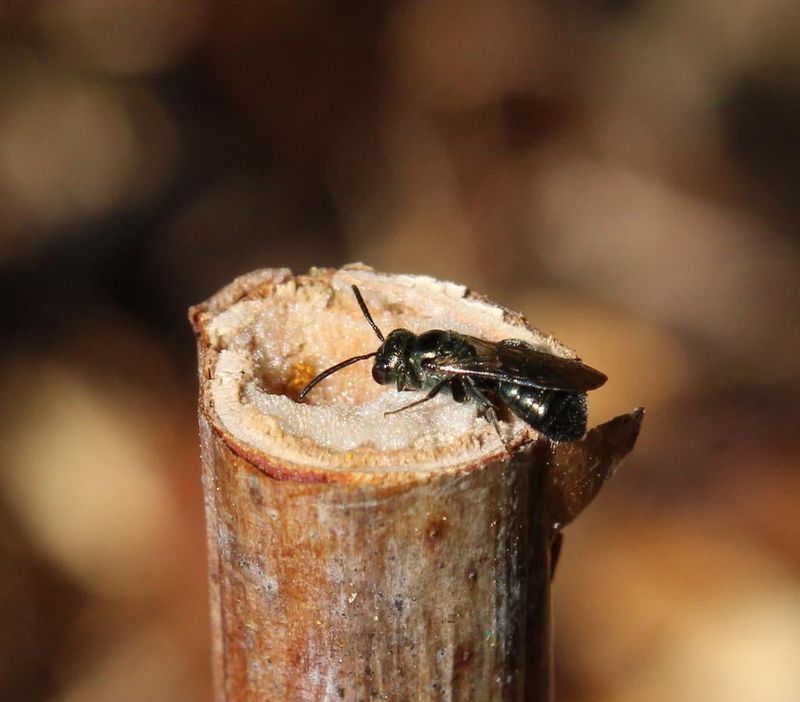
Most people notice flowers first, and some of the important activity starts after blooming ends. Certain native bees use hollow or soft-centered stems as nesting sites.
Cutting every stalk flat in autumn removes next year’s shelter. That consequence stays invisible until the bees don’t return.
Gentler cleanup comes recommended for exactly this reason. Stems from joe-pye weed, elderberry, bee balm, and raspberry canes all offer usable cavities.
Pithy and hollow stems both work. Different bee species prefer different diameters.
A bee nesting in a stem isn’t hiding there accidentally. She laid eggs in small chambers, added pollen for food, and sealed the spaces before cold arrived.
Timing determines the outcome. Chopping stems to the ground early and hauling them away removes sleeping pollinators before they emerge.
Your Michigan Garden Changes Every Week. Your Plan Should Too.
Gardening in Michigan changes quickly throughout the season. Every Friday you’ll receive a simple weekly plan showing exactly what to plant, prune, fertilize, harvest, and protect so you never miss the right timing.
A middle path works well for tidy gardeners. Leave sturdy stems standing through winter, then cut some back in spring to about twelve to eighteen inches.
Those remaining stubs still serve cavity nesters. New growth hides them within weeks.
Keeping every stem forever isn’t necessary. Leaving part of a perennial patch upright improves the odds considerably.
Those bees return to pollinate vegetables, fruit, and summer flowers. Patient gardeners occasionally spot tiny bees chewing their way out in spring.
3. Structure Adds Interest To A Snowy Yard
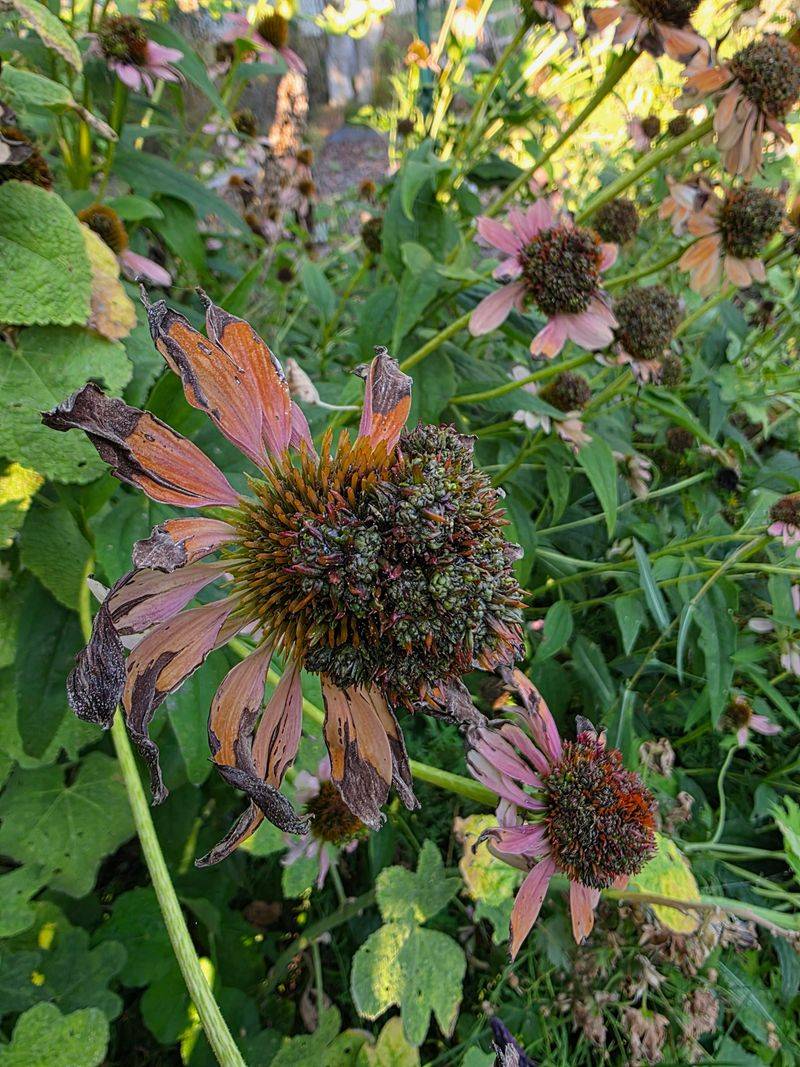
Winter gardens don’t have to look empty to look cared for. Seed heads, grasses, and sturdy stems make a snowy yard feel textured rather than abandoned.
Fresh snow on dried coneflowers or sedum highlights shapes you barely noticed in July. Frost catches on stems and pods, turning ordinary plants into small sculptures.
That visual interest matters in a state where gardens rest under cold skies for months. Flat brown soil from November to April offers nothing to look at.
Standing perennials keep layers, height, and shadows that shift with every storm. The bed changes appearance rather than disappearing.
Design plays a role here. Repeating clumps of upright perennials near paths, fences, or evergreens makes a winter bed look intentional.
Placement affects how the choice reads to neighbors. Deliberate groupings look different from random leftovers.
For the neatest effect, remove plants that turn slimy, disease-prone, or badly flattened. Keep the strongest stems standing.
Many Michigan gardeners split the difference by area. Front-yard beds stay polished while side and back borders run looser for habitat.
Ornamental grasses contribute heavily to this look. Little bluestem and switchgrass both hold form through snow.
Birds land on the stalks, snow piles in soft caps, and afternoon light catches every outline. A fully cleared landscape looks clean and loses personality.
4. Insects Need Standing Stems To Survive
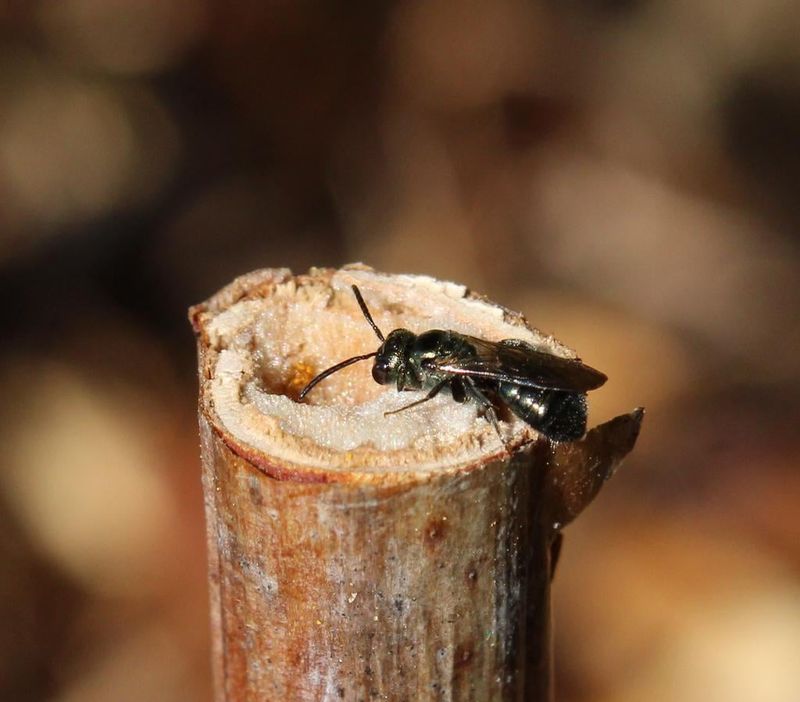
Cutting everything back in fall makes a yard look finished, and many insects read that cleanup differently. Winter survival depends on the cover you removed.
Some insects spend winter as eggs, some as larvae, some as pupae. Others tuck into standing plant material as adults.
Leaving some stems and garden debris until spring supports that whole range. Wildlife uses those spaces in ways that aren’t visible.
Many insects overwinter in or on standing stalks. Dry upright stems work better than material lying flat and wet.
Not every insect uses the same location. A few cling near buds while others rest inside broken stems.
Some shelter in seed heads or under peeling plant tissue. Variety in the garden means variety in available shelter.
Michigan winters run long, windy, and often wet. Even small amounts of cover matter under those conditions.
Standing stems block some wind and hold a calmer pocket of air. That reduces how much exposure insects face at once.
Turning every bed into a tangle isn’t required. Leave clusters of strong stems in borders and less formal corners.
Diseased leaves and collapsed mushy plants can still come out. Selective cleanup accomplishes most of what you want.
Surviving insects return in spring to pollinate flowers and feed birds. That food web starts with the stems you left.
5. Cleanup Can Wait Until Spring Warmth
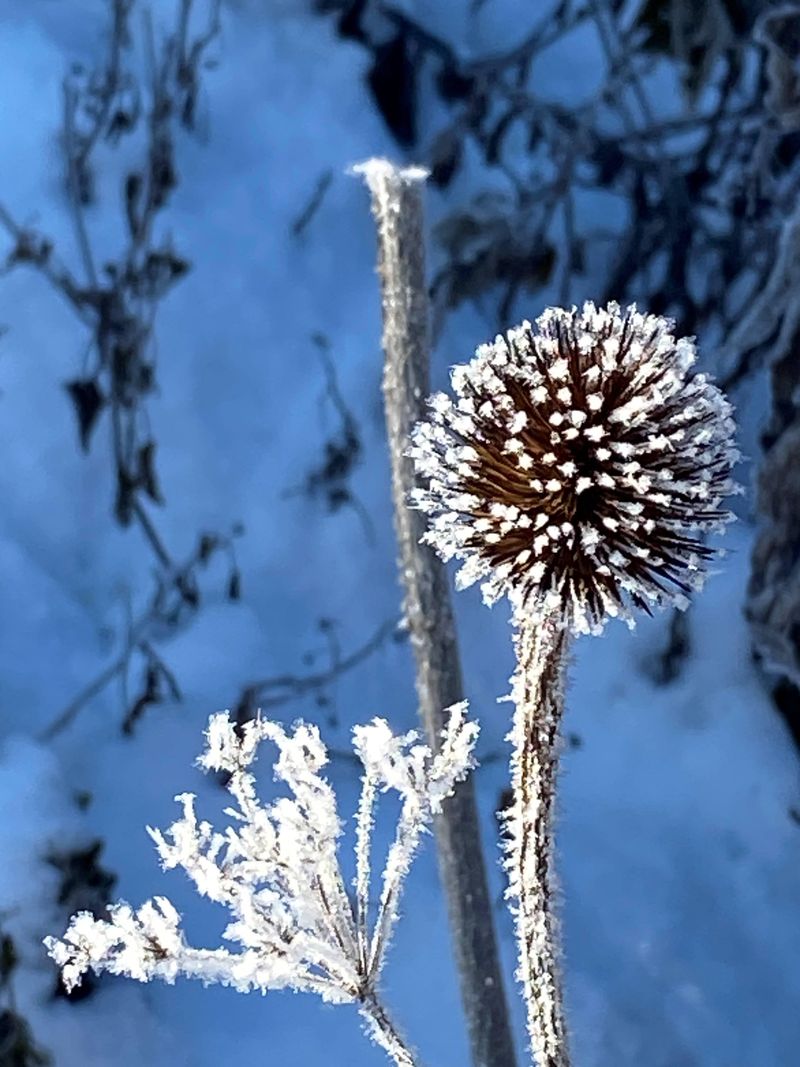
Fall cleanup feels productive, particularly on a pleasant October weekend. Michigan gardeners are increasingly finding that later works better.
Waiting until spring warmth gives birds and overwintering insects more time to use the cover. Nothing gets discarded prematurely.
Not rushing the shears in autumn is the general recommendation. The logic is straightforward once you understand what’s inside those stems.
Insects tucked into old growth lose their shelter when cutting happens too soon. Weather improvement matters more than calendar dates.
Spring timing deserves attention too. Many habitat-focused gardeners wait until temperatures run consistently around 50 degrees before cleaning up.
More insects are active and able to move at that point. Exact timing varies by year and location.
Ignoring every messy bed until late May isn’t necessary. Storm damage, diseased material, and hazards near sidewalks all warrant earlier attention.
Plants that turned black and mushy over winter can come out too. Those offer nothing to anyone.
A gradual approach usually works best. Start with the wettest weakest plants, then leave sturdy stems longer if you have patience.
Laying cut stems loosely in a quiet corner beats bagging everything immediately. That pause lets late-emerging insects finish their cycle.
Spring cleanup in Michigan is less about a date and more about watching weather and plants.
6. Natural Reseeding Fills Gaps For Free

Some of the best garden help arrives without planning or expense. Seed heads left standing through winter drop seed naturally, filling bare spots by the next season.
Self-seeding isn’t magic and isn’t guaranteed. Conditions vary considerably between yards.
Gardeners regularly notice volunteers from coneflower, black-eyed Susan, obedient plant, and ironweed. Certain asters reseed reliably as well.
Snow, wind, thawing soil, and birds all move seed around. A seed may lodge in mulch, settle into exposed ground, or wait for spring moisture.
That help proves useful after a hard winter. Frost heaving, rabbit damage, and summer drought all leave gaps in borders.
Volunteer seedlings soften those empty spaces without a nursery trip. Free plants arrive where you needed them.
The skill involves distinguishing welcome extras from too many newcomers. Some plants reseed enthusiastically enough to become a management task.
Let seedlings grow in spring until you can identify them. Then thin, move, or share the ones you don’t want.
Michigan gardeners who prefer a natural look use this habit to build fuller plantings over years. Pollinator beds and meadow-style borders suit it especially well.
Seedlings from named cultivars often differ from the parent plant. That variation appeals to some gardeners and frustrates others.
Leaving seed heads standing won’t replace planting entirely. It stretches a budget and makes the garden more resilient.
7. Wildlife Benefits Outweigh A Tidy Look
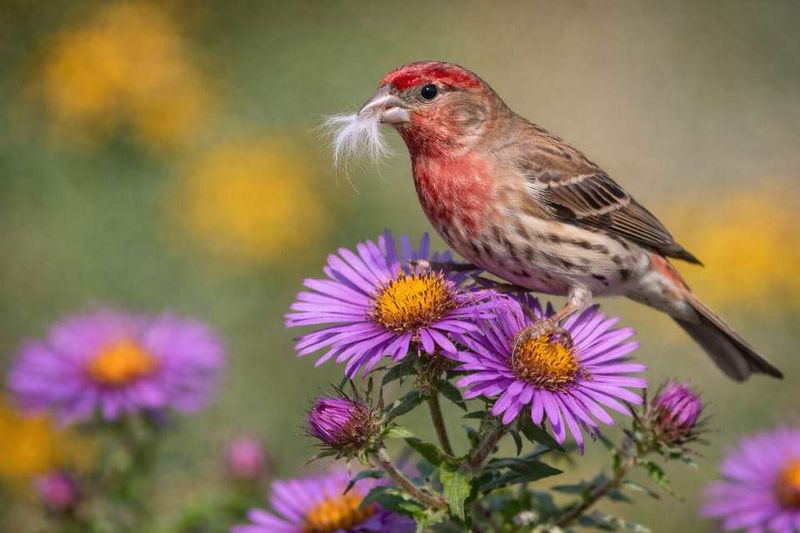
A perfectly tidy winter bed feels satisfying, and there’s nothing wrong with liking order. More Michigan gardeners are deciding standing stems are worth the untidiness anyway.
The benefits are real rather than theoretical. Birds find food, native bees use hollow stems, and other insects survive in the cover.
That doesn’t mean every plant should stay up in every yard. Beds near front walks and small city lots present genuine constraints.
Homeowners association rules and personal comfort both factor in legitimately. Nobody needs to abandon their standards entirely.
The choice stays flexible, which is the useful part. Leave a back border standing while keeping the front garden neater.
Save stems in one pollinator patch and cut the rest. Partial adoption delivers real benefit.
Winter habitat works as a sliding scale rather than an all-or-nothing decision. Small changes still matter.
Leaving coneflowers, asters, and bee balm upright until spring offers considerably more than cutting everything to bare ground.
Many gardeners start for practical reasons and continue after seeing results. Goldfinches arriving in a snowy bed changes how the choice feels.
Frost on stems looks genuinely good in morning light. The garden reads as connected to the season rather than shut down.
The best winter garden is the one you can live with. If habitat matters to you, some untidiness is a fair trade.
8. Which Plants Are Worth Leaving Standing
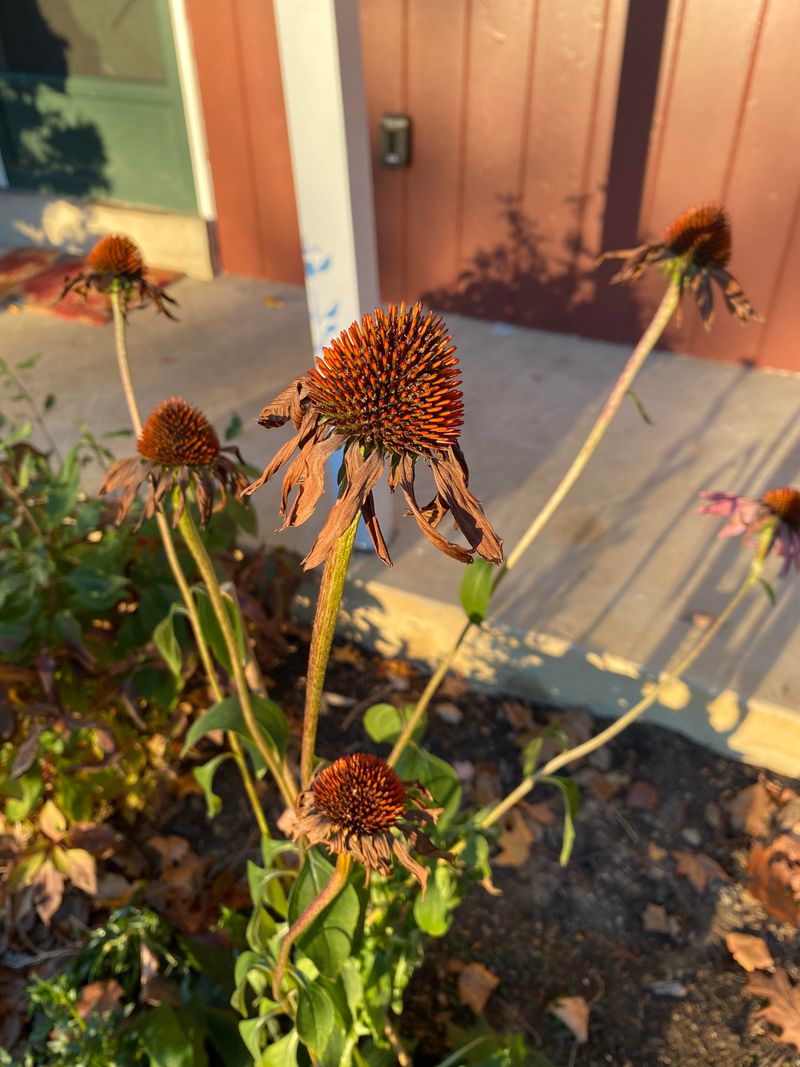
Not every perennial earns a pass through winter. Knowing which ones hold up saves you from a bed full of collapsed mush by December.
Coneflower tops most lists for good reason. Sturdy stems, seed heads birds actually use, and reliable form through snow.
Black-eyed Susan performs similarly well. Both hold seed into midwinter and stay upright under weight.
Ornamental grasses contribute the most visual structure. Little bluestem, switchgrass, and prairie dropseed all keep shape through Michigan winters.
Bee balm and joe-pye weed offer the hollow stems native bees nest in. Their appearance matters less than what’s inside them.
Sedum holds flat flower heads that catch snow attractively. The dried clusters look intentional rather than neglected.
Baptisia produces dark seed pods that rattle in wind and stand through most storms. Ironweed and Culver’s root both hold form as well.
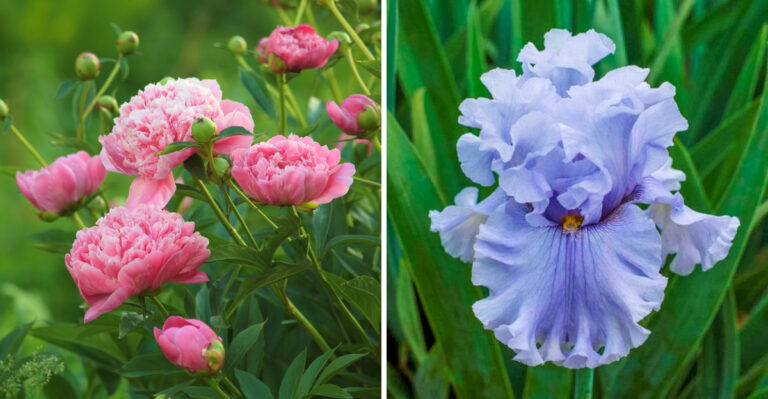
Some plants genuinely should come out. Hosta, daylily, and peony foliage all collapse into wet mats that shelter nothing useful.
Anything with disease problems belongs in the trash rather than standing. Peony foliage in particular carries botrytis into the following year.
Iris foliage harbors iris borer eggs, which makes fall removal worthwhile there specifically.
Start with three or four reliable plants rather than the whole bed. That approach tells you what works in your yard without committing to a season of regret.