How To Bring Begonias Indoors Before Frost In North Carolina Without Carrying Pests Inside
Begonias won’t survive a North Carolina frost, but simply hauling pots indoors without any prep work can bring along more than just the plant itself.
Aphids, mealybugs, and other pests often hide in soil, along stems, or tucked into leaf undersides, staying invisible until they’ve had time to multiply in the warm, dry conditions of an indoor home.
A thorough inspection before moving plants inside, combined with a gentle rinse and a few days of isolation from other houseplants, can catch most hitchhikers before they become a full-blown infestation.
Because indoor conditions actually favor certain pests that struggle outdoors, an unnoticed problem at the time of transition can spiral quickly once begonias are settled inside.
Taking these precautions now protects not just the begonias themselves, but every other houseplant already sharing that indoor space.
1. Time The Move By Nighttime Temperatures
Frost gets all the attention, but begonias start complaining long before it shows up. Most types begin to show cold damage once nights slip below 50°F, which can mean dark spots, curled leaves, and dropped buds.
Waiting for the frost warning on the evening news is simply waiting too long. Early timing helps with pests, too. When you start the process while days are still mild, you have time to inspect, rinse, and treat your plants outdoors.
Sprays and hose water are much easier and safer to use on a patio than on your living room carpet.
A good rule is to begin when nights regularly dip into the mid 50s. Move your begonias to a shady spot outside for about a week before they come in.
That short stay helps them adjust to the lower light indoors, so they drop fewer leaves once they settle inside.
North Carolina makes timing a little more interesting because the state stretches from high peaks to sandy shores. In the Mountains, first frost usually arrives in October, so gardeners there should watch the forecast by late September.
The Piedmont tends to see frost in late October to early November, while the Coastal Plain often stays frost free until later in November.
Keep a simple notebook or phone note with nightly low temperatures starting in September. Once you see a few nights in a row in the mid 50s, it is time to start. Your begonias will thank you with healthier leaves and a smoother trip indoors.
2. Inspect Stems, Leaf Joints, And Leaf Undersides
Tiny hitchhikers are the biggest reason indoor begonias struggle in winter. Mealybugs, spider mites, aphids, and whiteflies love to ride inside on plants that spent summer outdoors.
Once they land in your warm, dry house, where no rain or hungry ladybugs keep them in check, a handful of bugs can turn into hundreds in just a few weeks.
Grab a magnifying glass or your phone camera and take your time, turning each leaf over one by one. Most of these pests hide on the undersides of leaves and tucked into the joints where leaves meet stems.
Your North Carolina Garden Changes Every Week. Your Plan Should Too.
Gardening in North Carolina changes quickly throughout the season. Every Friday you’ll receive a simple weekly plan showing exactly what to plant, prune, fertilize, harvest, and protect so you never miss the right timing.
A quick glance at the tops of the leaves will miss almost all of them.
Mealybugs look like small white cotton tufts stuck in leaf joints and along stems. Spider mites are harder to spot, but they leave fine pale speckles, called stippling, on leaves, and heavy groups spin thin webbing.
Aphids gather in soft clusters on new growth and flower buds, and they come in green, black, or even pink.
Whiteflies give themselves away with a fun little test. Gently shake or bump the plant, and if a cloud of tiny white insects flutters up, you have found them.
You may also notice a sticky shine on leaves, which is honeydew left behind by aphids, whiteflies, and mealybugs.
North Carolina summers are long and warm, which gives these pests months to build up on outdoor plants. A begonia that looks fine from across the porch may be hosting a quiet crowd underneath.
Checking every stem and leaf now saves you from a much bigger battle in January.
3. Rinse And Treat Foliage Before The Move
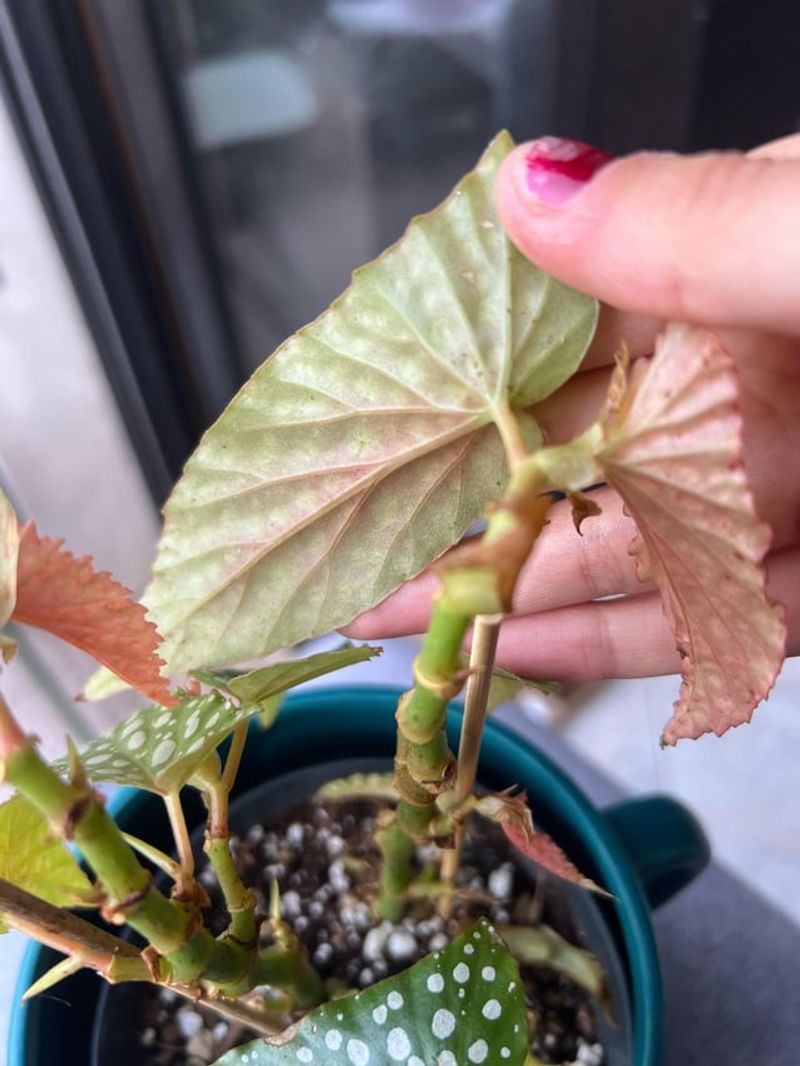
Water is the cheapest pest control tool you already own. A gentle spray from the garden hose can knock spider mites and aphids right off your begonias before they ever reach the front door.
For tougher cases, insecticidal soap or horticultural oil controls soft-bodied pests on contact.
Morning is the best time to rinse. Leaves dry faster as the day warms up, which lowers the chance of leaf spots and mold. Aim the spray at the undersides of leaves and into the stem joints where pests like to cling.
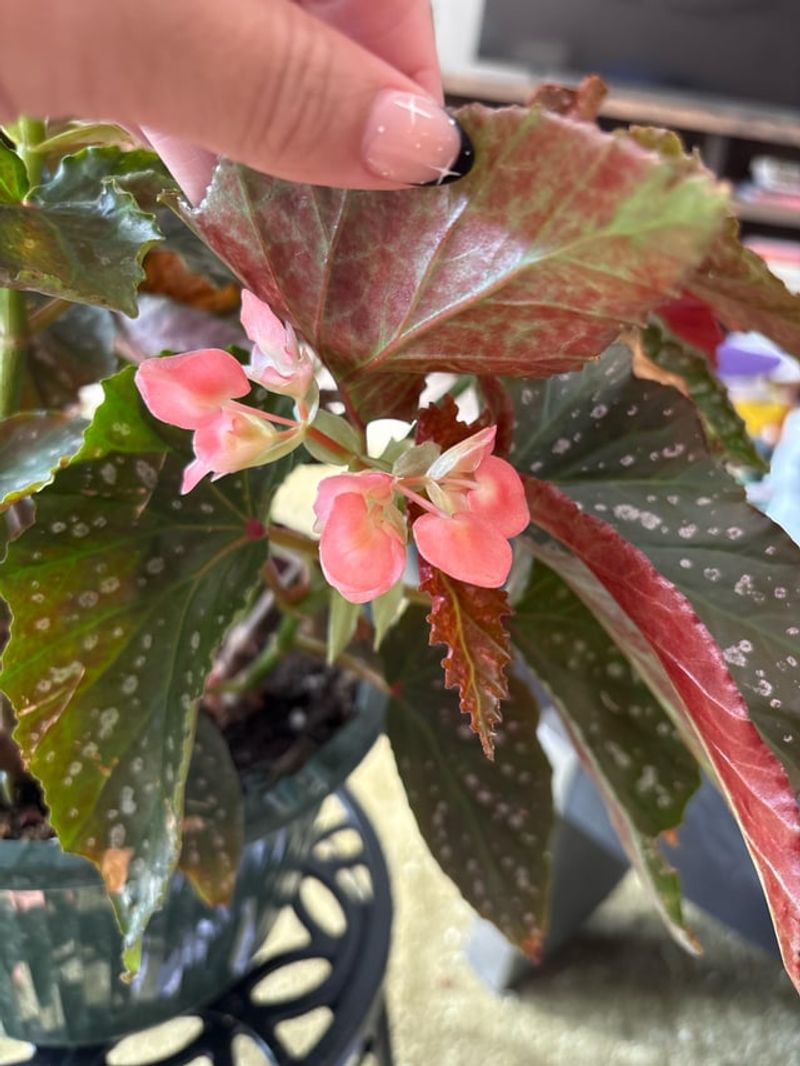
Rex begonias need extra care. Their fuzzy, textured leaves hold on to water and can develop leaf spots or gray mold when they stay wet too long. Use a soft mist instead of a strong stream, and give them plenty of airflow while they dry.
Begonias can be sensitive to sprays, so always run a small test first. Treat just a few leaves, then wait a day or two and look for brown edges or spots.
If everything looks healthy, spray the whole plant in the shade on a mild day, since heat and bright sun can scorch treated leaves.
One round is rarely enough. Many pests leave eggs behind that soap and oil cannot reach, so plan a second treatment 5 to 7 days later to catch the newly hatched ones. Mark it on your calendar so it does not slip your mind.
Fall in North Carolina often brings sticky, humid air that slows drying. Leaves that stay wet overnight are an open invitation to leaf disease, so finish rinsing early and skip it on damp, cloudy days.
4. Soak Pots To Flush Out Soil-Dwelling Pests
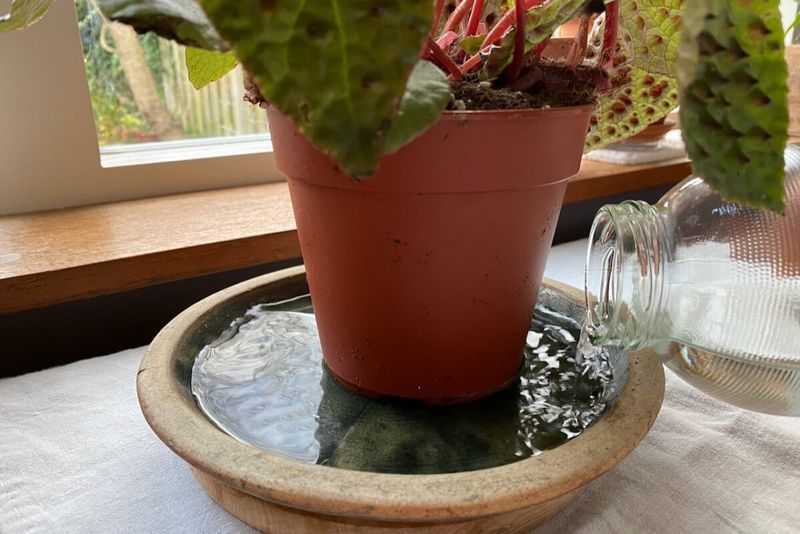
Flip over almost any patio pot in October and you might get a surprise. Slugs, earwigs, pill bugs, and even ant colonies love to hide in the soil and around the drainage holes of outdoor containers.
None of them make welcome houseguests, especially when they crawl across your kitchen floor at night.
A simple soak can send them packing. Fill a bucket or tub with lukewarm water and lower the whole pot in until the soil surface is just covered. Leave it there for about 15 to 20 minutes.
As water fills the air pockets in the soil, hiding pests have nowhere to go but up. They float or crawl to the surface, where you can scoop them out with a spoon or pick them off with gloves.
Ants often carry their eggs up with them, so do not be shocked by a busy scene. Timing matters here. Soak your pots only a few days before the move, not the morning of, so the soil has time to drain.
Begonias are prone to root rot in soggy soil, so let each pot drain completely before it heads inside.
After draining, turn the pot on its side and check the bottom and drainage holes. Rinse out the saucer, too, since slugs and earwigs like to tuck themselves underneath it. A quick scrub with soapy water leaves the saucer clean and ready for indoor duty.
Damp fall nights across North Carolina draw slugs and earwigs into containers on porches and patios. Soaking takes care of these sneaky tenants before they settle in for winter.
5. Refresh The Top Layer Of Potting Mix
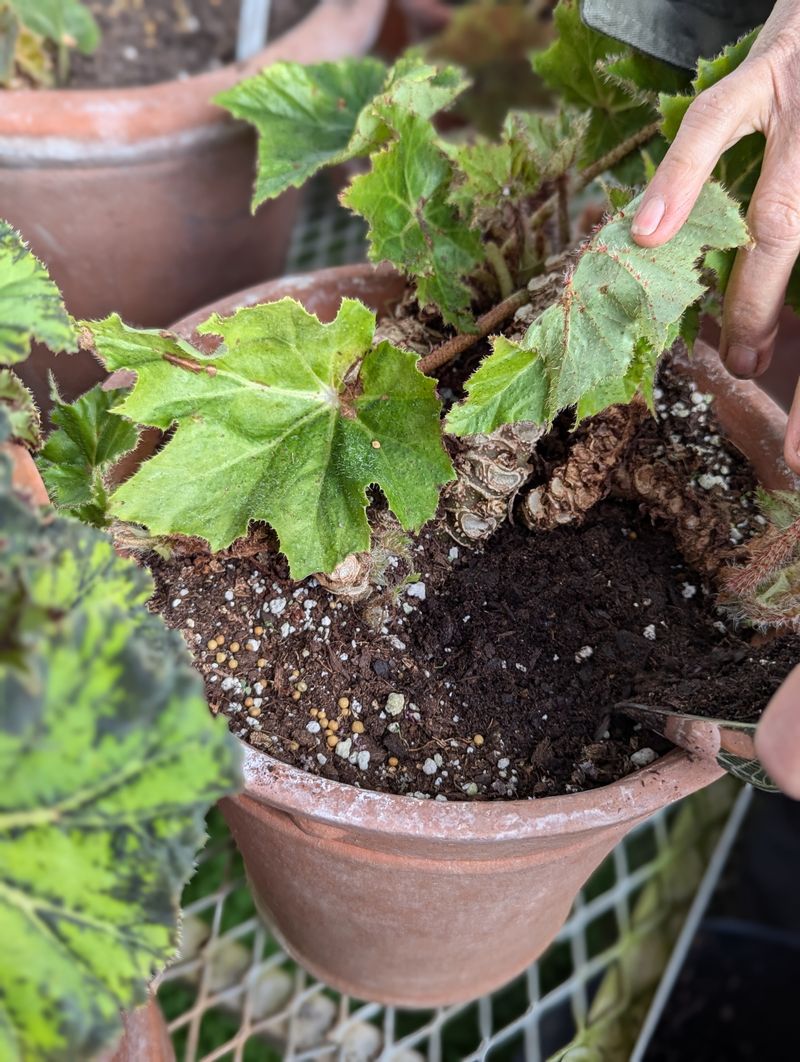
Ever notice tiny black flies circling your houseplants in the middle of winter? Those are fungus gnats, and they usually start their journey as larvae in the top inch or two of moist potting soil.
The adults are more annoying than harmful, but the larvae can nibble on tender roots.
The fix is surprisingly simple. Since most larvae and eggs live near the surface, removing that top layer removes most of the problem.
Use an old spoon or small garden trowel to scrape away the top inch or two of potting mix. Work gently around the stems so you do not disturb the roots. Then fill the space with fresh, clean potting mix.
Some begonias will have outgrown their pots by fall, with roots poking out of the drainage holes. In that case, repot the plant into a clean container one size larger with all new potting mix.
That way you start the indoor season with a fresh home and no stowaways. Watering habits matter just as much once the plant comes inside. Fungus gnats thrive in soil that stays wet, so let the surface dry slightly between waterings.
Push a finger into the soil, and if the top half inch feels dry, it is time to water. North Carolina falls often bring frequent rain showers that keep outdoor container soil damp for days at a time.
That steady moisture is perfect for fungus gnats, which is why a quick soil refresh pays off so well here.
6. Trim Leggy Stems And Damaged Leaves
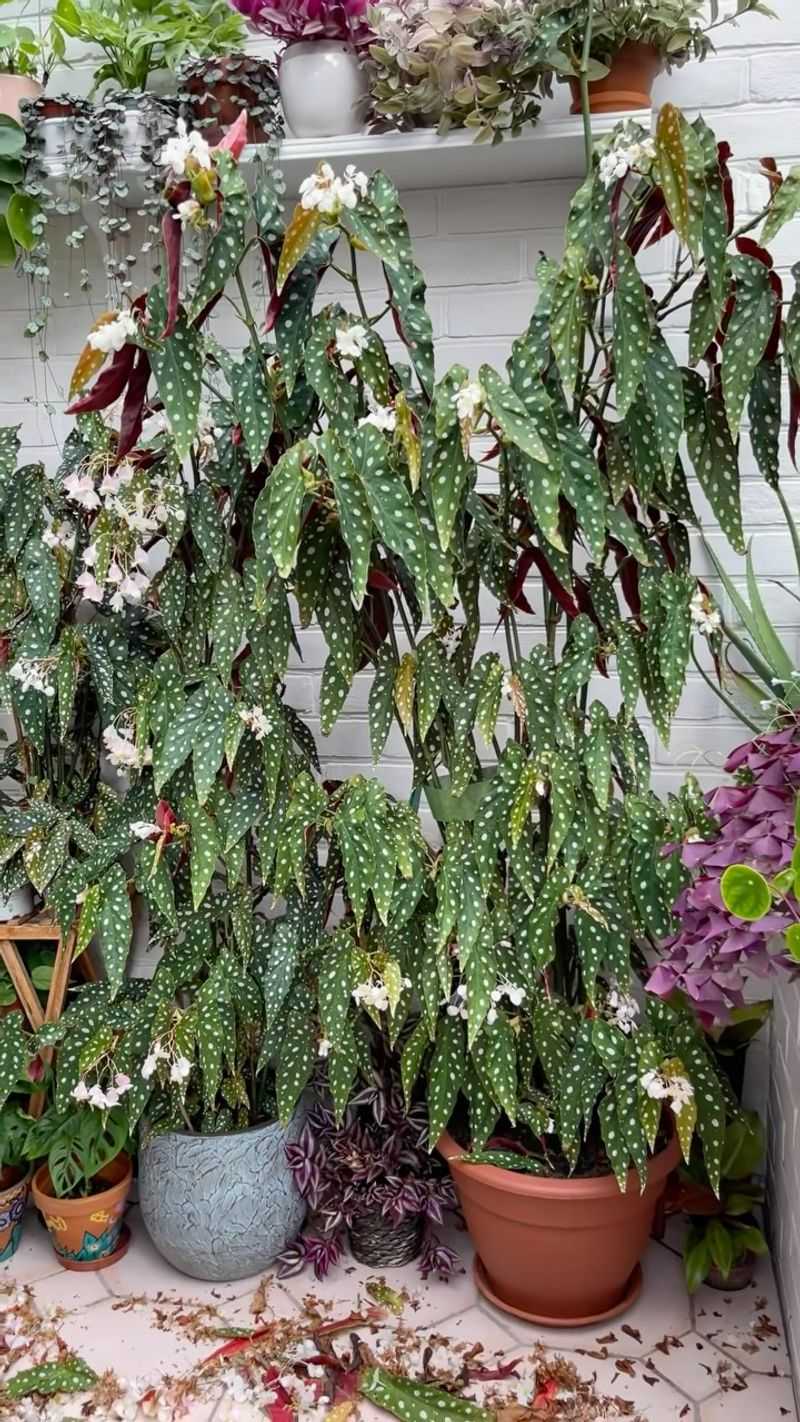
A good haircut before winter does wonders for a begonia. Trimming removes the spots where pests like to hide and leaves you with a tidier plant that fits better on a windowsill.
Yellowing leaves, faded flowers, and crowded stems might seem harmless, but they cause real trouble. They give pests shelter and trap moisture around the plant.
That damp, still air is exactly what gray mold, also called botrytis, needs to take hold. Start with leggy stems that have stretched out and look bare near the base.
Using clean, sharp pruners or scissors, cut them back by up to about a third of their length. Make each cut just above a leaf joint, where new growth will sprout.
Next, pinch or snip off any leaves that are yellow, spotted, or torn. Remove old blooms, too, even if a few still have a little color left.
Spent flowers turn mushy fast and often become the first place mold shows up. Finish by clearing the soil surface. Fallen leaves and petals collect in pots over the summer and make cozy hiding spots for bugs.
A clean soil surface also makes it much easier to spot trouble later. Here is a bonus: many begonia cuttings root easily in water or moist potting mix. Those trimmed stems could turn into new plants to share with friends by spring.
Late summer and fall in North Carolina tend to be hot and humid, so begonias often come through the season with worn, tired foliage. A careful trim gives them a fresh start indoors.
7. Quarantine Begonias Away From Houseplants
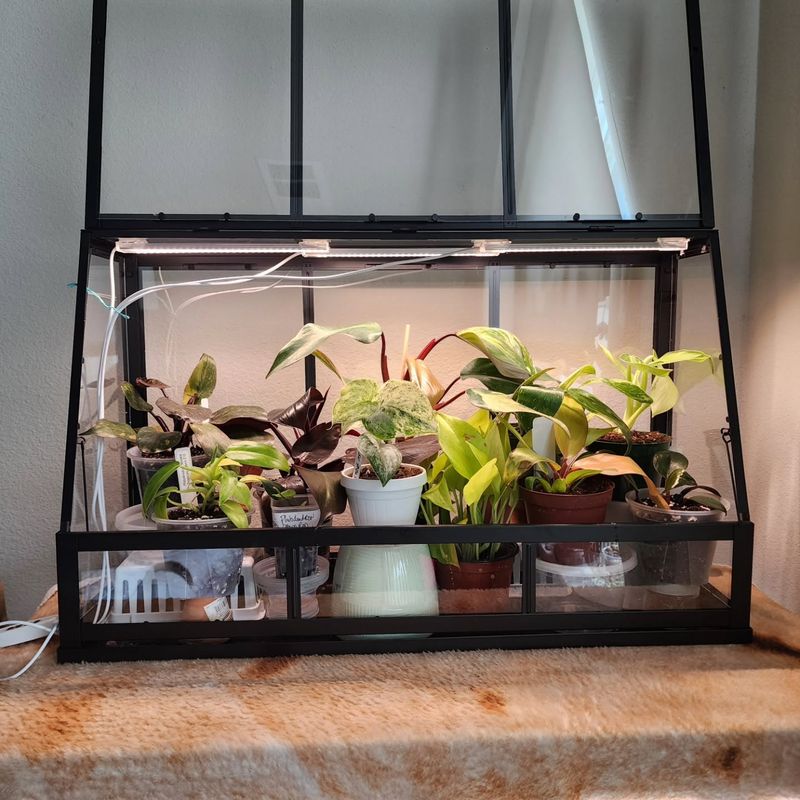
Even the most careful gardener misses a bug or two. A few pests can slip past inspection and treatment, and eggs tucked deep in leaf joints may hatch weeks later. Quarantine is your safety net.
The idea is simple: keep your newly moved begonias away from other houseplants for two to three weeks. If any pests show up during that time, they stay on the begonias instead of spreading to your prized fiddle-leaf fig or favorite pothos.
Think of it as a waiting room before the plants join the rest of the family.
Choose a bright room without other plants, such as a spare bedroom, sunroom, or home office. An east or west window works well for most begonias, since it gives good light without harsh midday sun.
Keep a little space between the pots, too, so air can move around them. Set a weekly reminder to check your plants. Turn over a few leaves on each begonia, look closely at the stems, and peek into the leaf joints.
A small flashlight makes those shadowy spots much easier to see. If you spot anything suspicious, act quickly. Dab mealybugs with a cotton swab dipped in rubbing alcohol, or treat the plant again with insecticidal soap.
Then restart the quarantine clock, just to be safe. North Carolina begonias spend a long season outdoors, often from April through October.
That gives them far more chances to pick up pests than plants that stay inside all year. A few weeks of patience keeps your whole indoor garden healthy all winter.
8. Store Tuberous Begonias As Dormant Tubers Instead
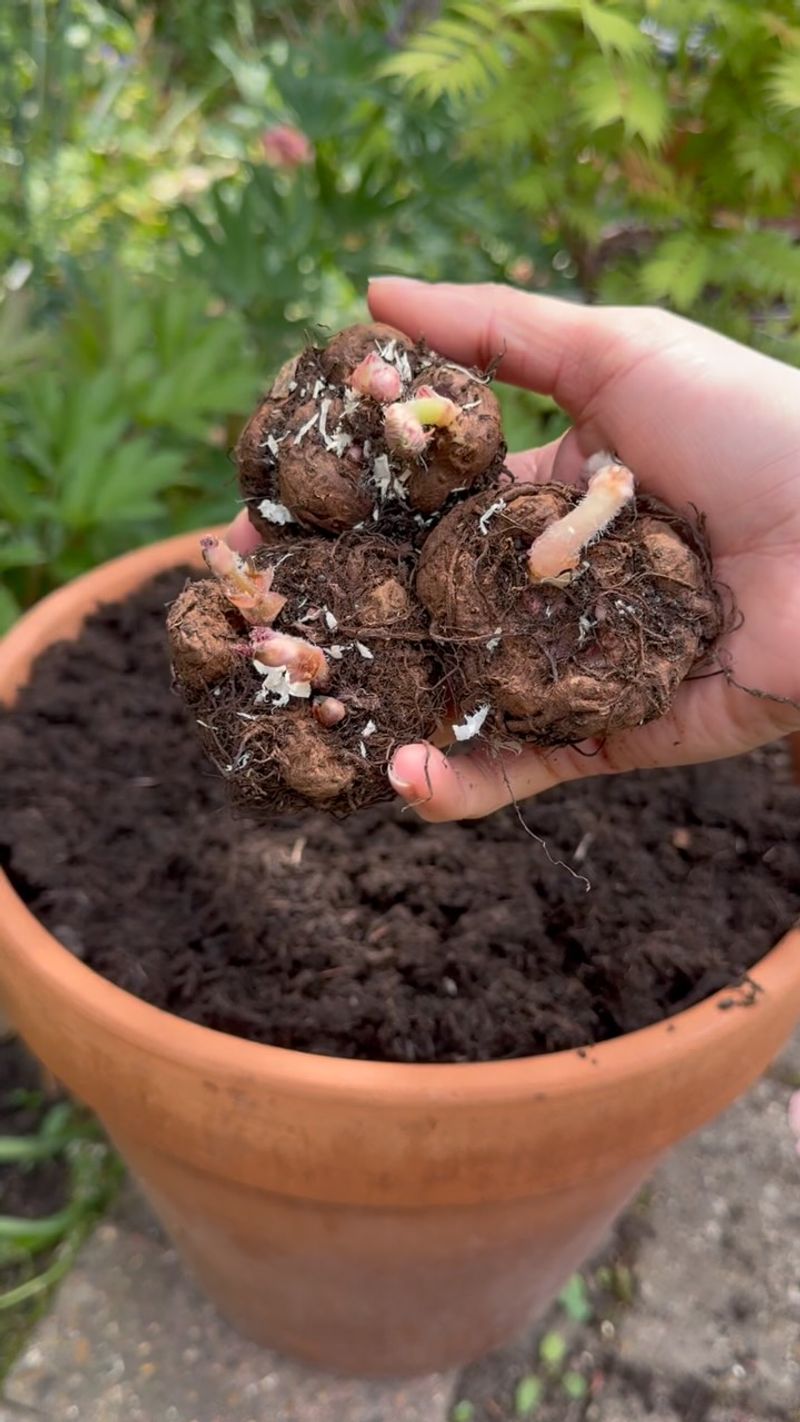
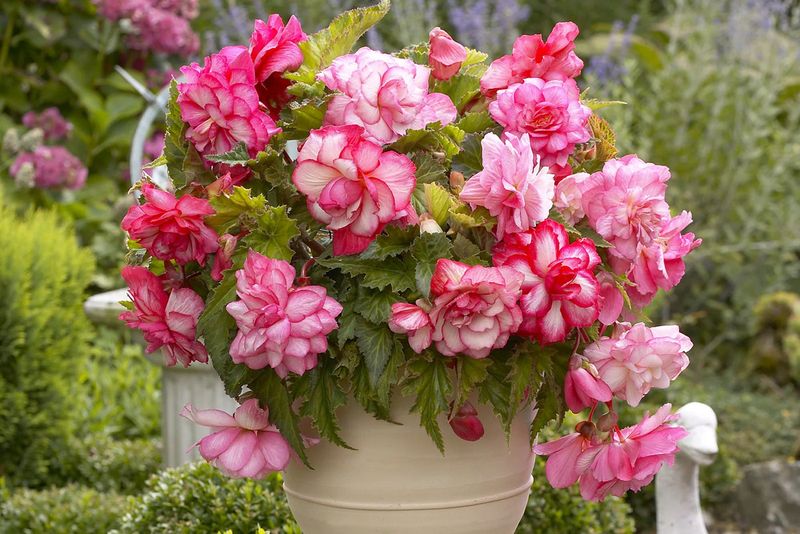
Tuberous begonias play by different rules. Those big, bold, rose-like blooms grow from a round, flattened tuber that is built to rest through winter.
Instead of fighting to keep the plant green indoors, you can let it take a long nap.
Storing the bare tuber is also the easiest pest plan of all. Without leaves or potting soil, mealybugs, spider mites, and fungus gnats have nothing to live on or feed on.
As fall temperatures drop, the leaves will start to turn yellow on their own. That is normal and tells you the plant is heading into dormancy.
Before frost arrives, lift the tubers from the ground or tip them out of their pots.
Next, set the tubers in a dry, sheltered spot like a garage shelf or covered porch for a week or two. Once the stems separate easily and the tubers feel dry, brush off the loose soil. Handle them gently, since bruised tubers are more likely to rot.
For storage, nestle the tubers in a box or paper bag filled with dry peat moss or vermiculite. Keep them somewhere cool, ideally around 45 to 55°F, such as an unheated basement or closet. Check them once a month and toss any that feel soft or mushy.
Across North Carolina, tuberous begonias often brighten shady porches and patios all summer, but they are not reliably hardy outdoors through winter. Storing them indoors protects your investment.
When spring warms up, pot the tubers in fresh mix, hollow side up, and watch the show begin again.