These Arizona Greenhouses and Conservatories Are Worth a Winter Visit
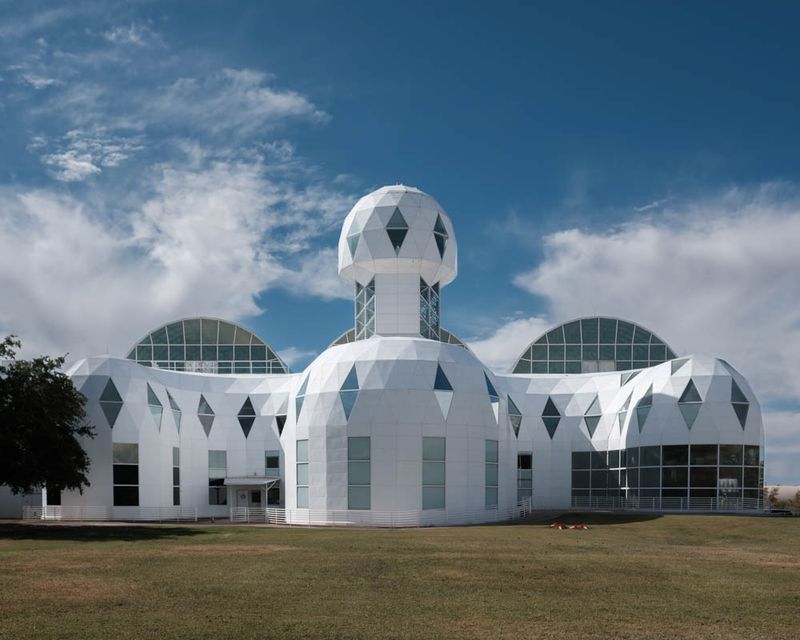
A man-made ocean with its own coral reef sits under glass north of Tucson, surrounded by tall saguaros. That strange sight is only one of the indoor gardens waiting for curious Arizona plant lovers this winter.
Several of these glassy spaces hold rare orchids alongside free-flying butterflies from faraway tropical continents and islands. Others focus on desert succulents from Africa and Madagascar that look like they belong on another planet.
I have to admit, I plan my cool-season road trips around greenhouse hours more than restaurant menus. You get warm, humid air and fresh plant ideas, which feels like a fair trade for a short drive.
Arizona winters are mild compared to most places, yet our gardens still slow down after the first frosty nights. So which of these seven glass houses deserves the first spot on your calendar this coming season?
1. Cox Butterfly And Orchid Pavilion At Tucson Botanical Gardens
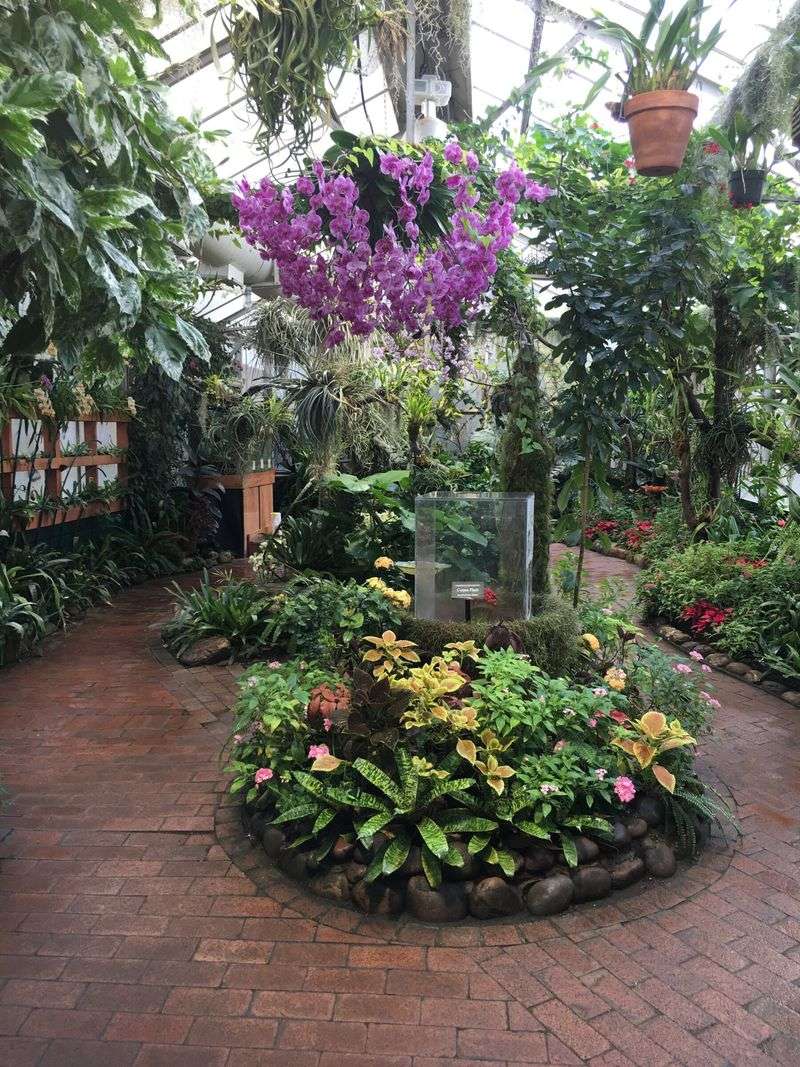
Hundreds of tropical butterflies drift past your shoulders inside this Tucson pavilion, and some might land on your hat. The exhibit, nicknamed Butterfly Magic, typically opens each October and runs through spring, so timing works out nicely.
I love how the warm, humid air hits you the moment the door closes behind you. Orchids from around the world bloom overhead, while pitcher plants and air plants fill the shadier corners nearby.
Keep an eye on the chrysalis display, where new butterflies slowly unfold their wings throughout the day. Kids get excited here, but honestly, the grown-ups usually crowd closest to the glass case for a better look.
Staff moved many plants from pots into ground beds, which gives the space a more natural jungle feel. Visitors leave with handy ideas for layering shade plants, even if their own patio is much smaller.
Personally, I suggest going on a weekday morning, when the butterflies are active and the crowds stay thin. Afterward, stroll the outdoor gardens to see which desert plants attract local pollinators to Tucson yards.
Check the garden website before you go, since pavilion hours and ticket details can change each season. A small notebook helps too, because you will want to remember several orchid names for later.
2. Boyce Thompson Arboretum
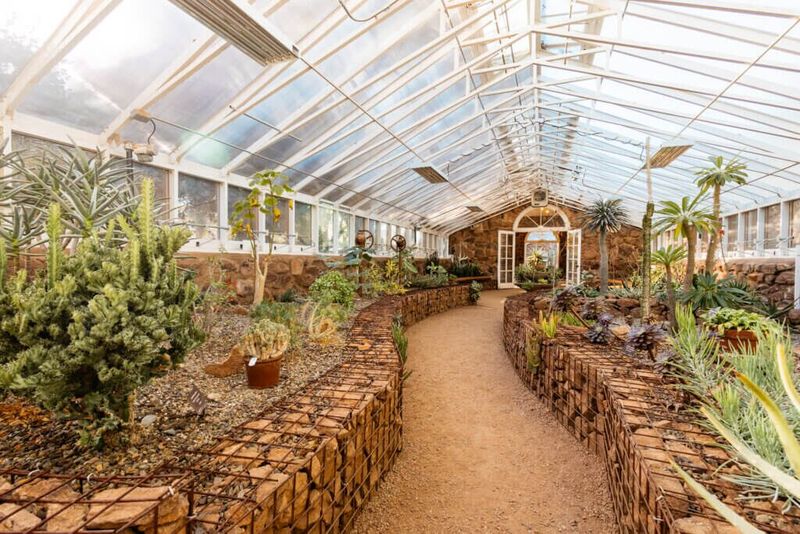
Founded in the 1920s by mining magnate William Boyce Thompson, this arboretum near Superior is the oldest in the state. Its historic greenhouses sit beside the original stone buildings, holding succulents gathered from both halves of the globe.
The east greenhouse focuses on succulents from Africa and other Eastern Hemisphere regions with remarkable shapes. Across the way, the west side highlights cacti and succulents native to the Americas, which makes comparisons easy.
I find it fascinating how plants from different continents solved the same dry-weather problems with similar swollen stems. Botanists call that convergent evolution, and seeing it side by side feels like a quiet science lesson.
Outside the glass, more than 300 acres of trails wind past Queen Creek and dramatic Picketpost Mountain views. Birders love the property too, since it is recognized as an Important Bird Area by Audubon.
Cool-season visits feel especially pleasant, because the midday heat that bakes the trails in summer has finally eased. You may spot roadrunners hunting lizards along the paths, a good reminder that native habitat helps control pests.
Before leaving, browse the plant sales area for water-wise natives suited to low desert yards and patios. Ask staff which species handled recent frosts best, because their local experience is hard to beat.
3. Desert Botanical Garden
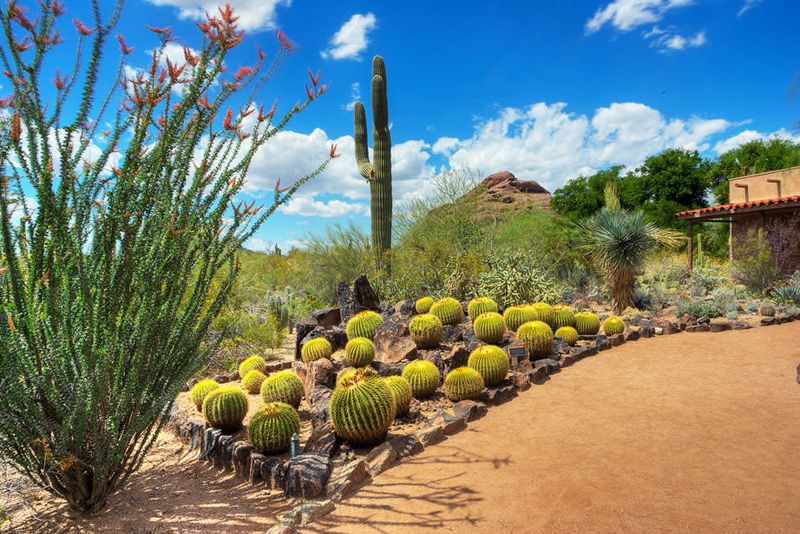
Over 50,000 desert plants fill the grounds of this Phoenix garden, tucked among the red buttes of Papago Park. Behind the scenes, the Hazel Hare Center for Plant Science houses greenhouses where staff grow and study rare species.
I like how the garden opens parts of its research world through classes and hands-on workshops. Many sessions cover practical topics, such as starting cacti from seed or choosing plants for small yards.
Conservation sits at the heart of the work, since many collections include rare and endangered desert species. Seeing that careful effort up close gives you fresh respect for the plants we sometimes treat as background.
Cooler months make strolling here far more comfortable than a scorching summer afternoon on the exposed trails. Watch for hummingbirds working the flowering aloes and chuparosa, which often bloom during the cooler part of the year.
You need to visit the plant sale area or garden shop if your yard needs tough native replacements. Natives like brittlebush and desert marigold feed pollinators while asking for very little water once established.
What surprises me most is how many visitors leave carrying a new plant and a long wish list. Bring a hat and water, since even a mild day can feel bright among all that open desert.
4. Biosphere 2
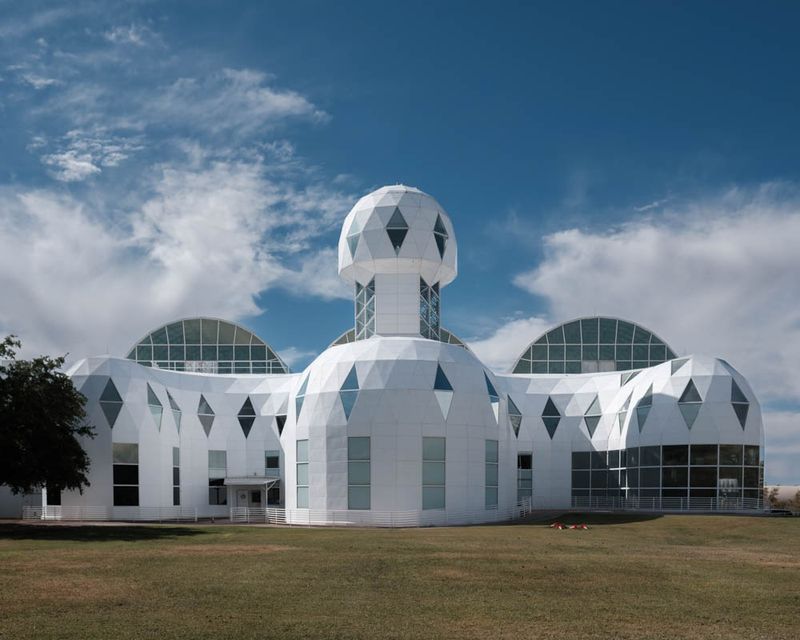
Few greenhouses anywhere can claim both a rainforest and a saltwater ocean beneath one enormous glass roof. Biosphere 2, run by the University of Arizona near Oracle, covers more than three acres of sealed glass structures.
The site became famous in the early 1990s, when eight people lived sealed inside for two years. Today it works as a research center, and visitors can tour the biomes with knowledgeable guides.
I can’t imagine a better place to feel the jump from dry desert air into tropical humidity. The rainforest section feels dense and warm, while the ocean area surprises nearly everyone who walks past it.
Scientists here study how ecosystems respond to drought and rising temperatures, which matters to every desert gardener. Their findings on water and soil help explain why some plants struggle while others shrug off hot spells.
The drive up offers sweeping views of the Santa Catalina Mountains, so leave time for a few photos. Cooler weather also makes the outdoor walking portions far more pleasant than they are during summer visits.
Wear comfortable shoes, because the tour includes stairs and some uneven paths between the different glass areas. Check the official website for current tour times, since schedules and ticket options shift throughout the year.
5. Butterfly Wonderland
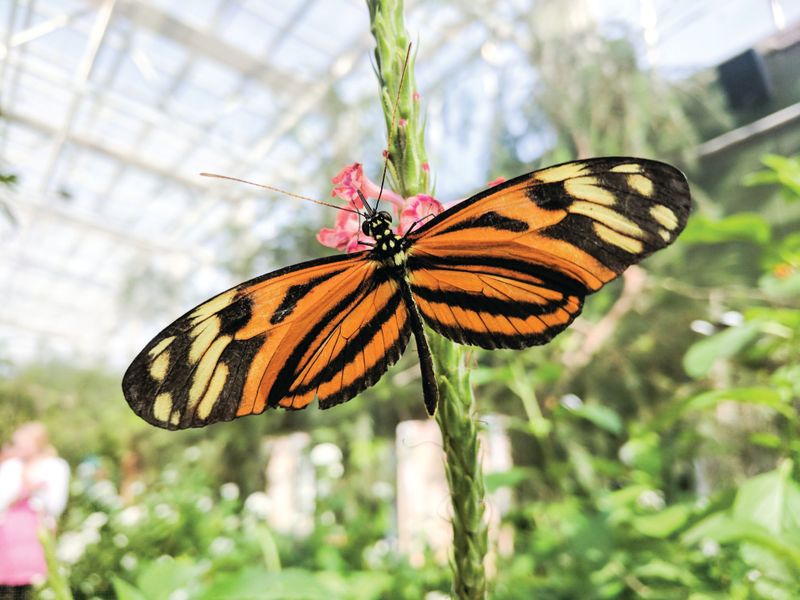
Billed as the largest indoor butterfly conservatory in America, this Scottsdale attraction shelters thousands of fluttering residents. Some visitors report butterflies riding on their shirts for several minutes, which makes for very happy photos.
The rainforest conservatory stays warm and humid, with tropical plants growing densely to feed and shelter the insects. You might notice butterflies sipping from fruit dishes, since many tropical species prefer overripe fruit over flowers.
An emergence gallery lets you watch adults escape their chrysalides, and staff release new butterflies at scheduled times. I find that release moment oddly moving, especially when a bright blue morpho opens its wings nearby.
The building also features educational exhibits about pollinators, including a look at how honeybees work together. Those displays connect nicely to home gardening, since every flower we plant can support local pollinators.
Personally, I leave with a stronger urge to plant milkweed native to my region for visiting monarchs. Desert milkweed, Asclepias subulata, handles heat and drought well, making it a smart choice for low desert yards.
Plan for about an hour inside, though slower visitors may happily linger much longer among the plants. Wear lightweight layers, because the humid conservatory can feel quite warm after the cool morning air outside.
6. Tohono Chul
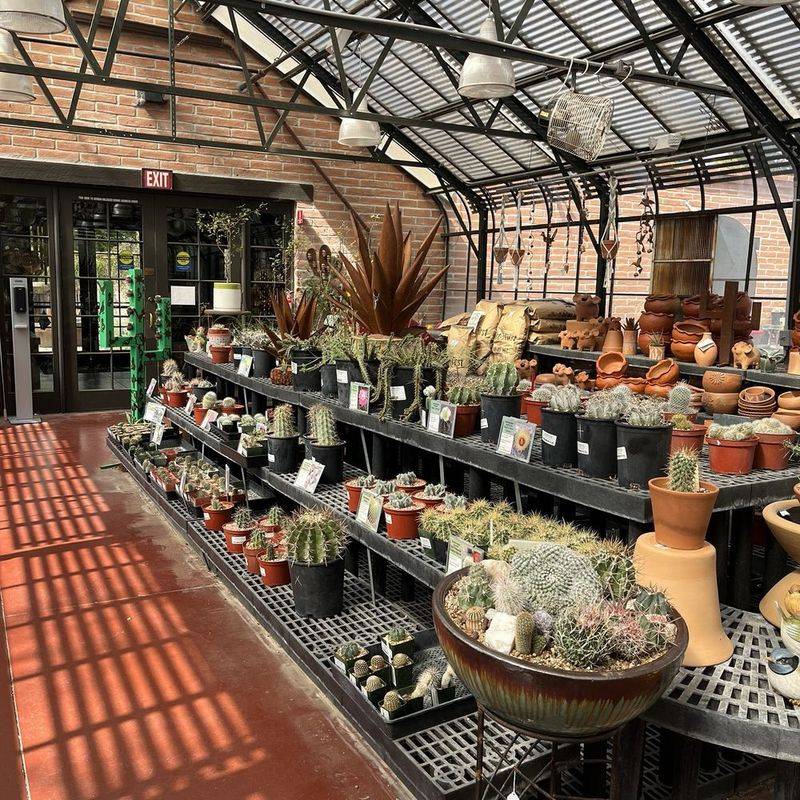
Tucked into the northwest corner of Tucson, Tohono Chul takes its name from the Tohono O’odham phrase for desert corner. Its greenhouse serves as a working nursery where plants for the gardens and public sales are carefully raised.
I love how relaxed this place feels compared with bigger botanical gardens in the Phoenix area. You can wander the shaded paths, then browse greenhouse tables packed with cacti and succulents for sale.
The gardens are known for a night-blooming cereus collection that flowers on a single summer night. That event has passed for this year, but the plants grow quietly near the paths during cooler months.
Volunteers and staff often share advice on which natives handle Tucson’s occasional winter freezes without much trouble. Ask about plants that attract birds, since cactus wrens and hummingbirds visit the grounds regularly.
Native plantings also invite roadrunners and lizards, which help manage insects and even small scorpions around homes. That natural pest control is one more reason to swap thirsty lawns for desert shrubs and grasses.
Leave room for a snack at the on-site bistro, a cozy stop after exploring the gardens. Then pick up a small succulent, because this greenhouse makes saying no surprisingly difficult for plant lovers.
7. Tanque Verde Greenhouses
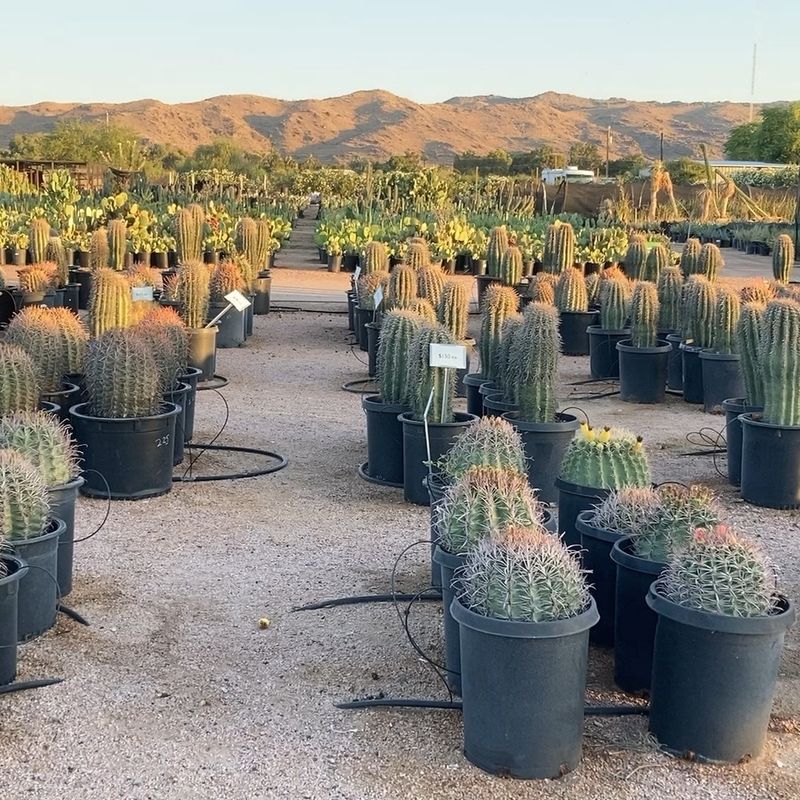
Rows of cacti and succulents stretch across the benches at this family-run Tucson nursery, east of downtown. Collectors drive from across the region to browse species that rarely appear at big-box garden centers.
Unlike the formal gardens on this list, these greenhouses invite you to shop while you explore. I have to admit, I lose track of time comparing tiny haworthias with chunky aloes and fuzzy cacti.
Labels and friendly staff help you sort desert-ready plants from tender ones better suited to bright windowsills. Ask which species need frost protection, since many succulents from warmer regions struggle below freezing temperatures.
October is a smart time to plan purchases, because cooler soil helps new roots settle before spring growth. Use a gritty, fast-draining mix and water sparingly, which prevents the root rot that troubles many container succulents.
Shop with a list, since impulse buying here can quickly fill every sunny shelf you own. Bring a sturdy box too, because spiny purchases do not travel well loose on a car seat.
Call ahead or check online for current hours, as small nurseries can adjust schedules by season. You will likely leave with more plants than planned, and honestly, that seems like part of the fun.