How To Grow A Lush Lavender Plant In A Pot In Texas With This One Trick
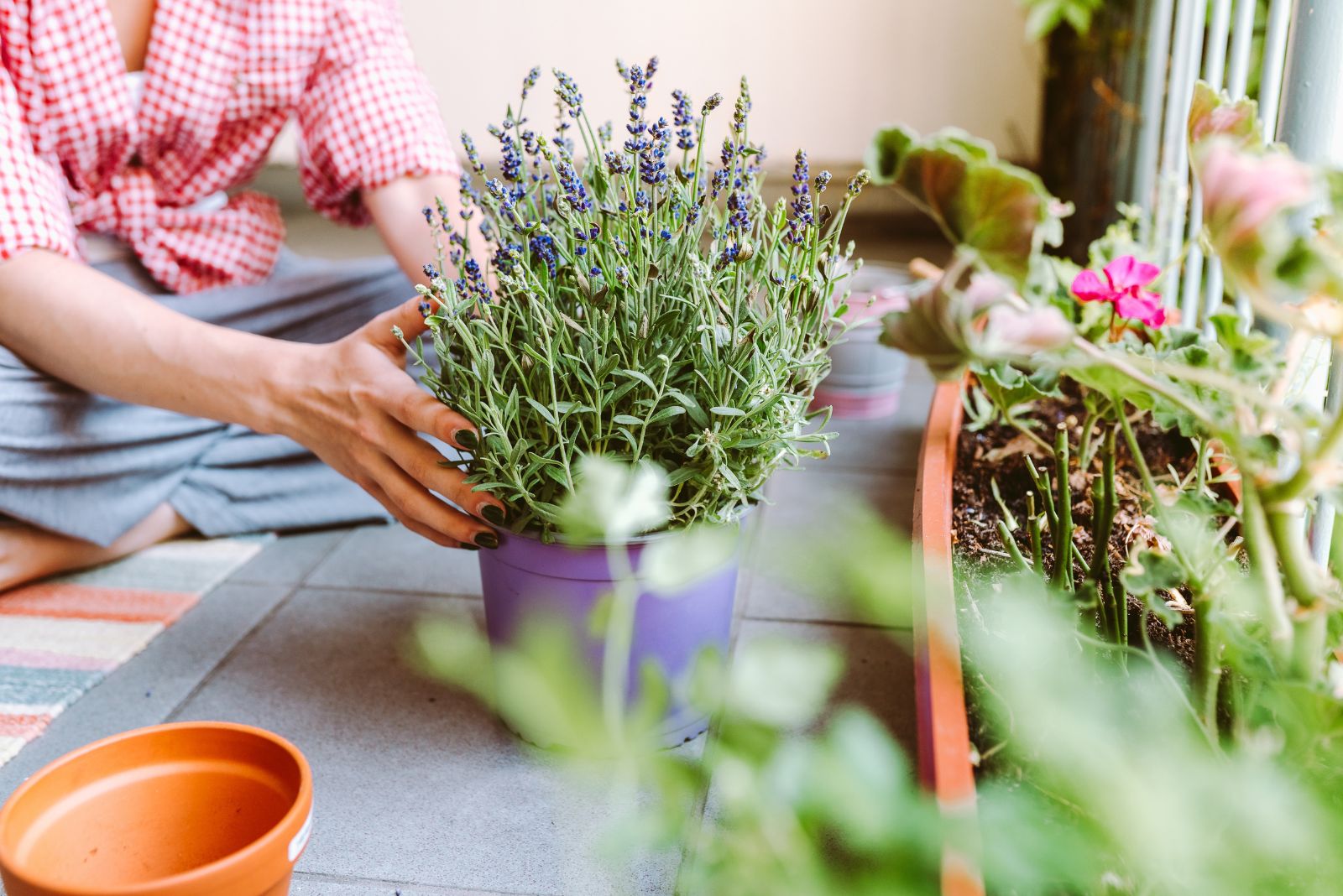
Lavender in a pot sounds like a simple enough project until Texas gets involved. In the ground, lavender already has a complicated relationship with the Texas climate, pushing back against humidity and drainage conditions that do not naturally suit it.
In a container, every one of those challenges becomes more immediate and harder to manage, with roots fully exposed to temperature swings, drainage controlled entirely by what is inside the pot, and no buffer from the surrounding soil to moderate the stress of peak summer.
Most Texas gardeners who have tried lavender in a container have a story about it going downhill faster than expected.
The ones who have figured out how to keep it genuinely lush and healthy have usually landed on a specific approach that changes the outcome in a way that generic potting and care advice does not.
Getting this one detail right makes the difference between a lavender plant that thrives in a Texas pot and one that just slowly declines despite your best efforts.
The Trick Is Ensuring Excellent Drainage
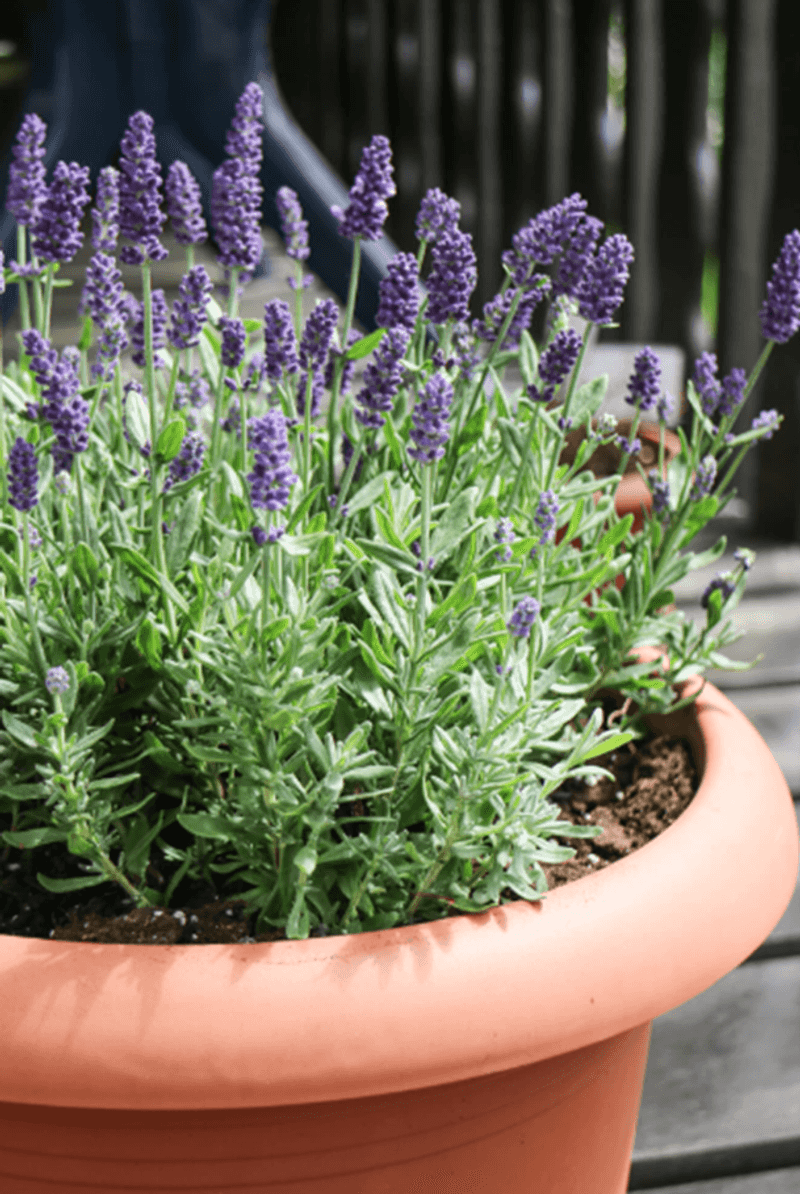
Lavender is a tough, sun-loving plant, but it has one serious weakness: soggy roots. Without excellent drainage, lavender roots sit in wet soil for too long, and that leads to root rot, yellow leaves, and stunted growth.
In Texas, where summer rains can be heavy and humidity stays high, this problem gets worse fast.
Root rot happens when water cannot escape the pot quickly enough. The roots basically suffocate because they need air as much as they need moisture.
Once root rot sets in, the plant struggles to absorb nutrients, and the leaves start turning yellow or brown. The whole plant looks limp and sad, even on a sunny day.
Texas humidity adds another layer of challenge. Even when you are careful about watering, the air itself holds moisture that can cling to the soil and slow evaporation. This is why drainage is not just helpful for lavender in Texas. It is absolutely essential.
The good news is that fixing drainage is simple. You just need the right pot, the right soil mix, and a smart setup.
When water flows freely through the container and out the bottom, lavender roots stay healthy, firm, and happy. The plant can focus its energy on growing tall, producing lush foliage, and blooming with those gorgeous purple flowers you are hoping for.
Think of excellent drainage as the foundation of everything. Get this one thing right, and every other part of caring for your lavender becomes much easier. Skip it, and no amount of sunshine or fertilizer will save your plant.
Choosing The Right Pot
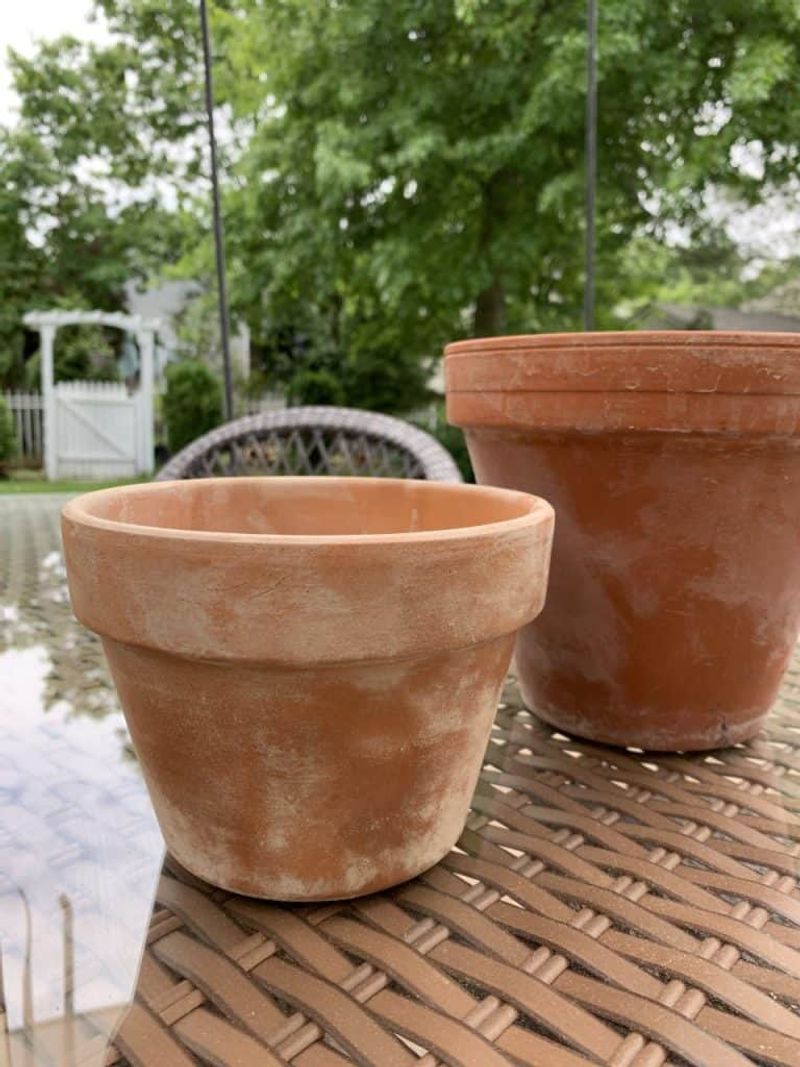
Not all pots are created equal, especially when it comes to lavender. The container you choose plays a huge role in whether your plant thrives or struggles.
Start with the most basic rule: your pot must have drainage holes at the bottom. Without them, water collects at the roots, and your lavender will not last long in the Texas heat.
Your Texas Garden Changes Every Week. Your Plan Should Too.
Gardening in Texas changes quickly throughout the season. Every Friday you’ll receive a simple weekly plan showing exactly what to plant, prune, fertilize, harvest, and protect so you never miss the right timing.
Terracotta pots are a fantastic choice for lavender. They are made from porous clay, which means the walls of the pot actually breathe.
Moisture evaporates through the sides, not just through the drainage holes, which helps the soil dry out faster between waterings. Ceramic pots with a glaze work too, though they hold moisture a little longer than unglazed terracotta.
Plastic pots are not ideal. They trap heat and hold moisture, which is the opposite of what lavender needs.
If plastic is your only option, make sure the pot has plenty of drainage holes and monitor your watering carefully.
Size matters as well. A pot that is too small will dry out too fast, while one that is too large holds excess soil and moisture around the roots. A pot that is about 12 to 16 inches wide is a great starting point for most lavender varieties.
Here is a simple bonus tip: elevate your pot slightly off the ground using pot feet or a small stand. This keeps the drainage holes from getting blocked by the surface underneath.
Water flows out freely, air circulates better, and your lavender roots stay in their ideal happy place. It is a tiny change that makes a real difference.
Preparing The Soil Mix
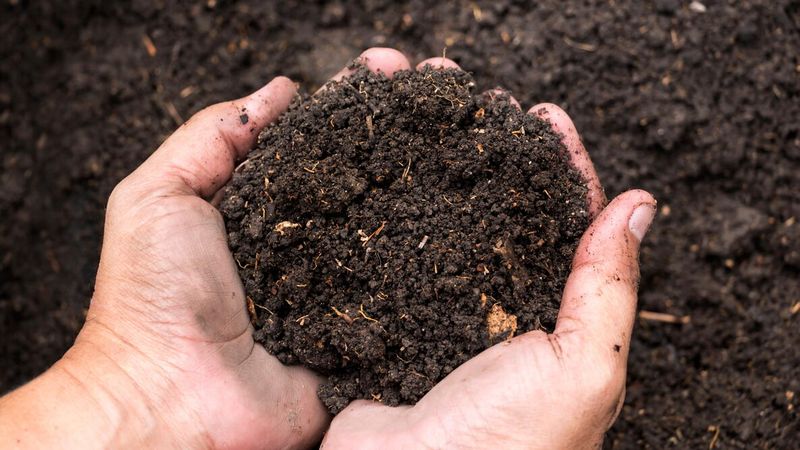
Lavender is native to the rocky, dry hillsides of the Mediterranean region. That means it naturally grows in soil that drains fast, stays lean, and never holds too much water.
If you just fill your pot with regular potting soil from the store, it will likely be too dense and moist for lavender to feel at home.
The best approach is to create a custom soil blend. Mix regular potting soil with coarse sand, perlite, or small gravel.
A good starting ratio is about 60 percent potting soil and 40 percent drainage material like perlite or coarse sand. This creates a light, airy mix that lets water flow through quickly while still holding just enough nutrients for steady growth.
Avoid using heavy garden soil or topsoil straight from your yard. Texas clay soil, in particular, is notorious for holding water and compacting tightly around roots. That kind of soil is the enemy of lavender in a container.
You can also add a thin layer of small gravel or decorative pebbles right on top of the soil surface after planting. This helps reduce moisture buildup around the base of the stem, which is a common spot for fungal problems to start. It also looks neat and tidy in your pot.
One more thing to keep in mind: lavender prefers a slightly alkaline soil pH, somewhere between 6.5 and 7.5. If your soil mix is too acidic, you can add a small amount of garden lime to bring the pH up.
Getting the soil right from the beginning gives your lavender the best possible start in its new Texas home.
Proper Watering Practices
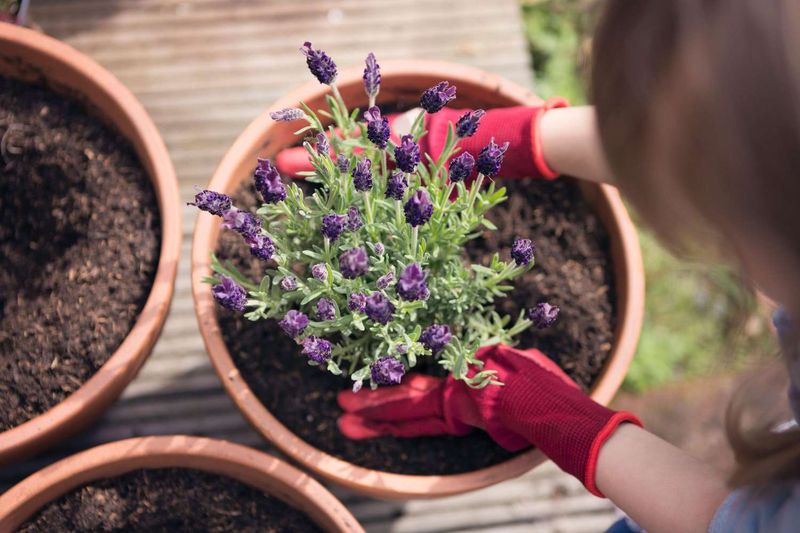
Watering lavender is where a lot of gardeners go wrong, and it is usually by giving too much rather than too little. Lavender is a drought-tolerant plant that actually prefers to dry out a bit between waterings.
Keeping the soil constantly wet is one of the fastest ways to run into trouble. A simple rule to follow: stick your finger about one inch into the soil. If it feels dry at that depth, go ahead and water your lavender.
If it still feels moist, wait another day or two and check again. This method takes the guesswork out of watering and keeps you from overdoing it.
When you do water, water deeply. Pour water slowly until it drains freely out of the bottom of the pot.
This encourages the roots to grow down deep, which makes the plant stronger and more resilient during hot Texas summers. Shallow, frequent sips of water lead to weak, surface-level roots.
Lavender loves a natural cycle of slightly dry soil followed by a good drink of water. Think of it like how rain works in nature.
A dry spell comes, then a good rain, then dry again. Mimicking that pattern in your container keeps the plant healthy and happy.
In the blazing heat of a Texas summer, you may need to water more frequently, sometimes every two to three days. In cooler months, you can stretch it to once a week or even less.
Always let the soil guide you rather than following a fixed schedule. Your lavender will tell you what it needs if you pay attention.
Sunlight And Location
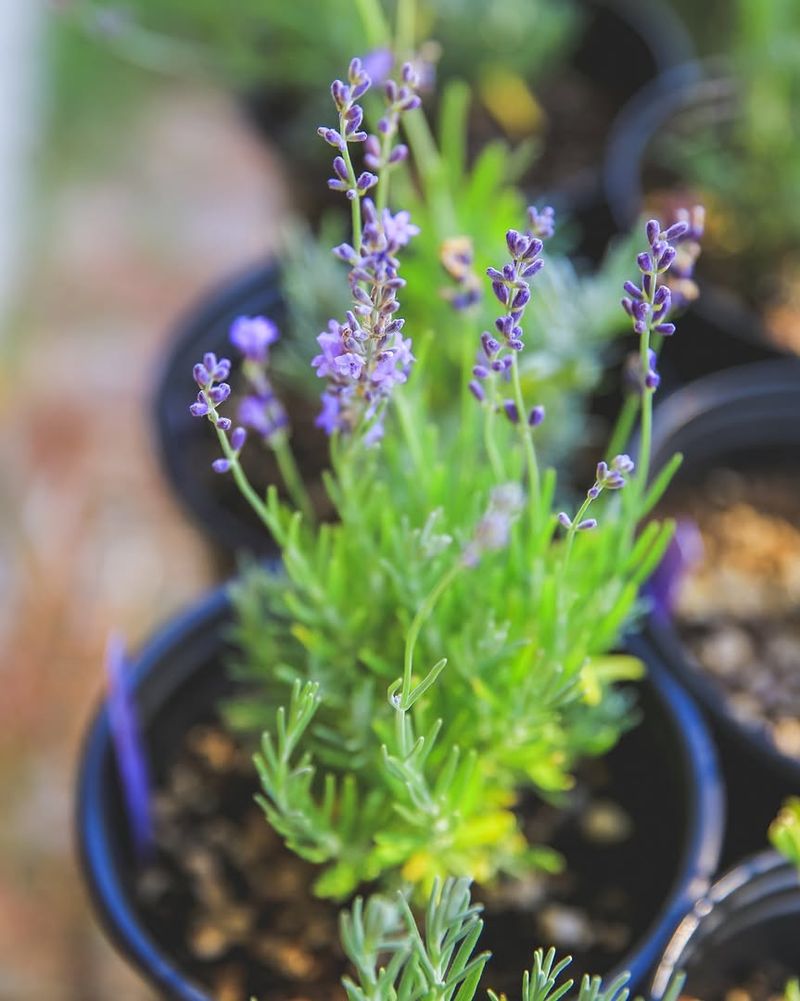
Sunshine is lavender’s best friend. This plant craves full sun and truly thrives when it gets at least six to eight hours of direct sunlight every single day.
In Texas, that kind of sun is not hard to come by, which is actually one of the biggest advantages of growing lavender here.
When choosing where to place your pot, look for a south-facing or west-facing spot. These locations receive the most intense and consistent sunlight throughout the day.
A south-facing porch, patio wall, or open garden bed edge is ideal. The more direct sun your lavender soaks up, the more it blooms and the stronger its fragrance becomes.
Avoid placing your pot in areas where air does not move freely. Stagnant, humid air around the plant can encourage fungal issues, especially during Texas summers when the air is thick and sticky.
Good airflow helps the foliage dry quickly after rain or watering, which keeps the plant healthier overall.
Be careful about placing lavender directly against a brick wall or fence that reflects intense heat. In Texas, afternoon sun combined with radiated heat from surfaces can sometimes push temperatures past what even heat-tolerant lavender enjoys comfortably.
A little shade in the very late afternoon during peak summer can actually help. Moving your pot is one of the great benefits of container gardening. If you notice your lavender is not blooming well or looks stretched and leggy, it is probably not getting enough sun.
Simply shift the pot to a sunnier location. Lavender is surprisingly forgiving once you find its sweet spot in your yard.
Ongoing Care And Maintenance
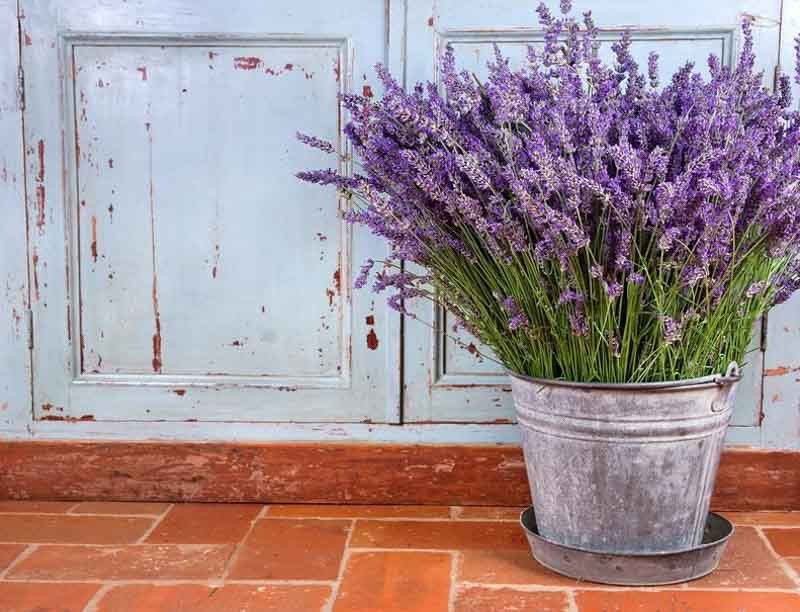
Once your lavender is settled into its pot and growing well, a little routine care goes a long way. Pruning is one of the most important habits to develop.
After your lavender finishes flowering, trim back the spent flower stalks and about one-third of the green leafy growth. This keeps the plant compact, encourages fresh new growth, and prevents it from becoming woody and bare at the base.
Use clean, sharp scissors or garden shears when you prune. Never cut back into the old, woody brown stems because lavender does not regrow well from that area.
Always leave plenty of green growth on the plant. Light, regular pruning once or twice a year keeps your lavender looking full and healthy for many seasons.
Fertilizing lavender is something to approach with a light hand. Too much fertilizer, especially nitrogen-heavy types, causes the plant to grow lots of leaves but very few flowers.
Use a low-nitrogen, slow-release granular fertilizer just once in early spring. That small boost is usually all lavender needs for the entire growing season.
Keep an eye out for common pests like aphids or spittlebugs, which occasionally visit lavender. A strong spray of water or a mild insecticidal soap usually handles them quickly.
The best defense against fungal issues is the excellent drainage and airflow you have already set up. Healthy roots and dry foliage naturally resist most problems.
Did you know that lavender can live for many years with proper care? Some plants thrive for a decade or more.
With the right pot, soil, water, and sunshine, your Texas lavender can be a long-lasting, fragrant centerpiece in your outdoor space.