How To Lower A Florida Lawn That Drains Into The Neighbor’s Yard
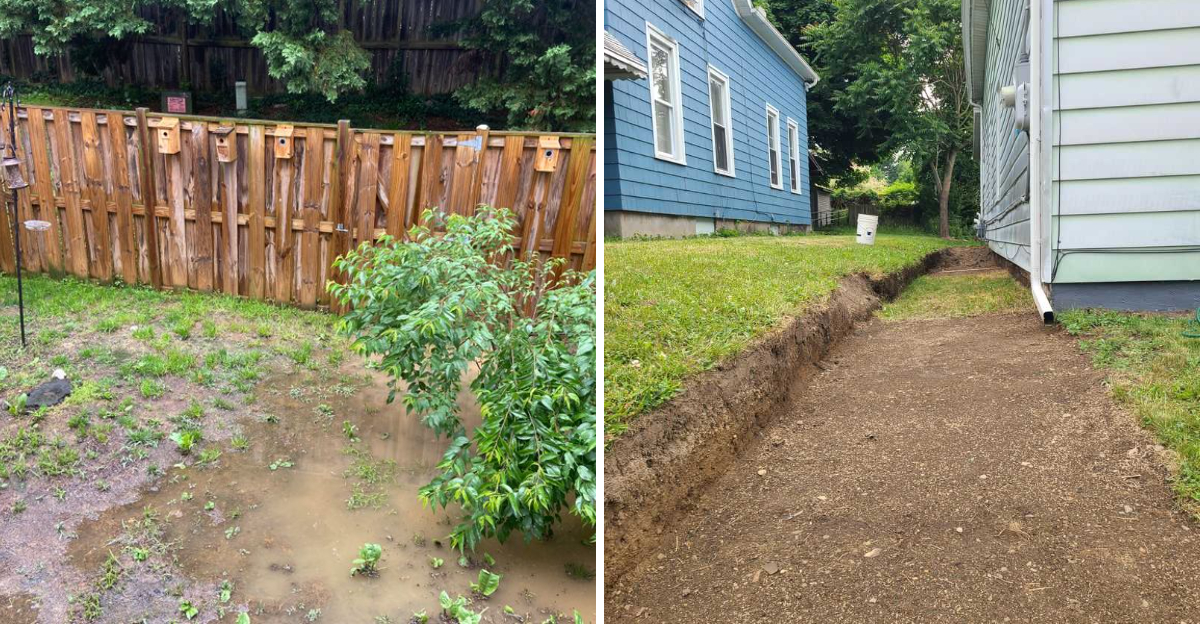
A lawn that drains onto the neighbor’s property is the kind of problem that starts with an awkward conversation and ends somewhere much less pleasant if nothing changes. Florida’s rainy season turns a minor grading issue into a recurring dispute fast.
The homeowner on the high side is usually the last one to understand how serious it has become. Florida law has something to say about this.
So does basic yard drainage logic. Neither one favors leaving the situation alone and hoping the neighbor stops noticing.
The fix is more manageable than most homeowners expect once the actual cause is understood. Lowering a lawn grade, redirecting flow, and addressing the underlying drainage problem are all achievable without a full landscape overhaul.
What is happening in your yard right now, and what to do about it before the next heavy rain, is worth understanding clearly.
1. Check Where The Water Actually Leaves Your Yard
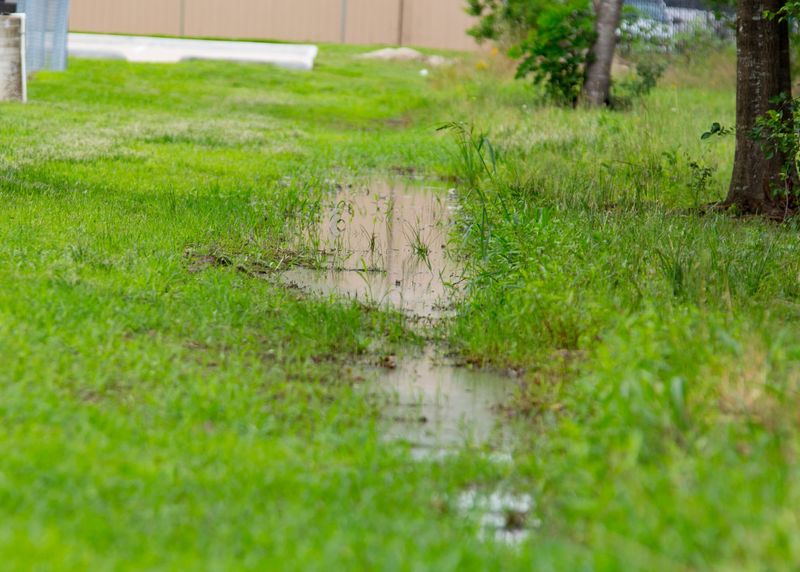
Water moving across a yard after a storm can be surprisingly sneaky. Before touching a shovel or renting any equipment, spend time watching what actually happens when rain falls.
Walk the yard during a moderate storm if it is safe to do so, and pay close attention to where runoff begins, where it concentrates, and where it exits the property.
Roof runoff from downspouts is a common culprit that Florida homeowners often overlook. A downspout aimed at a side yard can send a surprising volume of water directly toward a neighbor’s fence line.
Driveways, patios, and compacted turf can also shed water fast, especially when the ground beneath is sandy fill that has crusted at the surface.
Look for lawn crowns, which are raised mounds near the center or edge of a yard that push water outward. Low spots near the property line can collect and concentrate runoff before it crosses over.
Take photos, make simple notes, and use small flags to mark where water leaves your yard. Guessing without observing first can lead to fixing the wrong area entirely, or worse, pushing more water toward your neighbor’s foundation.
2. Find The High Spot Before You Start Removing Soil
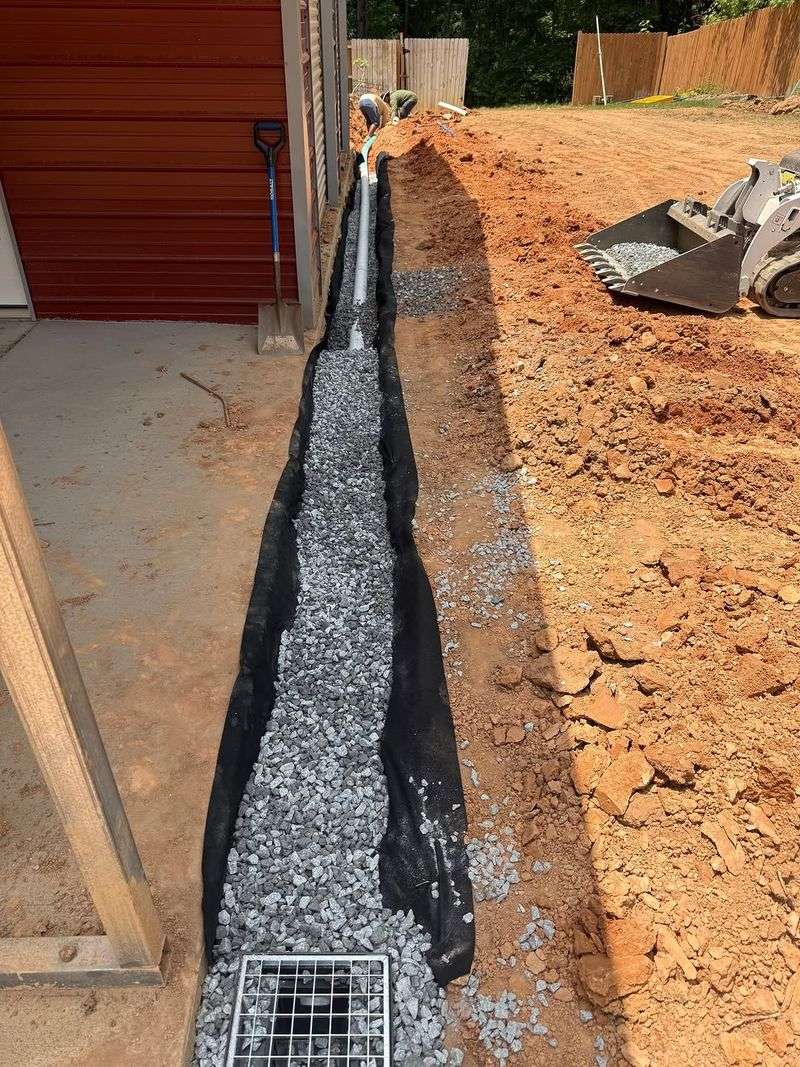
A soggy fence line next door often points back to a raised area somewhere in your yard. Yards drain toward neighbors for many reasons, including construction fill left behind by builders and added topsoil that was never graded properly.
Compacted slopes from equipment traffic or buried debris can also create an uneven surface over time.
Finding the actual high spot matters before any soil is removed. A long straight board and a small level can help reveal a basic grade across a section of lawn.
A string line stretched between two stakes with a line level attached can show slope direction across a longer distance. Some lots are complex, flat, or shaped by multiple drainage directions.
In those cases, a professional survey or licensed drainage contractor can provide much more reliable information.
Removing soil without knowing the true grade can create new puddles, expose tree roots, uncover irrigation lines, or send runoff in an unintended direction. Cutting soil in the wrong area can also destabilize edges near fences, retaining walls, or structures.
Your Florida Garden Changes Every Week. Your Plan Should Too.
Gardening in Florida changes quickly throughout the season. Every Friday you’ll receive a simple weekly plan showing exactly what to plant, prune, fertilize, harvest, and protect so you never miss the right timing.
Take time to understand the full picture before acting. Serious grading questions, especially those close to a property line or a neighbor’s foundation, are best evaluated by a professional with the right tools and training.
3. Lower Small Lawn Crowns With Careful Topsoil Removal
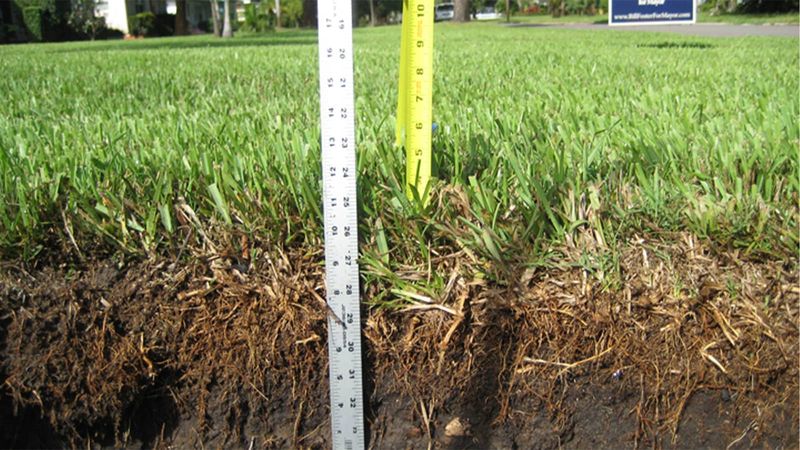
Not every drainage problem requires heavy machinery or a full regrading project. Some yards have a modest raised crown or a small high spot that can be carefully corrected with limited, targeted soil removal.
When the high spot is minor and clearly identified, removing a thin layer of excess soil may help. Gently smoothing the grade can redirect water away from the property line.
Work in small sections and avoid cutting too deeply. Removing too much soil at once can expose shallow tree roots, which are common in St. Augustine lawns across this state.
Cutting near roots can stress or harm established trees, and that kind of damage may need professional attention to assess. Irrigation lines are often shallow in residential yards as well, so call 811 before any digging, even light work.
Never scrape or push removed soil toward the neighbor’s side of the fence. Displaced soil that raises the grade along the property line can create new drainage problems where none existed before.
After any adjustment, reseed or replant the disturbed area promptly to prevent erosion. Bare soil in a rainy-season yard can wash away quickly.
Large-scale lowering, any work involving machinery, and changes near foundations or property lines should not be treated as casual weekend projects.
4. Keep Runoff Away From The Neighbor’s Foundation
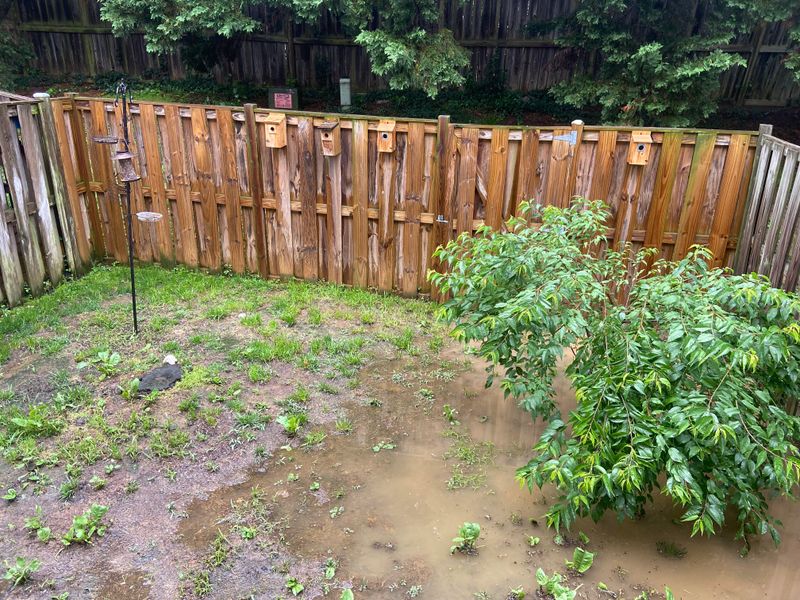
Water pooling against a neighbor’s foundation is one of the more serious outcomes of a poorly draining yard. Moisture that sits near a concrete block or slab foundation can contribute to mold, soil erosion under the slab, and structural concerns over time.
Sending runoff toward a neighbor’s garage, pool deck, patio, or fence line can also lead to property damage and neighbor disputes that are difficult to resolve.
Drainage disagreements between neighbors can escalate quickly, especially when one yard’s attempted fix creates a new problem next door.
Local codes, HOA rules, easements, and water-management district guidelines often address how stormwater can be directed.
In many cases, intentionally routing water onto a neighbor’s property is not permitted regardless of natural slope.
The practical goal is to keep water spread out, slowed down, absorbed into the soil, or directed toward an approved drainage outlet on your own property. Grading should move water away from all structures, including your own home’s foundation.
If runoff is reaching a neighbor’s foundation, consult a licensed drainage contractor or civil engineer before attempting a fix.
A professional can assess the grade, identify the source, and recommend a correction that protects both properties without creating a new liability.
5. Use A Swale Before You Cut A Drainage Channel
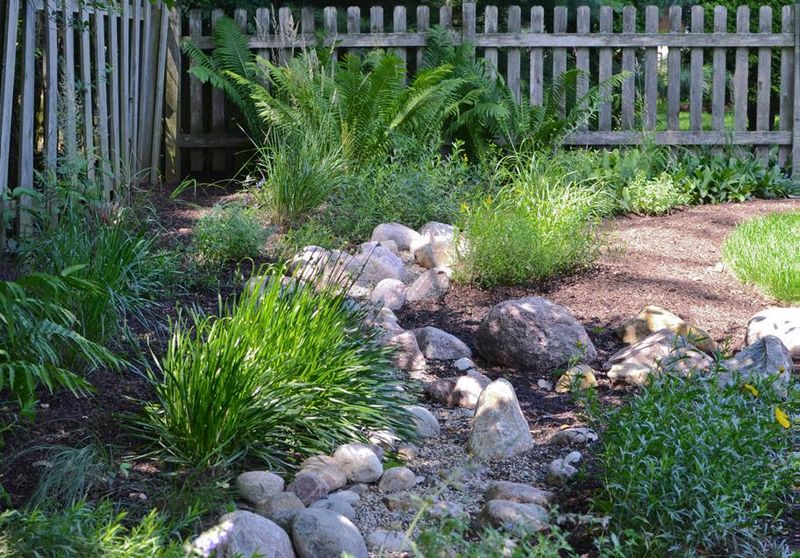
Reaching for a shovel to cut a drainage channel toward the property line is a tempting but risky move. A narrow trench or exposed channel at the edge of a yard can concentrate water and dump it directly at the fence line.
That may worsen the neighbor’s situation and potentially violate local stormwater rules. A properly designed swale is a far gentler tool.
A swale is a shallow, broad depression with gently sloped sides that guides water across a yard at a controlled pace. Grassy swales slow runoff, allow some infiltration, and reduce erosion compared to bare channels.
Planted swales with moisture-tolerant groundcover or native plants can add stability and visual appeal while serving the same drainage function. UF/IFAS and county Extension offices in this state offer guidance on swale design for residential landscapes.
A swale must have a proper grade, a clear outlet that directs water to an appropriate location, and regular maintenance to stay functional. Grass and debris can slow or block swale flow over time.
Some municipalities require permits for swale modifications, especially when they connect to public drainage infrastructure. Check with your city, county, or water-management district before digging.
A swale that is not properly planned can create standing water, erosion, or new drainage conflicts.
6. Fix Compacted Soil Before Blaming The Slope
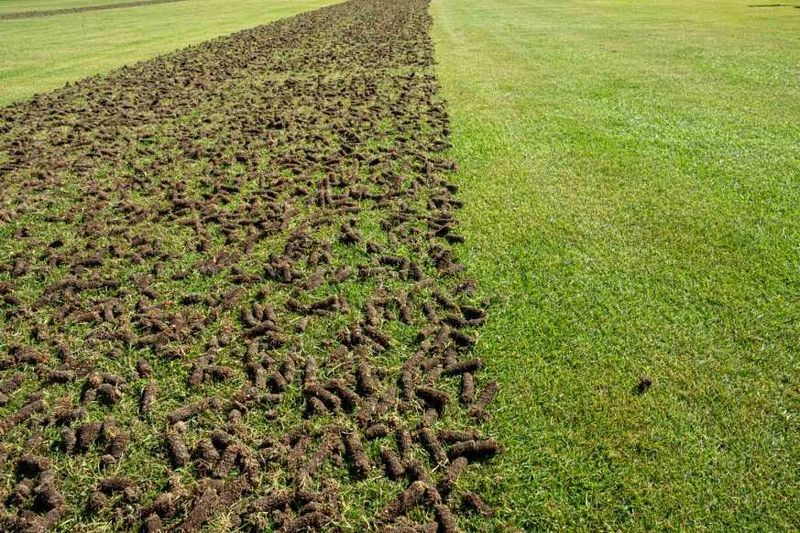
A compacted side yard can shed rain almost as fast as a paved surface. When soil particles are pressed tightly together by foot traffic, vehicle weight, or repeated mowing on wet turf, water has almost nowhere to go but sideways.
In new-build yards across this state, builders often leave behind compacted fill that barely absorbs moisture even during light rain events.
Improving soil infiltration will not replace proper grading when water is clearly moving downhill toward a neighbor. But in some yards, compaction is the main reason sheet runoff is so heavy, and addressing it can meaningfully reduce the volume of water leaving the property.
Core aeration, where small plugs of soil are removed to open channels for water and air, can help in lawns with moderate compaction. Compost topdressing after aeration adds organic matter that improves soil structure over time.
Thin turf also contributes to runoff. Bare patches and weak grass allow water to hit bare soil directly, which speeds erosion and surface flow.
Repairing thin areas with sod or plugs appropriate for this state’s climate helps slow runoff at the surface. Reducing foot traffic and keeping vehicles off turf protects the improvements.
Sandy soil that has crusted at the surface may also benefit from light cultivation before overseeding or sodding.
7. Add Rain Garden Space Where Water Can Slow Down
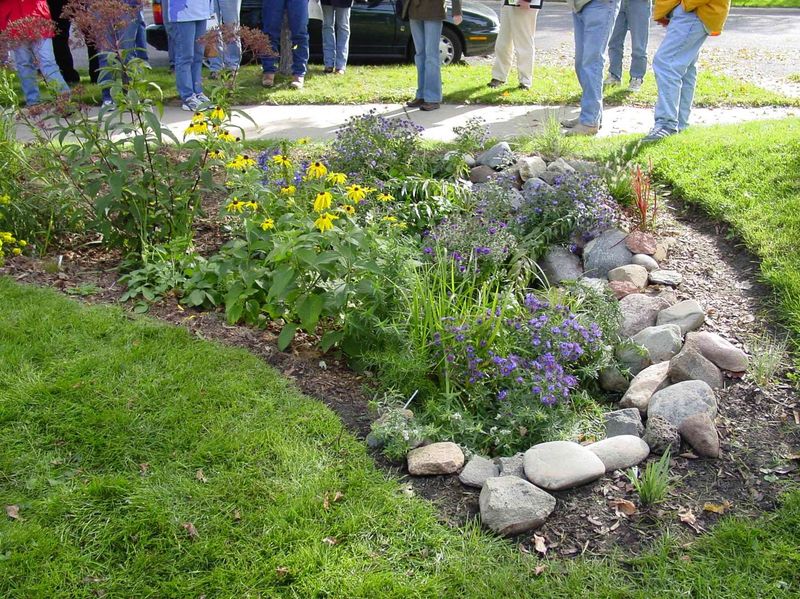
Picture a low planted area near the edge of your yard that quietly catches runoff after a storm. It holds the water briefly and lets it soak into the ground before it ever reaches the fence line.
That is essentially what a rain garden does. It is a shallow, planted depression designed to accept stormwater from roofs, lawns, or paved areas and allow it to infiltrate slowly rather than sheet across the yard.
Choosing the right plants matters. Florida native species adapted to wet-dry cycles work best in this state’s climate, where soaking rain is followed by weeks of dry heat.
Blue flag iris, muhly grass, and native sedges are examples often recommended for wet-tolerant planted areas. Keep the rain garden at least ten feet from your home’s foundation and well away from any septic system components.
Placement near a property line should be planned carefully so the garden does not become a source of runoff for the neighbor.
A rain garden that does not drain within 24 to 48 hours after a storm can become a mosquito-breeding concern, which is a real issue in warm regions. The soil beneath the garden must allow infiltration.
If your yard has heavy clay layers, compacted fill, or high water table areas, a rain garden may not function as intended without additional design work. Consult a landscape professional or Extension office for site-specific guidance.
8. Call A Drainage Pro Before Changing Property Lines
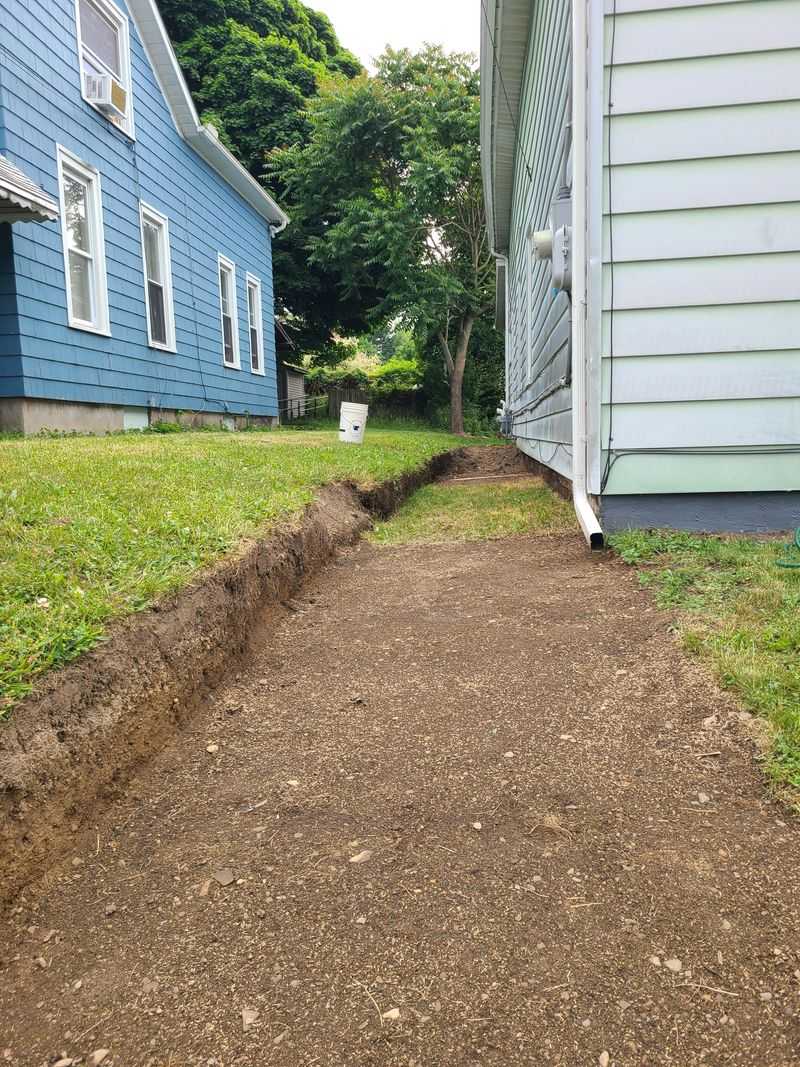
Some drainage problems look straightforward from the Florida backyard. They can turn out to involve easements, public infrastructure, HOA restrictions, or local permit requirements that make a simple fix much more complicated.
Grading near a property line, installing a retaining wall, modifying a swale, or redirecting driveway runoff can all trigger review requirements. Adding a French drain close to a neighbor’s yard may also require review.
A licensed drainage contractor or civil engineer can assess the grade, identify the true source of the problem, and recommend a solution that works within local rules. A surveyor can confirm property boundaries before any soil is moved near the line.
County Extension offices in this state can offer guidance on soil, turf, and landscape drainage. They are not the right resource for private legal disputes or permit questions.
Your city, county, or water-management district is the right starting point for permit and code questions.
HOA documents often include drainage provisions that restrict what homeowners can change in their yards without approval. Reviewing those documents before starting any project can prevent a costly conflict.
The goal of any drainage correction should be to protect your yard, your neighbor’s yard, and your own legal standing. Getting professional input before major work is not overcautious.
It is simply the smarter move when property lines and neighbor relations are involved.