How To Protect California Garden Soil From Erosion During Heavy Winter Rains
A single raindrop can hit bare ground at around 20 miles per hour. That tiny splash is strong enough to knock soil grains loose and toss them into the air.
Multiply that by a full winter storm, and your garden bed starts to look like a muddy little river delta. California gets most of its yearly rain between November and March, often in big bursts called atmospheric rivers.
Personally, I learned this lesson the messy way. One January morning, I found half my raised bed sitting on the sidewalk, and my carrots looked very surprised. Topsoil builds up slowly, sometimes about an inch over many decades, so losing it overnight stings.
You can stop most of that loss with a few simple moves before the next storm rolls in. Some of them cost nothing at all. Which spot in your yard would wash away first?
Bare Garden Soil Is Quietly Asking For Trouble
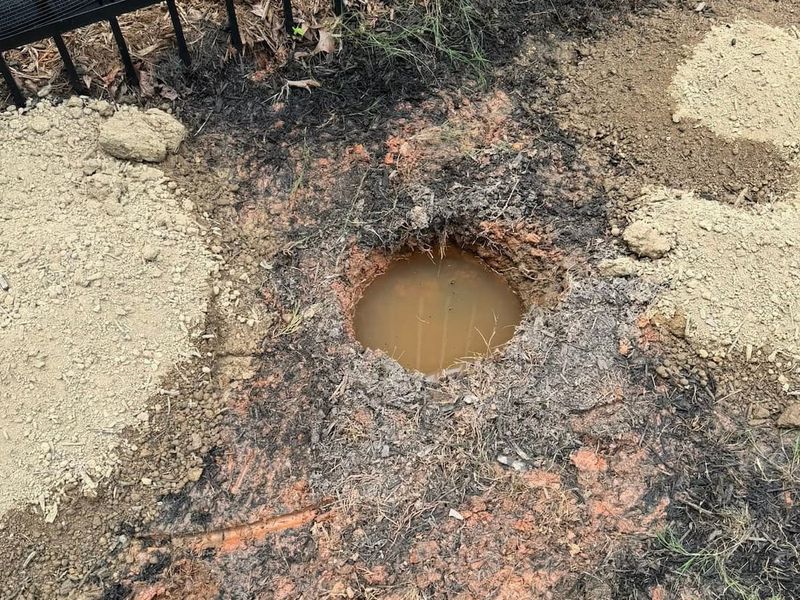
Look closely at an uncovered garden bed after a big storm. You will often spot tiny pebbles perched on little soil pillars, with the dirt around them washed away.
Soil scientists call that splash erosion, and it is the first stage of soil loss. Raindrops break apart clumps of soil, then running water carries the loose bits downhill. Once small channels form, they grow into rills and gullies with every new storm.
Bare ground is the biggest risk factor by far. Plants, leaves, and mulch act like umbrellas, absorbing the hit before water reaches the surface. When nothing covers the soil, it seals into a hard crust that sheds water instead of soaking it up.
Compacted ground makes things worse. Many California yards have dense clay, and summer foot traffic squeezes it even tighter. Water hits that surface and races off, taking fine particles and nutrients along for the ride.
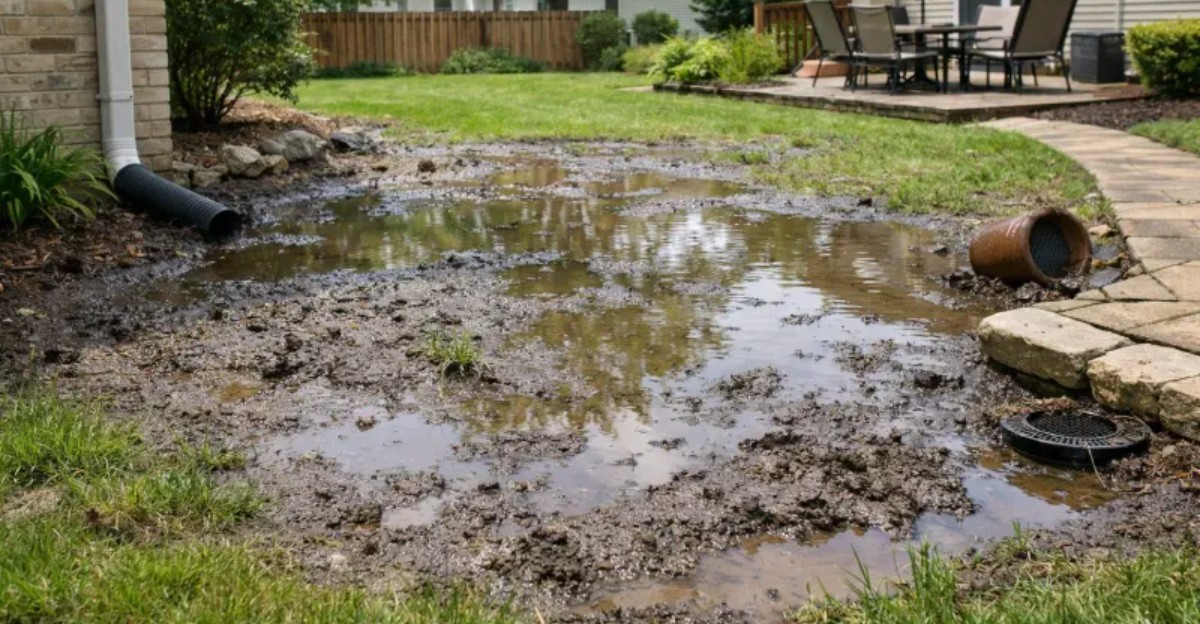
Slopes speed up the whole process, but flat yards are not safe either. Watch for muddy puddles, soil on walkways, and exposed roots. Those clues show you exactly where to start your winter protection plan, often before the first serious storm arrives.
A Thick Layer Of Wood Chip Mulch Works Like A Rain Jacket
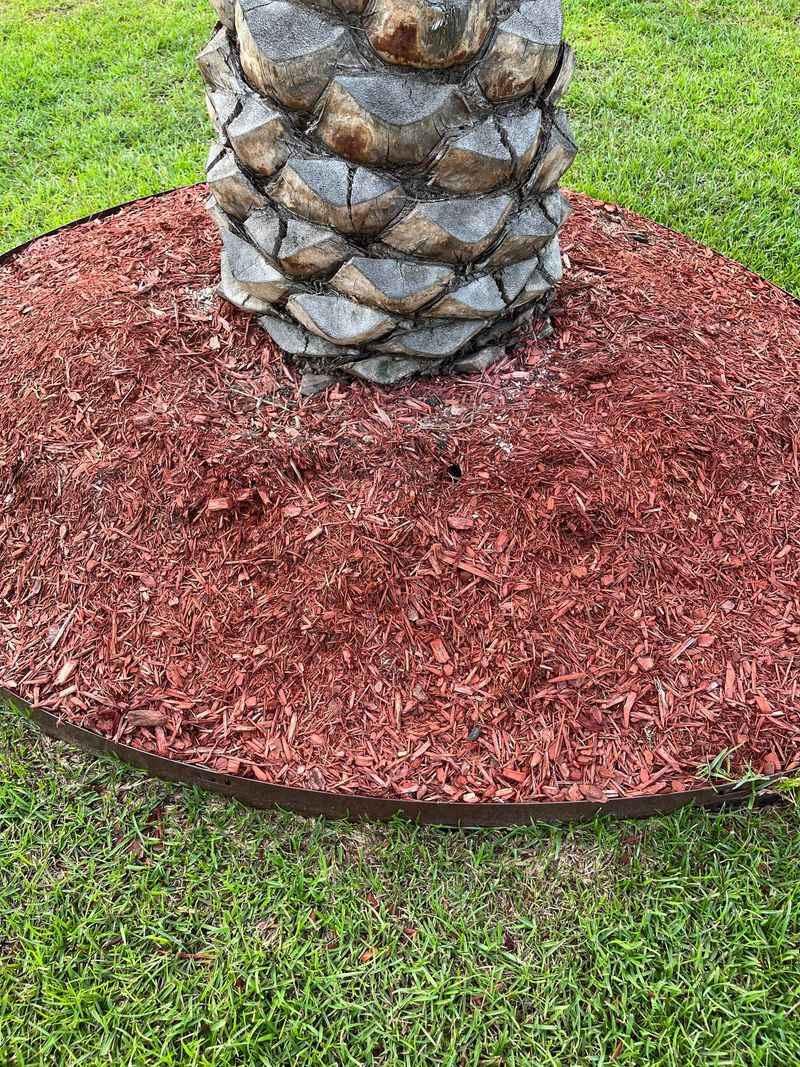
Ask any UC Master Gardener for the easiest erosion fix, and mulch will likely top the list. I love it because it works the moment you spread it.
A layer of organic mulch soaks up the force of falling rain. Water trickles gently through the chips instead of blasting the soil apart. University of California guidance suggests about 2 to 4 inches of coarse mulch for most landscape beds.
Wood chips, shredded bark, and leaves all work well. On slopes, shredded redwood or cedar bark, often sold as gorilla hair, knits together and resists sliding. Small, round bark nuggets tend to float and wash away, so skip those on hillsides.
Keep mulch a few inches away from plant stems and tree trunks. Piling it against bark can hold moisture and invite rot.
In fire-prone areas, follow CAL FIRE defensible space guidance. Use gravel or other noncombustible material within 5 feet of your home, and save the wood mulch for beds farther out.
Bonus benefit? Mulch feeds soil life as it breaks down. Earthworms move in, soil structure improves, and next year your garden drinks up rain even better than before.
Fava Beans And Cereal Rye Hold Soil All Winter

Empty vegetable beds in winter are an open invitation for runoff. Fill them with living roots instead, and the soil practically ties itself down.
Cover crops are plants grown to protect and build soil, not to harvest. Cereal rye, barley, and oats sprout fast in cool weather and form a dense net of fibrous roots. Those roots grip soil particles while the leaves soften every raindrop.
Legumes add a sweet bonus. Fava beans, bell beans, peas, and vetch partner with soil bacteria to pull nitrogen from the air. Many gardeners sow a grain and legume mix for both strength and fertility.
Timing matters in California. UC experts recommend planting in fall, ideally before mid-November, so seedlings are established before heavy storms. Seeds sown in December often stay too small to help much that season.
Here is a fun bit. Fava beans have been grown as food and soil builders for thousands of years around the Mediterranean, a climate a lot like ours.
In early spring, cut the crop down before it sets seed. Chop it into the top few inches of soil or leave it as mulch, then wait a few weeks before planting.
Native Shrubs Like Ceanothus And Manzanita Anchor Hillsides

Hillside gardeners, this one is for you. Deep, spreading roots are nature’s own retaining wall, and California natives are experts at building them.
Ceanothus, often called California lilac, sends roots deep and wide while covering the ground with glossy leaves. Manzanita, coyote brush, California buckwheat, and native bunchgrasses like purple needlegrass also help stabilize slopes. Purple needlegrass is the official state grass, and its roots can reach several feet down.
Natives fit our wet-winter, dry-summer pattern. Once established, many need little summer water, which keeps slopes from getting soggy and unstable.
Fall is the best planting season across most of the state. Cool weather and winter rain help young roots grow before summer heat arrives. Plant in staggered rows across the slope, and mulch between plants until they fill in.
Steer clear of ice plant, which is often sold for slopes. It holds little soil, gets heavy when wet, and can slide off in big storms. Avoid invasive options like Myoporum and pampas grass too.
Visit a local native plant nursery or the California Native Plant Society’s Calscape website. You can search plants by your exact address and soil type.
Straw Wattles And Jute Netting Buy Time On Bare Slopes
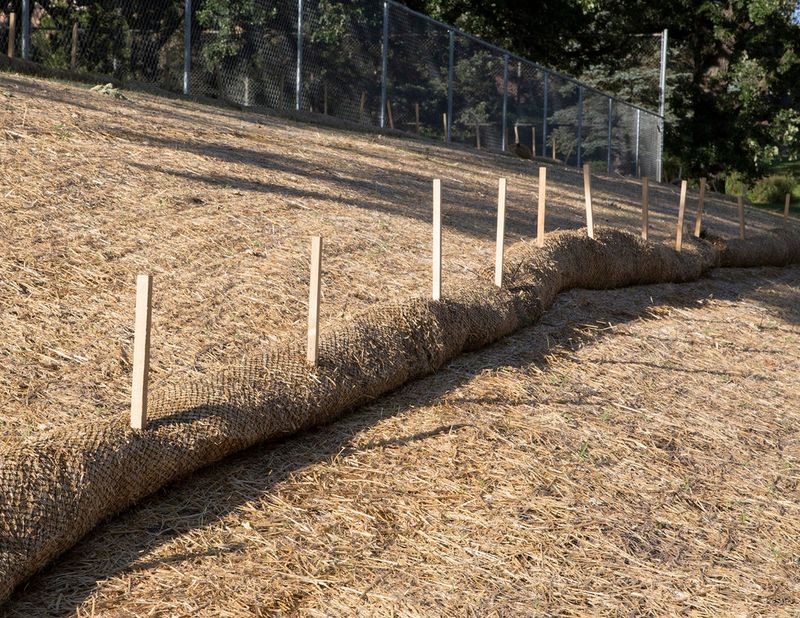
New plants need time, but storms do not wait. Straw wattles and erosion netting step in as a temporary safety crew while roots grow.
A wattle is a long tube of straw or rice straw wrapped in mesh. Laid across a slope and staked in place, it slows rushing water and catches soil before it slides away. Many California counties hand these out or recommend them after wildfires.
Installation is simple but matters a lot. Dig a shallow trench about 2 to 4 inches deep along the contour of the hill. Set the wattle in it, stake it every few feet, and butt the ends tightly together so water cannot sneak through gaps.
Space rows closer on steeper slopes. Your local Resource Conservation District can share spacing advice for your area.
Jute or coir netting works nicely on smaller areas. Pin it over bare soil, then tuck plants through the openings. Choose biodegradable netting without plastic mesh, since plastic can trap snakes, lizards, and birds.
Personally, I like how quickly these materials fade into the landscape. Within a year or two, plants take over and the netting breaks down.
Downspouts And Rain Gardens Can Steer Stormwater Safely
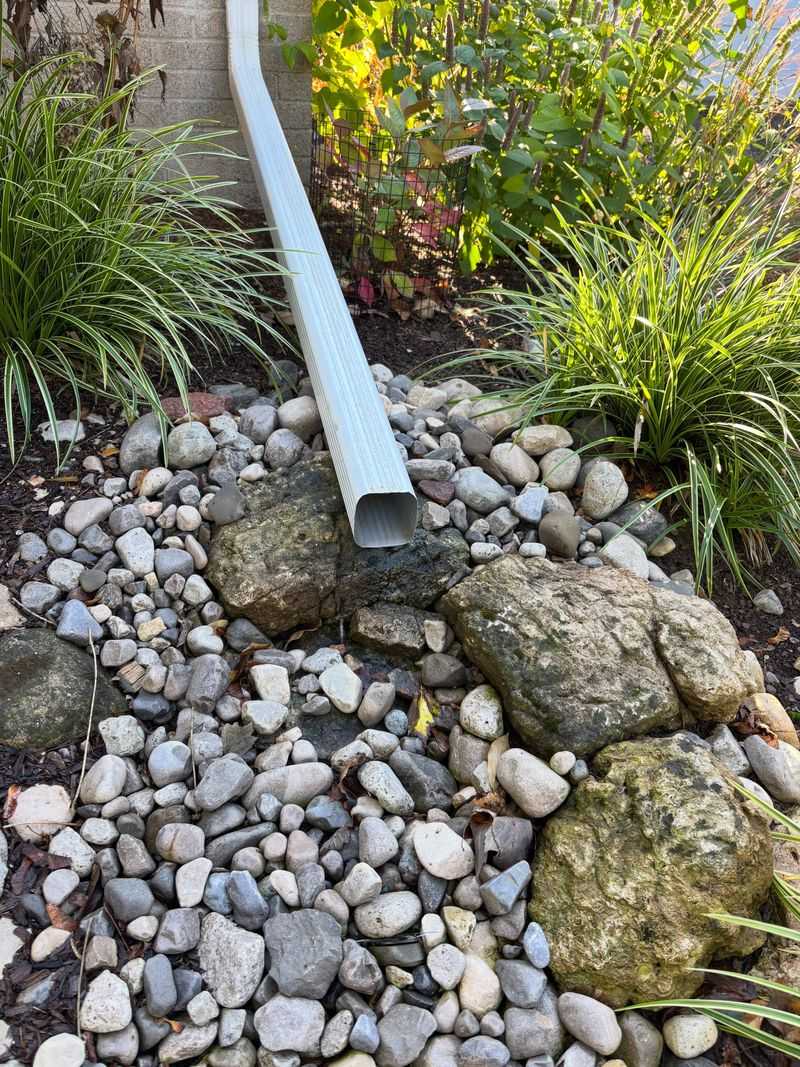
Sometimes the real culprit is not the sky. It is the roof, sending hundreds of gallons into one tiny corner of your yard.
An inch of rain on a 1,000-square-foot roof produces around 600 gallons of water. If one downspout dumps all of that onto bare soil, a gully forms fast. Take a walk during a light rain and watch where water travels.
Clean gutters before the season starts. Then add a splash block or extension to move water at least a few feet from your foundation.
Better yet, send that water somewhere useful. A rain garden is a shallow, planted basin that holds runoff and lets it soak in slowly. Native sedges, rushes, and deergrass handle wet winters and dry summers nicely.
Line channels and outlets with river rock. Stones slow water down and keep it from carving trenches.
Paths matter too. Gravel, decomposed granite, and permeable pavers let rain seep through instead of streaming across hard surfaces.
Many water districts across the state offer rebates for rain gardens and downspout redirection. A quick check on your local utility website could save you real money.
Stay Off Muddy Clay Beds After A Big Storm
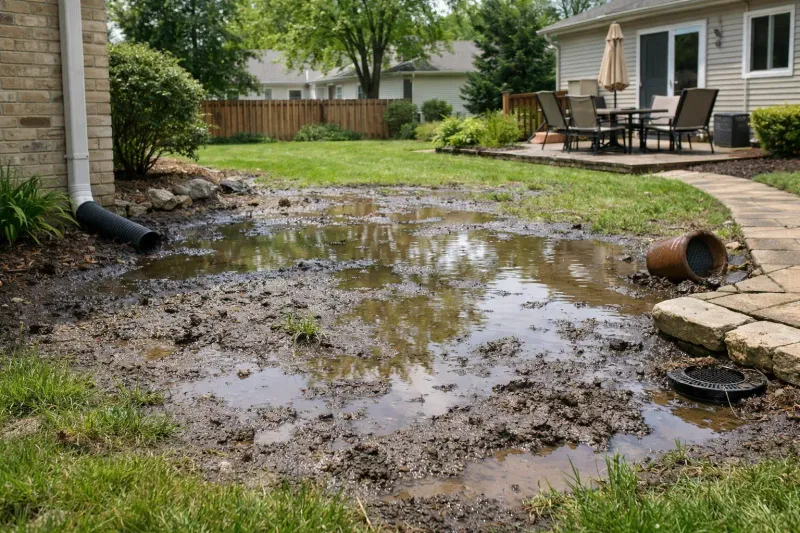
I get it. The sun finally comes out, and your hands itch to tidy up. Hold that thought for a few days.
Wet soil, especially clay, squishes easily. Each footstep presses out the air pockets that let water and roots move through the ground. Compacted soil sheds the next storm instead of soaking it up, so runoff and erosion get worse.
Try a simple squeeze test. Grab a handful of soil and press it into a ball. If it stays sticky and smears like modeling clay, it needs more drying time. If it crumbles when poked, you are ready to work.
Lay down boards or stepping stones when you must reach plants. They spread your weight across a larger area.
Permanent paths help a lot too. Mulched walkways between beds keep feet in one place year after year.
Skip heavy tilling during the rainy season. Digging breaks soil structure and leaves loose dirt ready to wash away. Many UC experts now favor minimal digging, letting roots, worms, and mulch build healthy soil naturally. Patience here pays off in spring, when your soil stays fluffy and easy to plant.