12 Shrubs With Colorful Berries That Feed Birds Through The Long Winter Months
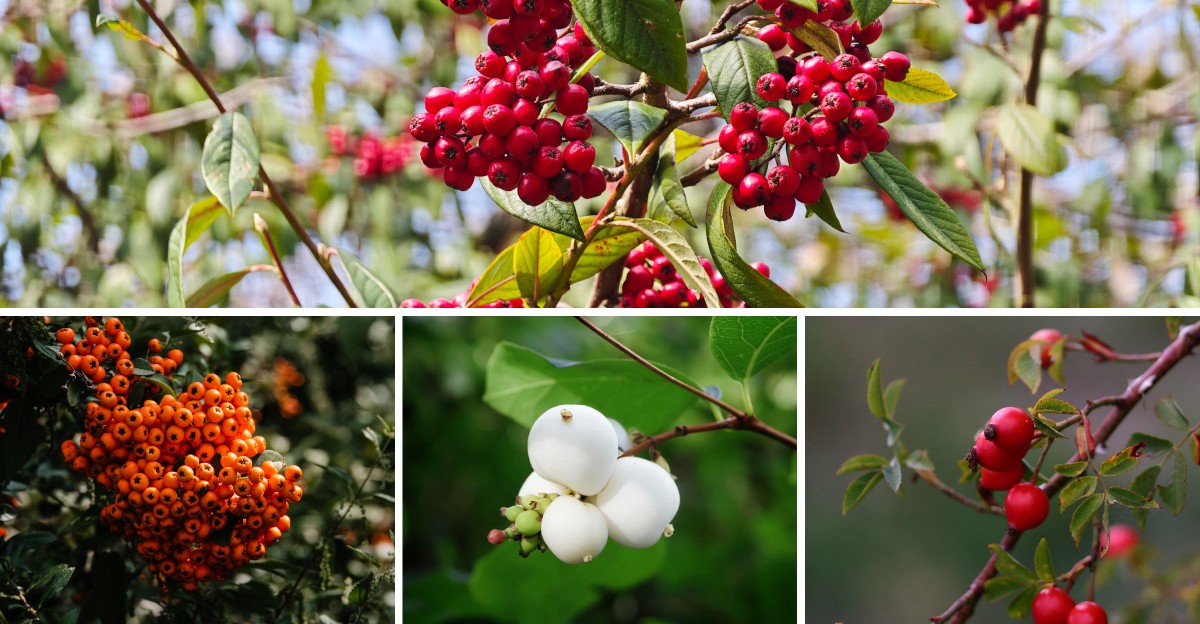
Hungry cardinals are scouting your plantings right now, and they remember favorites. By January, insects dwindle and snow hides the seed you scattered in autumn.
Birds then comb your shrubs, spending precious energy on each hopeful search. Winterberry holly hands you scarlet fruit that can cling to stems through February.
Bayberry you plant now feeds warblers straight through the frost. You can combine sumac, viburnum, and chokeberry into a feast that lasts until spring.
Evergreens give you the missing layer, cozy shelter from winter wind and sleet. Timing matters as much as the plants you choose. September soil stays warm, so roots you plant now settle before winter arrives.
Wait until spring, and you hand the flock to your neighbor. Expect your cat to claim the window seat and refuse to leave. Your guest list starts with these proven picks.
1. Winterberry Holly For Glowing Red Clusters
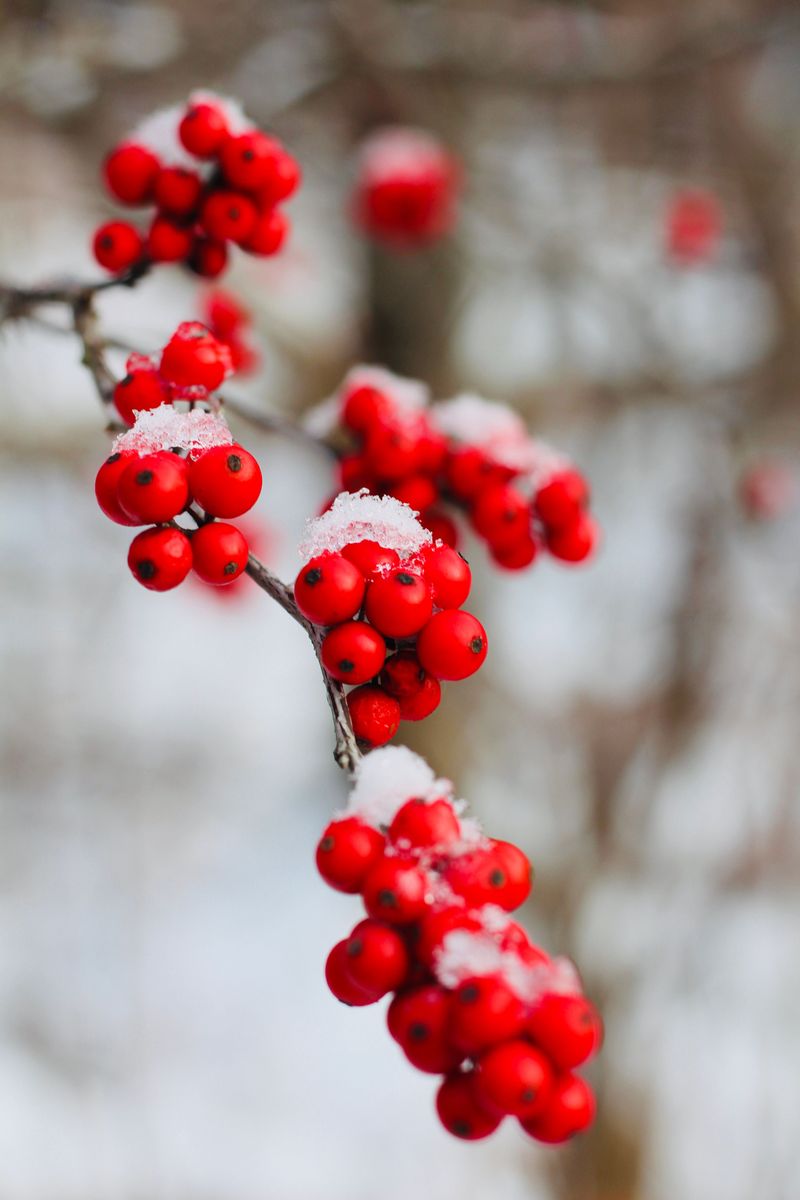
Snow and scarlet make one of winter’s best color combos, and winterberry holly puts on that show. After its leaves drop in fall, the bare stems stay packed with glowing red berries for months.
Hungry robins, bluebirds, cedar waxwings, and mockingbirds all visit these branches when food gets scarce. The berries often persist well into winter, which can make them a valuable backup food source.
Here is the tricky part that surprises lots of brand new gardeners every single year. Winterberry plants are male or female, and only females grow berries after bees pollinate their flowers.
Plan on one male plant for every five to ten females, placed within about fifty feet. Nurseries often label them clearly, so ask for a matching pair that blooms at the same time.
This native shrub loves moist, slightly acidic soil and handles soggy spots better than most plants. Give it full sun or light shade, and it will reward you with years of bright berries.
2. American Beautyberry For Vivid Purple Beads
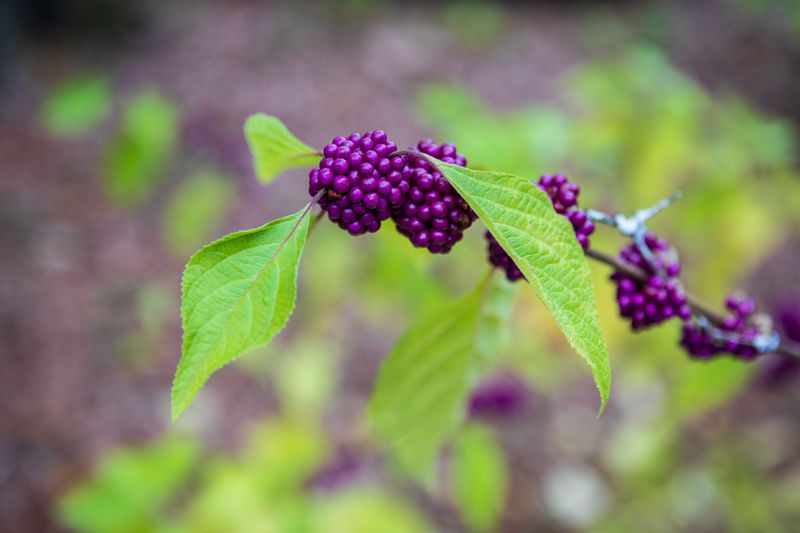
Some berries look so bright that people swear they are fake plastic decorations from a craft store. American beautyberry grows clusters of shiny purple fruit that hug its arching stems like beaded bracelets.
The color pops in September and October, right when many other plants start fading to brown. Birds like catbirds, thrashers, and robins snack on the berries through fall and sometimes into early winter.
Fun fact: people in the South once crushed the leaves and rubbed them on skin to repel mosquitoes. Scientists later identified natural compounds in the leaves that repelled mosquitoes in laboratory tests.
Beautyberry grows fast and does best in zones six through ten with sun or partial shade. More sunlight usually means more fruit, so pick a bright, open corner of the yard if you can.
For a tidy shape, cut the stems back hard in late winter before new growth starts. Berries form on fresh wood, so a good trim leads to an even bigger purple show next fall.
3. Red Chokeberry For Long-Lasting Crimson Fruit
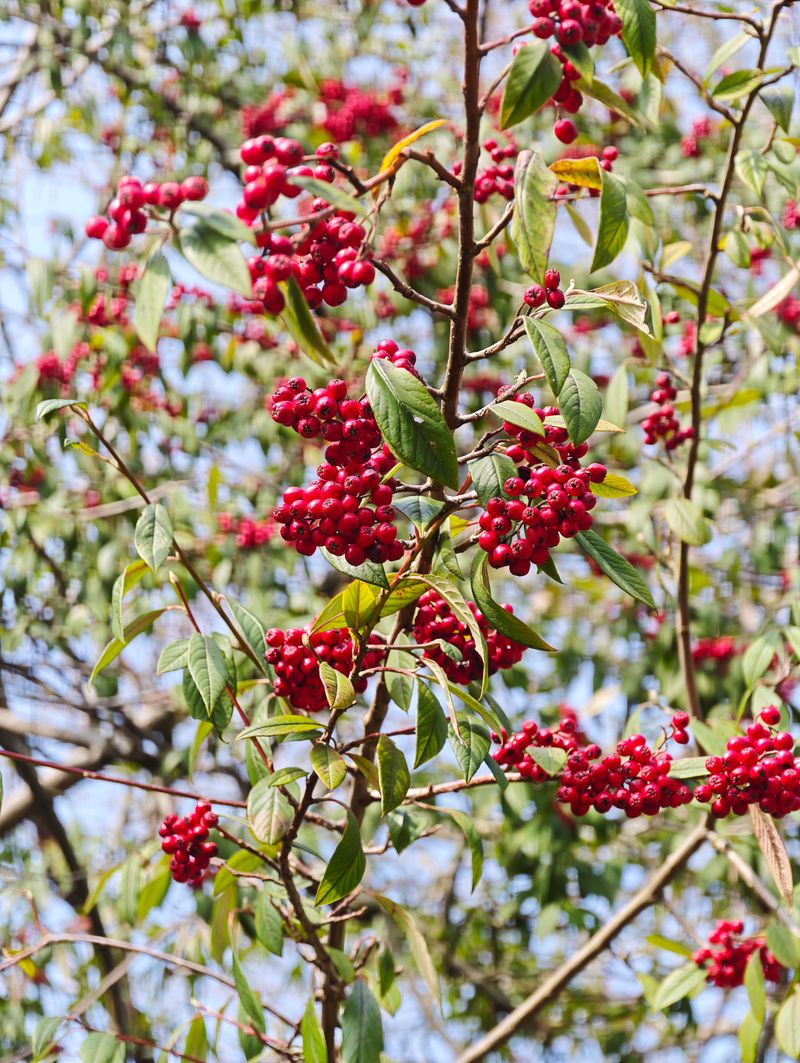
Birds are picky eaters, and red chokeberry is living proof that patience pays off in the garden. Its bright crimson berries taste so sour in fall that most birds skip them at first.
By late winter, after repeated freezes, the fruit becomes more appealing to birds. That is when hungry mockingbirds, cedar waxwings, bluebirds, and grouse finally show up for the feast.
Because the berries hang on so long, they fill a big gap when other food runs out. Think of this tough shrub as the emergency snack drawer hiding in your backyard.
Red chokeberry is native to eastern North America and grows about six to ten feet tall. Its leaves turn a fiery red in autumn, so you get two seasons of color from one plant.
Wet clay, dry sand, or rocky ground rarely bothers it, which makes it great for beginners. Plant a small group along a sunny fence line, and the birds will quickly learn your address.
4. American Cranberrybush For Tart Scarlet Bunches
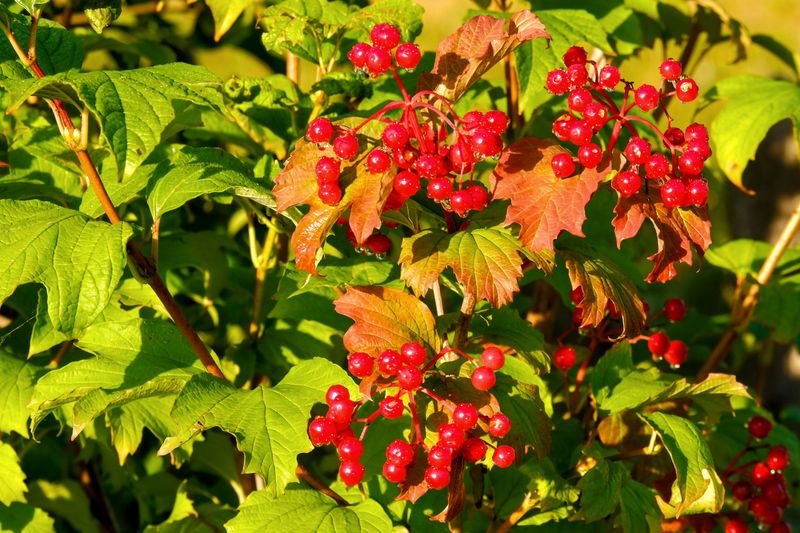
Grandma’s old farmhouse probably had one of these tucked beside the porch, glowing red every winter. American cranberrybush is a native viburnum with shiny scarlet berries that dangle in heavy, drooping bunches.
Despite the name, it is not a real cranberry, though the fruit looks and tastes similar. Early settlers cooked the tart berries into jams and sauces when fresh fruit was hard to find.
Birds save the berries as a late-season snack once cold weather mellows their sharp, sour flavor. Cedar waxwings, robins, and even ruffed grouse happily gobble them up from January through March.
In spring, the shrub wears flat, lacy white flowers that attract butterflies and busy early bees. Fall brings rich maroon and orange leaves, so the plant looks lovely nearly all year long.
One thing to watch for is the European version, which looks similar but can spread aggressively. Ask your nursery for Viburnum trilobum, also sold as Viburnum opulus var. americanum, and plant it in moist soil with plenty of sun.
5. Staghorn Sumac For Fuzzy Burgundy Cones
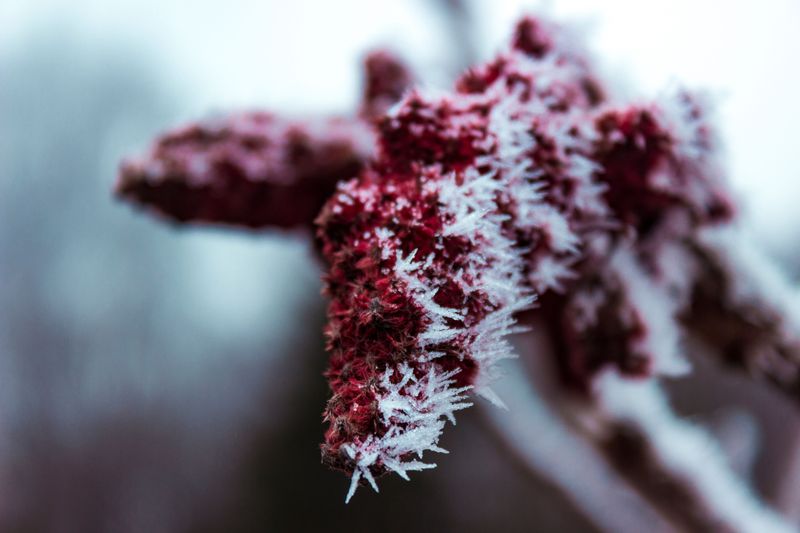
Fuzzy antlers and red cones sound like a strange cartoon creature, but they describe staghorn sumac perfectly. Its velvety branches look like deer antlers, and its fruit grows in tight, cone-shaped clusters.
Those deep burgundy clusters stay on the plant all winter long, standing tall above the snow. They are not the first choice for birds, but they become a lifesaver in late winter.
Dozens of bird species eat sumac, including bluebirds, robins, and cardinals. Wild turkeys and pheasants happily peck at the fallen clusters when deep snow hides everything else.
People can enjoy it too, since the berries make a tangy pink drink often called sumac lemonade. Just soak the clusters in cool water, strain out the fuzz, and add a little honey.
Harvest only the upright red clusters, since poison sumac has drooping white berries and grows in wetlands. Skip it if you are allergic to cashews or mangoes, which belong to the same plant family.
Staghorn sumac spreads by roots, so give it room or plant it on a slope that needs covering. It shrugs off poor soil and dry spells, and its autumn leaves blaze orange and scarlet.
6. Northern Bayberry For Waxy Silver-Blue Fruit
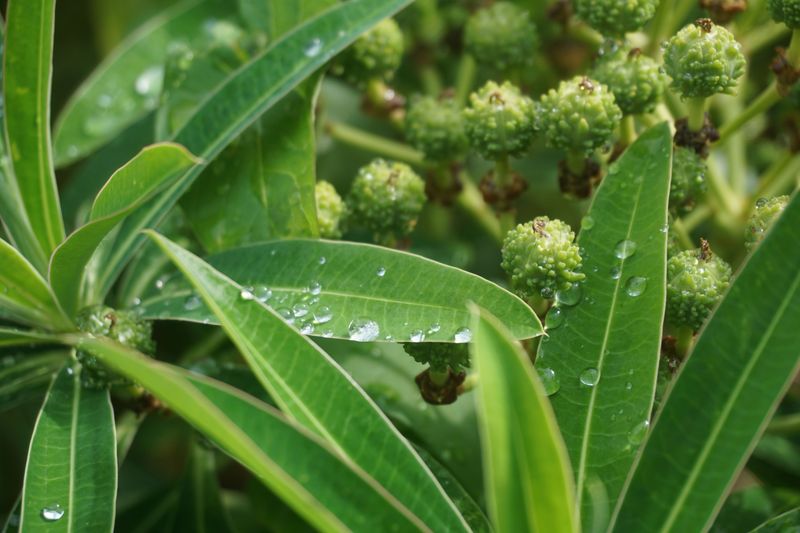
Colonial families once boiled bayberries to make fragrant candles that smelled wonderful on chilly nights. It took roughly fifteen pounds of berries to make a single pound of wax, so the candles were saved for special days.
That same waxy coating makes northern bayberry a powerhouse food for birds in the cold. The tiny silver-blue berries are packed with fat, which gives birds the energy to stay warm overnight.
Yellow-rumped warblers are especially fond of them and can digest the wax better than most birds. Some of these warblers stay farther north in winter simply because bayberry fruit is available.
Tree swallows, bluebirds, and chickadees also stop by for a snack when snow covers the ground. The glossy leaves smell spicy when crushed, a little like the bay leaves in your kitchen.
Northern bayberry thrives in sandy, salty, or poor soil, so it works well near the coast. Like winterberry, you need both male and female plants nearby to get a good crop of berries.
7. Coralberry For Pink And Purple Clusters
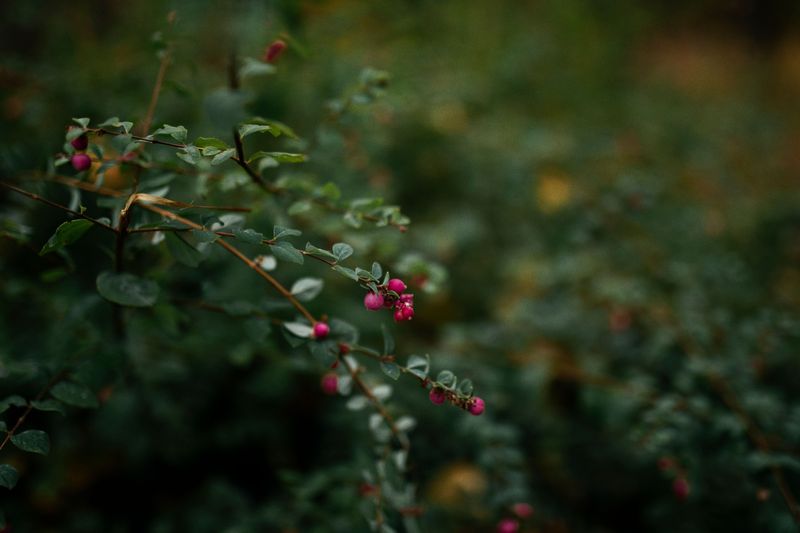
Ever noticed little pink beads hanging along a garden path in the middle of January? Chances are you spotted coralberry, a low, tough native shrub that shines when everything else looks gray.
Its berries range from coral pink to deep purple, clustered tightly along thin, arching stems. The fruit holds on through the coldest weeks, giving birds a reliable meal when snow piles up. Like its snowberry cousin, coralberry fruit is not safe for people to eat.
Robins, bobwhite quail, and wild turkeys are all known to nibble on coralberry during winter. The dense, twiggy branches also give small birds a safe place to hide from hungry hawks.
Growing only two to five feet tall, it fits nicely under trees or along shady banks. Its roots spread and hold soil in place, which makes it handy for stopping erosion on hills.
Coralberry happily handles clay, rocky soil, summer heat, and drought without much fuss at all. Plant a few in September, water them well until frost, and let them fill in naturally over time.
8. Common Snowberry For Bright White Globes
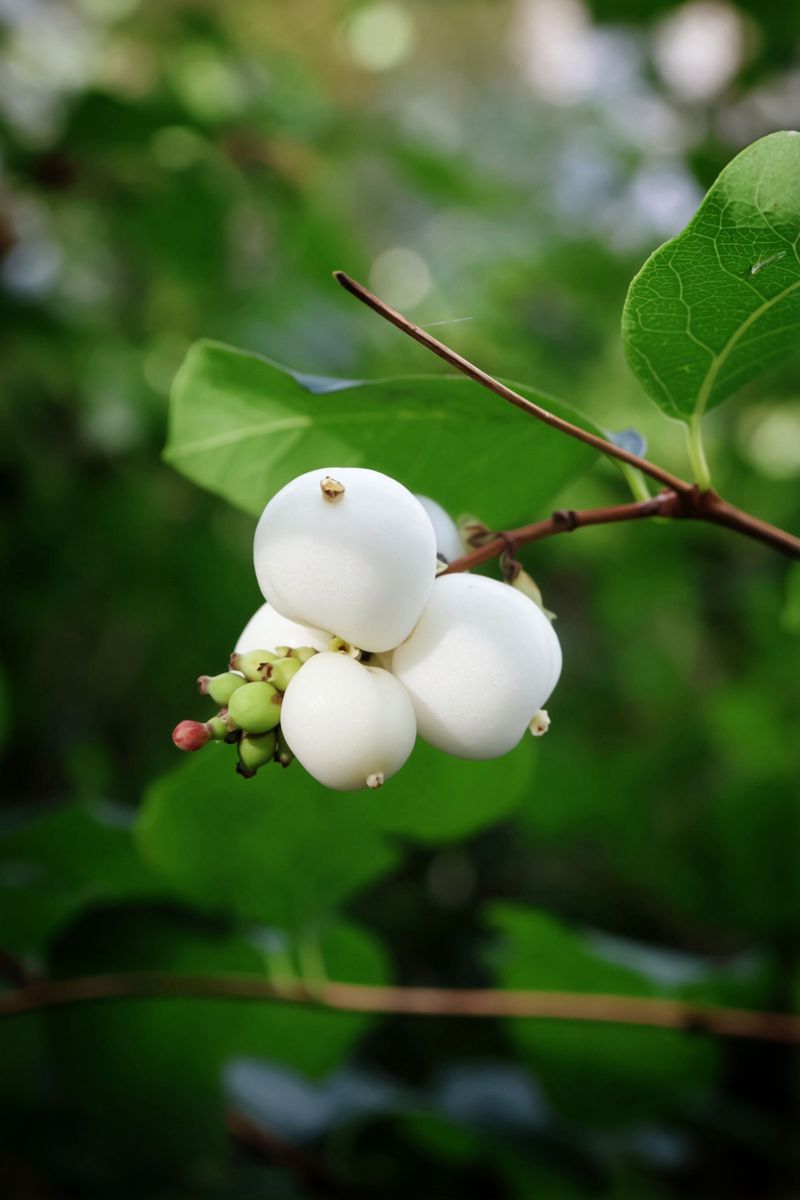
Imagine a shrub decorated with shiny white marbles, as if a snowstorm got stuck in its branches. Common snowberry creates that magical look from late summer well into the frosty winter months.
The round berries feel soft and spongy, a bit like tiny pieces of popcorn. They are not safe for people to eat, so teach little ones to admire with their eyes only.
Birds such as robins, waxwings, grosbeaks, and thrushes eat them, along with grouse and quail. The fruit is not their top pick, so it often lingers until late winter when options are slim.
Fun history fact: Lewis and Clark collected snowberry during their famous expedition in the early 1800s. Seeds they sent back east helped boost its popularity as a garden plant.
Snowberry grows happily in sun or shade and tolerates dry, rocky, or clay soil with ease. Pair it with red-berried plants nearby, and your winter yard will look like a peppermint candy.
9. Firethorn For Fiery Orange Clusters
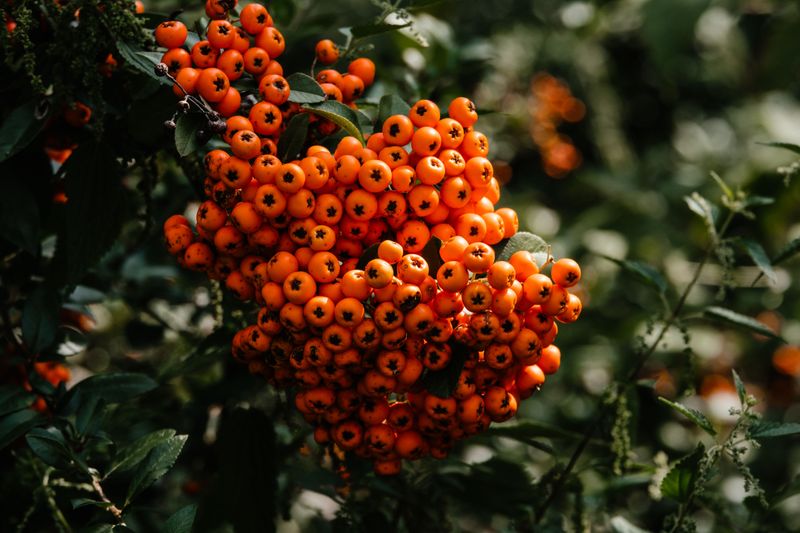
Few plants put on a show as loud and flashy as firethorn does in the middle of autumn. Its branches practically disappear under heavy clusters of orange, red, or golden berries by October.
Gardeners also call it pyracantha, a name that comes from Greek words meaning fire and thorn. The name fits, because those sharp spines can snag your sleeve faster than a grumpy cat.
Mockingbirds, robins, cedar waxwings, and starlings flock to the berries once cold weather arrives. The thorny branches also act like a fortress, keeping nesting birds safe from cats and other predators.
Firethorn is not native to North America, and it can become invasive in warm southern regions and parts of California.
Check with your local extension office before planting to make sure it behaves well in your area. The raw berries are mildly toxic to people, so keep them away from small children.
Train it flat against a sunny wall or fence, and it becomes a living piece of art. Wear thick gloves when pruning, and snip lightly so you keep plenty of flower clusters for next fall.
10. Virginia Rose For Glossy Red Hips
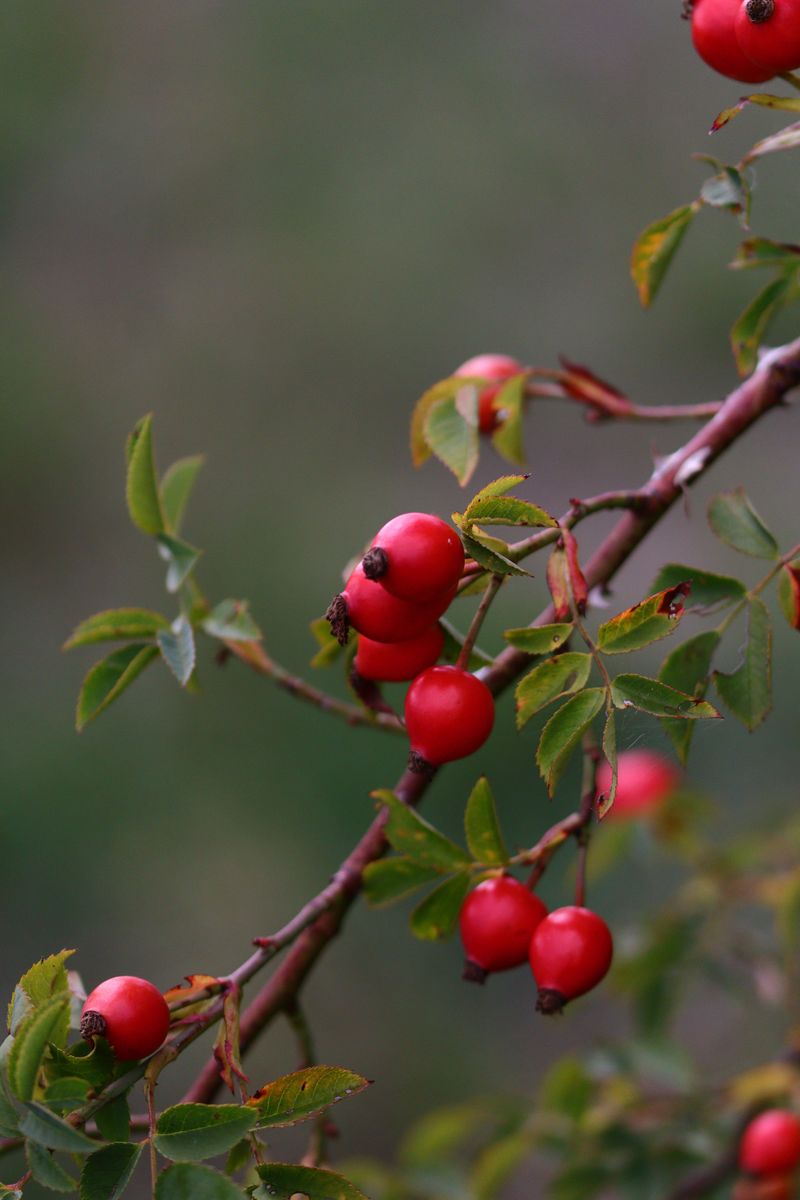
Roses usually steal the spotlight in June, but Virginia rose saves some of its best magic for winter. After the pink petals fall, glossy red hips form and cling to the stems for months.
Rose hips are the fruit of the plant, and they are loaded with vitamin C. During World War II, people in Britain gathered wild hips to make syrup for children.
Birds appreciate them just as much, especially when the ground is frozen solid and seeds are buried. Bluebirds, mockingbirds, grosbeaks, and grouse pluck the hips, while rabbits nibble the ones that drop.
This native rose stays fairly small, usually three to six feet tall, with fewer prickles than rugosa roses. Its leaves turn purple, orange, and red in fall, adding a warm glow before the hips take over.
Give it full sun and average soil, and leave the faded flowers alone in late summer. Those old blooms are what turn into hips, so a little laziness actually helps the birds.
11. Cotoneaster For Tiny Red Jewels
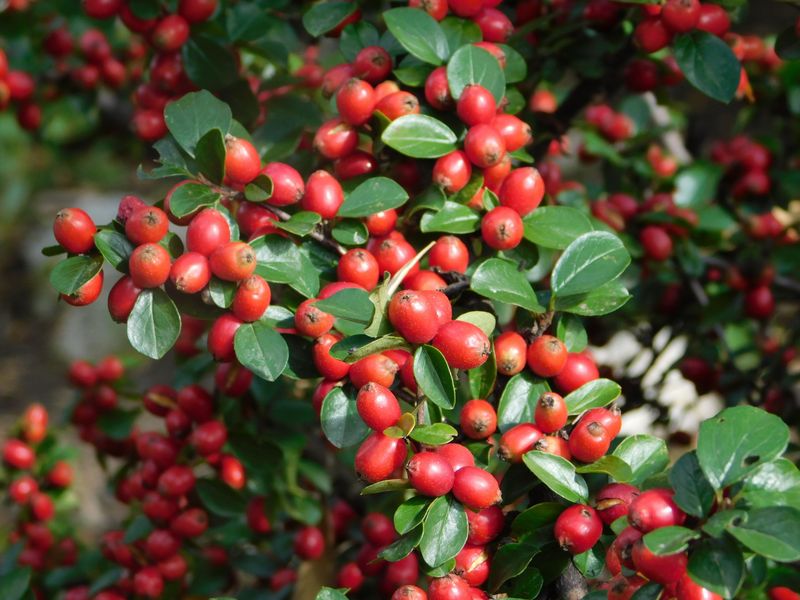
Small but mighty might be the best way to describe cotoneaster and its tiny red fruit. Each berry is only about the size of a pea, yet hundreds cover the branches by fall.
Many types spread low and wide, making them perfect for covering slopes or spilling over rock walls. Rockspray cotoneaster grows in a neat herringbone pattern that looks almost drawn with a ruler.
Robins, waxwings, thrushes, and blackbirds all enjoy the glossy berries, which often last deep into winter. Come spring, the small pink or white flowers buzz with bees, so pollinators get a treat too.
Cotoneaster is not native to North America, and a few species spread too easily in certain regions. Pacific Northwest gardeners should be extra careful, since some types escape into wild forests there.
Ask a local nursery for a well-behaved variety, then give it full sun and good drainage. Once settled, it laughs off drought, poor soil, and wind, which makes it a low-effort winner.
12. Inkberry Holly For Shiny Black Beads
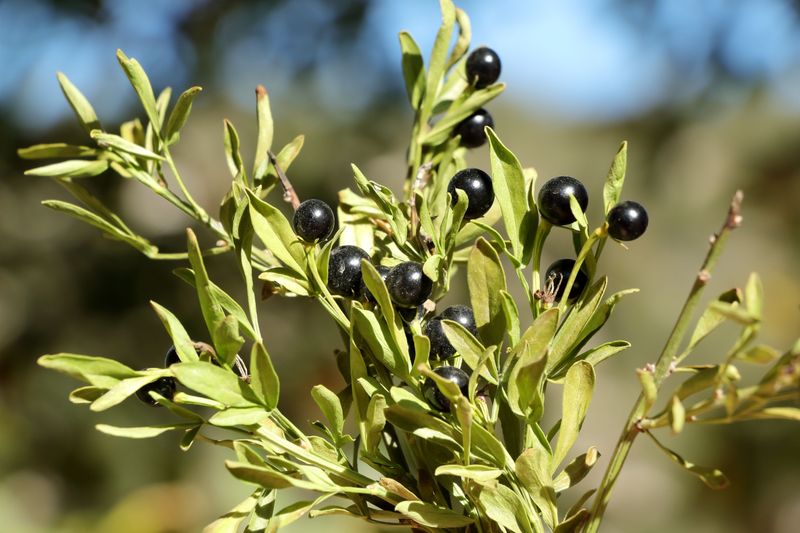
Not every bird buffet needs bright colors, and inkberry holly proves that dark can be delicious. Its shiny black berries sparkle against the evergreen leaves like little drops of ink on green paper.
Unlike winterberry, this holly keeps its leaves all year, so your yard stays green through snowy months. Birds love the cover too, ducking inside the dense branches during icy winds and storms.
Mockingbirds, robins, bluebirds, and even wild turkeys eat the berries from late fall until early spring. Bees adore the tiny spring flowers, and beekeepers prize the rich honey they make from them.
Inkberry is native to the eastern United States and grows well in wet, acidic soil. It makes a great natural swap for boxwood hedges, since it can be trimmed into neat shapes.
Just like its cousins, inkberry needs a male plant nearby for female plants to produce fruit. Tuck a few in this September, and by winter you might hear cheerful chirping outside your window.