These Fuzzy-Leaved Plants Make Michigan Garden Beds Less Tempting To Deer
Deer avoid eating plants with fuzzy or heavily textured leaves because they dislike how they feel.
They rely heavily on touch and scent to navigate a yard, not just sight. Because of this, deer will consistently pass over flower beds filled with fuzzy-leaved plants while eating the smooth-leaved ones right next to them.
However, this is not a perfect system. It usually works well under normal seasonal conditions when deer have plenty of choices. But things change during harsh winters or droughts when food becomes genuinely scarce.
Under extreme hunger and pressure, deer will eat almost anything to survive, ignoring their usual dislikes.
Still, during a normal year, choosing textured and hairy plants is one of the easiest ways to keep your garden safe. It creates a natural barrier that discourages browsing and protects your yard from damage.
1. Lamb’s Ear
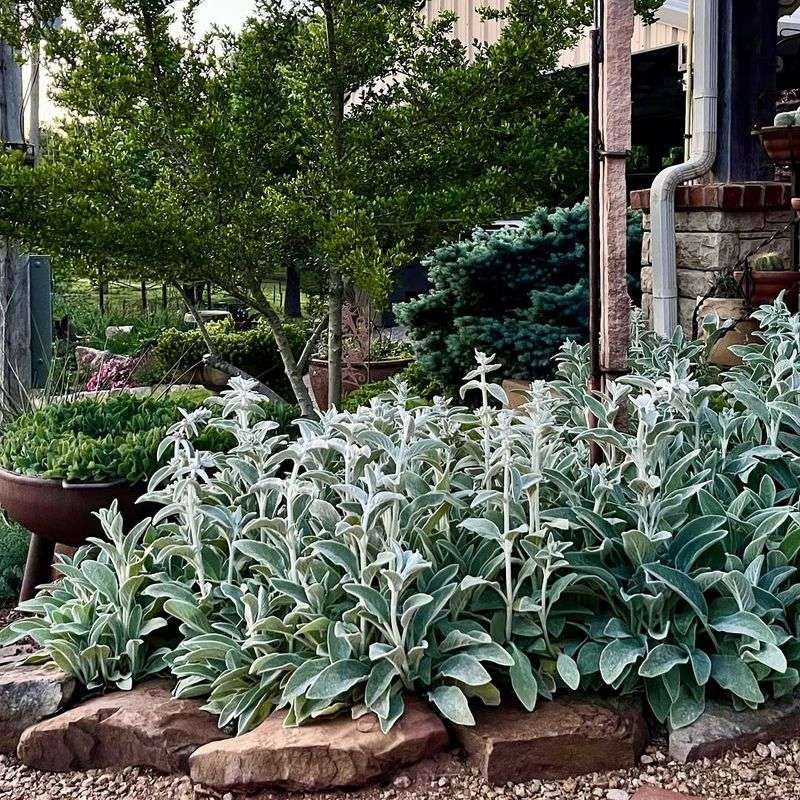
There is something almost magical about running your fingers across lamb’s ear leaves. They feel exactly like what the name suggests, soft, thick, and covered in silvery white fuzz.
That woolly coating is precisely what makes deer far less interested in snacking on it.
Lamb’s ear is a low-growing perennial that works beautifully along the sunny edges of garden beds. Its silvery color adds a bright, almost luminous look that pairs well with almost any flower color.
Michigan gardeners love using it as a natural border plant because it spreads steadily and fills in gaps without much fuss.
Once established, lamb’s ear handles dry spells impressively well. It is genuinely drought tolerant, which means less watering on your end during hot summers.
Plant it in a spot that gets full sun for the best results. One thing to keep firmly in mind is drainage. Lamb’s ear absolutely cannot sit in soggy or waterlogged soil.
If your bed holds water after heavy rain, amend the soil with sand or gravel to improve drainage before planting. Raised beds work especially well for this plant.
With proper drainage and a sunny spot, lamb’s ear will reward you with thick, beautiful mounds of silver foliage season after season, all while quietly discouraging deer from wandering through your beds.
2. Catmint
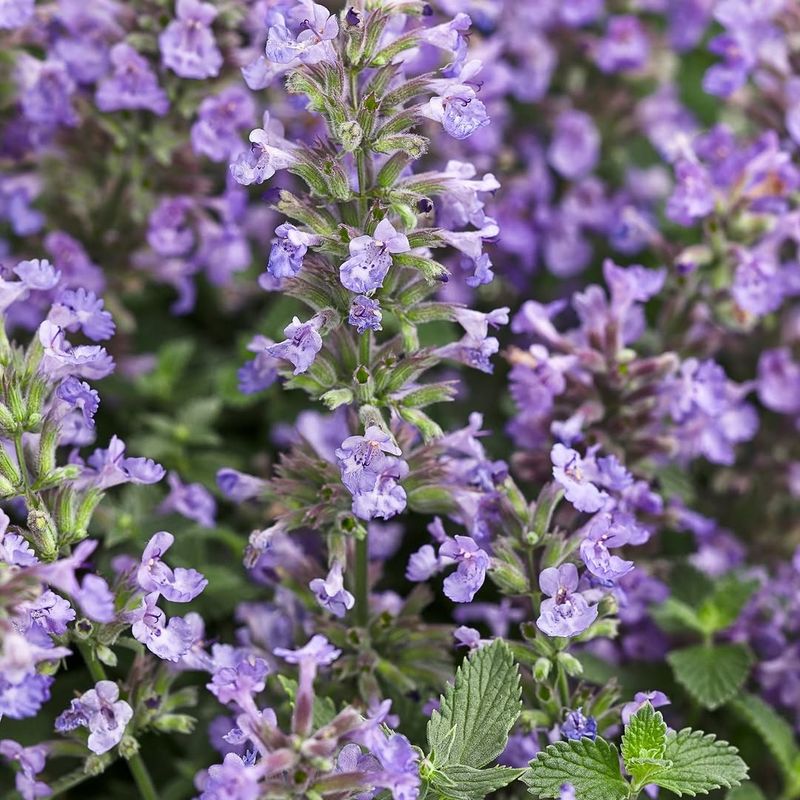
Few plants earn their place in a garden as effortlessly as catmint. It blooms for months, attracts bees and butterflies by the dozens, and its soft, downy gray-green leaves give off a pleasant herbal scent that deer find far from appealing.
That aromatic quality is catmint’s secret weapon.
The foliage has a fine, almost velvety texture that makes it noticeably different from the smooth, tender leaves deer prefer. When deer brush against it, the strong scent is enough to send them looking elsewhere.
Meanwhile, your garden gets wave after wave of lavender-blue flowers from late spring well into fall, which is a remarkable bloom season by any standard.
Catmint is also wonderfully low maintenance. It thrives in full sun and is highly tolerant of dry conditions once it settles in.
Michigan summers can be unpredictable, and catmint handles both heat and dry stretches without missing a beat. After the first big flush of flowers fades, simply trim the plant back by about one third and it will rebloom with fresh energy.
Your Michigan Garden Changes Every Week. Your Plan Should Too.
Gardening in Michigan changes quickly throughout the season. Every Friday you’ll receive a simple weekly plan showing exactly what to plant, prune, fertilize, harvest, and protect so you never miss the right timing.
Good drainage is essential for keeping catmint happy long term. Avoid planting it in heavy clay without amending the soil first.
A well-drained sunny spot is all it really needs to perform beautifully year after year, making it one of the most reliable fuzzy-leaved choices for Michigan gardeners looking to outsmart browsing deer.
3. Lungwort
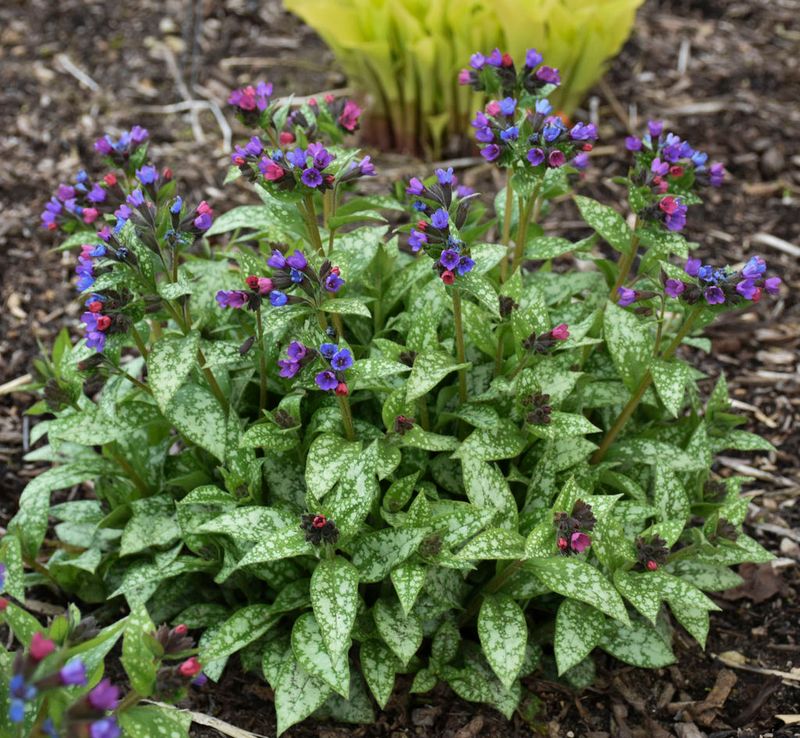
Shaded garden beds are notoriously tricky to protect from deer, but lungwort is a plant that genuinely thrives in low light while also being far less tempting to browsing animals.
Its leaves are bristly and rough to the touch, which is not exactly an appetizing texture for deer looking for an easy meal.
Beyond the deer-deterring texture, lungwort is visually stunning. The leaves are splashed with silver and white spots on a deep green background, creating a mottled pattern that looks almost painted.
In early spring, it sends up clusters of small flowers that shift from pink to blue as they open, making it one of the earliest sources of color in shaded beds.
Under trees, along shaded pathways, or tucked beside a fence where other plants struggle, lungwort fills space beautifully.
It prefers the cool, consistent conditions that shaded spots naturally provide, especially during Michigan’s warmer summer months when deep shade keeps the soil from drying out too quickly.
Soil moisture matters a lot with lungwort. It likes steady moisture but will not tolerate standing water, so good drainage is still important.
A rich, organic soil that holds moisture without becoming waterlogged is the sweet spot. Mulching around the base helps retain that ideal level of moisture while keeping the roots cool.
With those conditions met, lungwort rewards you with gorgeous foliage from spring all the way through fall.
4. Woolly Yarrow
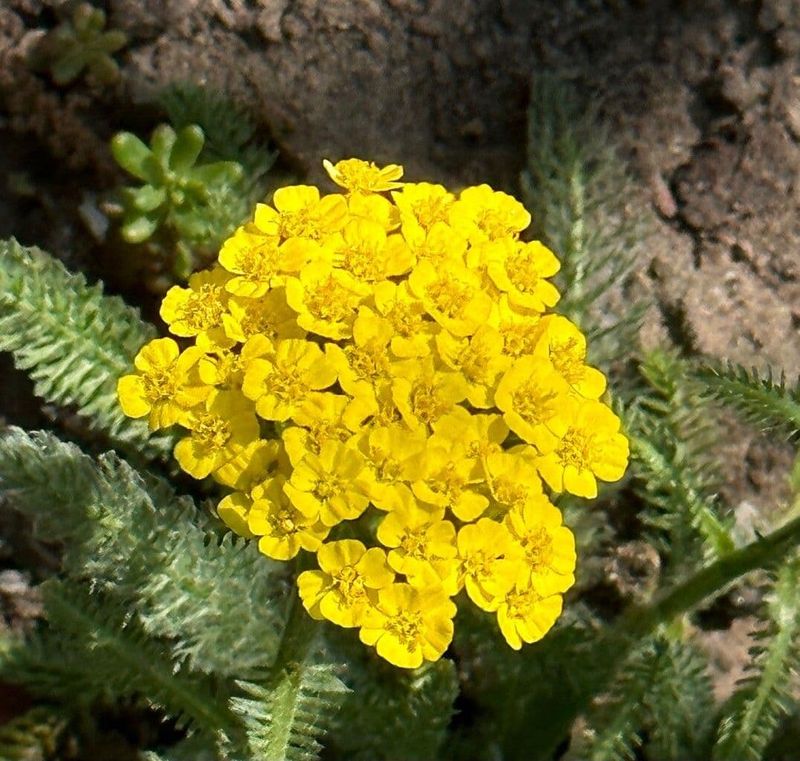
Woolly yarrow is a compact, tough little plant that punches well above its size when it comes to garden usefulness.
Its leaves are covered in fine, soft hairs that give the whole plant a fuzzy, almost dusty appearance, and that texture is a natural deer deterrent. Deer simply do not find hairy, aromatic foliage worth the effort.
This is a plant built for tough conditions. Woolly yarrow thrives in lean, dry soil where many other plants would struggle, making it an outstanding choice for sunny rock gardens, gravel pathways, or dry front borders in Michigan landscapes.
The bright yellow flower clusters it produces in summer add a cheerful pop of color that contrasts beautifully with its soft gray-green foliage.
Drought tolerance is one of woolly yarrow’s strongest selling points. Once it gets established, it needs very little supplemental watering, which is great news for gardeners who want lower-maintenance plantings.
It also handles the heat that Michigan summers can bring without any fuss or wilting drama.
Sharp drainage and lean soil are non-negotiable for woolly yarrow. Rich, amended soil or heavy clay can actually work against this plant, causing root problems over time.
Avoid overwatering and skip the heavy fertilizing. A gritty, well-draining spot in full sun is where woolly yarrow truly shines.
Rabbits also tend to leave it alone, so it earns double duty as a low-maintenance, wildlife-resistant ground cover for sunny, challenging spots.
5. Brunnera
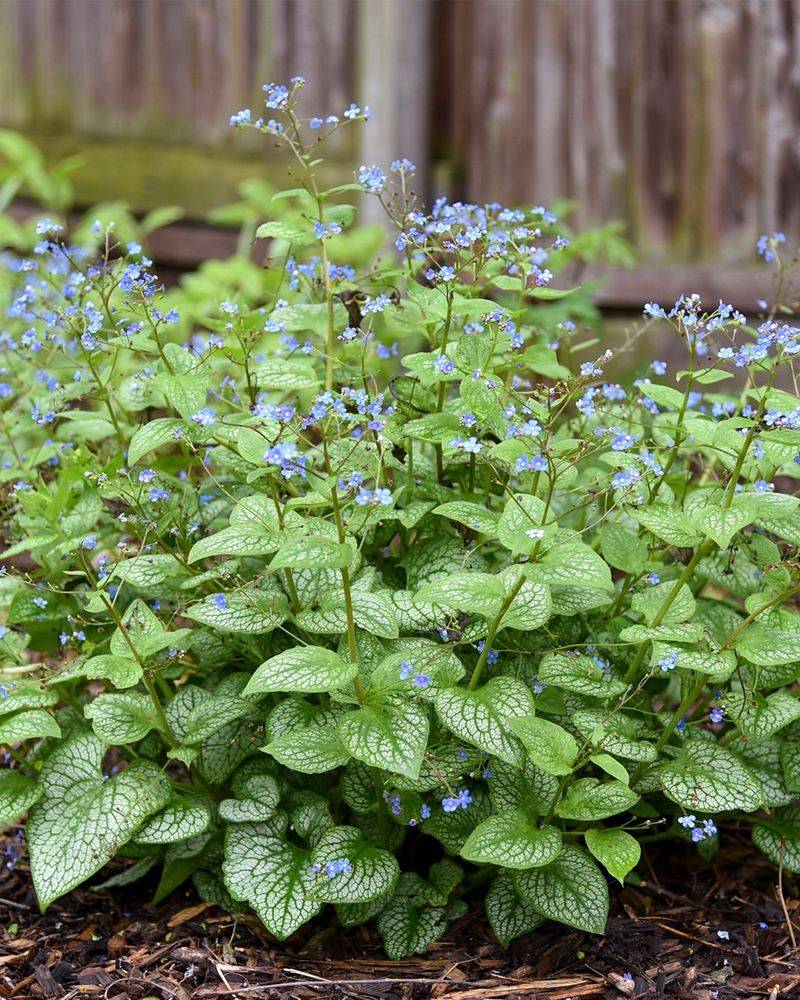
Brunnera is the kind of plant that makes people stop and ask what it is.
Its large, heart-shaped leaves are covered in fine hairs that give the surface a noticeably rough texture, and many popular varieties are dramatically marked with silver that almost glows in shaded spots.
That rough, hairy surface is a big reason deer tend to pass right by it. In spring, brunnera produces clouds of tiny bright blue flowers that look remarkably like forget-me-nots.
They hover above the foliage in a light, airy way that feels almost delicate, which is a beautiful contrast to the bold, substantial leaves below.
Once the flowers fade, the foliage truly takes center stage and carries the planting all the way through fall.
Brunnera is a natural fit for the shaded and partly shaded beds that many Michigan yards have under mature trees or along north-facing fences.
It prefers afternoon shade, especially during the hottest part of summer, since too much direct sun can scorch those gorgeous leaves.
Rich, moist, well-drained soil is what brunnera needs to look its best. Work in compost before planting to improve both moisture retention and drainage.
Brunnera is also rabbit resistant, which is a nice bonus for Michigan gardeners dealing with more than just deer. Plant it where you want reliable, low-maintenance beauty in a challenging shaded spot and it will not disappoint.
6. Russian Sage
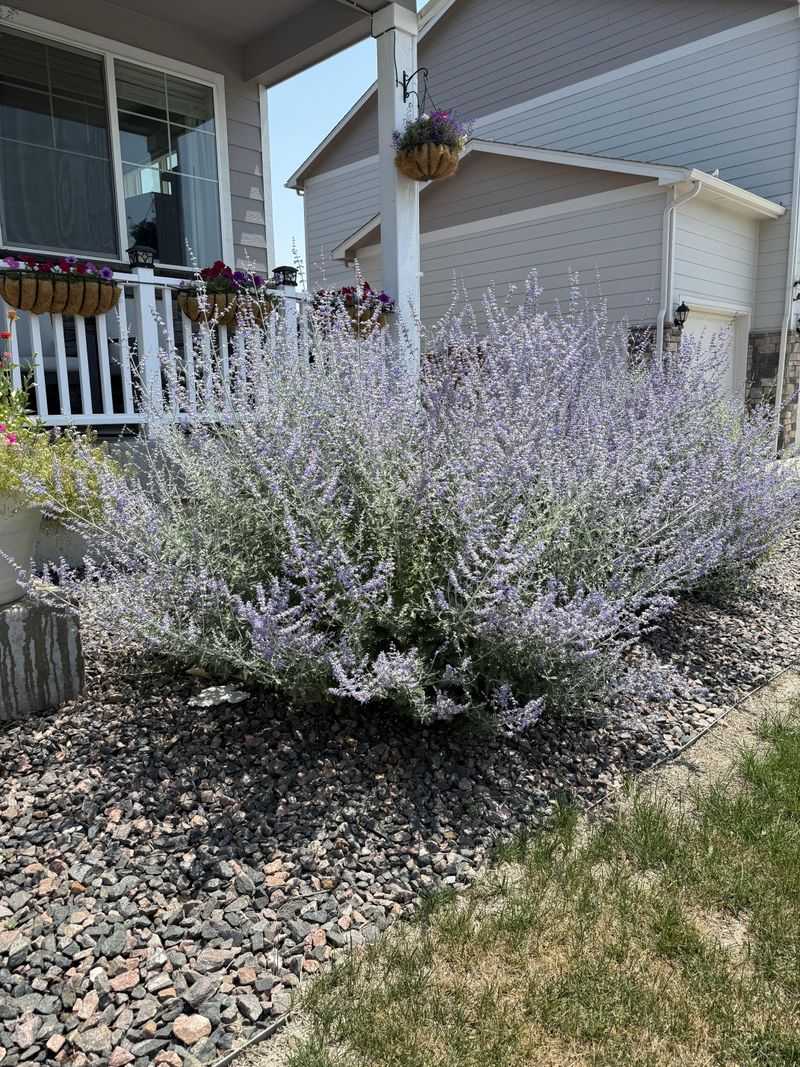
Russian sage has a presence in the garden that is hard to ignore.
Its tall, airy stems are covered in grayish-silver, woolly foliage that releases a strong herbal scent when brushed or touched, and that combination of rough texture and pungent aroma makes it one of the least tempting plants for deer in any sunny Michigan bed.
From midsummer well into fall, Russian sage puts on a spectacular show of small lavender-purple flowers that appear to float in soft clouds above the silvery stems.
Few perennials can match that length of bloom season, and the late-season color is especially valuable when many other plants have already finished flowering.
Full sun and excellent drainage are the two things Russian sage cannot do without. It is highly drought tolerant once established, which makes it a natural fit for hot, dry areas of the garden where other plants struggle.
The aromatic foliage also tends to repel other browsing animals, adding extra protection to your planting.
Michigan gardeners in colder northern zones should pay attention to variety selection.
Choose a cultivar rated for zone 5 or colder to ensure reliable winter survival, and avoid planting in spots where water pools during winter since wet, cold soil is the main threat to this plant.
With the right cultivar in a sunny, well-drained spot, Russian sage delivers season after season of stunning, deer-resistant beauty with almost no effort required.
7. Garden Sage
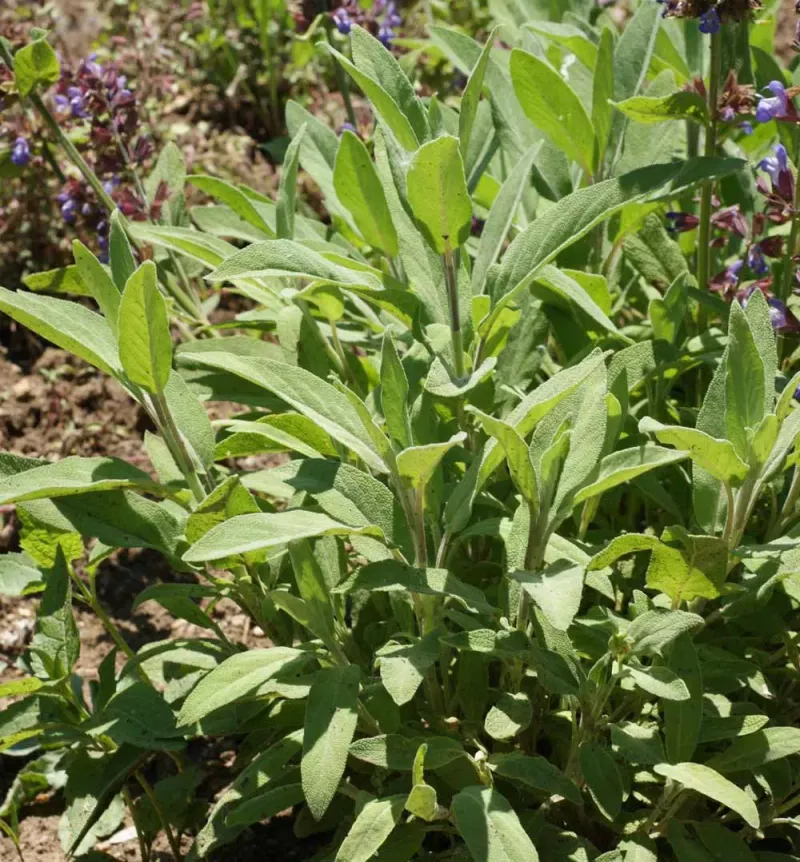
Garden sage is one of those plants that earns its spot in the garden twice over.
It is a beloved culinary herb that brings big flavor to the kitchen, and at the same time, its soft, velvety, hair-covered leaves make it one of the most reliably deer-resistant plants you can grow in a Michigan garden bed.
The leaves have a distinctive gray-green color and a fine, almost suede-like surface texture that deer consistently avoid. The strong herbal scent that makes sage so valuable in cooking is equally off-putting to browsing animals.
When deer smell it, they typically move on without taking a single bite, which is exactly what every gardener hopes for.
Garden sage is wonderfully compact and tidy, making it a great fit for sunny herb gardens, raised beds, or mixed borders. In late spring and early summer it produces spikes of small purple-blue flowers that pollinators absolutely love.
Bees visit constantly during bloom time, adding life and movement to the garden alongside the beautiful foliage. For Michigan gardeners, hardy common sage is the best choice.
Some ornamental sage varieties are less cold-hardy and may not reliably survive Michigan winters, but common garden sage is rated for zones 4 through 8, making it a safe and dependable pick.
Plant it in full sun with good drainage and avoid waterlogged soil. Trim lightly after flowering to keep the plant shapely and encourage fresh growth through the season.
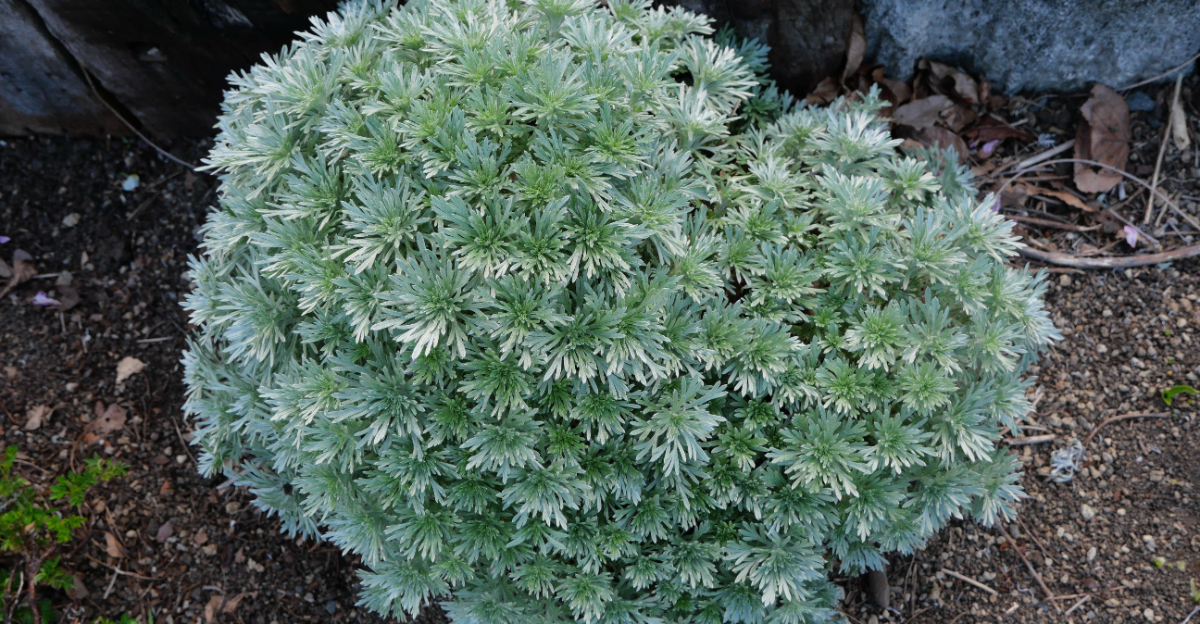
8. Silver Mound Artemisia
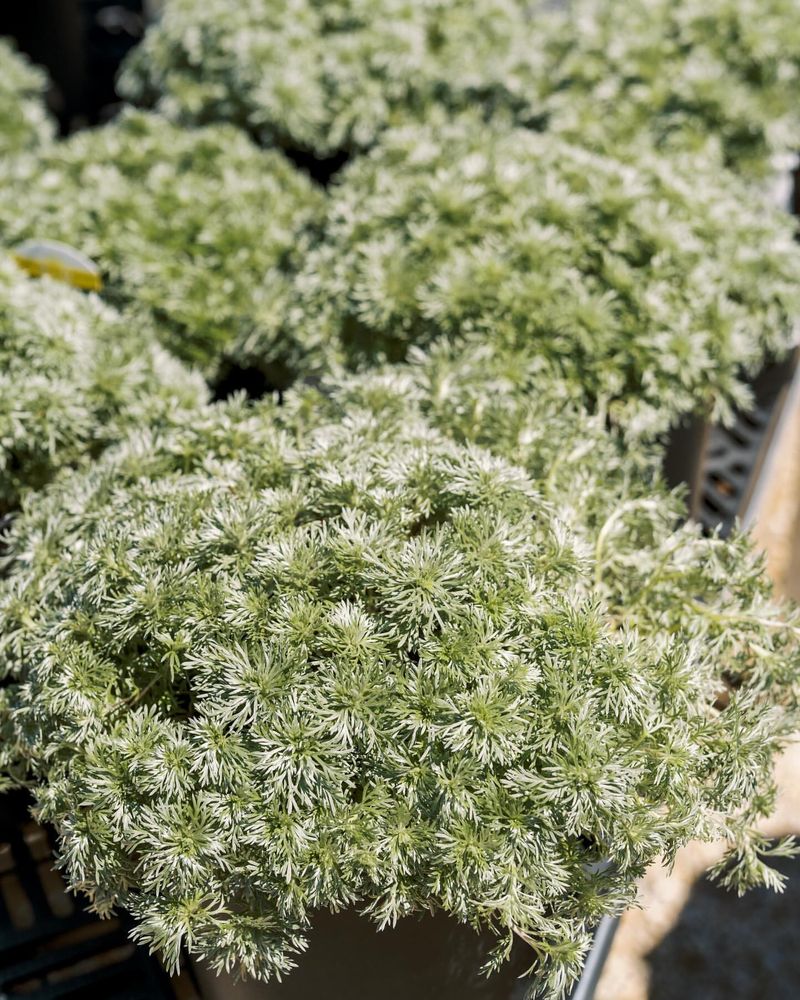
Silver Mound artemisia is one of those plants that looks like it belongs in a high-end garden design, yet it is surprisingly easy to grow.
It forms a perfectly rounded, cushion-like mound of densely hairy, feathery silver foliage that catches light beautifully and adds a luminous quality to sunny garden beds.
That striking silver texture is not just decorative, it is also what keeps deer from finding it appealing.
The foliage is aromatic, releasing a pleasant herbal scent when touched. Deer rely heavily on scent when deciding what to browse, and the strong smell of artemisia is not on their list of favorites.
This makes Silver Mound a smart choice for planting along the edges of beds where deer tend to enter and graze first.
In terms of care, Silver Mound is genuinely low maintenance. It thrives in full sun and handles dry conditions well once established.
The silvery color brightens up spots that might otherwise feel flat or monotonous, and it pairs especially well with purple, blue, or pink flowering plants nearby.
One thing Silver Mound cannot tolerate is poor drainage. Lean to average soil in a very well-drained spot is ideal.
Rich, overly amended soil or heavy clay can cause the plant to flop open in the center, losing its tidy mound shape. Avoid overwatering and skip fertilizing heavily.
Simple conditions produce the most beautiful, compact plants that hold their shape all season long in Michigan gardens.
9. Woolly Thyme
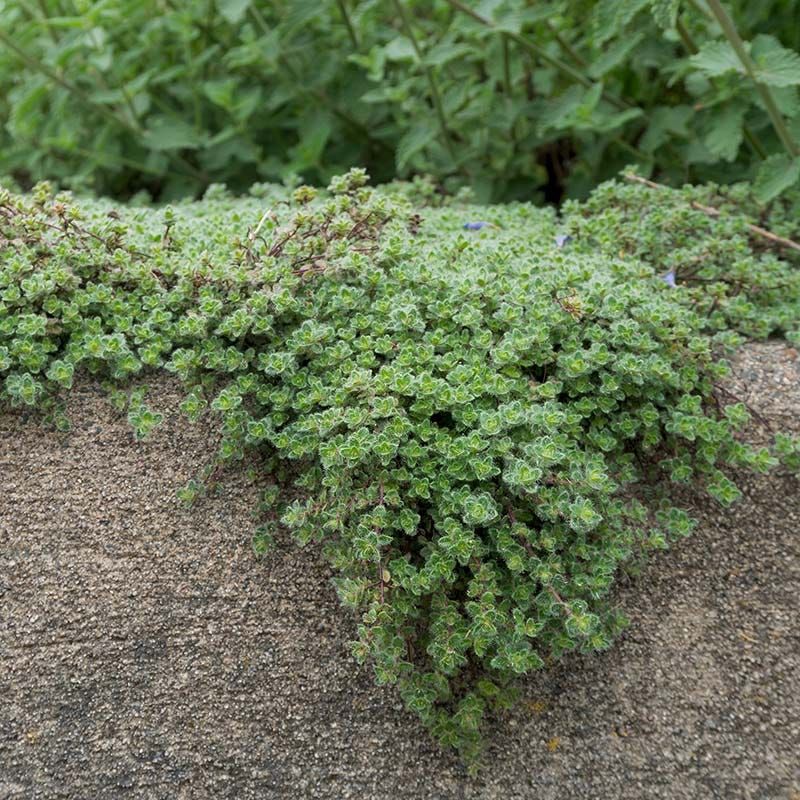
Woolly thyme is tiny in stature but enormous in usefulness. This creeping ground cover stays just a few inches tall, spreading slowly across the soil in a soft, dense mat of woolly gray foliage that feels almost like velvet underfoot.
Its small size and fuzzy texture make it one of the most charming and practical plants for filling gaps between stepping stones or tucking along the very front edge of a sunny bed.
Deer tend to leave woolly thyme alone, and that is largely thanks to its texture and its mild but distinctive herbal scent. The combination of hairy leaves and aromatic oils makes it unappealing to browsers who prefer tender, smooth foliage.
Even in spots where deer wander regularly, woolly thyme often comes through the season completely untouched.
Drought tolerance is another strong point. Once established, woolly thyme needs very little water and actually prefers dry conditions over consistently moist ones.
It is a plant that genuinely thrives on neglect, which makes it ideal for areas that are hard to water regularly.
The one firm rule with woolly thyme is drainage. Wet, clay-heavy soil is the fastest way to run into problems with this plant.
It needs dry, sharply draining soil to stay healthy through Michigan winters. Avoid low spots in the garden where water collects after rain.
Plant it in sandy or gravelly soil in full sun and woolly thyme will spread happily and reliably for many seasons with almost no effort from you.
10. Rose Campion

Rose campion has a cottage garden charm that is genuinely hard to resist. Its entire plant, stems, leaves, and all, is covered in a thick layer of soft, woolly silver-gray fuzz that gives it a distinctly velvety appearance from a distance.
That heavy fuzz coating is one of the main reasons deer tend to walk right past it without taking a nibble.
The contrast between those silver woolly leaves and the bright, almost electric magenta-pink flowers is visually striking.
Rose campion blooms in early summer and the flowers seem to pop against the silver foliage in a way that draws the eye from across the yard.
It brings a bold, cheerful energy to sunny, dry garden beds that feel effortless and natural at the same time.
Drought tolerance makes rose campion a smart choice for Michigan beds that get a lot of afternoon sun and tend to dry out quickly.
It thrives in lean, well-drained soil and actually performs better without heavy fertilizing or rich amendments. Think of it as a plant that prefers a little tough love over pampering.
One thing worth knowing is that rose campion reseeds freely. Plants will drop seeds and come back in new spots around the garden, which some gardeners love and others find a bit much.
If you prefer a tidier planting, trim off the old flower clusters before the seeds fully ripen and scatter. A quick deadhead session keeps the spread under easy control without losing the plant’s natural, relaxed charm.
11. Lady’s Mantle
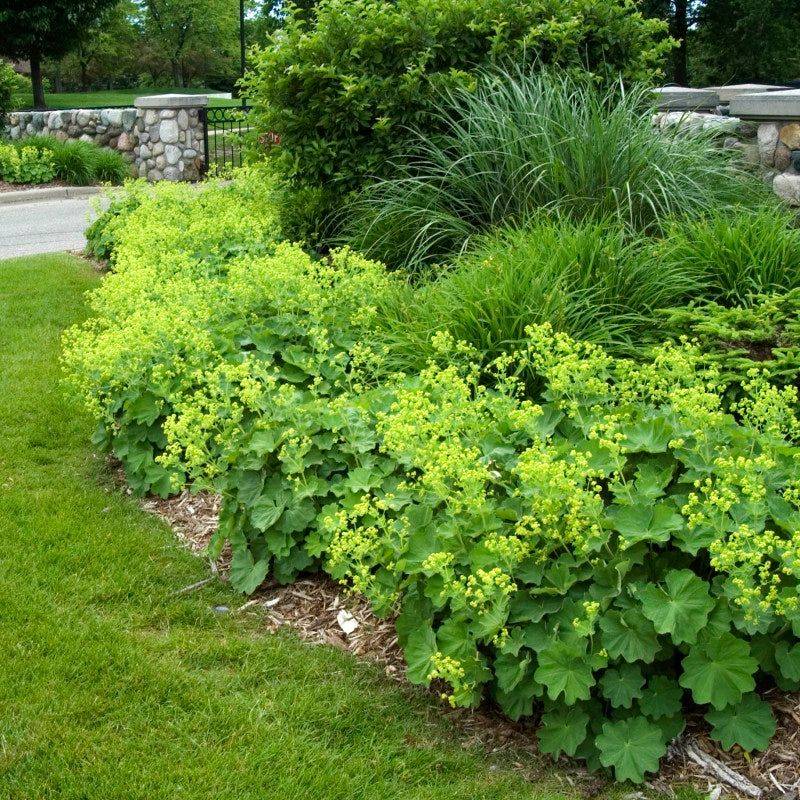
There is something quietly magical about lady’s mantle after a rain. Water droplets bead up on the softly hairy, scalloped leaves and sit there like tiny pearls, catching the light in the most delightful way.
That fine surface fuzz that creates the water-beading effect is also what makes lady’s mantle noticeably less appealing to deer, who consistently prefer smoother, more tender foliage.
The leaves are rounded with a soft, velvety texture and a fresh green color that works beautifully along path edges, cottage garden borders, or the front of shaded beds.
In late spring and early summer, lady’s mantle sends up frothy clusters of tiny chartreuse-yellow flowers that spill over the foliage in a loose, romantic way. They are subtle but incredibly effective at tying together mixed plantings.
Lady’s mantle handles partial shade well, which makes it a versatile option for Michigan gardens where full sun is not always available.
It does best in spots with morning sun and afternoon shade, especially during the hottest weeks of summer when heat can stress the leaves and cause browning at the edges.
Consistent moisture is important for keeping lady’s mantle looking its best. Unlike some of the drought-tolerant plants on this list, it prefers steady soil moisture rather than dry conditions.
After flowering, trim the whole plant back to encourage a fresh flush of clean new foliage. That simple step keeps lady’s mantle looking tidy and vigorous well into fall, making it a reliable and beautiful addition to any Michigan garden.