These Texas Garden Plants Repel Gnats And Flies Naturally All Summer Long
Gnats and flies are a persistent part of outdoor life in Texas, and they tend to peak right when you most want to be spending time in the garden or on the patio.
Chemical sprays help temporarily, but they need constant reapplication, and most people would rather not be coating their outdoor space in repellent every few days through an entire Texas summer.
Certain plants offer a more permanent and considerably more pleasant solution. They produce natural oils and compounds that gnats and flies find genuinely off-putting, and when positioned thoughtfully around outdoor spaces, they create a deterrent that works around the clock without any effort after planting.
Texas heat actually works in your favor here, because warmth intensifies the aromatic compounds in many of these plants, making them more effective through the hottest months than they would be in a cooler climate.
The right planting choices can make a noticeable difference in how comfortable your Texas outdoor spaces feel all summer long.
1. Lavender
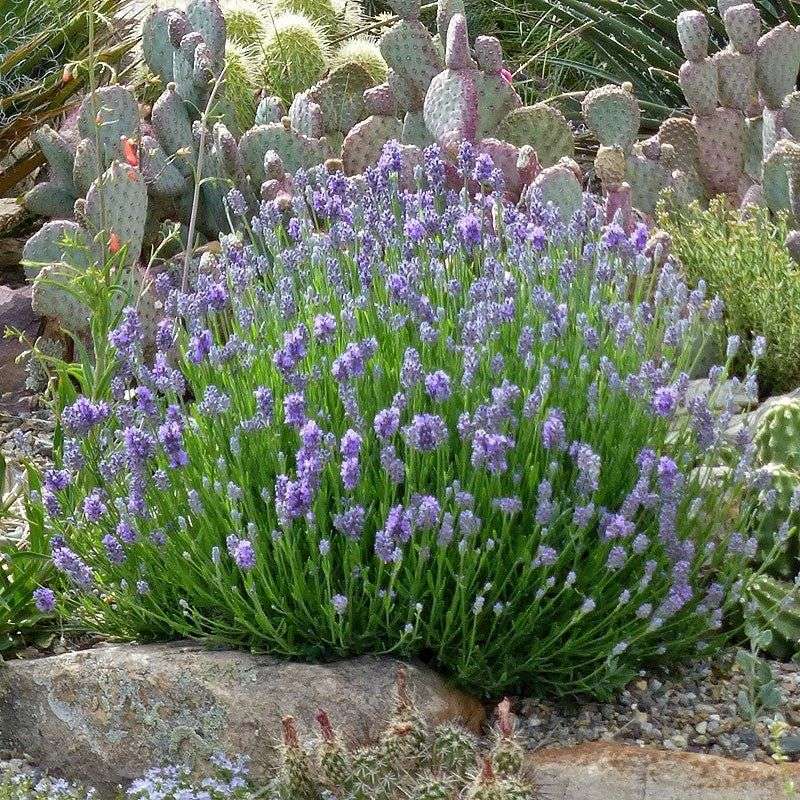
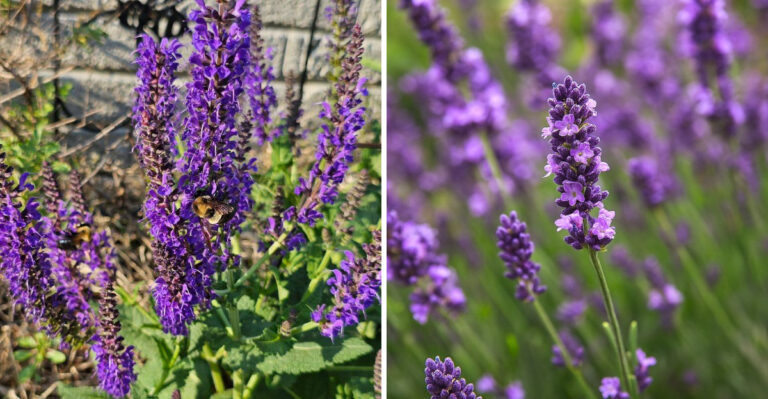
Walk past a lavender plant on a warm Texas afternoon, and you will instantly understand why people are obsessed with it. That rich, floral fragrance that humans find so calming?
Flies and gnats absolutely cannot stand it. Lavender releases natural oils called linalool and linalyl acetate, and these compounds are like a warning signal to flying pests.
Studies have actually shown that lavender oil is one of the most effective natural fly repellents around.
Planting lavender near your patio furniture, outdoor dining area, or back door creates an invisible shield of scent that keeps bugs at a distance. In Texas, lavender grows best in full sun with well-drained soil.
It handles heat like a champ, which makes it a natural fit for the Lone Star State’s long, blazing summers. Spanish lavender and Phenomenal lavender are two varieties that hold up especially well in Texas heat and humidity.
Beyond pest control, lavender adds serious beauty to any garden. The tall purple spikes attract butterflies and bees while pushing flies away, giving you the best of both worlds.
You can also snip a few stems and bring them inside to keep your home smelling fresh. Dry the blooms and tuck them into small sachets near windows or doorways for extra indoor protection.
Lavender is low-maintenance, drought-tolerant once established, and incredibly rewarding. If you only add one plant to your Texas garden this summer, make it lavender.
2. Basil
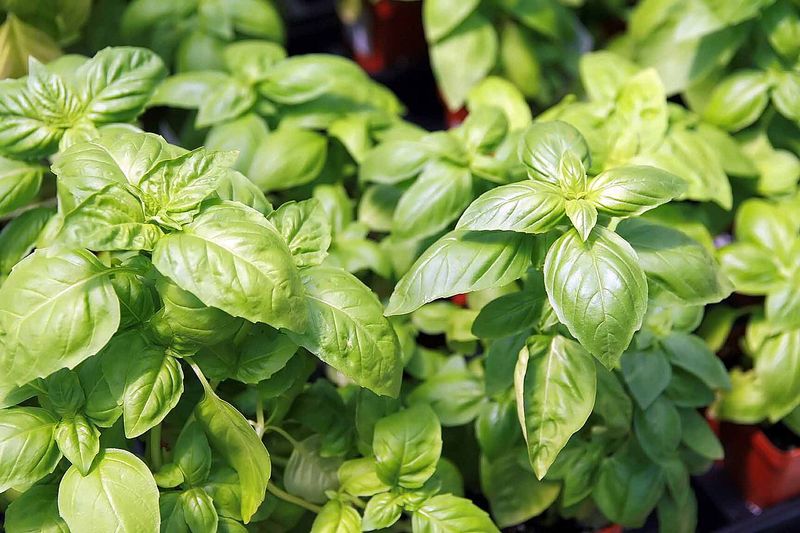
Basil is one of those plants that pulls double duty without breaking a sweat. You grow it for your pasta sauce, your caprese salad, and your summer cocktails, but it is also quietly running a pest-control operation every single day.
The strong, spicy scent that makes basil so irresistible in the kitchen is exactly what makes flies, gnats, and mosquitoes want to stay far away. It is one of the hardest-working herbs you can grow in a Texas garden.
The oils in basil, especially estragole and eugenol, are the real pest-fighting powerhouses. These compounds linger in the air around the plant, creating a natural barrier that flying insects do not want to cross.
Your Texas Garden Changes Every Week. Your Plan Should Too.
Gardening in Texas changes quickly throughout the season. Every Friday you’ll receive a simple weekly plan showing exactly what to plant, prune, fertilize, harvest, and protect so you never miss the right timing.
Placing basil in containers near your back door, on your porch railing, or along a garden bed edge gives you the most benefit. Since basil loves heat and full sun, Texas summers are practically tailor-made for it to thrive.
One of the smartest tricks gardeners use is planting basil right alongside tomatoes. Not only do they grow well together, but the basil helps keep flies and other pests off the tomato plants too.
Keep the soil moist but not soggy, and pinch off any flower buds that appear to keep the plant bushy and productive. The more leaves it has, the stronger the scent, and the better it works as a repellent.
Fresh basil is basically a two-for-one deal: dinner ingredient and natural bug deterrent all in one pot.
3. Mint (Spearmint/Peppermint)
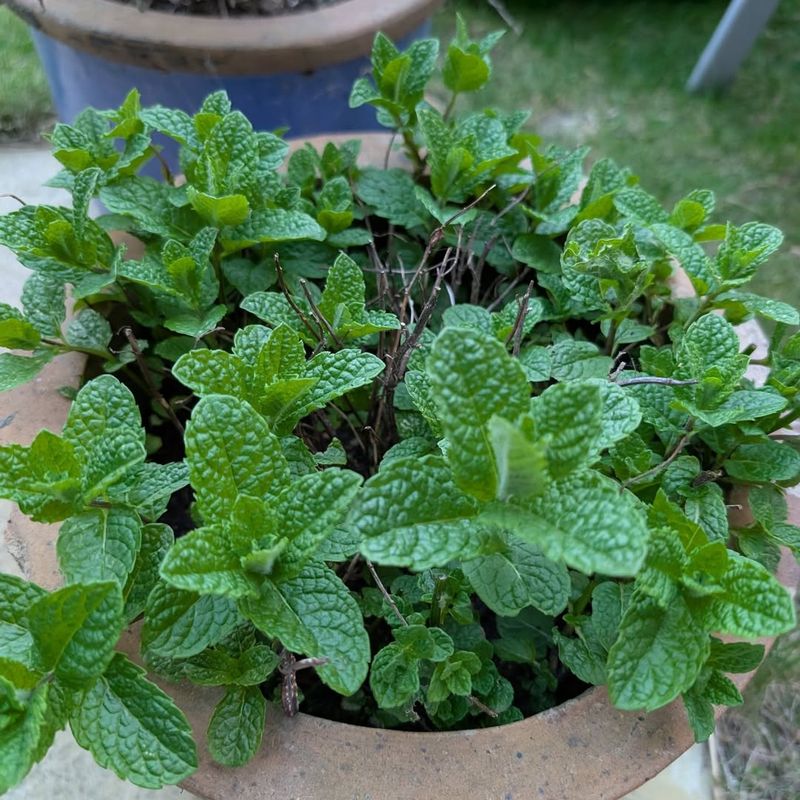
There is a reason mint has been used for centuries in everything from medicine to cleaning products. That sharp, cool menthol smell is refreshing to us but overwhelming to gnats and flies.
Their sensitive smell receptors cannot handle the intensity of mint’s aroma, so they simply avoid it. Keeping mint near your outdoor seating areas is one of the quickest and most affordable ways to cut down on flying pest problems during a Texas summer.
Spearmint and peppermint are both excellent choices, and they grow vigorously in Texas with just a little care. Here is the one big warning with mint, though: it spreads like crazy if you plant it directly in the ground.
Roots travel fast and wide, and before long, mint can take over an entire garden bed. The smartest move is to keep it in containers.
A pot on the porch, a planter by the grill, or a hanging basket near the patio door all work beautifully.
Mint is also incredibly easy to grow, even for beginners. It tolerates partial shade, which is actually a bonus during scorching Texas summers when full sun can stress other herbs.
Water it regularly, give it a good-sized pot, and it will reward you with thick, fragrant growth all season long.
You can even crush a few leaves between your fingers and rub them on your skin as a quick, natural bug repellent in a pinch. Few plants offer this much usefulness for so little effort.
4. Rosemary
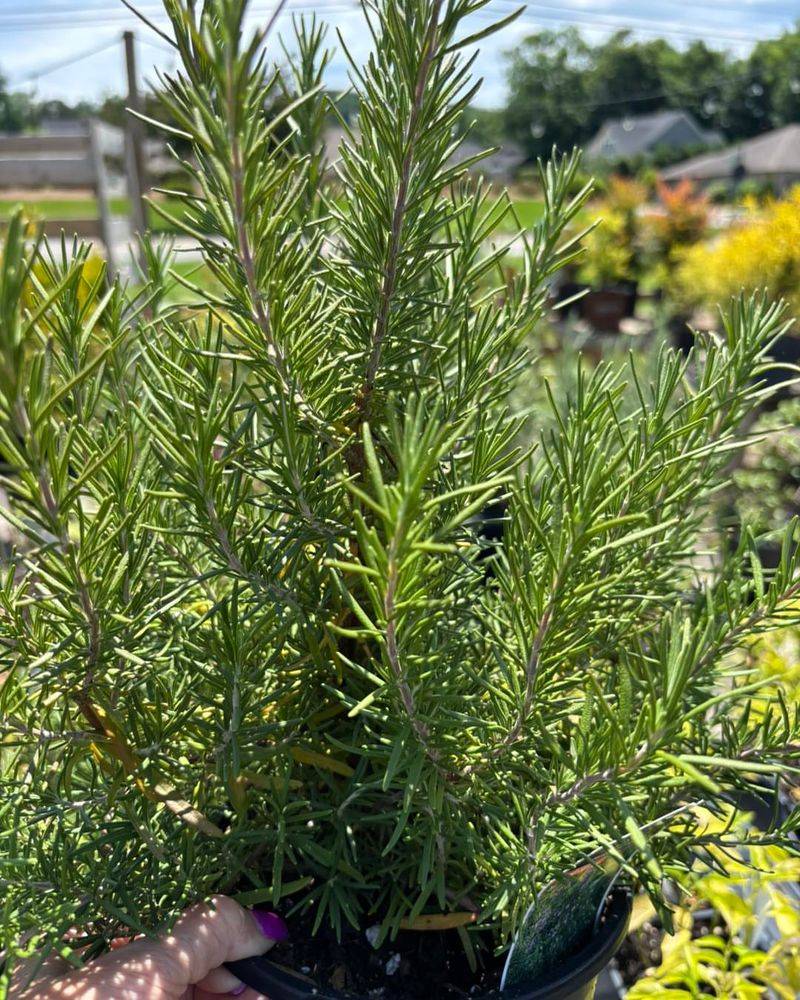
Rosemary might just be the perfect Texas garden plant. It loves the heat, tolerates drought once it gets established, and smells absolutely incredible.
That bold, woody, pine-like fragrance is something most people associate with roasting chicken or seasoning potatoes, but flies have a completely different reaction to it. They find the scent deeply unpleasant and tend to steer clear of any area where rosemary is growing.
In Texas, rosemary does not just survive, it thrives. The hot, dry climate that can stress out other plants is exactly what rosemary loves.
It prefers sandy or well-drained soil and full sun, and it can handle long stretches without much rain once the roots are settled in. Plant it along a garden border, near a walkway, or in a raised bed close to your outdoor seating.
Upright varieties like Tuscan Blue grow tall and make a striking visual statement while doing their pest-repelling job.
Did you know that burning dried rosemary sprigs on a grill or in a fire pit creates a smoke that naturally repels mosquitoes and flies? It is an old trick that still works incredibly well.
Beyond the pest benefits, rosemary is a powerhouse in the kitchen, a beautiful landscaping plant, and a low-maintenance garden staple that practically takes care of itself.
Trim it back occasionally to keep it from getting too woody, and it will keep growing strong year after year. Rosemary earns its place in any Texas garden ten times over.
5. Marigolds
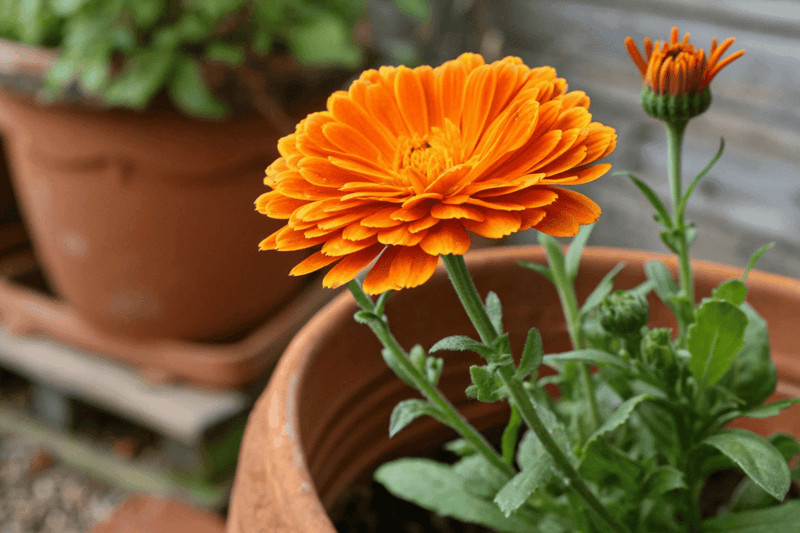
Marigolds are one of the most cheerful sights in any summer garden, and they come with a serious hidden talent. Those vivid orange and yellow blooms contain natural compounds similar to pyrethrum, a substance used in many commercial insect repellents.
Flies, gnats, and even mosquitoes tend to avoid areas where marigolds are blooming. Gardeners have relied on them for generations as a natural way to keep pests under control, and the science backs up what experienced growers have always known.
French marigolds are especially effective at repelling flying insects, and they are one of the easiest flowers to grow in Texas. They love full sun, handle heat well, and bloom continuously from spring all the way through fall with minimal fuss.
Plant them along the edges of garden beds, in containers on the patio, or in clusters near outdoor furniture. The more marigolds you have, the stronger the effect.
Mixing them in with vegetable plants is also a smart strategy, since they help protect crops from pests at the same time.
Marigolds are also a visual win for any garden space. The bold colors attract pollinators like bees and butterflies while keeping the bad bugs away.
They are inexpensive to buy as transplants or to grow from seed, making them one of the most budget-friendly pest-control options available.
Keep spent blooms deadheaded to encourage fresh flowers, and water at the base rather than overhead to keep the plant healthy. Marigolds prove that something beautiful can also be incredibly practical.
6. Nasturtiums
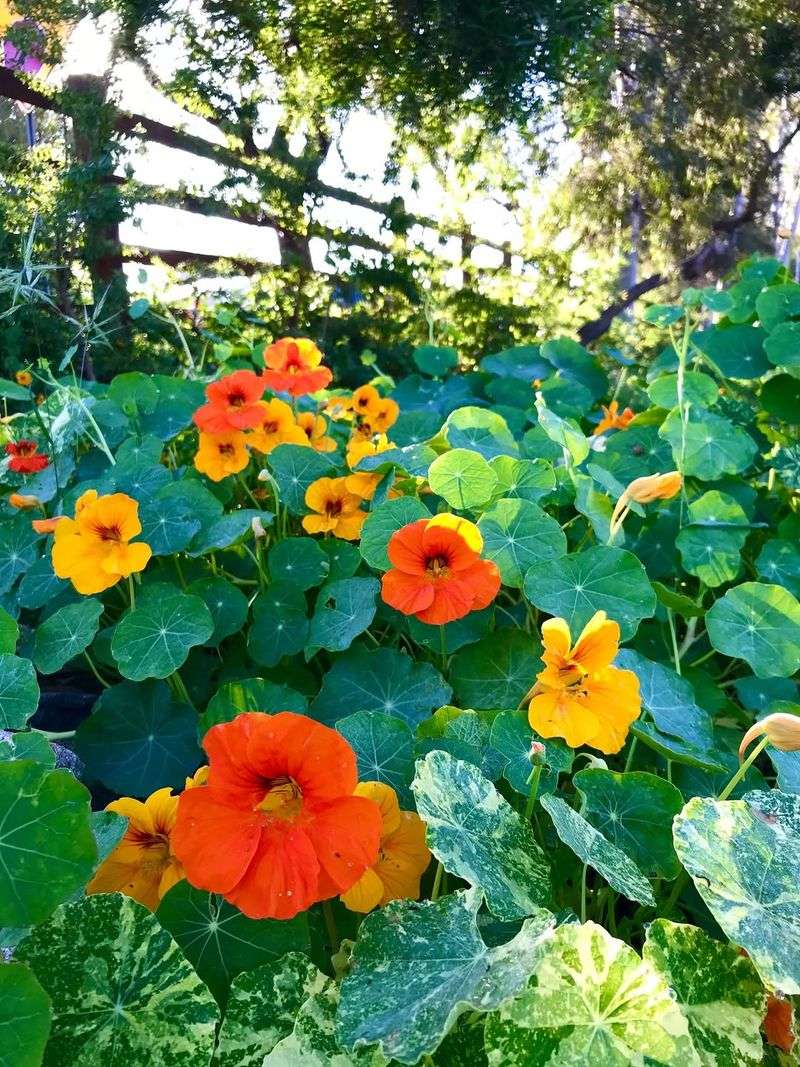
Nasturtiums are a little different from the other plants on this list, and that is exactly what makes them so interesting. Their spicy, peppery fragrance comes from mustard oils called glucosinolates, and flying pests like flies and gnats find this scent highly off-putting.
While most flowering plants attract insects, nasturtiums actually push certain ones away. That is a rare quality in a garden flower, and it makes them incredibly valuable in a pest-management strategy.
Growing nasturtiums in Texas is simple and satisfying. They prefer full sun to partial shade and actually do better in poorer soil with less fertilizer.
Rich soil causes them to produce more leaves than flowers, which is the opposite of what you want. Plant them in containers, along borders, or let them trail over the edges of raised beds for a gorgeous, cascading look.
They grow quickly from seed, and once they start blooming, they keep going for months through the Texas summer season.
Here is a fun bonus: nasturtiums are completely edible. The flowers have a mild peppery flavor that is wonderful in salads, and the leaves can be used the same way.
Some gardeners even pickle the seed pods as a caper substitute. So while this plant is busy sending flies packing, you can also be enjoying it on your dinner plate.
The flowers come in warm shades of orange, red, and yellow that look stunning in any garden space. Nasturtiums are quirky, useful, and totally underrated.
7. Lemon Balm
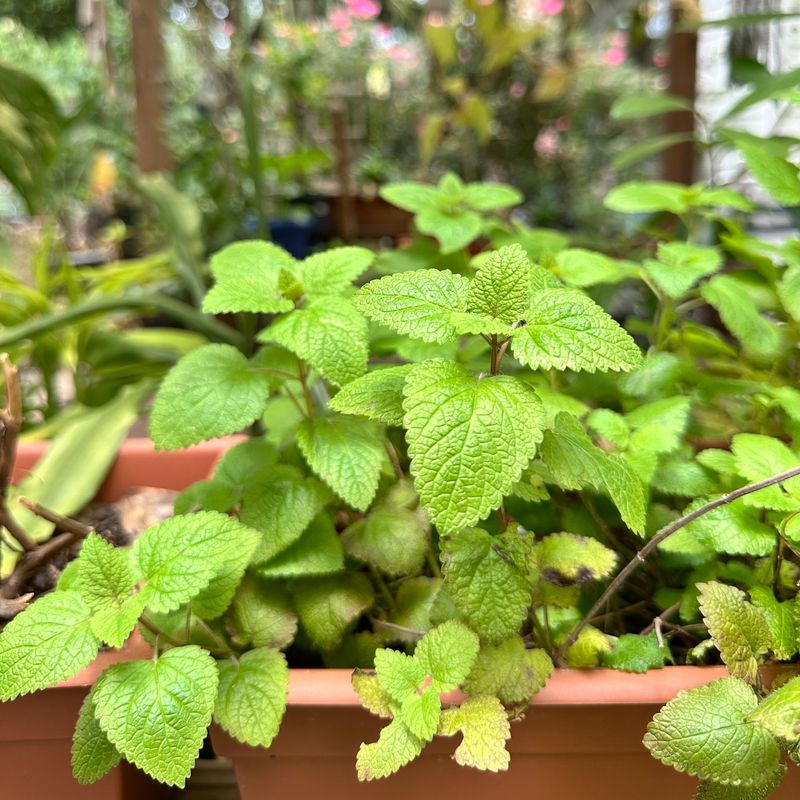
Rub a leaf of lemon balm between your fingers and you get an instant burst of fresh citrus scent that is genuinely uplifting. Flying pests, however, have the opposite reaction.
The strong lemony aroma comes from natural compounds like citronellal and rosmarinic acid, which are known to repel gnats, flies, and mosquitoes effectively.
Lemon balm is essentially a citronella candle that grows in your garden, except it is alive, lush, and completely free of chemicals.
For Texas gardeners, lemon balm is a fantastic choice for containers placed close to outdoor living spaces. Set a pot near your patio chairs, beside the grill, or right next to the back door where flies tend to sneak inside.
It grows happily in partial shade, which is a real advantage during the hottest parts of a Texas summer when full sun can be brutal. Keep the soil consistently moist, and the plant will reward you with thick, fragrant growth that keeps working all season long.
Lemon balm also has a long history as a calming herb used in teas and natural remedies. Steep a handful of fresh leaves in hot water and you have a soothing drink that helps reduce stress and promote better sleep.
Beyond pest control, it is genuinely useful in the kitchen and medicine cabinet. Like mint, it can spread aggressively if planted directly in the ground, so pots are the smarter choice.
Lemon balm is calm, fragrant, hardworking, and one of the most underappreciated plants a Texas gardener can grow.