How To Remove Algae And Moss From California Patios Before Winter Rains
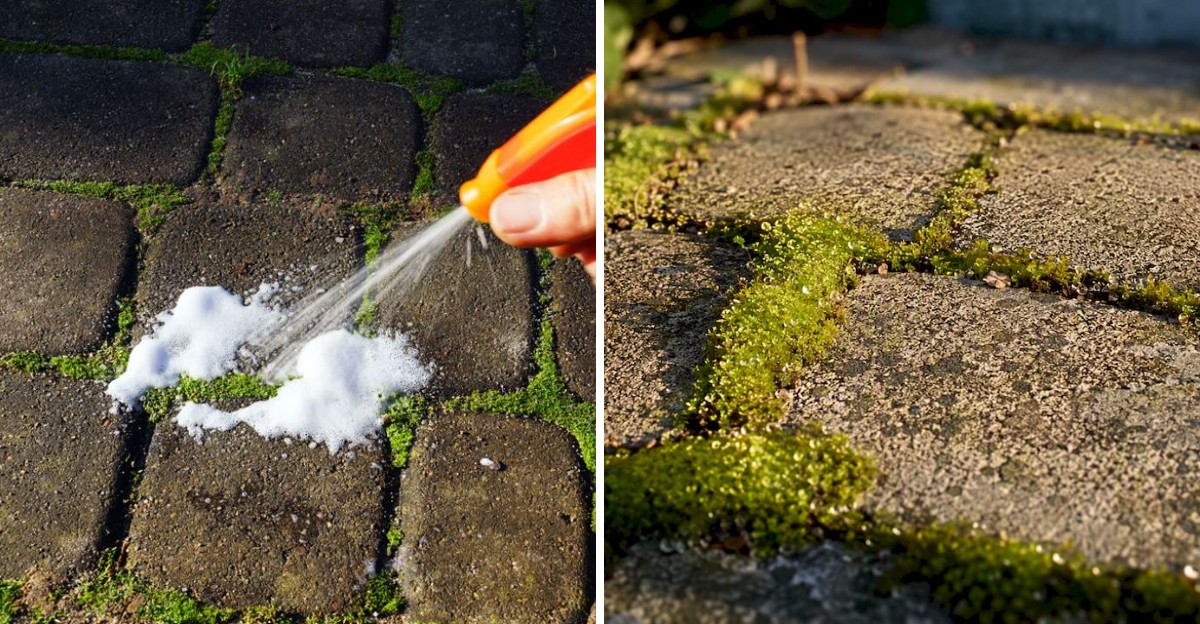
Wet green film on concrete can be nearly as slippery as ice underfoot. I learned that the hard way one January morning, coffee in hand and dignity nowhere in sight.
Most of California gets the bulk of its yearly rain between November and March. That long dry summer lets tiny spores sit quietly in cracks, shady corners, and paver joints. The first steady storms wake them up fast, and a patio can turn slick in a few short weeks.
I like how a little fall prep changes the whole winter. You get safer steps, cleaner pavers, and fewer surprises after every storm.
The trick is knowing which methods actually work on your surface. Some popular fixes can etch stone, harm nearby plants, or send runoff where it legally should not go. So which approach belongs on your patio this fall?
That Green Slick On Your Shady Patio Pavers Has A Favorite Hiding Spot
Spend a minute walking your patio and you will spot a pattern. The green patches rarely show up in the sunny middle of the slab. They cluster where shade, moisture, and still air meet.
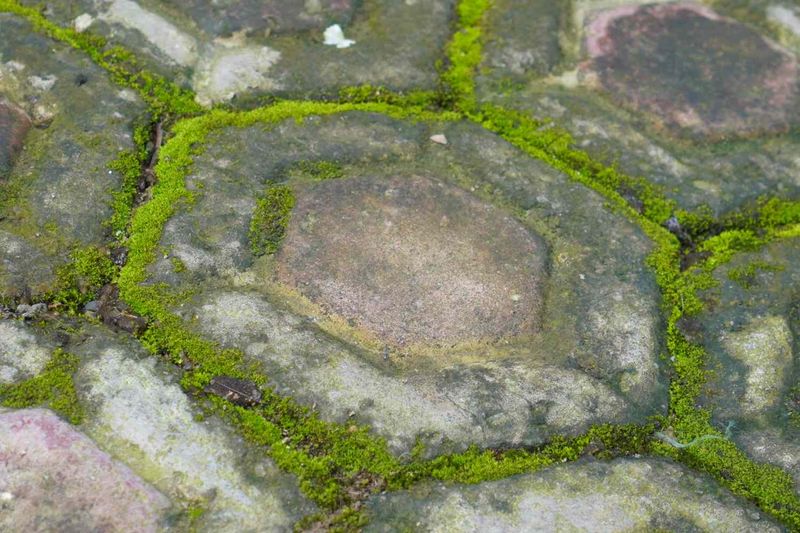
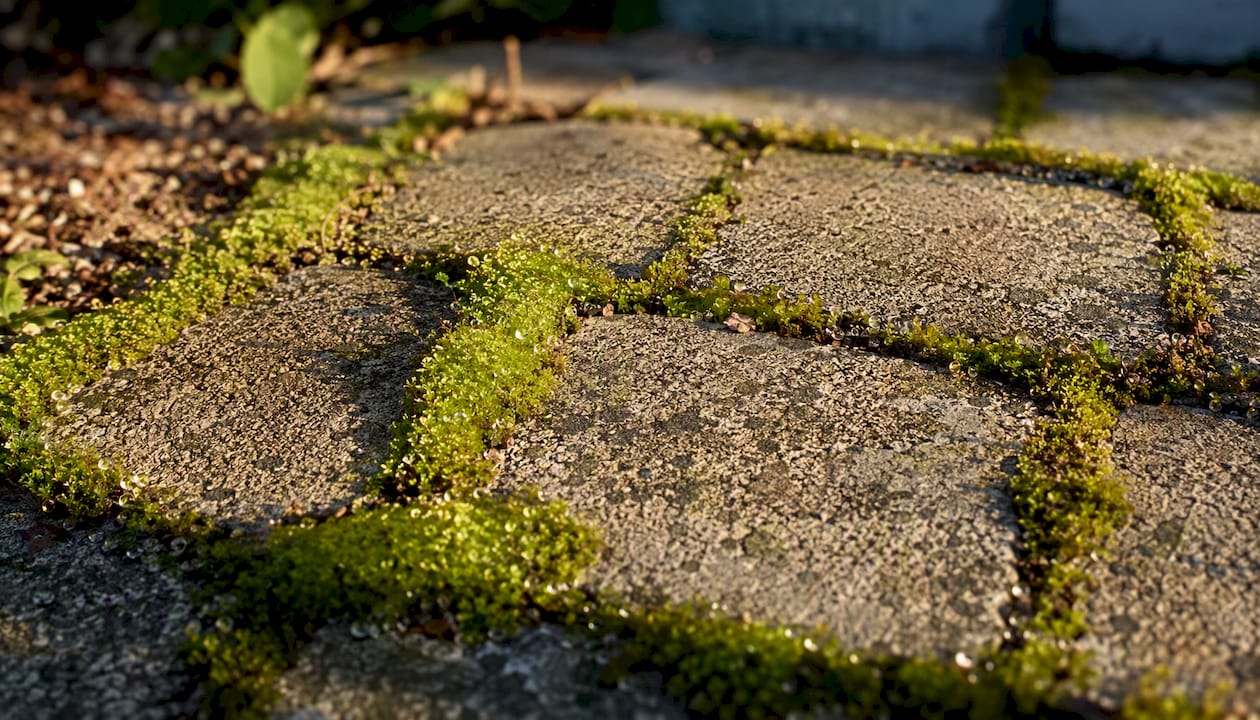
North-facing walls, spots under oaks or citrus trees, and corners near downspouts stay damp longest. Low areas where water puddles are also prime territory. Algae shows up first as a thin green or black film, while moss forms soft, spongy cushions in joints and cracks.
Fall timing matters here. Summers along most of the coast and inland valleys stay dry, so growth slows down. Once cooler nights, morning fog, and the first rains arrive, those spores bounce back quickly.
I find it helpful to sketch a quick map of trouble spots before grabbing any tools. Note the surface type too, since concrete, natural stone, brick, and wood each need slightly different care. That little survey tells you where to clean and also where to fix the real cause later.
Fun fact: moss has no true roots. It anchors with tiny threads called rhizoids, which is why it can cling to bare concrete but lifts away with a good scrape.
A Stiff Nylon Brush And Soapy Water Handle Most Patio Algae
Honestly, the humble scrub brush wins more patio battles than any fancy product. For light algae and young moss, start here before trying anything stronger.
Mix a squirt of mild dish soap into a bucket of warm water. Pour it over the green areas and wait about 10 to 15 minutes so the film softens. Then scrub with a stiff nylon brush, working diagonally across paver joints so you do not dig out the sand.
Skip wire brushes on most surfaces. They can scratch concrete finishes, stain stone with tiny metal bits, and chew up wood decking. A plastic putty knife works nicely for lifting thick moss cushions out of cracks.
Rinse with a hose fitted with a shut-off nozzle, which state law requires for outdoor washing. Aim the rinse water toward a lawn, mulch bed, or gravel area so it soaks in instead of running to the street.
Choose a dry, mild day for this job. Surfaces dry faster afterward, and you can see right away whether a spot needs a second round. Most patios look noticeably brighter after one solid afternoon of scrubbing.
Thick Moss Mats Need A Scrape Before Any Spray Bottle
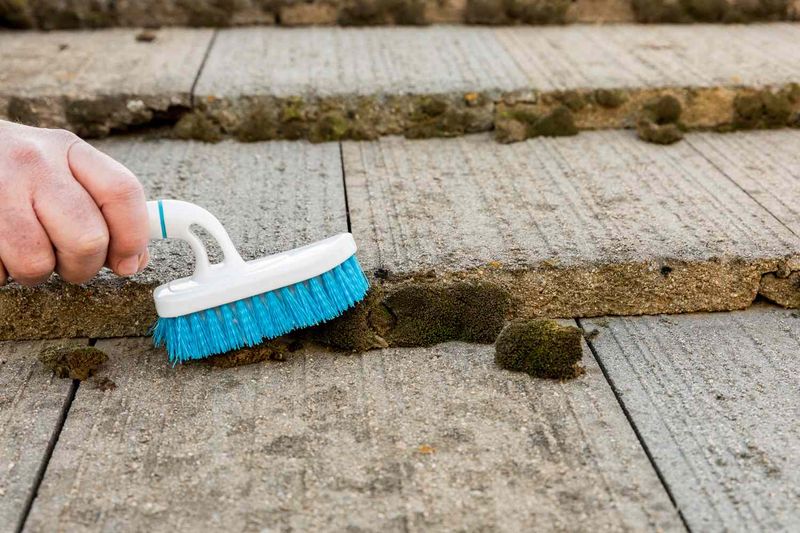
Moss that has spent a few seasons settling in behaves differently from a fresh algae film. Sprays tend to bead up on thick cushions and barely reach the base.
Physical removal comes first. Use a crack weeder, an old butter knife, or a narrow scraper to pull moss out of paver joints and brick seams. On flat areas, a flat-edged shovel or stiff broom pushed at a low angle can lift whole mats in one go.
Gather the scraped moss into a bucket instead of sweeping it into beds. Bits left on the patio can regrow, and spores travel easily on shoes and wind. Green waste bins accept it in most cities.
Once the bulk is gone, the surface underneath is ready for scrubbing or a targeted treatment. You will use far less product this way, which saves money and protects nearby plants.
Expect some joint sand to come out with the moss. Refill those gaps with fresh paver sand, or polymeric sand if you want firmer joints that resist new growth. Sweep it in, mist lightly, and let it set according to the bag directions before the rains start.
Pressure Washers Can Clean Concrete Fast Or Carve Ugly Lines
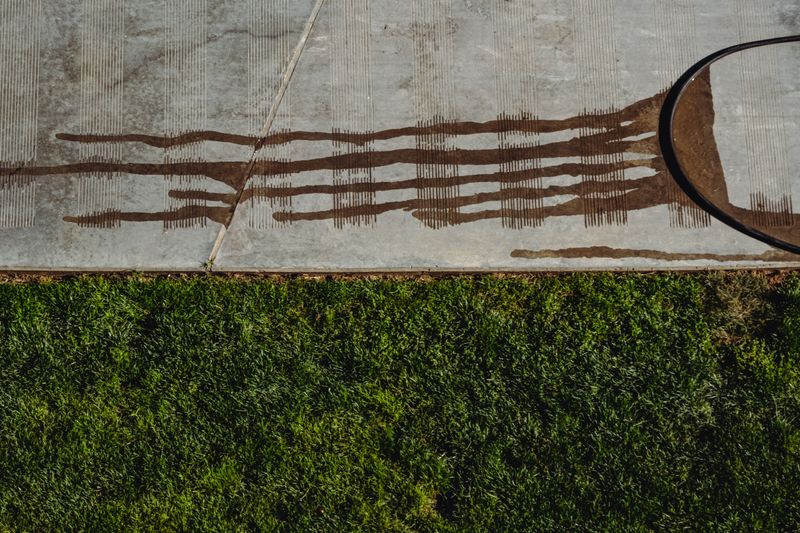
Few chores feel as satisfying as watching a clean stripe appear behind a pressure washer. The catch is that too much force can scar your patio for good.
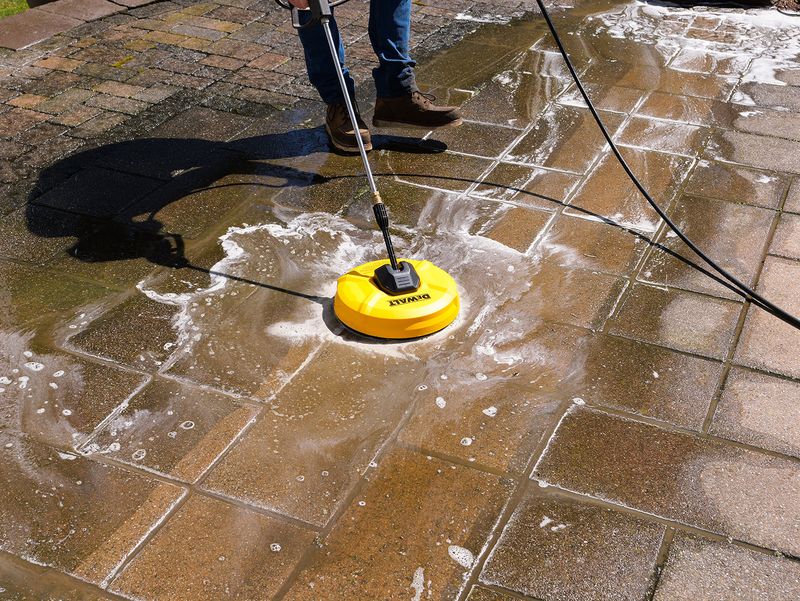
Choose a wide fan tip, usually the 25 or 40 degree nozzle, and start at a low setting. Many experts suggest staying around 1,500 PSI or lower for pavers and softer stone. Hold the wand roughly 6 to 12 inches from the surface and move in steady, overlapping passes.
Lingering in one spot or using a narrow tip can etch wavy lines into concrete. It can also blast joint sand right out, leaving gaps for weeds and moss. Test a hidden corner before tackling the whole area.
Wood decks and natural stone like sandstone need extra care, or a soft brush instead. Brick mortar can crumble under heavy spray, so check its condition first.
Runoff deserves attention too. Pressure washing water often carries dirt, debris, and old residue, so block storm drains and direct the flow onto landscaped soil. Some cities have specific wash water rules, so a quick look at your local stormwater page is worth the effort.
Vinegar Sprays Work On Concrete But Can Etch Natural Stone
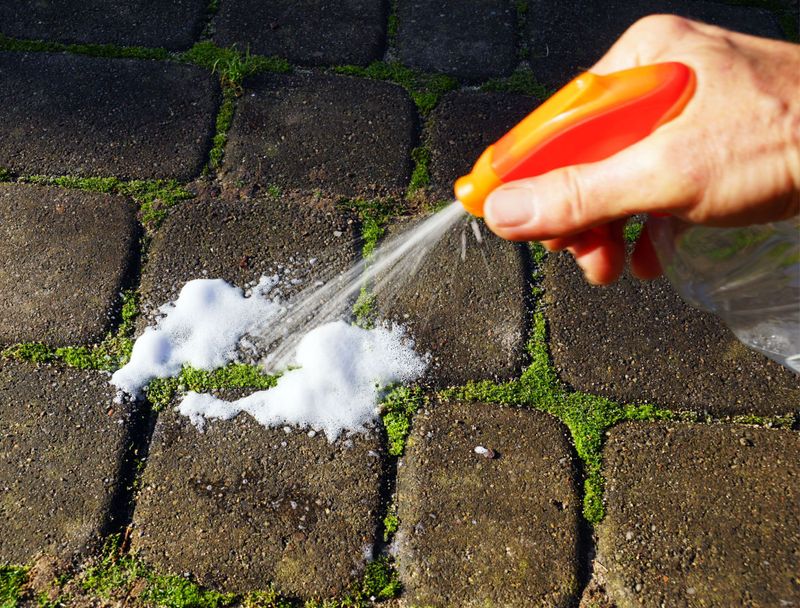
Plenty of gardeners swear by plain white vinegar, and it does have a place. Its acidity can brown out moss and algae on tough surfaces like poured concrete.
A common mix is equal parts white vinegar and water in a spray bottle. Soak the green spots, wait 15 to 30 minutes, then scrub and rinse. Stubborn patches may need a second application on a dry day.
Now for the important limits. Acid can etch and dull limestone, marble, travertine, and some sandstone. It can also soften old mortar and lighten colored concrete, so test a small hidden spot first.
Vinegar does not pick favorites in the garden either. Overspray can burn the leaves of nearby succulents, ferns, or lawn edges. Cover plants with a sheet or spray on a still morning with no wind.
Household vinegar is about 5 percent acetic acid. Stronger horticultural versions exist, but they can irritate skin and eyes, so gloves and eye protection make sense.
I treat vinegar as a middle step. It works well after scraping and before reaching for a commercial product, especially on plain gray concrete away from planting beds.
Labeled Moss And Algae Removers Belong On The Toughest Patches
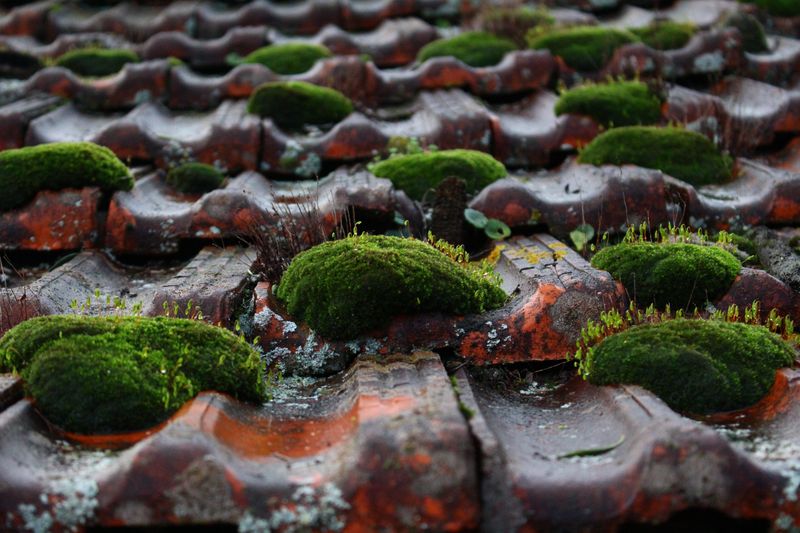
Some patios carry years of buildup that laughs off soap and vinegar. That is when a product made specifically for hard surfaces earns its spot in the garage.
Look for cleaners labeled for moss and algae on patios, walkways, or roofs. Many use ingredients like potassium salts of fatty acids, which brown moss within hours. Others work slowly over weeks as rain carries them into the surface.
Read the full label before buying. It tells you which surfaces are safe, how to dilute, and how close you can spray to plants. Following those directions is a legal requirement for pesticide products, not just a suggestion.
Diluted bleach gets mentioned online a lot. It can lighten algae stains on plain concrete, yet it harms plants, irritates lungs, and can discolor pavers. Never mix bleach with vinegar or ammonia products, since that releases dangerous gases.
Wear gloves and eye protection for any of these cleaners. Keep kids and pets off the area until it dries.
Above all, do not rinse treated water into gutters or storm drains. California storm drains often flow untreated to creeks and the ocean, so let the runoff soak into soil instead.
More Sun And Better Drainage Keep Patio Moss From Coming Back
Cleaning feels great, but the green stuff returns if conditions stay the same. Moss and algae need steady moisture, shade, and still air to thrive.
Start with water. Clear gutters and extend downspouts so roof water lands away from the patio. Fix low spots where puddles linger, and keep drain channels free of leaves before the first big storm.
Next, let in light. Thinning a few branches on overhanging trees or trimming dense shrubs helps surfaces dry faster. For larger trees, an ISA certified arborist can prune safely without harming the tree.
Air flow helps more than people expect. Move stacked pots, furniture covers, and doormats now and then, because damp spots underneath become algae nurseries.
Once the patio is clean and fully dry, consider a breathable penetrating sealer for concrete or pavers. It slows water absorption so spores struggle to settle in. Check the product for your specific surface, and follow the curing time closely.
A quick sweep each week through winter makes a surprising difference. Leaf litter holds moisture and feeds algae, so clearing it keeps your hard work lasting much longer into spring.