This Tall Flower Pulls Bees, Hummingbirds, And Butterflies Into North Carolina Yards All Summer
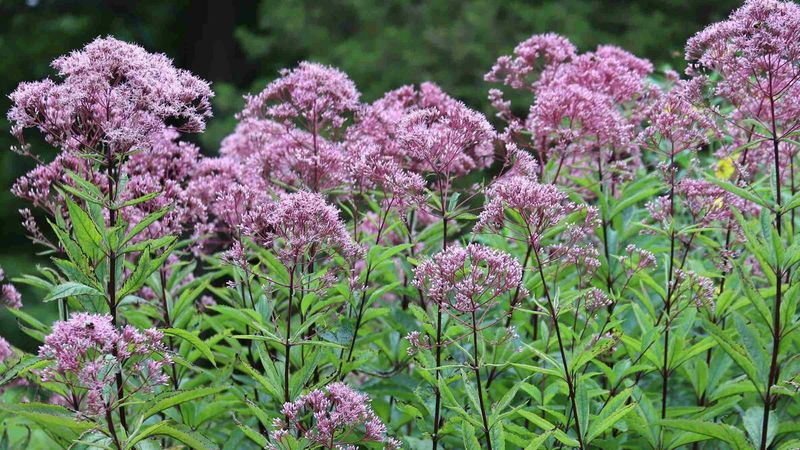
Pull your patio chair back a few feet on a muggy July afternoon and watch what lands on that tall, dusty-pink flower cluster swaying at the back of the yard. Hollow-stemmed Joe-Pye weed, a native North Carolina perennial, can grow to 8 feet tall and light up a damp, sunny corner with blooms that draw bees, butterflies, and the occasional hummingbird from mid-summer into early fall. It is not a one-plant fix for every pollinator need, but as a dramatic late-season anchor in a yard that already has some variety, it is genuinely hard to beat.
Meet North Carolina’s Towering Joe-Pye Weed
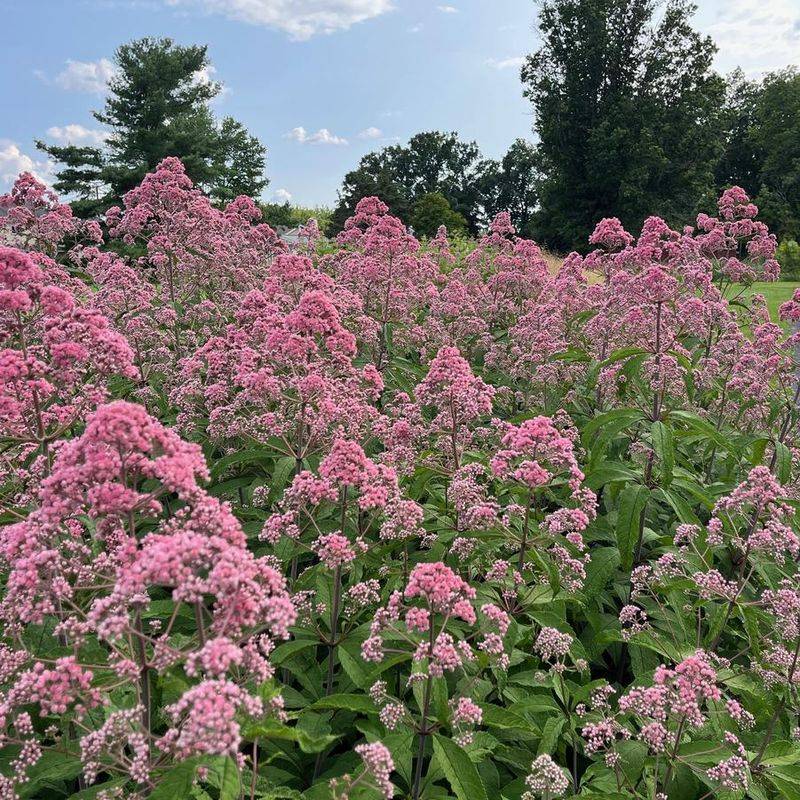
Hollow-stemmed Joe-Pye weed, Eutrochium fistulosum, is the plant your back border has been waiting for. A true North Carolina native, it grows in an upright, clumping habit and produces broad, domed clusters of pink-purple flowers that float above the garden like something out of a wildflower meadow painting. According to the NC State Extension Gardener Plant Toolbox, the plant typically reaches 4 to 7 feet in height, though well-fed plants in consistently moist Piedmont or Coastal Plain soil can push closer to 8 feet by late July.
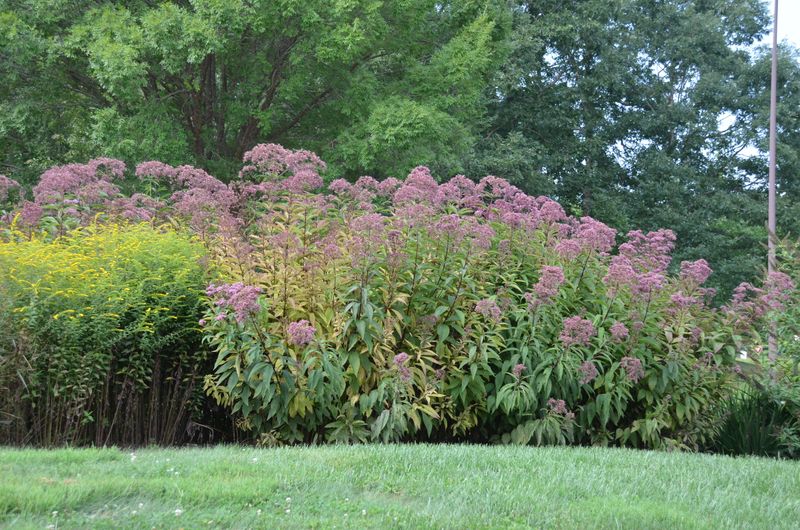
That height is the whole point. Most backyard perennials top out around 3 feet, which means the garden can start to feel flat by midsummer. Joe-Pye weed changes that in one growing season, giving pollinators a visible landmark and giving you a reason to actually look toward the back fence again. Its hollow purple-spotted stems are sturdy enough to stand through North Carolina’s afternoon thunderstorms, and the clump spreads gradually to roughly 2 to 4 feet wide without becoming invasive.
The value here is nectar and structure, not magic. Joe-Pye weed contributes a substantial late-summer bloom and a tall vertical layer that supports pollinator activity during its bloom window. It does not replace spring flowers, fall goldenrods, or the larval host plants that caterpillars need to survive. Think of it as the anchor piece of a late-season planting, the one that makes everything around it look like it is barely trying, rather than a complete habitat in a single root ball.
Its Flower Clusters Welcome Many Visitors
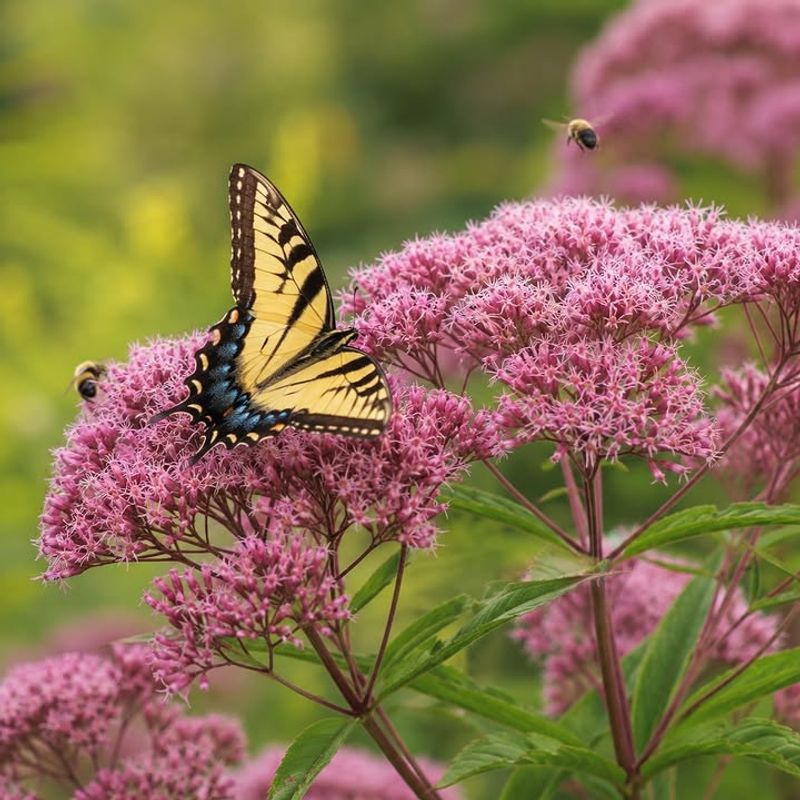
When those domed flower clusters open up in July, the activity that follows can genuinely stop you mid-step. Clemson Cooperative Extension documents butterflies, honeybees, native bees, long-tongued bees, wasps, and hummingbirds as visitors to Joe-Pye weed flowers, making it one of the more socially active plants you can put in a North Carolina yard during late summer. That said, how much activity you actually see on any given afternoon depends on weather, how mature your plant is, what else is blooming nearby, and which pollinator populations are established in your neighborhood.
Bees deserve a closer look here. The term covers honeybees, which NC State Extension identifies as especially attracted to Joe-Pye weed nectar, but also a wide range of native bees including bumblebees and long-tongued specialists that are built to reach into tubular florets. A healthy clump in full sun can pull in a surprising variety on a warm, calm morning. Butterflies, especially swallowtails and fritillaries, are among the most reliable visitors, drawn by the open, accessible flower structure.
Your North Carolina Garden Changes Every Week. Your Plan Should Too.
Gardening in North Carolina changes quickly throughout the season. Every Friday you’ll receive a simple weekly plan showing exactly what to plant, prune, fertilize, harvest, and protect so you never miss the right timing.
Hummingbirds are a real possibility, but handle that expectation with care. Clemson lists them as documented visitors, while NC State’s dedicated hummingbird plant guidance tends to spotlight cardinal flower, beebalm, and other brightly tubular blooms first. Joe-Pye weed may see hummingbird visits, particularly in a yard already rich with flowers, but calling it a hummingbird magnet would oversell what the plant actually does.
One more visitor worth knowing: NC State Extension notes that Joe-Pye weed supports Pearl Crescent butterfly larvae, making it a larval host for that specific species. Adult monarchs may nectaring on the blooms during fall migration, but monarch caterpillars require milkweed, not Joe-Pye weed, to complete their development.
Expect Flowers From July Through September
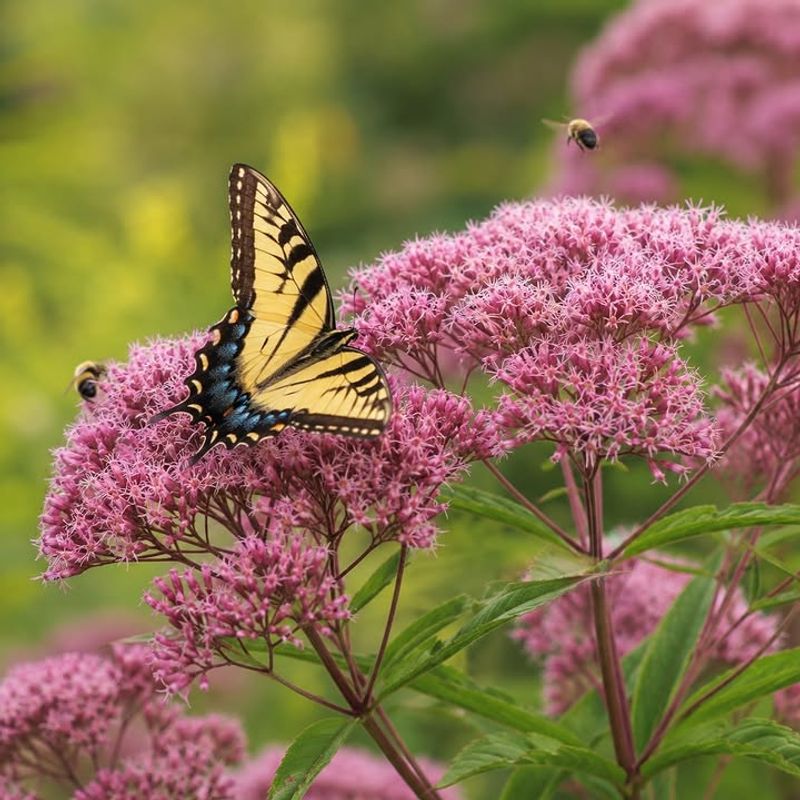
Here is where the “all summer” part of the story needs a small correction. Hollow-stemmed Joe-Pye weed does not typically open its flowers in June. Clemson Extension places the main bloom period from July through September, with some cultivars starting a bit earlier and others stretching into early October depending on the growing season. Mid- to late summer and early fall is the honest window, not an unbroken ribbon of color from the first warm day onward.
That timing actually works in your favor if you plan around it. Many spring and early-summer bloomers, such as coneflowers and black-eyed Susans, are winding down right when Joe-Pye weed is ramping up. Planting it alongside late-summer and fall natives like goldenrod and asters means you are building a relay race of nectar rather than relying on a single plant to cover every week. Joe-Pye weed hands the baton off rather than running the whole track alone.
Different species and cultivars in the Joe-Pye weed group do vary in their exact timing and height, so the details in this article apply specifically to hollow-stemmed Joe-Pye weed, Eutrochium fistulosum. Spotted Joe-Pye weed and sweet Joe-Pye weed have their own bloom windows and moisture preferences. Stick with the species name when you buy, and you will know what you are actually getting.
NC State Extension’s hummingbirds and butterflies guide reinforces this layered approach, recommending that gardeners combine nectar plants with larval hosts, overlapping bloom times, and shelter rather than counting on any single species to carry the whole pollinator load.
Choose A Sunny, Moist Place With Room To Spread
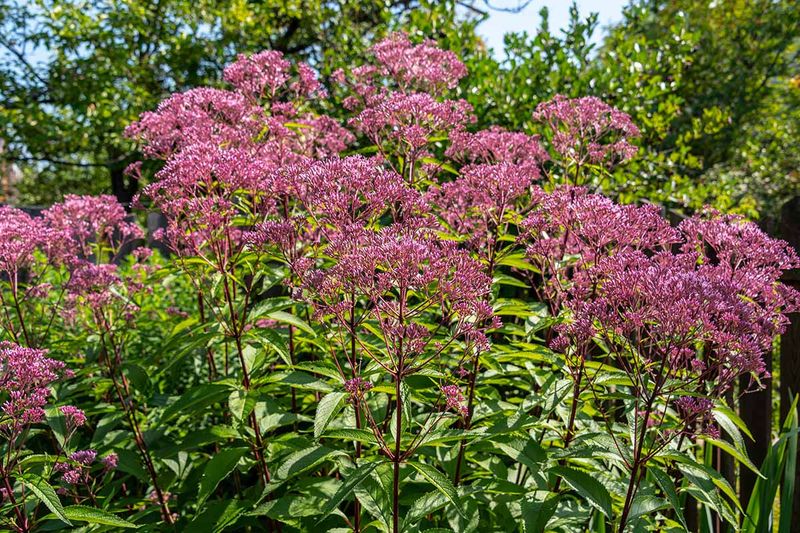
Placement makes or breaks this plant. NC State Extension lists Eutrochium fistulosum as growing 4 to 8 feet tall and 2 to 4 feet wide, which means it belongs at the back of a border or along a fence line where it can stretch without blocking shorter plants. Give it roughly 3 to 6 feet of open space depending on your cultivar, and you will not spend the next three summers rearranging everything around it.
Sun matters more than most people expect. Full sun to partial shade is acceptable, but at least 6 hours of direct sunlight produces the strongest stems and the fullest flower clusters. A shadier spot may keep the plant smaller, and the stems are more likely to lean or flop after one of North Carolina’s heavy July downpours. A sunny back border, fence line, drainage swale, rain garden edge, or naturally damp corner near a downspout are all solid choices.
Moisture is the non-negotiable. NC State Extension notes that leaves may scorch when the soil dries out, and a dry foundation bed on the south side of the house is a genuinely poor fit unless you plan to irrigate consistently all summer. Piedmont gardeners working with red clay should focus on a spot where water pools briefly after rain but drains within a day or two, which is actually ideal. Sandy Coastal Plain soil drains fast, so those gardeners may need to add organic matter and water more frequently during dry spells.
Mountain gardeners in zones 6a to 7a can grow it successfully, though the shorter growing season means flowers may arrive later and finish earlier. Clemson Extension highlights smaller cultivars like ‘Little Joe’ and ‘Baby Joe,’ which generally reach about 2 to 4 feet, as better options for tighter beds or spots where an 8-foot plant would feel out of scale. These compact forms work well in Sandhills or coastal yards where space is at a premium and wind from afternoon storms can punish tall stems.
Water, Prune, And Support The Clump
New plants need consistent watering through their entire first growing season, full stop. Clemson Extension recommends keeping the soil consistently moist during establishment and incorporating organic matter at planting time to help retain moisture. If you are working with Piedmont red clay or sandy Coastal Plain soil, a soil test before you amend is worth the small effort, since over-correcting pH or fertility can cause as many problems as it solves.
Once the plant is established, late-winter cutback is your main annual task. Cut the stems back to the ground before new growth begins, generally in February or early March in the Piedmont and Coastal Plain, a bit later in the mountains. This keeps the clump tidy and removes any overwintered disease material before the season starts. Mature clumps that have grown wider than you want can be divided in fall after dormancy or in early spring as the first shoots emerge, giving you new plants to share or move to a different spot.
Height management is an option if 7 or 8 feet feels too tall for your yard. Clemson Extension reports that cutting stems back to roughly 18 to 24 inches in mid-May through early June can produce a shorter, fuller plant. The trade-off is that flower clusters on cut-back stems may be somewhat smaller than on unpruned ones. A compact cultivar is honestly the better long-term answer if height is a recurring concern.
NC State Extension notes that powdery mildew, rust, and leaf spot can appear, especially during humid stretches or where air circulation is poor. These are cosmetic issues rather than fatal ones, and they are more common in shaded spots with crowded plantings. Stems growing in part shade may also lean after North Carolina’s heavy summer storms, so a simple stake or a peony ring placed early in the season can save you from finding a 7-foot plant face-down in the lawn after a July squall.
Build A Habitat Beyond One Spectacular Plant
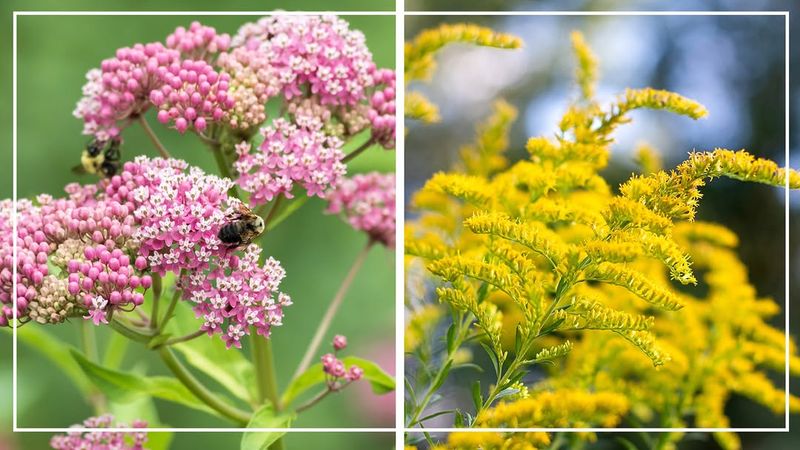
One tall, impressive plant is a great start, and genuinely not enough on its own. NC State Extension’s pollinator guidance is clear that a functioning yard habitat needs more than nectar flowers: it needs larval host plants, standing vegetation where insects can shelter and overwinter, water sources, and bloom that spans spring through fall rather than lighting up for two months and going quiet.
Joe-Pye weed covers late summer nectar beautifully, but the rest of the calendar needs other plants. Spring bloomers like native violets and wild columbine feed early bees and butterflies before Joe-Pye weed even breaks the soil surface. Fall goldenrod and asters carry the load from October onward. And monarch caterpillars, which many North Carolina gardeners want to support during the fall migration, require milkweed species such as swamp milkweed or butterfly weed to complete their development.
Joe-Pye weed can feed adult monarchs passing through, but it cannot replace milkweed as a host plant.
Penn State Extension’s pollinator garden guidance echoes this layered approach, recommending overlapping bloom times, a mix of flower shapes to serve different bee and butterfly species, and patches of undisturbed ground or brush where solitary bees can nest.
One practical rule before you walk away: do not spray insecticides on open Joe-Pye weed flowers or on any blooms nearby when pollinators are actively visiting. Penn State Extension’s pollinator and pesticide guidance recommends avoiding broad-spectrum sprays near flowering plants, following the product label closely, and never assuming that attracting beneficial insects will reliably eliminate pest problems. Pest suppression in a diverse yard is real but slow and variable. The goal is a more balanced yard over time, not a pest-free one by next weekend.
A yard with Joe-Pye weed, milkweed, goldenrod, and a few host plants is one that actually works for the insects you are trying to keep.