How To Sow California Wildflower Seeds Without Losing Them To Birds And Wind
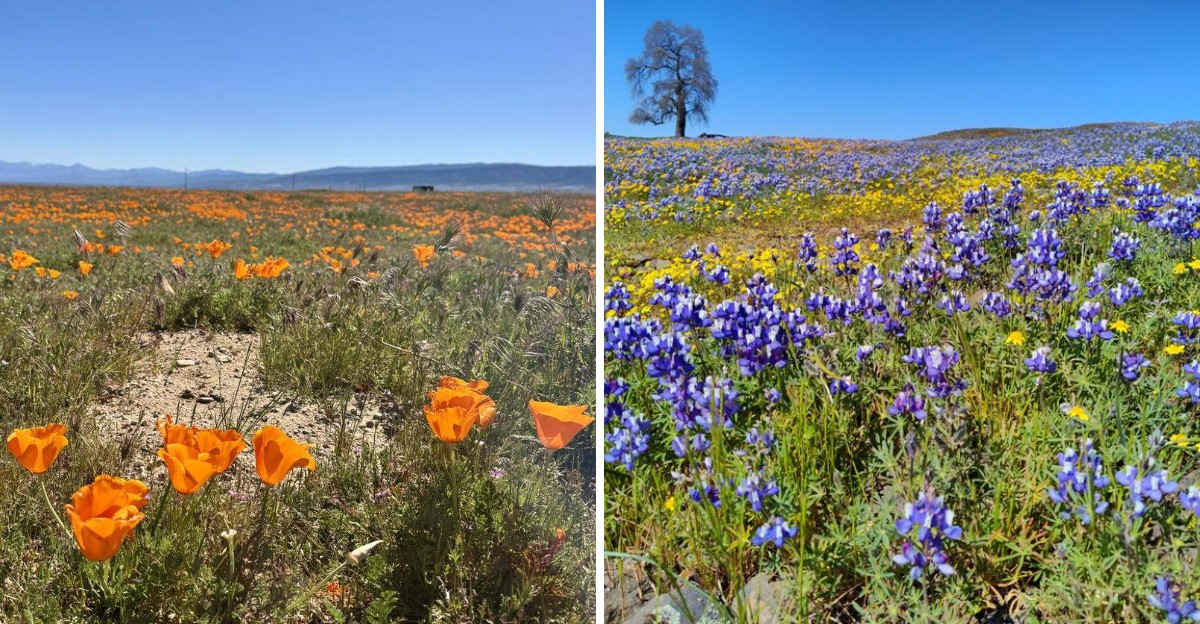
A bag of California poppy seed scattered across freshly cleared soil can feel like a job well done.
By the next afternoon, a flock of sparrows has picked through the bed and a dry breeze has pushed much of the rest into a corner.
It happens to almost everyone who sows wildflowers, and it can feel a lot like money blowing away.
Tiny seeds simply make easy targets, both for hungry birds and for California’s gusty fall afternoons.
A few simple habits make a real difference, though. Each one helps keep more of those seeds right where they belong until rain and roots take over.
Rake Seeds Lightly Into The Soil
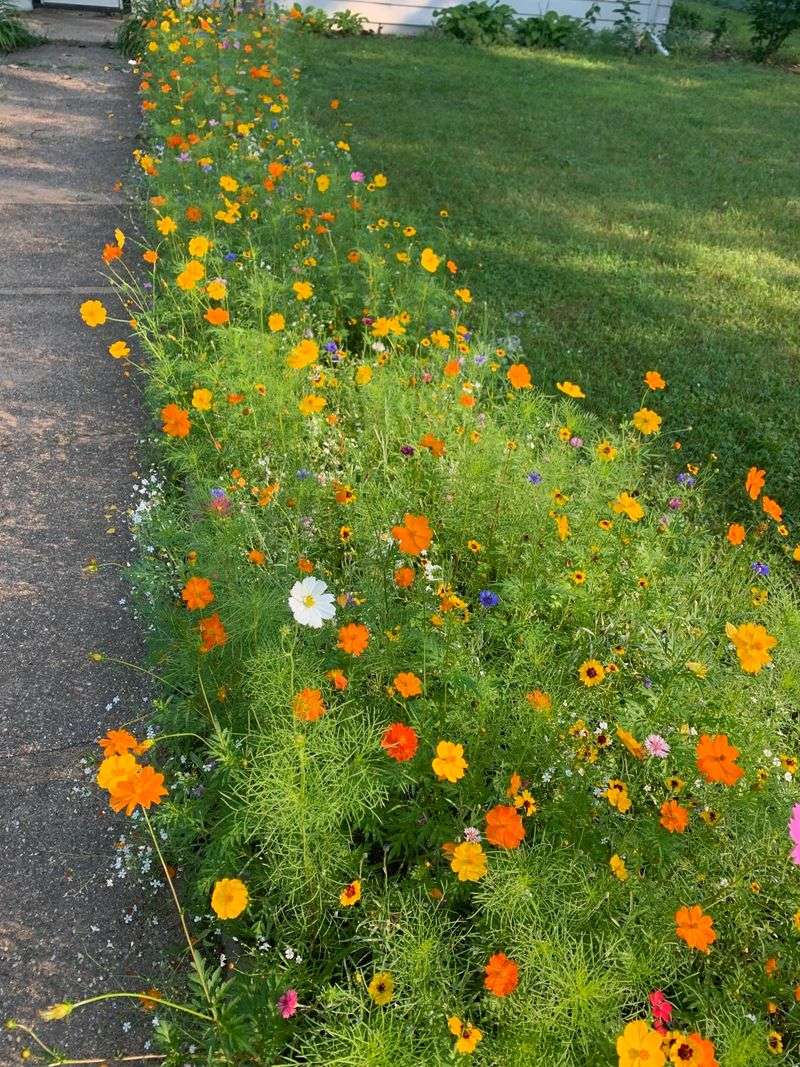
A scrub jay perched on the fence often watches a gardener scatter seed with great interest, as though lunch is about to be served. Seeds sitting on top of bare dirt make easy pickings for birds and easy targets for a gust of wind.
A light raking tucks them just out of sight. That small step alone can save a surprising amount of seed.
Bed preparation comes first. Clearing weeds and loosening only the top inch or so of soil sets the stage for even germination.
UC ANR garden advice stresses that weed control matters a lot for wildflower success. Weeds grow faster and compete for water and light, so a clean start gives wildflowers the upper hand.
Once the bed is ready, seed goes out evenly across the surface. A garden rake dragged gently over the area in short, light strokes mixes it into the very top layer without burying it.
Most small California wildflower seeds, like poppies and baby blue eyes, need no more than about one eighth of an inch of soil. A common rule of thumb is to cover seed about two to three times its own thickness.
Some tiny seeds need light to sprout, so deeper planting can work against them. A few seeds still visible after raking is perfectly fine.
Many gardeners flip the rake over and smooth the surface with the flat back instead. Either way, good soil contact helps seeds stay put and soak up moisture once rain arrives.
Mix Small Seeds With Sand First
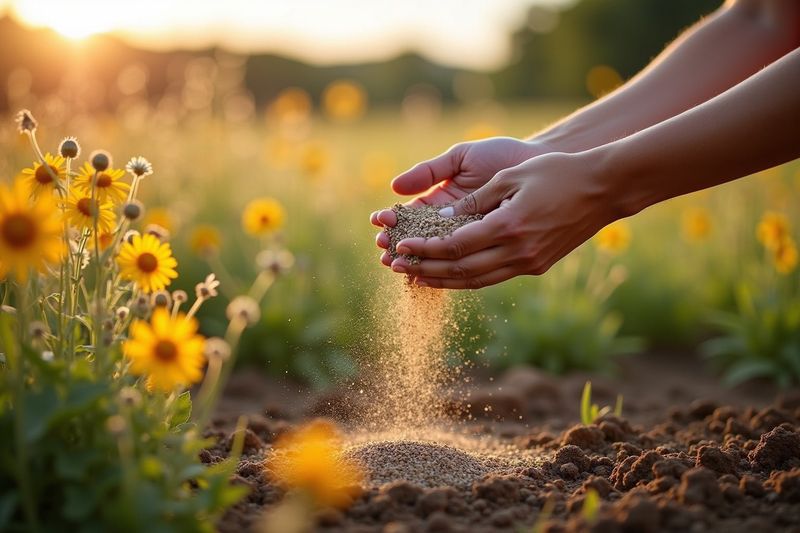
Spreading tiny wildflower seed evenly can feel a lot like seasoning a whole football field with a single spoonful of pepper.
Seeds from California poppy or tidy tips are so small that a handful can clump in one spot and leave the rest of the bed empty.
Mixing seed with sand solves that problem nicely. Many native plant guides, including UC ANR resources, suggest blending seed with clean, dry sand, often around four or more parts sand to one part seed.
The sand bulks up the mix, so each toss spreads seeds out more thinly and evenly. It also adds a bit of weight, which helps the mix land where it’s aimed instead of floating off.
Light-colored sand brings another bonus. It shows exactly where seed has already gone, making missed spots and double-covered areas easy to see.
Your California Garden Changes Every Week. Your Plan Should Too.
Gardening in California changes quickly throughout the season. Every Friday you’ll receive a simple weekly plan showing exactly what to plant, prune, fertilize, harvest, and protect so you never miss the right timing.
A simple method works well. Seed and sand go into a bucket and get a thorough stir by hand, then the mix is divided into two halves.
The first half is sown while walking in one direction, and the second half while walking crosswise. That crisscross pattern fills gaps and evens out coverage.
Play sand or washed builder sand works best. Beach sand can carry salt, which young seedlings don’t appreciate.
Dry sand keeps the seed from sticking together in clumps. Some gardeners use dry potting mix or vermiculite instead, and those can work just as well.
Water Gently To Settle Everything In
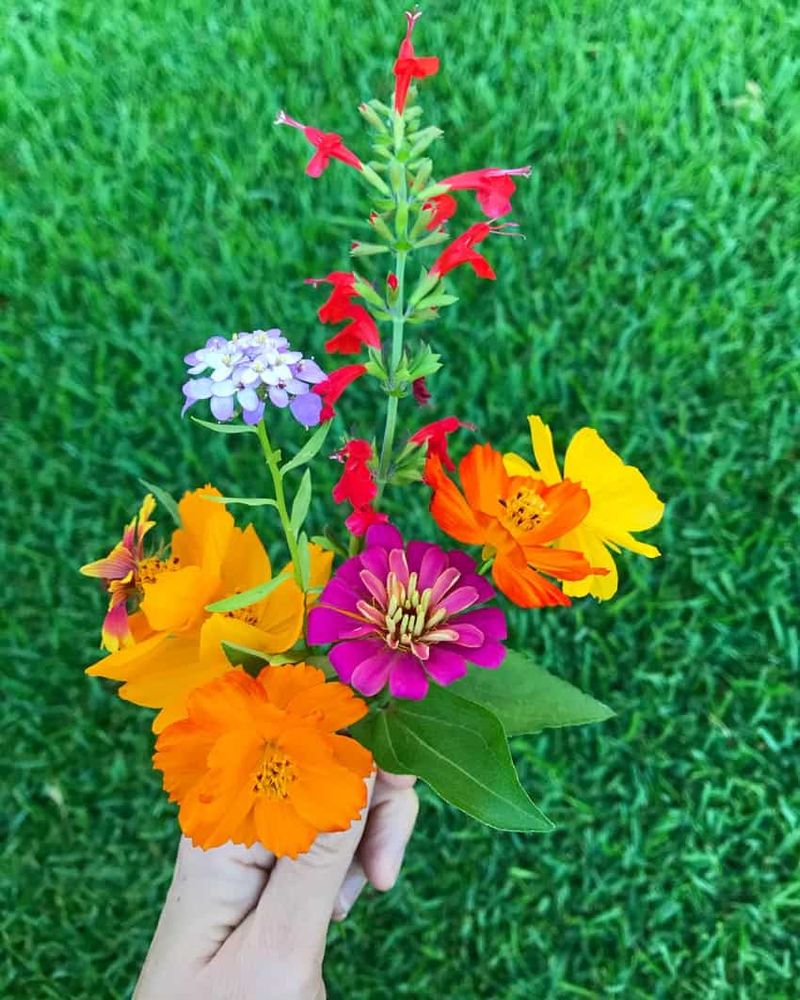
A garden hose on full blast can undo an hour of careful sowing in about ten seconds. Strong streams wash seeds into puddles, push them into corners, or splash them right out of the bed.
Gentle is the name of the game here. A hose nozzle set to a soft shower or mist setting works well, and a watering can with a fine rose head suits small patches.
Water should fall lightly, like a soft rain, until the top layer of soil is evenly damp. Slow and steady usually wins over fast and forceful.
Moisture helps the soil settle around each seed, pressing it into close contact with the dirt. That contact lets seeds absorb water and start to sprout.
Damp soil is also much less likely to blow away than dry, fluffy soil. A gentle soak helps the whole bed hold together through breezy afternoons.
Pooling or runoff signals a need to pause. A few minutes of soaking time before continuing keeps seed from washing away, and several short passes work better than one long soaking.
Some gardeners lightly press the soil after sowing by walking on a board laid over the bed. A lawn roller does the same job on larger areas.
Pressing and gentle watering together create firm seed-to-soil contact. The soil should stay loose enough, though, for tiny seedlings to push through without a struggle.
A Thin Straw Layer Deters Birds
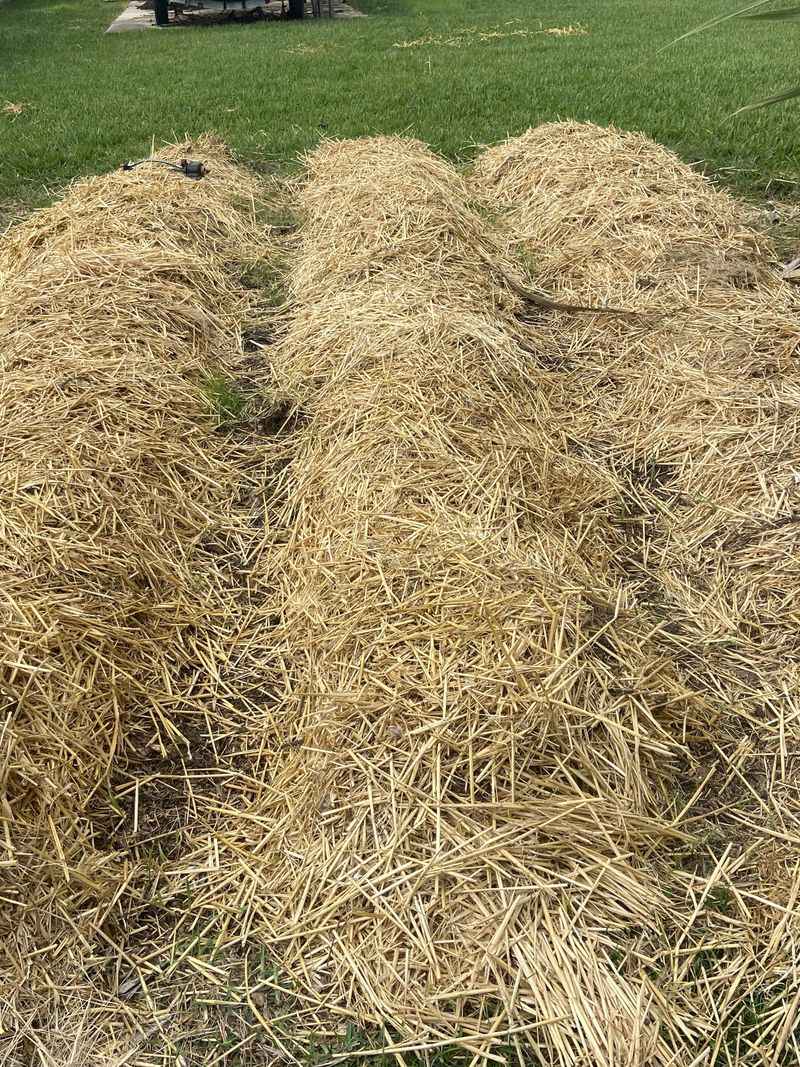
Birds are clever. A finch or sparrow that spots a buffet of exposed seed will happily return with friends the next morning, and a light layer of straw makes that meal much harder to find.
The key word is light. Clean, weed-free straw spread so thinly that about half the soil still peeks through works best.
A thick blanket can block sunlight, hold too much moisture, and smother small seedlings before they get started. Less really is more here.
Straw handles several jobs at once. It hides seed from hungry eyes, breaks the force of raindrops, slows wind across the soil, and helps the ground stay moist a bit longer.
UC ANR and other California native plant resources often mention a light mulch or straw cover as a helpful step. It’s especially useful on slopes or larger open areas.
Straw beats hay for this job. Hay usually contains grass and weed seeds that can sprout and crowd out wildflowers. Rice straw is a popular California choice because it tends to carry fewer weed seeds.
Small beds have another option. Lightweight bird netting or floating row cover laid over the area for the first couple of weeks keeps most birds out. Landscape staples or rocks hold the edges down.
The cover comes off once seedlings begin to show so they get full sun and air. Straw won’t stop every bird, but it tips the odds nicely in the gardener’s favor.
Calm Days Beat Windy Planting Sessions
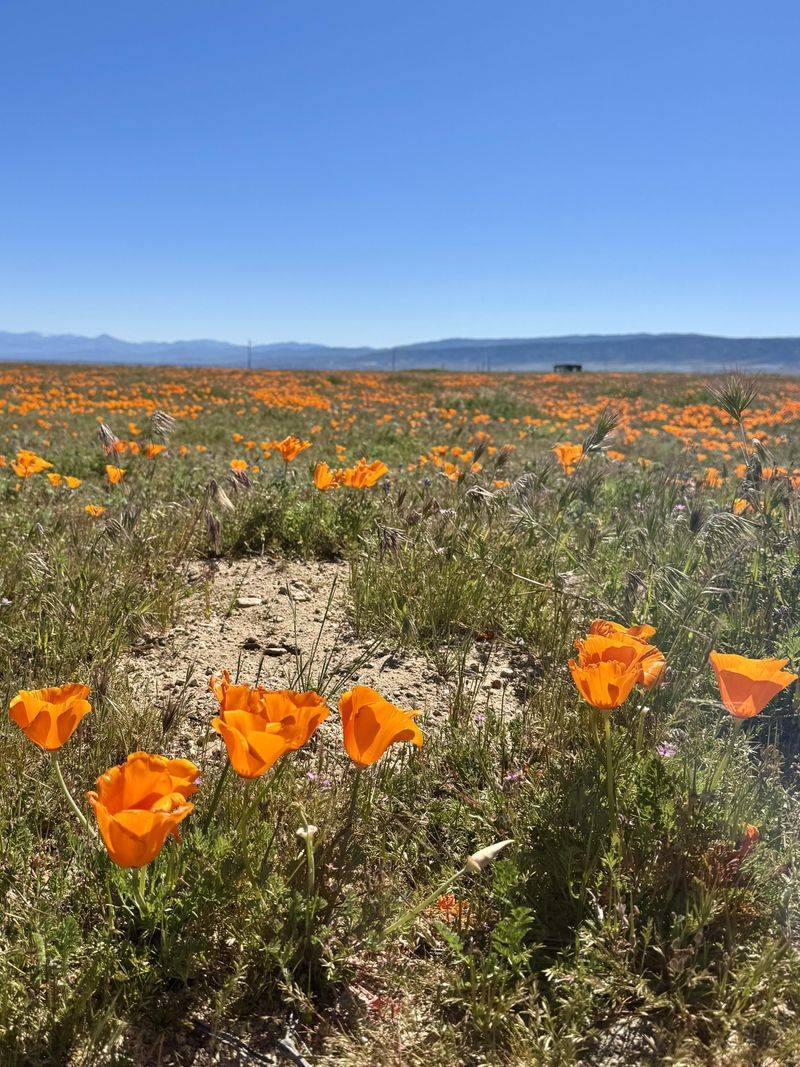
A quick test settles the question. A pinch of dry grass or a few seeds tossed into the air at waist height shows exactly how the breeze is behaving.
Sideways drift means it’s best to wait for another day.
Wildflower seeds are light, and many are smaller than a grain of sand. Even a mild breeze can carry them over the fence, into the street, or into one corner of the bed.
A calm day ranks among the simplest ways to keep seed in place. A forecast check a few days ahead helps, and wind speeds under about five to ten miles per hour offer the best conditions.
Early mornings are often the calmest part of the day in many parts of California. Afternoon breezes tend to pick up, especially near the coast and in valleys.
Seasonal timing matters too. UC ANR recommends sowing most California wildflowers in fall, roughly October through December, so winter rains can handle much of the watering.
A calm day just before a gentle rain is about as good as it gets. A big storm is a different story, since heavy downpours can wash seed off slopes and out of beds.
Scattering technique helps as well. Keeping the hand low to the ground while sowing gives seeds less distance to travel and less chance to drift away.
Patience on a breezy morning usually pays off later in spring.
Watering Right After Sowing Helps Anchor Seed
Dry seed on dry soil behaves a lot like loose paper on a picnic table. One breeze and it’s gone, but a little water makes everything stick.
That’s why the timing of the first watering matters so much. Water applied right after sowing and raking, rather than hours later or the next day, helps glue seed to the soil before birds or wind can move it.
Damp soil forms a slight crust that holds seed in place. Keeping the hose ready before sowing begins makes watering the natural last step of planting rather than a forgotten chore.
After that first drink, the goal is an evenly moist top layer until seedlings appear. When rain isn’t cooperating, UC ANR suggests supplemental watering during dry spells so the seedbed stays damp.
Light, frequent watering usually works better than rare heavy soaking at this stage. Short sessions keep the surface moist without washing seed around.
Germination often takes one to three weeks, depending on the species, soil temperature, and moisture. Letting the surface go bone dry during that window can set seedlings back, since sprouts that dry out may not recover.
Once seedlings are up and growing, watering can taper off. Many California natives are adapted to dry summers and can struggle with too much water later in the season.
A gradual easing back works best as plants settle in. Winter rains usually take over from there.
A Little Extra Care Improves Germination Odds
Even the most careful gardener loses some seed. A quail family might wander through, a surprise gust might rise up, or a heavy rain might shift a patch downhill.
Some loss is simply part of broadcast sowing. It doesn’t mean anything went wrong.
What these steps do is improve the odds. Light raking, a sand mix, calm-day sowing, gentle watering right away, and a thin straw cover each trim losses a little, and together they can make a real difference.
Many experienced growers plan for some loss by sowing at the rate listed on the seed packet or a little heavier. A small amount of seed held in reserve comes in handy, too.
Bare patches that show up after a few weeks can be reseeded while the soil is still cool and moist. Those quick touch-ups often fill in nicely by spring.
Simple notes make next year easier. The sowing date, the weather, and which areas filled in best all offer useful clues.
Over time, patterns start to appear. One corner may always need extra straw, or early morning sowing may prove most reliable in a particular yard.
Patience matters as well. Many California wildflowers bloom in spring, but some take longer, and a few may surprise everyone the following year.
The bees, butterflies, and hummingbirds that show up later make every bit of that effort worthwhile.