Hundreds Of Millipedes Moving Out Of Your Ohio Mulch? Fall Weather May Be The Reason
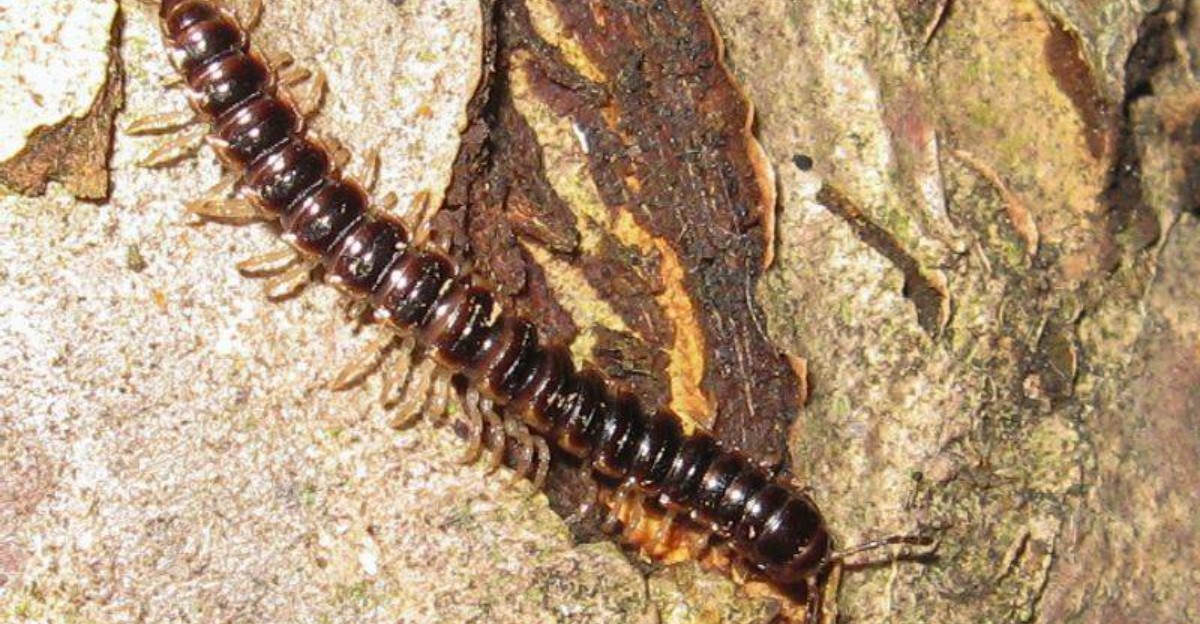
Peel back your Ohio mulch this week and you might find hundreds of millipedes making a break for it all at once.
That sudden swarm looks alarming, but it tracks with a shift in the weather most homeowners never connect to bug activity.
Millipedes live quietly under mulch and leaf litter most of the year, and a specific change in temperature and moisture sends them scrambling out in numbers that catch people off guard.
They’re not actually after your house or your plants, despite how it looks when dozens show up on your porch overnight. Understanding what’s driving the move changes how you respond, and panic-spraying everything in sight usually isn’t it.
Take a closer look at what’s happening in your mulch beds this week. The explanation is a lot less dramatic than the sight of it suggests.
1. Fall Weather Sends Millipedes Searching For Better Shelter
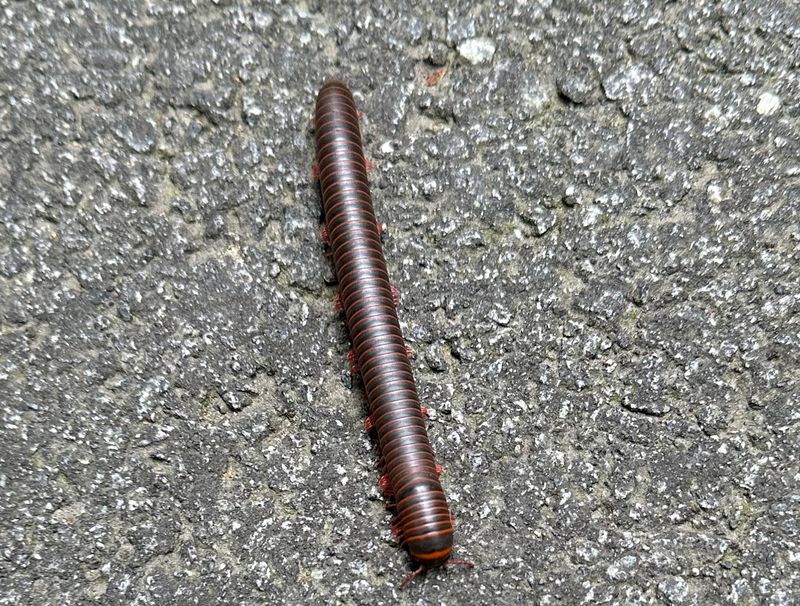
Picture a family packing up the car because the house got too drafty. Millipedes do something similar each fall, leaving spots that no longer feel right.
As Ohio days shorten and temperatures slide, these critters start looking for safer places to spend the colder months. Many of them travel short distances at the same time, which is why you might see a crowd on the move instead of just a few stragglers.
Their comfort zone is pretty narrow, and fall weather tends to shake it up. If the ground gets soggy from autumn rain, they head for drier spots, but a long dry spell can send them hunting for moisture instead.
Sudden cold snaps can trigger the same restless behavior almost overnight. One chilly evening in late September may be all it takes to get a whole group moving across your patio.
Here is a helpful way to think about it: the migration is a search, not an attack. Millipedes are not trying to take over your yard, and most of them will settle into soil, leaf piles, or cracks outdoors.
Keep an eye on when the movement starts and stops during the season. Jotting down dates and weather in a notebook or phone app can help you spot patterns and plan simple fixes well before next fall arrives.
2. Mulch Gives Them Moisture, Cover, And Organic Matter
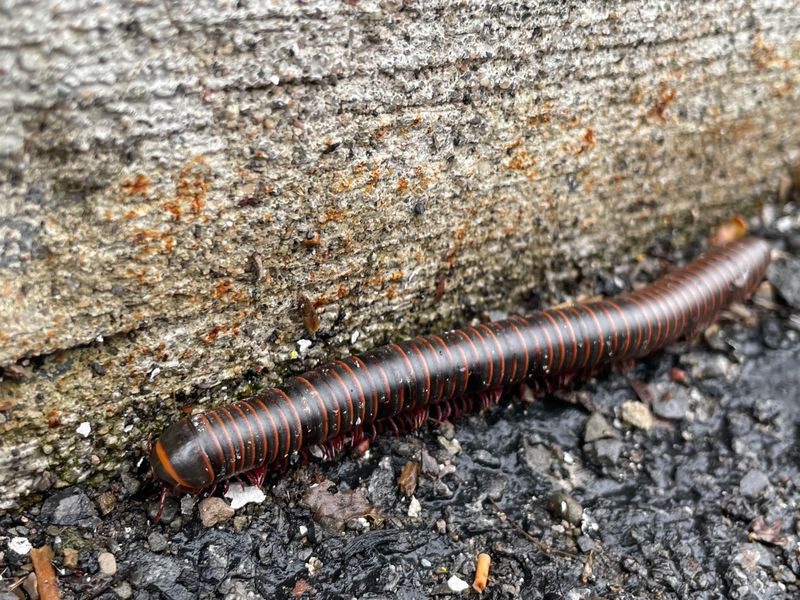
To a millipede, a thick bed of shredded bark is basically a five-star hotel with a buffet downstairs. It stays dark, cool, and damp, which checks every box on their wish list.
Moisture matters most because these creatures dry out easily. Their bodies lose water quickly in open, breezy air, so they crave places where the ground stays soft and humid for several days after a rain.
Mulch also provides shelter from birds, toads, beetles, and other hungry visitors. Tucked a few inches down, a millipede can rest safely while the world above goes on without noticing.
Then there is the food, which is right under their feet. As wood chips and fallen leaves slowly break down, they turn into the soft, crumbly material millipedes love to munch.
Your Ohio Garden Changes Every Week. Your Plan Should Too.
Gardening in Ohio changes quickly throughout the season. Every Friday you’ll receive a simple weekly plan showing exactly what to plant, prune, fertilize, harvest, and protect so you never miss the right timing.
Other hangouts in Ohio yards include compost piles, rotting logs, grass clippings, and the soil under flat stones. Thick lawn thatch close to the house can work the same way, offering both a cozy hiding place and a handy snack bar.
You do not need to rip out every bit of mulch to make a difference. Try keeping layers around two to three inches deep, and rake them now and then so the bottom layer can breathe and dry out a little between rains.
3. Cooler Nights Can Push Them Toward Warmer Surfaces
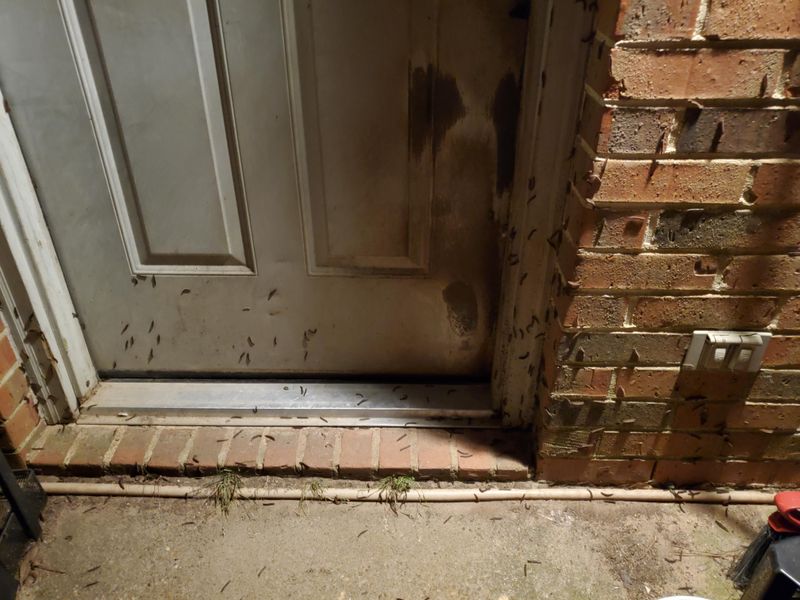
Ever notice how your cat finds the one sunny patch on the floor? Millipedes have a similar knack for sensing where conditions feel steadier and safer when nights turn cold.
In Ohio, fall evenings can drop into the chilly 40s while afternoons still feel pleasant and mild. Those big swings make surface soil less comfortable, so the critters wander toward places that hold heat or moisture more evenly.
Foundations, concrete steps, brick walls, and the edges of driveways soak up warmth during sunny days. After sunset, these spots release that stored heat slowly, which can attract a surprising number of travelers.
Houses themselves can look inviting, too, especially older homes with damp corners. Basements, garages, and crawl spaces often stay cool and damp, which is close to what millipedes want once the outdoors gets unpredictable.
That is why you may find a few curled up near the garage door or along a basement wall in October. Most wander in by accident while following the edge of the building, searching for a sheltered corner.
A quick evening walk with a flashlight, around an hour after dark, can show you where they gather most. Once you know their favorite spots, you can focus your cleanup and sealing efforts there instead of treating the whole yard at once.
4. Rainy Conditions Often Bring Numbers Into View
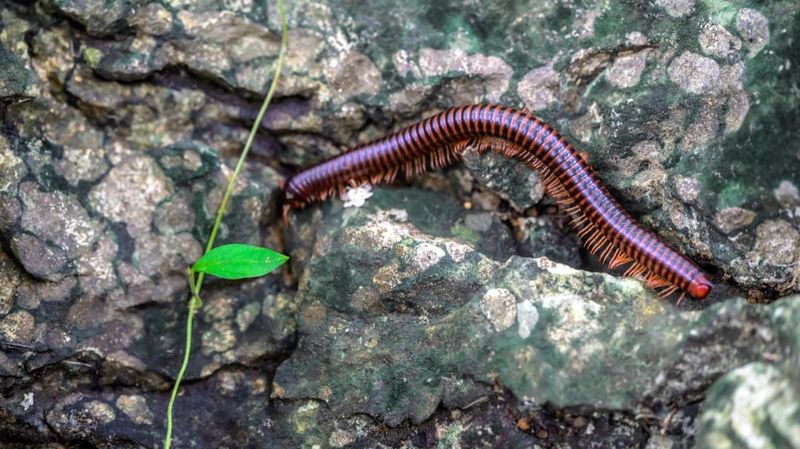
Autumn in Ohio can bring several soaking storms in a single week, and millipedes notice every drop. When the soil fills with water, their underground hideouts turn into tiny, muddy swimming pools.
Nobody enjoys a flooded bedroom, and millipedes are no exception. Waterlogged ground pushes them upward toward the surface, where they look for higher, drier places to wait things out until the soil drains.
That is when the big show starts. You may find them sprawled across sidewalks, driveways, patios, porch steps, and the base of your foundation the morning after a heavy nighttime downpour.
Seeing so many at once can be startling, especially on a quiet morning, but the crowd is mostly a sign of relocation. They were already living in the soil and mulch, and the rain simply pushed them into plain sight for a little while.
Gutters and downspouts play a big role here. If they dump water right next to the house, that soaked strip of ground becomes a launch pad for wandering millipedes heading toward your walls.
After your next big storm, grab boots and walk the yard looking for puddles that linger. Those soggy low spots are good places to improve drainage, add soil, or redirect runoff so the area dries faster and stays less inviting.
5. Their Sudden Appearance Usually Has A Simple Explanation

‘Where did they all come from?’ is probably the most common question Ohio homeowners ask each fall. The honest answer is that they were there all along, just hidden out of sight.
Millipedes spend most of the year tucked under mulch, leaves, stones, and loose soil around your home. You rarely notice them because they stay busy working in the dark, quietly breaking down fallen plant bits all season long.
When conditions shift in autumn, they suddenly have a good reason to move. A change in moisture or temperature sends many of them wandering at the same time, and that group effort can look pretty dramatic on a patio.
Finding them indoors follows the same logic. Millipedes do not choose to live in houses, but they sometimes slip inside when outdoor spots become too wet, too dry, or too chilly for comfort.
Frequent sightings in your home usually point to a healthy population living just outside. Think of it as a helpful clue about conditions in your yard rather than a serious problem inside your walls.
So take a breath before reaching for sprays or calling for backup. A little detective work, like checking mulch depth, leaf piles, and drainage, often solves the mystery faster than any product on a store shelf.
6. Millipedes Mostly Feed On Decaying Plant Material
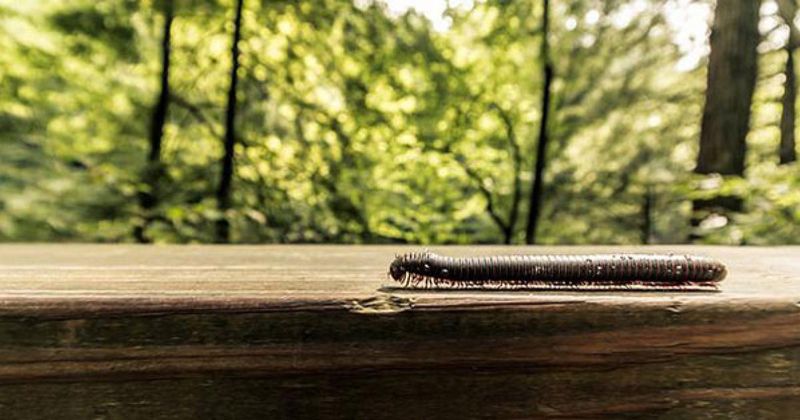
Did you know the word millipede means thousand feet, even though most species have far fewer than that? Those busy legs carry them to their favorite meal: old, soggy, crumbly plant material hidden under leaves.
Scientists call animals like this detritivores, which is a fancy word for nature’s hardworking cleanup crew in the garden. Millipedes chew through fallen leaves, decaying wood, grass clippings, fungi, and even algae.
As they eat, they break big pieces of leaf litter into much smaller ones that fungi and bacteria can finish off. That work helps return nutrients to the soil, giving your trees, shrubs, and flowers a gentle boost over time.
Every now and then, a millipede may nibble something fresher. During dry spells or when rotting material runs low, they might sample soft fruit, tender seedlings, or ripe strawberries resting on damp ground in search of moisture.
The damage is usually minor, but gardeners can take easy steps to protect favorite crops. Try placing straw, a flat board, or a plastic tray under low-hanging fruit, and harvest ripe produce promptly.
Seeing millipedes munching away in your compost or leaf pile is a good thing overall. They are recycling yard waste for free, a job that would otherwise take a lot longer and cost you plenty of sweat.
7. Drying Out Problem Areas Can Reduce Their Activity
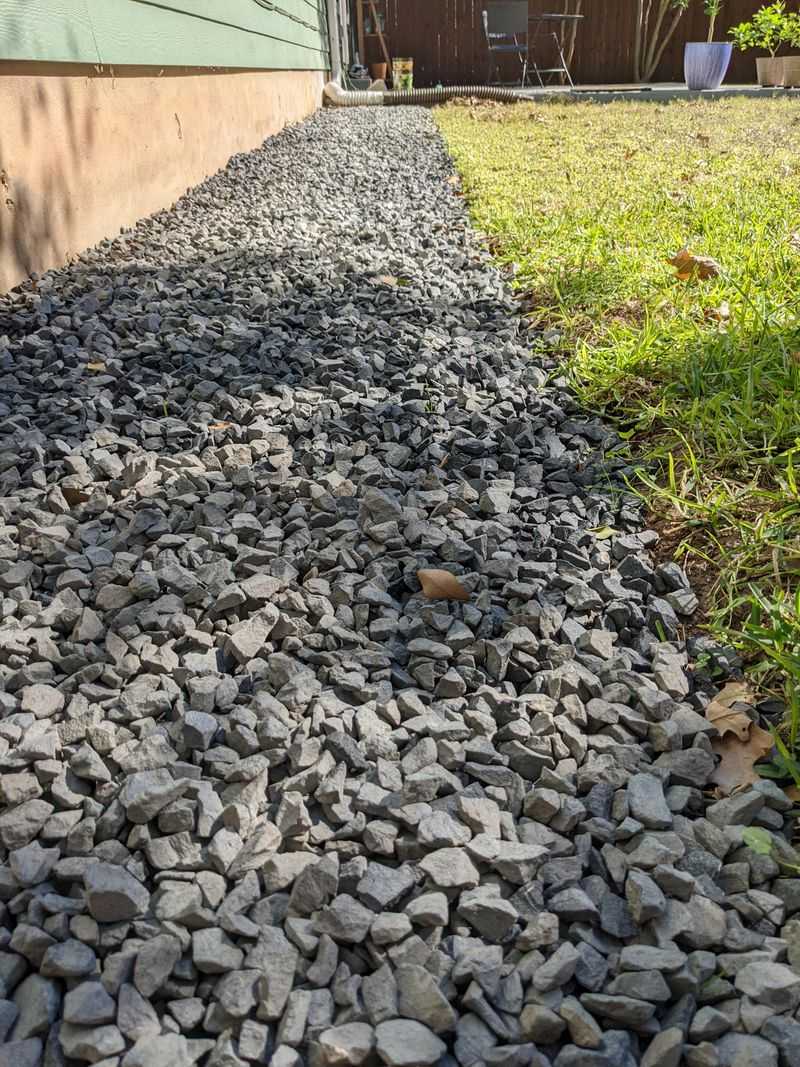
If millipedes had a least favorite word, it would probably be dry. Cutting back on extra moisture and hiding spots around your home is the most effective long-term way to make them pack up and move along.
Start by following the path rainwater takes when it leaves your roof. Point downspouts several feet away from the foundation, clean clogged gutters, and fix leaky outdoor faucets so puddles do not collect near the walls.
Your watering habits matter more than you might think. Sprinkle lawns and flower beds early in the morning so the sun has time to dry the surface before cool evening air settles in.
Next, clear away the clutter that gives them hiding spots. Rake up leaf piles, bag grass clippings, and move compost bins, firewood, and stacked boards well away from the house.
Many Ohio extension experts suggest a mulch-free strip about three feet wide around the foundation. Gravel or stone makes a tidy option there, since it does not hold moisture or feed hungry critters the way wood chips do.
Indoors, a dehumidifier or better airflow through vents can help damp basements and crawl spaces stay drier. Dethatching and mowing the lawn a bit shorter in fall can also make the yard less appealing to them overall.
8. Seal Entry Points If They Reach The House
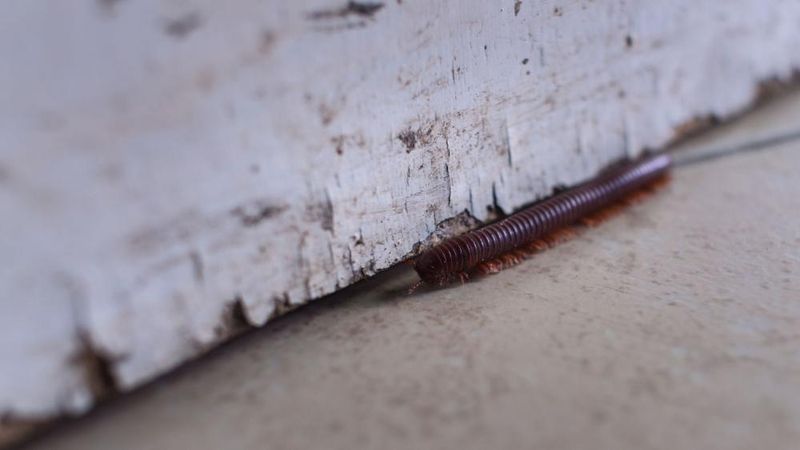
Grab a caulk gun and a flashlight, because this project is part treasure hunt, part home repair. Millipedes can slip through surprisingly small gaps, so the goal is to find and close as many openings as possible before cold weather peaks.
Start at ground level on a dry afternoon and circle the outside of your house slowly. Look for cracks in the foundation, gaps under door thresholds, and loose seals around basement windows and dryer vents.
Caulk works well for thin cracks, while weather stripping and new door sweeps handle the spaces around entry doors. Garage doors deserve extra attention, since a worn bottom seal can leave a wide-open welcome mat.
Weep holes in brick walls can be plugged loosely with steel wool, which blocks critters but still lets trapped moisture escape from behind the bricks. Larger voids may need foam sealant or mortar patching.
Don’t skip the expansion joints where patios and sidewalks meet the foundation. Those narrow seams are easy to overlook, yet they act like tiny highways leading straight to your basement walls.
If a few millipedes still wander inside, relax and grab a broom, dustpan, or vacuum. They usually dry out quickly indoors because most houses lack the steady moisture these creatures need, so a quick sweep is plenty.
9. A Large Fall Swarm Rarely Signals Lawn Damage
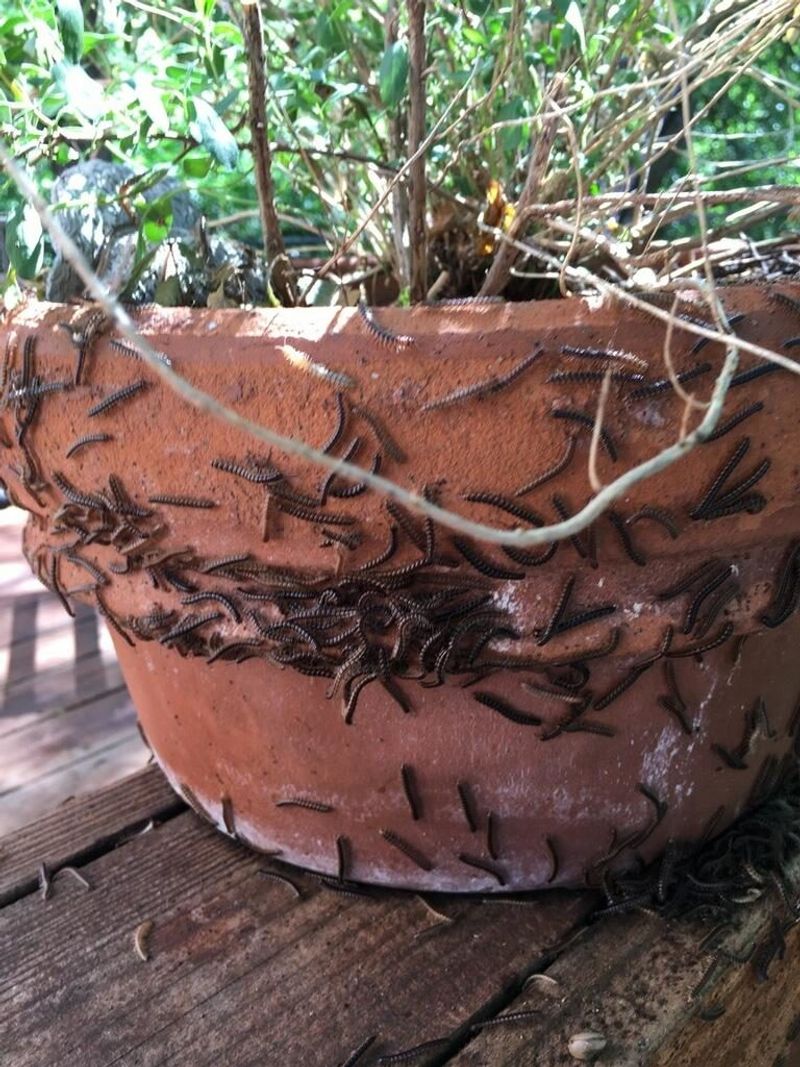
Take a deep breath, Ohio gardeners, because your grass is probably just fine. A big fall swarm of millipedes looks alarming, but it rarely means your lawn is in trouble.
Unlike grubs or armyworms, millipedes do not chew grass roots or blades in any serious way that you would notice. They focus on rotting leaves and thatch, which means they are tidying up rather than tearing down.
They are also harmless to people and pets. Millipedes do not bite or sting, though some give off a smelly, staining fluid when handled roughly, so washing your hands afterward is a smart move.
Your house is safe from them, too, which is a relief for many homeowners. They do not chew wood, wiring, or drywall, and they cause no structural harm, even when a few show up in the garage.
In fact, a busy millipede population can be a sign of healthy soil with plenty of organic matter. They help turn yard debris into nutrients, which feeds the very lawn you were worried about in the first place.
So let the swarm pass and focus on easy fixes like better drainage, thinner mulch, and tidier beds. By the time winter frost settles over Ohio, most of these many-legged neighbors will have tucked themselves away until spring.