Illinois Gardeners Should Order Spring Bulbs Before Varieties Sell Out
There is a particular kind of quiet that settles over an Illinois yard in late summer. The hose sits coiled, the mower gets put away early, and most gardeners figure the season’s work is basically done.
Somewhere across the ocean, though, a different clock has been running since June. Fields have already been picked clean, sorted, and packed into crates bound for warehouses none of us will ever see.
By the time the maples along the Fox River start to turn, a good chunk of what those fields produced has already found a home. It just wasn’t necessarily yours.
There’s still a narrow window left, and it has nothing to do with the weather outside your window right now.
Ordering Early Is The Simple Answer For Illinois Gardeners
Bulb companies sell in summer what gets harvested in Holland that same season, so the list of available cultivars shrinks week by week. Placing an order in July or August is the plain answer for anyone gardening between Rockford and Cairo.
Most catalogs run on a pre-sale system, meaning you reserve stock that has not been graded yet. Payment often waits until the shipment actually leaves the warehouse in September or October.
Growers plant a set number of acres each year based on the previous season’s demand. If a particular tulip became a favorite last April, the supply cannot stretch to match sudden interest.
Illinois shoppers face an extra squeeze because our shipping window sits earlier than most. Retailers group orders by hardiness zone, and zone 5 boxes head out well before the ones bound for Georgia.
Waiting until displays appear at the garden center means shopping from what other people already passed over. Those bins work fine for filler color, though the standout varieties have usually moved on.
A short list written in June saves real money later. You skip rush shipping fees, awkward substitutions, and premium prices on second-choice colors.
Think of it like reserving concert tickets rather than picking up groceries. The seats exist in a fixed number, and the front rows go to whoever acts first.
Set a phone reminder for the first weekend in July and treat it like a real appointment. Twenty minutes with a catalog can shape six full weeks of color next spring.
Inside The Dutch Harvest Schedule That Shapes Supply
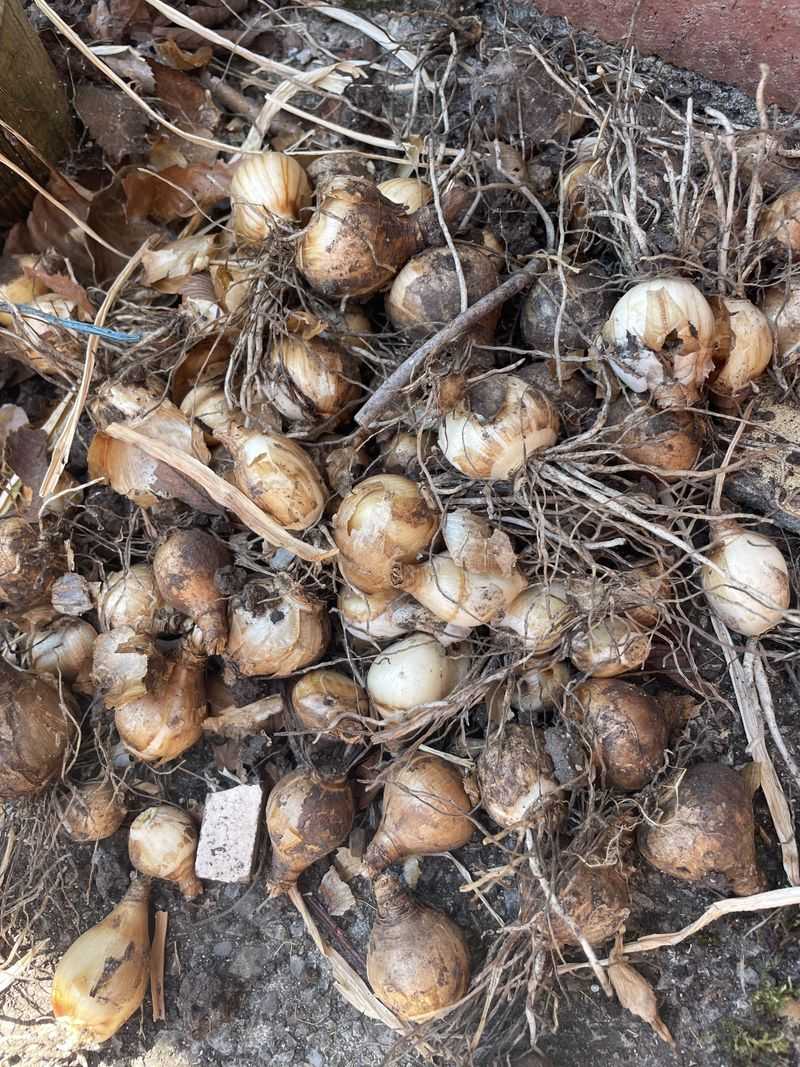
Roughly eight of every ten flower bulbs sold in the United States begin life in sandy fields near the Dutch coast. Those fields set the ceiling on what any American retailer can offer.
Harvest runs from June into July, when machines lift the bulbs and crews move them into drying sheds. Warm air circulates for weeks while the papery skins cure and the flower bud inside finishes forming.
Grading comes next, with bulbs sorted by circumference in centimeters. Top-size tulips of twelve centimeters and up make up a small slice of any harvest, and that slice is exactly what serious gardeners want.
Containers of graded stock reach American warehouses in August. Staff there fill pre-orders first, working through a queue built months earlier.
Your Illinois Garden Changes Every Week. Your Plan Should Too.
Gardening in Illinois changes quickly throughout the season. Every Friday you’ll receive a simple weekly plan showing exactly what to plant, prune, fertilize, harvest, and protect so you never miss the right timing.
A cool, soggy spring in the Netherlands can trim yields by a noticeable margin. Nobody knows the real numbers until lifting begins, and by then the catalogs are already printed.
That gap between printed promise and actual crop explains the substitution notes buried in checkout pages. Companies would rather swap in a similar pink than cancel a whole order.
Early orders sit near the front of that queue and rarely feel shortages. Late orders absorb whatever remains.
Illinois gardeners sometimes assume bulb stock refills like mulch or potting mix. One harvest happens per year, and there is no second batch resting in the back room.
The Ordering Window That Works Best In Zones 5 And 6
Illinois stretches across several hardiness zones, from chilly 5a near the Wisconsin line down to a mild 7a along the Ohio River. That spread shifts shipping dates far more than it shifts ordering dates.
June through early August is the sweet spot for placing an order. Catalogs are freshly stocked then, and the uncommon items still show green availability marks.
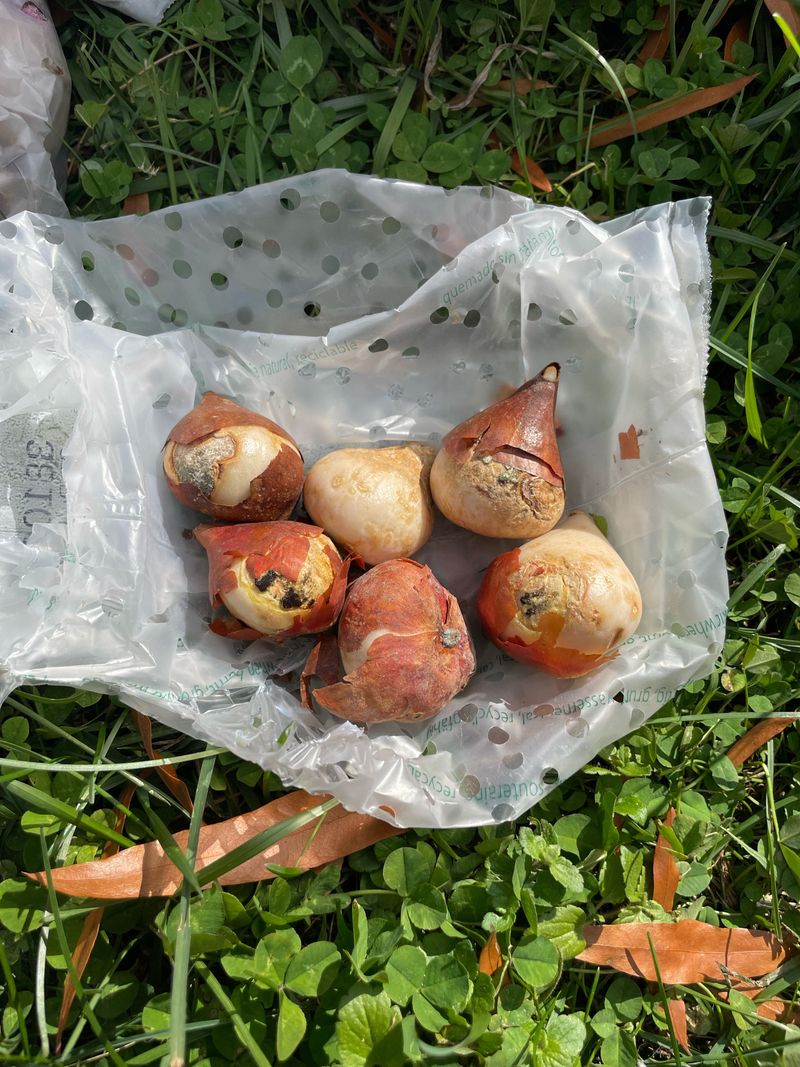
Northern counties usually receive boxes between late September and mid October. Soil up there cools fast once nighttime temperatures settle into the forties.
Central and southern gardeners often see deliveries in October or early November. Warmer ground needs extra patience before roots can settle in properly.
Most suppliers let you request a shipping window at checkout. Use that box, because a carton arriving during a ninety degree stretch helps nobody.
Ordering early does not mean planting early. Bulbs simply wait in your care for a few weeks, which beats staring at a sold out banner.
By mid September, popular daffodils and alliums start showing unavailable tags across the big catalogs. Smaller specialty growers often post their final availability updates before Labor Day.
Keep two separate dates on the calendar, one for ordering and one for planting. Those dates sit months apart, and confusing them costs gardeners their favorites season after season.
A soil thermometer settles the planting question nicely. Fifty five degrees at four inches deep is the classic green light across Illinois.
Specialty Varieties And Collector Favorites Go First
Double peony tulips, the ruffled ones that look like scoops of raspberry sherbet, disappear from catalogs earliest. Their bulbs multiply slowly in the field, so growers simply plant fewer rows of them.
Species tulips such as Tulipa clusiana and bakeri fall into the same category. They return year after year in Illinois clay, which makes gardeners buy them in quantity once they discover that trick.
Fritillaria meleagris, with its checkered nodding bells, tends to sell out by late August. Fritillaria imperialis often goes even sooner because the bulbs take years to reach flowering size.
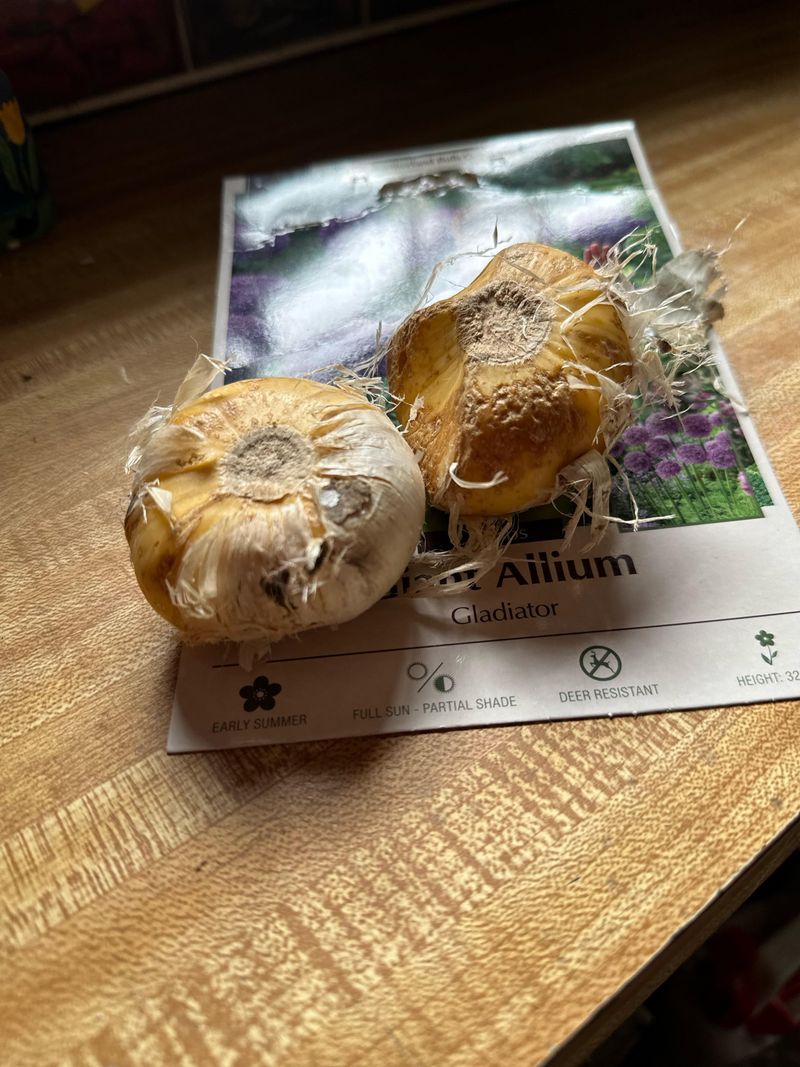
Allium fans know the routine well. Schubertii and Christophii produce those enormous purple globes, and each bulb represents several seasons of patient field growing.
Squirrel-resistant choices create their own rush. Daffodils, camassia, and hyacinths get scooped up by anyone who has watched a fox squirrel excavate a tulip bed in November.
Anything described as new, fragrant, or long blooming attracts extra attention. Marketing works, and limited first-year stock disappears within days of a catalog release.
Bulk mixes and standard red tulips stay available much longer. They are grown by the millions, which is comforting for budget planting but not much help for a collector’s wish list.
Write down three must-have varieties before browsing anything else. Ordering those first, then filling in with common types later, keeps disappointment out of your spring beds.
Mistakes That Leave Illinois Gardeners With Leftovers
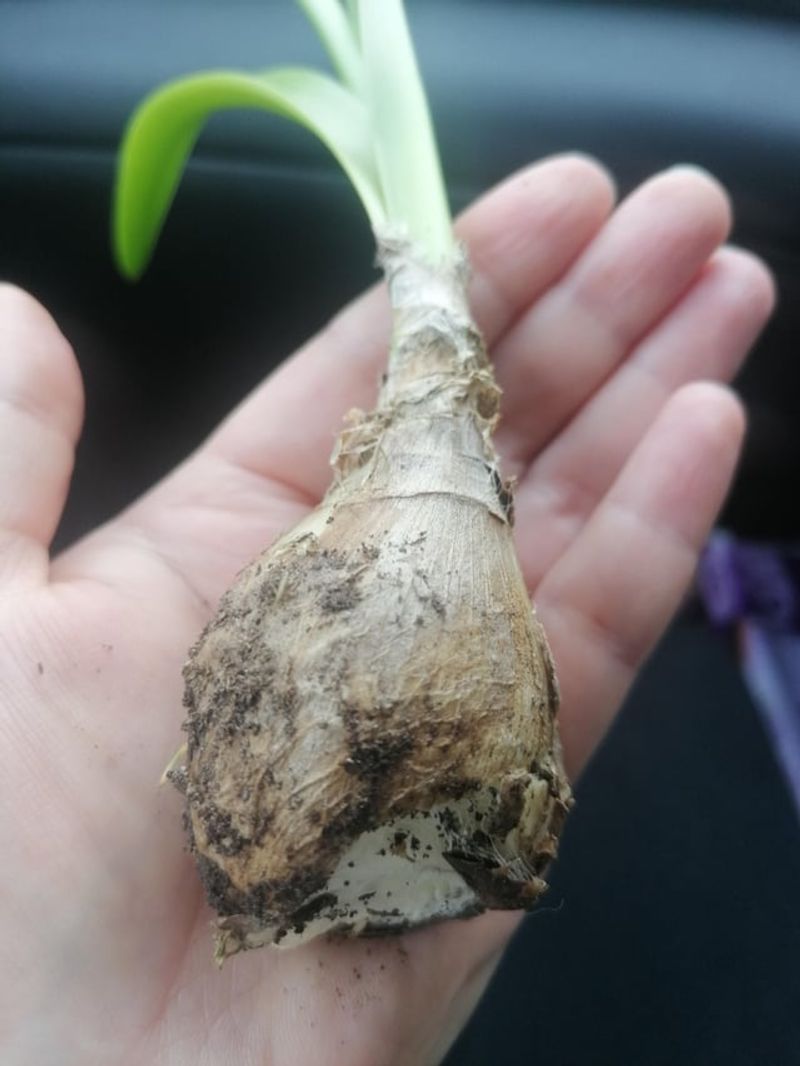
Holding out for a clearance sale ranks as the most common misstep. Discounts do appear in November, though by then the selection resembles a picked-over yard sale.
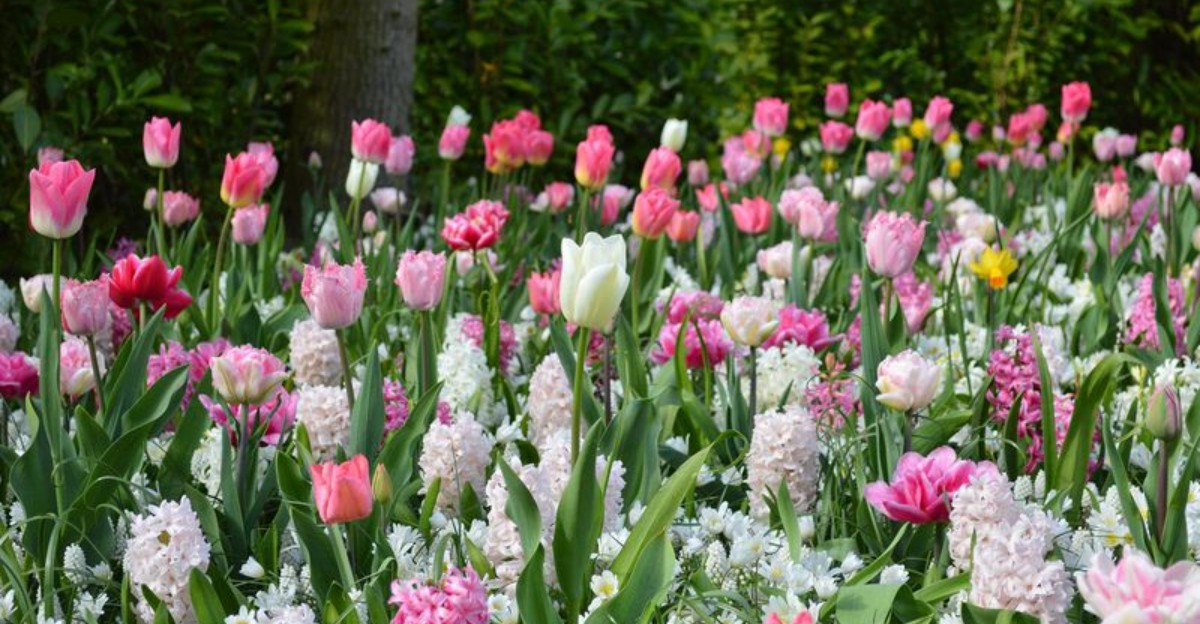
Underestimating quantity causes almost as much regret. A dozen tulips scattered across a wide bed reads as accidental, while fifty planted in a tight drift reads as intentional design.
Skipping the measuring tape leads to guesswork orders. Sketch your bed dimensions first, then plan roughly nine tulips or five daffodils per square foot.
Bloom timing gets overlooked constantly. Buying only late-season varieties means a bare April, so mix early, mid, and late bloomers for two solid months of color.
Bargain listings from unfamiliar sellers can bring undersized bulbs. Small bulbs produce leaves and little else during their first year, which makes the savings feel hollow.
Some gardeners order everything from one catalog out of habit. Splitting an order between two or three reputable suppliers improves your odds of landing every variety on the list.
Forgetting about deer traffic causes trouble in places like Barrington and Edwardsville. Tulips are a favorite browse, and daffodils sitting nearby offer a practical solution.
Failing to note what you planted last year creates duplicate purchases. A simple photo folder on your phone, taken each April, works better than memory.
Treat the order like a grocery run with a list. Wandering the catalog hungry rarely ends well for the budget.
The April Payoff Waiting Under Illinois Soil
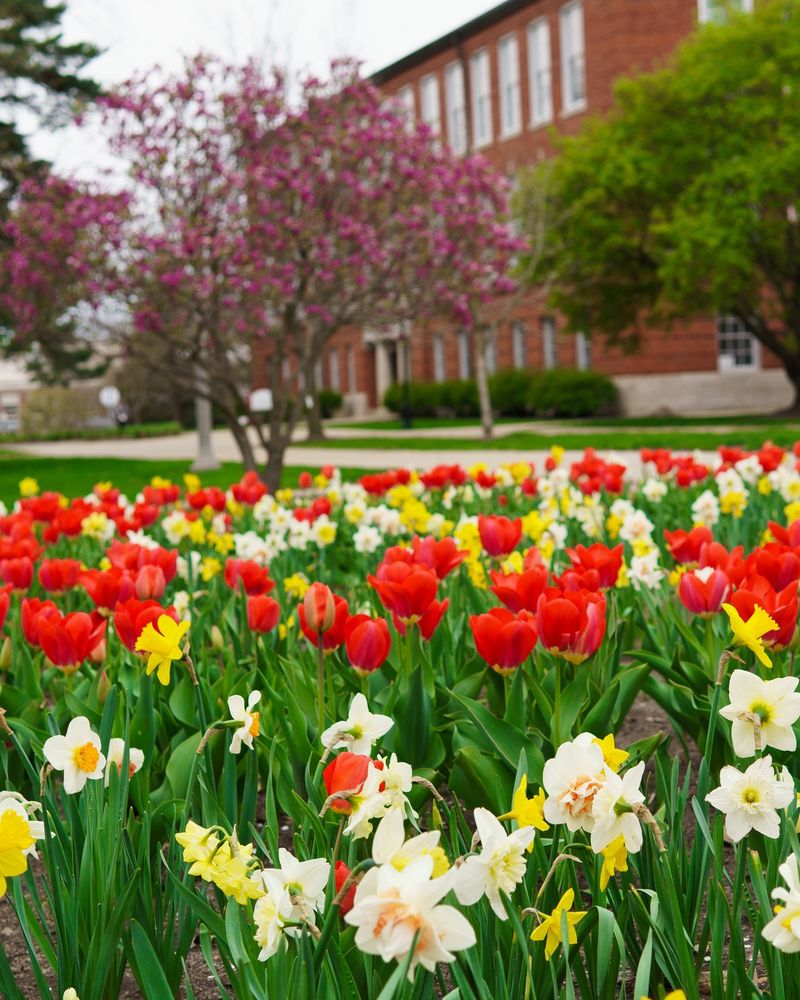
Something quietly satisfying happens in mid April when a neighbor slows their car to look at your parkway. Those blooms trace directly back to a July afternoon and a catalog order.
Planting goes in once soil hits about fifty five degrees, generally mid October up north and early November farther south. Roots grow through the cool weeks ahead while the ground stays workable.
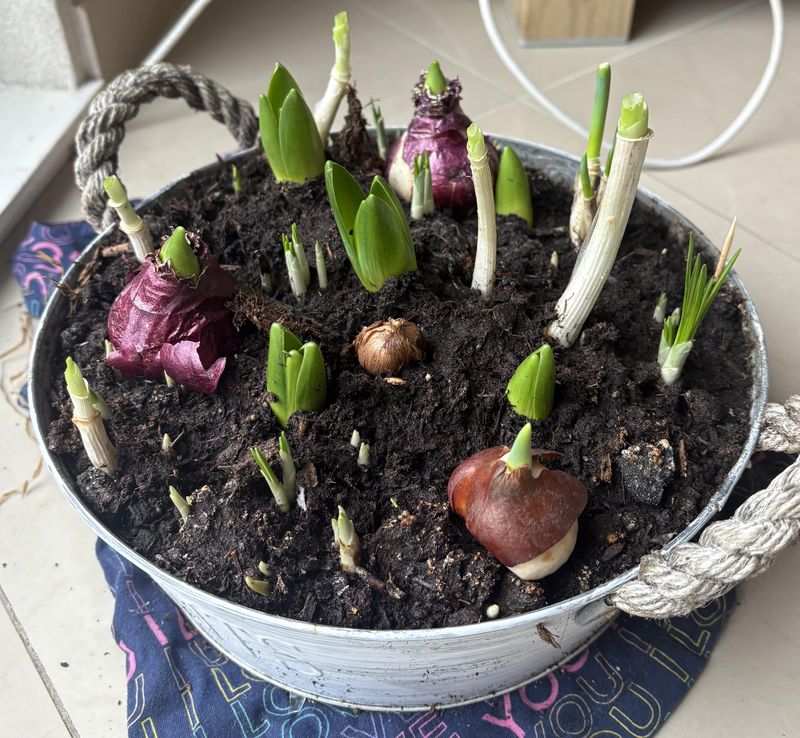
Depth follows a reliable rule of thumb. Set each bulb about three times as deep as its height, pointed end facing the sky.
Layering multiplies the effect in tight spaces. Place large alliums deepest, tulips above them, then crocus near the surface for a bed that performs in stages.
A two inch mulch blanket steadies soil temperature through our freeze and thaw swings. Shredded leaves work as well as anything sold in a bag.
Daffodils and camassia naturalize beautifully in Illinois. Each year the clumps widen, and a hundred bulbs eventually reads like several hundred.
Leave the foliage standing until it yellows on its own. Those leaves recharge the bulb for the following season, which is the whole reason it comes back.
By the time frost pulls the last color from the vegetable garden, the spring show is already spoken for. A little planning in summer turns into six weeks of blooms when Illinois needs them most.
Gardeners who order early tend to repeat the habit. One glorious April convinces them entirely.