Should You Fertilize Florida Bahiagrass Again In September? More Isn’t Always Better
There’s a half-used bag in your garage that would like a word.
You bought it in June. Two-thirds gone, plenty left, and the lawn out front is still green enough to make one more pass seem sensible.
That instinct is where things go sideways.
Here’s the thing about bahiagrass. It got popular in Florida precisely because it asks for less than other turf types, and treating it like a high-maintenance lawn works against the trait you chose it for.
More fertilizer is not a neutral decision this time of year. It has a direction, and the direction is not always the one you want.
Timing matters more than amount, and location matters more than the calendar.
A lawn in Pensacola and a lawn in Homestead are running completely different clocks right now, which means one September answer cannot cover both.
Your grass is already telling you which situation you’re in.
Curious whether that bag should stay closed?
1. Know Your Region Before Feeding Again
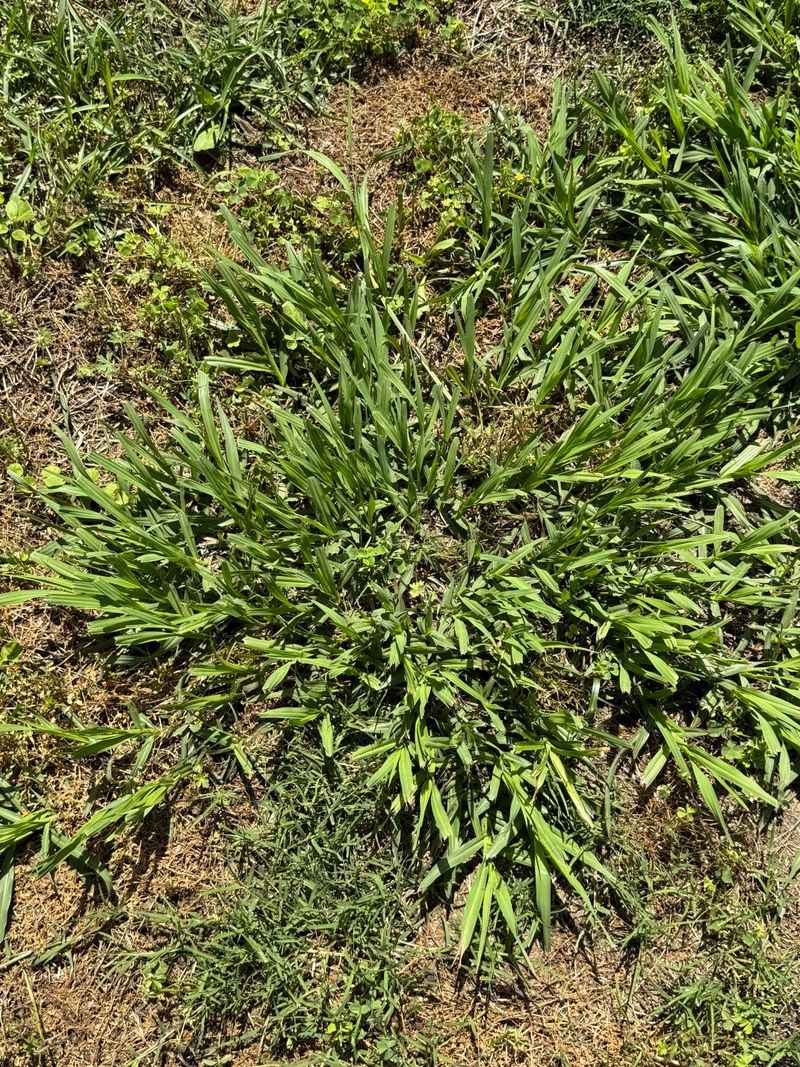
Florida looks like one warm state and does not grow bahiagrass uniformly.
A lawn in Pensacola faces cooler fall nights considerably sooner than one in Orlando, and a Miami yard keeps growing long after both.
That’s why state guidance avoids a single statewide September rule.
North Florida generally has the shortest safe fertilizing window. Central Florida gets somewhat more time, though late season feeding still warrants caution.
South Florida differs meaningfully, since warm temperatures can support active growth much longer, sometimes near year-round depending on local conditions.
Figure out your region before spreading anything.
Check your county extension office, review recent weather, and look at whether the lawn is still producing healthy new blades after mowing.
A calendar date alone cannot tell the whole story here.
Regional timing matters because bahiagrass responds best while actively growing.
Fertilizer applied too late in cooler parts of the state encourages growth without time to harden off. Applied after growth has slowed, it simply produces poor results.
Local fertilizer ordinances add another layer, since many Florida counties and municipalities restrict nitrogen application during defined months.
A smart plan starts with location rather than guesswork, and that one step prevents feeding at the wrong time.
2. Treat September As The Final Window
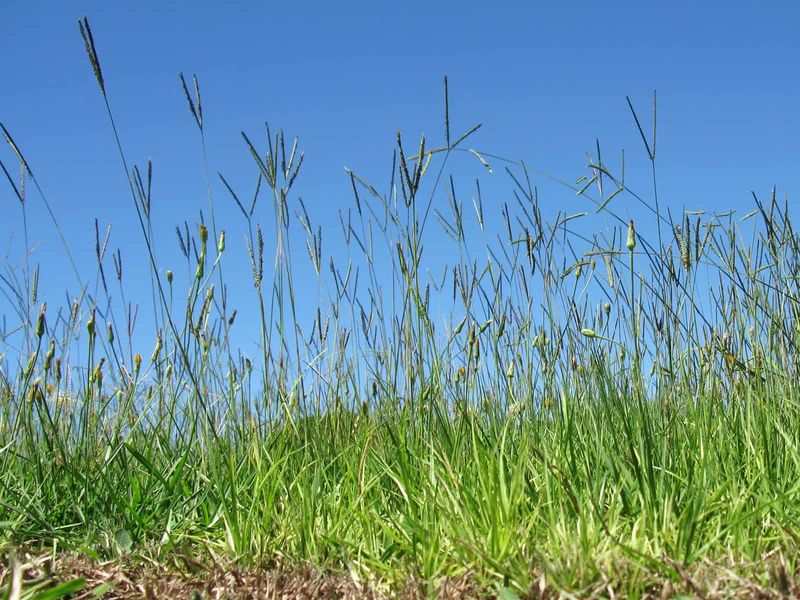
That extra bag tempts anyone into one more pass across the yard.
For many bahiagrass lawns in North and Central Florida, September is best understood as the final reasonable window rather than an open invitation to keep going into fall.
Fertilizing during active growth makes sense. Late applications create the problems.
Think of September as a closing gate.
Early September may still align with active growth in many areas, particularly following summer rains.
Mid to late September is often when homeowners should slow down, look closely at the lawn, and ask whether another application genuinely fits local conditions.
After that point the payoff weakens noticeably.
Day length shortens, nights cool, and bahiagrass naturally begins preparing for slower growth.
Heavy feeding at that stage rarely delivers the thick response people expect.
Your Florida Garden Changes Every Week. Your Plan Should Too.
Gardening in Florida changes quickly throughout the season. Every Friday you’ll receive a simple weekly plan showing exactly what to plant, prune, fertilize, harvest, and protect so you never miss the right timing.
North Florida needs the most caution, since cooler weather arrives earlier there.
Central Florida gets a slightly longer runway without unlimited late feeding.
Rainfall matters too. Applying fertilizer ahead of heavy rain sends nutrients past the root zone and into groundwater rather than into the grass.
Using September as the last window balances lawn needs against seasonal risk sensibly.
3. Skip Nitrogen If Growth Has Slowed
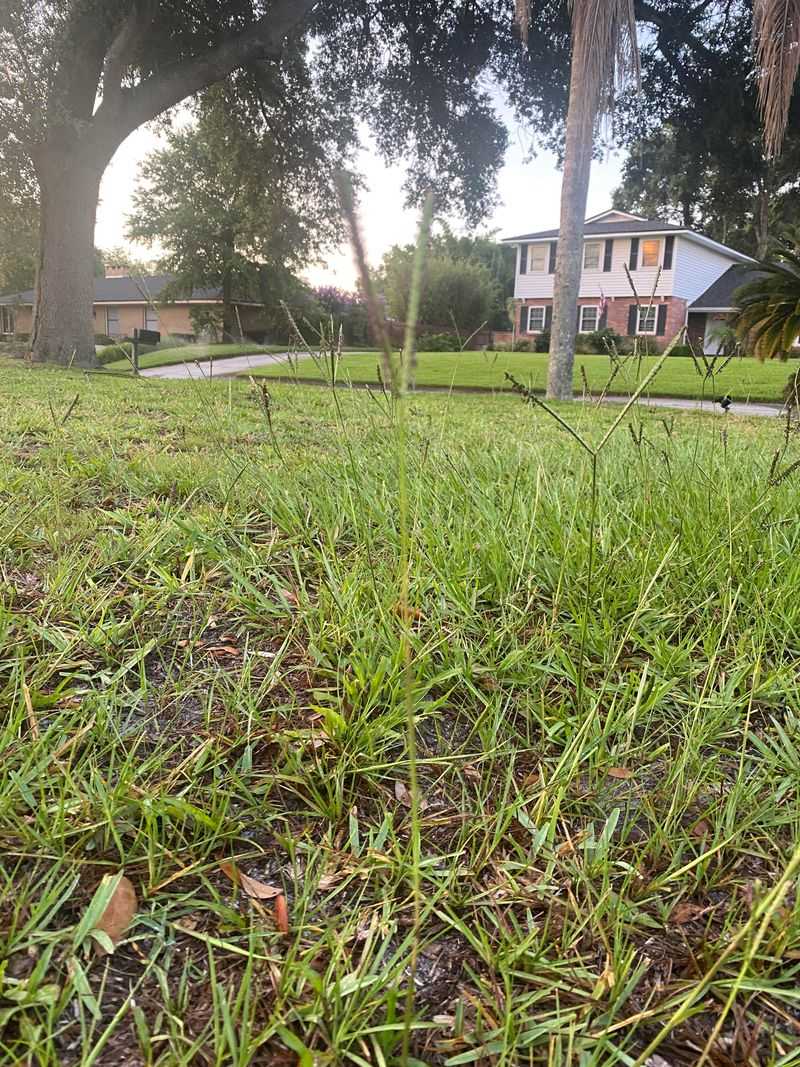
The lawn often tells the story better than the calendar does.
Bahiagrass that isn’t growing much anymore rarely benefits from another shot of nitrogen the way it did in July.
The key question stays simple. Is the grass still actively growing, or easing into a slower pace?
Look for clues after mowing.
Fast-growing bahiagrass needs regular cutting, produces noticeable clippings, and pushes fresh green blades fairly quickly.
A lawn staying nearly the same height for days, showing less new growth, or looking duller after cool nights is signaling that it doesn’t need more.
Color alone misleads people constantly.
Bahiagrass simply isn’t meant to look as dark green as St. Augustine or zoysia, so chasing a richer shade with fertilizer leads directly to overfeeding.
Growth rate matters far more than color.
Recovery speed offers another clue. Active bahiagrass bounces back from mowing and foot traffic readily, while slowed growth means extra nitrogen sits largely unused.
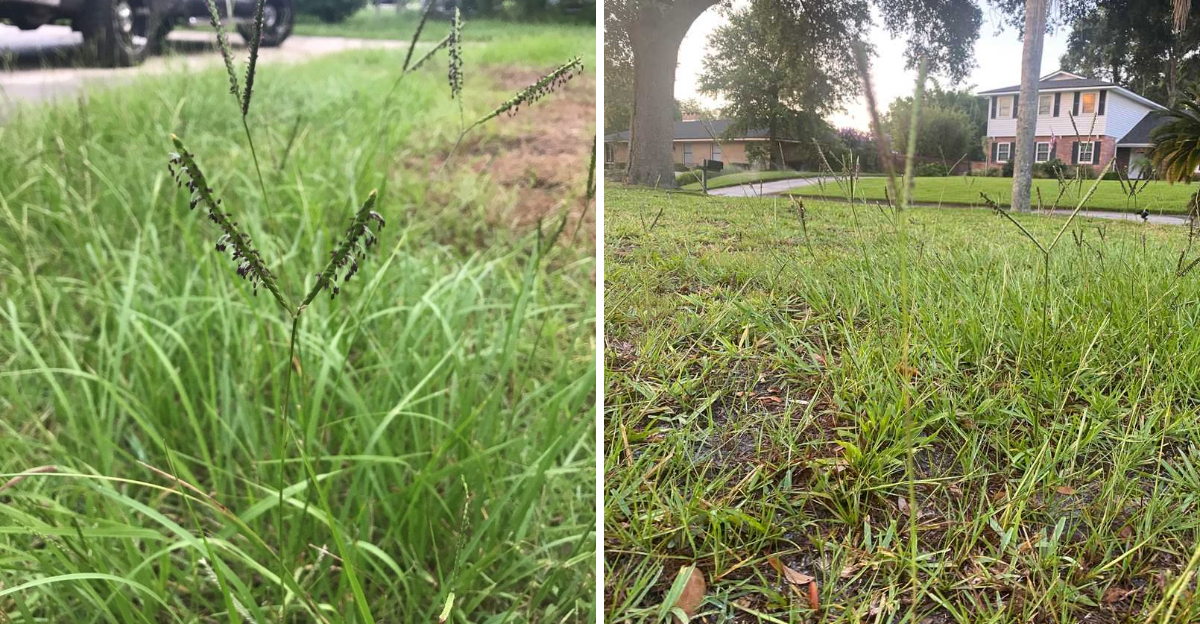
Seedhead production is worth noting too, since bahiagrass sends up those tall V-shaped stalks whether you fertilize or not.
Fewer clippings and longer gaps between mowings mean holding off, which saves money and spares the lawn a feeding it cannot use.
4. Avoid Pushing Tender Growth Into Frost
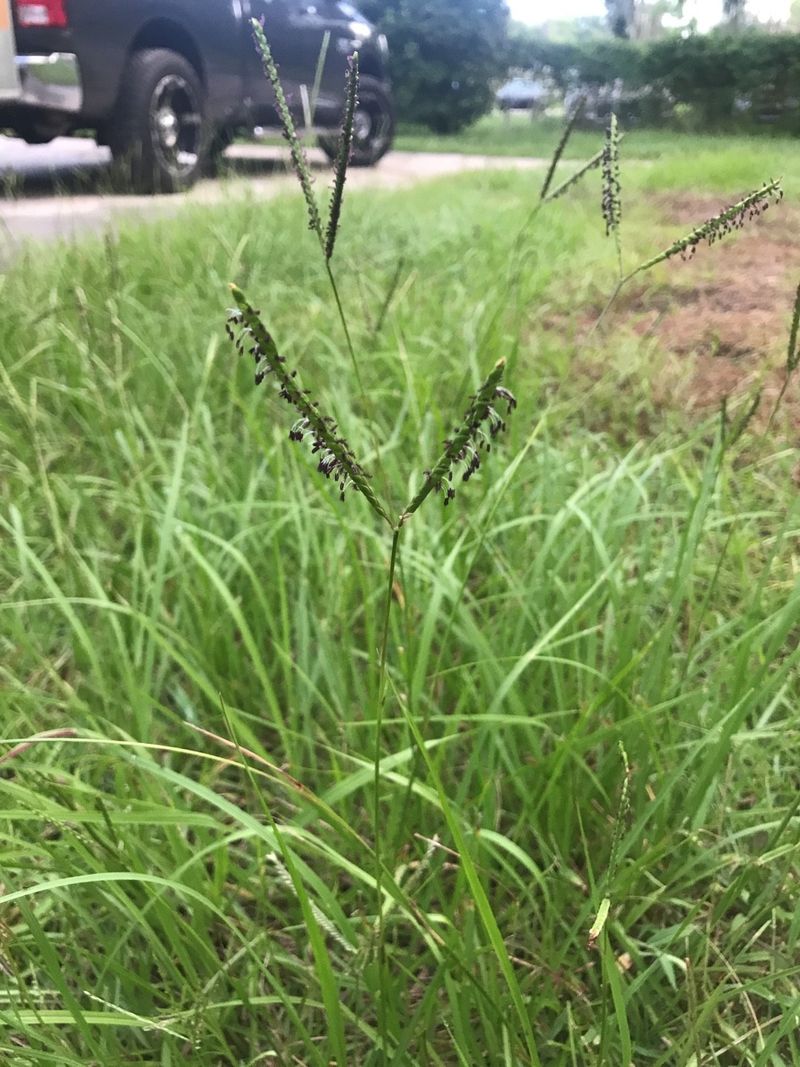
Fresh growth looks like success initially, which is exactly why late fertilizing fools so many people.
New blades appear, the lawn greens slightly, and everything seems fine until the first cold snap.
In North Florida particularly, that tender growth may not be ready, and the lawn ends up stressed rather than strengthened.
Nitrogen encourages soft active growth by design.
When that push happens close to the first frost, the grass has less time to harden off before cold weather arrives.
The comparison to sending someone outside underdressed holds reasonably well. Growth is alive and active without being prepared for rough conditions.
Frost damage to tender blades leaves the lawn looking uneven and weaker heading into winter.
Homeowners often assume one light feeding cannot hurt, and timing matters as much as product choice.
Even a modest amount applied too late shifts the lawn into a growth spurt at the wrong moment.
Risk runs highest where fall temperatures change quickly, which describes North Florida more than the peninsula.
Bahiagrass goes dormant and browns during cool weather anyway, so that color change is normal rather than a problem fertilizer should address.
Letting it slow naturally preserves the toughness that made it worth planting.
5. Save Your Money Once Dormancy Nears
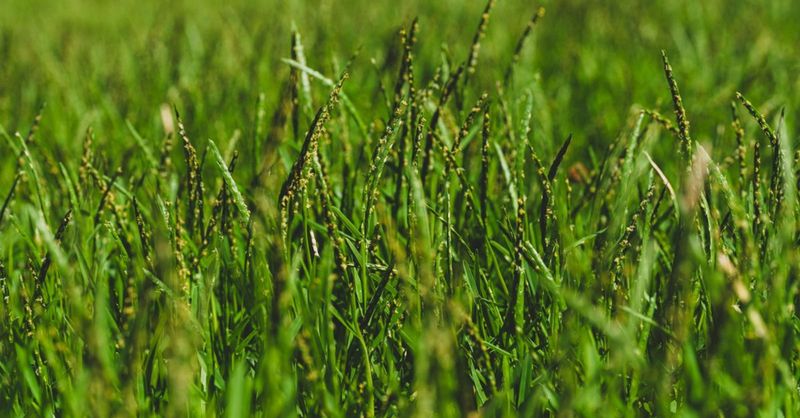
Paying for lawn food the grass cannot use stings in a specific way.
As bahiagrass moves toward dormancy or semi-dormancy, the return on extra fertilizer drops off considerably.
The lawn is slowing down deliberately, so adding nutrients delivers less than homeowners expect.
Bahiagrass is known for being relatively low input compared with fussier turf types, and that’s precisely why many Florida homeowners choose it.
Piling on another late application works against that advantage, adding cost without meaningful improvement.
When growth slows, roots and blades take up nutrients less actively than they did in summer.
Some of that fertilizer sits unused during the exact period you hoped to see results.
Environmental cost matters too. Unused nitrogen leaches through sandy Florida soils toward groundwater, which is why the state pays attention to application timing at all.
Maintenance is another consideration. A late feeding creating uneven growth adds mowing at a time when yard work should be easing off.
Money held back now funds a better-timed spring application, a soil test, or a mower tune-up.
Good lawn care isn’t about doing the most. It’s about getting useful results from each step.
6. Check South Florida Rules Separately
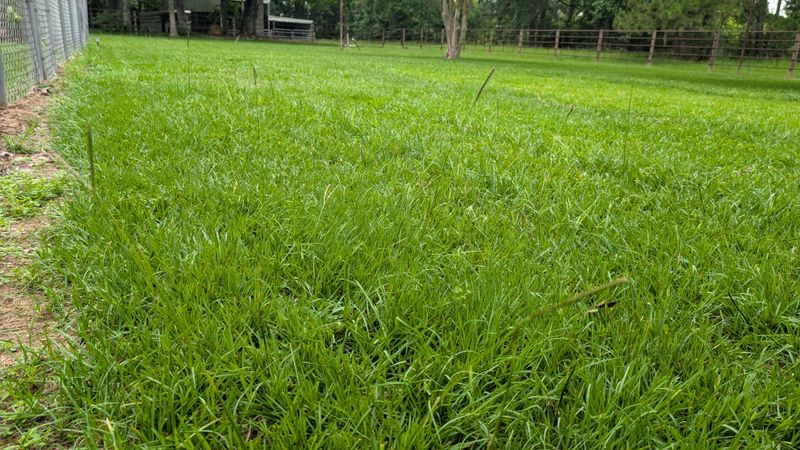
South Florida operates on different terms, and that matters considerably for September decisions.
While North and Central Florida often treat September as the end of practical feeding, South Florida frequently has enough warmth for bahiagrass to keep growing later.
That doesn’t mean endless fertilizer works. It means the schedule deserves separate judgment.
Temperatures stay warmer longer in the southern part of the state, frost is uncommon, and active growth may continue well past the point where northern lawns have slowed.
A blanket statement about never fertilizing after September would be too broad for those conditions.
Even there, growth matters more than habit.
Watch mowing frequency, color, and recovery after traffic before deciding.
A truly active lawn with supportive local guidance may take a later application better than a Gainesville lawn would.
Local ordinances deserve specific attention here. Several South Florida counties and municipalities prohibit nitrogen and phosphorus application during the summer rainy season, and those rules carry penalties.
Checking current local rules before spreading is the practical first step, not the last.
Copying advice meant for another part of the state is the common mistake.
Bahiagrass responds to actual weather rather than assumptions, so local Extension recommendations settle the question best.
7. Test Soil Before Adding More
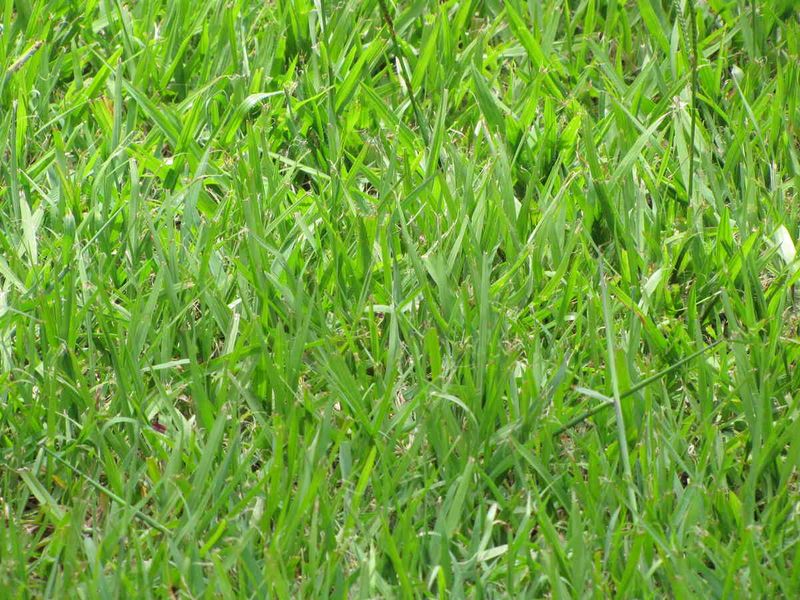
Before adding fertilizer, ask a better question. Does the soil actually need it?
A soil test removes guesswork, and guessing is how most lawns get overfed.
Rather than treating every pale patch as hunger, you learn which nutrients run low, which sit at adequate levels, and whether more would help at all.
Bahiagrass often grows in sandy Florida soils, which doesn’t mean every lawn needs another September round.
Weak color and thin growth also come from mowing too low, compaction, drought stress, insects, and plain seasonal slowdown.
Fertilizer addresses none of those.
Mole crickets deserve specific mention, since they damage bahiagrass roots and produce thinning that looks exactly like a nutrient problem.
A soil test gives you a clearer plan, and county Extension offices handle residential samples while explaining results in plain terms.
That cost runs well below repeated fertilizer applications that miss the actual issue.
Phosphorus decisions especially benefit from testing, since Florida soils frequently hold adequate phosphorus and adding more creates environmental problems without improving turf.
Iron sometimes produces better color response than nitrogen on bahiagrass, which is worth knowing if appearance is the goal.
Combining local timing guidance with real soil information beats feeding because a bag happens to be sitting in the garage.
8. What To Do Instead This Month
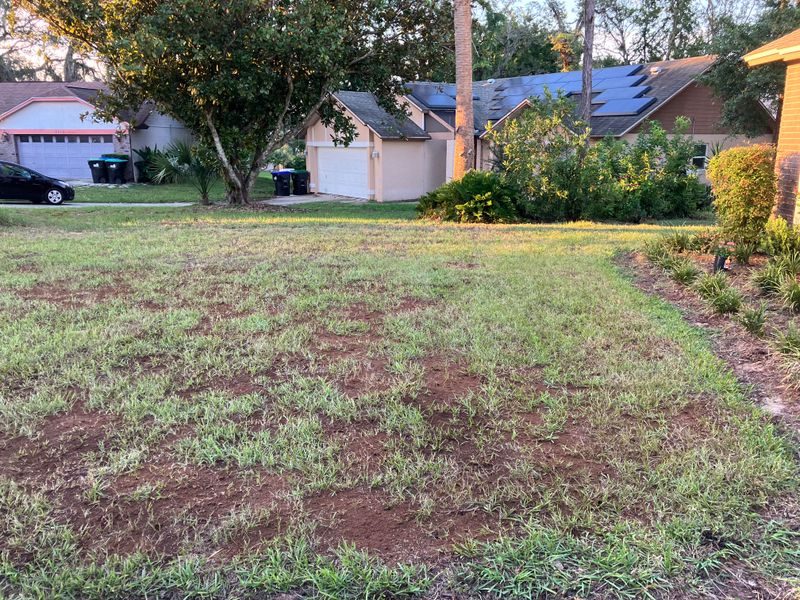
Skipping the fertilizer leaves your September open for work that genuinely helps.
Mowing height is the first thing worth checking. Bahiagrass generally does best at three to four inches, and cutting lower weakens the root system that carries the lawn through winter.
Sharp blades matter as much as height, since dull mowers tear grass and leave frayed brown tips.
Irrigation deserves review too. Cooler weather and fall rain mean the lawn needs less water than it did in August, and timers running summer schedules waste both water and money.
Rain sensors fail regularly, which is a common reason systems keep watering through a downpour.
Weed control fits this window well. Cool season annuals like annual bluegrass and chickweed germinate as soil temperatures drop, so pre-emergent timing lands in early fall.
Compaction is worth testing with a screwdriver in moist soil. Real resistance means roots and water are both struggling.
Bare spots can still fill in early in the month, since bahiagrass spreads by seed and stolons given warmth.
Notes on which areas struggled this year guide next spring’s plan better than memory will.
Sometimes the most productive lawn decision is closing the garage door and picking up a different tool.
9. Read The Label Before The Spreader
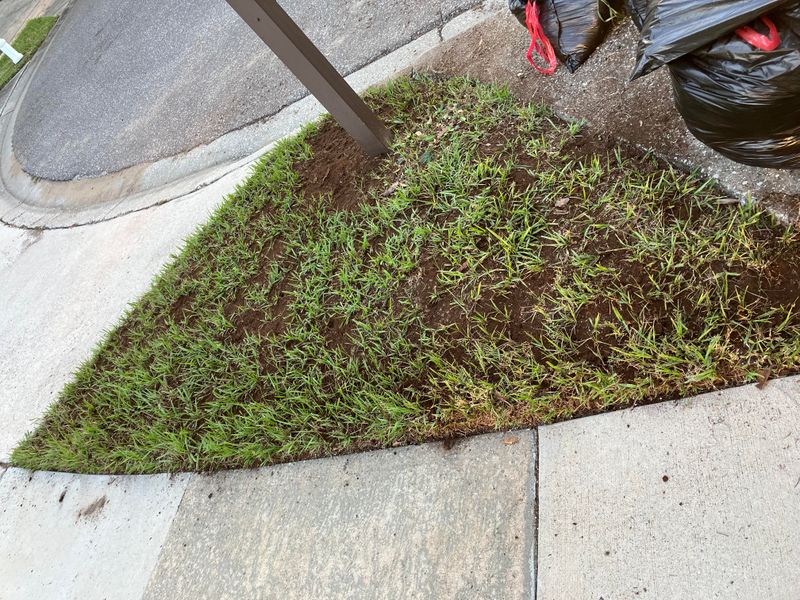
If you do decide the lawn is still growing enough to feed, the bag itself deserves a closer look.
Those three numbers on the front tell you nitrogen, phosphorus, and potassium in that order.
A high first number suits summer green-up and works against you in late season. Something lower in nitrogen with meaningful potassium fits September better.
Release rate matters as much as the ratio.
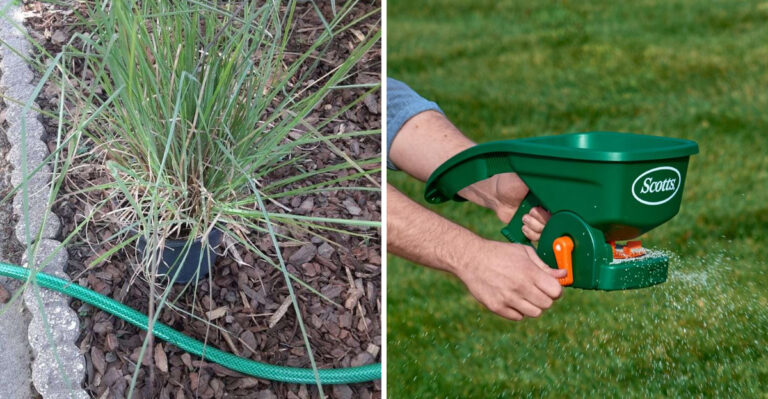
Slow-release or controlled-release nitrogen feeds gradually rather than delivering everything at once, which reduces both leaching through sandy soil and the risk of a sudden growth flush.
Check the label for what percentage of the nitrogen is slow-release. Higher is generally better in Florida.
Application rate is the number people ignore most often.
Bahiagrass needs considerably less nitrogen than St. Augustine, and rates on a general-purpose bag may be calibrated for thirstier grasses.
Doubling the rate does not double the benefit. It mostly doubles the runoff.
Spreader calibration is worth ten minutes. Most homeowner spreaders deliver more than the setting suggests, and measuring a known area beats estimating.
Water lightly after applying granular products to move nutrients toward the root zone.
Sweep any product off driveways and sidewalks rather than hosing it down, since that path leads straight to storm drains.
Keeping the bag sealed and dry means it stays usable next spring, when the timing actually favors you.