What Georgia Zinnias And Coneflowers Need To Keep Blooming Through The Heat
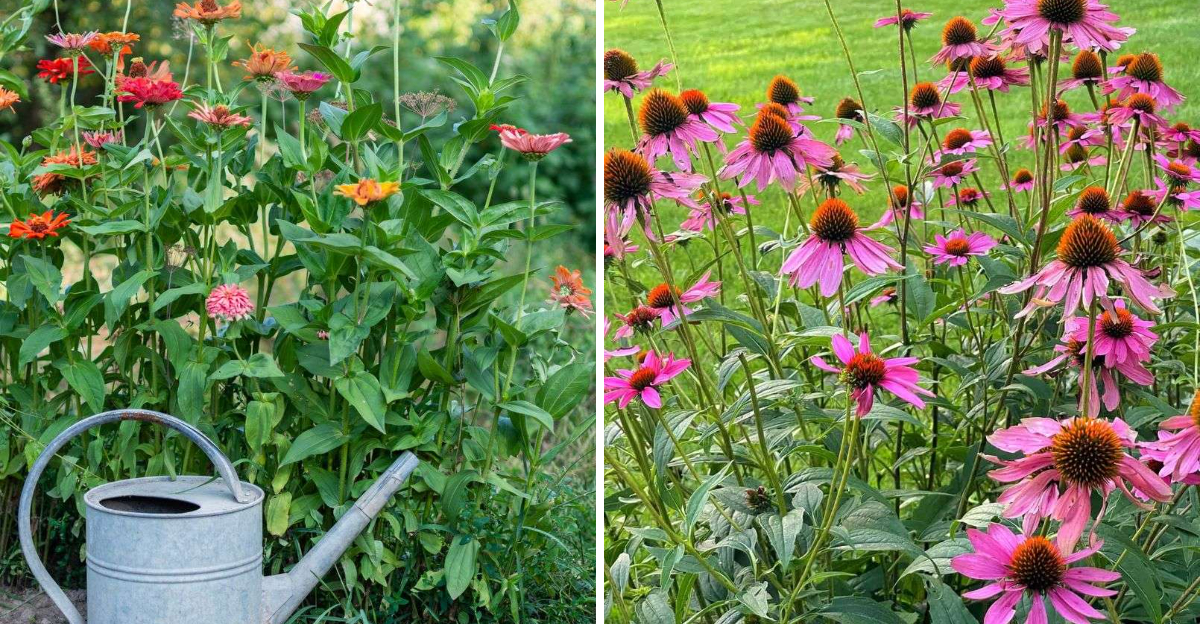
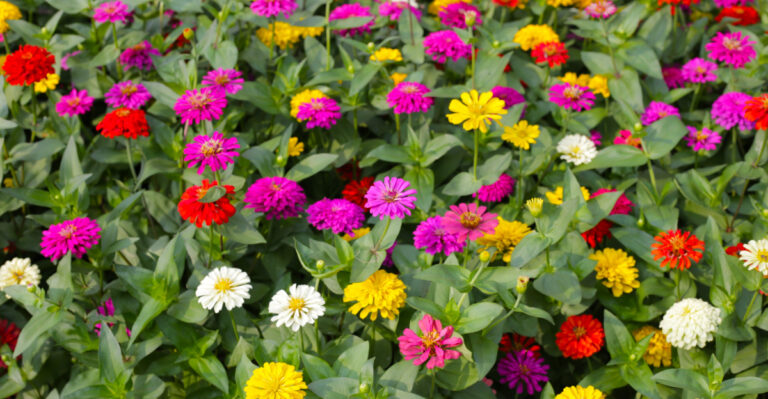
Zinnias and coneflowers are two of the most reliable summer bloomers a Georgia gardener can grow, but keeping both of them happy through the same brutal stretch of heat, humidity, and unpredictable rainfall is a little more nuanced than most people expect.
These are not identical plants with identical needs, and treating them that way is where a lot of summer garden frustration comes from.
Zinnias generally want more consistent moisture to keep performing well, while established coneflowers can push through drier stretches without missing much of a beat.
Georgia’s intense summer sun and the feast or famine rainfall patterns that show up between June and August mean that paying attention to what each plant is actually telling you matters more than following a rigid watering schedule.
Get that balance right and both can keep flowering strong well into the season.
1. Full Sun Keeps Flowers Coming
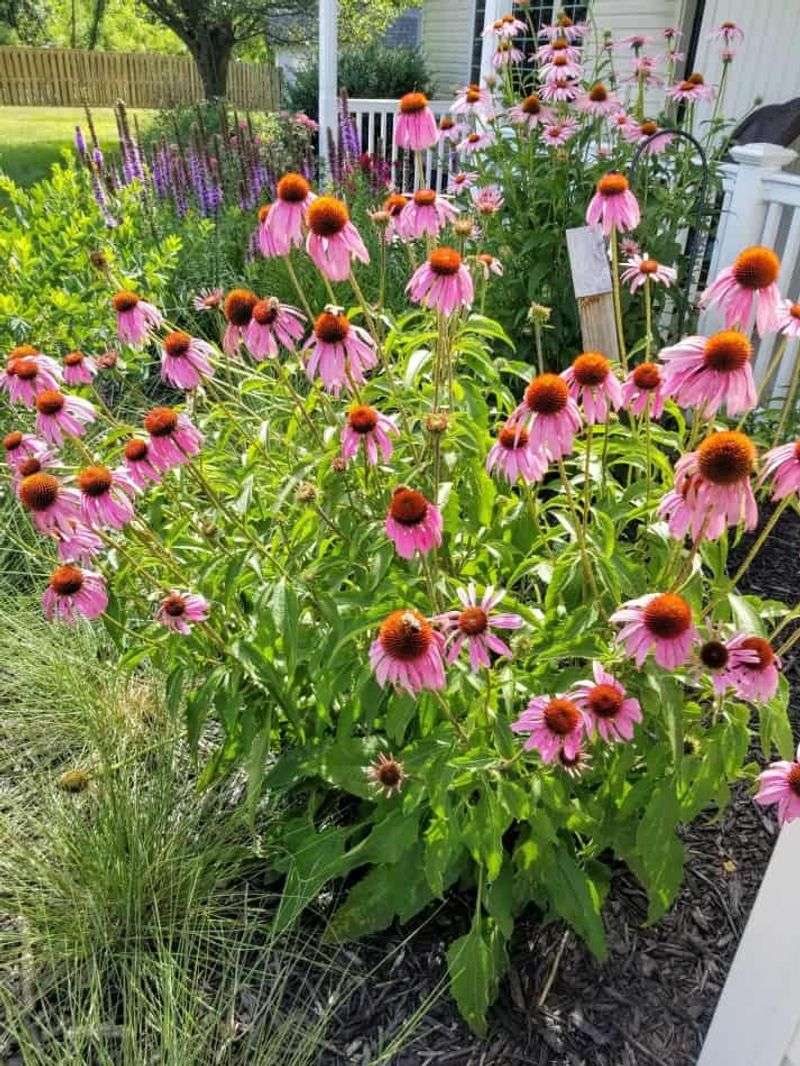
Sunlight is the engine that drives flower production in both zinnias and coneflowers, and Georgia delivers plenty of it from late spring through early fall. Zinnias are especially well suited to sunny, open locations where they can soak up warmth and light all day long.
Shading them out – even partially – often leads to fewer blooms, leggier stems, and plants that simply look tired by midsummer.
Coneflowers are also strong performers in full sun, though they show a bit more flexibility than zinnias.
In Georgia’s more intense afternoon heat, coneflowers can manage reasonably well with some light afternoon shade without losing too much flower production.
Zinnias, by comparison, tend to slow down noticeably when sunlight drops below what they prefer.
Gardeners who notice either plant producing fewer blooms mid-season should take a look at whether nearby trees, fences, or structures have begun casting more shade as the season progresses.
Sunlight patterns shift throughout the summer, and a spot that seemed sunny in May may look quite different by August.
Choosing a location that receives at least six hours of direct sun is a reasonable starting point for both plants, though zinnias generally reward gardeners more when sunlight is generous and uninterrupted for most of the day.
Matching each plant to the right location from the start saves a lot of adjustment later in the season.
2. Deep Watering Eases Summer Stress
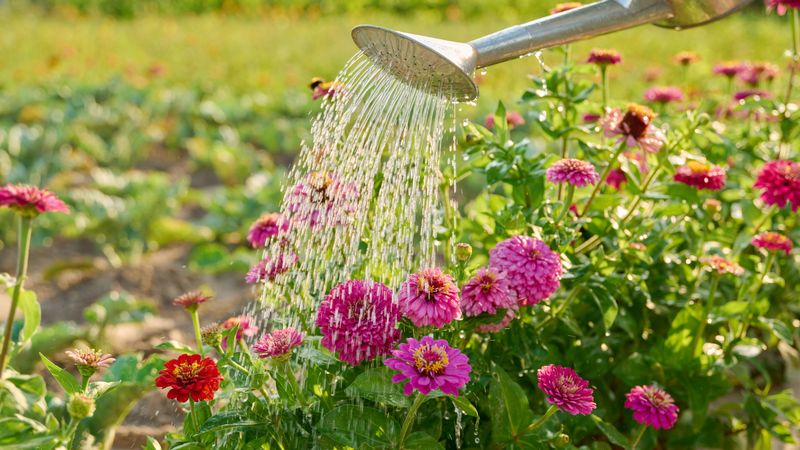
Shallow, frequent sprinkling during Georgia’s hottest weeks often does more harm than good. Water that barely penetrates the soil surface evaporates quickly and encourages roots to stay near the top where they are most vulnerable to heat and drought stress.
Thorough, less frequent watering encourages roots to grow deeper into the soil where conditions stay more stable.
Zinnias and coneflowers have noticeably different thresholds when it comes to moisture needs. Zinnias are actively growing and flowering through summer and generally benefit from consistent soil moisture during that period.
Letting zinnia beds dry out severely during hot spells can slow flower production and stress the plants more than necessary.
Established coneflowers, on the other hand, are considerably more drought-tolerant and do not need the same level of consistent irrigation once their root systems are settled in.
Your Georgia Garden Changes Every Week. Your Plan Should Too.
Gardening in Georgia changes quickly throughout the season. Every Friday you’ll receive a simple weekly plan showing exactly what to plant, prune, fertilize, harvest, and protect so you never miss the right timing.
Rainfall in Georgia can be uneven, with some weeks bringing heavy afternoon storms and others staying dry for extended stretches. Checking soil moisture before watering rather than following a fixed schedule is a smarter approach for both plants.
Pushing a finger or a small tool a few inches into the soil near the root zone gives a much clearer picture of actual moisture conditions than a calendar ever could.
Soil type also matters – sandy soils drain faster and may need more frequent attention, while heavier clay soils hold moisture longer and can lead to overwatering if irrigation is not adjusted accordingly.
3. Deadheading Brings More Blooms
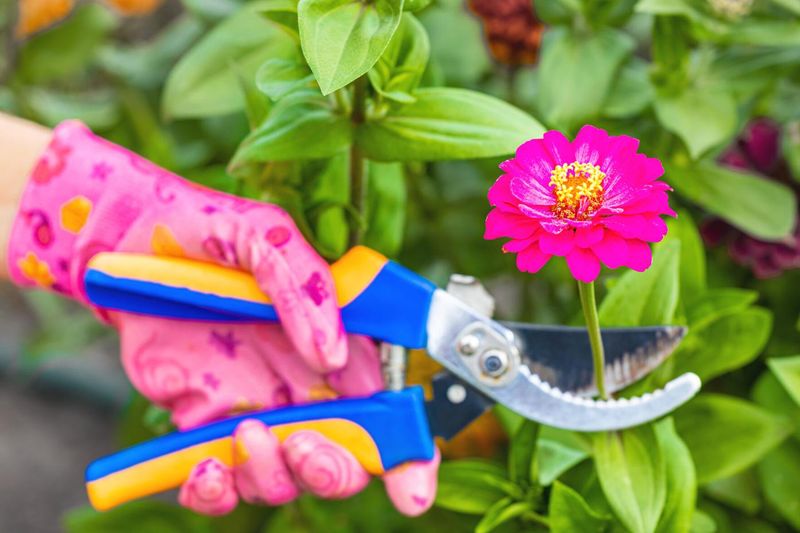
Fading zinnia blooms left on the plant send a signal that the flowering cycle is wrapping up. Removing those spent flowers before they fully mature into seed heads redirects the plant’s energy toward producing new buds rather than completing seed development.
For zinnias, regular deadheading through the season can meaningfully extend the period during which the plant continues pushing out fresh flowers.
Coneflowers respond to deadheading a bit differently. Removing spent coneflower blooms can encourage side shoots and some additional flowering, particularly earlier in the season.
As summer moves toward fall in Georgia, however, coneflowers naturally begin to slow their bloom production regardless of deadheading.
Gardeners who want to support local birds and wildlife may also choose to leave some mature coneflower seed heads standing, since the seeds attract goldfinches and other small birds as the season winds down.
The technique matters as much as the timing. For zinnias, cutting the stem back to a set of healthy leaves or a side bud – rather than just snapping off the flower head – encourages a tidier, more productive plant.
Coneflowers can be cut back to a lateral bud or a healthy leaf node when removing finished blooms.
Neither plant will produce flowers nonstop no matter how diligently spent blooms are removed, but consistent deadheading through the peak of Georgia’s summer season gives both plants a better chance of continuing to flower productively into the later months.
4. Good Drainage Protects The Roots
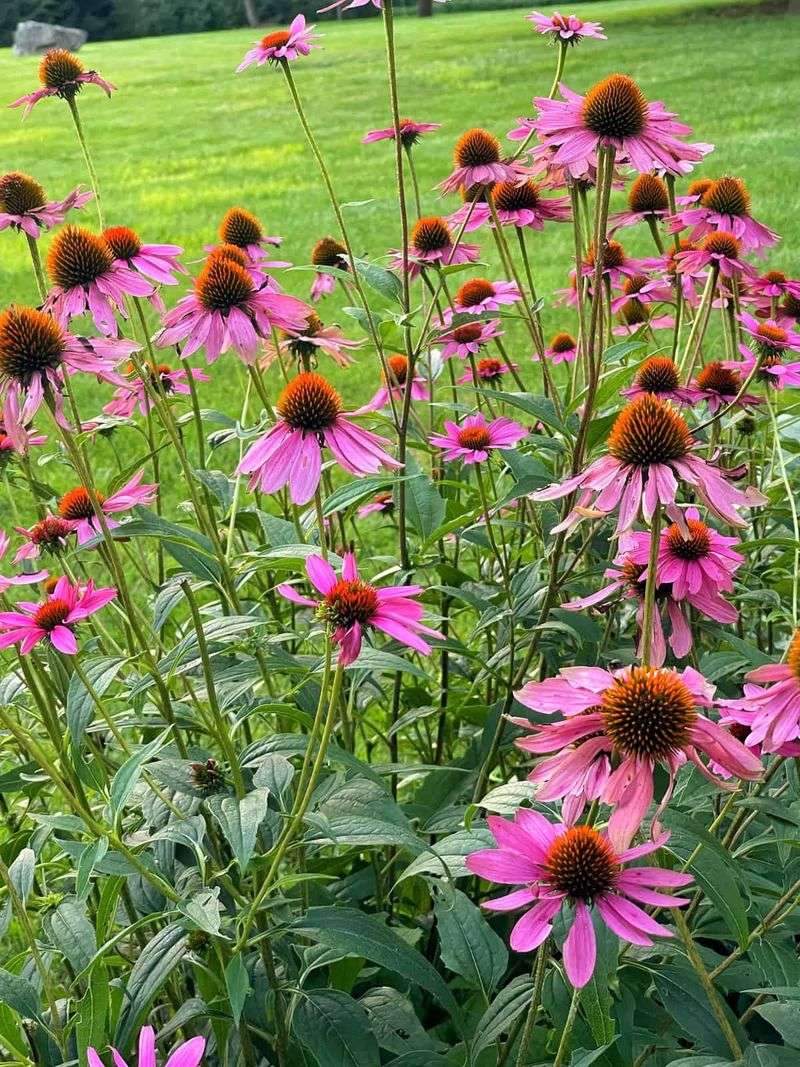
Standing water around the base of flowering plants is one of the more common problems Georgia gardeners encounter during a summer that mixes hot, dry stretches with sudden heavy rainstorms.
Both zinnias and coneflowers need soil that drains adequately after rain or irrigation, allowing air to return to the root zone before the next watering cycle begins.
Coneflowers are particularly sensitive to prolonged wet conditions around their crowns.
Even though established coneflowers handle drought reasonably well, sitting in waterlogged soil for extended periods can lead to crown rot and root problems that weaken or eventually destroy the plant.
Zinnias can also struggle in poorly draining soil, especially when summer irrigation overlaps with periods of heavy Georgia rainfall and the soil stays saturated longer than it should.
Good drainage and adequate moisture are not opposites – they work together. The goal is soil that holds enough moisture to support plant growth but releases excess water so roots are not left sitting in saturated conditions.
Gardeners working with heavy Georgia clay soils may find it helpful to incorporate organic matter to improve drainage and soil structure over time. Raised beds can also offer better drainage control in areas where the native soil is slow to drain.
Observing how quickly water moves through a planting area after a heavy rain gives useful information about whether drainage adjustments are needed before problems develop during the growing season.
5. Mulch Holds Precious Summer Moisture
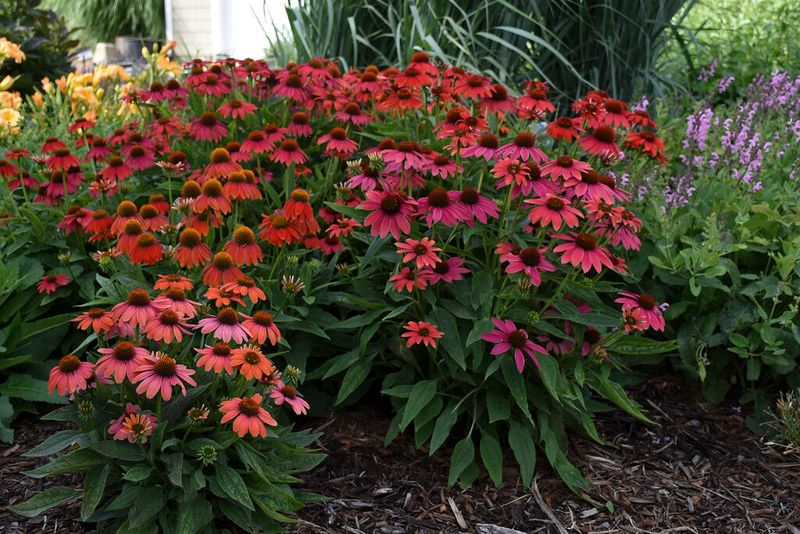
Bare soil in a Georgia summer flower bed loses moisture surprisingly fast.
The combination of strong sunlight, high temperatures, and dry spells between rainstorms pulls moisture out of unprotected soil quickly, putting flowering plants under stress that shows up as wilting, reduced bloom production, and slower growth.
A layer of organic mulch spread around plants can slow that moisture loss considerably.
Shredded bark, wood chips, or pine straw applied a few inches deep around zinnia and coneflower beds can help moderate soil temperature and reduce how often irrigation is needed.
Mulch also suppresses weed growth, which reduces competition for the moisture and nutrients that zinnias and coneflowers need to keep performing through the heat.
Fewer weeds also means less time spent pulling and more time enjoying the garden.
Placement matters when applying mulch around flowering plants. Piling mulch directly against plant stems or coneflower crowns traps moisture against plant tissue and can encourage fungal problems and stem rot, particularly during Georgia’s humid summer months.
Keeping mulch a few inches away from the base of each plant allows air to circulate around the crown while still protecting the surrounding soil.
A two-to-three inch layer is generally reasonable for most situations, though soil type, sun exposure, and rainfall patterns in a specific Georgia garden may influence how much mulch makes sense.
Checking soil moisture beneath the mulch periodically helps confirm that the layer is helping without keeping things too wet.
6. Better Airflow Reduces Disease Pressure
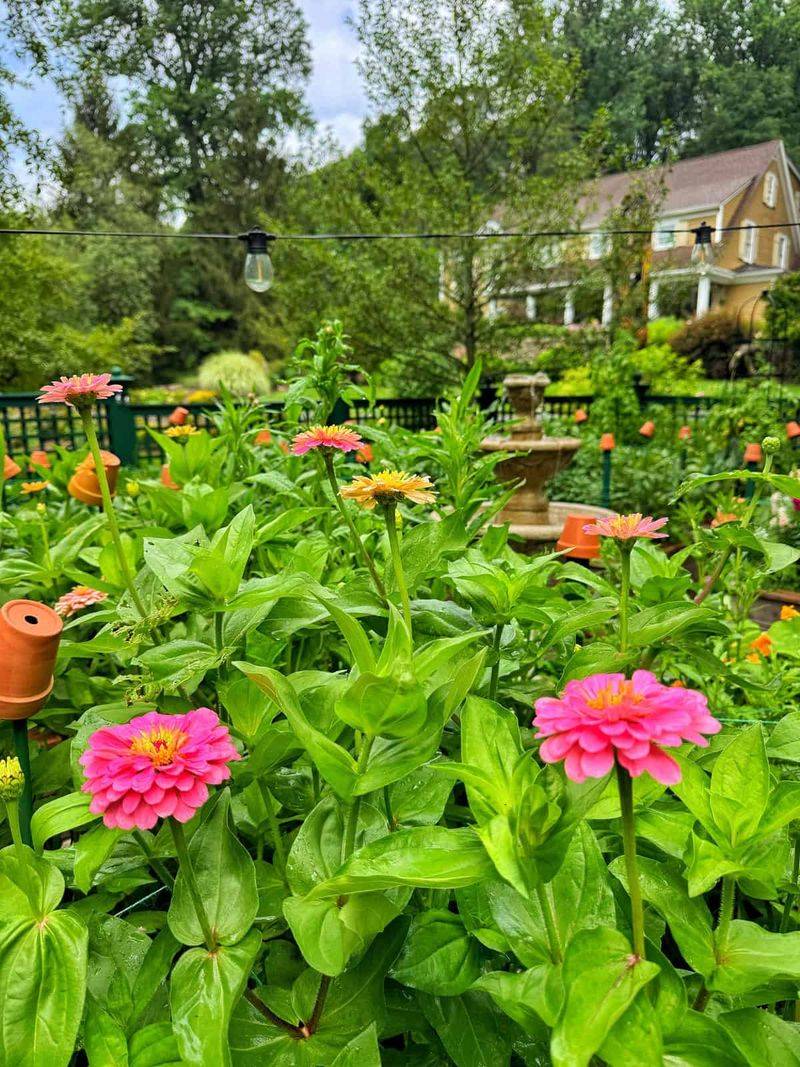
Georgia’s warm, humid summer air creates conditions where foliar diseases can spread quickly through flowering beds, and zinnias are among the plants most commonly affected by powdery mildew during the season.
The characteristic white or grayish coating that appears on zinnia leaves is a familiar sight in many Georgia gardens by late summer, and once it takes hold, it can spread rapidly through densely planted beds.
Adequate spacing between plants is one of the more practical ways to reduce how quickly diseases spread. When plants are crowded together, foliage stays wet longer after rain or irrigation, and air movement through the bed is limited.
Both of those conditions favor fungal disease development. Giving zinnias and coneflowers enough room so that air can move freely around and between plants helps foliage dry more quickly and reduces the time that leaf surfaces stay damp.
Coneflowers are generally more resistant to powdery mildew than zinnias, though they are not entirely immune under humid Georgia conditions.
Selecting disease-resistant zinnia varieties when available gives gardeners a head start in managing this problem before it develops.
Removing heavily affected leaves when disease pressure is noticed can slow the spread within a bed, though airflow improvements and appropriate plant spacing remain the more sustainable long-term approach.
Airflow alone cannot prevent every disease problem, but thoughtful spacing from the time of planting reduces the conditions that favor disease and makes managing flowering beds through a Georgia summer noticeably easier.
7. Smart Feeding Supports Healthy Flowers
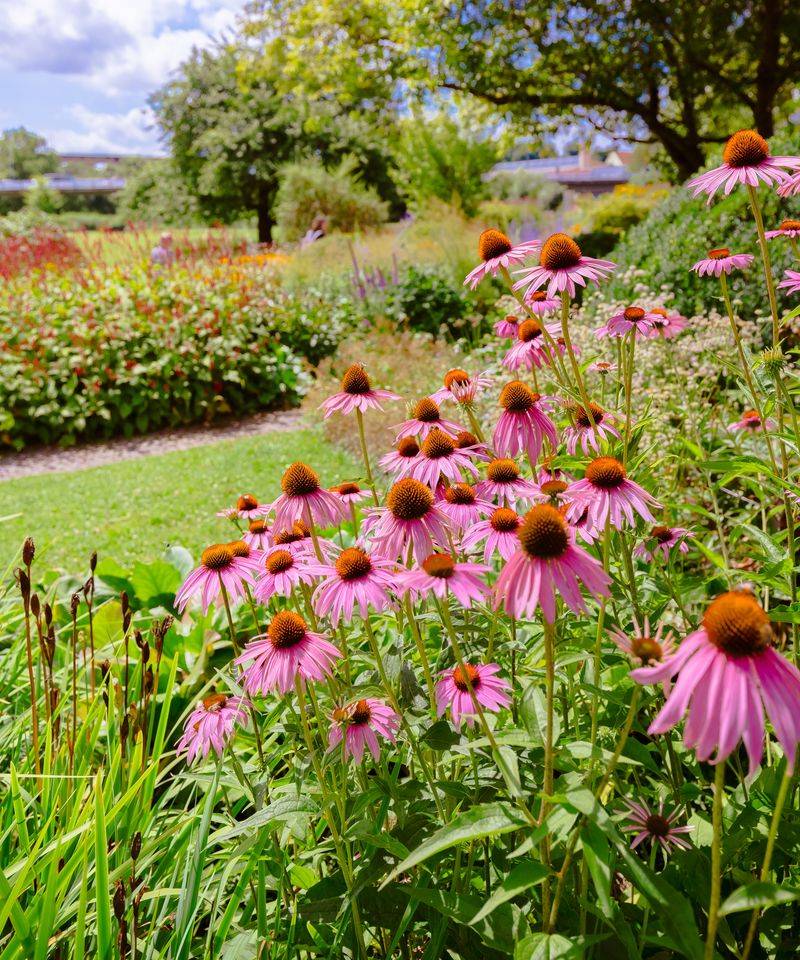
Reaching for fertilizer at the first sign of slow growth or reduced blooming is a common instinct, but zinnias and coneflowers do not automatically benefit from the same feeding routine.
Soil conditions, plant type, and whether plants are growing in the ground or in containers all influence whether supplemental fertilizer is actually useful or potentially counterproductive.
A soil test is the most reliable starting point for making fertilizer decisions. Georgia soils vary considerably across the state, and knowing what nutrients are already present – and in what amounts – prevents guesswork.
Zinnias are flowering annuals that put considerable energy into producing blooms throughout the season, and they may benefit from supplemental nutrients if soil fertility is low or if they are grown in containers where nutrients deplete more quickly.
Applying a balanced fertilizer at appropriate rates based on soil test results is a more targeted approach than fertilizing on a fixed schedule regardless of actual soil conditions.
Established coneflowers are considerably lighter feeders than zinnias and generally perform well in average garden soil without heavy fertilization.
Overly rich soil or excessive nitrogen feeding can push coneflowers toward lush leafy growth at the expense of flower production.
For both plants, the goal of feeding is to support steady, healthy growth – not to force maximum bloom output. Feeding decisions should reflect what the soil actually needs rather than what a general fertilizer label recommends for all flowering plants.
8. Water At The Soil Line When Possible
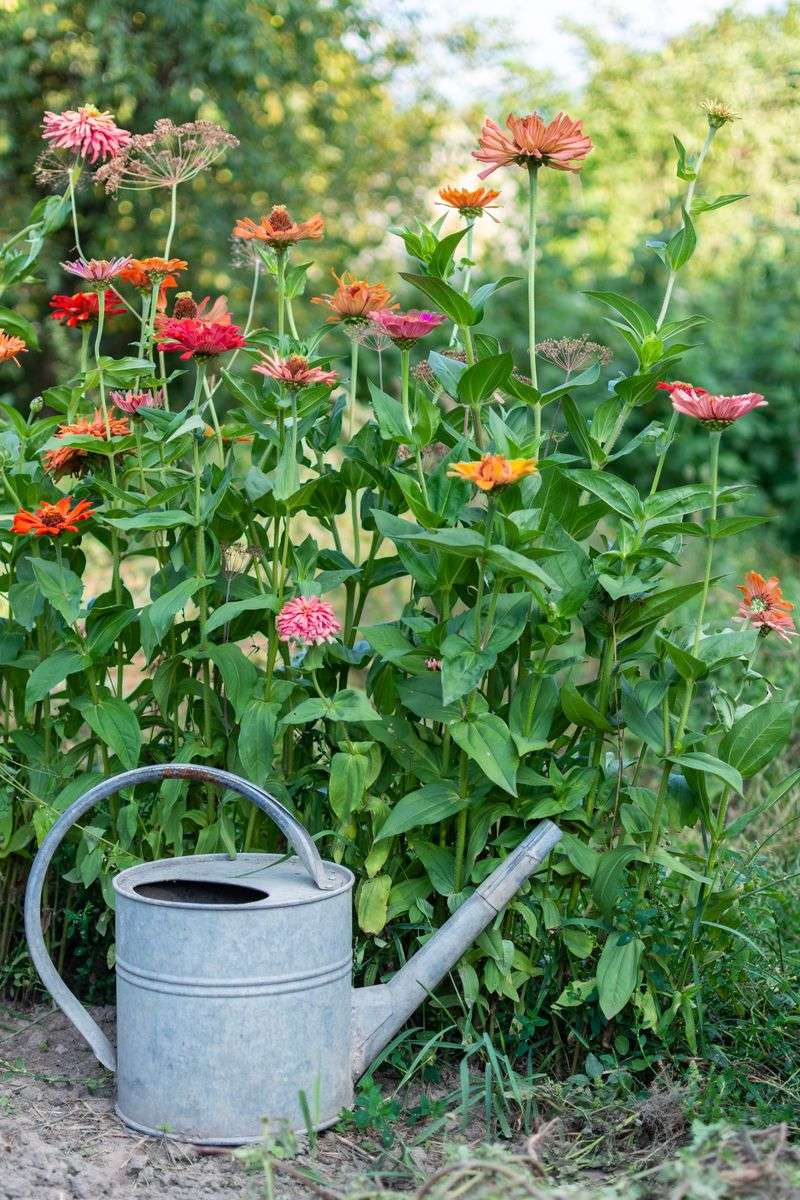
How water is delivered to flowering plants matters just as much as how much water they receive.
Overhead sprinklers and hand watering from above can leave foliage wet for extended periods, and in Georgia’s humid summer conditions, that extra leaf wetness creates a favorable environment for foliar disease development – particularly on zinnias, which are already prone to powdery mildew and other fungal issues.
Drip irrigation and soaker hoses deliver water directly to the root zone, keeping foliage dry while still getting moisture where the plants actually need it.
This method reduces the time that leaf surfaces stay wet and can make a noticeable difference in disease pressure over the course of a long Georgia summer.
Soaker hoses are relatively affordable and easy to set up in established flower beds, making them a practical option for gardeners looking to improve how they water without a major investment.
The focus here is on the method of delivery rather than the amount or frequency of irrigation, which depends on plant type, weather, and soil conditions as discussed in the watering section.
Even with the best delivery method, wetting foliage occasionally – during rain or when overhead watering is the only option – is not catastrophic.
The goal is simply to reduce unnecessary leaf wetness when a better approach is available.
Paying attention to when and how water reaches the plants can be one of the more straightforward adjustments a Georgia gardener makes to keep zinnia and coneflower beds healthier through the summer.