Is Your California Yard Ready for an El Niño Winter?
Back in the 1997-98 El Niño winter, parts of California got roughly double their normal rainfall. Hillsides slid. Backyards turned into shallow ponds overnight.
Forecasters are watching the Pacific again. Warm water near the equator can push the storm track south toward us. Southern California often feels it most, but northern yards get soaked too.
Personally, I love a good rainy day in the garden. The smell of wet soil is my favorite perfume. But I also remember a lemon tree I lost to soggy roots one wet winter.
You need a plan before the first big storm rolls in. A few weekend chores now can make a huge difference later. So, how ready is your yard for that kind of rain?
You Might Be Surprised How Your Soil Reacts to More Rain
Soil acts like a sponge, but every sponge has a limit. Once the tiny air pockets between soil bits fill with water, roots have nothing to breathe. Plants can drown standing up.
Many California yards sit on heavy clay. Clay holds water for days after a storm. Sandy soil drains fast, but it lets nutrients like nitrogen wash away deep below the roots.
Saturated ground also invites root rot. UC master gardeners point to water molds like Phytophthora, which thrive in wet, warm soil. Citrus, avocado, rosemary, and many drought-tolerant natives are especially sensitive.
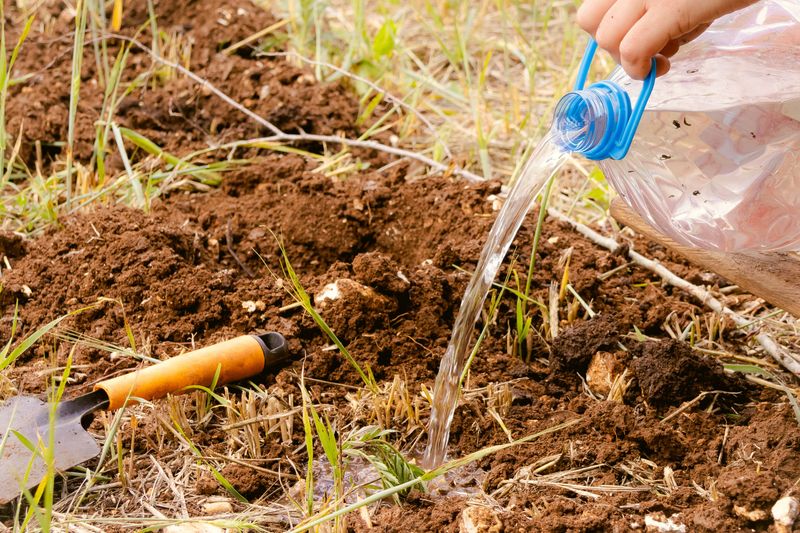
Try a simple drainage test now. Dig a hole about one foot deep and fill it with water. Let it drain, then fill it again and time it. If the water takes more than four hours to disappear, you have a drainage problem.
Walking on wet soil causes trouble too. Your footsteps squeeze out air and pack the ground tight. Lay stepping stones or boards in busy paths so you can move around without crushing your beds.
Knowing your soil type is the first step. Every other choice this winter builds on it.
Keeping Roots Out of Soggy Trouble Starts Now
My lavender taught me a hard lesson one wet January. It sat in a low spot, and by spring it was a brown, mushy mess. Location matters more than most of us admit.
Start by finding the low spots in your yard. After the next rain, walk around and note where puddles linger. Those areas are poor homes for plants that like dry feet.
Raised beds are a smart fix. Lifting soil even eight to twelve inches above the ground helps extra water drain away from roots. Mounding soil into small berms works for single shrubs too.
Mixing in compost helps clay soil drain better over time. Add a few inches and work it into the top layer. Skip adding sand alone to clay, because the mix can turn hard like cement.
Hold off on fertilizing heavily before storms. Heavy rain can wash it away before plants use it.
Finally, turn down or shut off your sprinklers. Many California cities ask residents to pause irrigation for a few days after a good soaking. Your plants rarely need extra water during a rainy stretch.
Your California Garden Changes Every Week. Your Plan Should Too.
Gardening in California changes quickly throughout the season. Every Friday you’ll receive a simple weekly plan showing exactly what to plant, prune, fertilize, harvest, and protect so you never miss the right timing.
Gutters and Grading Decide Where All That Water Goes

One inch of rain on a 1,000 square foot roof sends about 600 gallons of water rushing off your house. That water has to go somewhere. You get to choose where.
Clean your gutters before the storms arrive. Leaves and pine needles create clogs that make water spill over and pound the soil next to your foundation. Check that downspouts are firmly attached and flowing freely.
Next, extend those downspouts. Point them at least five feet away from your house. Aim them toward a lawn, a rain garden, or a gravel swale instead of a hard patio.
Look at the slope of your yard as well. Soil near the foundation should gently tilt away from the house. If it slopes toward your walls, add soil to fix the grade.
Many water districts in California offer rebates for rain barrels. Capturing runoff saves water for dry months ahead. Some cities also offer free sandbags before big storms.
Check your drip lines and sprinkler heads too. Flush clogged filters now so the system works well once spring returns.
Give Your Trees a Pre-Storm Checkup

Wet soil and strong wind make a risky pair. Soaked ground loosens its grip on roots, so even healthy trees can tip over during gusty storms. Big branches add even more weight when they fill with water.
Walk around your trees and look up. Watch for cracked limbs, hanging branches, and spots where two large trunks join in a tight V shape. Mushrooms at the base can hint at root decay.
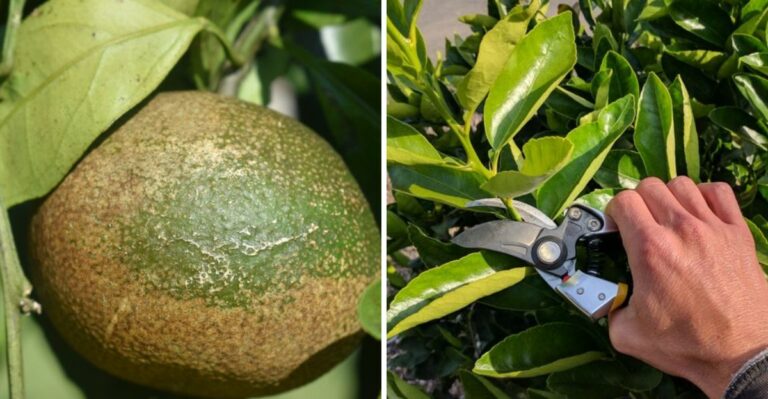
A careful trim helps wind pass through the canopy. Remove broken or crossing branches with clean, sharp tools. Avoid topping trees, since it creates weak new growth.
Timing matters for some species. UC experts suggest pruning native oaks during the dry season to reduce disease spread. Fruit trees like apples and pears are best pruned during winter dormancy.
Large trees are a job for a certified arborist. Working on ladders near power lines is a real safety risk. A pro can spot hidden problems you might miss.
Secure trellises, stakes, and arbors while you are out there. A loose trellis full of vines can act like a sail in strong wind.
Those Potted Plants Need a Little Lift
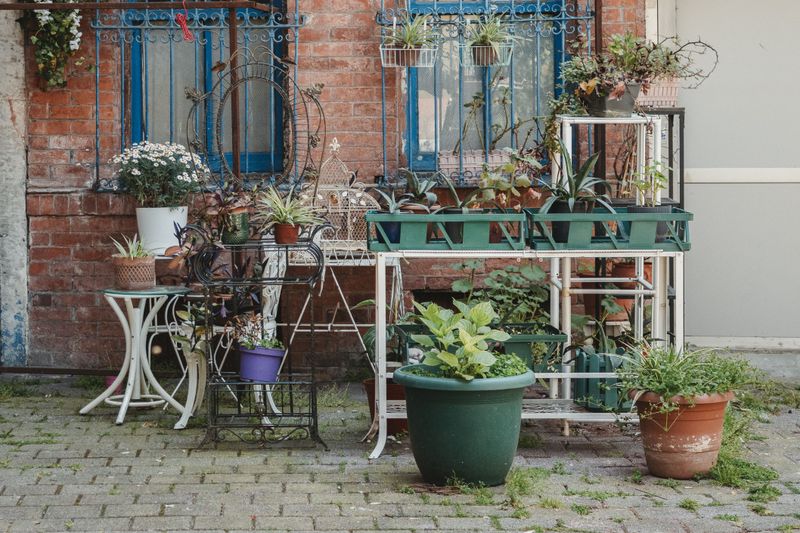
Pots are tiny islands with no escape route for water. When a saucer fills up, roots sit in a puddle for days. Succulents and cactus can turn mushy fast in that situation.
Empty saucers after every storm. Even better, remove them for the rainy season. Raise pots on pot feet, bricks, or small blocks so water can drain freely from the bottom holes.
Check those holes too. Sometimes they get clogged with roots or packed soil. Poke them open with a stick so water flows out easily.
Move rain-sensitive plants under an eave or a covered patio. Aloe, echeveria, and many Mediterranean herbs prefer to stay on the drier side. A spot near a house wall also stays slightly warmer on chilly nights.
Group heavy pots together in windy areas. They protect each other and are less likely to tip over.
Adjust your watering routine as well. Container plants grow slowly in winter, and cloudy days mean less water use. Stick a finger two inches into the soil and water only when it feels dry. Many pots will need water rarely, if at all, during a wet winter.
Weeds Love a Wet Winter as Much as You Love Your Garden
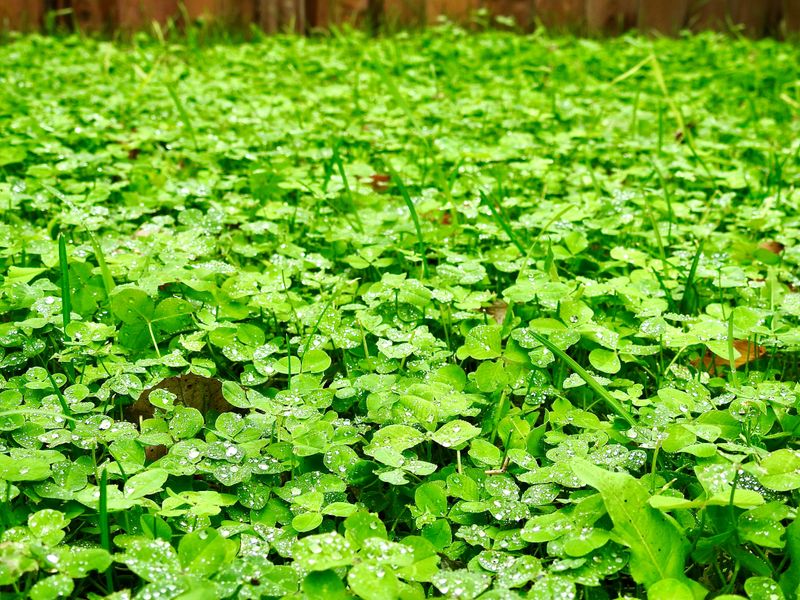
Rain wakes up seeds that have waited in your soil for years. After a soaking winter, many California gardeners see a carpet of green pop up seemingly overnight. Not all of it is welcome.
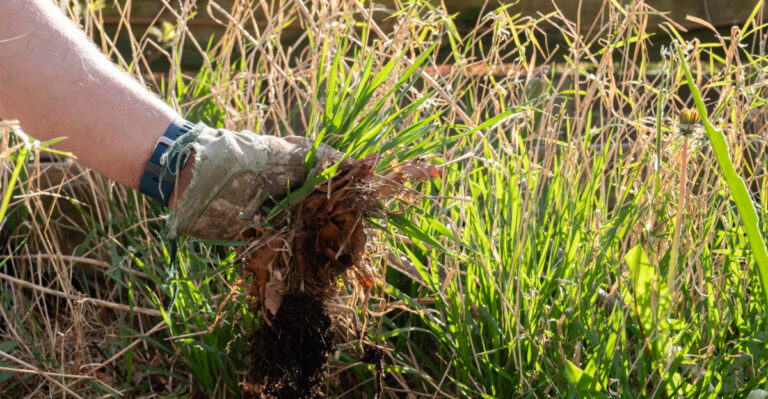
Common winter weeds include oxalis, bur clover, annual bluegrass, and mallow. Pull them while they are small. Damp soil makes this chore surprisingly easy, since roots slide right out.
Try to remove weeds before they flower. One plant can drop hundreds of seeds and give you a bigger problem next year. A hoe works great on young seedlings in open beds.
Wet weather can also bring chilly nights, especially inland and in valley areas. Cover frost-tender plants like citrus seedlings, bougainvillea, and young vegetables with frost cloth when temperatures drop near freezing. Remove covers in the morning so plants get sunlight.
Watch for slugs and snails too. They thrive in damp conditions and munch on seedlings and leafy greens. Hand-pick them at night or set out iron phosphate bait, which is listed for organic gardens.
A few minutes of weeding each week keeps things manageable. Small habits beat big cleanups.
A Blanket of Mulch Goes a Long Way
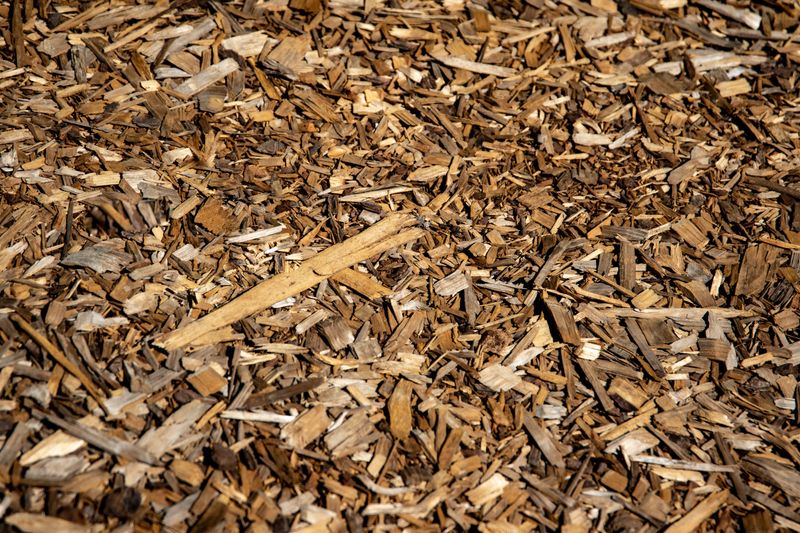
Bare soil takes a beating in heavy rain. Big drops hit the ground like tiny hammers and knock soil loose. Mulch softens every one of those hits.
Spread two to four inches of organic mulch over your beds. Shredded bark, wood chips, and leaf litter all work well. UC Cooperative Extension often recommends wood chips for their lasting power.
Keep mulch a few inches away from tree trunks and plant stems. Piling it against bark traps moisture and invites rot. Think of a donut shape, not a volcano.
On slopes, choose shredded mulch over loose nuggets. Shredded pieces lock together and hold the soil in place. Larger round chunks can float away in a downpour.
Mulch does more than control erosion. It keeps soil temperatures steady during cold snaps and blocks sunlight from reaching weed seeds. Over time, it breaks down and feeds the soil.
Many California cities give away free mulch at recycling centers. Call ahead and bring a truck or some sturdy bags. It might be the cheapest storm protection you add to your yard this year.