What To Plant Now For A Productive Winter Garden In Virginia
Snipping salad greens while frost sparkles on the grass is easier in Virginia than most people think. Our winters swing between chilly snaps and surprisingly mild, sunny days.
A simple cold frame or a sheet of row cover can make those swings work in your favor. Plenty of leafy crops prefer cool air, and some even taste sweeter after a hard frost.
The trick is choosing the right plants and getting them in on time. Spinach, kale, and mache handle winter better than tender lettuce.
A few smart habits help too, like opening the lid on bright afternoons. Whether you garden in the Shenandoah Valley, the Piedmont, or near the coast, a winter harvest is within reach.
The guide below shows what to plant and how to protect it. Your garden season isn’t over yet.
1. Spinach Sweetens Up After A Freeze
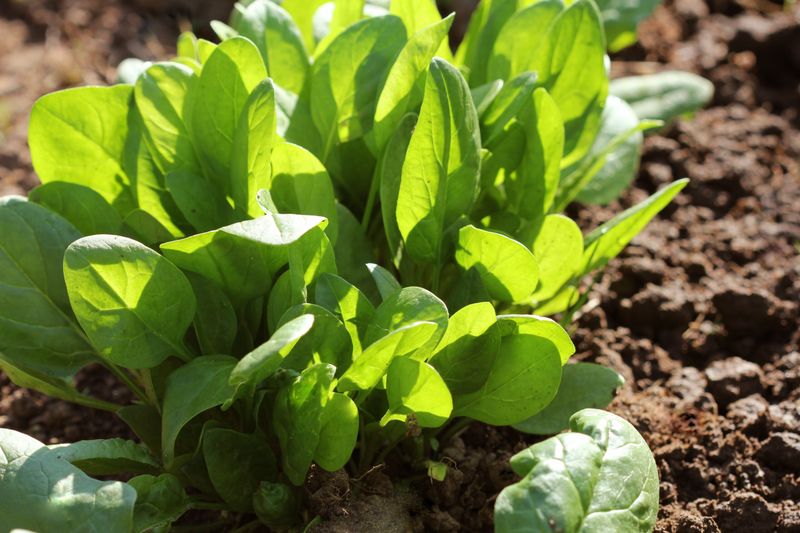
Here is a fun bit of plant science you can taste. When temperatures drop, spinach turns stored starches into sugars that work like natural antifreeze.
Those sugars help protect the leaf cells from ice damage. As a bonus, your winter salads end up noticeably sweeter than spring ones.
Spinach is tough stuff, handling temperatures down to about 15 degrees Fahrenheit. Under a cold frame or thick mulch, it can keep going even lower.
Virginia Cooperative Extension calls fall the main spinach season for the Piedmont. Gardeners there can sow from September through March with some protection.
Down in Tidewater, the window runs from October through March. Coastal soil stays warmer longer, so later sowings still sprout well.
Timing matters more than anything else with this crop. Plants that are well established by October handle winter much better than tiny seedlings.
Get them settled under a row cover, and they may slow down in January. Then they wake up and push fresh growth in late February or early March.
Variety choice can boost your success too. Bloomsdale is a classic with crinkly leaves, while Space, Tyee, and Regiment also perform nicely here.
Harvest the outer leaves first and let the center keep growing. A single planting can feed you for months with this pick-and-come-again method.
Try to pick on milder afternoons when leaves are thawed. Frozen spinach leaves bruise easily, but they bounce back once they warm up.
2. Kale Laughs Off Frosty Mornings
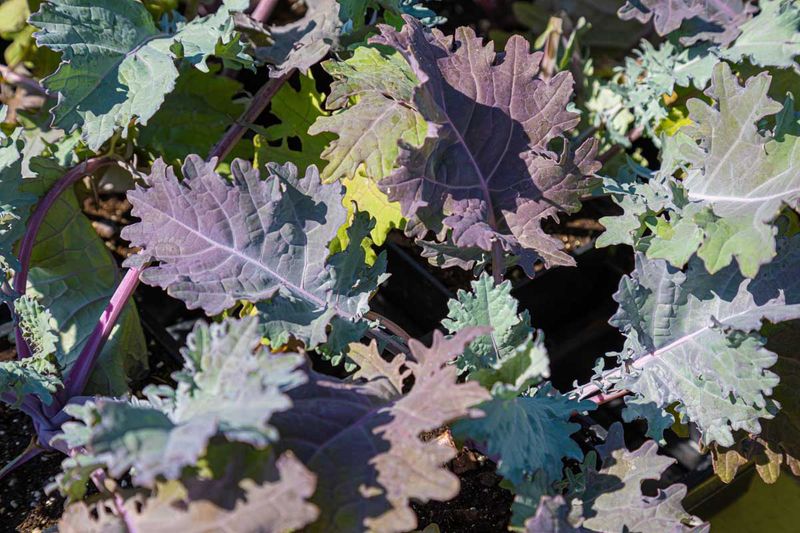
If vegetables had a toughest-kid-on-the-block contest, kale would win easily. Few crops shrug off icy weather with so little fuss.
Several hard frosts actually improve its flavor. The leaves lose some bitterness and pick up a mild, nutty sweetness.
Most kale handles temperatures into the low 20s without trouble. Some varieties keep going even when nights stay in the teens.
Across much of the state, which sits in USDA Zone 7 and warmer, kale often grows all winter. Many gardeners give it little or no cover at all.
Folks in higher, colder spots should still keep a row cover handy. A cold frame works too and keeps leaves tender into late winter.
Your Virginia Garden Changes Every Week. Your Plan Should Too.
Gardening in Virginia changes quickly throughout the season. Every Friday you’ll receive a simple weekly plan showing exactly what to plant, prune, fertilize, harvest, and protect so you never miss the right timing.
Curly types are especially frost-hardy, with Vates Blue Curled being a reliable favorite. Those tight ruffles seem to shed cold like a winter coat.
Red Russian kale deserves a special shout-out. Many growers call it the most cold-tolerant and sweetest of the bunch.
Kale grows best when temperatures sit between 40 and 65 degrees. Our fall weather hits that sweet spot for weeks at a time.
Plan ahead, though, because kale needs time to size up. Plant by late summer or early fall so plants are mature before the deep cold.
Once winter arrives, growth slows to a crawl. Big plants give you steady pickings, while small ones just sit and wait for spring.
3. Lettuce Thrives Under A Simple Row Cover
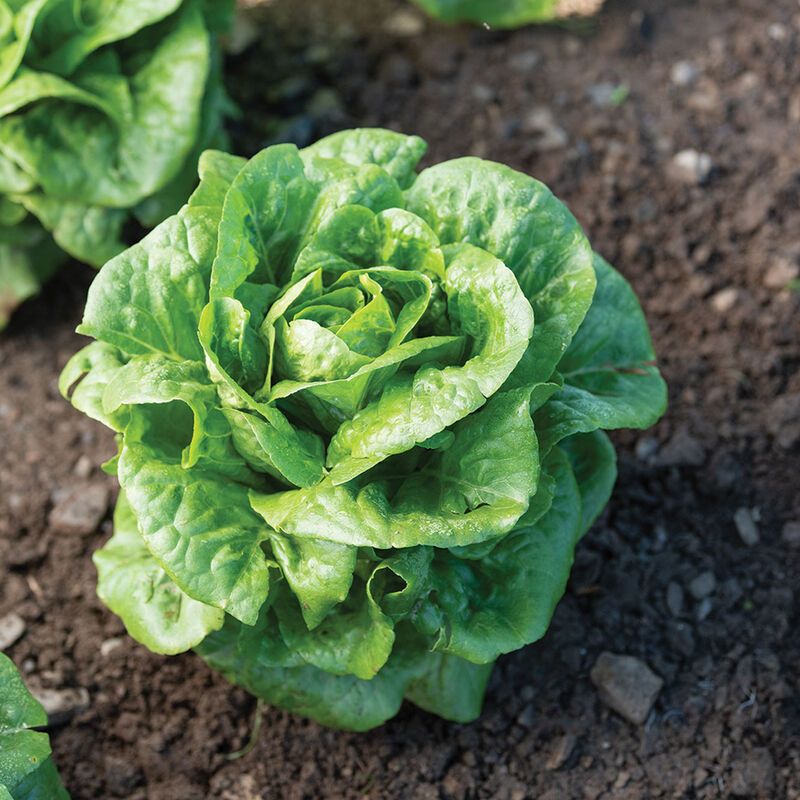
Lettuce has a reputation as a delicate crop, but it hides a stubborn streak. Some hardy varieties can survive surprisingly cold nights.
Give it a little shelter, and winter salads become a real possibility. A light row cover or cold frame does most of the heavy lifting.
Row covers trap a bit of warmth and block drying winds. They also keep frost crystals from settling directly on tender leaves.
Picking the right variety is half the battle. Gardeners in central Virginia have found strong winners for cold frames.
Look for Winter Marvel and Winter Wonderland, whose names give away their talents. Merlot, New Red Fire, and Midnight Ruffles add gorgeous red color.
Other reliable choices include Green Forest, Oscarde, Panisse, and Pablo. Salad Bowl and Red Salad Bowl are easy, loose-leaf types for beginners.
For cold frame growing in central Virginia, many gardeners sow seeds in the first week of September. That gives plants time to grow before the days get short.
Leaf lettuce usually handles cold better than big heading types. You can also snip leaves one at a time and let the plant keep producing.
Watch for slugs, since they enjoy the cozy, damp space under covers too. A quick check on mild evenings keeps them from eating your dinner first.
Water in the morning so leaves dry before night. Damp leaves on freezing nights are more likely to get damaged.
4. Arugula Grows Fast Enough For A Winter Harvest
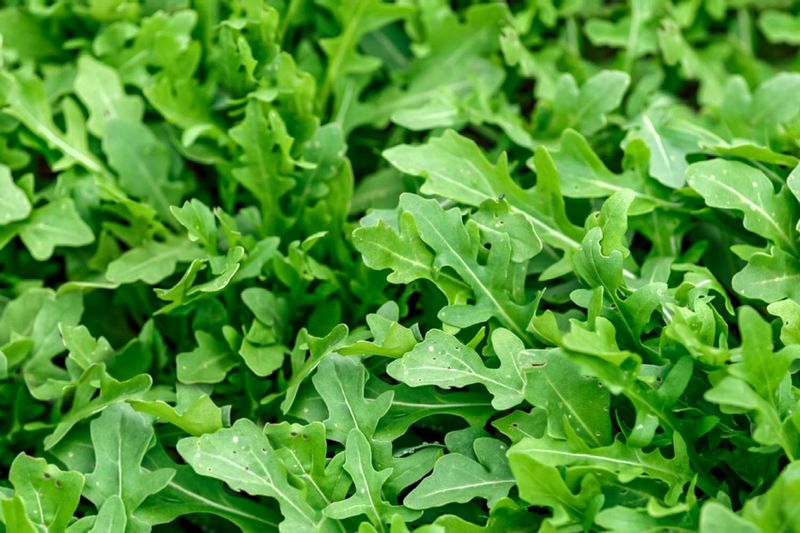
Impatient gardeners, meet your new favorite green. Arugula sprouts quickly and can be ready for baby-leaf cutting in about a month.
That speed makes it a great late addition to your cold frame. Even a fall sowing that feels a little late can still pay off.
The flavor packs a peppery punch that wakes up plain salads. Cool weather softens the bite, so winter leaves taste milder than summer ones.
Arugula handles light freezes without much complaint. Inside a cold frame, it keeps growing well into the chilly months.
Some gardeners simply drape a white cloth over their arugula bed. That basic cover adds just enough shelter on frosty nights.
Sow seeds thickly in short rows or a small patch. Cover them with only a quarter inch of soil, since they need little depth.
Try sowing a small batch every two or three weeks in early fall. Staggered plantings mean you will not end up with too much at once.
Cut leaves when they are two to four inches long. Leave the base alone, and many plants will regrow for a second or third harvest.
Hot spells can make arugula bolt, or flower early. Luckily, winter weather in a cold frame mostly prevents that problem.
Toss fresh leaves on pizza right out of the oven. The heat wilts them slightly and brings out their spicy, nutty taste.
5. Mâche Was Practically Made For Cold Frames
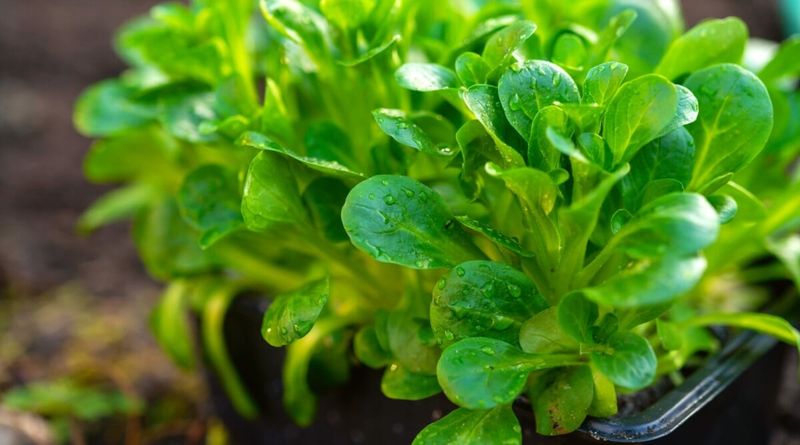
Ever heard of corn salad? Most people have not, which makes mâche one of the best-kept secrets in winter gardening.
The plant forms tiny rosettes of soft, spoon-shaped leaves. Each little bunch looks almost too cute to eat.
Its flavor is mild and slightly nutty with a buttery texture. Mixed with sharper greens, it balances a winter salad beautifully.
Here is the real reason to grow it, though. Mâche is exceptionally cold-hardy, often outlasting other greens when weather turns harsh.
The name corn salad comes from Europe, where it once sprouted in grain fields. Farmers gathered it as a wild green during lean months.
Patience is required, since mâche grows slowly. Seeds can take a couple of weeks to sprout, and plants stay small.
Sow it in early fall so rosettes have time to fill out. Keep the soil evenly moist until you see those first seedlings.
Mâche actually prefers cool soil for germination. Seeds planted during a hot spell may sit and wait for cooler days.
Harvest by cutting the whole rosette just above the soil line. Rinse well, since grit tends to hide between the tight leaves.
Planting several small patches gives you a steady supply. Your cold frame can serve up these gems from late fall through early spring.
6. Asian Greens Like Bok Choy Love Cool Weather
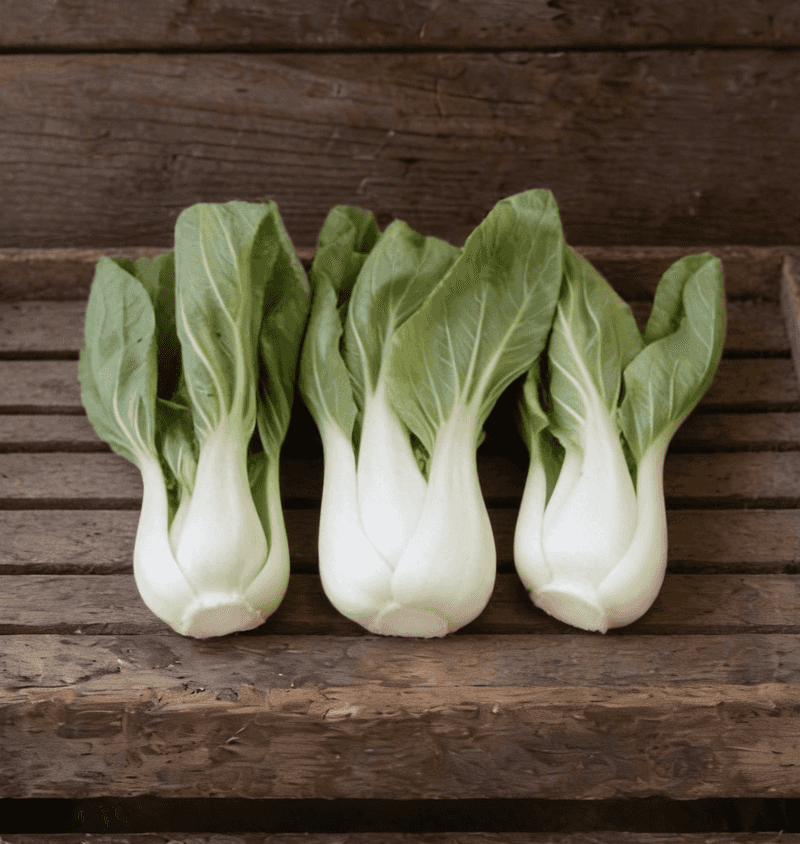
Stir-fry fans, your winter dinners just got easier. Bok choy and its Asian cousins thrive in the cool, sheltered space a cold frame offers.
Many of these greens mature in just 30 to 45 days. That quick turnaround makes them perfect for fall sowings.
Bok choy has crunchy white stems and tender green leaves. Baby types stay compact, which suits the tight space inside a cold frame.
Want more variety? Tatsoi forms flat, spoon-shaped rosettes, while mizuna offers frilly leaves with a light mustard flavor.
Warm weather pushes these greens to bolt quickly. Cool fall days keep them leafy and mild instead.
Sow seeds directly or start transplants indoors in late summer. Space baby bok choy about six inches apart so each head can fill out.
Flea beetles love to chew tiny holes in young leaves. A row cover laid over seedlings helps keep these pests away.
Harvest whole heads at the base, or pick outer leaves as needed. Baby bok choy tastes wonderful halved and seared in a hot pan.
Add garlic, ginger, and a splash of soy sauce for a fast side dish. Homegrown greens often taste sweeter than store versions.
Sow a few plants every couple of weeks through early fall. A steady stream beats one big flush that ripens all at once.
7. Radishes Can Still Sneak In A Quick Crop
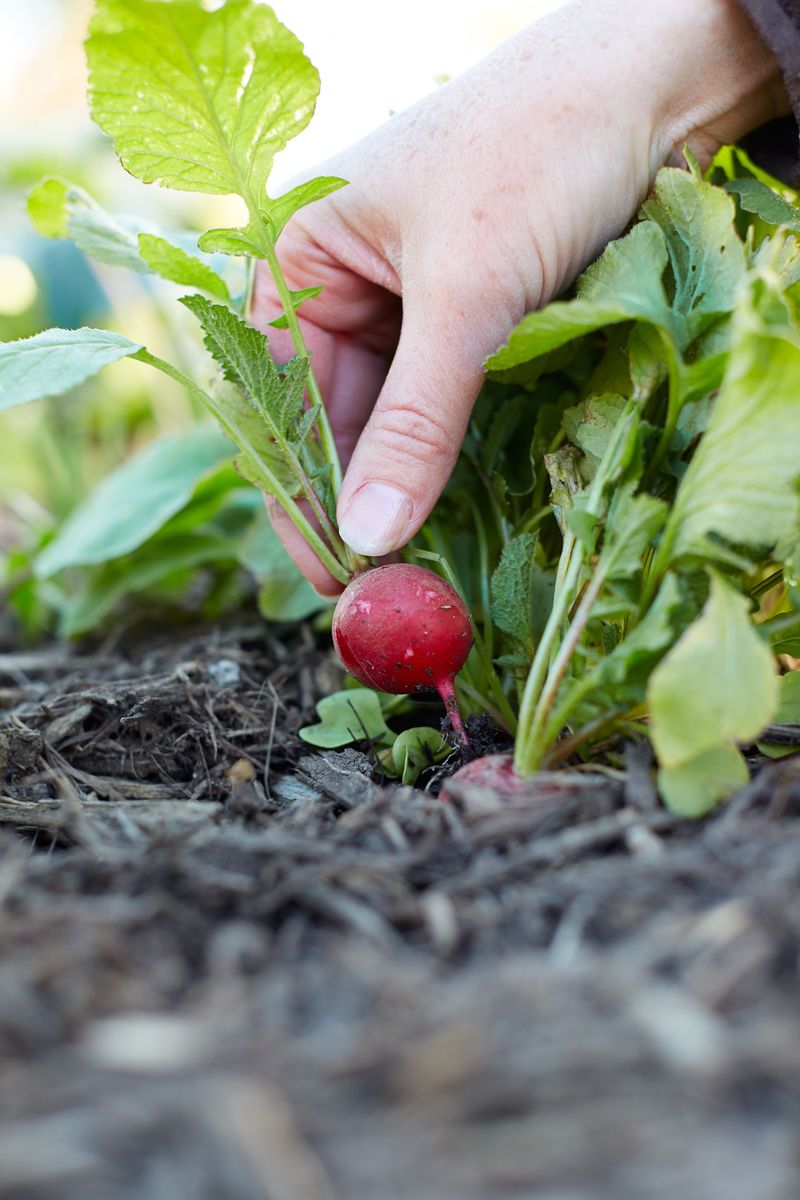
Think of radishes as the sprinters of the vegetable world. Most varieties are ready to pull in about 25 to 45 days.
They grow best when air temperatures sit between 45 and 65 degrees. Fall weather fits that range nicely.
Fall radishes in Virginia often beat spring crops in quality. Cooling temperatures help keep roots crisp and less bitter.
A good target date is around September 10th for much of the state. That lands roughly five weeks before the average first frost.
Planting dates shift depending on where you live. They range from late August in zone 6a to early October in zone 8b.
Radishes can handle heavy frosts fairly well. Still, steady temperatures below 30 degrees may turn roots pithy or glassy inside.
Adding a layer of row cover during cold snaps helps protect them. Growers often use Ag-19 or a similar weight fabric.
Certain varieties shine in winter tunnels. Try Rover, Donato, or Pepito, plus Pearl for white roots and Bacchus for purple ones.
French breakfast types like Nelson have long shapes and mild flavor. They look fancy on a plate with butter and a pinch of salt.
Thin seedlings to about an inch apart for well-shaped roots. Crowded radishes tend to grow all leaves and very little bulb.
8. Scallions Keep Growing Through The Chill
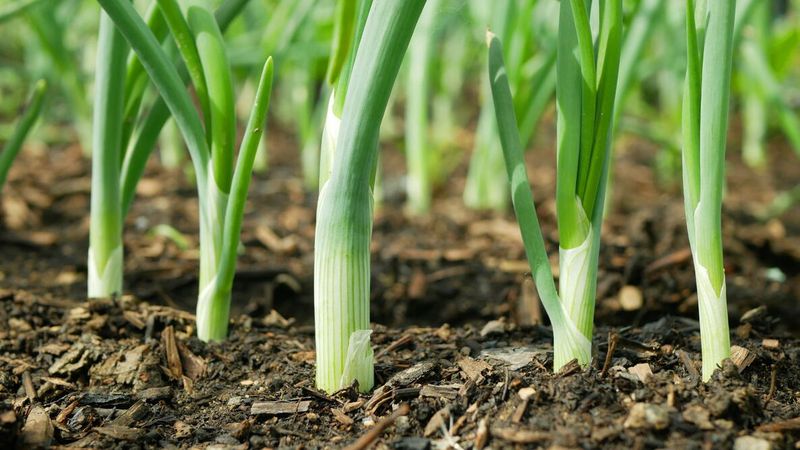
My grandmother kept a patch of green onions going nearly year-round. Her secret was simple: keep planting and keep snipping.
Scallions, sometimes called spring onions, grow nicely inside a cold frame. Their slim, upright shape fits neatly between leafy crops.
These alliums grow fairly fast compared to bulb onions. You get mild, fresh onion flavor without waiting months.
Sow seeds in small clumps or short rows in late summer and early fall. Thin them lightly so stems have room to thicken.
Succession planting is the key to steady harvests. Sow a new batch every few weeks so one patch is ready while another grows.
Short on time? Store-bought scallions with roots attached can be replanted in the cold frame.
Tuck the white ends into the soil and keep them moist. New green shoots often appear within a week or so.
Harvest by cutting the tops an inch above the soil. Many plants will send up fresh leaves for another round.
Scallions also take up very little room. A cold frame corner can produce enough for soups, eggs, and baked potatoes all winter.
Growth slows during the coldest weeks in January. Once days lengthen, your scallions pick up speed again with surprising energy.
Vent Cold Frames On Sunny Days
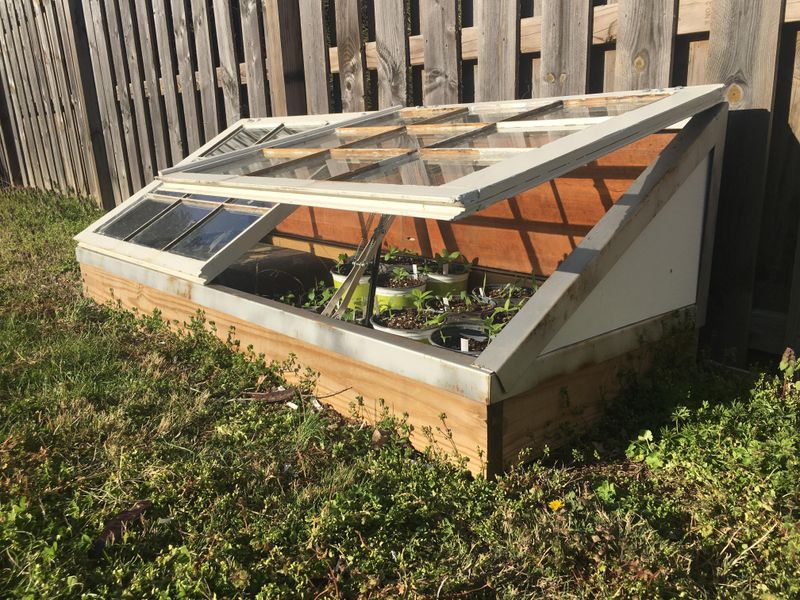
Strange as it sounds, too much heat can harm a winter garden. A closed cold frame on a sunny day can turn into a little oven.
Temperatures inside can climb far above the outside air. Tender greens may wilt or scorch before you notice.
Ventilation solves the problem easily. Prop the lid open a few inches when inside temperatures climb past about 65 degrees.
Some gardeners use a simpler rule based on outdoor weather. They crack the lid whenever the outside air tops 40 degrees.
Aim to keep the inside between 40 and 65 degrees for most greens. Some sources say up to 80 degrees is fine for short periods.
A cheap thermometer placed inside takes out the guesswork. Check it around midday on bright days.
Close the lid in late afternoon, well before sunset. That traps the warmth your plants will need overnight.
Busy schedule? Automatic vent openers raise and lower the lid using heat-sensitive wax, with no electricity needed.
Venting also lets out extra moisture. Too much condensation can lead to mildew and soggy, unhappy leaves.
On breezy days, lift the lid on the side away from the wind. That way, cold gusts will not blast your plants and cause windburn.
Floating Row Covers Add Several Degrees Of Protection
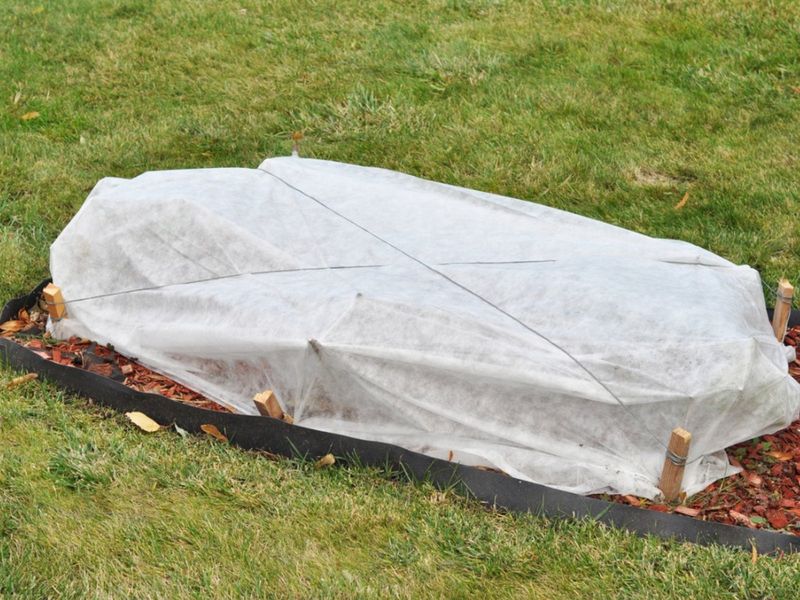
A few degrees might not sound like much. On a frosty night, though, that small boost can save an entire bed of greens.
Floating row covers are light fabrics, usually spun polyester or polypropylene. You lay them right over plants or drape them across hoops.
Most covers raise the air temperature around plants by 2 to 8 degrees. Heavier fabrics can add 4 to 10 degrees of warmth.
Some thick covers protect crops down to about 24 degrees. Doubling up layers adds another 2 to 4 degrees.
Be careful with too many layers, though. Each one lets less sunlight through to your plants.
Mediumweight covers are a smart all-around pick for stretching the season. They work well in both fall and spring.
These fabrics do more than hold heat. They block wind, hail, snow, and many hungry insects.
Sunlight, rain, and air still pass through the material. Covers also reduce evaporation, so you may water less often.
Secure the edges with soil, rocks, or boards. Otherwise, the first strong gust may send your cover sailing into a neighbor’s yard.
Covers warm the soil too, which helps seeds sprout faster. For Virginia gardeners, they offer a cheap, easy way to keep fresh greens coming all winter.