What Walking In Muddy Garden Beds After Heavy Rains Actually Does To Your Michigan Soil
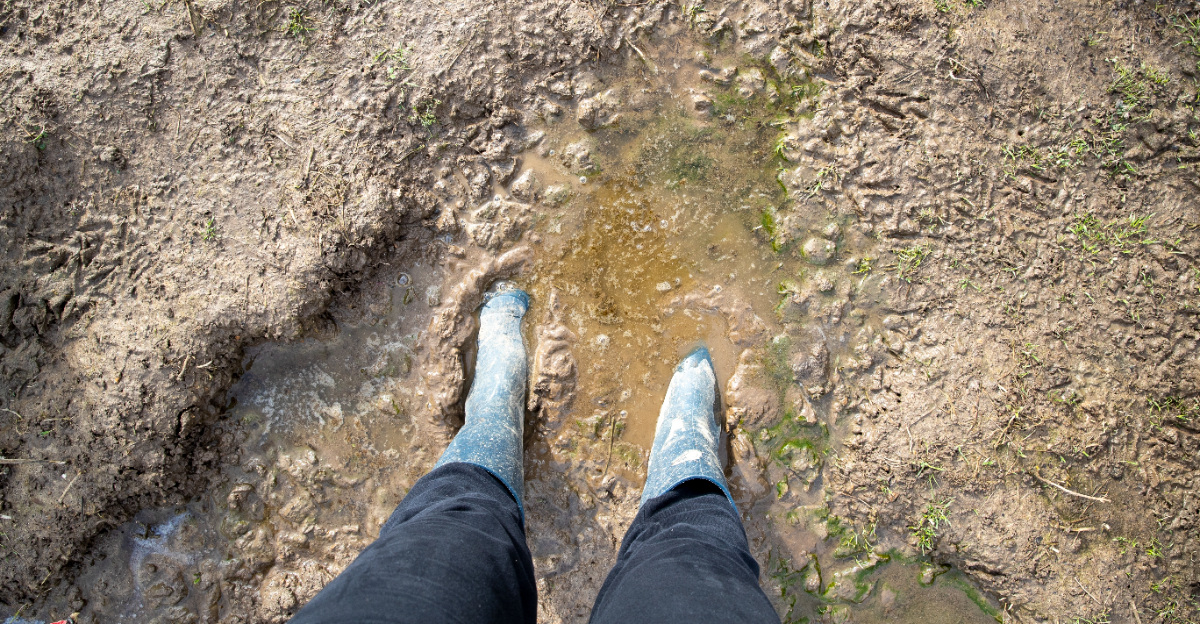
Walking through muddy garden beds after heavy rain causes more lasting damage to Michigan soil than most people realize in the moment.
Foot traffic compacts wet soil significantly, squeezing out the air pockets roots depend on for healthy growth.
This compaction can persist long after the soil dries, making it harder for water and nutrients to reach plant roots effectively.
Muddy conditions also make it easy to accidentally damage shallow roots or emerging seedlings hidden just beneath the surface.
Waiting until soil firms up naturally, usually a day or two after rain, protects both soil structure and vulnerable plants. Using stepping stones or designated garden paths helps minimize repeated compaction in the same problem areas over time.
Aerating compacted soil later in the season can help reverse some of the damage caused by foot traffic. A little patience after storms goes a long way toward preserving healthy, workable garden soil.
1. Every Footstep Compresses Wet Soil
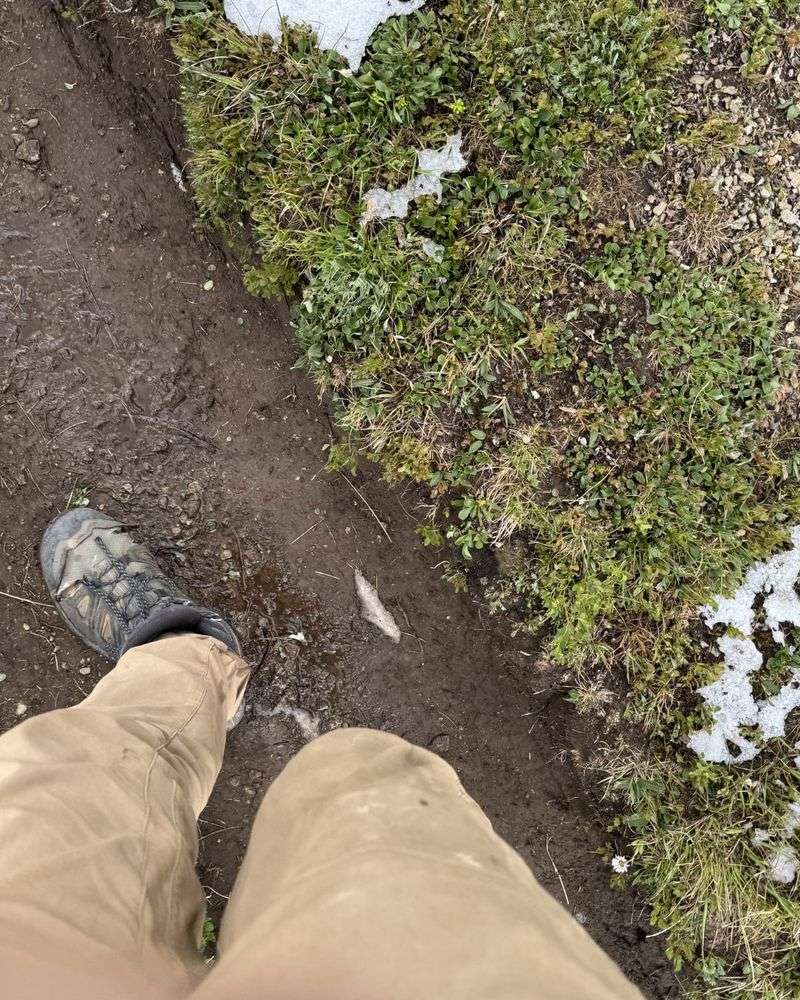
Picture this: you step into your garden right after a big Michigan rainstorm, and the ground squishes under your boots. That satisfying squish is actually a warning sign.
Saturated soil particles are loosely held together by water, which means they slide and press against each other far more easily than they would in dry conditions. Your body weight pushes those particles closer together with every single step.
Michigan State University specifically advises gardeners not to walk across wet soil or operate heavy equipment over saturated ground, because the damage happens fast and goes deep.
Even after the visible footprint fills back in or dries over, the compacted zone underneath the surface stays compressed.
Roots, water, and air all struggle to move through that tightly packed layer later in the season.
The tricky part is that the damage is invisible once things dry out. You might look at your garden beds a week later and think everything looks fine on the surface, but the soil structure below has already changed.
Repeated footsteps across the same wet area make things worse each time. Sandy soils recover a bit faster, but gardens with heavier soils feel the effects much longer.
Staying off saturated beds entirely is the single easiest way to protect the soil structure you have worked hard to build over many growing seasons.
2. Compaction Squeezes Out Important Pore Space
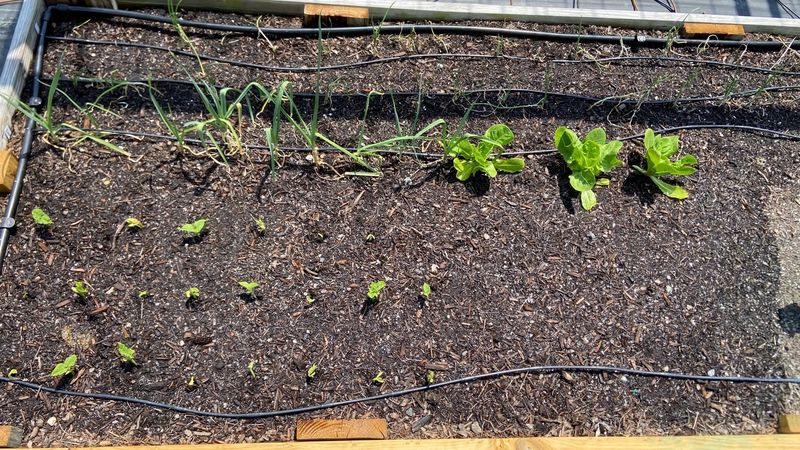
Healthy garden soil is not just dirt. Between every soil particle there are tiny spaces called pores, and those pores are what make good soil so valuable.
Some pores hold water that plant roots can drink, while larger pores hold the air that roots need to breathe. Together, these spaces create a living environment where plants can thrive.
Walking on muddy soil squeezes those pore spaces closed. As particles get pressed together, the gaps between them shrink or disappear entirely.
Michigan State University identifies this as serious compaction, a condition where pore spaces become so reduced that air and water can no longer move freely through the soil profile.
Once that happens, the soil starts working against your plants instead of supporting them.
Your Michigan Garden Changes Every Week. Your Plan Should Too.
Gardening in Michigan changes quickly throughout the season. Every Friday you’ll receive a simple weekly plan showing exactly what to plant, prune, fertilize, harvest, and protect so you never miss the right timing.
Vegetables like tomatoes, peppers, and beans depend on a loose, open root environment to grow strong and produce well. Flowers need that same open structure to anchor themselves and reach nutrients.
When pore space collapses under foot traffic after heavy rain, the soil essentially becomes a barrier rather than a home. Restoring lost pore space takes time, organic matter, and patience.
Preventing the loss in the first place is always easier than trying to fix compacted soil after the fact. Keeping foot traffic off saturated beds protects the invisible architecture that makes your Michigan garden productive season after season.
3. Plant Roots Have A Harder Time Moving Through Compacted Soil
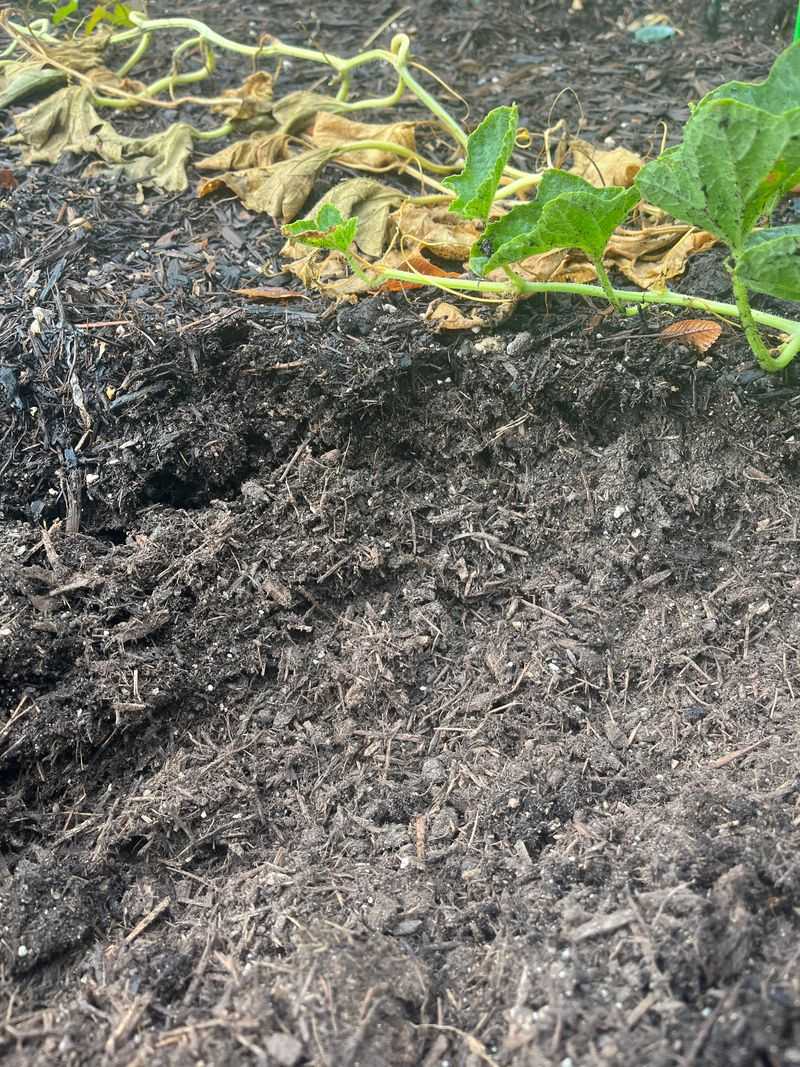
Roots are surprisingly strong, but they are not built to push through solid walls. Under normal conditions, roots follow existing pores, cracks, and channels as they grow outward and downward through the soil.
Those natural pathways make it easy for roots to explore a wide area and gather water and nutrients efficiently.
Compacted soil changes everything. When particles get pressed tightly together, the physical resistance increases dramatically and roots get forced into a much smaller space.
Michigan State University has noted that plant roots simply cannot grow easily into strongly compacted surrounding soil.
A restricted root system means a plant has less access to moisture and nutrients, which shows up as poor growth, wilting, or weak production later in the season, often weeks after the original rainstorm that caused the problem.
What makes this especially frustrating for gardeners is the timing. You might walk through a muddy bed in May, and by July you are wondering why your tomatoes look stressed or your zucchini plants seem smaller than expected.
The connection between that wet-soil walk and the summer struggle is real, even if it is not obvious. Compaction created in spring can affect root development all the way through harvest time.
Giving roots the space they need to spread freely is one of the most important things you can do for a productive garden, and it starts with protecting the soil when it is most vulnerable.
4. Future Rain Can Drain More Slowly
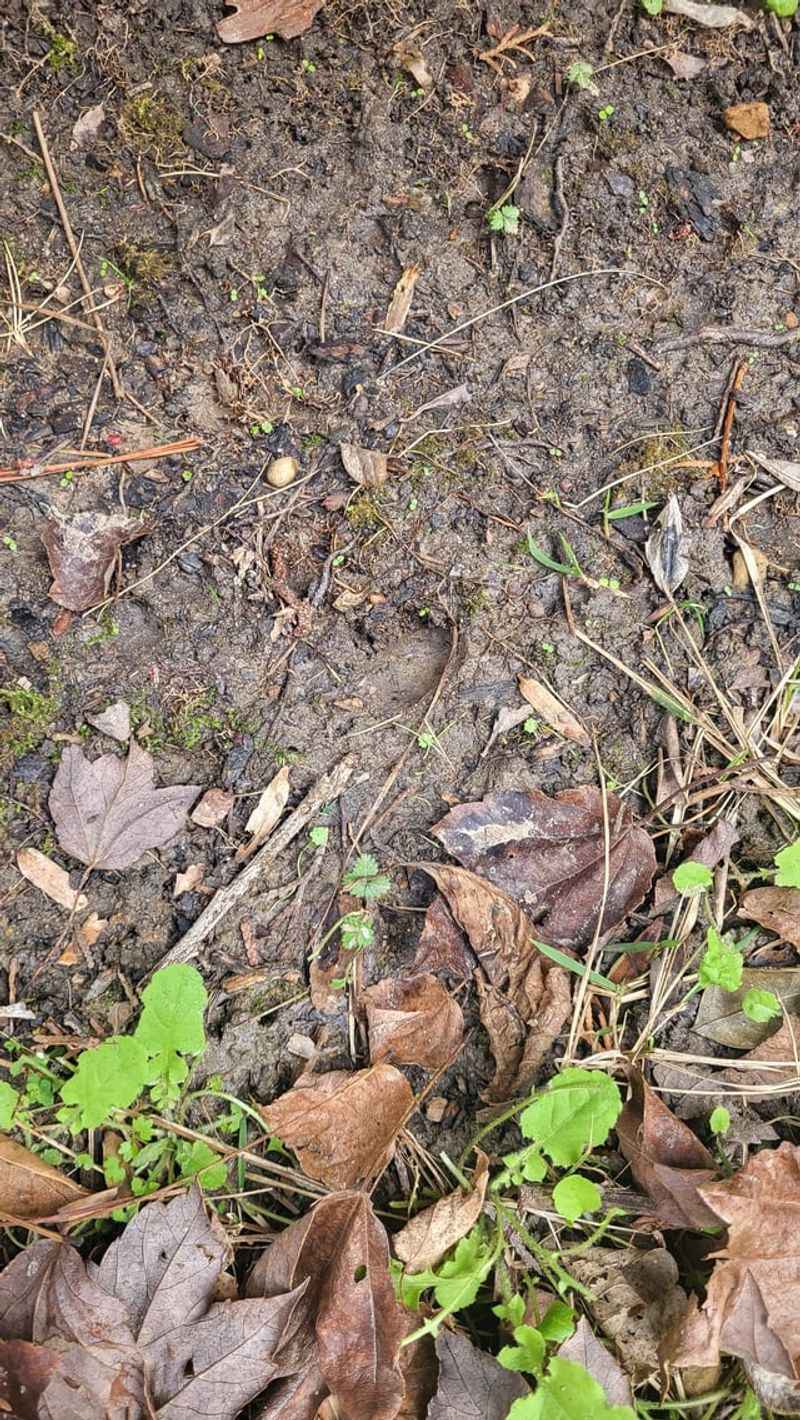
One rainstorm should not permanently change how your garden handles water, but compaction from foot traffic can make future drainage noticeably worse. When large soil pores get crushed together, water has fewer channels to move through.
Instead of soaking in quickly, rainfall sits near the surface for longer periods, turning your garden bed into a shallow pond every time it rains.
Michigan gardens with heavier clay content feel this effect most strongly. Clay soil already drains more slowly than sandy soil because its particles are naturally small and tightly packed.
Add compaction from walking through muddy beds on top of that, and the drainage situation gets significantly worse.
Standing water near plant roots creates conditions that stress most common garden vegetables and ornamentals, because saturated soil pushes out the oxygen that roots depend on.
The cycle can build on itself in a frustrating way. Poor drainage leads to wetter soil for longer periods, which means the next rainfall event finds soil that is already saturated.
Each subsequent event has less room to absorb, so runoff increases and the growing area stays wet longer. Over time, this can reshape how productive a garden bed actually is.
The good news is that avoiding foot traffic during and after heavy rains helps preserve the larger pore spaces that make quick drainage possible.
Protecting those channels now means your garden handles the next big Michigan storm much more gracefully.
5. Less Air Reaches The Root Zone
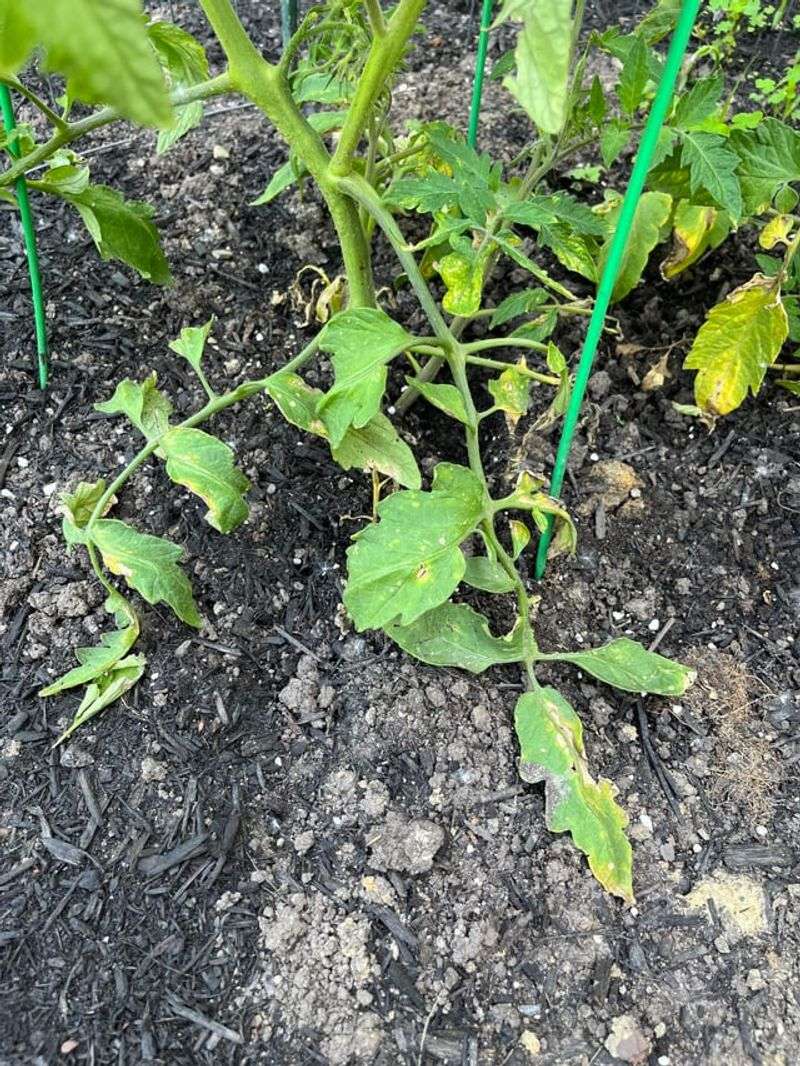
Most people think of water when they think about what roots need, but oxygen is just as critical. Roots actively consume oxygen as they grow and function.
The microorganisms living around plant roots also need air to do their jobs, breaking down organic matter and releasing nutrients that plants can absorb. Without enough oxygen in the soil, the whole underground system starts to slow down.
Saturated soil already pushes air out of pore spaces by filling them with water. When compaction shrinks those pore spaces further, there is even less room for air to return once drainage begins.
Michigan State University identifies reduced oxygen availability as an important consequence of compacted soil, and it explains why plants can show signs of stress even when the surrounding soil looks moist and seemingly healthy to the eye.
Yellowing leaves, slow growth, and reduced flowering can all trace back to poor soil aeration rather than a lack of water or fertilizer. Gardeners sometimes respond by adding more water or nutrients, which can actually make an oxygen-starved situation worse.
Recognizing that compaction from post-rain foot traffic can restrict airflow helps you diagnose problems more accurately and respond more effectively.
Protecting the air spaces in your soil is not complicated, but it does require keeping foot traffic away from beds when the ground is wet and saturated.
Your roots and the organisms supporting them will reward that small act of patience with noticeably stronger plant growth.
6. Clay Garden Beds Are Especially Vulnerable
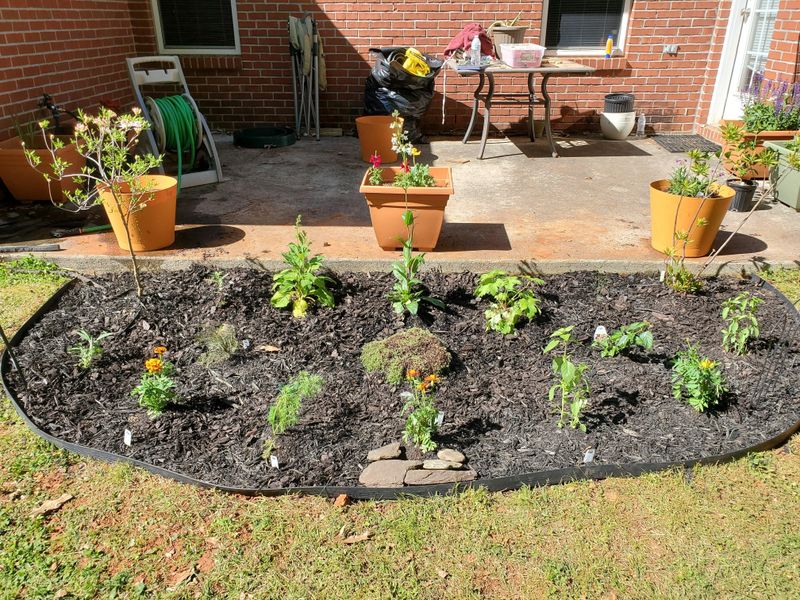
Not all Michigan soils react to foot traffic the same way, and gardeners working with clay or clay-rich soil need to be especially careful after a significant rainfall.
Clay particles are incredibly small, much smaller than sand or silt particles, and they hold onto water for a long time.
That water retention is useful during dry stretches, but it becomes a serious liability right after heavy rain.
When clay soil is saturated, those tiny particles slide against each other with very little friction. Body weight presses them together easily, and they can stay compressed long after the surface looks dry.
Michigan State University reports that clay soil can remain wet considerably longer after heavy rain than most gardeners expect.
A bed that looks firm on top might still be wet and vulnerable several inches down, which is exactly where compaction causes the most harm to roots.
Sandy soils do drain faster and compact less readily, but even sandy garden beds can suffer when they are thoroughly saturated. The safest approach for any gardener is to evaluate actual soil conditions rather than guessing based on surface appearance alone.
Pressing your finger into the soil and checking how it feels a few inches down gives you a much more accurate picture. Clay-heavy gardens especially benefit from raised beds, permanent paths, and cover crops that help maintain structure.
Treating your clay soil with extra caution after rain is one of the smartest habits you can build as a Michigan gardener.
7. Use The Hand Test Before Going Back Into The Bed
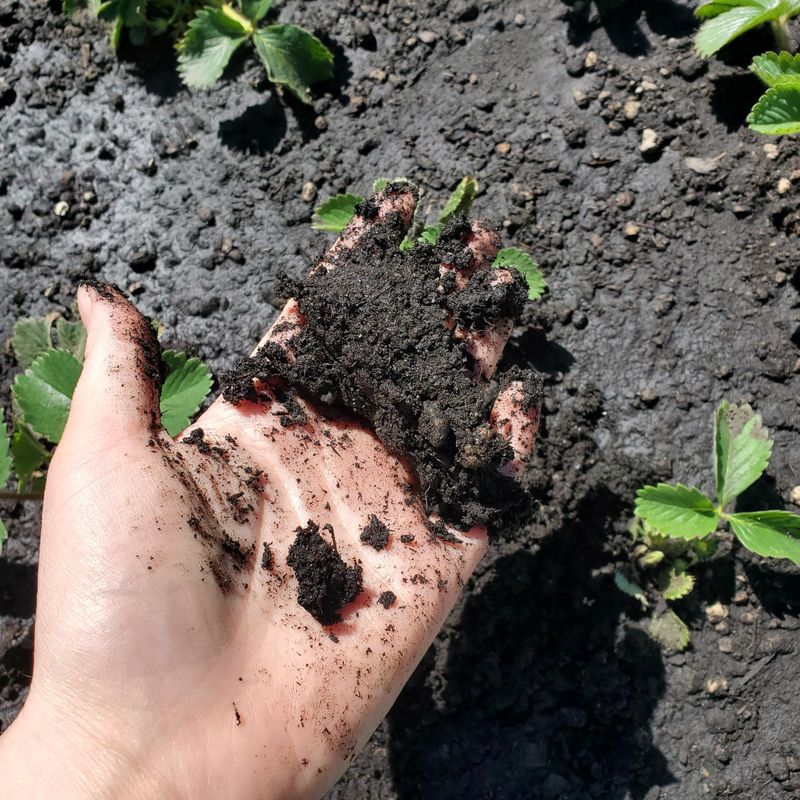
Before you step back into your garden after a rainstorm, there is a quick and reliable way to check whether the soil is actually ready. Reach down and grab a small handful of soil from a few inches below the surface.
Squeeze it firmly in your palm, then open your hand and see what happens next.
Michigan State University recommends this simple squeeze test as a practical guide for gardeners. If the soil ball breaks apart into smaller crumbles when you poke it gently, the ground is dry enough to work without causing significant compaction.
If the soil stays pressed together as a sticky, dense ball that holds its shape, the soil is still too wet and too vulnerable.
Walking on it, digging in it, or planting in it at that point will compress the structure and cause the kind of damage that takes weeks or months to recover from.
Waiting feels hard when you are excited to plant or tend your garden, but postponing your work by even one or two days can make a dramatic difference.
A bed protected from foot traffic while wet will reward you with better drainage, healthier roots, and stronger plants all season long.
Rushing back in too soon is one of the most common and easily avoidable gardening mistakes Michigan gardeners make each spring. The hand test costs you nothing and takes about ten seconds.
Make it a regular habit after every heavy rain, and your soil will stay in much better shape year after year.
8. Permanent Paths Help Prevent The Problem Next Time
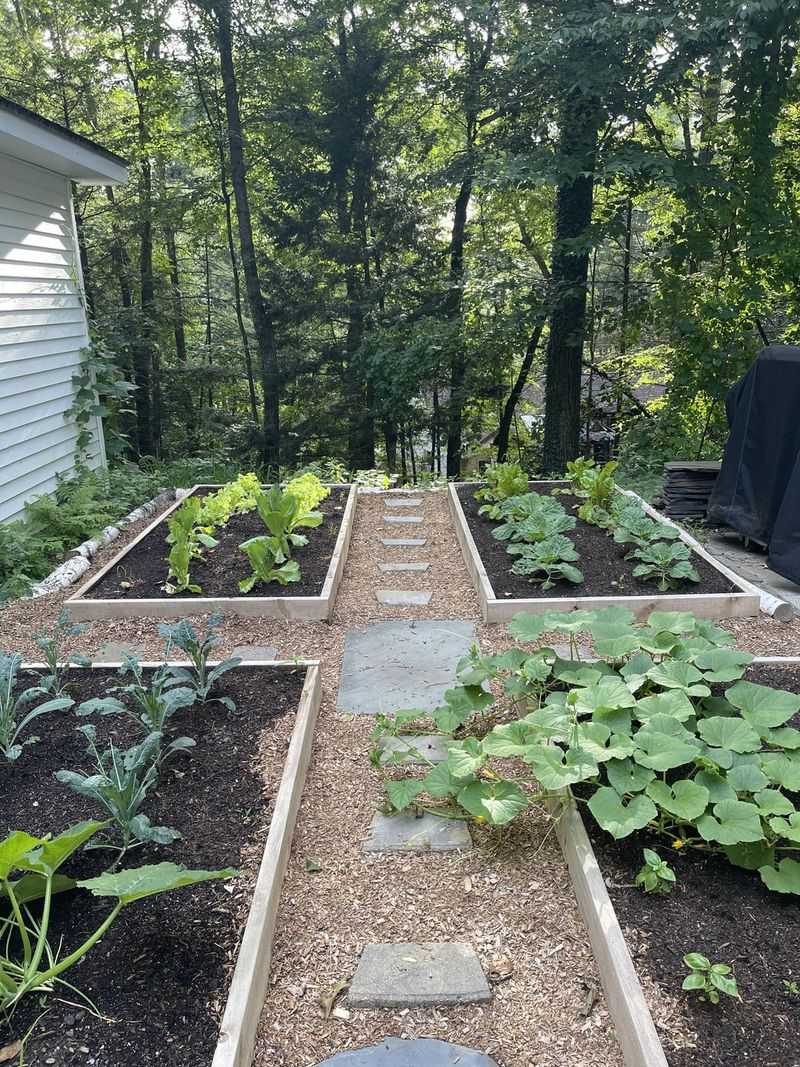
The best way to protect your garden soil after heavy rain is to plan ahead so you never need to walk across it at all. Permanent walking paths between planting areas are one of the most practical upgrades any Michigan gardener can make.
When you have a clear, defined place to put your feet, the growing soil in your beds stays undisturbed no matter how wet the weather gets.
Raised beds take this idea even further. Because the growing area sits above the surrounding ground and you can reach plants from the outside edge, there is rarely a reason to step directly into the soil at all.
Many Michigan gardeners find that switching to raised beds or adding simple wood chip paths between in-ground rows nearly eliminates compaction problems caused by foot traffic.
The soil inside those protected areas stays loose, well-aerated, and ready to support strong root growth season after season.
Adding organic matter like compost to your beds each year also helps rebuild and maintain soil structure over time. Organic matter creates and supports pore spaces, feeds soil organisms, and improves both drainage and water retention.
Where compaction has already occurred, organic matter and gentle loosening with a garden fork can help restore some structure without causing further damage.
After a big Michigan rainstorm, sometimes the most productive thing you can do for your garden is simply stay off the beds and let the soil recover on its own schedule.
Patience and good planning are two of the most powerful tools in any gardener’s collection.