Why California Liquid Amber Trees Are Being Removed From City Sidewalks
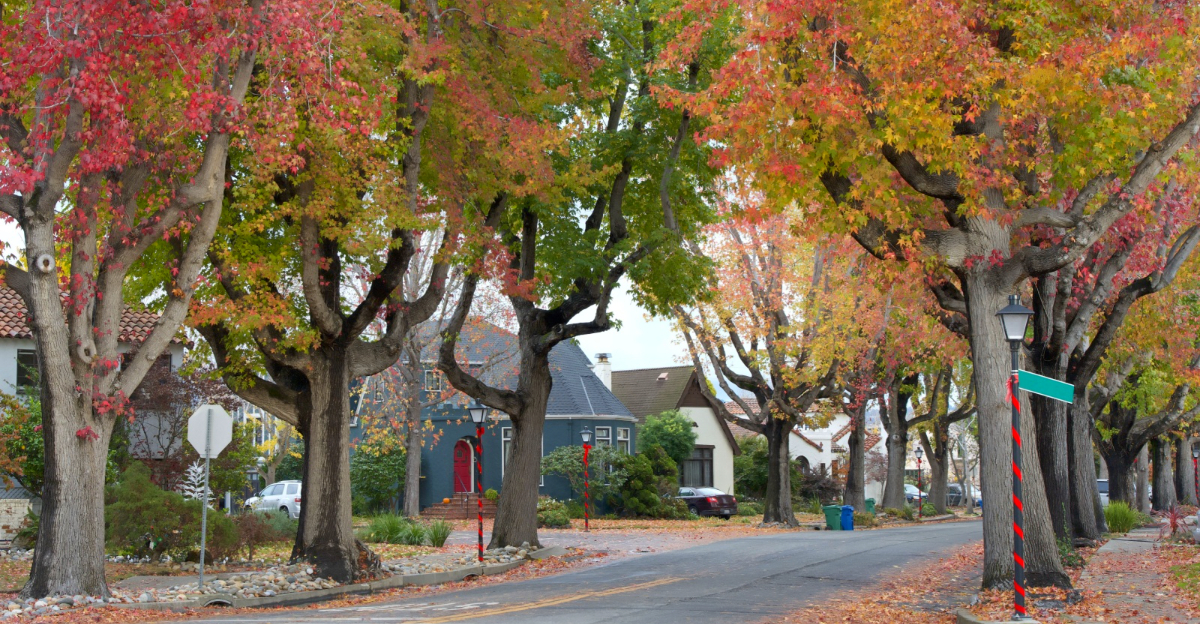
Liquidambar trees had a really good run in California. Stunning fall color, full canopy, the kind of curb appeal that makes a whole street look like a lifestyle magazine spread.
For a long time, planting them along city sidewalks seemed like an obvious win. Fast forward a few decades and a lot of California cities are dealing with the consequences of that decision in a very real and expensive way.
Lifted pavement, spiny seedpods scattered across walkways, tripping hazards, cracked curbs, root conflicts with underground utilities, the list of problems that come with a mature Liquidambar in a tight sidewalk strip is a long one.
What looked like a perfect street tree turned out to be a tree that simply needed far more space than most urban planting sites could ever realistically provide.
It is a cautionary tale worth knowing.
1. Roots Can Lift Sidewalks
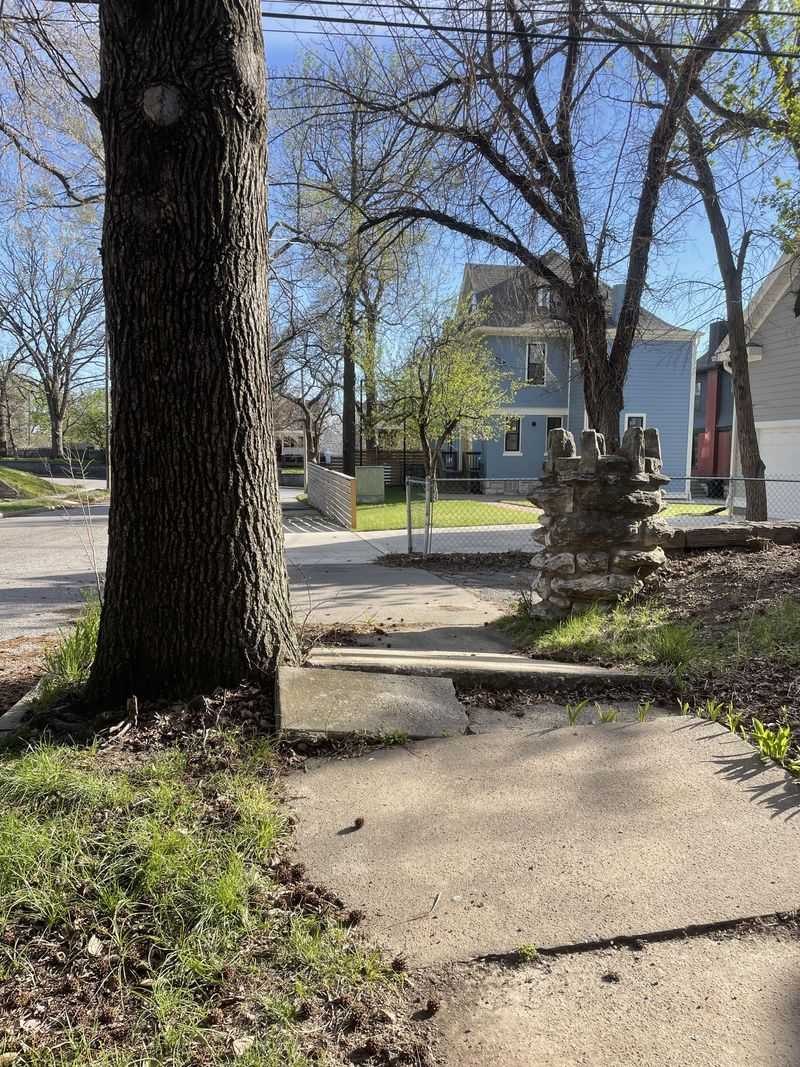
Uneven sidewalk panels are one of the most visible signs that a street tree has outgrown its space. In many older California neighborhoods, Liquidambar tree roots spread aggressively outward just beneath the soil surface, searching for water and nutrients.
When those roots meet concrete, they push upward with surprising force, causing sidewalk panels to crack, buckle, and rise unevenly over time.
Pedestrians walking along these blocks often notice the pavement shifting under their feet or see clear ridges where roots have forced slabs apart.
For older adults, people with mobility challenges, or anyone pushing a stroller, raised sidewalk edges become genuine safety concerns.
Cities receive complaints and liability reports when someone trips and falls on damaged pavement caused by tree roots.
California municipalities typically inspect sidewalks on a regular schedule, and trees that repeatedly damage pavement may be flagged for further review.
Root barriers installed during planting can sometimes redirect roots downward, but trees already established without barriers often continue causing problems as they mature.
In many cases, the sidewalk damage becomes extensive enough that repair alone does not solve the underlying issue.
At that point, the city may consider removing the tree entirely or replacing it with a species less likely to conflict with pavement in a narrow urban planting strip.
2. Spiny Seedpods Create Tripping Hazards
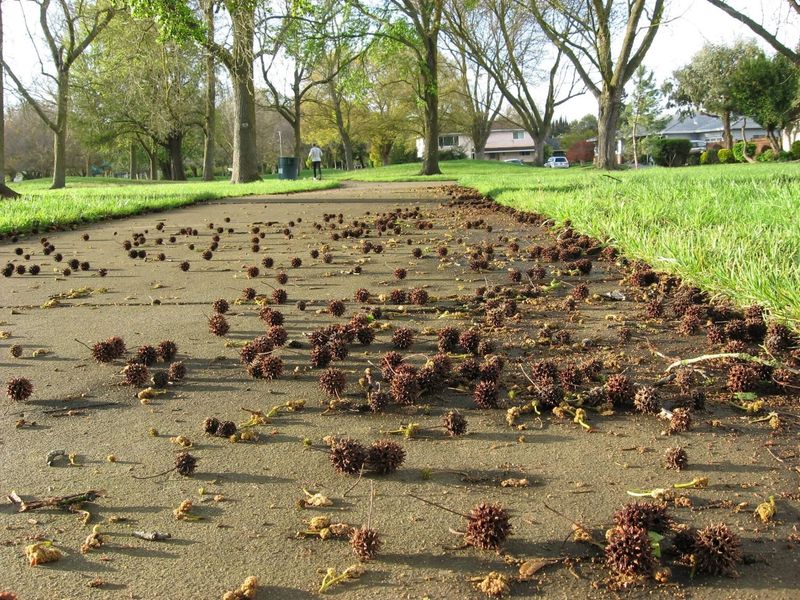
Anyone who has ever stepped on a hard, spiny Liquidambar seedpod knows exactly how uncomfortable and startling it can be.
These round, golf-ball-sized fruits covered in sharp points drop from sweetgum trees throughout the fall and winter months, and they can scatter across sidewalks, driveways, and parkways in large numbers.
When they land on pavement, they roll unpredictably underfoot, creating a real slipping and tripping risk for pedestrians.
In California neighborhoods where Liquidambar trees overhang sidewalks, residents often spend considerable time raking and bagging seedpods just to keep walkways clear.
Older adults and children are especially vulnerable to slipping on the rounded pods, and city sidewalks with heavy seedpod accumulation can become genuinely hazardous, particularly after rain when pods become wet and even more slippery than usual.
Some California cities list persistent seedpod drop as one of the contributing factors when evaluating whether a street tree should remain or be replaced.
Your California Garden Changes Every Week. Your Plan Should Too.
Gardening in California changes quickly throughout the season. Every Friday you’ll receive a simple weekly plan showing exactly what to plant, prune, fertilize, harvest, and protect so you never miss the right timing.
While the spiny fruit is a natural part of the tree’s biology, it becomes a management challenge when the tree is planted directly over a public walkway with heavy foot traffic.
Seedless Liquidambar cultivars do exist and have been developed specifically to reduce this problem.
However, many older street trees planted decades ago are standard seed-bearing varieties that continue dropping fruit each season without much that can be done short of full removal.
3. Narrow Parkways Leave Roots Too Little Room
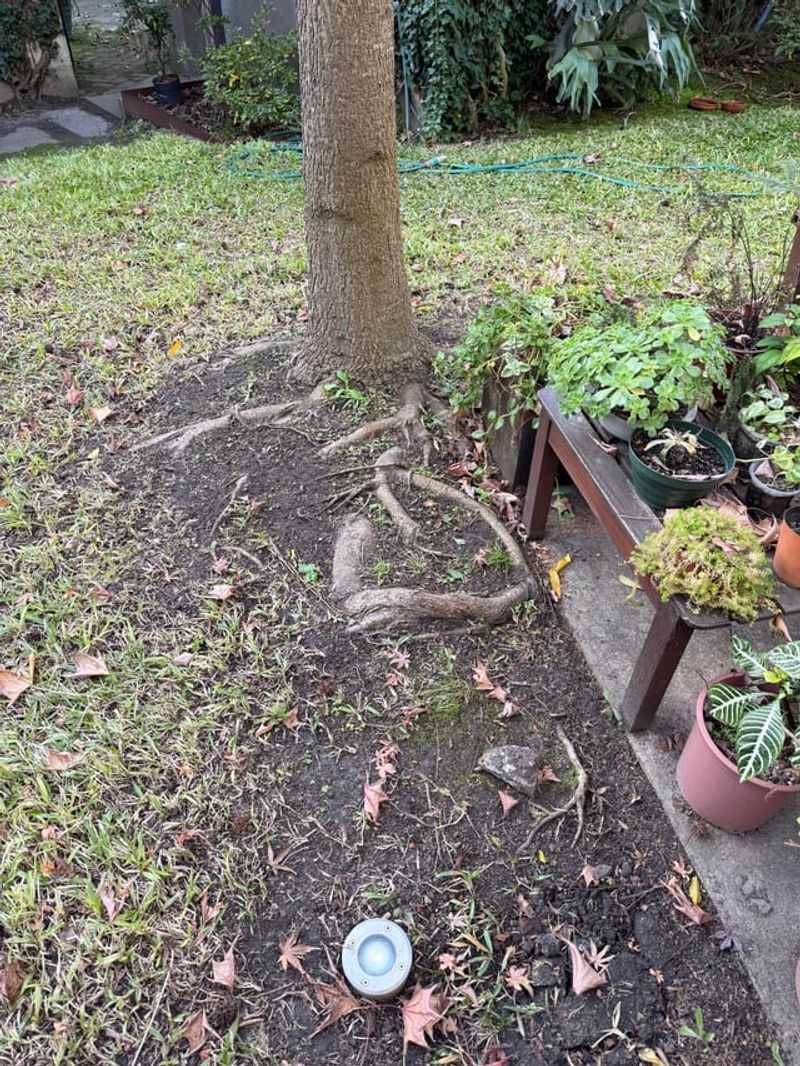
Planting strips between the sidewalk and the curb, often called parkways or tree wells, vary quite a bit in width across California cities.
Some older neighborhoods have parkway strips that measure only three to four feet wide, which may seem adequate for a young tree but quickly becomes insufficient as the tree matures.
Liquidambar trees are large-growing species that can eventually reach 60 to 80 feet tall with wide, spreading root systems that extend well beyond the canopy edge.
When a tree that size is planted in a narrow strip, its roots have almost nowhere to grow except outward into the sidewalk and downward into the soil beneath the curb.
Over time, roots may also extend toward underground water lines, irrigation pipes, and utility conduits running along the street.
The confined space essentially forces the root system into conflict with surrounding infrastructure, making ongoing maintenance more complicated and expensive.
Urban foresters and city arborists in California often evaluate planting strip width when deciding which tree species are appropriate for a given location.
Many updated city street tree lists now recommend planting Liquidambar only in wider parkways of six feet or more, or avoiding them altogether in tight residential sidewalk strips.
Trees already established in narrow strips may eventually be flagged for removal if root damage becomes severe, since there is often no practical way to expand the planting area once surrounding pavement and utilities are already in place.
4. Large Trees Outgrow Tight Street Spaces
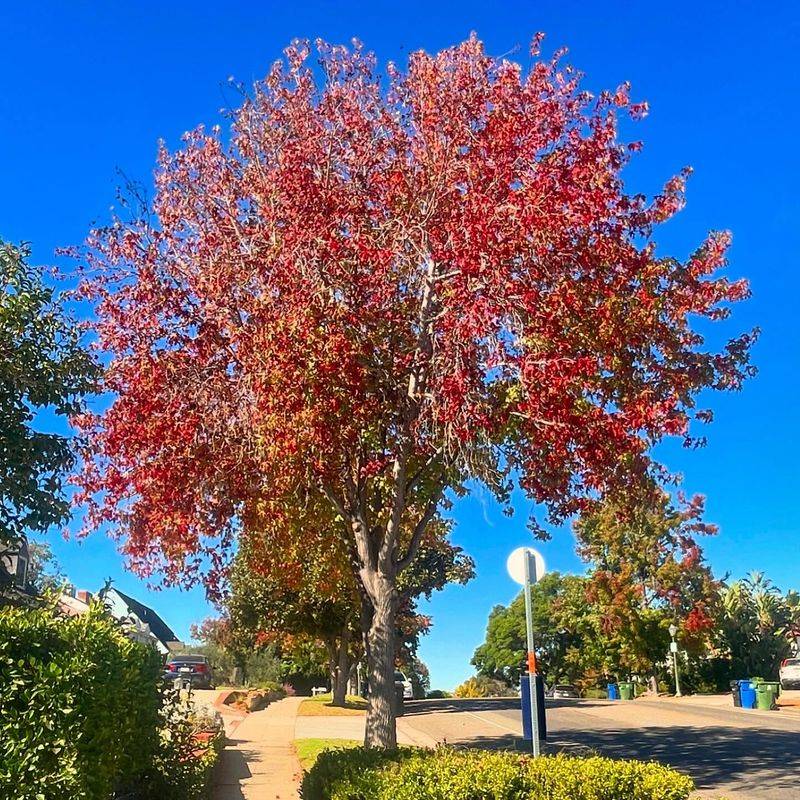
Mature Liquidambar trees are genuinely impressive in size, and that is part of what makes them so appealing when planted as shade trees. A well-established sweetgum can grow to 60 feet tall or taller, with a broad canopy that spreads outward significantly.
In a spacious park or large yard, that scale is beautiful and functional. Along a narrow city sidewalk, however, that same size can become a serious mismatch between the tree and its environment.
As the canopy grows wider, large branches may extend over power lines, rooftops, and roadways. Root systems spread proportionally, reaching under driveways, curbs, and foundation areas of nearby properties.
California homeowners sometimes notice surface roots appearing in their front yards, or cracks developing in curbs and gutters adjacent to older sweetgum trees. These are signs that the tree has simply outgrown the space where it was originally planted.
City arborists often refer to this as a tree-to-space mismatch, and it is one of the most common reasons mature street trees are eventually removed or replaced.
Urban forestry guidelines increasingly emphasize matching a tree’s expected mature size to the available growing space before planting.
When that match is off, the consequences tend to compound over time as the tree continues growing while the surrounding infrastructure remains fixed.
Many California cities now use size-appropriate tree species in tight sidewalk locations to prevent similar situations from developing with newly planted trees going forward.
5. Sidewalk Repairs Become Expensive
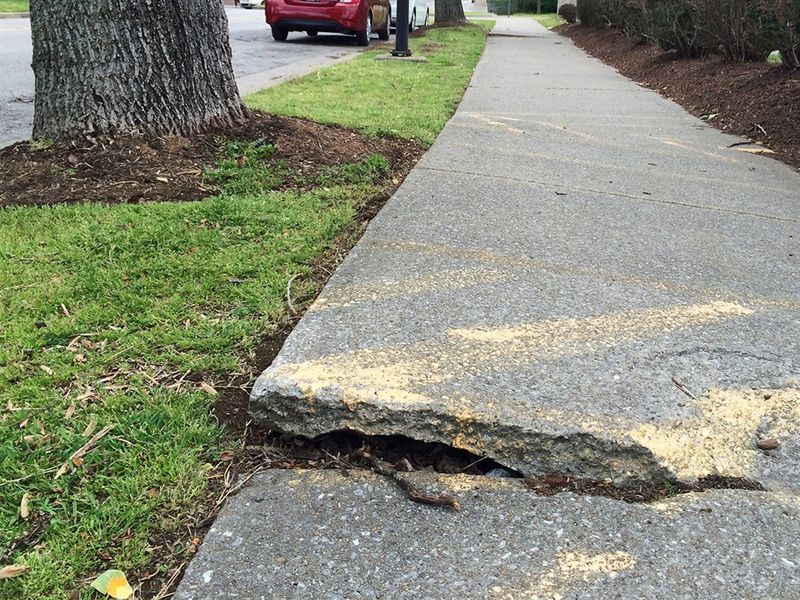
Sidewalk repair budgets in California cities have come under increasing pressure over the years, and tree-related damage is one of the most consistent contributors to repair costs.
When Liquidambar tree roots lift and crack sidewalk panels, the city or the adjacent property owner, depending on local ordinance, may be responsible for paying to grind, replace, or reset the damaged concrete.
These repairs can range from a few hundred dollars for minor grinding to several thousand dollars for full panel replacement in heavily damaged sections.
Repeated repairs on the same block are particularly costly. If a tree continues growing after a sidewalk repair, roots will often cause new damage within a few years, leading to another round of grinding or replacement.
Some California municipalities have reported spending significant portions of their annual sidewalk maintenance budgets on blocks where large, mature street trees with aggressive root systems are concentrated.
Liquidambar trees are frequently cited in these situations alongside other species known for surface-rooting behavior.
City staff sometimes reach a point where the ongoing repair cycle no longer makes financial sense compared to the cost of removing the tree and replanting with a more appropriate species.
This calculation involves weighing the value of the existing tree, including its shade, air quality benefits, and aesthetic contribution to the neighborhood, against the long-term infrastructure costs it generates.
In many California neighborhoods, that evaluation has led to the gradual replacement of older Liquidambar trees with species better suited to tight sidewalk environments.
6. Root Pruning Can Stress Older Trees
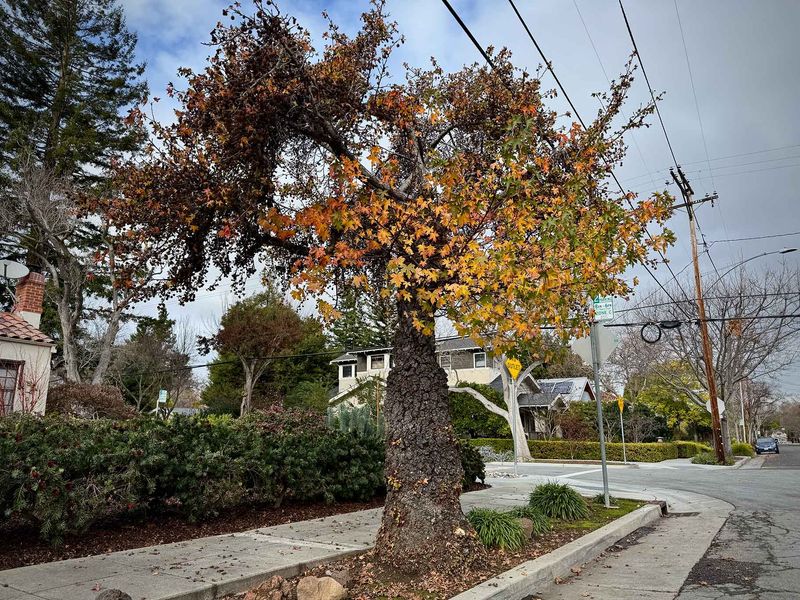
When a Liquidambar tree’s roots begin damaging a sidewalk, one option cities sometimes explore before full removal is root pruning, which involves cutting roots that are growing into the pavement.
On paper, this sounds like a practical middle-ground solution that preserves the tree while protecting the sidewalk.
In practice, however, root pruning mature trees carries real risks that city arborists must weigh carefully before proceeding.
Roots are not just anchors; they are also the primary system through which trees absorb water and nutrients.
Cutting a significant portion of a mature tree’s root system can reduce its ability to take up what it needs to stay healthy, particularly during California’s dry summer months when irrigation may be limited.
Stressed trees may show symptoms like reduced leaf size, early leaf drop, or branches that gradually stop producing in the seasons following aggressive root pruning.
There is also a structural concern. Roots help anchor trees against wind and soil movement, and removing too many roots on one side of a tree can make it less stable than it was before.
Urban forestry guidelines generally recommend that root pruning be done conservatively, targeting only the specific roots causing damage while preserving as much of the root system as possible.
For older, large Liquidambar trees with extensive root systems already in conflict with surrounding infrastructure, root pruning may offer only a temporary solution.
Cities may ultimately decide that removal and replacement is the more responsible long-term choice when the scale of the problem outgrows what maintenance alone can realistically manage.
7. Cities Prefer Better Street Tree Choices
Sidewalk repair crews and city arborists across California have learned a great deal from decades of experience with large, aggressive-rooting street trees.
That accumulated knowledge has led many municipalities to revise their approved street tree lists, removing or limiting species that have consistently caused infrastructure problems and adding alternatives that perform better in tight urban environments.
Liquidambar trees have been removed from or restricted on approved lists in several California cities as a result of these updates.
Species that tend to perform well in California sidewalk environments typically share a few key traits.
They have less aggressive root systems that are less likely to lift pavement, they reach a mature size proportional to the planting space available, and they provide meaningful shade and environmental benefits without creating excessive maintenance demands.
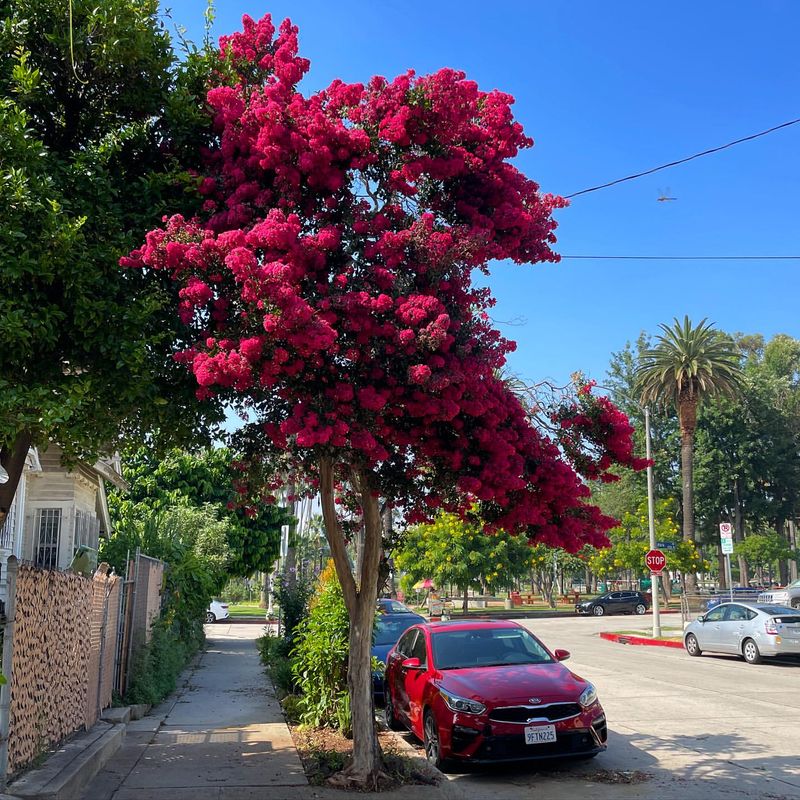
Examples of trees that have gained favor on updated California street tree lists include certain species of crape myrtle, Chinese pistache, and various ornamental pears, though specific recommendations vary by city and climate zone.
Choosing the right tree for the right location is a principle that urban foresters emphasize repeatedly, and it reflects a broader shift in how California cities think about street tree programs.
Rather than planting whatever is available or popular at a given time, many cities now consult with certified arborists and urban forestry specialists to match tree species carefully to site conditions.
Parkway width, overhead clearance, soil type, and local climate are all factored into the selection process in ways that were not always standard practice in earlier decades of urban tree planting.
That more thoughtful approach aims to reduce future conflicts before they develop.
8. Replacement Trees Reduce Future Conflicts
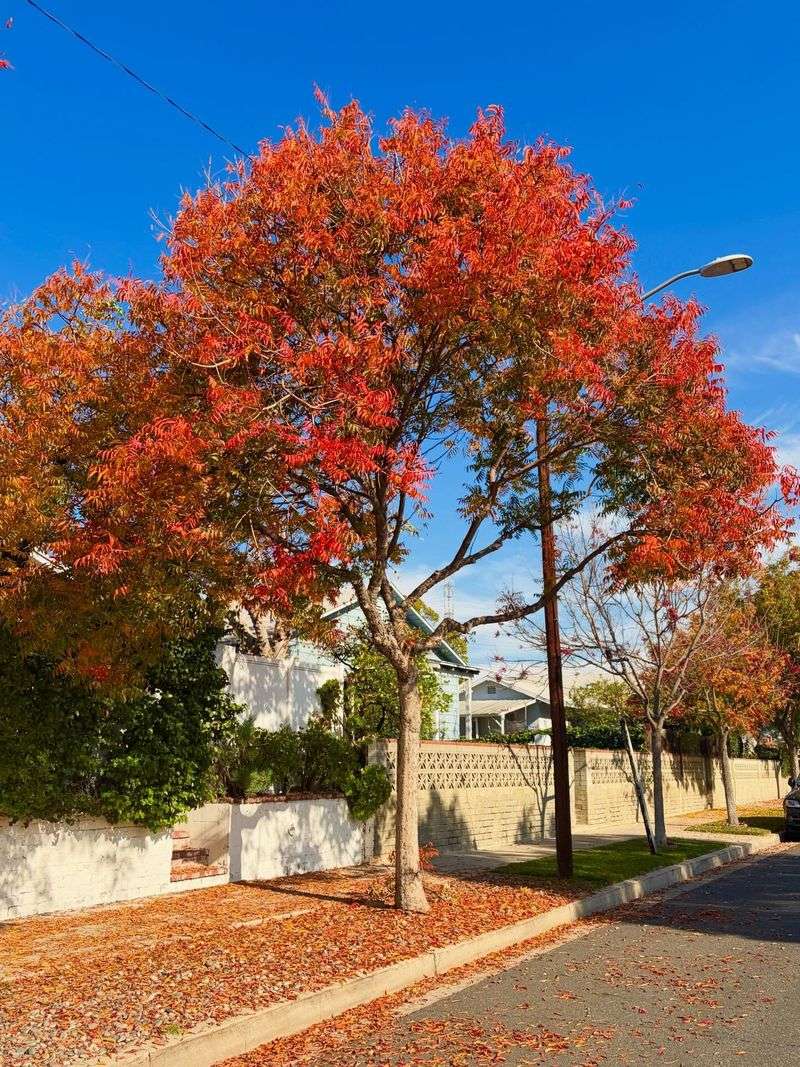
Replanting after a problematic street tree is removed gives California cities an opportunity to make a smarter choice for the long term.
When a mature Liquidambar comes out and a younger, better-suited species goes in, the goal is to restore the benefits of a street tree, including shade, air quality improvement, and neighborhood beauty.
The replacement process is also an opportunity to avoid repeating the root conflicts and seedpod hazards that made removal necessary in the first place.
Getting that selection right matters more than most people realize.
Replacement trees in California sidewalk locations are typically chosen based on mature size, root behavior, drought tolerance, and compatibility with the specific planting strip dimensions at that site.
Many cities now require that new street trees be planted with root barriers or structural soil systems that help guide root growth downward rather than outward into the pavement.
These measures do not guarantee a conflict-free future, but they substantially reduce the likelihood of the same problems recurring with the new tree.
For residents, seeing a familiar old tree removed can feel like a loss, especially if it provided meaningful shade or seasonal color in the neighborhood.
The transition period between removal and the time a replacement tree matures enough to provide similar benefits can take several years.
Still, urban forestry professionals in California generally agree that proactive replacement with a well-matched species is preferable to repeated costly repairs on a tree that will continue causing problems as long as it remains in a space too small for its natural growth.