Dragonflies Appeared In Your Tennessee Yard And Here Is What It Really Means
Most Tennessee homeowners spend years trying to attract birds, butterflies, maybe a firefly or two.
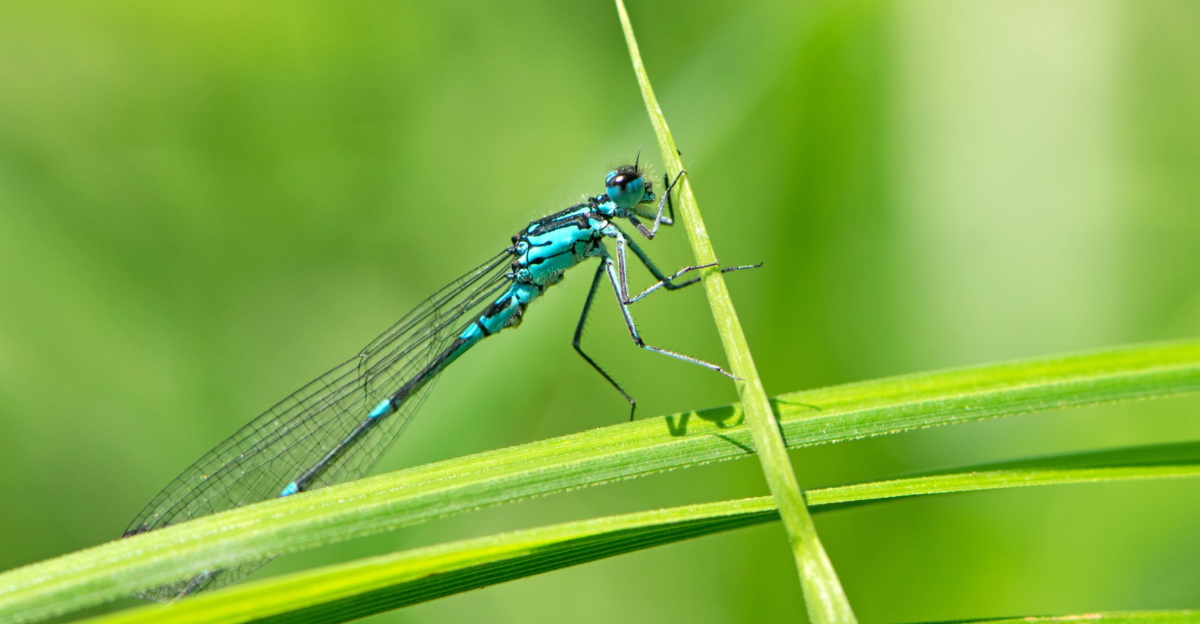
Then one morning, without any effort on your part, dragonflies arrive and completely steal the show. Fast, precise, weirdly beautiful, they work your yard like they own it.
You stand there, watching something you cannot quite explain. But here is what stops most people cold: why here, why now, why your yard specifically?
Dragonflies are not wanderers drifting on whatever breeze finds them. They are scouts, and every hover and dart over your grass is a deliberate signal.
The overall health of your outdoor environment, from what moves through the air to what hides beneath the surface, is exactly what draws them in or pushes them away.
These shimmering fliers are highly selective about where they spend their energy. Once you learn their language, a random Tuesday morning in your Tennessee backyard becomes something else entirely.
Suddenly Seeing Dragonflies Means Your Yard Has Become A Natural Habitat
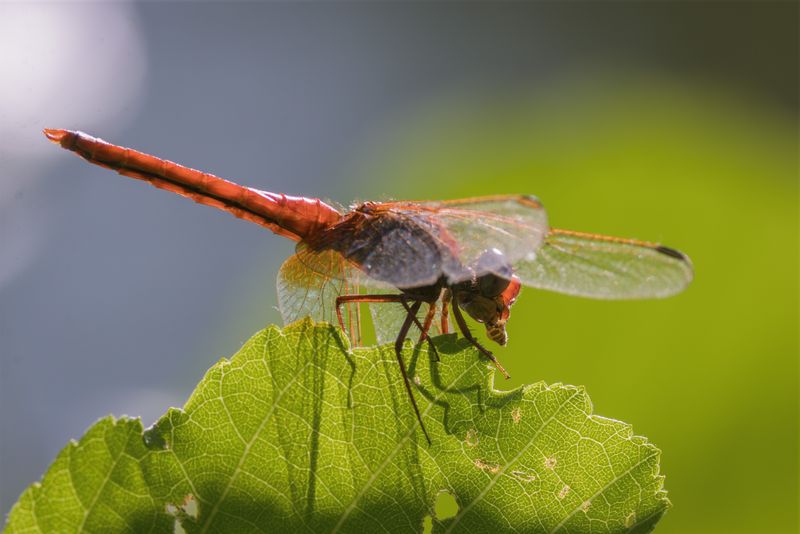
Your yard just got a promotion. When dragonflies show up out of nowhere, it means your outdoor space has quietly transformed into a functioning natural habitat.
Dragonflies are picky about where they spend their time. They need a mix of open space, vegetation, and insect activity to feel at home.
If your yard checks those boxes, congratulations, nature has noticed. Most suburban yards lack the biodiversity needed to attract these ancient fliers.
Dragonflies have been on Earth for over 300 million years. They survived ice ages, mass extinctions, and the rise of humans, so they know a good spot when they find one.
A yard that draws them in usually has layers, tall grasses, low shrubs, flowering plants, and open sky. Each layer supports a different part of the local food web.
Seeing them patrol your space means predators and prey are both present. That balance is what defines a true habitat, not just a pretty garden.
Dragonflies also need perching spots like fence posts, plant stems, or garden stakes. If your yard offers those, they will keep coming back to hunt and rest.
The presence of dragonflies in your Tennessee yard signals that your outdoor space is doing something right. It is not luck. It is ecology quietly working in your favor.
Your Tennessee Yard Has Healthy Conditions That Draw Dragonflies In
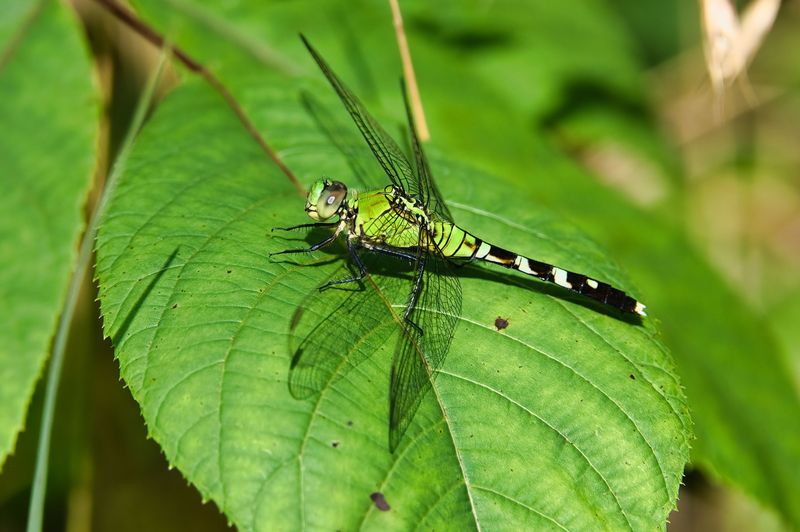
Healthy yards smell different. They buzz with life, hold moisture longer, and support more creatures than most homeowners ever realize.
Dragonflies are drawn to those conditions like a compass pointing north. Their appearance is a direct sign that your yard’s ecosystem is functioning well.
Soil health plays a bigger role than most people expect. Rich, living soil supports the insects that dragonflies hunt, creating a chain reaction of ecological activity.
Avoid heavy pesticide use and your yard becomes a buffet. Dragonflies eat mosquitoes, gnats, and small flies, all of which thrive in chemical-free environments.
Native plants are another magnet. Plants like coneflowers, milkweed, and black-eyed Susans support the insects that support the dragonfly food chain from the ground up.
Your Tennessee Garden Changes Every Week. Your Plan Should Too.
Gardening in Tennessee changes quickly throughout the season. Every Friday you’ll receive a simple weekly plan showing exactly what to plant, prune, fertilize, harvest, and protect so you never miss the right timing.
Tennessee’s warm, humid summers create ideal conditions for dragonfly activity. The heat speeds up insect reproduction, which means more food and more reasons for dragonflies to stick around.
A yard without synthetic chemicals, packed with native plants and natural prey, becomes highly attractive to these aerial hunters. They are not visiting randomly, they are choosing your space deliberately.
Dragonflies are a strong indicator that the conditions in your outdoor space are genuinely thriving and worth protecting.
Water Sources Play A Major Role In Attracting Dragonflies
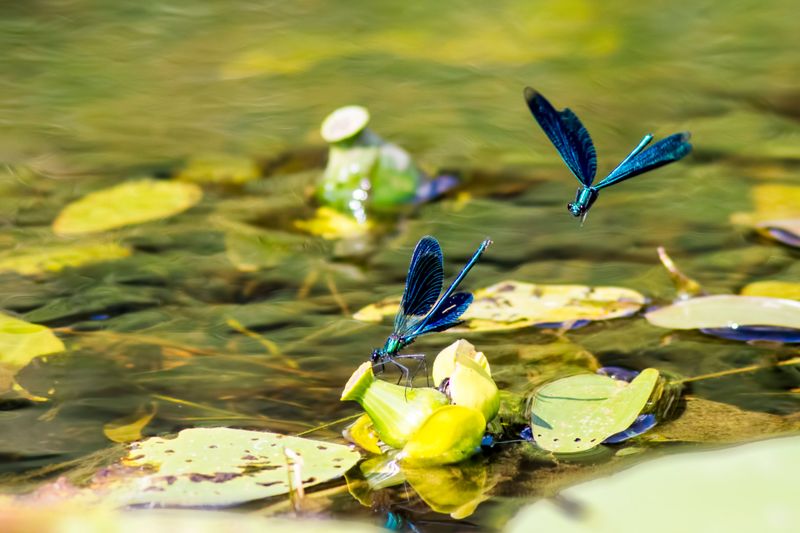
Still water is dragonfly gold. If you have a pond, birdbath, rain barrel, or even a low spot that collects water, you have already rolled out the welcome mat.
Dragonflies lay their eggs in or near water. Without a water source nearby, they have no reason to settle in and no place to start the next generation.
Even a small container pond can make a huge difference. Add some aquatic plants, skip the fish, and you have created a legitimate dragonfly nursery in your backyard.
Larval dragonflies, called nymphs, live underwater for months or even years. They need clean, stable water to develop before they emerge as the fliers we all recognize.
Tennessee has no shortage of natural waterways, but urban and suburban yards often lack that moisture connection. Adding a water feature bridges that gap instantly and effectively.
Moving water is less attractive to them than calm, still surfaces. A simple, non-circulating pond or a shallow tray of water with rocks works better than a splashing fountain.
Muddy edges around water are a bonus. Dragonflies sometimes rest near moist ground to cool down and hunt insects that gather near wet areas.
Water is one of the most powerful tools you have for drawing dragonflies into your Tennessee yard. Add it, maintain it, and watch the aerial show begin within a single season.
Seasonal Patterns Explain When And Why Dragonflies Appear In Tennessee
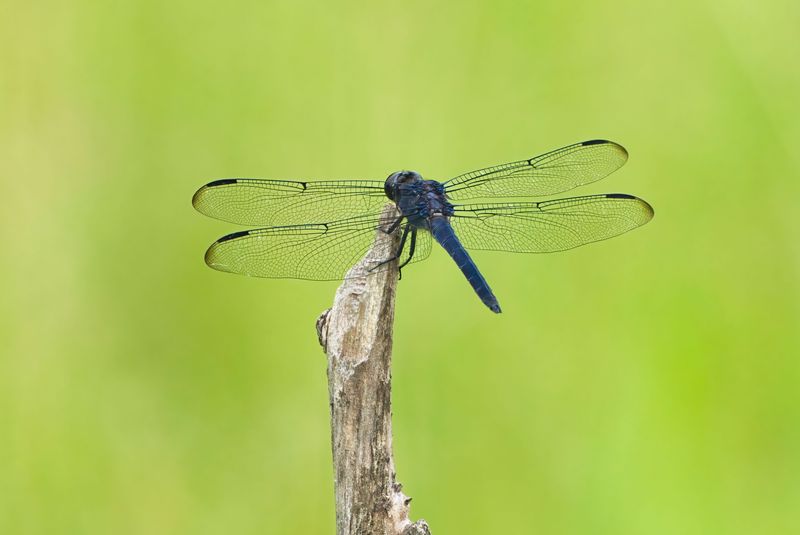
Timing matters more than most people think. Dragonflies do not appear randomly. Their visits follow a seasonal rhythm tied to temperature, water levels, and insect cycles.
In Tennessee, dragonfly season typically kicks off in late spring. As temperatures climb past 60 degrees, nymphs begin emerging from ponds and streams to take their first flights.
Peak activity usually hits between June and August. During those months, warm evenings and abundant insect prey make backyards across the state a hotspot for dragonfly hunting.
Some species are early risers, appearing in April or May. Others prefer the heat of midsummer, making Tennessee’s long warm season a paradise for multiple dragonfly varieties.
Migration also plays a role. Certain species, like the Common Green Darner, travel south in fall, passing through Tennessee in impressive numbers before heading to warmer climates.
If you spot a sudden surge of dragonflies in September, you may be witnessing a migration event. That swarm is not a sign of trouble. It is actually a spectacular natural moment.
Rainy springs tend to produce bigger dragonfly populations. More standing water means more breeding sites, which translates to more adults patrolling yards by midsummer.
Understanding these seasonal patterns helps you appreciate why dragonflies appear when they do in your Tennessee yard. Their timing is not accidental, it is perfectly calibrated to nature’s own schedule.
Insect Population And Air Quality Are Revealed By Dragonflies In Your Yard
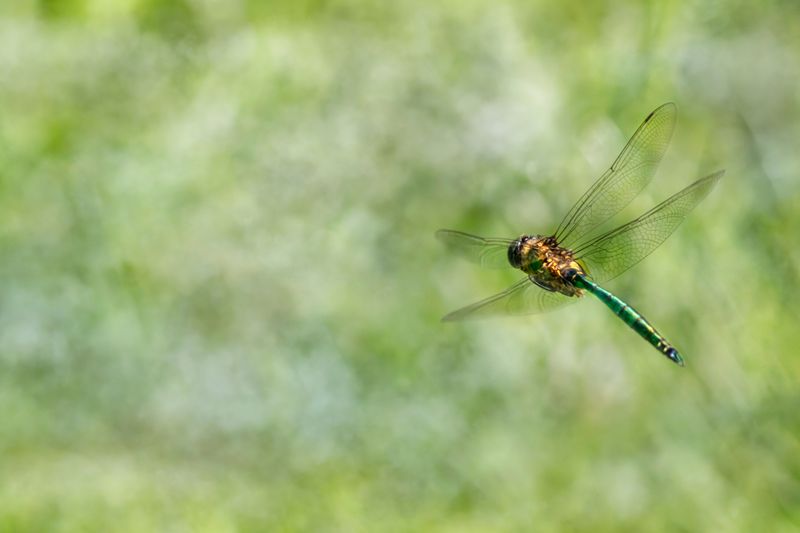
Dragonflies are nature’s air traffic controllers. Their presence tells you two critical things: your insect population is healthy and your air quality is decent enough to support life.
These fliers are apex predators of the insect world. A single dragonfly can catch and eat hundreds of mosquitoes in one day, making them one of the most effective natural pest controls available.
Seeing them in your yard means the prey base is strong. Mosquitoes, midges, and gnats must be present in good numbers to keep dragonflies coming back for more.
Air quality matters too. Dragonflies are sensitive to pollution and chemical exposure, so yards in cleaner air zones attract more of them than heavily sprayed or industrial areas.
Studies have shown that dragonfly populations decline near areas with heavy pesticide use. Their presence is a strong indicator that your local air and land may be relatively free of harsh chemicals.
They also hunt near the ground and at mid-height, covering the full vertical range of your yard’s insect activity. Watching where they fly tells you exactly where the bugs are clustering.
If dragonflies are patrolling near your porch light at dusk, flying insects are gathering there. They are not lost. They are working a reliable hunting route.
Dragonflies in your Tennessee yard are living environmental monitors. Their flight patterns and numbers reflect the invisible health of your outdoor air and insect ecosystem in real time.
How To Encourage More Dragonflies To Stay In Your Yard
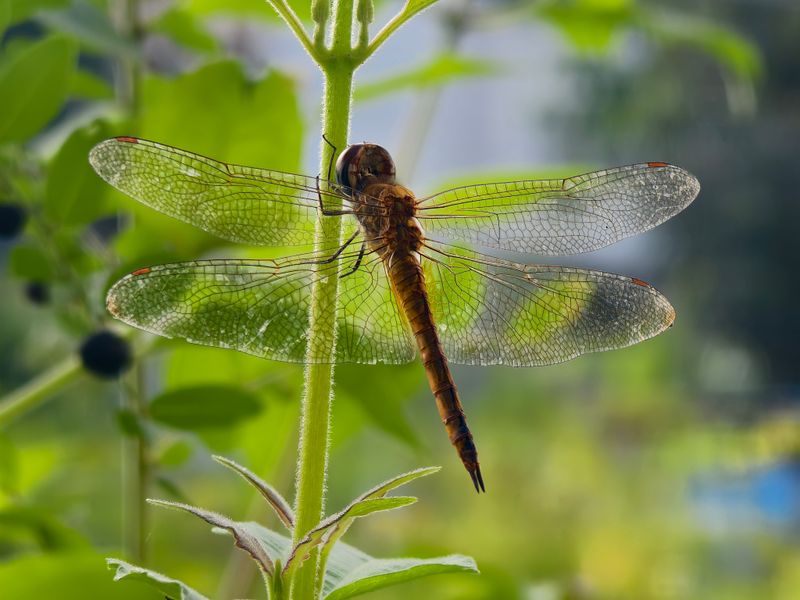
You do not need a wildlife degree to make your yard dragonfly-friendly. A few intentional changes can turn your outdoor space into a regular stop on their patrol route.
Start with water. Even a half-barrel pond with aquatic plants like water lilies or rushes gives dragonflies a place to breed and a reason to stay close.
Skip the pesticides whenever possible. Chemical sprays wipe out the small insects that dragonflies depend on, cutting off their food supply and sending them elsewhere to hunt.
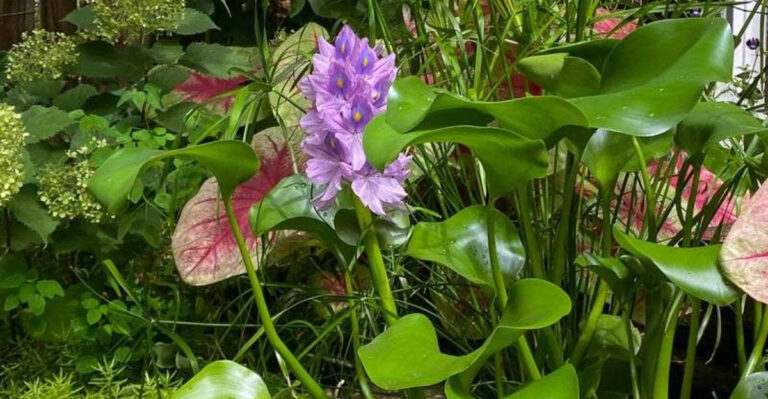
Plant native species around your water feature. Plants like pickerelweed, blue flag iris, and swamp milkweed attract the aquatic insects that dragonfly nymphs feed on underwater.
Add vertical perches near open areas. Bamboo stakes, tall plant stems, or even a simple wooden dowel gives dragonflies a place to rest and scan for prey between flights.
Reduce lawn mowing frequency near garden edges. Taller grass and wildflower patches create the layered environment that supports the insects dragonflies chase every single day.
Avoid outdoor lighting that runs all night. Constant light disrupts insect behavior and can pull prey away from the areas where dragonflies prefer to hunt at dawn and dusk.
Encouraging dragonflies to stay in your Tennessee yard is about creating conditions, not chasing them. Build the right environment and these remarkable fliers will find you all on their own.