Texas Gardeners Can Skip The Invasive Pampas Grass And Grow These Native Beauties Instead
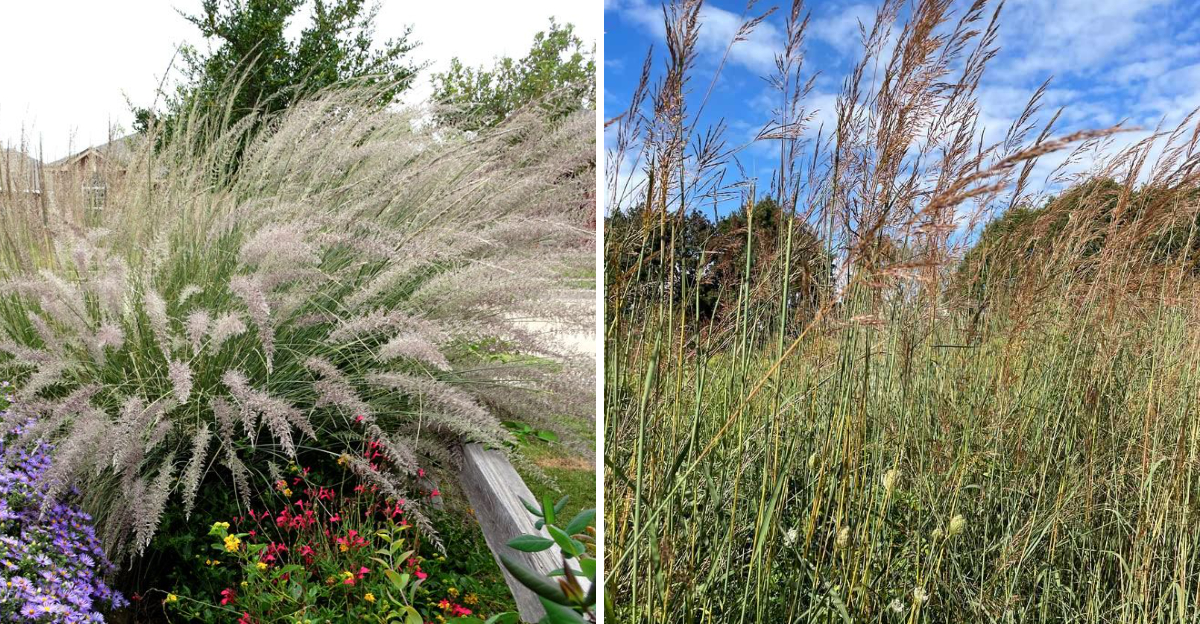
Pampas grass looks stunning in photos, but in Texas, that fluffy plume comes with a serious catch.
Originally from South America, it spreads aggressively, crowds out native plants, and is listed as an invasive concern in parts of the state.
The frustrating part is that most people plant it because they want drama, movement, and big seasonal color. Those are completely reasonable things to want in a Texas garden.
The good news is that the Lone Star State is packed with native grasses that deliver all of that and more, without the ecological baggage that comes with an invasive import.
From rosy pink plumes that stop traffic in October to golden fall color that glows like something lit from inside, these natives have spent thousands of years figuring out exactly how to thrive in Texas heat, drought, and unpredictable soil.
They feed birds. They host butterflies. They handle summer like it is nothing.
And they look genuinely extraordinary in a landscape that was designed with them in mind rather than fighting against them.
Replacing pampas grass is not a compromise. It is an upgrade that your yard, your local wildlife, and your weekend schedule will all appreciate.
1. Start With Gulf Muhly First
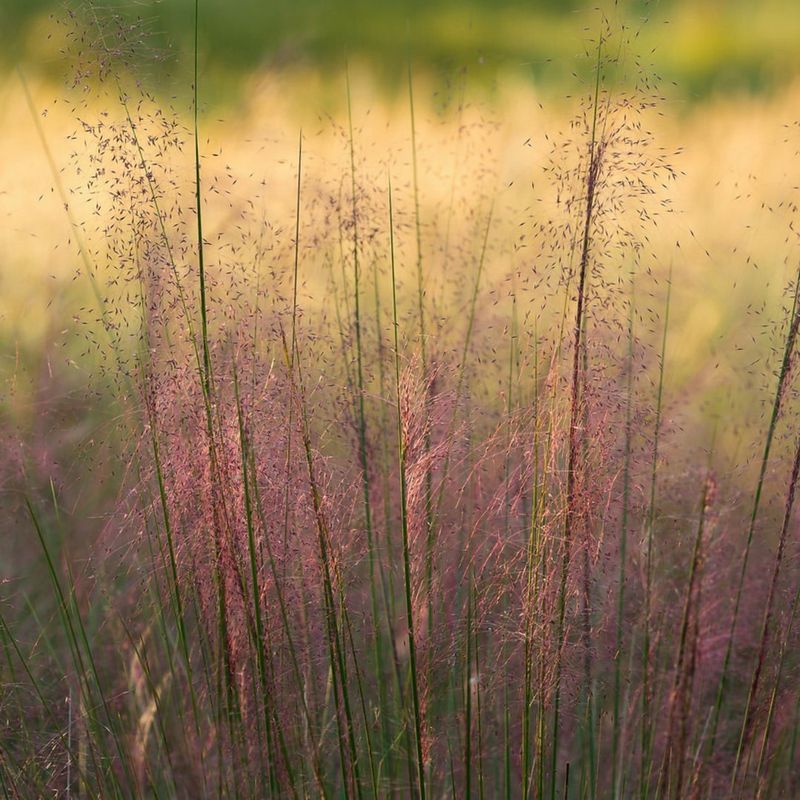
Few sights in a Texas fall garden stop people in their tracks quite like Gulf muhly in full bloom.
This native grass erupts into a cloud of rosy pink and purple plumes every September and October, turning an ordinary yard into something that looks almost otherworldly.
It is one of the most photographed native grasses in Texas for a very good reason.
Gulf muhly, known scientifically as Muhlenbergia capillaris, is a tough, clumping grass that thrives across most of Texas.
It handles full sun like a champion and shrugs off summer heat that would send other plants into a tailspin. Once established, it needs almost no supplemental watering, which makes it a dream plant for water-conscious Texas gardeners.
The plumes are so light and airy that even a gentle breeze sets them dancing.
Plant Gulf muhly in masses for the most dramatic effect. A single clump is pretty, but a whole sweep of it along a fence line or garden border is absolutely showstopping.
It pairs beautifully with other native plants like black-eyed Susans and Mexican sage.
Gulf muhly grows about two to three feet tall and wide, making it a manageable size for most landscape beds.
Cut it back hard in late winter and it will bounce back fresh and green by spring.
If you want the pampas grass look without the invasive worry, Gulf muhly is your grass. And it never once threatens to take over the neighborhood.
2. Little Bluestem Brings Fall Color
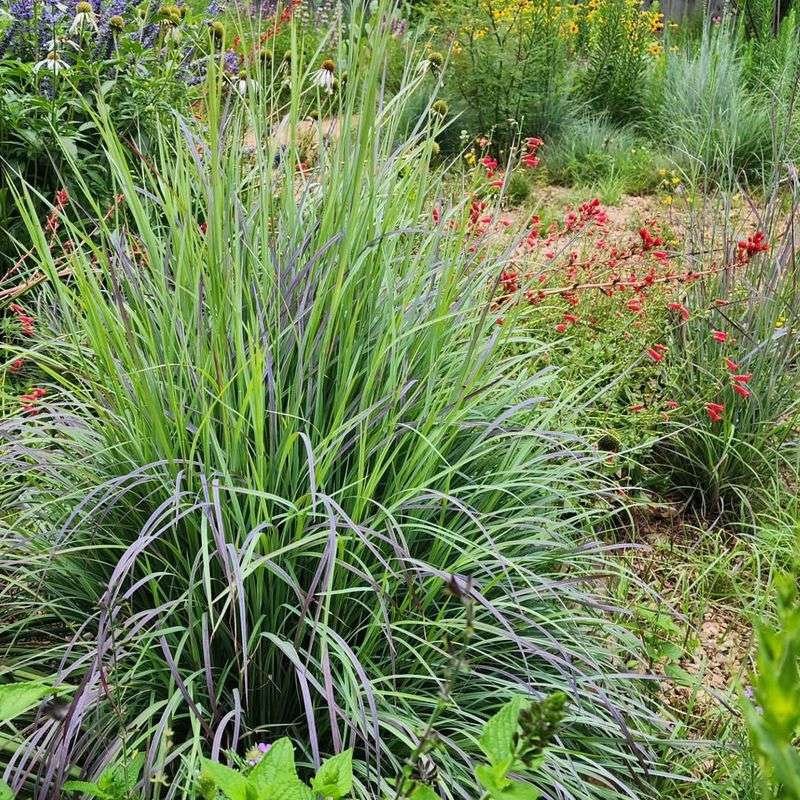
Copper, bronze, and rust.
Those are the colors Little bluestem brings to a Texas garden when the rest of the landscape starts looking tired and worn out.
This native grass pulls off a seasonal wardrobe change that rivals any ornamental plant you could buy at a nursery, and it does it completely on its own schedule.
Your Texas Garden Changes Every Week. Your Plan Should Too.
Gardening in Texas changes quickly throughout the season. Every Friday you’ll receive a simple weekly plan showing exactly what to plant, prune, fertilize, harvest, and protect so you never miss the right timing.
During summer, Little bluestem, or Schizachyrium scoparium, shows off blue-green blades that give it a cool, silvery look in the heat of the day.
Come fall, those same blades shift into warm copper and reddish-brown tones that glow when backlit by the afternoon sun. The fluffy white seedheads that follow are a bonus that birds absolutely cannot resist.
Wildlife value is one of this grass’s biggest selling points.
Songbirds, including juncos and sparrows, rely on its seeds during winter months. Many butterfly and moth species use Little bluestem as a host plant for their larvae.
Planting it is basically setting up a free wildlife buffet in your backyard.
Little bluestem grows two to four feet tall and thrives in poor, dry soils with full sun.
It actually performs better when you do not fuss over it too much. Skip the fertilizer and extra water, and this grass will reward you with sturdier stems and richer fall color.
It is a fantastic choice for meadow-style plantings or naturalized areas where you want low maintenance with high visual payoff.
3. Switchgrass Gives Big Soft Movement
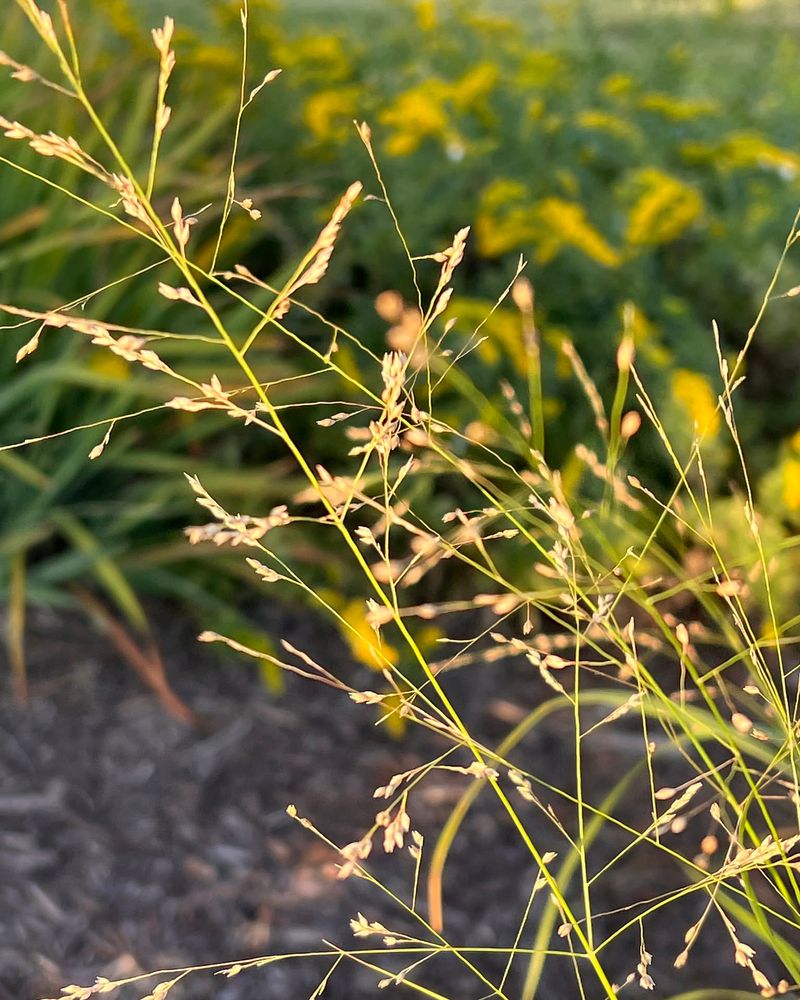
Want a grass that moves like it has its own personality?
Switchgrass is the one. This tall, upright native fills a landscape bed with soft, billowing texture that shifts and sways with every puff of wind. It brings a sense of life and energy to a yard that static shrubs simply cannot match.
Panicum virgatum is a workhorse native grass that grows across most of Texas in full sun.
It can reach four to six feet tall depending on the variety, which makes it genuinely useful as a natural privacy screen or a bold backdrop for shorter plants.
Some cultivars, like Shenandoah and Heavy Metal, have been selected specifically for ornamental appeal while keeping the toughness of the straight species.
Switchgrass handles a wide range of Texas soils, from sandy to clay-heavy, and it tolerates both drought and occasional wet periods.
That kind of flexibility is rare and valuable in a state where weather swings wildly from one season to the next. Plant it where you get at least six hours of direct sun per day for the best results.
The airy seed panicles that emerge in late summer add a delicate, cloud-like layer above the foliage that catches morning light beautifully.
Birds feed on the seeds, and the dense clumps provide excellent cover for small wildlife through winter.
If you have been eyeing pampas grass for a tall screening effect, switchgrass gives you that same bold presence without the ecological risk.
Plume for plume, it is a smarter swap.
4. Sideoats Grama Adds Prairie Charm
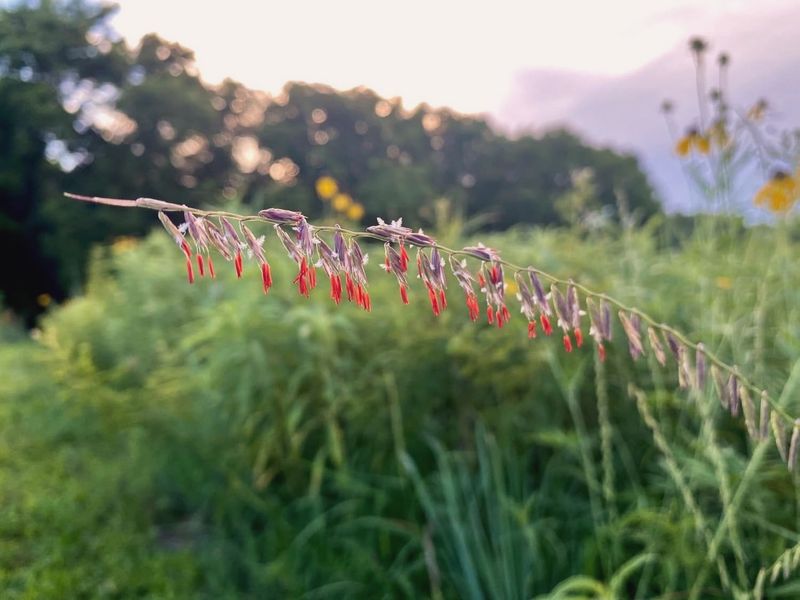
Texas named this grass its official state grass back in 1971, and honestly, the honor is well deserved.
Sideoats grama has a quiet, understated charm that grows on you the longer you look at it.
Those small, oat-like seedheads dangle along one side of the stem like tiny flags, giving the plant a playful, distinctive silhouette unlike anything else in the native grass world.
Bouteloua curtipendula is a short to medium-height grass, typically reaching one to three feet tall.
It thrives in rocky, shallow, or sandy soils where many other plants struggle to survive. If you have a dry, sunny slope or a xeriscape bed that drains fast, sideoats grama is practically made for that spot.
It asks for very little once it gets established.
The seedheads shift from green to orange and purple as the season progresses, giving the plant a subtle but beautiful color show.
Deer tend to leave it alone, which is a major bonus in areas with heavy deer pressure. It is also a larval host plant for several skipper butterfly species, adding quiet habitat value to any yard.
Sideoats grama works well in mass plantings, meadow mixes, or as a low-maintenance ground cover on slopes prone to erosion.
It blends naturally with wildflowers like Texas bluebonnets and Indian blanket for a true prairie feel.
Growing the state grass of Texas in your own yard carries a certain bragging right that no invasive plant from South America can offer you.
5. Lindheimer Muhly Looks Elegant In Heat
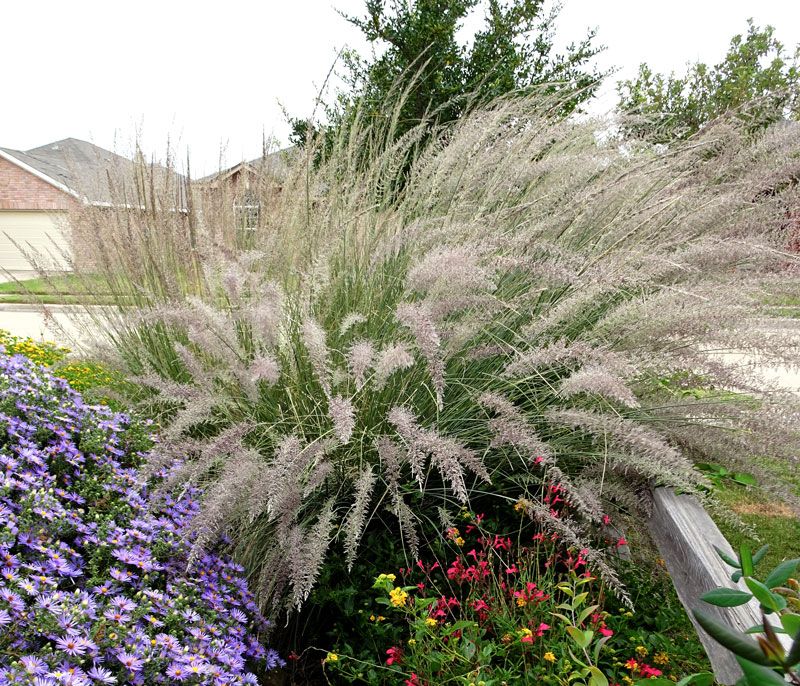
Some plants look like they belong on a magazine cover, and Lindheimer muhly is one of them.
This Texas native carries itself with a graceful, almost sculptural quality that makes other ornamental grasses look a little ordinary by comparison.
The long, arching plumes that appear in fall have a silvery, frosted quality that photographs beautifully and looks even better in person.
Named after Ferdinand Lindheimer, a pioneering botanist who collected plants across Texas in the 1800s, this grass has deep roots in the state’s botanical history.
Muhlenbergia lindheimeri grows natively in the Texas Hill Country and central Texas, where rocky limestone soils and scorching summers are the norm. It has spent centuries adapting to exactly the conditions that challenge most garden plants.
Expect Lindheimer muhly to reach three to five feet tall with plumes that extend even higher.
The overall effect is one of soft, flowing movement, especially when planted in groups. It looks stunning paired with salvias, fall asters, and other late-season bloomers that complement its silvery plume color.
Full sun and well-drained soil are the main requirements.
Once established, this grass is remarkably drought-tolerant and rarely needs supplemental watering beyond the first growing season.
It stays semi-evergreen in mild Texas winters, which means your garden gets year-round structure even when other plants go dormant.
For gardeners who want an elegant, low-fuss centerpiece grass, Lindheimer muhly delivers season after season without demanding much in return.
6. Inland Sea Oats Handles Shady Spots
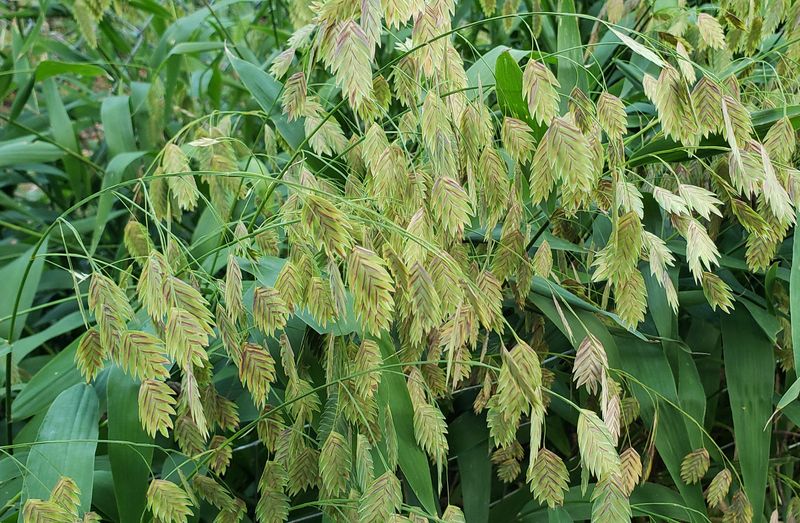
Most ornamental grasses demand full sun, which leaves shady yards with very few native options.
Inland sea oats breaks that pattern entirely.
This native grass thrives in partial to full shade, making it one of the most useful plants a Texas gardener with big trees and dim corners can add to their landscape toolkit.
Chasmanthium latifolium is native to eastern and central Texas, where it grows naturally along creek banks and woodland edges.
The broad, flat blades look more like bamboo than typical grass, giving it a lush, tropical feel that suits shaded garden spaces beautifully.
It grows two to four feet tall and spreads gradually to form a graceful, weed-suppressing ground cover under tree canopies.
The real showstopper is the seedhead.
Flat, dangling clusters of oat-like seeds hang from arching stems like little green lanterns in summer, then shift to copper and bronze as fall arrives.
Those seedheads catch even the faintest breeze and rattle softly, adding gentle sound and motion to quiet garden corners.
Birds, especially native sparrows, feed on the seeds throughout winter.
One note worth knowing: inland sea oats can self-seed fairly readily in ideal conditions.
Snipping off seedheads before they fully mature keeps spreading in check if you prefer a tidier planting. In a naturalized area or woodland garden, though, that spreading habit actually helps it fill in beautifully over time.
For shady spots where pampas grass would never survive anyway, this native is a clear winner.
7. Indiangrass Gives Tall Golden Drama
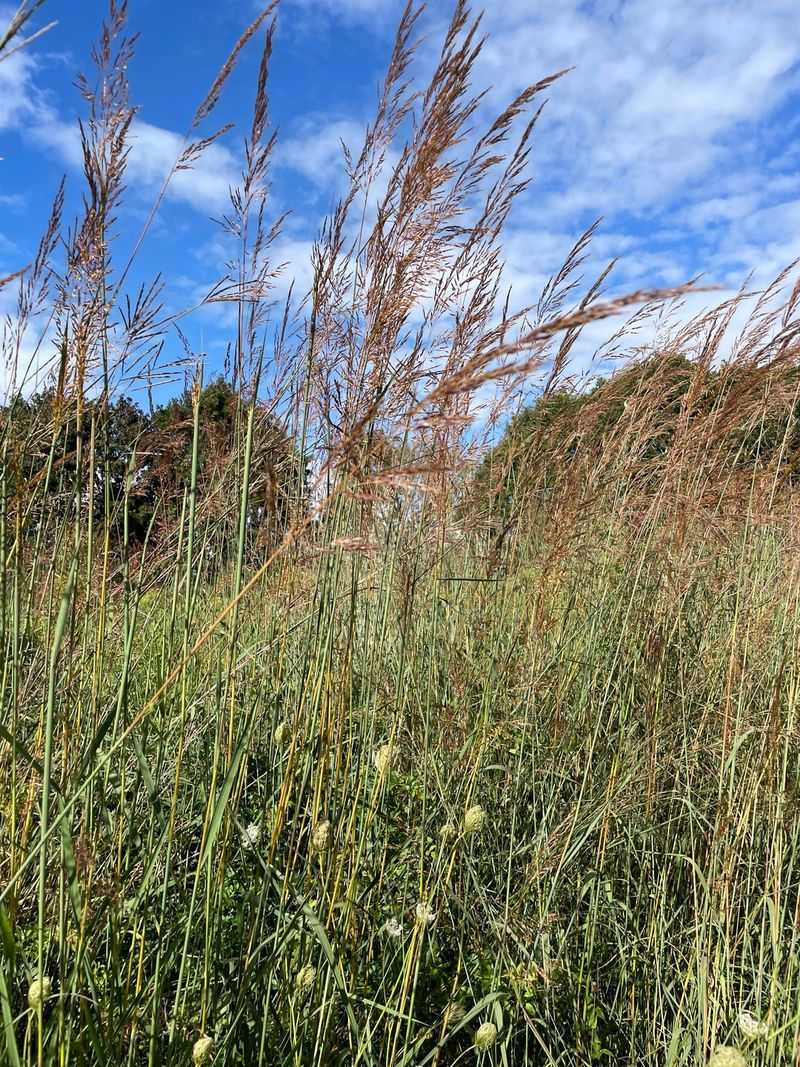
Golden, towering, and unmistakably dramatic, Indiangrass is the kind of plant that makes neighbors slow their cars down to look.
When its plumes catch the late afternoon sun in September and October, the whole clump seems to glow from the inside out.
This is prairie-style gardening at its most spectacular.
Sorghastrum nutans grows natively across much of Texas and was once a dominant grass across the vast tallgrass prairies that stretched through the state.
It can reach four to seven feet tall, with golden-yellow plumes rising above blue-green foliage that turns rich amber and orange in fall.
The combination of height, color, and texture makes it one of the most visually powerful native grasses available to Texas gardeners.
Indiangrass performs best in full sun with deep, well-drained soils, though it tolerates clay reasonably well once established.
It pairs naturally with Little bluestem, black-eyed Susans, and purple coneflower for a classic Texas prairie look that celebrates the state’s ecological heritage.
Plant it toward the back of a bed or in an open meadow area where its full height can be appreciated.
Wildlife value is impressive too.
The seeds are eaten by a range of native birds, and the dense clumps provide important winter cover for small animals and ground-nesting insects.
Cutting it back to about six inches in late winter encourages fresh, vigorous growth each spring.
For gardeners who want bold vertical impact and a nod to Texas prairie history, Indiangrass is hard to beat. Tall order? This grass fills it completely.