Missouri Pine Needles Make A Free Winter Mulch Many Gardeners Rake Away
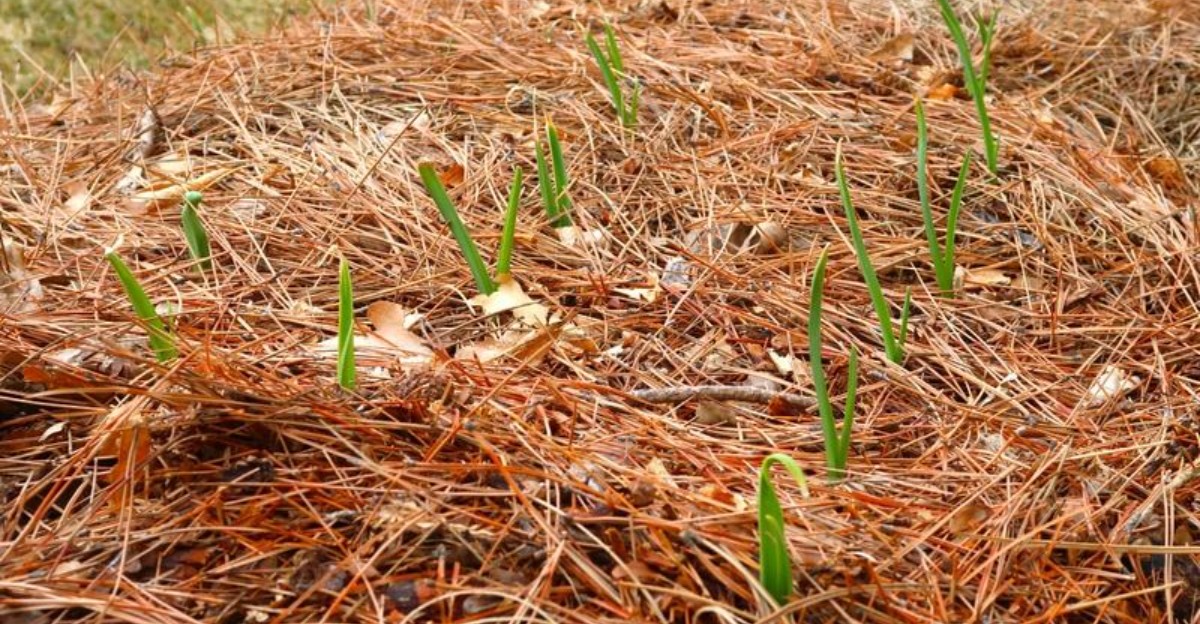
Pine trees drop a big batch of their older inner needles every fall, and many yards bag it like trash. I find that funny because that brown carpet is one of the best free winter covers around.
In Missouri, the Ozarks hold large stands of one native evergreen that sheds this kind of litter each autumn. Planted evergreens in Springfield, Columbia, and St. Louis yards drop the same useful layer onto lawns and driveways.
The slim strands lock together as they settle, so they hold air and rarely blow off a bed. You need that trapped air in winter, since it slows the freeze and thaw cycles that heave plant roots.
I believe the best part is walking outside in October with a rake and choosing to keep the pile. Why buy bagged mulch at the garden center when the tree overhead just handed you a full season’s supply?
A Light Airy Layer That Insulates Roots Through Winter
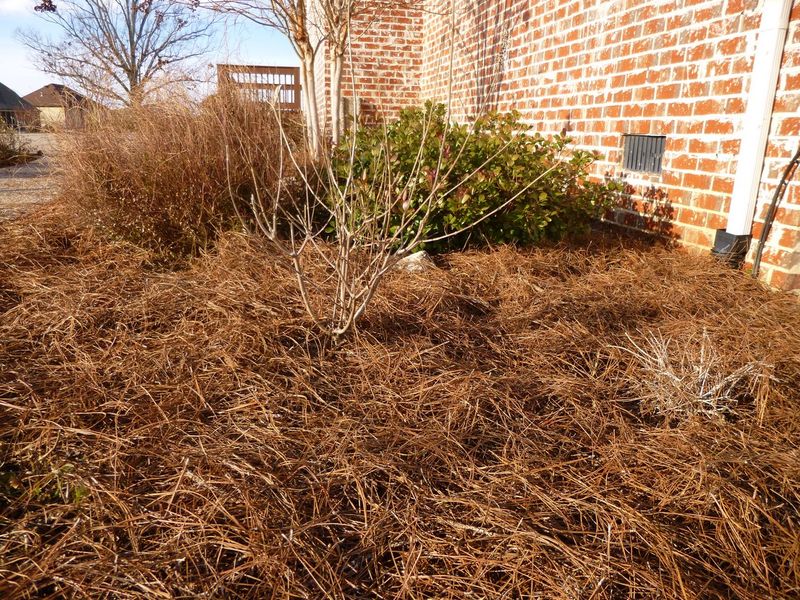
Fluffy is the word I use for a pile of pine needles, and that fluff matters more than people realize. Each needle is long and slender, so a layer of them traps pockets of air between the strands.
That trapped air works like a blanket, slowing how fast heat leaves the soil on Missouri nights. University of Missouri Extension explains winter mulch is mostly about keeping soil temperatures steady, not keeping soil warm.
Steady soil matters because repeated freezing and thawing can push shallow roots and crowns out of the ground. Gardeners call that problem frost heaving, and it often harms new perennials planted late in the fall season.
Many Missouri yards hold white pine or Scotch pine, while shortleaf pine is the only pine native to the state. All of them shed older inner needles each autumn, which is why the ground under them turns rusty brown.
Those fallen needles are often sold in bales as pine straw, a popular mulch across southern states. Your own tree gives you the same material for free, and you only need a rake and a tarp.
Unlike heavy wood chips, needles let rain and air move down easily, so roots stay moist without getting soggy. Soggy soil under matted mulch can lead to crown rot, which is a common winter problem for perennials.
Gather needles in October while they are dry, then store them in bags until you are ready to spread. Extension experts suggest waiting until after a few hard freezes, often in late November, before mulching beds.
The Acidic Soil Myth Many Gardeners Still Believe
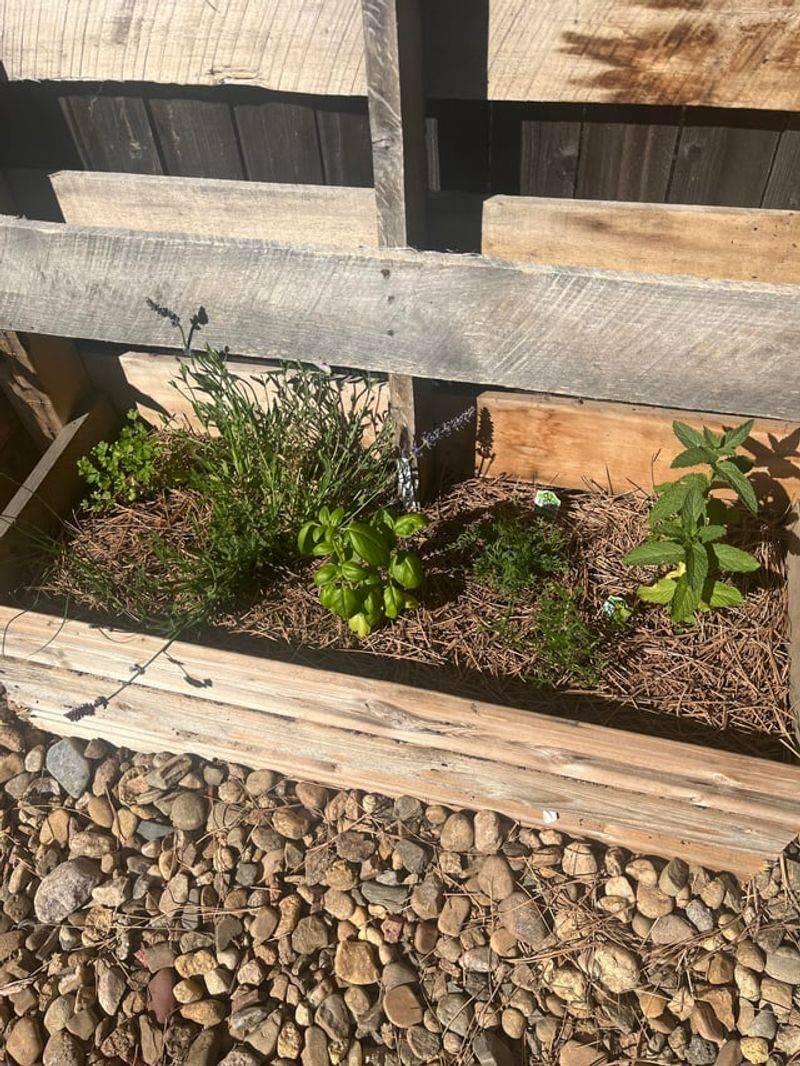
Plenty of gardeners avoid pine needles because they heard the mulch will turn garden soil sour and acidic. Research from university extension services shows that worry is mostly unfounded for home gardens and landscape beds.
Fresh needles carry a little acidity, but the amount is small compared to the buffering power of most soil. Studies shared by Washington State University found pine needle mulch did not meaningfully change soil pH in garden settings.
Your Missouri Garden Changes Every Week. Your Plan Should Too.
Gardening in Missouri changes quickly throughout the season. Every Friday you’ll receive a simple weekly plan showing exactly what to plant, prune, fertilize, harvest, and protect so you never miss the right timing.
Missouri soils vary a lot, with many Ozark soils already acidic and many river bottom soils closer to neutral. A layer of needles on top is unlikely to override that natural chemistry in a way most plants would notice.
The myth probably grew because pine forests often sit on acidic ground, so people blamed the needles above it. In reality, pines often thrive on acidic soil that was already sour long before the trees arrived there.
Gardeners who worry can mix needles with shredded leaves, which spreads out any small effect further. That blend also looks tidy in front beds and breaks down at a pace that feeds soil life gradually.
You can test this yourself by sending a soil sample to MU Extension, which runs a soil testing lab. A basic test costs only a modest fee and tells you pH, phosphorus, potassium, and lime needs for your beds.
Fall is a smart time to sample, since lime or sulfur added now has months to react before spring. Once you see real numbers, you can mulch peonies, roses, and hostas with needles without second guessing yourself.
Needles Interlock Instead Of Washing Away
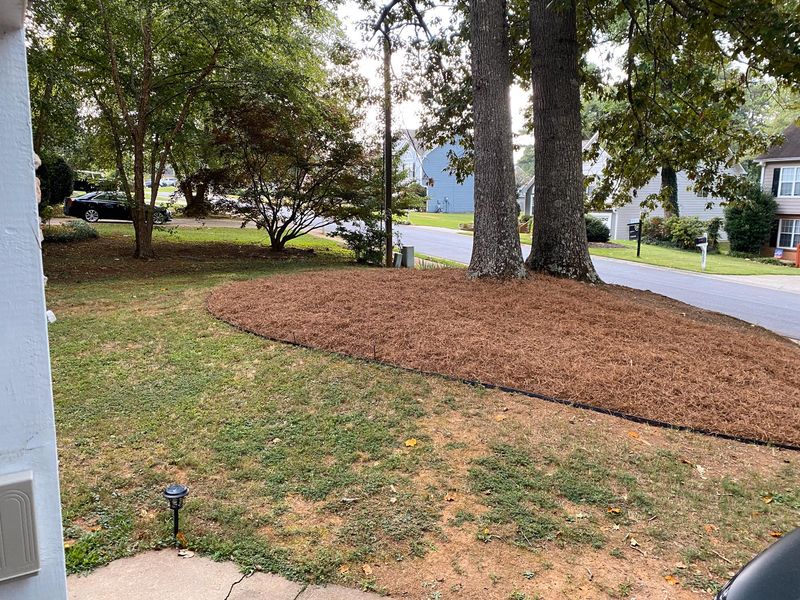
Anyone who has spread hardwood mulch on a slope has found it in the driveway after rain. Pine needles behave differently, because their long thin shapes knit together into a loose mat as they settle.
That mat grips the ground and resists rain, which is why highway crews in the South use pine straw. Landscapers often choose it for banks and hillsides where bark nuggets and grass clippings tend to float away.
Missouri gets plenty of rain in late fall and winter, and storms can wash bare soil off sloped beds. A needle cover slows raindrops before they hit the dirt, which keeps topsoil where your plants need them.
Wind is another reason to love this mulch, since light shredded leaves can scatter across the yard overnight. Needles hook onto each other and onto plant stems, so they mostly stay put during gusty November cold fronts.
Fun fact, pine straw is sold by the bale in Georgia and the Carolinas, where farms rake it commercially. Those bales can cost several dollars each, so the pile under your Missouri pine is worth real money.
To help the mat form, spread needles by hand, fluffing them loosely instead of dumping them in thick clumps. After the first good rain, the layer settles and locks together on its own without any extra work.
Keep needles a few inches back from house foundations, since dry pine straw can catch fire more easily than chips. Fire safety experts suggest using gravel or rock next to buildings, then switching to needles farther out in beds.
A Two To Three Inch Layer Around Perennials
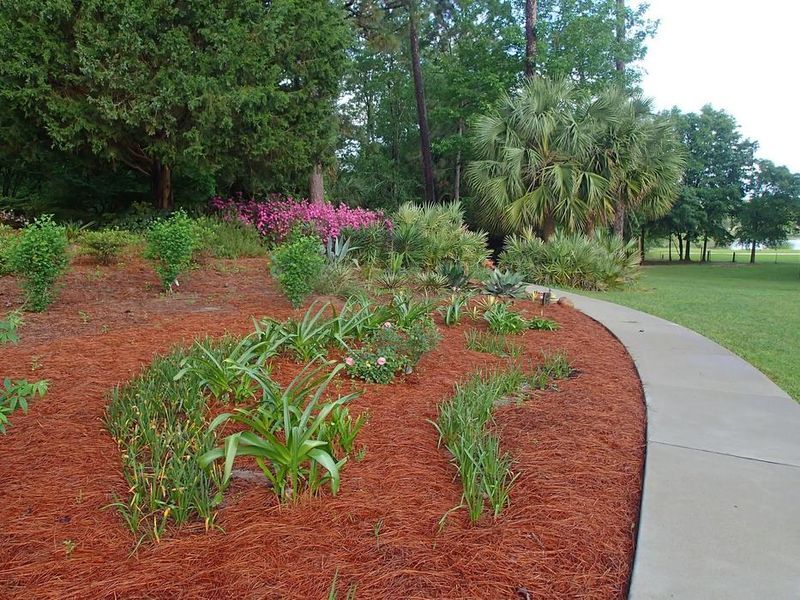
Depth is where many well meaning gardeners slip up, piling mulch so high it smothers the plants they love. For pine needles, a settled layer about two to three inches deep gives perennials solid winter protection.
Because needles are so airy, you may need to spread four or five inches loose to get that depth. Within weeks, rain and gravity press the layer down, so do not panic if it looks tall at first.
Timing matters as much as depth, and extension guidance is to mulch perennials after the ground has frozen, not before. In much of Missouri, that often happens between late November and mid December, depending on your spot in the state.
Mulching too early in October can invite mice to nest in the warm layer right beside tender crowns. It can also keep soil warm longer, which delays the natural hardening process plants go through each fall.
Leave a small ring of open space around each plant crown, about one or two inches wide, for airflow. Mulch packed against stems holds moisture there, and that dampness can lead to rot during wet winter stretches.
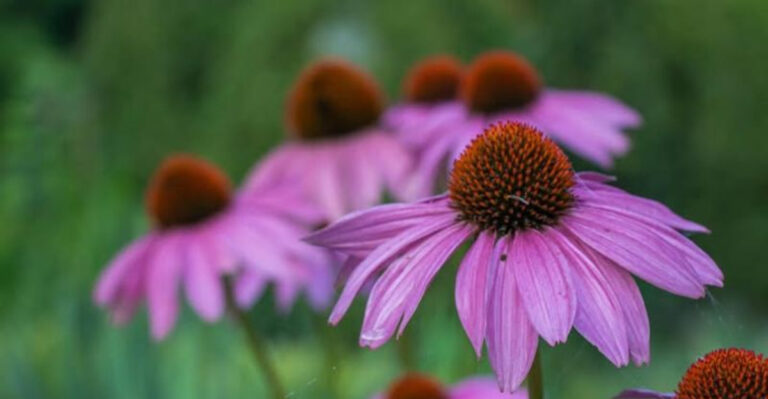
Plants that benefit most include newly divided daylilies, fall planted mums, shasta daisies, and shallow rooted heucheras. Established clumps of coneflowers and black eyed Susans usually handle Missouri winters fine with or without a light cover.
Pull the needles back gradually in early spring once new shoots appear and hard freezes become less likely. Rake them into paths or around shrubs, where they can keep working as a weed blocking cover all year.
Blueberry Beds Benefit From This Cover
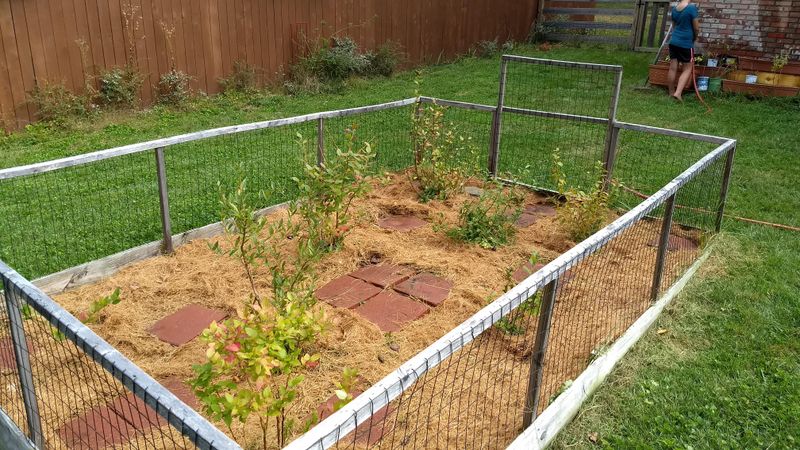
Blueberries are the fussiest eaters in many Missouri gardens, demanding soil with a pH between about 4.5 and 5.5. Their shallow, fine roots also dry out quickly, which makes a good mulch as important as the right soil.
MU Extension and other university programs recommend keeping blueberry beds mulched year round with organic material several inches deep. Pine needles fit that job well, since they stay loose, let water through, and break down slowly.
One honest caveat matters here, because needles alone are unlikely to lower soil pH enough for blueberries. Many Missouri gardeners still need to add elemental sulfur, guided by a soil test, to bring pH down properly.
Sulfur works slowly, often taking several months, so October is a sensible month to apply it before spring growth. Once the pH is right, a needle mulch pairs nicely with it while protecting roots through the cold months.
Spread three to four inches around each bush, keeping the layer a couple of inches back from the canes. Blueberry roots spread wide, so extend the mulch out to the drip line or a little past it.
Many growers also mix needles with pine bark or sawdust, which adds bulk and suppresses weeds around the plants. Weeds compete hard with shallow blueberry roots, so a thick mulch saves you hours of hand pulling next summer.
Top off the layer each fall with fresh needles from your yard, since the bottom turns into soil. Your bushes get a winter blanket, and you get a reason to stop bagging those needles for trash pickup.
A Mulch That Outlasts Shredded Leaves
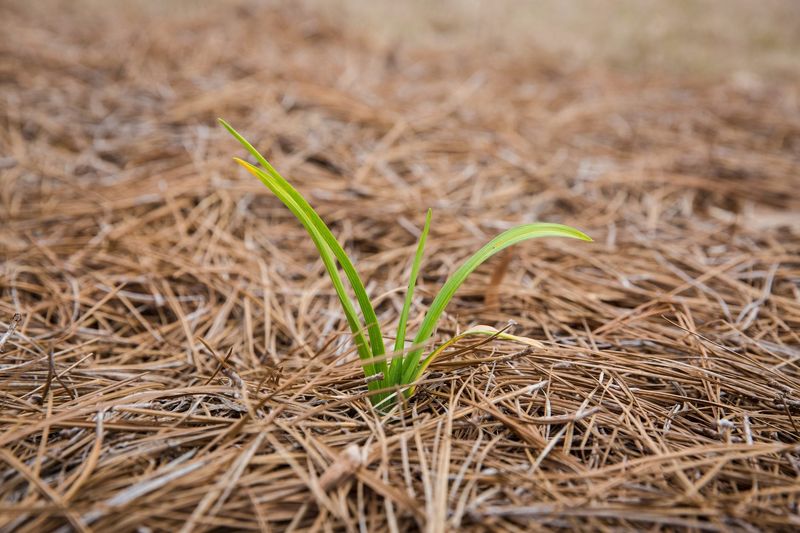
Shredded leaves are wonderful, but by March many of them have already melted into the soil like brown sugar. Pine needles hang around much longer, often lasting a full year or more before they need topping off.
Their waxy outer coating and tough fibers slow down the fungi and bacteria that break plant material apart. Leaves are thinner and softer, so soil microbes and earthworms work through them much faster during mild spells.
Slow breakdown means you rake, haul, and spread less often, which saves time on busy fall weekends. It also means needles keep their airy texture through the coldest weeks, when roots need steady protection most.
Whole leaves, especially big maple and oak leaves, can mat into soggy sheets that block air and water. Needles rarely mat that way, so the soil beneath them stays breathable even after weeks of winter rain.
That does not make leaves the loser, because their quick breakdown feeds soil with organic matter faster. I like using shredded leaves in vegetable beds and saving needles for perennials, shrubs, paths, and slopes.
A combined layer works too, with leaves underneath for nutrients and needles on top to hold everything in place. Missouri Department of Conservation encourages leaving some leaf litter in place as winter shelter for helpful insects.
So this October, rake those pine needles into a pile instead of the trash can, and let them work. Your garden gets months of free protection, and your back gets a break from hauling heavy bags to the curb.