The Missouri Bulbs That Need To Come Out Of The Ground Before The First Frost
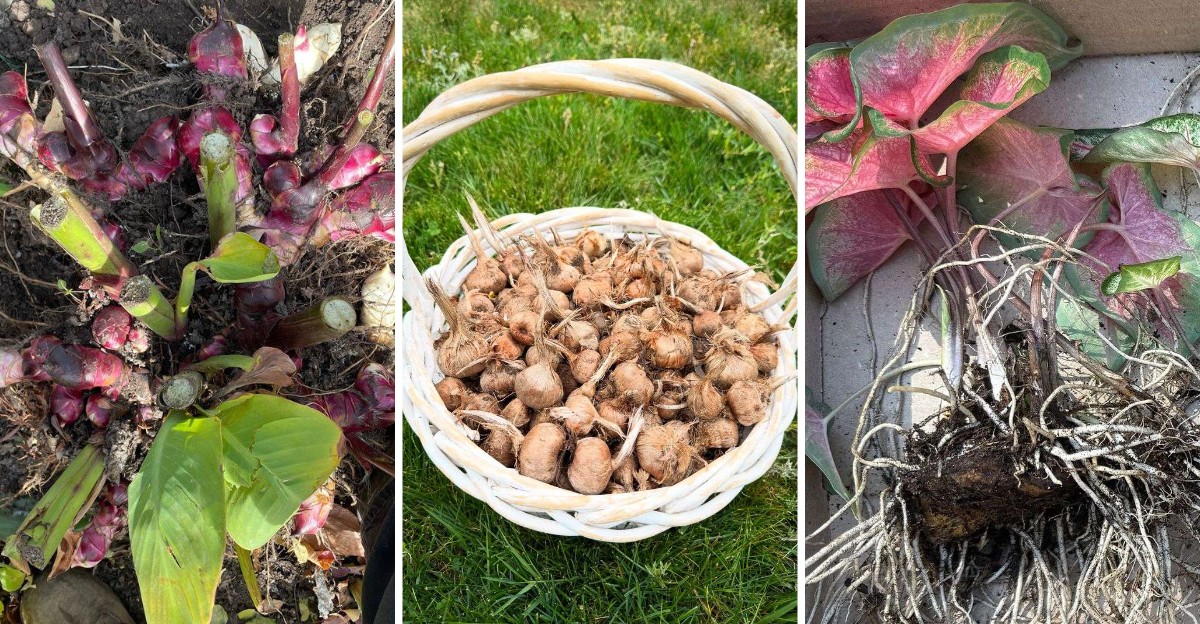
September in Missouri smells like damp leaves and cooling soil, and the garden knows something is coming. Mornings arrive with a chill that makes your coffee mug feel like a small personal furnace.
Some of your showiest summer performers simply are not built to survive a Missouri winter buried underground. They spent all season storing energy, and that stored energy is worth rescuing before the weather turns.
Timing matters far more than muscle here, because one hard cold night changes everything below the soil surface. Gardeners in Kansas City and Springfield learn this lesson exactly once, usually the hard way.
Grab a garden fork, a few cardboard boxes, and maybe an old bedsheet from the closet. Your basement is about to become the coziest little hotel in the entire neighborhood.
Dahlia Tubers Earn Their Winter Vacation Indoors
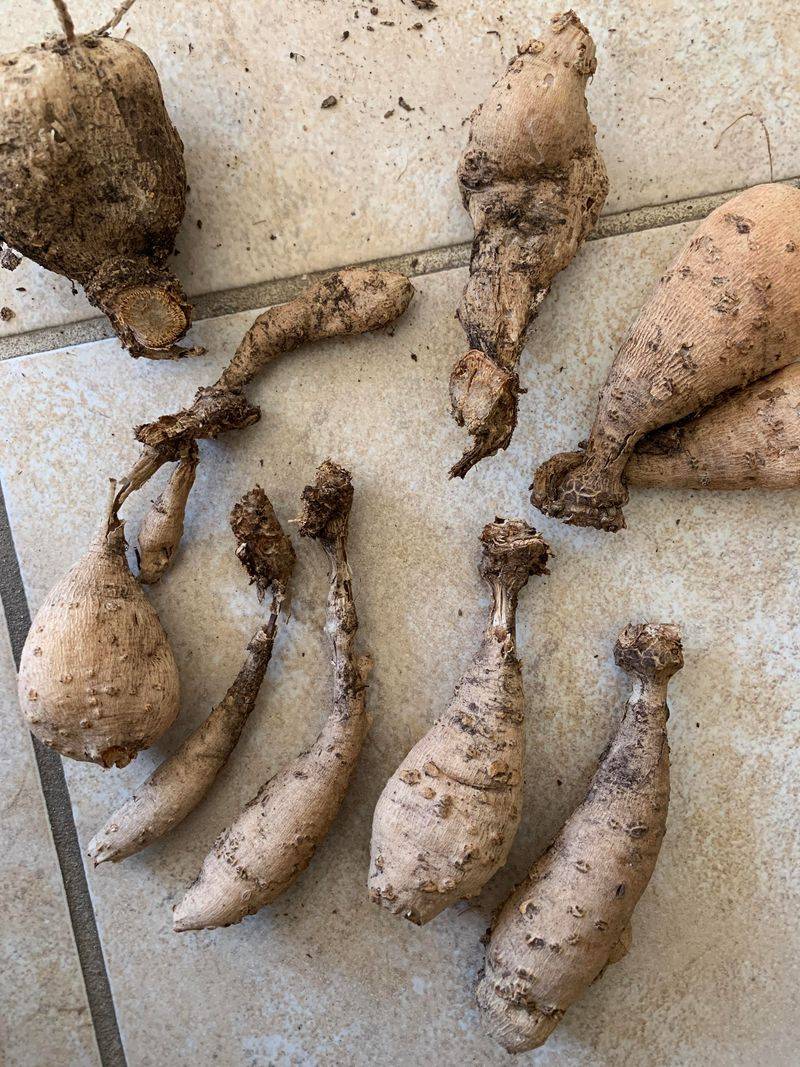
Dahlias hand you armloads of blooms all summer, then ask for one favor in October. That favor is a lift out of the cold Missouri clay before hard frost settles in.
Wait until frost blackens the top growth, then cut stalks down to about four inches. Let the tubers rest in the ground for another week so their skins toughen up nicely.
Dig wide, starting a full foot away from the stem to avoid slicing the clump. Lift gently with a spading fork, since broken necks ruin an otherwise perfect tuber.
Rinse the soil off with a garden hose, then set the clumps upside down to drain. A day or two of curing in a shaded garage works beautifully for this step.
Pack the cured clumps in vermiculite, peat moss, or wood shavings inside ventilated cardboard boxes. Store them between 40 and 50 degrees, which most Missouri basements manage without any extra help.
Check the boxes monthly for soft spots and toss anything that feels mushy or hollow. Shriveled tubers mean the air is too dry, so mist the packing material lightly.
Division can happen now or in spring, though fresh eyes are easier to spot in autumn. Label every variety with a permanent marker, because unmarked tubers all look identical by March.
One healthy clump often yields five new plants, which makes this chore feel like free money. Come May, you will be handing spare tubers to neighbors like a garden philanthropist.
Canna Rhizomes Refuse To Tough Out Frozen Ground
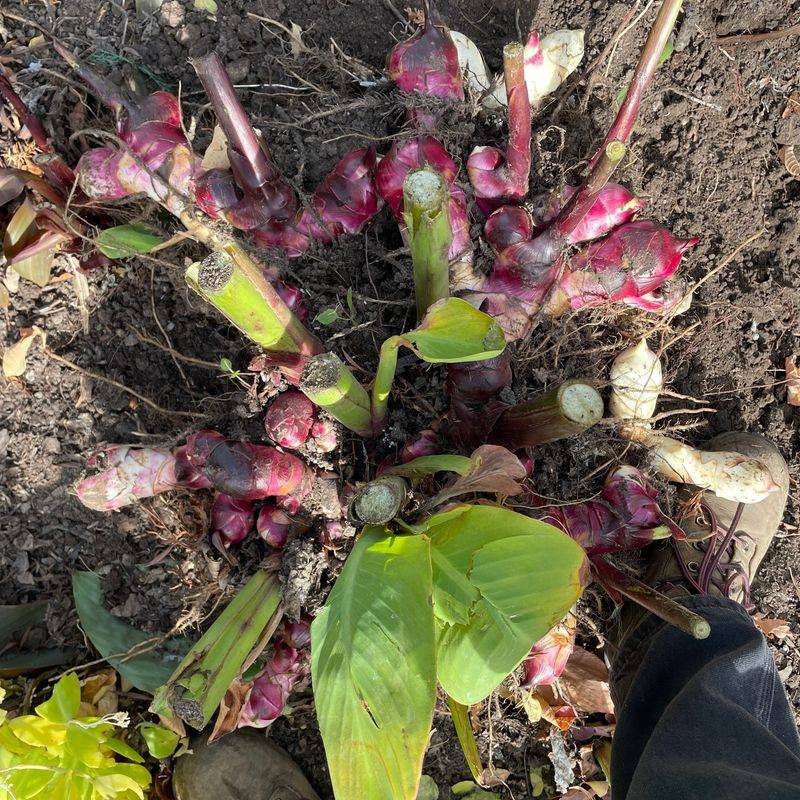
Cannas act like tropical royalty in a Missouri backyard, waving those paddle leaves until frost arrives. Their thick rhizomes store enough energy to double your stand every single season.
Frost turns the foliage to limp brown ribbons, and that is your signal to start digging. Cut stems back to six inches so you have a handle to work with.
Slide a fork under the clump and rock it loose rather than yanking upward. Canna rhizomes grow shallow and wide, so they surface easier than most gardeners expect.
Shake off loose dirt but skip the heavy washing, since a little soil protects the skin. Cure the clumps in a dry, shaded spot for roughly one week.
Your Missouri Garden Changes Every Week. Your Plan Should Too.
Gardening in Missouri changes quickly throughout the season. Every Friday you’ll receive a simple weekly plan showing exactly what to plant, prune, fertilize, harvest, and protect so you never miss the right timing.
Nestle them in peat moss or shredded newspaper inside crates that let air move through. Temperatures near 50 degrees keep them dormant without pushing early, weak sprouts.
Southern Missouri gardeners sometimes overwinter cannas outdoors under thick mulch with decent success. North of Interstate 70, digging remains the safer bet during a rough January.
Inspect storage every few weeks and pull out any rhizome showing gray fuzz or soft rot. One bad piece can spread trouble through a crate faster than you would believe.
Fun bit of history: cannas once grew for edible starch, not their flowers. Slice the clumps apart in spring, keeping three eyes per piece for strong growth.
Expect a taller, fuller display next June when you start with well-rested rhizomes. Gardeners who skip storage usually spend April at the garden center buying replacements.
Caladium Tubers Sulk The Moment Nights Turn Chilly
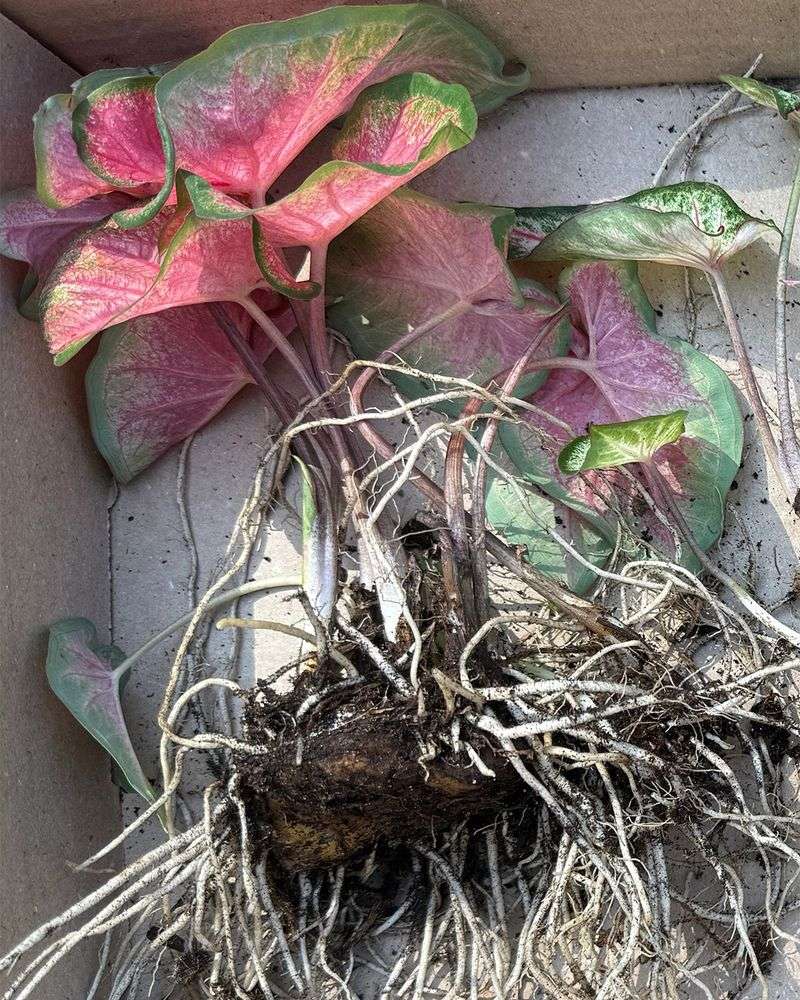
Caladiums are the drama queens of shade gardens, all pink veins and paper-thin leaves. They also sulk the instant soil temperatures dip below 60 degrees at night.
Missouri gardeners should dig caladiums in early September, well ahead of the first frost. Waiting for cold damage means lifting tubers that have already started to rot.
Watch the leaves for a natural fade and flop, which signals that dormancy is beginning. Stop watering at that point so the soil dries and lifting becomes easier.
Use a hand fork to lift each tuber with its papery roots attached. Leave the foliage on for a few days while the tubers cure in warmth.
Curing needs heat, so a spot near 70 degrees beats a chilly garage. Give them two weeks there before you brush off the dried dirt.
Store caladium tubers in dry peat or vermiculite at 60 to 70 degrees. Cold storage below 50 degrees damages them permanently, even inside a sealed box.
A closet on an upper floor usually holds better temperatures than any basement shelf. Check them once a month and remove anything that smells sour or feels squishy.
Did you know caladiums come from Brazilian rainforests where frost simply does not exist? That heritage explains why they treat a Missouri October like a personal insult.
Replant outdoors only after Memorial Day, when night temperatures stay comfortably above 60. Early planting into cool, soggy mud leads to stunted leaves and very disappointed gardeners.
Elephant Ear Bulbs Want A Warm Basement Bed
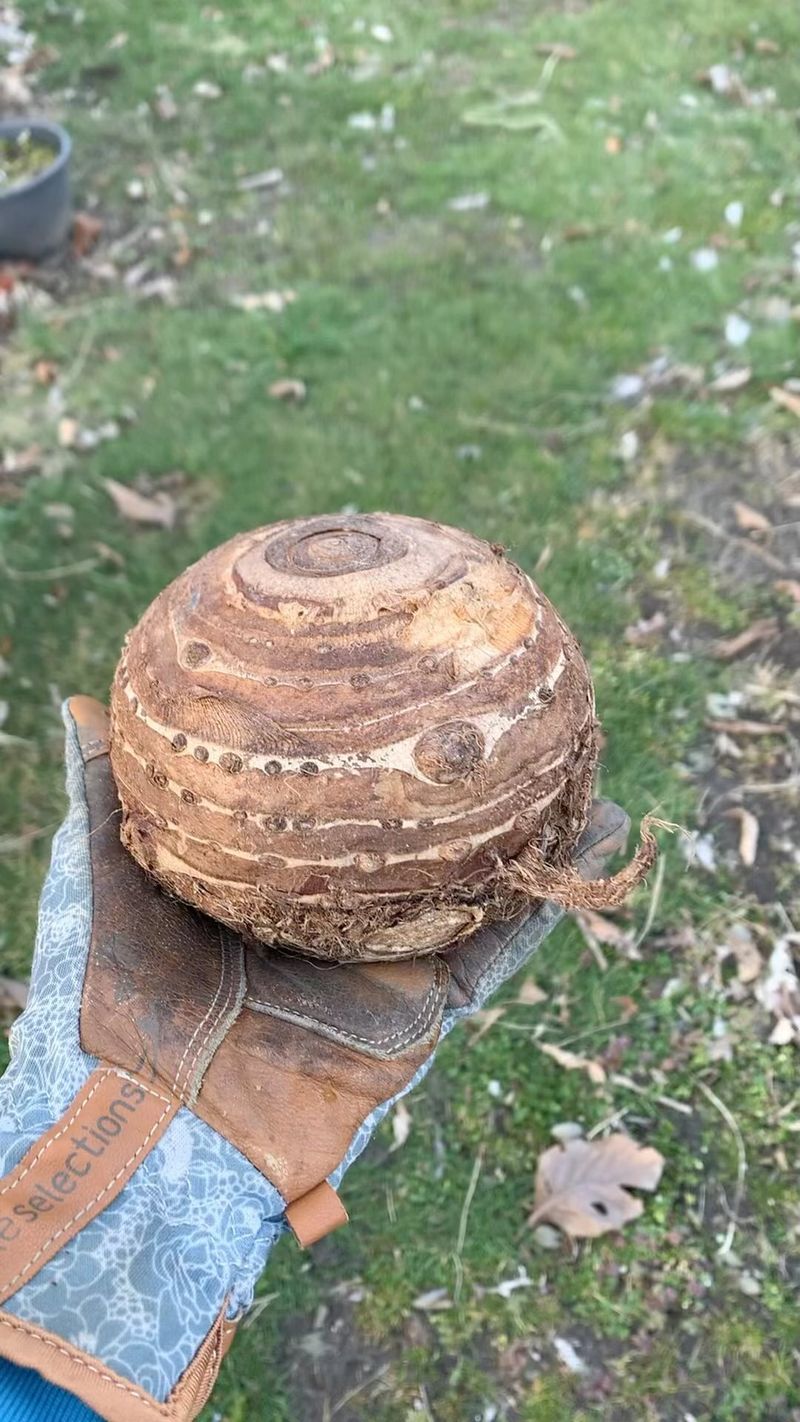
Elephant ears grow leaves big enough to shelter a small dog from a rainstorm. All that jungle bulk comes from a chunky bulb that hates frozen ground.
Colocasia and Alocasia both need lifting in Missouri, usually in late September or early October. A light frost that browns the leaf edges is your cue to grab a shovel.
Trim the giant foliage down to about four inches before you attempt any digging. Those leaves hold gallons of water and make the whole clump absurdly heavy.
Dig a wide circle, roughly eighteen inches out, because the bulb sits deeper than expected. Support the base with both hands as you lift, since bulbs crack under their own weight.
Hose away mud, then let the bulbs air dry on newspaper for several days. Any wet crevice left behind invites mold during the long storage months.
Wrap each bulb in a paper bag with dry shavings and stack them loosely. Aim for 50 to 60 degrees, warmer than dahlias but cooler than the living room.
Some gardeners skip storage and grow elephant ears as houseplants in a sunny window. Expect smaller leaves indoors, though the plant stays green and keeps you company.
Check bulbs monthly, trimming any soft patch with a clean knife and dusting with cinnamon. Cinnamon works as a cheap antifungal, a trick passed around by old-school growers.
Replanted bulbs often return larger, since each season adds girth and more growing points. Three years of careful storage can turn one bulb into a leafy green wall.
Gladiolus Corms Multiply Best When You Lift Them
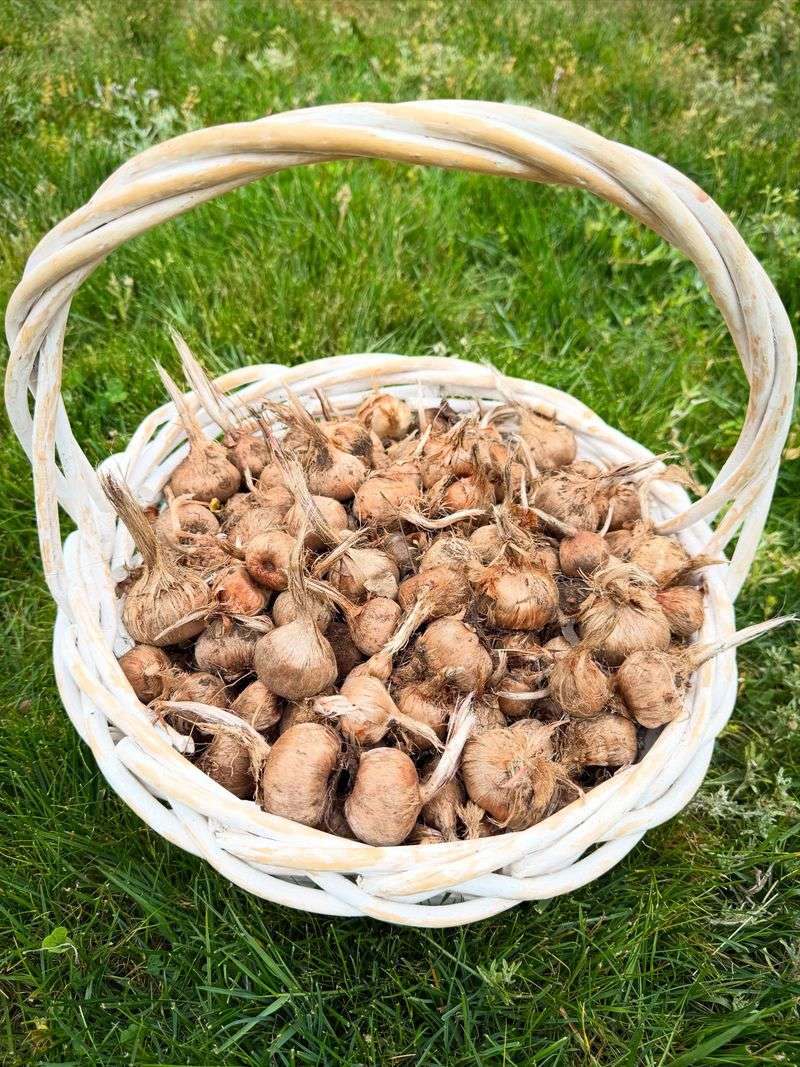
Gladiolus corms hide a secret: every one you lift comes with a family of babies attached. Those tiny cormels grow into blooming plants within two or three seasons.
Dig glads about six weeks after the flower spike finishes, usually mid to late September. The leaves feed the corm during that window, so resist the urge to rush.
Loosen the soil with a fork, then pull the plant up by the base. Snip the foliage off about an inch above the corm right away.
Old shriveled corms sit underneath the fresh new one and should be twisted off. Discard them, since they will not bloom again and only serve to harbor pests.
Cure the corms in a warm, airy place for two to three weeks. A screen or old window fly screen lets air circulate underneath while they dry.
Dust cured corms with insecticidal powder or sulfur to discourage thrips over winter. Thrips hide beneath the papery husk and quietly ruin next summer’s flower spikes.
Store them in mesh bags or paper sacks at 35 to 45 degrees. An unheated basement stairwell or a spare refrigerator both handle the job fine.
Sort the cormels into a separate bag and plant them in a nursery row. Give them two summers of growing and you will have full-size blooming corms.
Gladiolus corms take their name from the Latin word for sword, a nod to their upright, blade-shaped leaves. Store yours properly and they will show up strong in your Missouri flower beds next summer.
Tuberous Begonia Roots Need A Gentle Autumn Rescue
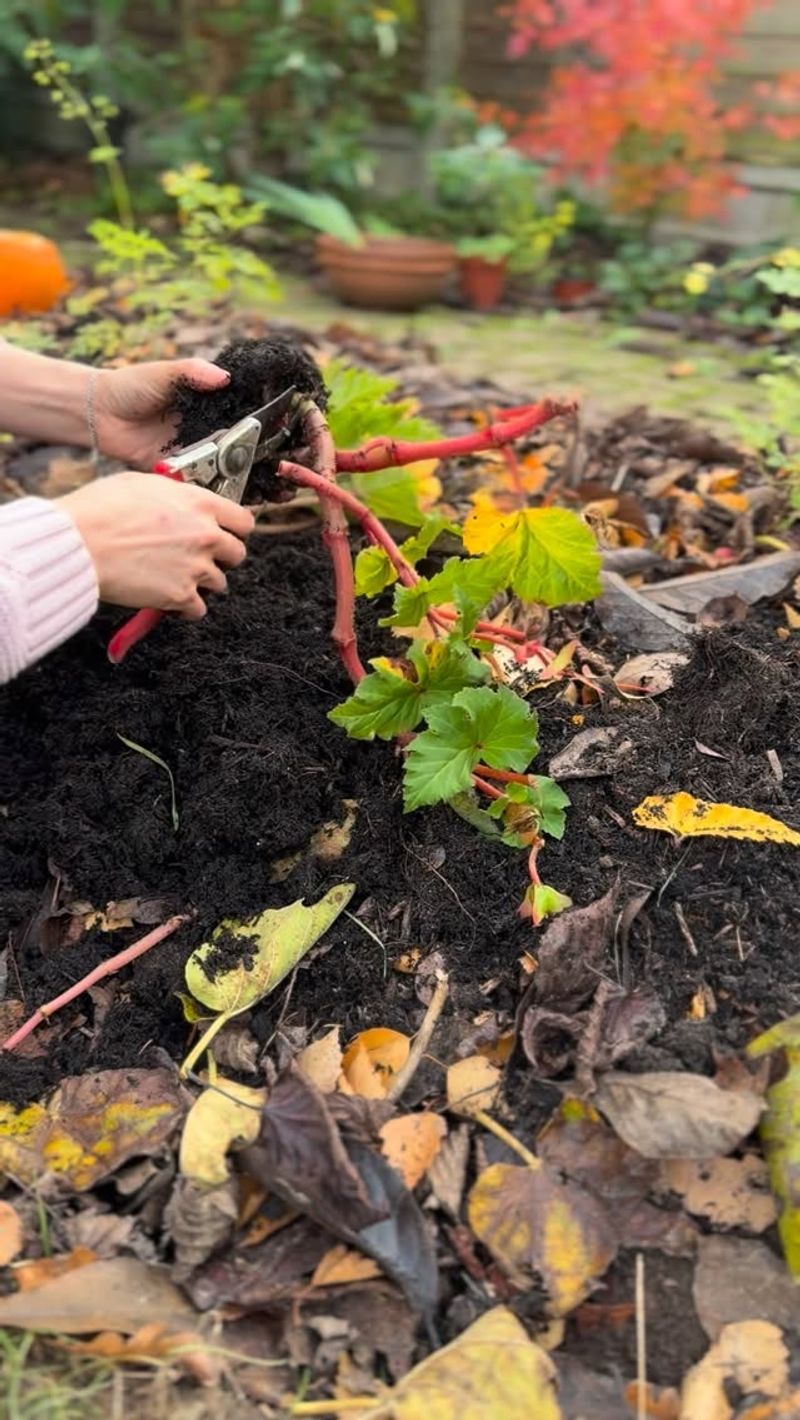
Tuberous begonias bloom like fistfuls of crepe paper roses in the shadiest corner you own. Their flat brown tubers, however, cannot handle a Missouri freeze or soggy winter soil.
Begin by cutting back water in early September to nudge the plant toward dormancy. Yellowing leaves and fewer flowers mean the tuber is packing up for the year.
Lift the tubers after the first light frost nips the foliage but before hard freeze. A hand trowel works fine, since begonia tubers sit shallow and come up easily.
Leave the stems attached until they shrivel and snap off entirely on their own. Pulling green stems tears the crown and opens a fresh wound for rot.
Cure the tubers in a warm room for about ten days on a tray. Brush away crumbly soil once everything feels dry to the touch.
Bed them in dry peat moss inside a shoebox with a few air holes. Hold storage temperature near 45 to 50 degrees and keep the box dark.
Container growers can cheat by dragging the whole pot into a cool basement. Let the soil dry out fully and simply ignore it until March rolls around.
Inspect monthly, because begonia tubers shrivel faster than most when the air turns bone dry. A damp sponge in the corner of the box adds just enough humidity.
Start them indoors in late March, hollow side up, under a grow light. By June you will have blooms that make hanging basket shoppers openly jealous.
Calla Lily Rhizomes Prefer A Dark Quiet Closet
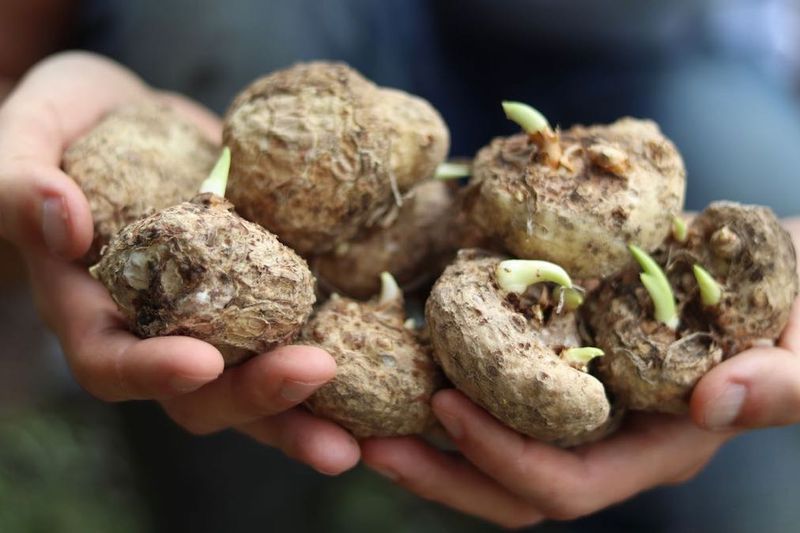
Calla lilies look carved from wax, which is part of their strange appeal. Their rhizomes can handle a mild winter in far southern Missouri but rarely survive statewide.
Zone 6 gardeners near St. Louis should lift callas rather than gamble on mulch. One wet, freezing January stretch is usually enough to finish an unprotected clump.
Dig after the first frost browns the leaves, working carefully around the shallow rhizomes. Callas bruise easily, and bruised tissue turns into rot inside a storage box.
Cut foliage to two inches and rinse the rhizomes under a slow stream of water. Let them dry on a screen for four or five days in shade.
Pack them in dry peat, sawdust, or shredded paper inside a breathable container. A cool closet around 50 degrees suits them better than a freezing garage.
White callas are the classic wedding flower, but the colored hybrids store the same way. Mark colors clearly, since every rhizome looks like a beige potato by February.
Skip plastic bags entirely, because trapped moisture creates the fuzzy problems you want to avoid. Cardboard, mesh, and paper all allow the air exchange these rhizomes need.
Peek at the box every month and set aside anything with a sour smell. Healthy rhizomes stay firm, pale, and faintly wrinkled without ever feeling hollow inside.
Pot them indoors in April for an early head start on summer blooms. Callas rewarded with warm soil will flower weeks ahead of direct garden planting.
Acidanthera Corms Reward Gardeners Who Dig Early
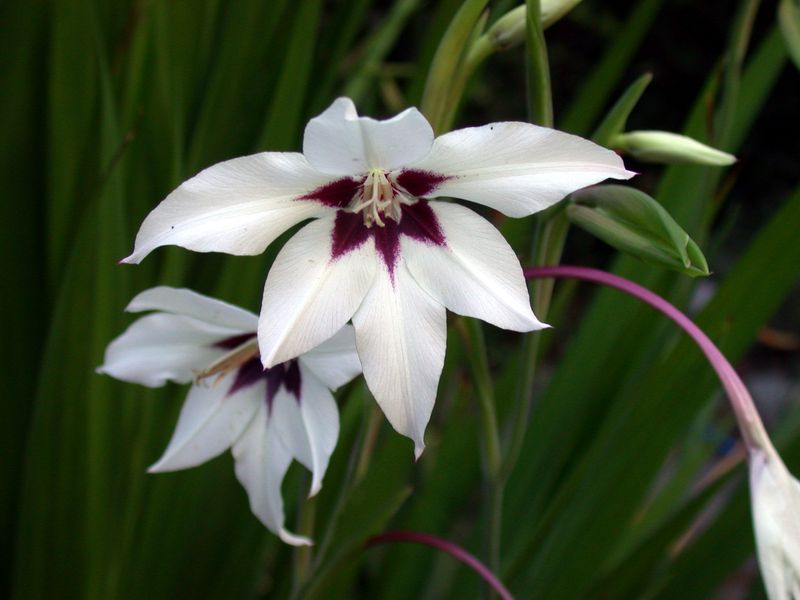
Acidanthera goes by peacock orchid, though it is really a fragrant gladiolus cousin. Late summer brings white star flowers with maroon throats and a knockout evening scent.
Missouri winters are too cold for these corms, so September digging becomes a yearly ritual. Lift them once the leaves start yellowing, generally around the end of the month.
Loosen the soil with a fork and gather the corms, which cluster tightly together. Expect plenty of small offsets that look like pale pebbles among the roots.
Trim tops to an inch and spread everything on a tray to cure. Three weeks in a warm, dry room finishes the curing process very nicely.
Rub off the old dried husks along with any shriveled mother corm underneath. Clean corms store longer and give you a clearer view of any hidden damage.
Keep them in paper bags at 40 to 50 degrees with good airflow. Basement shelves work, though avoid spots near a furnace where heat fluctuates wildly.
Acidanthera blooms late, so many gardeners start corms indoors in April for earlier flowers. Stagger plantings two weeks apart and stretch that perfume right through September.
Ethiopia gave us this species, which explains the craving for heat and dislike of frost. Gardeners in Ethiopia rarely worry about storage, which seems deeply unfair to us.
Plant the saved corms four inches deep next May near a porch or patio. The evening fragrance alone justifies every minute you spent digging last fall.